

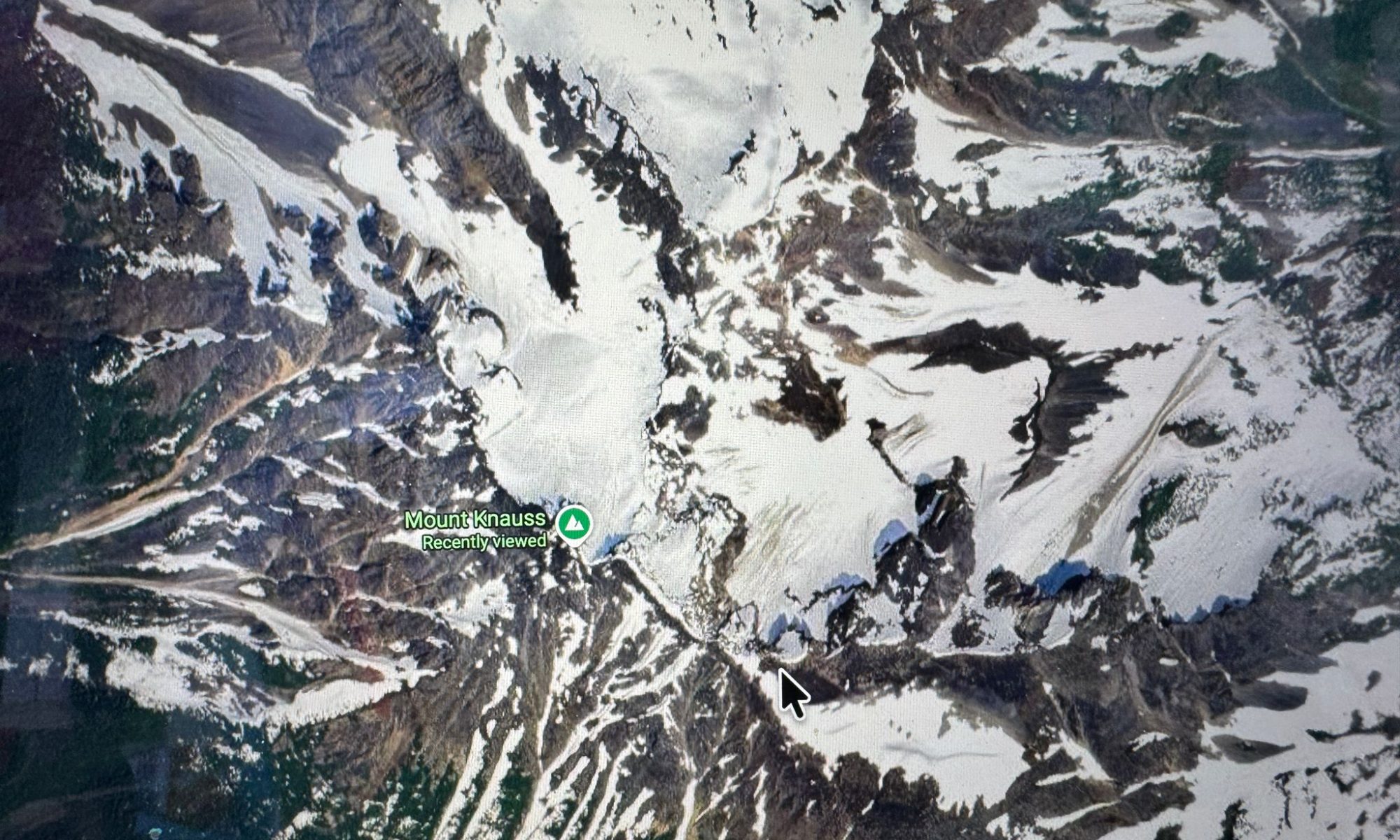
Four people have died in two separate avalanche incidents in northern British Columbia, Canada, according to Avalanche Canada forecasts and local reporting. The accidents occurred on Sunday, March 22, in remote backcountry terrain near Terrace and close to the Alaska border, highlighting persistent snowpack instability despite non-extreme danger ratings.
👉 This pattern mirrors what has been seen across the Alps this winter, where many fatal accidents have also occurred at Level 3.
📍 What Happened
The most serious incident involved a guided heli-ski group on Mount Knauss, north of Terrace:
- Three skiers were killed after being caught and buried in a large avalanche
- A fourth person was rescued and transported to hospital
Emergency response required helicopters and search and rescue teams due to the remote terrain.
In a separate avalanche later the same day, near the Klehini River / Pleasant Camp area (close to Haines Pass):
- One person was found unresponsive despite CPR efforts and later confirmed dead
- Five others were rescued safely
⚠️ Avalanche Conditions
According to Avalanche Canada, danger ratings at the time were:
- Considerable (Level 3) in the Terrace region
- Moderate (Level 2) near the Alaska border
👉 Understanding the European Avalanche Danger Scale: Levels 1–5 Explained
At Level 3 – Considerable, human-triggered avalanches are likely, and this level is consistently associated with the majority of fatal accidents.
👉 Avalanche Danger Levels Explained: What “Level 3 – Considerable” Really Means
🏔️ Heli-Ski Operation Suspended
Further details reported by Pique Newsmagazine indicate that:
- The avalanche involved a commercial heli-skiing operation
- Operations were suspended following the incident
- The case is being treated as a workplace-related investigation
- A guide survived but required surgery
Some reports, including Powder Magazine, described the avalanche as a Size 4 event, capable of destroying mature forest and causing large-scale burial.
📊 Context: Not an Extreme Warning — But High Consequence
These incidents reinforce a key point also seen across Europe this winter:
- Fatal avalanches often occur during “Considerable” (Level 3) conditions
- Guided and experienced groups are still exposed
- Remote terrain significantly complicates rescue operations
👉 February 2026 Avalanche Cycle Across the Alps
British Columbia remains one of the most active avalanche regions globally, combining:
- Heavy snowfall cycles
- Persistent weak layers
- Complex and often remote terrain
🧭 Takeaway
Even without the highest danger rating, avalanche conditions can remain highly unstable, and consequences in backcountry terrain — especially remote areas — can be severe.
Sources
- Avalanche Canada – official forecasts and danger ratings
https://avalanche.ca - RCMP / local emergency services statements (Terrace region)
https://bc-cb.rcmp-grc.gc.ca - Global News Canada (local reporting)
https://globalnews.ca/news/11742804/4-people-die-avalanches-bc/ - Pique Newsmagazine (Whistler-based regional reporting)
https://www.piquenewsmagazine.com - Powder Magazine (supporting detail on avalanche size)
https://www.powder.com/news/four-dead-seperate-avalanches-bc
 Planning your next trip to the Italian Alps?
 Planning your next trip to the Italian Alps?
If you’re heading to the Aosta Valley, take a look at Il Cuore della Valdigne, our family-owned apartment in Morgex, available for rent when we’re not using it ourselves.
It’s an ideal base to:
- Ski in Courmayeur, La Thuile and Pila
- Enjoy the mountains in summer (hiking, biking, nature)
- Explore the Mont Blanc valley in a quieter, more authentic setting.
 Ski in Courmayeur,
 Enjoy the mountains in summer (hiking, biking, nature)
Check my Mountain Art on my Shop
You can go to my shop and see what have been inspiring me lately, lots mountain landscapes in soft pastels, and now in oils too. Go here to check my latest works!
Featured Image: Mount Knauss. Google Maps. Fatal avalanches in northern British Columbia occurred under Considerable (Level 3) danger conditions.


Discover more from The-Ski-Guru
Subscribe to get the latest posts sent to your email.
 Subscribe to The-Ski-Guru here.
You must be logged in to post a comment.