Future Mobility in Andorra: Why Grandvalira’s Next Big Challenge May Be Transport, Not Lifts

The prospective Tramvalira trail. Google Maps: DigitalAndorra.com

Andorra’s ski economy has long been built around access by road. Visitors arrive by car, coach or private transfer. Workers commute along narrow valley corridors. Skiers move between hotels, villages and lift bases by bus, taxi, shuttle or rental car. For years, that model has more or less worked because Andorra’s geography left few alternatives.

But the pressure is becoming harder to ignore.

After looking at why employee housing has become a global challenge for ski resorts, Andorra offers the next part of the same story: what happens when ski resorts, workers and visitors increasingly depend on mobility systems that were not designed for today’s scale of tourism?

The most visible sign of that shift is Tramvalira, the proposed tram-train connection between La Seu d’Urgell and Andorra. In February 2026, the Andorran and Catalan governments held the first pilot meeting for the project, which would study a public transport link between La Seu d’Urgell and Sant Julià de Lòria, connecting with Andorra’s planned internal tram system. The project has received €329,841.56 in European POCTEFA funding, covering around 45% of its current study phase. 
Continue reading “Future Mobility in Andorra: Why Grandvalira’s Next Big Challenge May Be Transport, Not Lifts”

Is the Future of Ski Resorts Becoming Local Again?

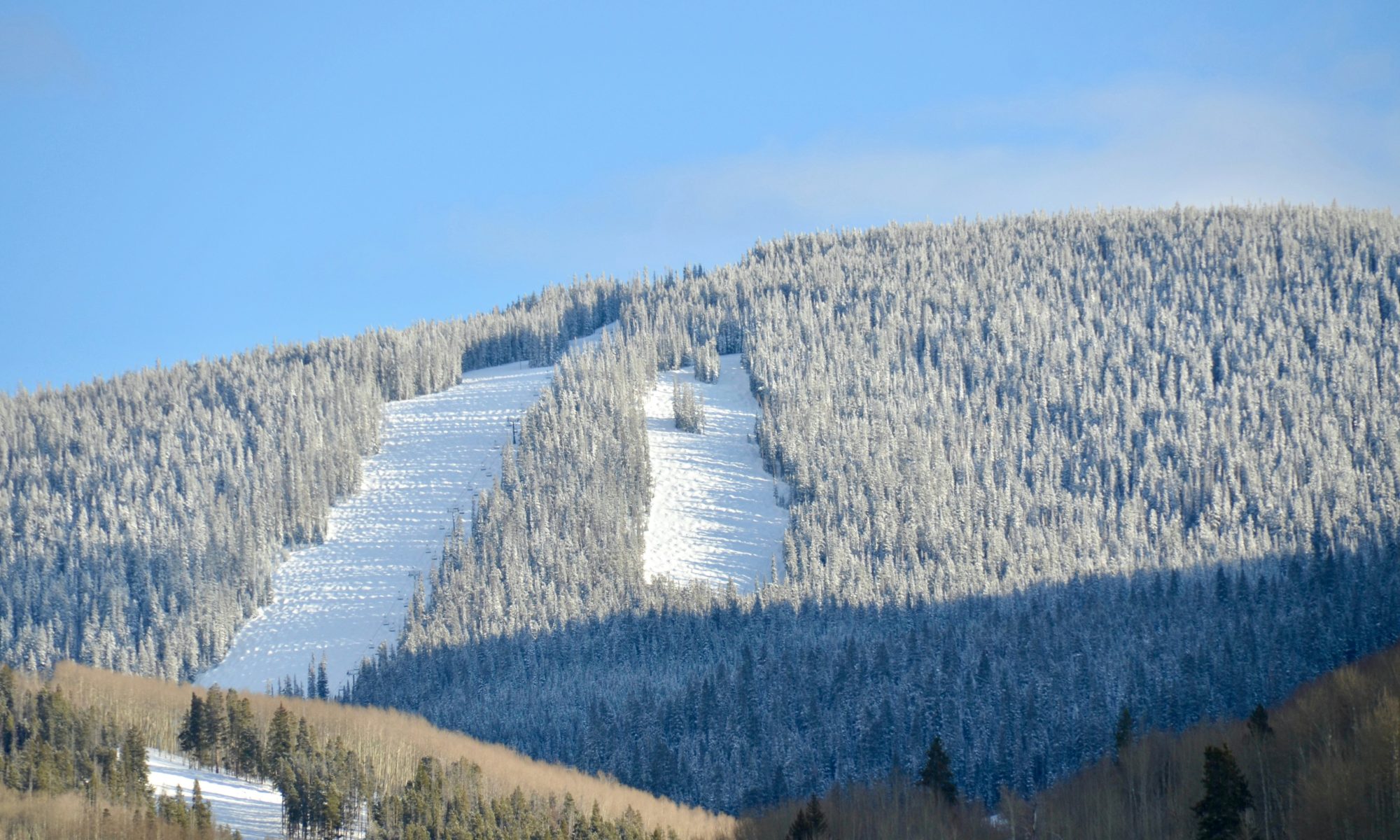
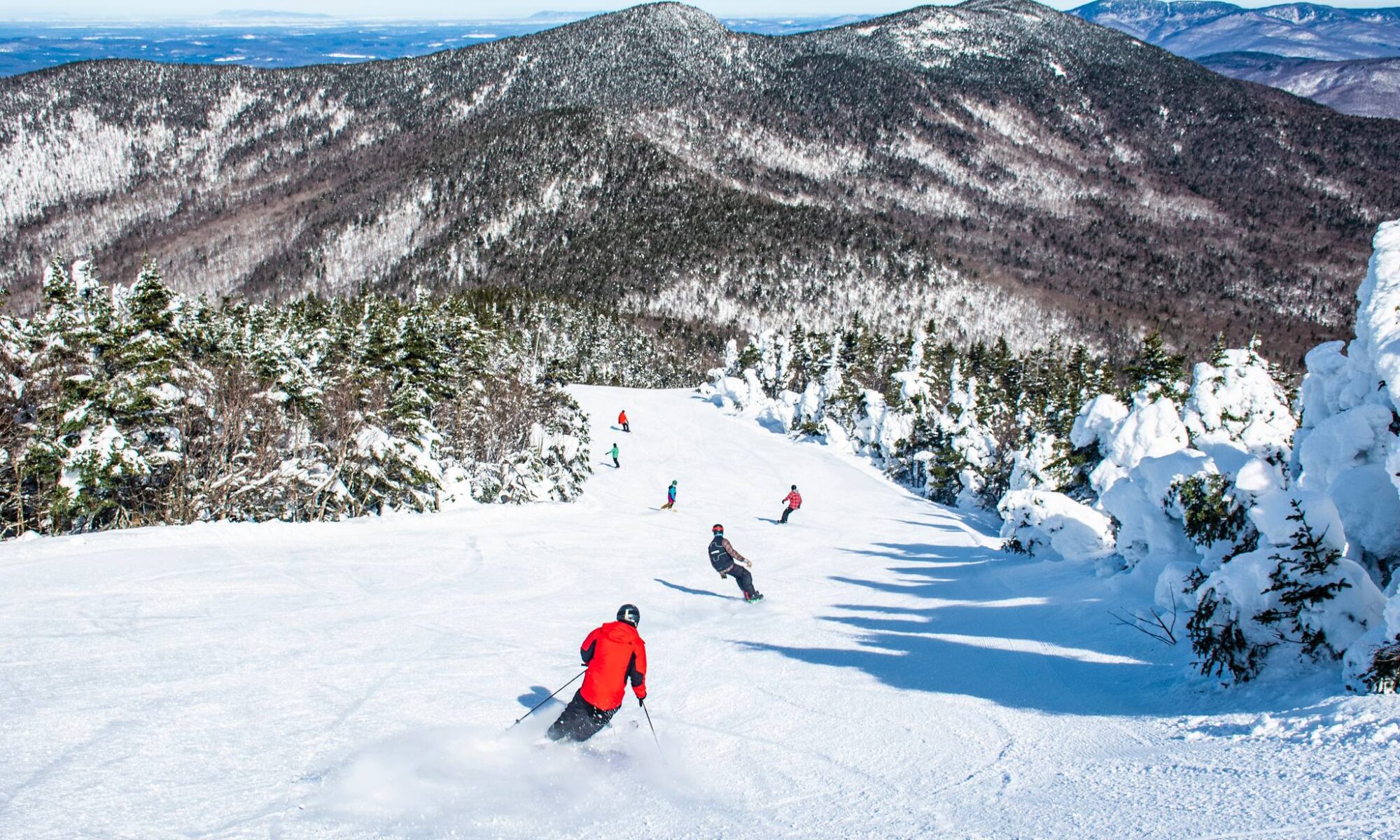
Black Mountain, operated by Indy Pass. Photo: Indy Pass.

As climate pressures, rising infrastructure costs, labour shortages and industry consolidation reshape skiing on both sides of the Atlantic, an unexpected trend is emerging: communities, municipalities and cooperative groups are increasingly stepping in to save, buy or directly influence ski areas they see as essential to local survival.

What once looked like isolated rescue stories is beginning to resemble a wider structural shift in how smaller ski resorts survive.

The latest example comes from Canada, where the Sault Ste. Marie Economic Development Corporation in Ontario stepped in to purchase the historic Searchmont Resort. Local officials described the ski hill as a “vital community asset” tied not only to tourism, but also to jobs, economic development and the wider identity of the region. The acquisition followed years of operational struggles and municipal support aimed at keeping the mountain open.

The story reflects a growing idea emerging across mountain regions: ski hills are increasingly being viewed less as standalone private businesses and more as strategic community infrastructure.

Continue reading “Is the Future of Ski Resorts Becoming Local Again?”

Mountain Capital Partners Plans US$17.5 Million Investment to Modernise Chile’s La Parva and Valle Nevado

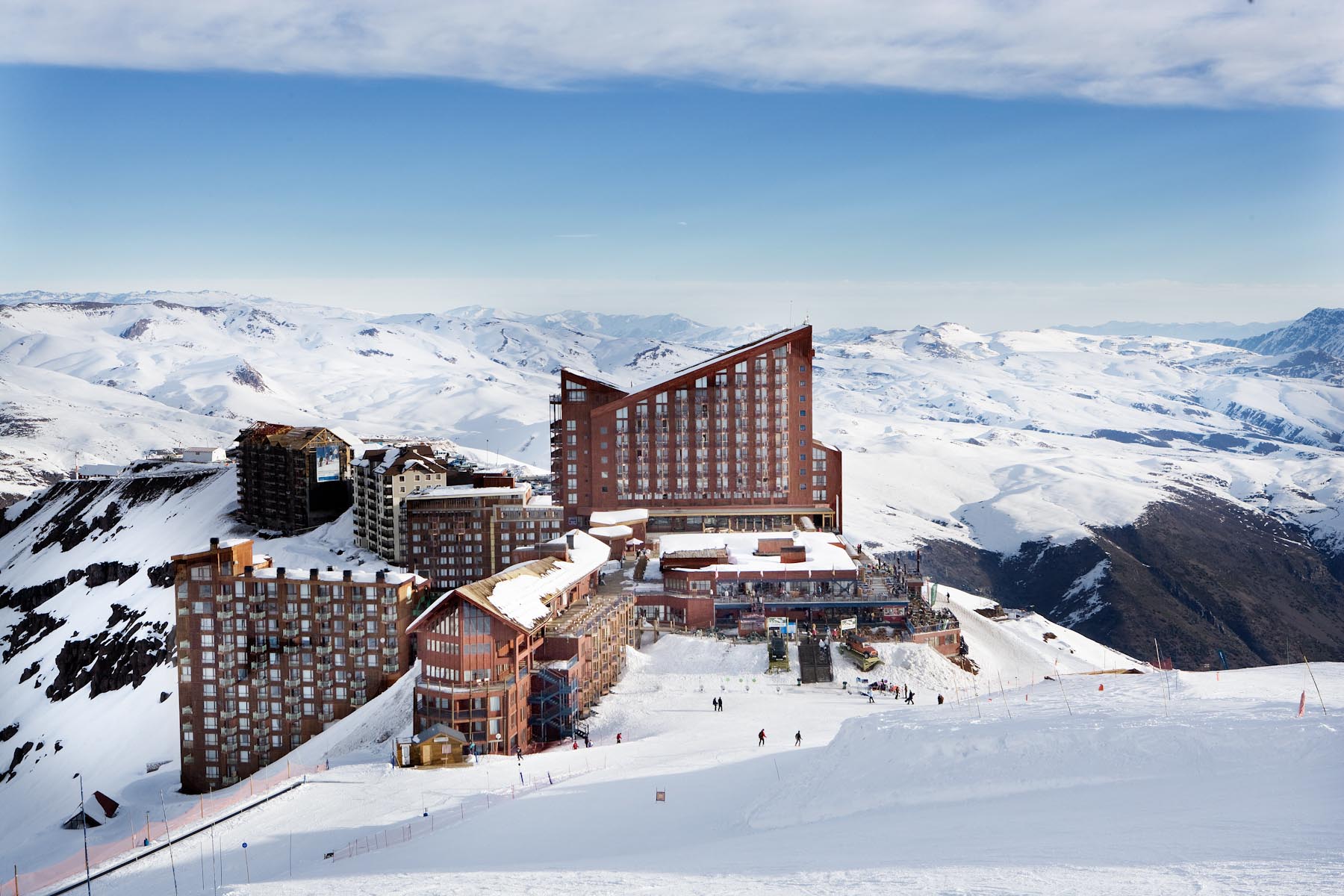
The Hotel Valle Nevado in the front, with the towering Puerta del Sol in the background. Photo courtesy Valle Nevado.

Mountain Capital Partners has announced plans for a major US$17.5 million investment aimed at modernising Chilean ski resorts La Parva and Valle Nevado, in what could become one of the most significant ski infrastructure projects in South America in recent years.

This is as part of a wider US$37.5 million capital-improvement programme across its portfolio.

Correction: An earlier version of this article stated that the planned investment was US$175 million. The correct figure is more than US$17.5 million for Valle Nevado and La Parva, as part of MCP’s wider 2026 capital-improvement programme.

The investment is designed to strengthen the connection and operational integration between the two resorts, creating a larger and more internationally competitive ski domain in the Andes above Santiago. The project reflects a broader global trend already visible across North America and parts of Europe, where ski operators are increasingly investing in interconnected terrain, upgraded lift systems, snowmaking infrastructure, and year-round destination appeal.

Continue reading “Mountain Capital Partners Plans US$17.5 Million Investment to Modernise Chile’s La Parva and Valle Nevado”

Giro d’Italia Returns to Val d’Aosta With Major Summit Finish in Pila

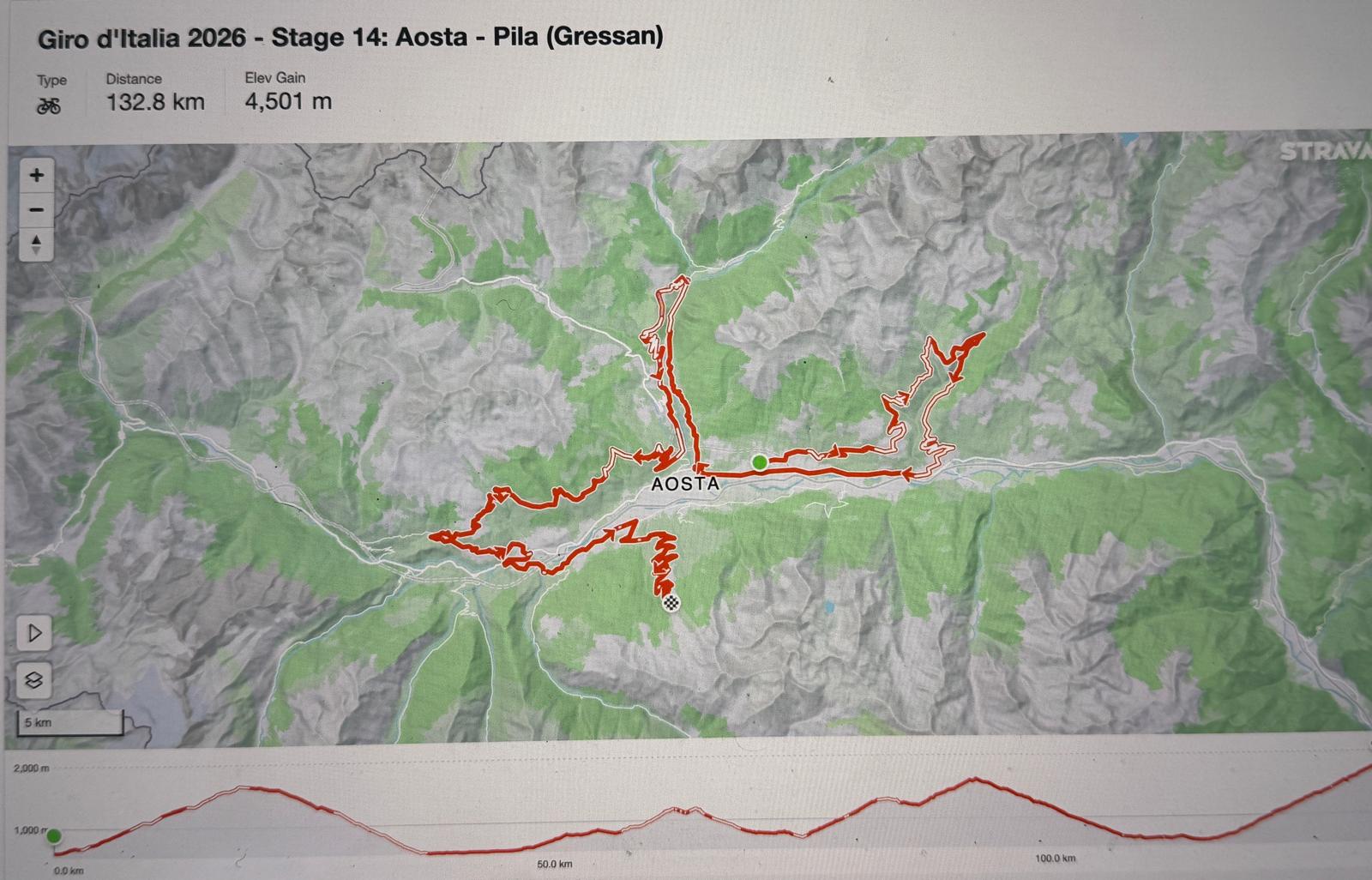
Etape of the Giro d'Italia. Strava.

The Giro d’Italia 2026 is returning to the Aosta Valley this May with one of the most important Alpine stages of the race, as Stage 14 finishes in Pila on Saturday 23 May.

The stage, officially running from Aosta to Pila (Gressan), is already being described as one of the decisive mountain stages of the 2026 Giro. The route packs more than 4,000 metres of climbing into just 133km, with the final ascent to Pila expected to create major time gaps between the race favourites. 

According to the official race route, riders will tackle a series of climbs across the Aosta Valley before the final ascent from Gressan to Pila, a climb measuring approximately 16.5km at an average gradient above 7%. The finish line will sit high above the valley with views toward Mont Blanc, Monte Rosa, the Matterhorn and Gran Paradiso. 

Continue reading “Giro d’Italia Returns to Val d’Aosta With Major Summit Finish in Pila”

Fresh Snow, Wind Slabs and Spring Avalanche Risk Return to the Écrins

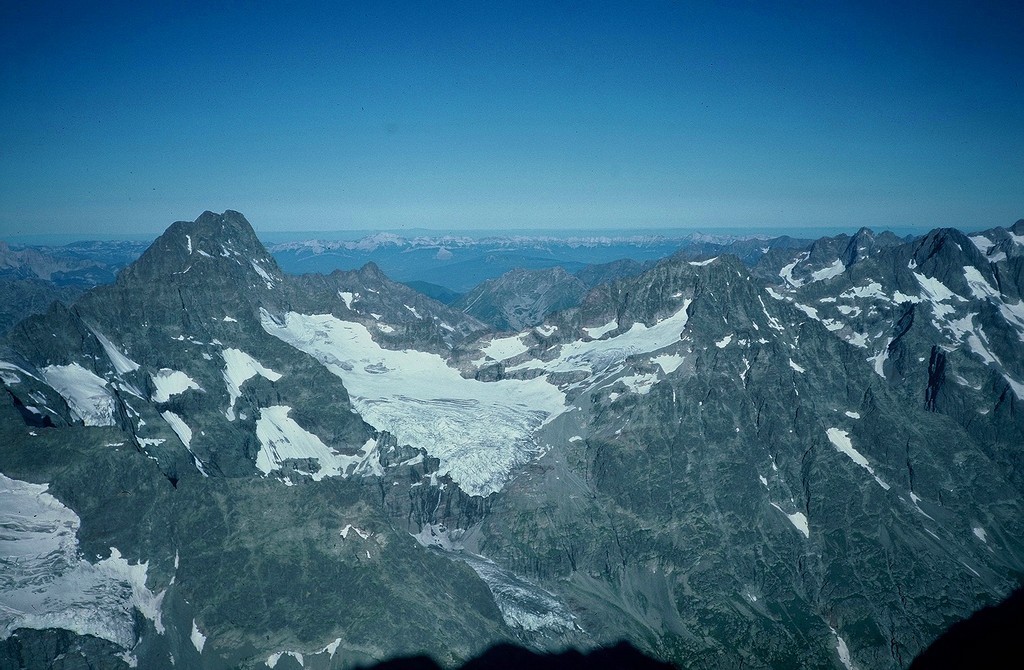
Aiguille de Olan- Photo: Alain Bellon. Altituderando.com

Nearly One Metre of Snow in Five Days: Renewed Avalanche Instability in the French Alps

A fatal avalanche accident in the Écrins massif and multiple recent avalanche observations across the French Alps are highlighting how rapidly spring mountain conditions can deteriorate following late-season snowfall and wind transport.

On Friday morning, a Savoyard high mountain guide died after being swept away by a wind slab avalanche near the summit of the north face of the Aiguille de l’Olan in the Oisans massif. According to early reports, the guide and a companion were close to the summit and had reportedly intended to ski the descent when a wind slab suddenly released, carrying one of the climbers approximately 400 metres down the face.

A second fatal avalanche accident was reported the following day in the Mont Blanc massif, where a young French skier died on Saturday 9 May after being swept away on the north face of the Aiguille du Plan above Chamonix. According to Le Dauphiné Libéré, three skiers aged around 20 to 25 were descending the face when they triggered a fresh-snow avalanche shortly after midday. One skier was carried away and later found dead by PGHM Chamonix rescuers, while his two companions were evacuated from the route. The accident adds further weight to warnings about late-spring instability following recent snowfall across the northern French Alps.

Continue reading “Fresh Snow, Wind Slabs and Spring Avalanche Risk Return to the Écrins”

U.S. Skier Visits Drop 14% in 2025–26 — A Weak Winter With Structural Signals

Some pistes in Vail Mountain. Photo: David Maunsell. Unsplash.

New data from the National Ski Areas Association (NSAA) confirms what operators across North America have been experiencing throughout the winter: skier visits in the United States fell by around 14% during the 2025–26 season.

The figures mark one of the most significant declines in recent years and a clear break after four consecutive seasons exceeding 60 million visits.

A Season Defined by the West

The decline is closely tied to what has been one of the weakest winters on record across large parts of the western United States.

Continue reading “U.S. Skier Visits Drop 14% in 2025–26 — A Weak Winter With Structural Signals”

Are Lower-Elevation Ski Resorts Becoming Unviable?

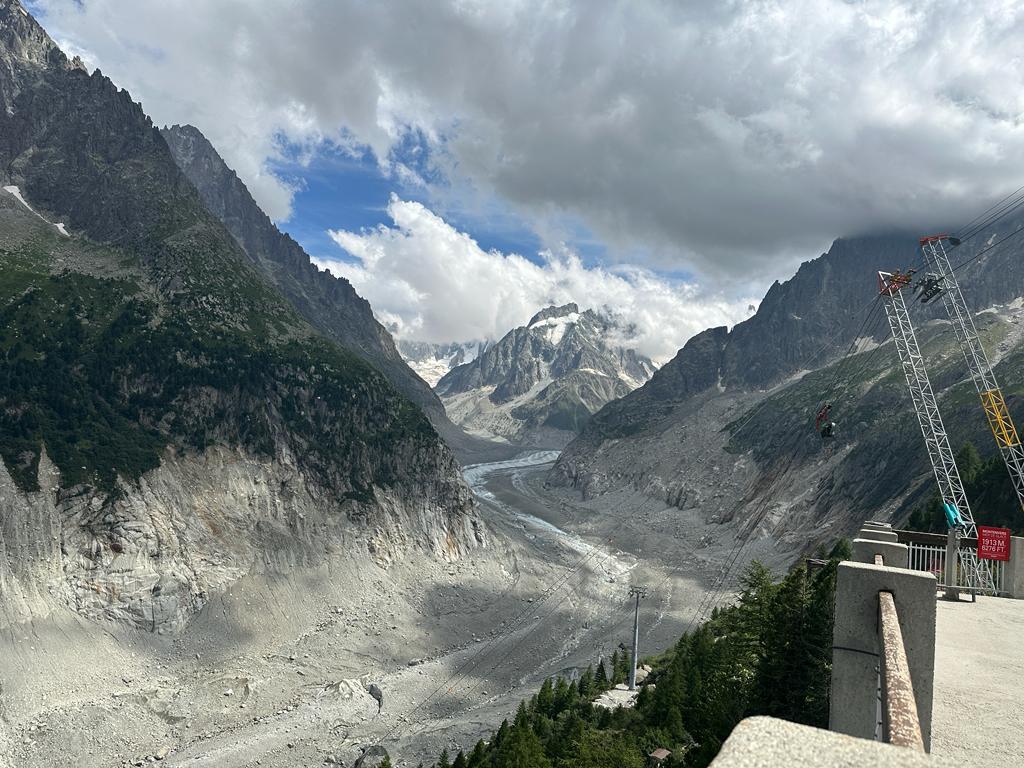
Resorts are adapting from depending only on snow-availability, to four seasons activities. Photo: Montenvers Glacier in Chamonix. The-Ski-Guru.

The question of whether lower-elevation ski resorts in the Alps can remain viable is no longer theoretical. It is already being tested in real time.

Following a winter that, despite perception, failed to deliver consistent snowpack across much of the range, the structural weaknesses of lower-altitude skiing are becoming harder to ignore. As explored in The Alps Did Not Have a Snow-Rich Winter: Why 2026 Resembles 2022 for Glaciers, the idea of a snow-rich season does not reflect the underlying reality of increasingly uneven snowfall and reduced snow retention.

What matters now is not just how much snow falls, but where—and how long it lasts.


The Altitude Problem Is Becoming Structural

For decades, ski resort viability in the Alps was closely tied to a relatively stable threshold. Resorts above roughly 1200 metres could expect reliable snow seasons, while those below faced more variability.

That line is shifting.

Continue reading “Are Lower-Elevation Ski Resorts Becoming Unviable?”

The Alps Did Not Have a Snow-Rich Winter: Why 2026 Resembles 2022 for Glaciers

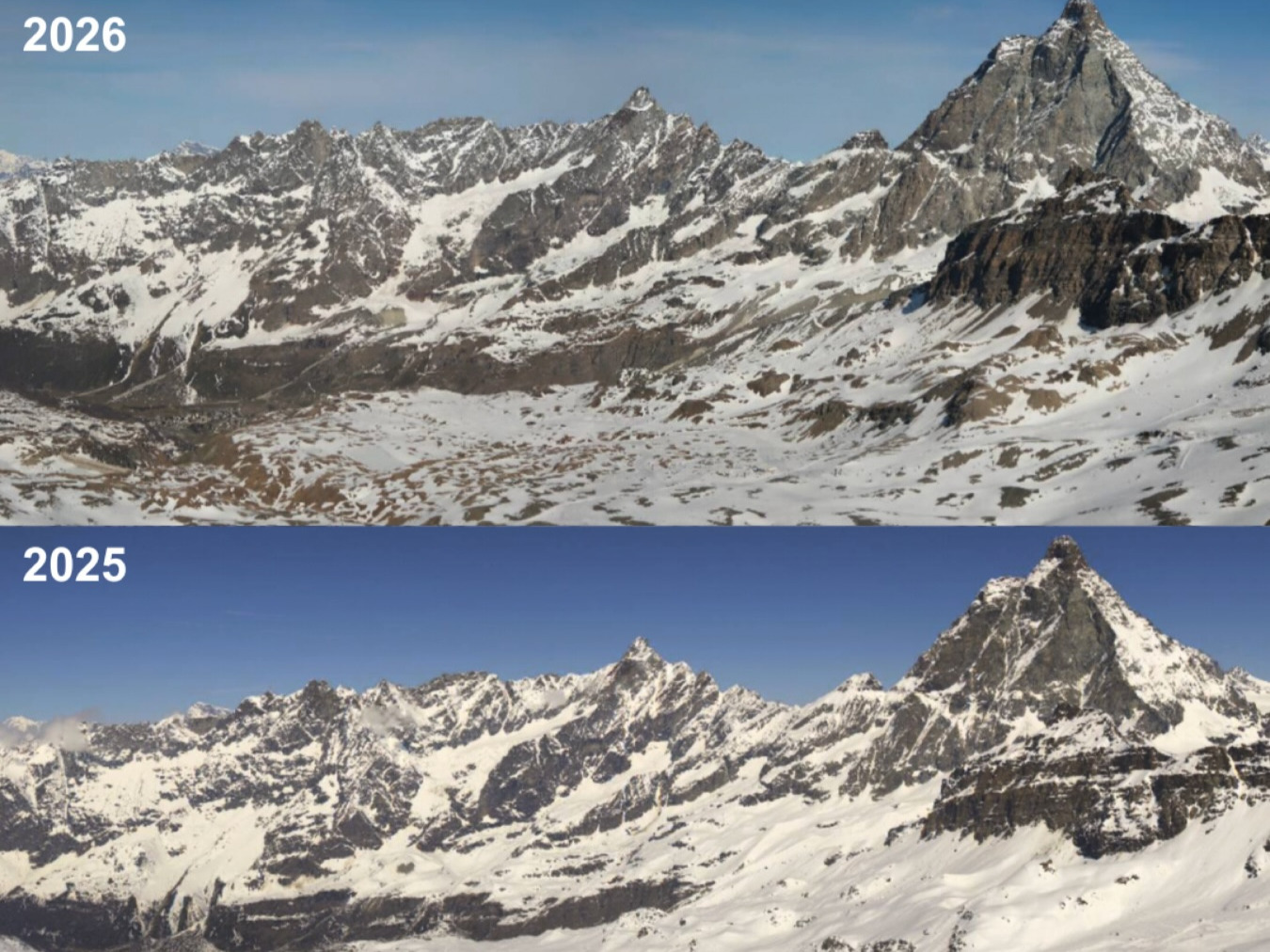
Snow comparisons Plateau Rosa 2025-26. Photo: Meteo Valle d'Aosta.

The idea that winter 2025/26 was “a good snow year” in the Alps does not hold up under closer analysis. While some regions experienced notable snowfall events, particularly in December, these were highly localised and have led to a broader misperception about conditions across the entire Alpine arc.

Data and observations from Meteo Valle d’Aosta highlight the issue clearly. Heavy early-season snowfall was largely confined to the Maritime and Ligurian Alps, a relatively small portion of the range. Outside these areas, including much of the north-western Alps and Valle d’Aosta, snowfall remained closer to average or slightly below through much of the early winter.

Crucially, what followed mattered more than what fell.

Continue reading “The Alps Did Not Have a Snow-Rich Winter: Why 2026 Resembles 2022 for Glaciers”

Courmayeur’s New Gondolas Signal a Deeper Shift in Alpine Ski Infrastructure

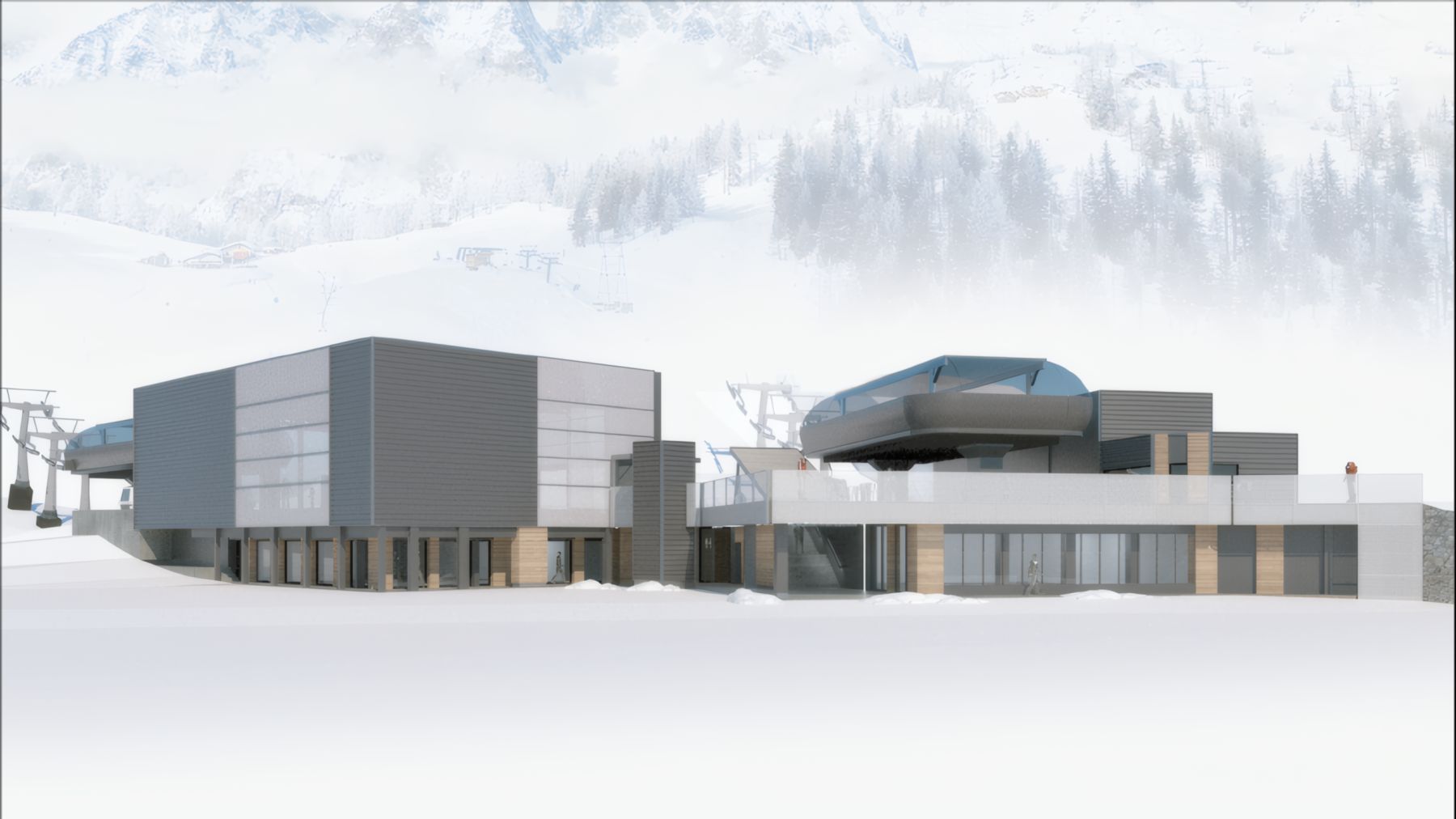
Rendering Courmayeur. Neveitalia.

Courmayeur is preparing a significant lift upgrade, with two new gondolas scheduled to open for the winter 2026–2027 season. On the surface, the project follows a familiar Alpine pattern of replacing ageing infrastructure. But looked at more closely, it reflects a deeper shift in how resorts are adapting to operational pressure, changing demand, and increasingly compressed winter seasons.

The project focuses on the core Plan Chécrouit sector, where one of the new gondolas will replace the existing Chécrouit lift. The upgrade to modern 10-seater cabins is expected to increase uphill capacity and reduce congestion on one of the resort’s main arteries. At the same time, the long-standing Maison Vieille chairlift will be removed and replaced with a gondola along the same alignment, fundamentally changing access to that side of the mountain.

While the manufacturer has not yet been officially confirmed, the renderings published with the project strongly resemble recent Leitner gondola designs. That said, in the Aosta Valley both Leitner and Doppelmayr regularly deliver installations of this scale, so formal confirmation will likely only come once contracts are finalised.

Continue reading “Courmayeur’s New Gondolas Signal a Deeper Shift in Alpine Ski Infrastructure”

Europe’s Summer 2026 Tourism Paradox: Record Demand, But a Weaker Season?

Wanderszene auf Galzig bei St. Anton, Lechtaler Alpen, Tirol, Österreich.

Europe’s Summer 2026 Tourism Paradox: Record Demand, But a Weaker Season?

The European tourism sector is heading into the summer of 2026 with what appears, at first glance, to be a strong tailwind. Travel intent is at record levels, international demand remains resilient, and key destinations continue to attract global visitors. Yet beneath those headline figures, a more complex and uneven reality is emerging.

Early signals from Switzerland suggest that the season ahead may be far less robust than expected. According to Swissinfo, parts of the hotel sector are already reporting a slowdown in bookings, an increase in cancellations, and a shift towards last-minute reservations. The outlook has been described as “clearly clouded,” with operators pointing to geopolitical instability, particularly in the Middle East, as a factor disrupting travel flows and air connectivity.

This tension between strong demand and weakening booking quality is increasingly visible across Europe, and it reflects a broader structural shift in how travel demand is behaving in 2026.

Continue reading “Europe’s Summer 2026 Tourism Paradox: Record Demand, But a Weaker Season?”