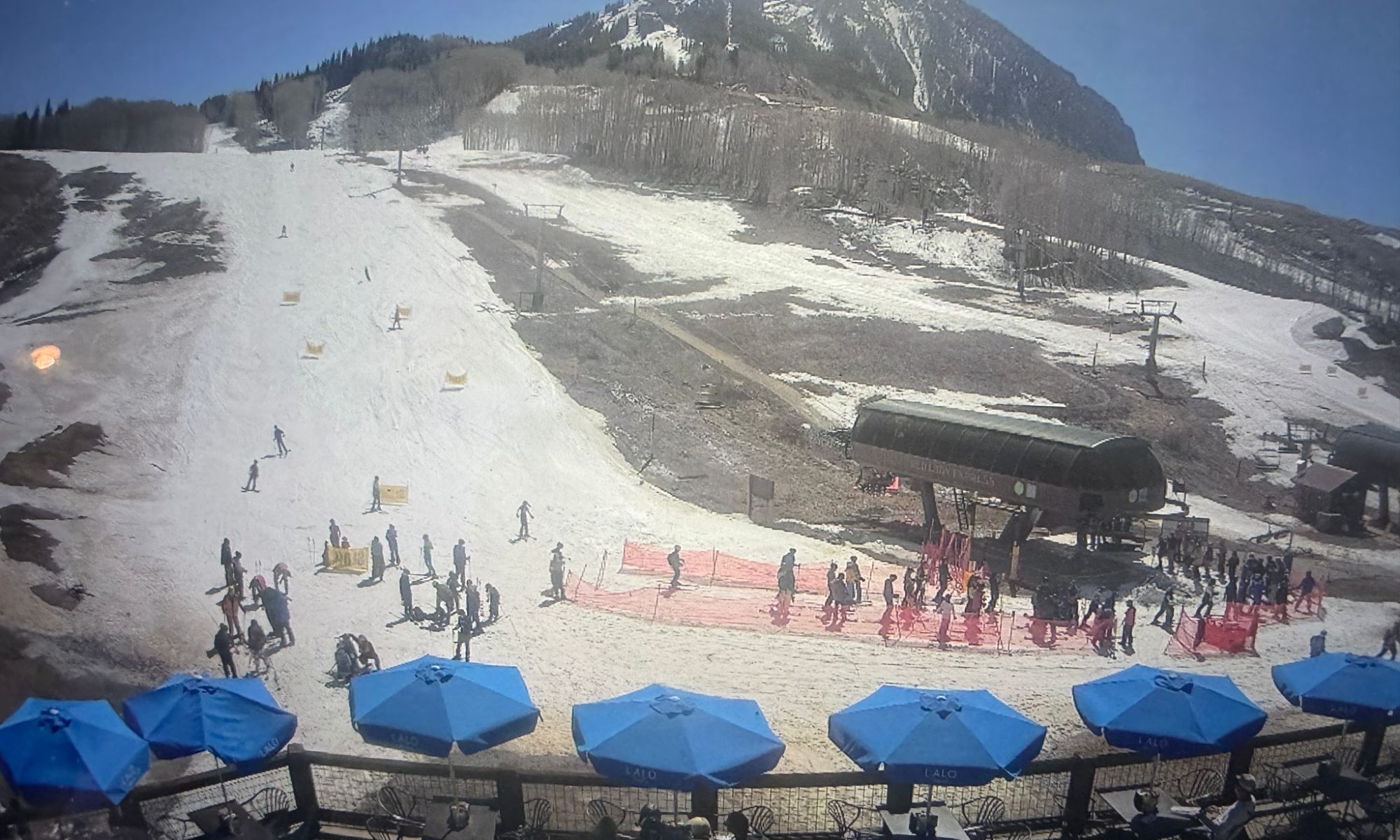
Marmot Basin Road Closure Forces Access Detour in Jasper National Park

Photo: Ski Marmot Basin.

Introduction

A Marmot Basin road closure has forced a change in access routes after authorities shut part of Wabasso Road (93A) in Jasper National Park due to debris and mud on the roadway.

Access to Marmot Basin remains open, but from Sunday April 5 visitors and staff have been directed to approach via Athabasca Falls and Highway 93A using a signed detour.

Similar spring disruptions linked to unstable ground and snowmelt have also been observed in Alpine regions in recent seasons, underlining how sensitive mountain access infrastructure can be at this time of year.


What Has Been Closed

According to a public notice issued by Parks Canada, the Marmot Basin road closure affects the north end of Wabasso Road (93A) between Highway 93 and Marmot Basin Road.

Continue reading “Marmot Basin Road Closure Forces Access Detour in Jasper National Park”
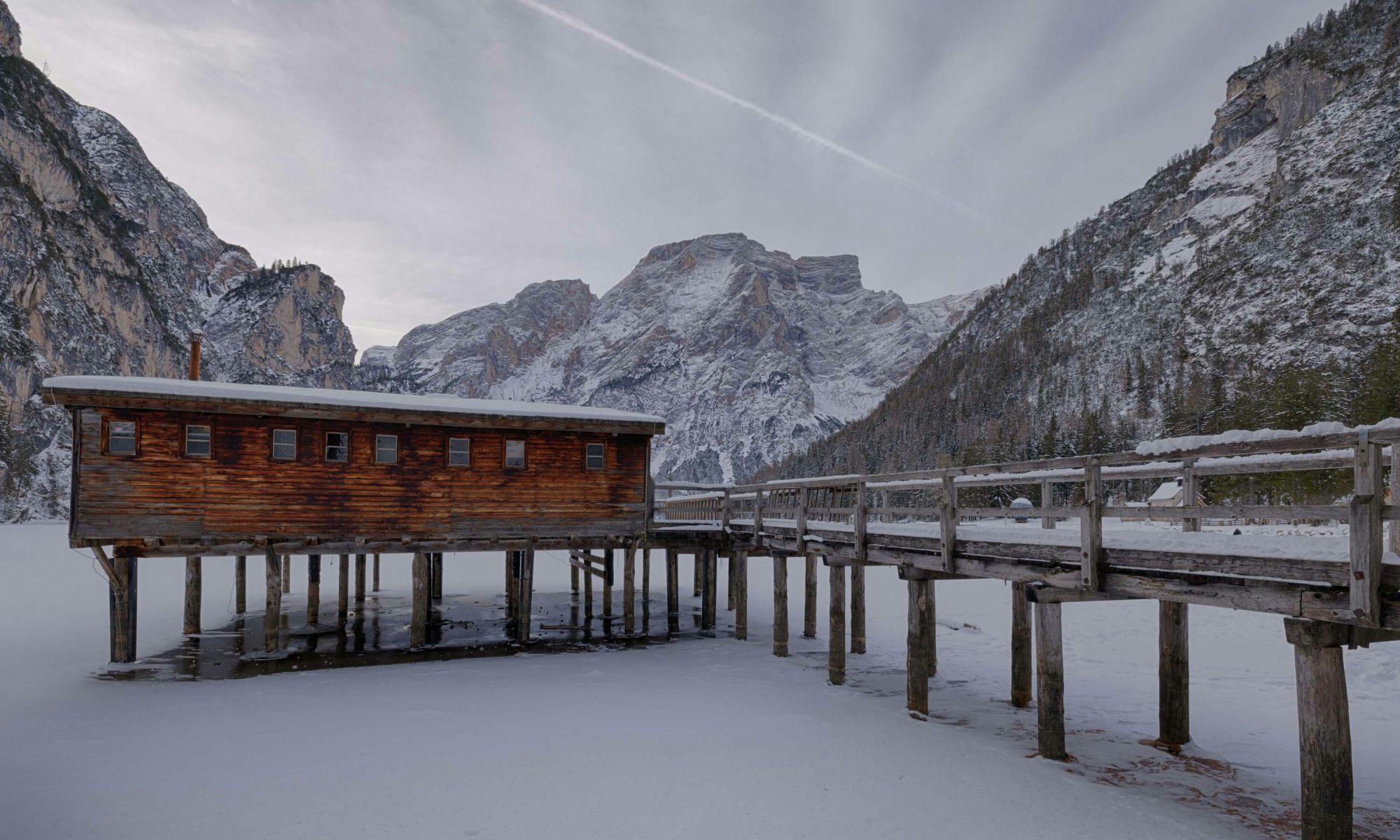
Lago di Braies Ice Collapse: Tourists Fall Into Freezing Water as Dozens Walk on Thawing Surface

A frozen Lago di Braies in the Dolomites of Sudtirol. Photo: Edoardo Bortoli. Unsplash.

Lago di Braies in South Tyrol became the scene of a serious Easter weekend safety incident after a section of ice gave way beneath visitors walking on the lake. According to local reporting, five people ended up in the freezing water, while rescuers arriving at the scene found that many others were still walking across the surface despite the obvious danger. 

The episode was described in stark terms by Simon Feichter of the Alta Pusteria mountain rescue service, who told Corriere del Alto Adige that there were around one hundred people on the frozen surface. He called the situation “a folly”, warning that people simply saw ice and assumed it was safe. 

Rai News reported that the initial victims were two minors, a brother and sister, who ventured onto the ice during Easter Sunday afternoon. Their father and two other people then also fell into the water while trying to help them. All were eventually brought back to shore with the help of other people on site before emergency responders took over. 

Continue reading “Lago di Braies Ice Collapse: Tourists Fall Into Freezing Water as Dozens Walk on Thawing Surface”

Monviso Tragedy: Experienced Climber Dies After Fall on South Route

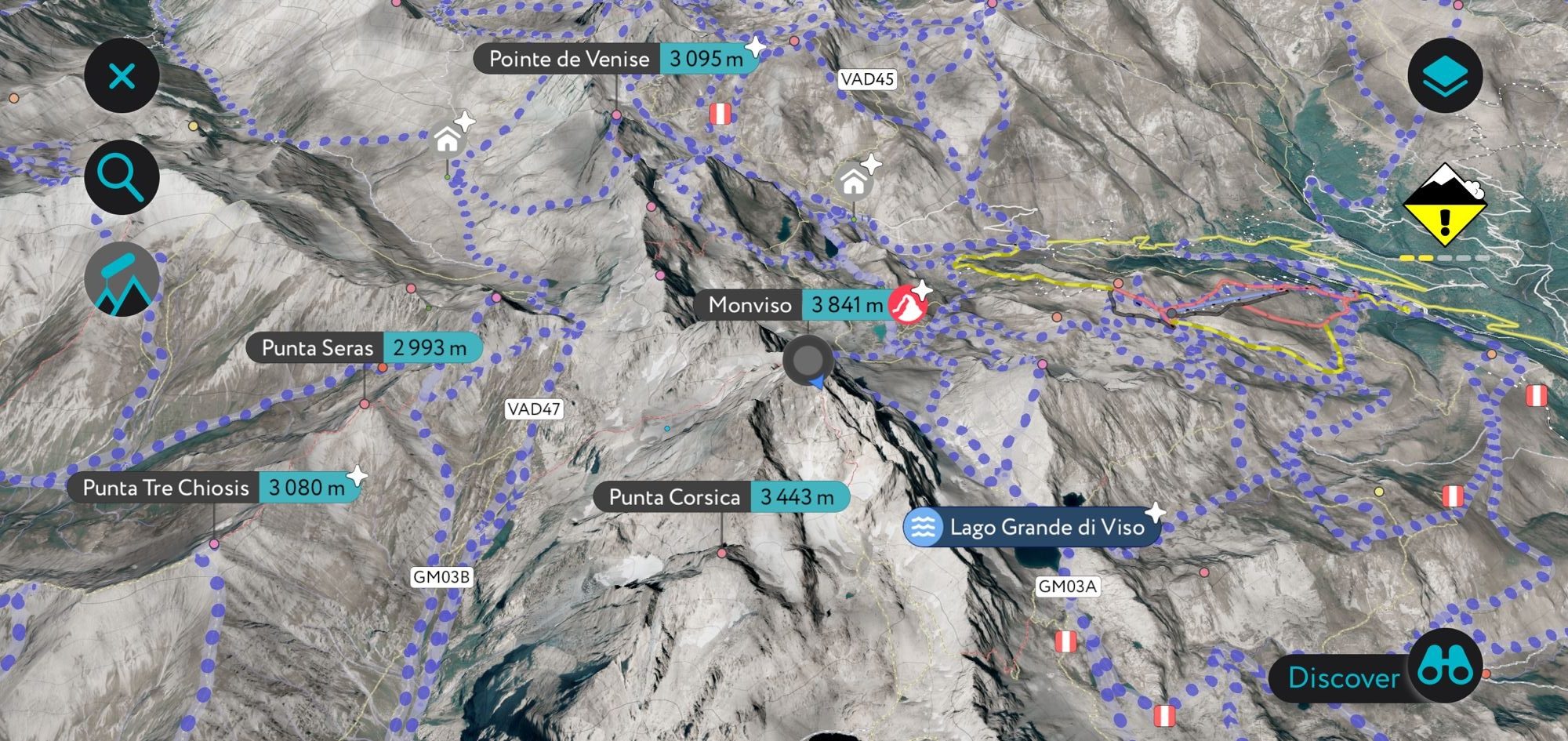
Monviso. Peak Visor map.

A 57-year-old climber from Pinerolo has died following a fall during a descent on Monviso, one of the most iconic peaks in the Italian Alps.

The victim, identified in local reports as Alberto Soldani, was described as an experienced mountaineer.


📍 Accident on the South Route (Via Sud)

The incident occurred at around 3,700 metres on Monviso’s South Route, also known as Via Sud.

According to early information reported by regional Italian media and rescue services, the alarm was raised after two mountaineers discovered a ski on the route. Rescue teams subsequently located the victim’s body in a couloir, more than 300 metres above, indicating a long fall during the descent. The body was recovered by helicopter by the Soccorso Alpino, and a doctor confirmed the death at the scene.

Continue reading “Monviso Tragedy: Experienced Climber Dies After Fall on South Route”

French Alps Avalanches: Size 3 Slides Highlight Spring Snowpack Instability

Crown Fracture of a huge snow slab-avalanche. Researchgate.net

Introduction

A series of recent avalanches across the French Alps is highlighting a dangerous spring transition in the snowpack, with multiple size 3 avalanches recorded in early April 2026.

Observations reported via data-avalanche.org show a mix of natural and human-triggered avalanches across the Vanoise and Haute Tarentaise regions.

👉 These developments follow broader instability patterns seen earlier this season — see February 2026 Avalanche Cycle Across the Alps.


Where the Avalanches Occurred

Key events (2–4 April 2026)

At Cime des Planettes in the Vanoise on 4 April, a size 3 avalanche released spontaneously around midday and was observed by ski patrol in Aussois. The timing is consistent with typical spring warming patterns.

Continue reading “French Alps Avalanches: Size 3 Slides Highlight Spring Snowpack Instability”

Rockfall Forces Evacuations Near Courmayeur: Instability on the Mont Blanc Corridor

Palleusieux- Google Maps.

Introduction

A rockfall in the hamlet of Palleusieux, in Pré-Saint-Didier, has forced the evacuation of residential buildings and the closure of a section of road on the approach to Courmayeur, underlining ongoing slope instability on the Mont Blanc side of the Aosta Valley.

The incident occurred on 31 March 2026 and prompted immediate safety measures after rock debris reached areas close to inhabited properties. According to AostaSera, authorities assessed the slope as posing a serious risk to public safety, leading to precautionary evacuations and restrictions in the area.


Evacuations and Road Closure

Four apartment buildings in Palleusieux were evacuated as a precaution, while a section of the Route Mont Blanc was closed to traffic. This road represents a key access route between Pré-Saint-Didier and Courmayeur, although alternative access remains possible via the A5 motorway tunnel.

Continue reading “Rockfall Forces Evacuations Near Courmayeur: Instability on the Mont Blanc Corridor”

Low-Altitude Alps & Jura: What March 2026 Reveals About Snow Reliability in Europe

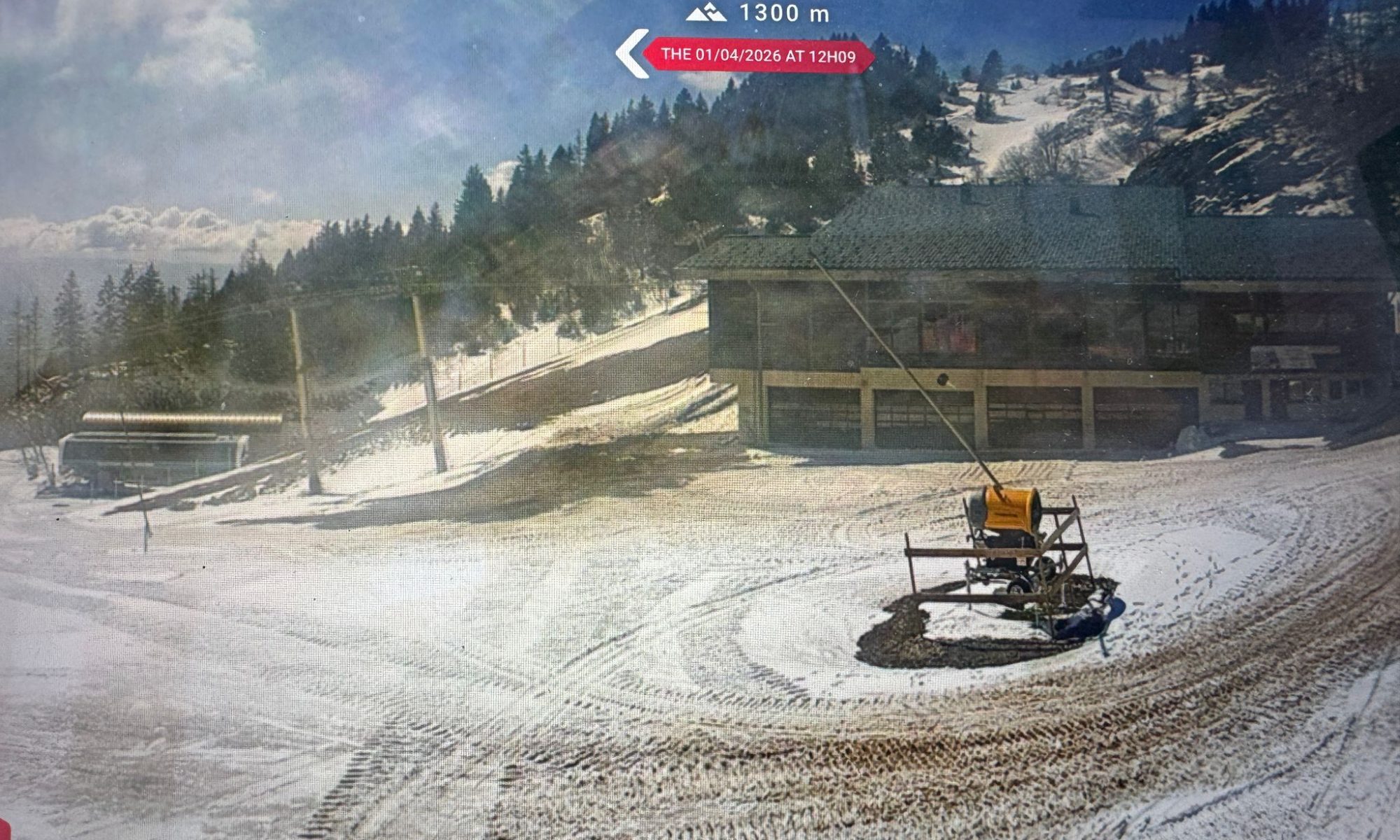
Télécabine de Crozet- Monts Jura webcam. 1st April 2026

Introduction

At the end of March 2026, new snow data from AINEVA offers a revealing snapshot of conditions across the Italian Alps. The picture is not one of simple snow shortage, but of increasing variability and instability, particularly at lower elevations. Across parts of the Alps, and in mountain ranges such as the Jura and Vosges, the 2025/26 winter is highlighting a pattern that has become increasingly evident in recent years: snowpack is becoming more volatile, even within a single season.


A Season of Swings: February Peak, March Melt

According to AINEVA, the maximum snow depth, measured through the HSimed index, was reached during the second half of February. What followed was not a gradual seasonal transition, but a sequence of sharp changes. Mild temperatures in early March led to a significant reduction in snow depth, pushing levels below seasonal norms. Snowfall in mid-March temporarily restored conditions closer to average, while a later drop in temperatures slowed the rate of melt. However, this cooling did not reverse the broader pattern. The result has been a highly dynamic snowpack, shaped by rapid fluctuations rather than a stable seasonal base.

Continue reading “Low-Altitude Alps & Jura: What March 2026 Reveals About Snow Reliability in Europe”

Italian Alps Snowpack Update: Depth Recovers — But the Water Deficit Remains

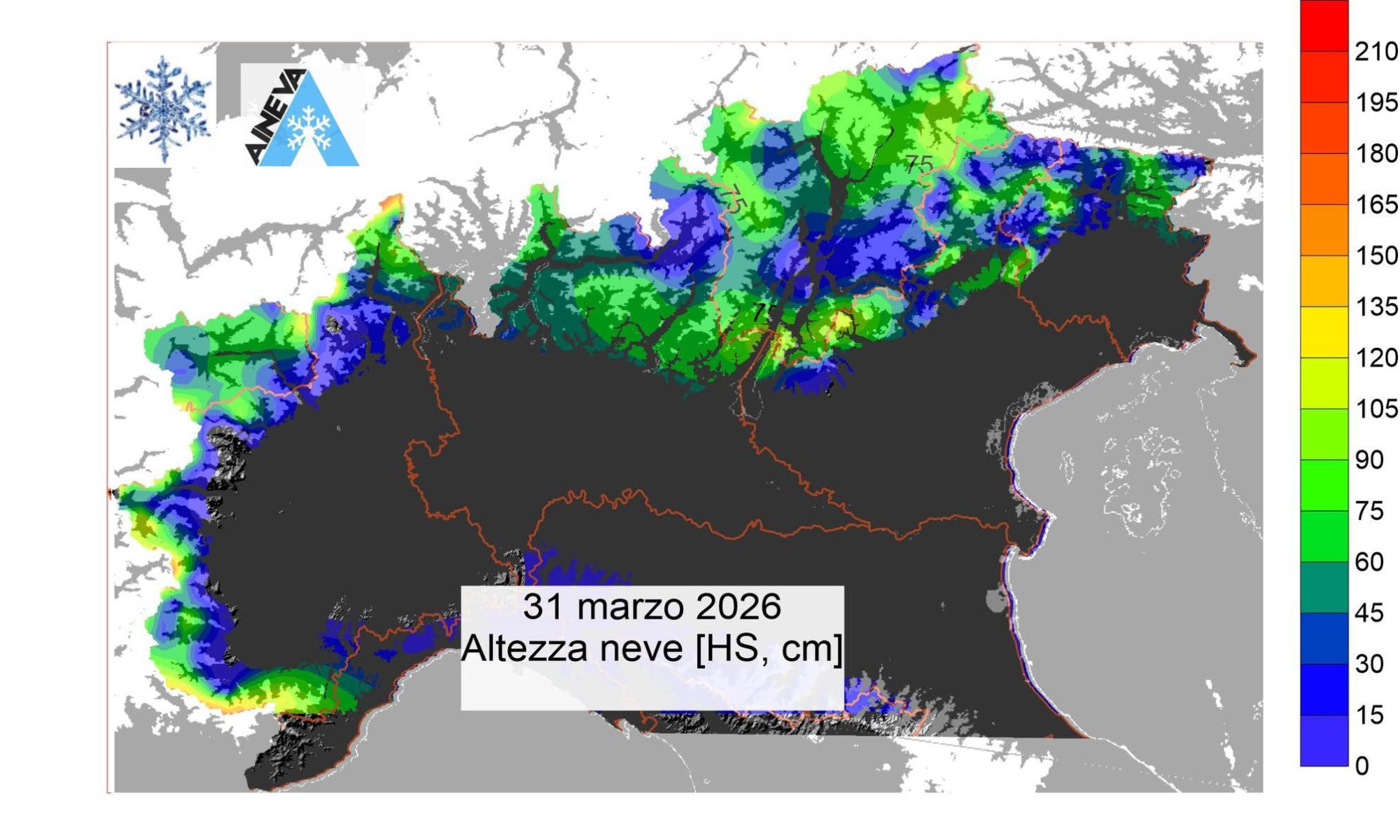
Snow Altitude Italian Alps 31st March 2026. Aineva.

At the end of March 2026, the snowpack across the Italian Alps presents a mixed and nuanced picture.

According to data from AINEVA, recent snowfall has helped restore snow depth to near-normal levels in many areas. However, a key underlying indicator — the snow water equivalent (SWE) — remains below average, pointing to a weaker overall water reserve within the snowpack.

👉 For broader context on how warming trends are reshaping Alpine snow conditions, see Snow Conditions in a Warming Alpine Climate.


February Peak Still Defines the Season

The current winter season continues to be shaped by a distinct peak in mid-February.

Maximum snow depth across the Italian Alps was reached during mid to late February, when a series of snowfall events significantly increased accumulation.

Continue reading “Italian Alps Snowpack Update: Depth Recovers — But the Water Deficit Remains”

Record Heat Ends Ski Season Early in the US — What It Signals for the Alps

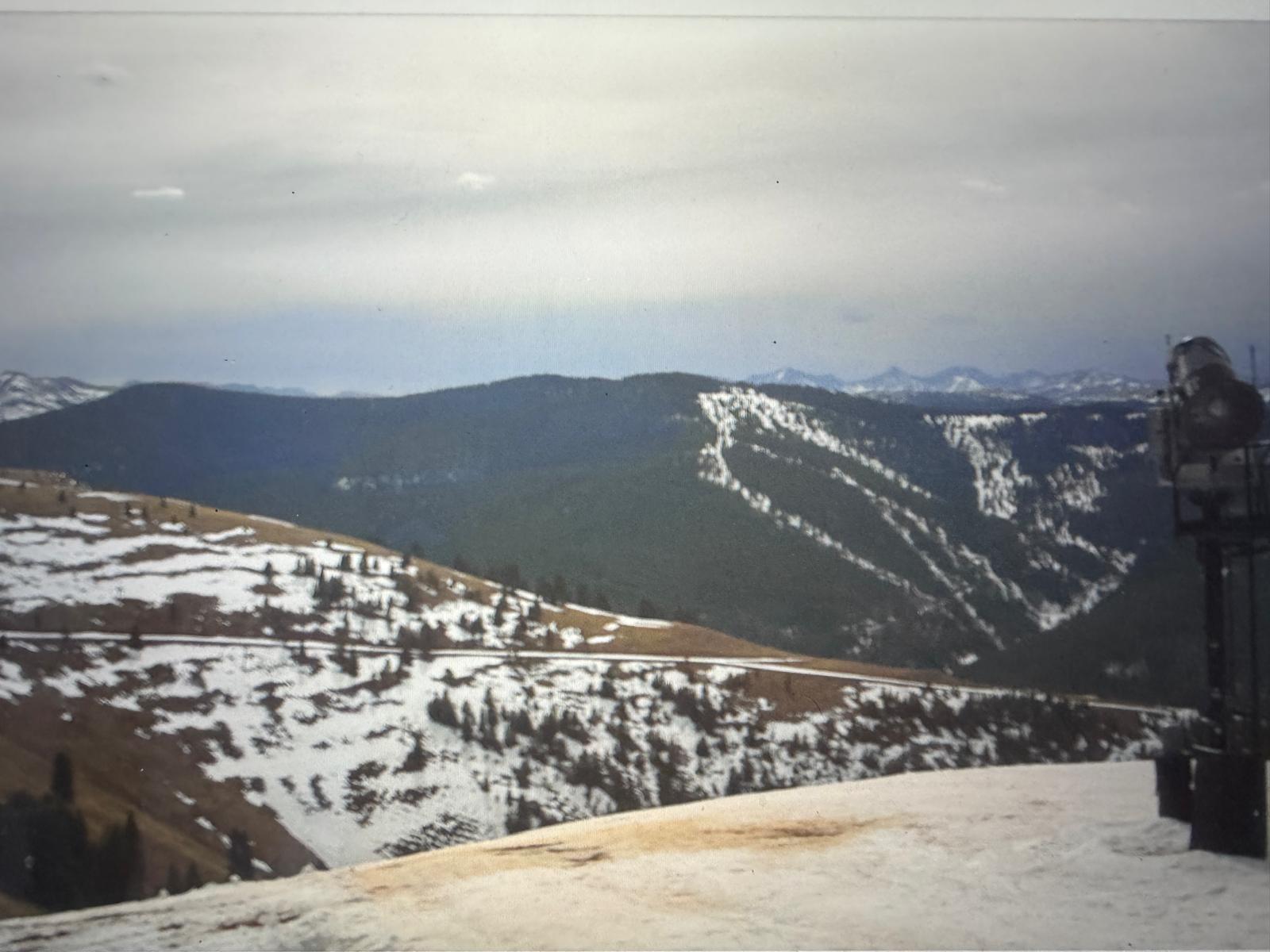
Sun Up Bowl view - Vail Resort webcam. 31 March, 2026.

Record heat is forcing ski resorts in North America to close early or operate with severely reduced terrain — highlighting growing pressure on the ski season.

At resorts operated by Vail Resorts, reports indicate that less than 20% of terrain remained open in some areas, as temperatures surged well above seasonal norms. In some cases, snow has been redistributed or mechanically moved to maintain limited operations.

While individual warm spells are not new, the timing and intensity of these events are shifting, raising broader questions about the structure of the ski season itself.

👉 For a full overview of one of North America’s most important destinations, see our guide to skiing Whistler Blackcomb, the largest ski resort on the continent with over 8,000 acres of terrain.

Continue reading “Record Heat Ends Ski Season Early in the US — What It Signals for the Alps”

Early Melt Forces Ski Resort Closures Across Colorado & Utah

Base of Mt Crested Butte on 27th March, 2026 webcam. Crested Butte is one of the resorts that is having shrinking terrain to offer due to an extremely hot spring.

An unusually warm March across the western United States is forcing early ski resort closures in Colorado and Utah, as rapidly melting snowpack and thinning coverage reduce terrain and raise safety concerns — a dynamic increasingly familiar across Alpine regions, where mid-season warm spells are also reshaping snow conditions.

Several resorts have already shut, while others are now expected to close earlier than planned. What would normally be a gradual late-season transition has instead become a rapid shift from winter to spring.

👉 Snow Conditions in a Warming Alpine Climate


Colorado Ski Resorts Facing Early Closure After March Heatwave

Across Colorado, the 2025–2026 ski season is ending earlier than expected following a sustained period of above-average temperatures combined with a relatively weak snowpack.

Continue reading “Early Melt Forces Ski Resort Closures Across Colorado & Utah”

Wind Slabs Trigger Multiple Avalanches Across the French Alps After Storm Cycle

A wind slab- photo: Avalanche.org. Why Wind Is One of the Most Dangerous Avalanche Triggers.

A series of avalanche incidents reported on 26 March 2026 across the French Alps, particularly in Haute Tarentaise, Maurienne and Vanoise, point to a renewed phase of instability driven by strong winds, very cold temperatures, and fresh snow accumulation.

According to field observations and local reporting including Le Dauphiné Libéré, current conditions are favouring the formation of wind slabs (plaques à vent) — one of the most dangerous and unpredictable avalanche problems in the Alps.

These types of conditions are typically reflected within the
👉 European avalanche danger scale (Levels 1–5 explained)
https://www.the-ski-guru.com/2026/03/14/european-avalanche-danger-scale-levels/


PIDA Operations in Tignes: Wind Slabs Forming Under Extreme Conditions

In Tignes (Col de la Leisse, above the Génépi piste), avalanche control teams carried out manual PIDA operations as activity resumed under severe weather conditions.

Continue reading “Wind Slabs Trigger Multiple Avalanches Across the French Alps After Storm Cycle”