
🏔 Winter Tyre & Snow Chains: What Ski Travellers Need to Know in Europe
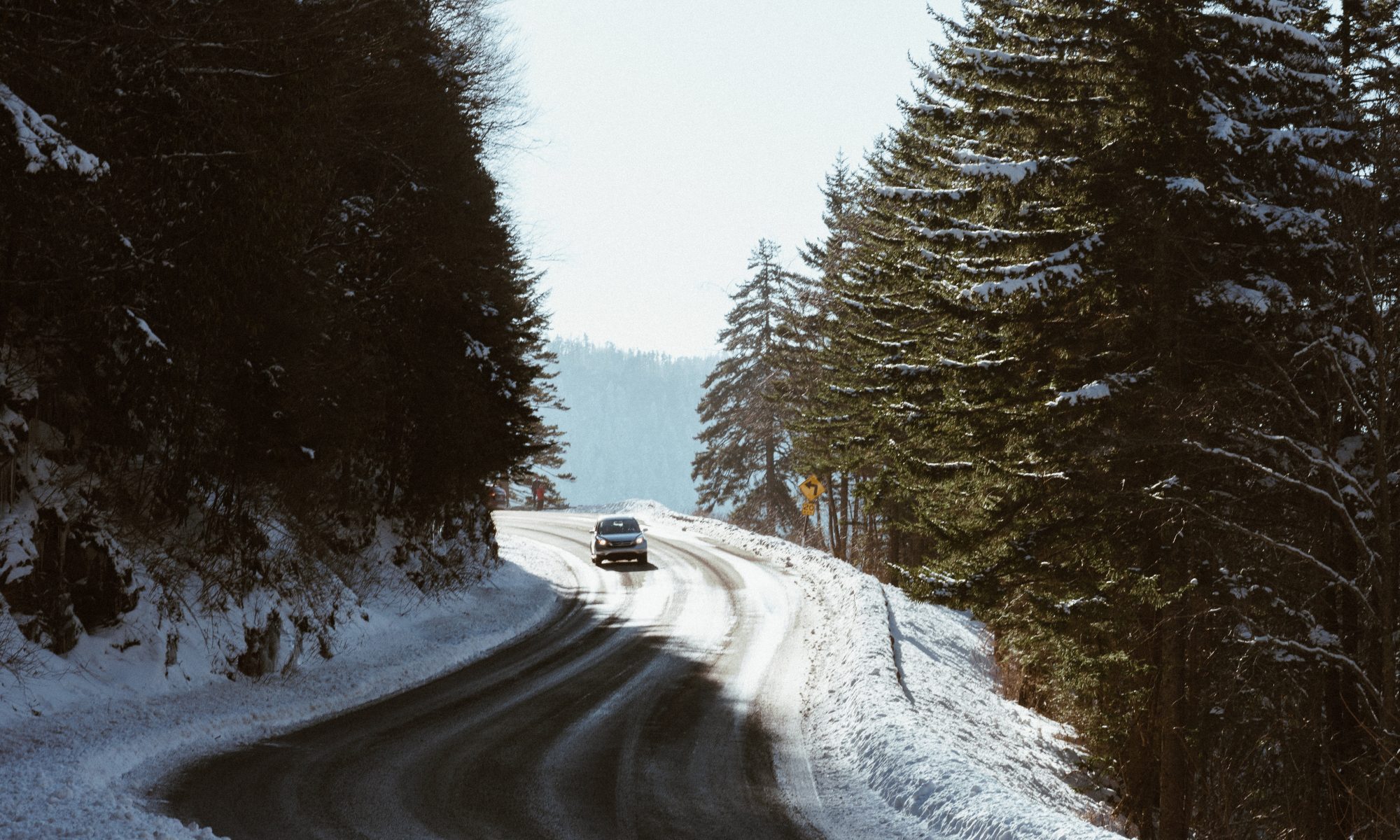
When heading to the mountains for a ski or snow getaway, driving conditions can change rapidly. Knowing the tyre and snow chain regulations is essential — not just to avoid fines, but for safety, especially in regions like the Aosta Valley, the Dolomites/Trentino Alto Adige, the French Alps, Austria, Switzerland and Andorra. Below are the key rules.
Updated for winter 2026/27: Rules and road-specific dates can change. Read our 2026/27 guide to winter tyres and snow chains in the Alps and Pyrenees, including the latest guidance on all-season tyres and routes to Italian ski resorts.

🇮🇹 Italy (including Aosta Valley, Dolomites, Trentino)
- In Italy generally, winter tyres or snow chains are not universally compulsory across all roads. The requirement is triggered by specific road signs saying “obbligo di pneumatici invernali o catene a bordo”.
- In the Aosta Valley region, the requirement is much clearer: winter tyres or snow chains must be fitted or carried from 15 October to 15 April.
- On roads marked accordingly (mountain passes, or in municipalities with the signage) the period often indicated is 15 November to 15 April, though local variations occur.
- Technical requirements: The tyres should be marked with “M+S” (Mud & Snow) or the “3PMSF” (Three Peak Mountain Snowflake) symbol to ensure winter performance. All-season tyres may be acceptable if marked and appropriate.
- Snow chains: If winter tyres are not fitted where required, snow chains (or equivalent anti-skid devices) must be carried and fitted when indicated by signage.
- Penalties: Driving without the correct equipment may lead to fines and potential liability issues in an accident.
Continue reading “Winter Tyres & Snow Chains in Europe: Driving Rules for the Alps and Pyrenees”















 Subscribe to The-Ski-Guru here.
You must be logged in to post a comment.