The Entry/Exit System (EES) is a new digital border control system adopted by the European Union to register and monitor the movements of non-EU nationals entering and exiting the Schengen Area.
It replaces traditional passport stamping with an electronic system that records biometric information, specifically fingerprints and a facial image, alongside passport data.
The system is being rolled out in phases and is expected to become fully operational across the Schengen Area during 2026, following a period of gradual implementation.
Travel Disruption Concerns and Phased Rollout
In early 2026, EU authorities confirmed that full enforcement of EES would be introduced gradually, following concerns about long queues and border congestion during peak travel periods.
Before heading off-piste, ski touring, snowshoeing, or entering uncontrolled terrain, checking the avalanche bulletin is not optional — it is one of the most important safety steps you can take.
Yet many skiers and riders still look only at the danger number, without fully understanding how to use the rest of the information to plan a safe mountain day.
This guide explains how to read and apply avalanche bulletins properly, what they can (and cannot) tell you, and where to find the official avalanche forecasts across Europe.
What an Avalanche Bulletin Is — and What It Is Not
An avalanche bulletin (or avalanche forecast) is a regional risk assessment, based on:
Over the past week, avalanche activity across the Alps has followed a clear and worrying pattern. From the Mont Blanc massif to the Queyras and across into the Swiss Valais, numerous skier-triggered and spontaneous avalanches point to a snowpack that remains structurally unstable, despite periods of fair weather and already-tracked slopes.
Rather than isolated incidents, the reports collected since late January describe reactive slabs, remote triggers, and persistent weak layers affecting a wide range of aspects and elevations.
Much of the recent instability is consistent with wind-loaded slabs and foehn-driven snow transport, which can rapidly overload weak layers and create large, reactive avalanche conditions.
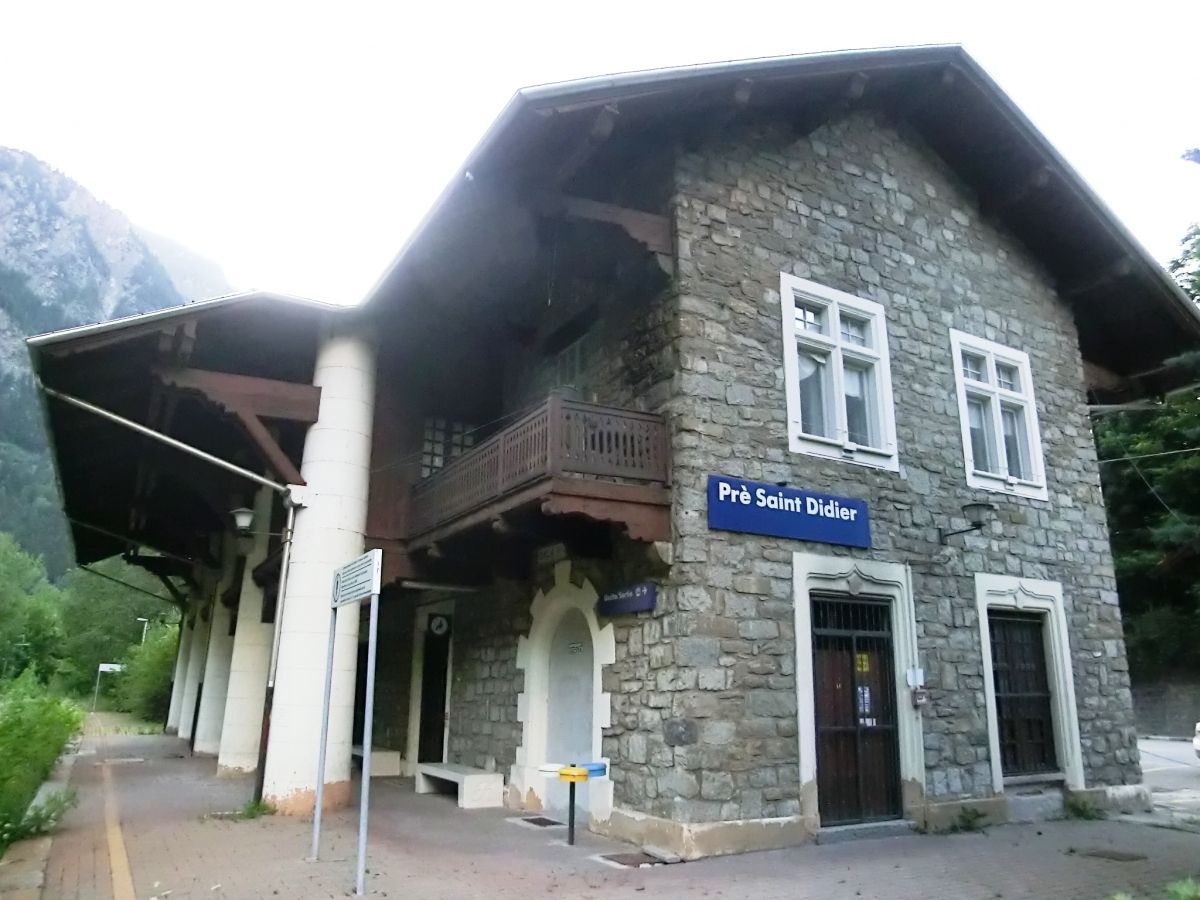
The long-closed Aosta–Pré-Saint-Didier railway may be back in the spotlight after a private “Swiss” proposal suggested reactivating the line with ultra-light panoramic trains and a concession-style operating model.
The 31 km line (serving communities between Aosta and Pré-Saint-Didier, close to Courmayeur) has been suspended since late 2015 and remains owned by Rete Ferroviaria Italiana (RFI), with the Region signalling interest in acquiring the infrastructure to regain local control.
What is the “Swiss solution” being talked about?
According to rail-industry reporting, the initiative was presented by architect Fernando De Simone on behalf of the Swiss company Intamin Transportation. The idea is to relaunch services using lighter, slower, panoramic trains, designed to reduce stress on an infrastructure that would struggle with heavier rolling stock.
Winter mountains offer some of the most rewarding experiences in the Alps — from skiing and ski touring to snowshoeing and cross-country skiing. They are also complex, constantly changing environments, where risks are not always obvious and are not limited to one activity.
This guide provides a clear, practical overview of winter mountain safety, helping skiers, snowshoers and Nordic users better understand terrain, conditions and context. It is written for awareness — not blame — and is designed to be read alongside official safety advice and avalanche bulletins.
1. Winter mountain risk goes beyond marked pistes
A common misconception is that avalanche danger only concerns off-piste or backcountry skiers. In reality:
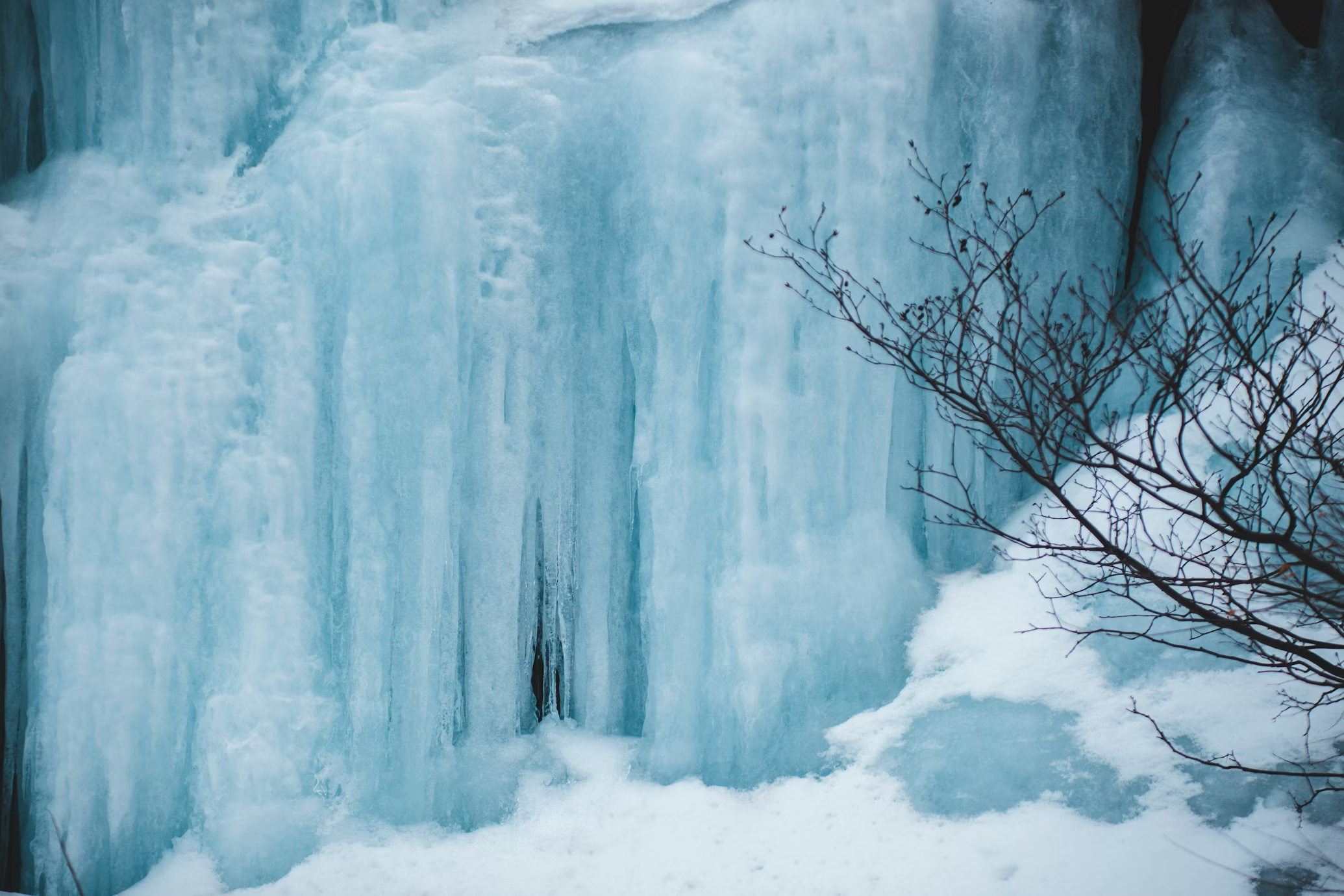
A tragic accident occurred Thursday morning, 29 January 2026, on the iconic cascata di ghiaccio Patrì in Valnontey, Cogne (Valle d’Aosta), when an experienced climber lost his life while ascending the frozen waterfall.
According to local reports, the climber — identified as Marc Cordero, 71, of France — was leading a rope team on the Patrì icefall at about 1,950 m when he fell approximately ten metres backwards during the final pitch of the route, leaving him critically injured and unresponsive.
Other climbers in the area quickly intervened, bringing him down to a belay where attempts at resuscitation were made, but he could not be revived.
The Soccorso Alpino Valdostano responded with helicopter support and recovered the body, while the climber’s partner — a 68-year-old compatriot — survived unharmed and was escorted to Aosta.
Official investigations into the exact dynamics of the fall — including whether equipment failure, ice conditions, or other factors were involved — are being conducted by the Soccorso Alpino della Guardia di Finanza of Entrèves–Courmayeur.
Avalanche activity has remained elevated across several French Alpine massifs over the past 48 hours, with confirmed incidents, multiple rescue checks, and continued warnings from Météo-France.
Below is a clear roundup of what has happened, followed by current avalanche danger by massif and direct links to the official bulletins skiers should consult before heading into the mountains.
On Thursday 29 January, an off-piste avalanche occurred in the La Fée sector at Les Deux Alpes. A 59-year-old skier was recovered and taken to hospital in critical condition. Regional reporting indicates the skier suffered a cardiac arrest, was resuscitated on scene, and transferred to hospital in Grenoble.
The incident occurred mid-morning, around 2,500 m, in a well-known off-piste area frequently accessed from the ski domain.
For a practical explanation of how to apply avalanche bulletins in real conditions, this step-by-step guide is worth reading before heading out.
Les Deux Alpes, near to St Christoph-en-Oisans. Photo: Toa Heftiba/Unsplash. French Alps Avalanche Danger: 48-Hour Roundup & Current Risk by Massif.
A controversial attempt to broker the sale of Telluride Ski & Golf Co. has unfolded into a major local scandal — involving resignations, town investigations, and public outcry — after a proposed $127.5 million offer for a 51 % stake in the resort was revealed during a heated community climate.
This controversy adds to a growing list of issues shaping the global ski business, which we regularly cover in our ski industry developments..
In late December 2025, two local leaders — Mountain Village Mayor Marti Prohaska and Telluride Mayor Pro Tem Meehan Fee — traveled to Southern California to meet with Telluride Ski Resort owner Chuck Horning. Their goal reportedly was to put forward a deal backed by investors to acquire 51 % of the resort for $127.5 million, while Horning would remain board chair.
Similar concerns about corporate influence on mountain culture have emerged elsewhere in the U.S., including debates over whether Vail is harming the skiing experience.
According to reporting in The Colorado Sun, both officials claimed they acted as private citizens and did not use public funds for their trip, insisting the offer was a sincere effort to support the community amid ongoing tensions between local government, residents, and resort management.
Elk Avenue in Crested Butte. Check out this painting in my shop. (actually in Italy so cannot dispatch immediately!)
Why Ski Resorts Close Terrain After Heavy Snowfall
Introduction
Ski resorts often close terrain after heavy snowfall because fresh snow can increase avalanche risk, reduce visibility, overload lifts and make rescue access harder. Closures are not usually a sign that the resort is disorganised; they are a safety decision made while ski patrol, lift teams and avalanche-control crews work to reopen terrain safely.
After major snowstorms, skiers and snowboarders often arrive expecting perfect powder conditions — only to find lifts closed, terrain restricted, or entire sectors shut down. Frustration is common, especially during short holidays or peak winter weeks.
But more snow does not automatically mean safer skiing. In fact, the period immediately after heavy snowfall is often when avalanche risk is highest. Terrain closures following big storms are not a failure to open — they are a deliberate risk-management decision designed to protect lives.
Heavy snowfall doesn’t automatically mean safe skiing
Large snowfalls can dramatically increase instability in the snowpack. Factors that contribute to heightened risk include:
rapid accumulation of fresh snow
wind loading on leeward slopes
weak layers buried beneath new snow
limited visibility preventing safe assessment
In many cases, the first 24 to 72 hours after a storm are critical. During this window, ski patrol teams need time to evaluate conditions, access terrain safely, and reduce risk before opening slopes to the public.
Why resorts keep terrain closed after big snowfalls
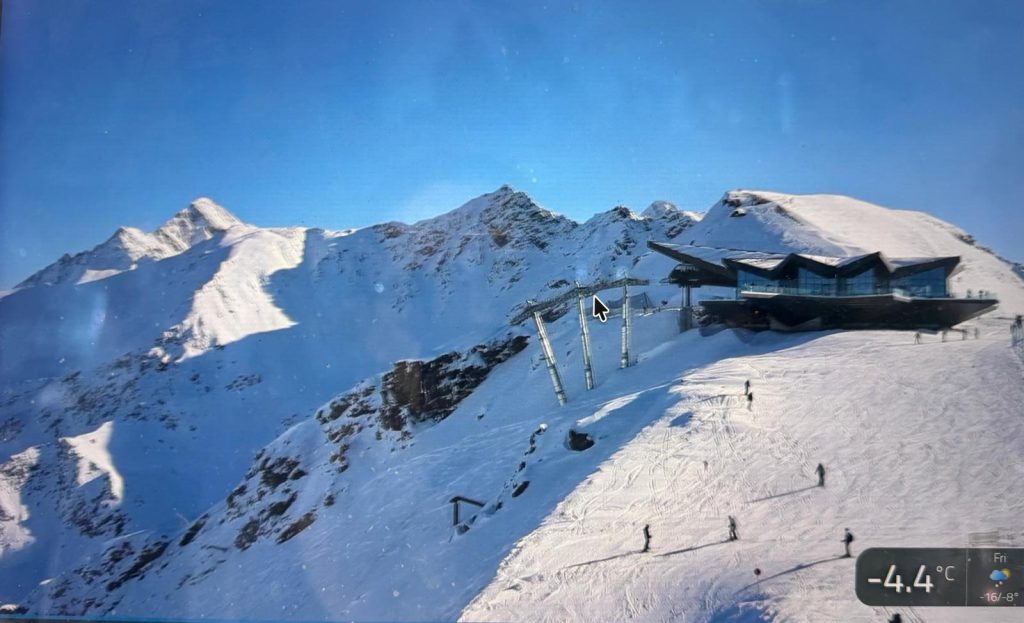
Stella di Pilla today- Notice the Gasex further down on the slope. Photo: Webcam Pila.it. Why Ski Resorts Close Terrain After Heavy Snowfall — And Why That’s a Safety Decision.
I tested the RS2 ski goggles from Panda Optics during my Christmas holidays skiing in Pila (Aosta Valley) — and they genuinely ended up saving my ski day.
I’ll be honest from the start: at first, I didn’t immediately understand how the lens-change system worked. You need to open a small side tab to release the lens. Once I realised that, the whole system made sense. The lenses are held in place by very strong magnets, and once fitted, they feel solid and secure.
Flat Light, Snowfall… and Why These Goggles Mattered
The first day I used the RS2 goggles, visibility was really poor. Heavy snowfall combined with flat light meant the slope almost disappeared — that classic white-on-white situation where depth perception vanishes.
I normally ski with sunglasses, switching to goggles only when it’s actively snowing. On sunny days, this is simply a personal preference. I also use an older pair of Panda sunglasses with interchangeable lenses, which I’m very comfortable with in good visibility.
Enjoyed this post? Get my latest ski guides, weather insights, resort updates and travel tips directly in your inbox. Subscribe to The-Ski-Guru here.
Manage Cookie Consent
To provide the best experiences, we use technologies like cookies to store and/or access device information. Consenting to these technologies will allow us to process data such as browsing behavior or unique IDs on this site. Not consenting or withdrawing consent, may adversely affect certain features and functions.
Functional
Always active
The technical storage or access is strictly necessary for the legitimate purpose of enabling the use of a specific service explicitly requested by the subscriber or user, or for the sole purpose of carrying out the transmission of a communication over an electronic communications network.
Preferences
The technical storage or access is necessary for the legitimate purpose of storing preferences that are not requested by the subscriber or user.
Statistics
The technical storage or access that is used exclusively for statistical purposes.The technical storage or access that is used exclusively for anonymous statistical purposes. Without a subpoena, voluntary compliance on the part of your Internet Service Provider, or additional records from a third party, information stored or retrieved for this purpose alone cannot usually be used to identify you.
Marketing
The technical storage or access is required to create user profiles to send advertising, or to track the user on a website or across several websites for similar marketing purposes.








 Subscribe to The-Ski-Guru here.
You must be logged in to post a comment.