Switzerland Won’t Run Out of Water When Its Glaciers Disappear — But Summer Is Another Story

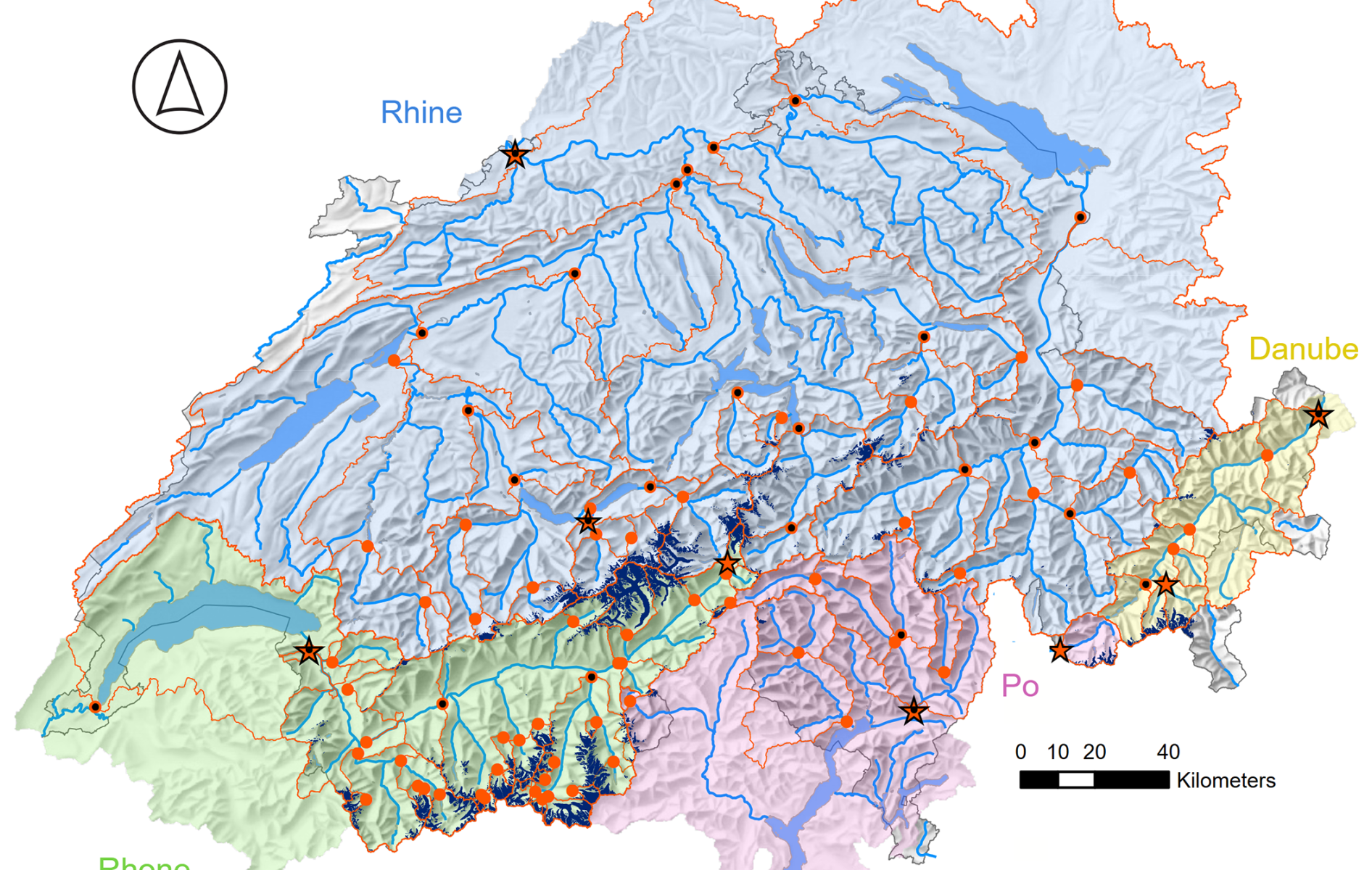
Map of hydrological Switzerland. Credit: Hess Copernicus.

Switzerland’s glaciers are shrinking rapidly, but their disappearance does not mean the country will simply run out of water. The bigger problem is when that water will be available — particularly during increasingly hot and dry Alpine summers.

Switzerland is often described as the “water tower of Europe”, while its rapidly retreating glaciers have become one of the most visible symbols of climate change in the Alps.

It is therefore easy to make a seemingly obvious connection: if the glaciers disappear, Switzerland will lose a major source of its water.

The reality is more complicated.

Swiss hydrologist Bettina Schaefli, professor at the University of Bern, recently challenged that assumption in an opinion piece published by Le Temps, arguing that Switzerland does not owe its abundant water resources primarily to its glaciers.

She is right — at least when looking at the country’s overall annual water balance.

Switzerland’s real hydrological advantage is the Alps themselves. The mountain barrier forces moist air upwards, producing substantial precipitation as rain and snow.

But that does not mean disappearing glaciers are irrelevant to Switzerland’s water supply.

Far from it.

What Switzerland is gradually losing is something particularly valuable: a natural water reserve capable of releasing water precisely when rainfall and snowmelt are no longer providing enough of it.

And during a drought, that distinction becomes crucial.

Continue reading “Switzerland Won’t Run Out of Water When Its Glaciers Disappear — But Summer Is Another Story”

Inferno Ski Race 2027: Entries Close on 15 September

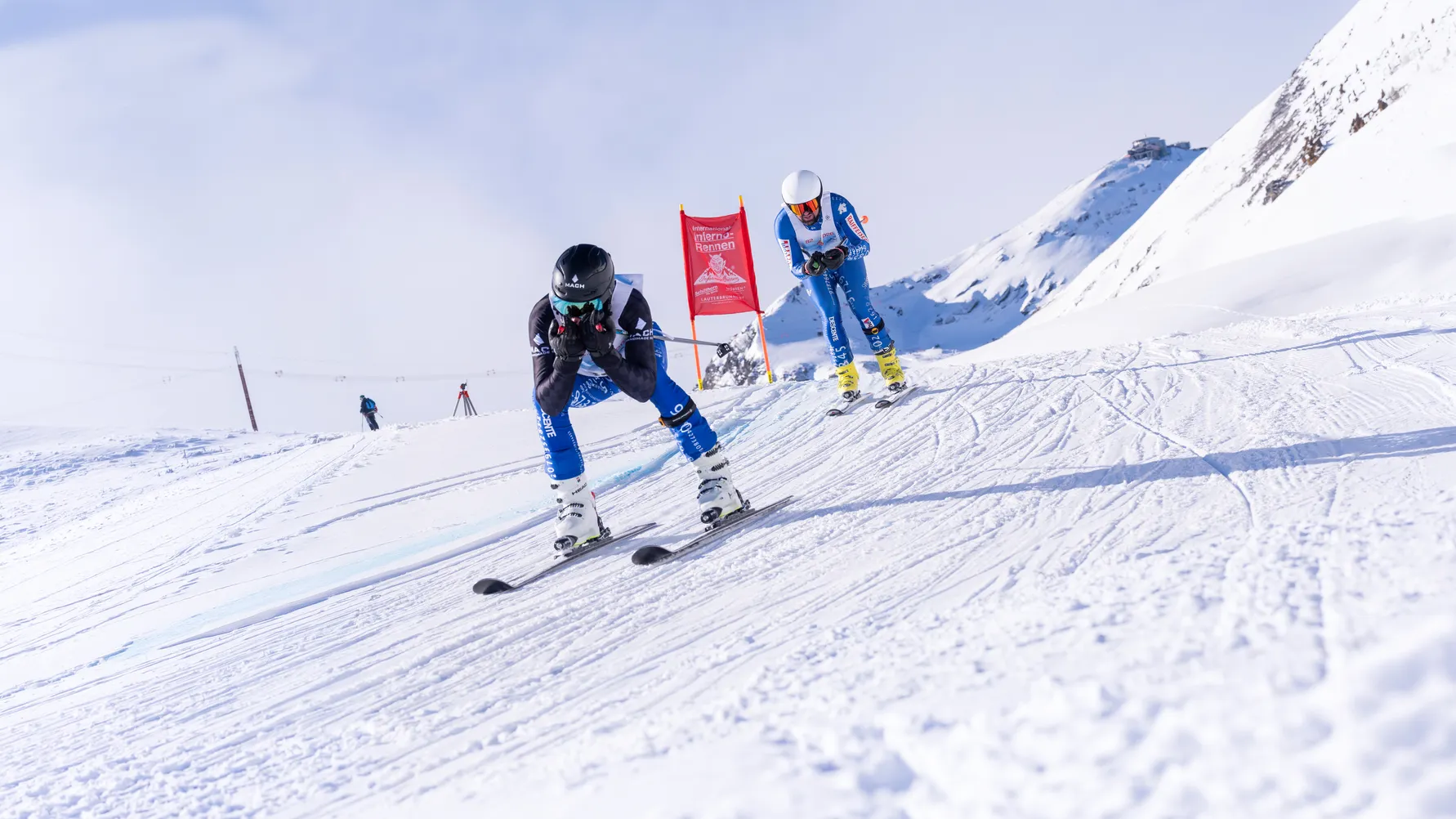
Inferno Race. Photo credit: Sam Buchli- Buchlie Fotografie Verein. Int. Inferno Rennen.

Skiers hoping to take part in the 83rd International Inferno Races in Mürren have until 15 September 2026 to register for one of the world’s most celebrated amateur ski competitions.

The 83rd International Inferno Races will take place in Mürren, Switzerland, from 20 to 23 January 2027, bringing up to 1,850 competitors to the slopes below the Schilthorn.

Online registration is already open, but prospective racers must submit their applications by 15 September 2026. The event regularly attracts more applicants than available starting places, meaning registration does not automatically guarantee entry.

The Inferno is widely described as the world’s largest amateur alpine ski race. Its signature downhill can extend for as much as 14.9 kilometres, dropping approximately 1,990 vertical metres from below the Schilthorn, through Mürren and towards Lauterbrunnen when snow and weather conditions allow the complete course to be used.

Continue reading “Inferno Ski Race 2027: Entries Close on 15 September”

Randa Raises Alert Level as Weisshorn Hanging Glacier Accelerates Above Zermatt Valley

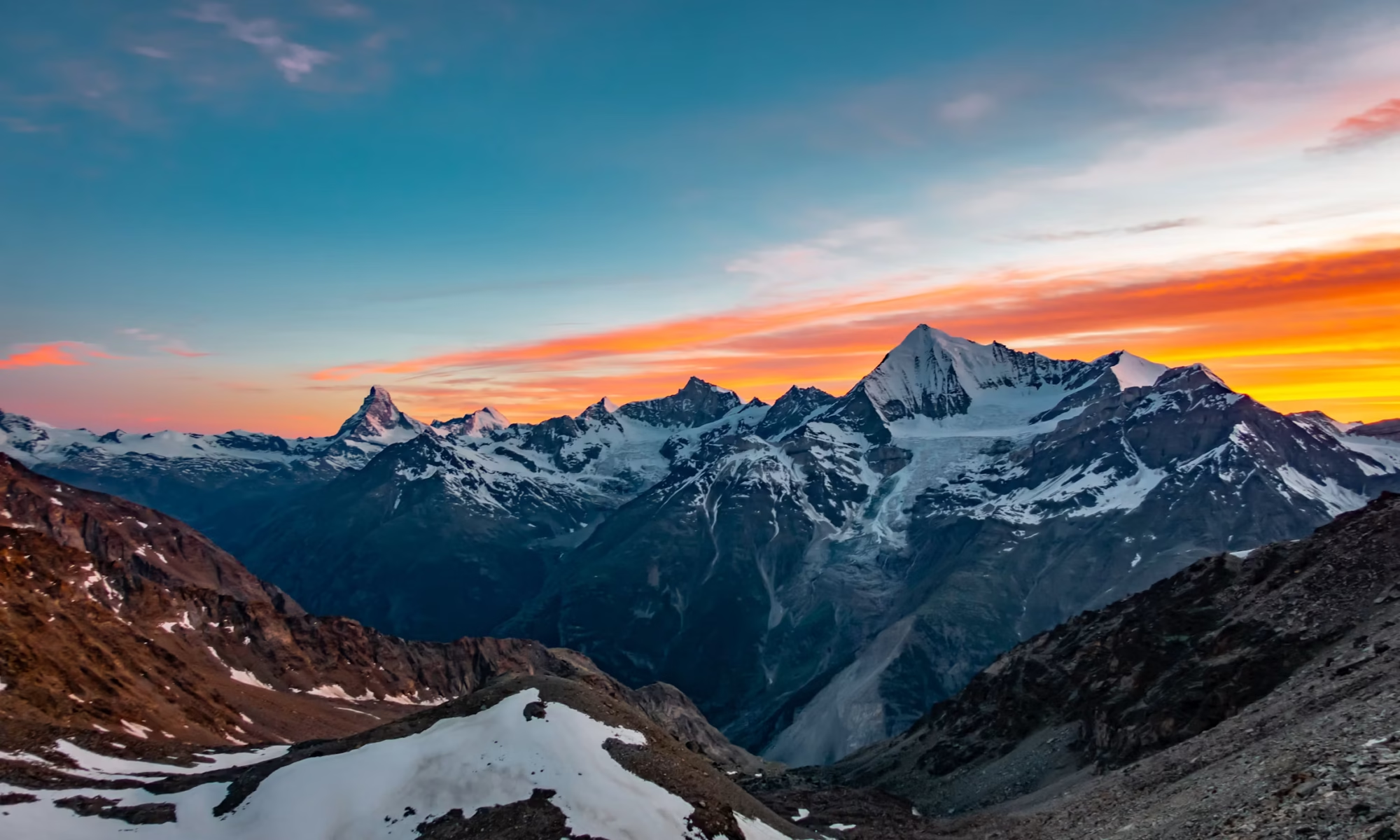
Sunset over the Matterhorn and Weisshorn, from Nadelgrat, Randa. Photo by: Sylvain Maroux. Unsplash.

Authorities in the Swiss canton of Valais have increased monitoring of the Weisshorn East hanging glacier above Randa to Level 3, following a marked acceleration in its movement and several ice break-offs.

Randa lies in the Mattertal, on the main valley approach towards Täsch and Zermatt, making the situation particularly relevant for visitors travelling through the region.

The municipality said movements of the hanging glacier have been monitored more closely since the end of June 2026. Following a significant increase in movement and acceleration, monitoring was raised to Level 3 on 24 August.

At least three break-offs occurred during the afternoon of 24 August, with the largest taking place between 17:00 and 18:00. The resulting ice deposits remained on the glacier plateau below.

Poor weather initially prevented experts from reliably estimating the volume involved.

Continue reading “Randa Raises Alert Level as Weisshorn Hanging Glacier Accelerates Above Zermatt Valley”

Alps Heatwave Forces Glacier Closures as Rockfalls Increase

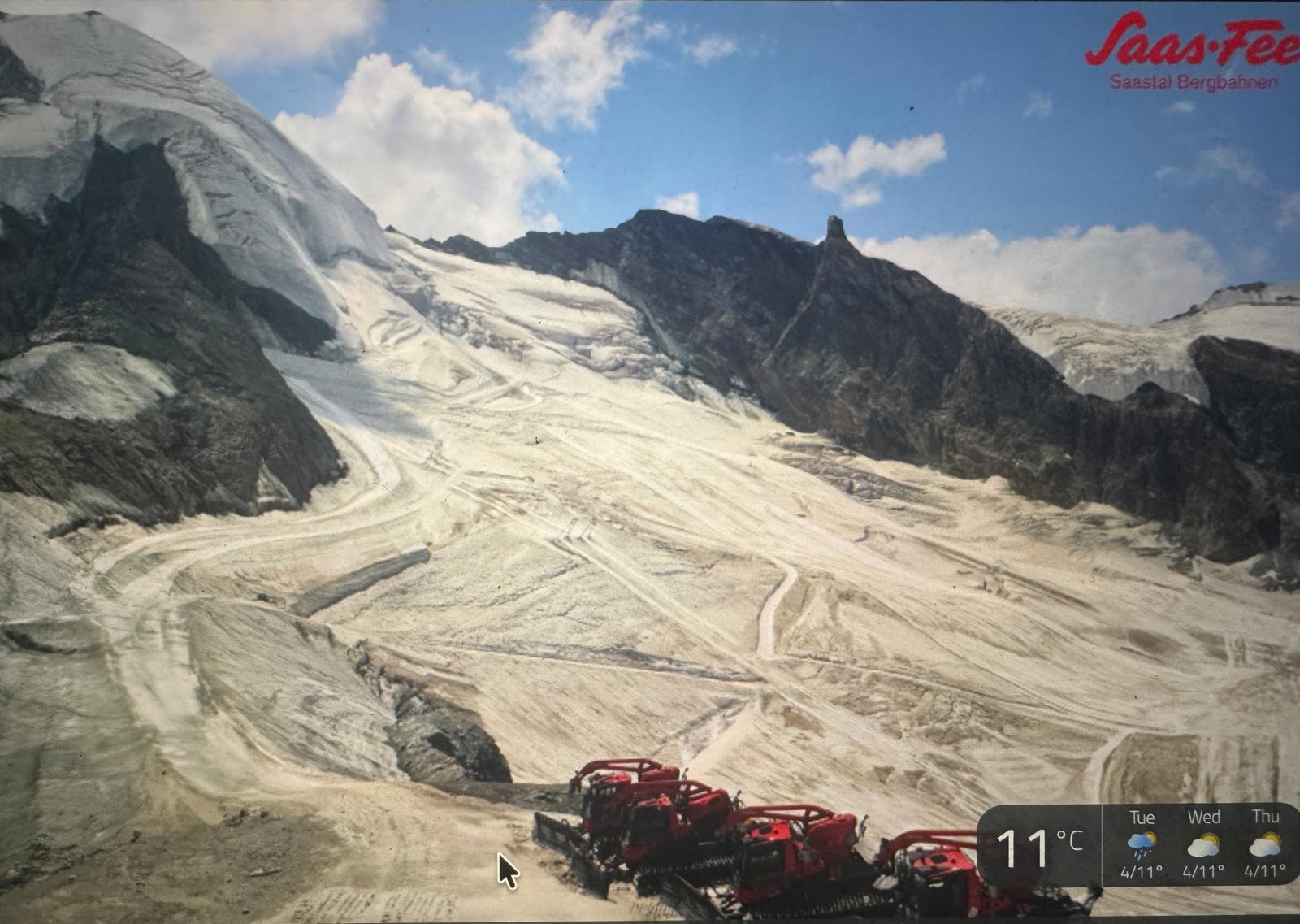
Saas Fee Glacier on 10th August, last day of its summer season. Photo: Webcam Saas Fee: https://www.saas-fee.ch/en/webcams

Extreme heat is continuing to disrupt the high Alps, forcing the suspension of summer skiing, closing a mountain refuge at more than 3,600 metres and coinciding with further rockfalls in the Dolomites.

Saas-Fee has suspended summer skiing from Monday, August 10, becoming the latest major Alpine glacier ski area affected by persistently high temperatures and deteriorating snow and glacier conditions.

The Swiss resort follows Zermatt, which had already suspended public summer skiing on the Theodul Glacier. On the Bernina massif in Italy, the Marco e Rosa refuge has closed as exceptionally warm conditions make the surrounding high mountain increasingly dangerous.

And on Sunday, August 9, another significant rockfall occurred on Monte Pelmo in the Dolomites, producing a large cloud of dust visible from the valley below.

Continue reading “Alps Heatwave Forces Glacier Closures as Rockfalls Increase”

Extreme Heat Pushes Alpine Glaciers Into Crisis After Matterhorn Rockfall

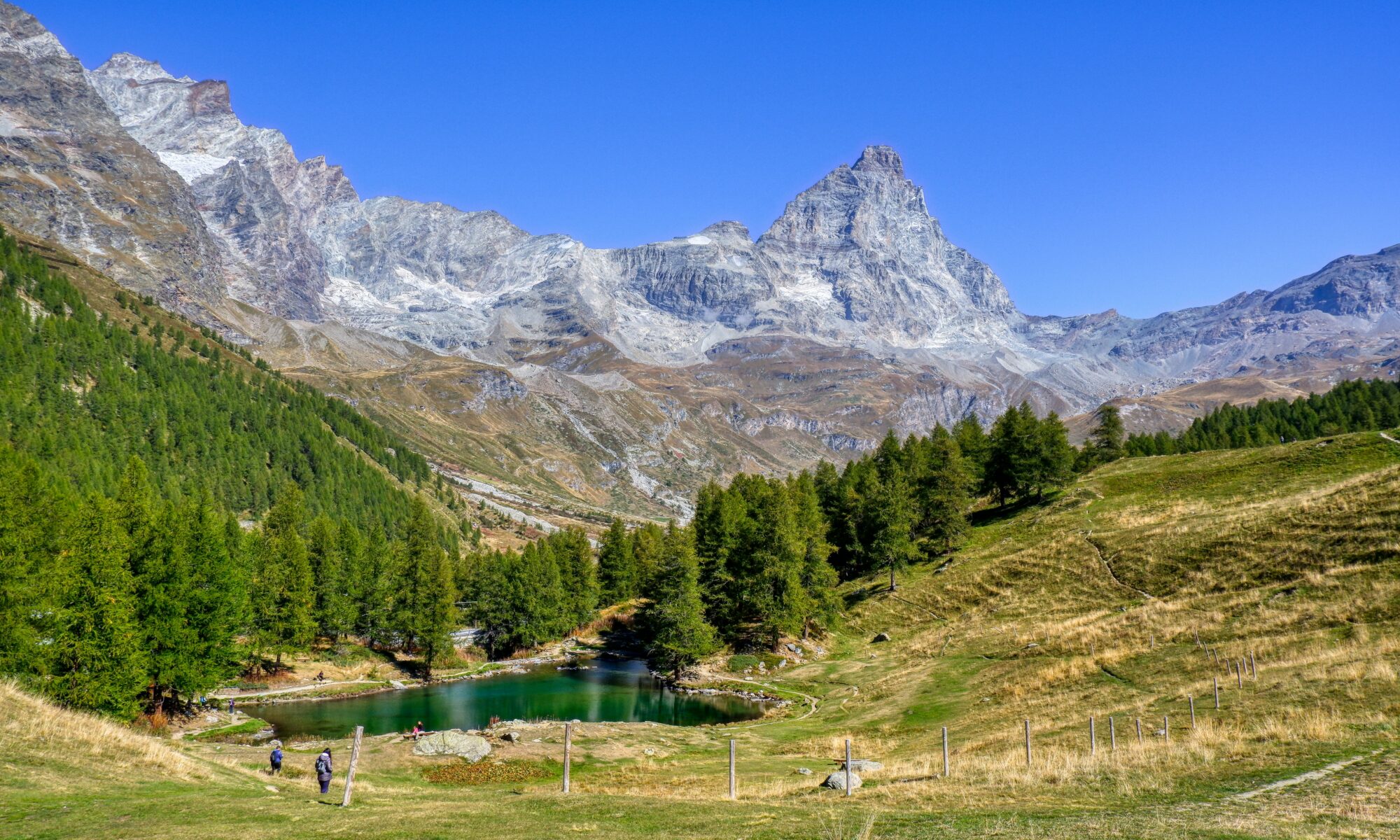
Lago Blu in Cervinia. Photo: Antonio Sessa. Unsplash.

Just one day after a large rockfall on the Matterhorn shocked the Alpine community, authorities and scientists across the Alps are warning that the exceptional heat gripping southern Europe is accelerating glacier melt and increasing instability in high mountain areas.

Italy remains under widespread red heat alerts, with meteorologists expecting the heatwave to continue through at least Ferragosto. While cities are enduring record temperatures, the impact is proving just as dramatic in the mountains, where glaciers are retreating at unprecedented rates and frozen rock is beginning to thaw.

One of the clearest indicators of the current conditions is the zero-degree isotherm. Normally found between 3,500 and 4,000 metres during summer, it remained between 5,500 and 5,800 metres for several days in July—around 1,400 metres higher than normal. This meant that even the highest Alpine peaks were experiencing temperatures above freezing, dramatically accelerating glacier melt while weakening the permafrost that helps hold mountain rock together.

Continue reading “Extreme Heat Pushes Alpine Glaciers Into Crisis After Matterhorn Rockfall”

Schilthorn Completes Major Swiss Mountain Infrastructure Project as New Summit Facilities Open

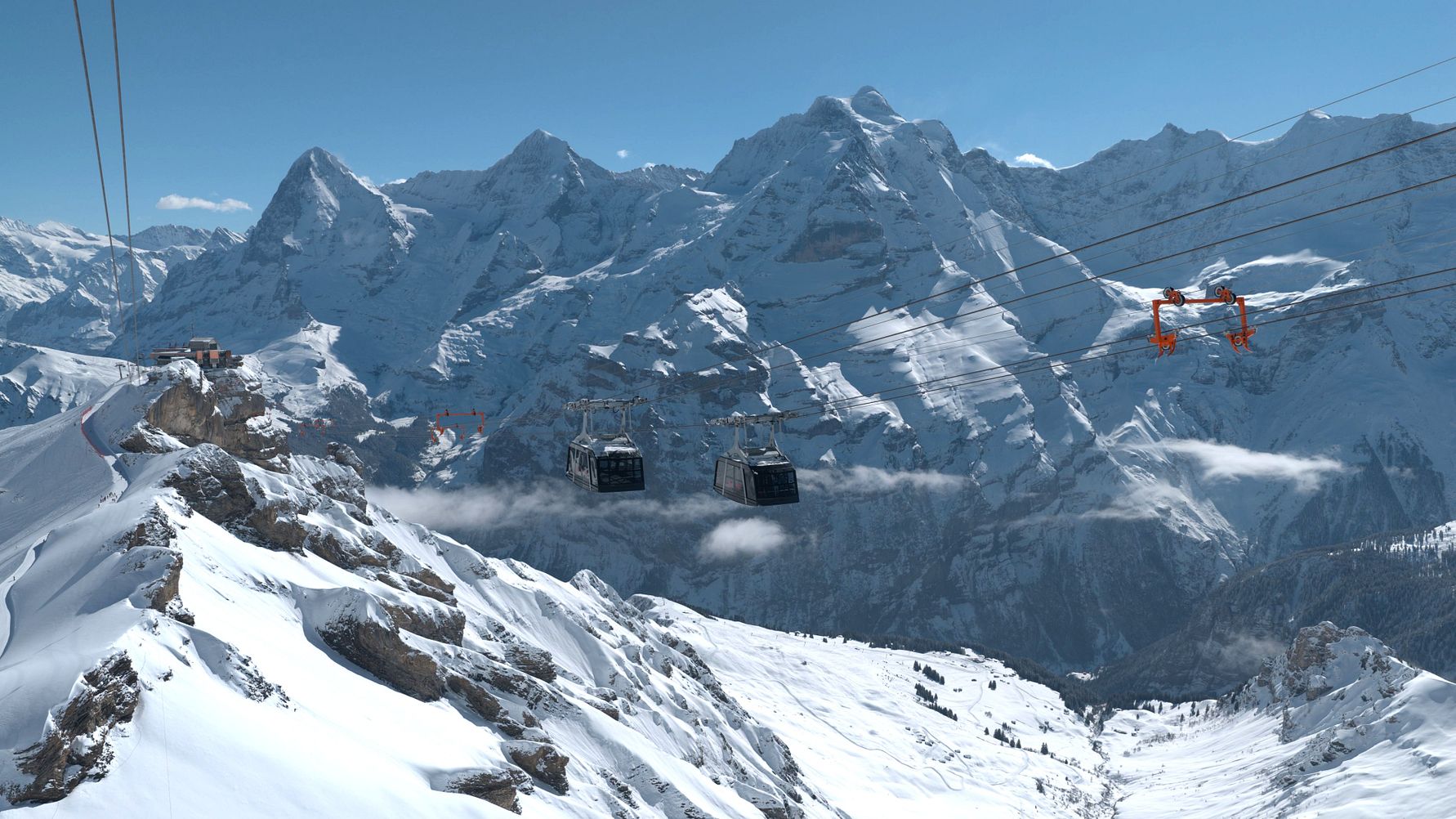
Funifor lifts in Schilthorn. Photo: Schilthorn Cableway Ltd.

One of the most ambitious lift infrastructure projects in the Swiss Alps has now reached completion, with the final section of the multi-year SCHILTHORNBAHN 20XX redevelopment entering service at the famous Schilthorn summit above Mürren.

The project has transformed access to the 2,970-metre peak overlooking the Bernese Oberland, with entirely new cable cars, stations and visitor facilities linking Stechelberg, Mürren, Birg and the summit. 

The redevelopment includes the reopening of the famous Piz Gloria summit complex, known worldwide as the James Bond filming location for On Her Majesty’s Secret Service, as well as new panoramic visitor areas, upgraded retail and hospitality facilities, and the completion of a modern Funifor cable car system designed to improve wind stability and year-round operations. 

Continue reading “Schilthorn Completes Major Swiss Mountain Infrastructure Project as New Summit Facilities Open”

Three of Switzerland’s Most Scenic Alpine Passes Have Reopened for Summer 2026

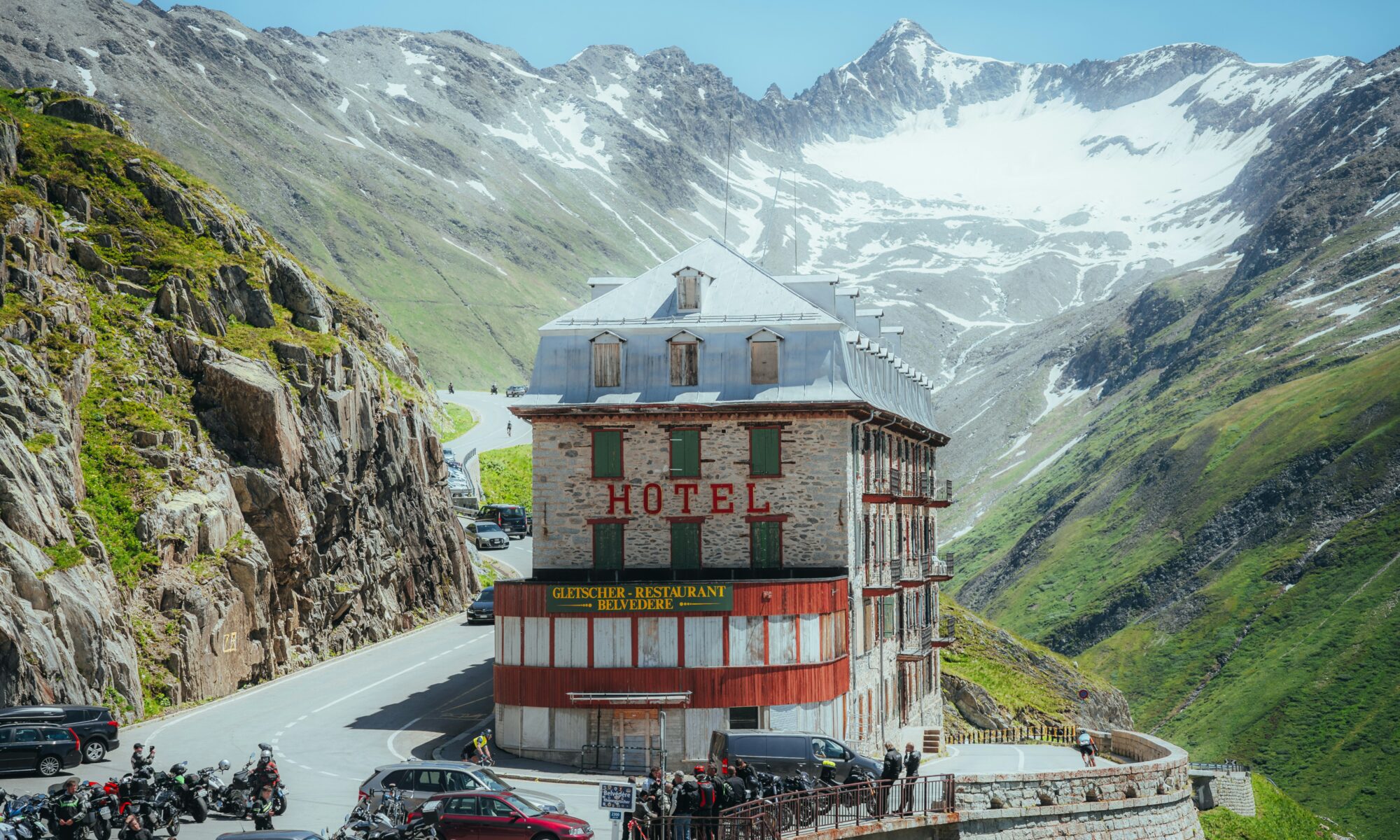
Furka Pass, Obergoms, Switzerland. Photo: Milosz Roman. Unsplash.

The reopening of Switzerland’s high Alpine passes is one of the clearest signs that summer has arrived in the mountains. After months of winter closures and snow clearance operations, three of the country’s most spectacular mountain roads — the Furka Pass, Grimsel Pass and Nufenen Pass — reopened to traffic on 29 May 2026.

Together, these three passes form one of the classic Alpine driving circuits in Europe, attracting motorists, motorcyclists and cyclists from around the world. While Switzerland’s better-known Gotthard Pass often receives much of the attention, the Furka, Grimsel and Nufenen offer some of the most dramatic high-mountain scenery in the Alps, with glaciers, reservoirs, sweeping hairpins and panoramic viewpoints stretching across multiple cantons.

Continue reading “Three of Switzerland’s Most Scenic Alpine Passes Have Reopened for Summer 2026”

Engelberg Cable Car Accident: One Dead After Cabin Falls in Strong Winds

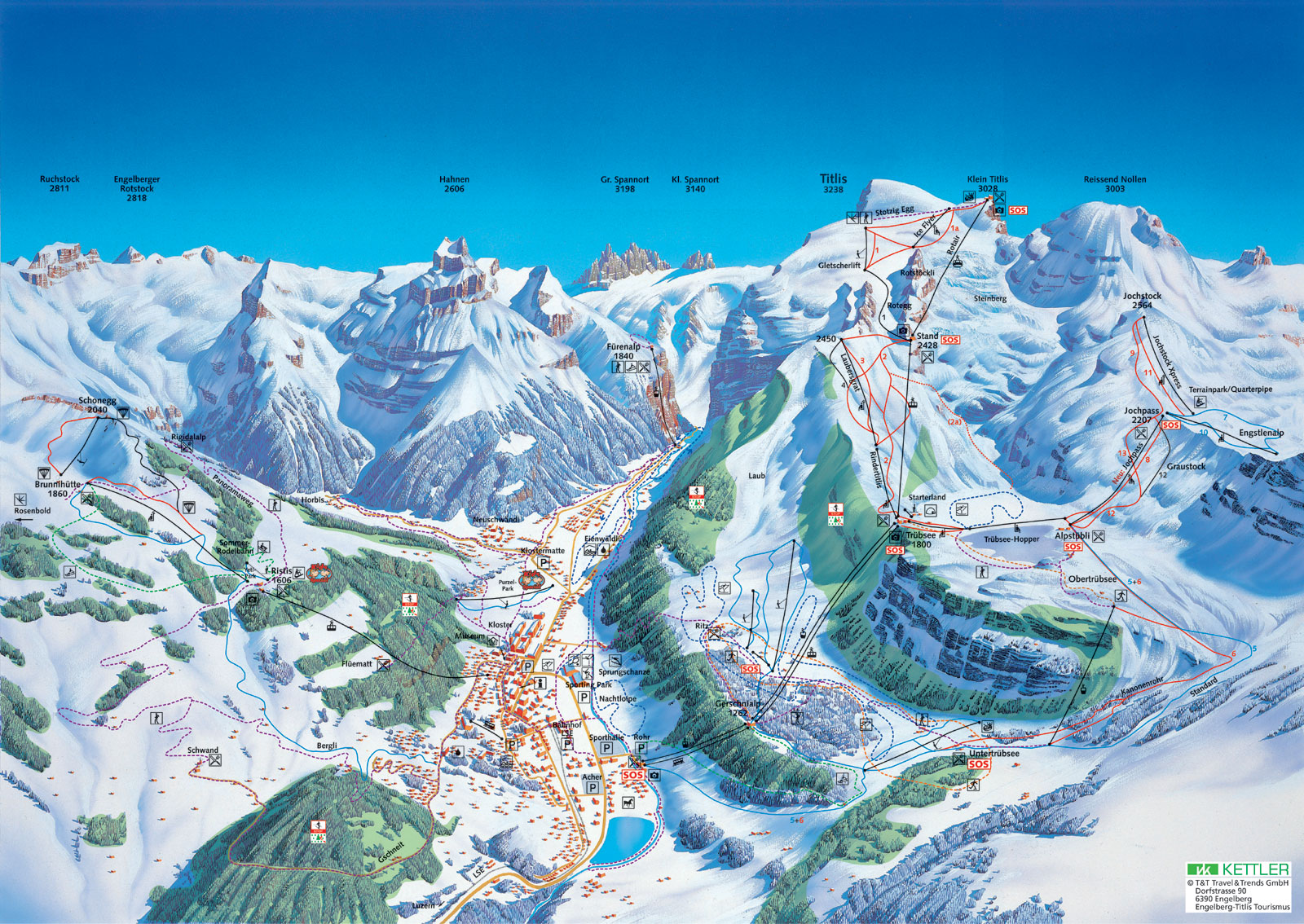
Ski Map Engelberg

A fatal incident has been reported in Engelberg, Switzerland, where a cable car cabin fell during strong winds, resulting in one confirmed death and triggering a major emergency response.

👉 UPDATE (18 March 2026 – afternoon): Authorities have confirmed that a 61-year-old woman, who was alone in the cabin, died in the accident. The cabin is reported to have detached shortly after departing the Trübsee station and rolled multiple times down the slope.

Around 100–200 passengers were evacuated from other cabins on the lift following the incident. Investigations are now focusing on weather conditions, lift operations and possible technical factors, with gusts reported to have reached up to 130 km/h in exposed areas.

👉 UPDATE (18 March 2026): One person has died after a cable car cabin fell in Engelberg, Switzerland, during strong winds. Emergency services, including helicopter rescue teams, are on site as authorities investigate the incident.

Cable car accidents are extremely rare, but severe weather — particularly strong winds — remains one of the main operational risks in high-alpine environments.

Events like this are increasingly linked to extreme weather in the Alps, where stronger wind events and rapid weather shifts are affecting mountain operations.

What We Know So Far

  • A cabin of a gondola lift (ovovia) is said to have fallen due to strong winds

  • The incident occurred in the Titlis ski area, the largest ski resort in central Switzerland

  • The lift involved has been identified as the Titlis Xpress (Trübsee–Stand line)

  • Authorities have confirmed that a 61-year-old woman, who was alone in the cabin, died in the accident

  • Emergency services are on site, including helicopter rescue teams

  • Weather conditions in the area included strong gusts affecting lift operations, with reports of wind reaching up to 130 km/h in exposed areas

  • Around 100–200 passengers were evacuated from other cabins after the system was shut down

According to early witness reports, the cabin detached shortly after the Trübsee station and rolled multiple times down a snow-covered slope.

    At this stage, details are still emerging, and some elements of the incident remain unconfirmed pending official statements from Swiss authorities and the lift operator.

    Weather Factor: Strong Winds in the Alps

    This incident comes amid unstable weather conditions across parts of the Alps, with high avalanche danger already reported in Switzerland in recent days (see our latest update on Level 4 avalanche conditions in Switzerland).

    Modern cable car systems are designed with strict safety protocols, including:

    • Wind speed thresholds for automatic shutdown
    • Continuous monitoring of cable tension and cabin stability
    • Emergency evacuation procedures

    However, extreme gusts—particularly in high-alpine terrain like Titlis—can still create hazardous situations.

    Reports indicate that lift systems may trigger alarms at relatively low wind speeds and require shutdown well below extreme gust levels, highlighting how rapidly conditions can exceed safe operating thresholds.

    Strong winds are among the primary reasons lifts are shut down in Alpine resorts, as sudden gusts can destabilise cabins and cables, especially on exposed sections (read our full explanation on why cable cars shut down in strong winds and what can go wrong).


    Continue reading “Engelberg Cable Car Accident: One Dead After Cabin Falls in Strong Winds”

    Swiss Alps Travel Disruptions: Zermatt and Saas-Fee Roads Closed Amid Avalanche Danger

    Saas Fee- Photo: Corey Catracho- Unsplash.

    The current Swiss Alps travel disruption follows heavy snowfall and sustained avalanche danger in Valais.

    Heavy snowfall and sustained avalanche danger continue to disrupt transport across the Swiss Alps, with major impacts in the canton of Valais — including access to both Zermatt and Saas-Fee.

    According to Swissinfo and regional Swiss media, multiple alpine roads remain closed due to unstable snowpack and ongoing avalanche risk following recent winter storms.


    🚧 Saas Valley Road Closures

    Access to the Saas Valley (Saastal) — home to Saas-Fee, Saas-Grund and Saas-Almagell — was temporarily closed due to avalanche danger.

    The cantonal road between Saas-Balen and Stalden was shut as a precaution, isolating upper valley resorts for periods during the storm cycle.

    The Saas Valley is one of Switzerland’s best-known high-altitude ski regions, and closures here significantly affect both tourism and local residents.

    Continue reading “Swiss Alps Travel Disruptions: Zermatt and Saas-Fee Roads Closed Amid Avalanche Danger”