Stubai Glacier avalanche kills US skier in Austria’s first fatal slide of the winter

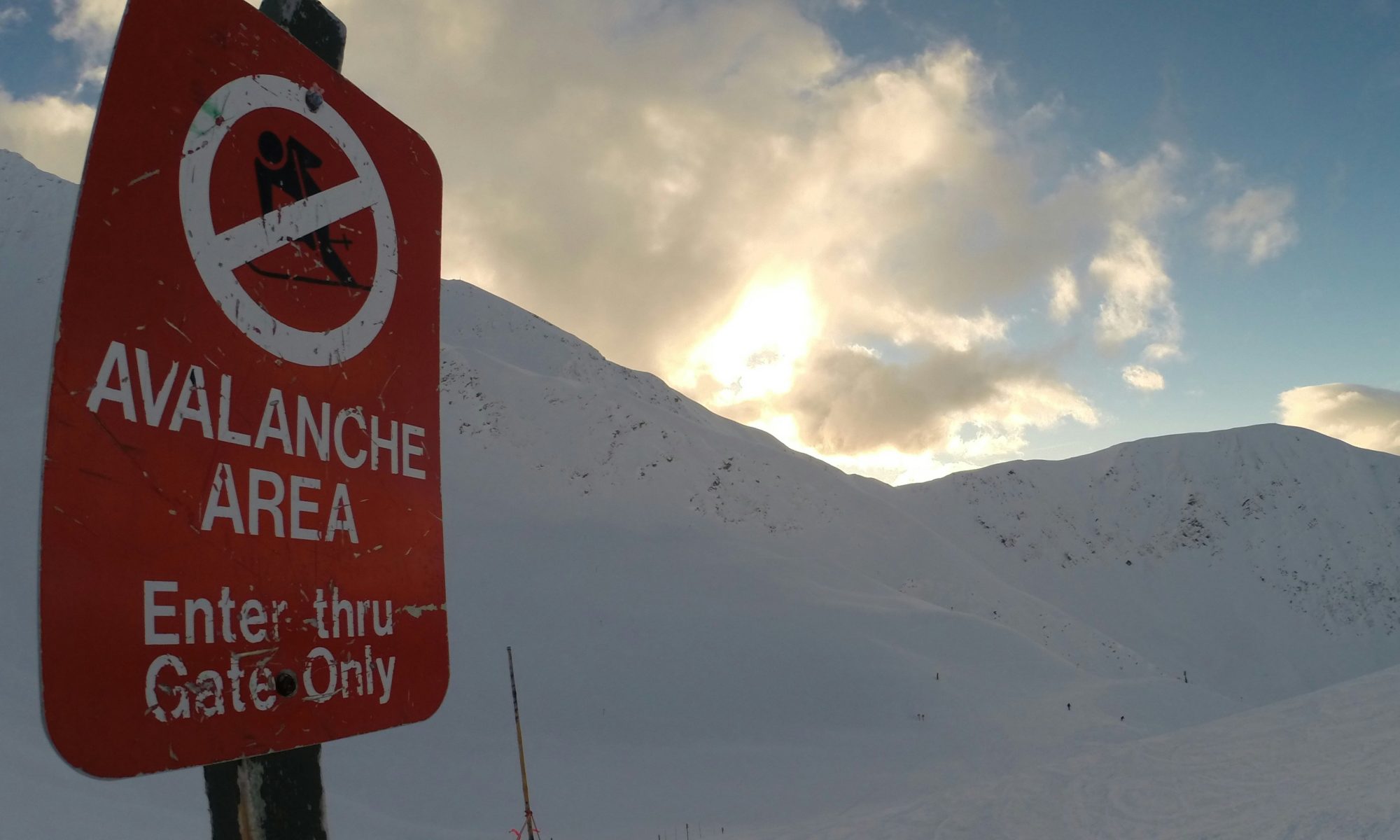
Avalanche danger sign. Photo: Bruce Warrington- Unsplash. Avalanche Activity Across the Alps & Pyrenees: Widespread Instability Raises Concerns (11–12 January 2026).

A 72-year-old American skier has died after an avalanche swept him into a deep glacier crevasse at Austria’s Stubai Glacier on Saturday, 14 November 2026.

According to ORF Tirol, citing the emergency coordination centre, this was Austria’s first avalanche fatality of the current winter season.

Avalanche struck off-piste at Daunferner

The Tyrol Police statement places the accident at approximately 11:30am in the Daunferner sector, at around 2,970 metres.

A group of young winter sports enthusiasts witnessed a slab avalanche sweep a person into a glacier margin crevasse and raised the alarm.

A piste rescuer and an Alpine police officer reached the site and used an avalanche transceiver to locate the skier in the approximately 20-metre-deep crevasse. They freed him from the snow and began resuscitation, but he could not be revived.

Mountain rescuers recovered his body with support from the police helicopter. Police confirmed on Sunday that the victim was a 72-year-old US citizen.
Continue reading “Stubai Glacier avalanche kills US skier in Austria’s first fatal slide of the winter”

Where Can You Ski Now? Alps Snow Update as Cervinia Prepares to Open

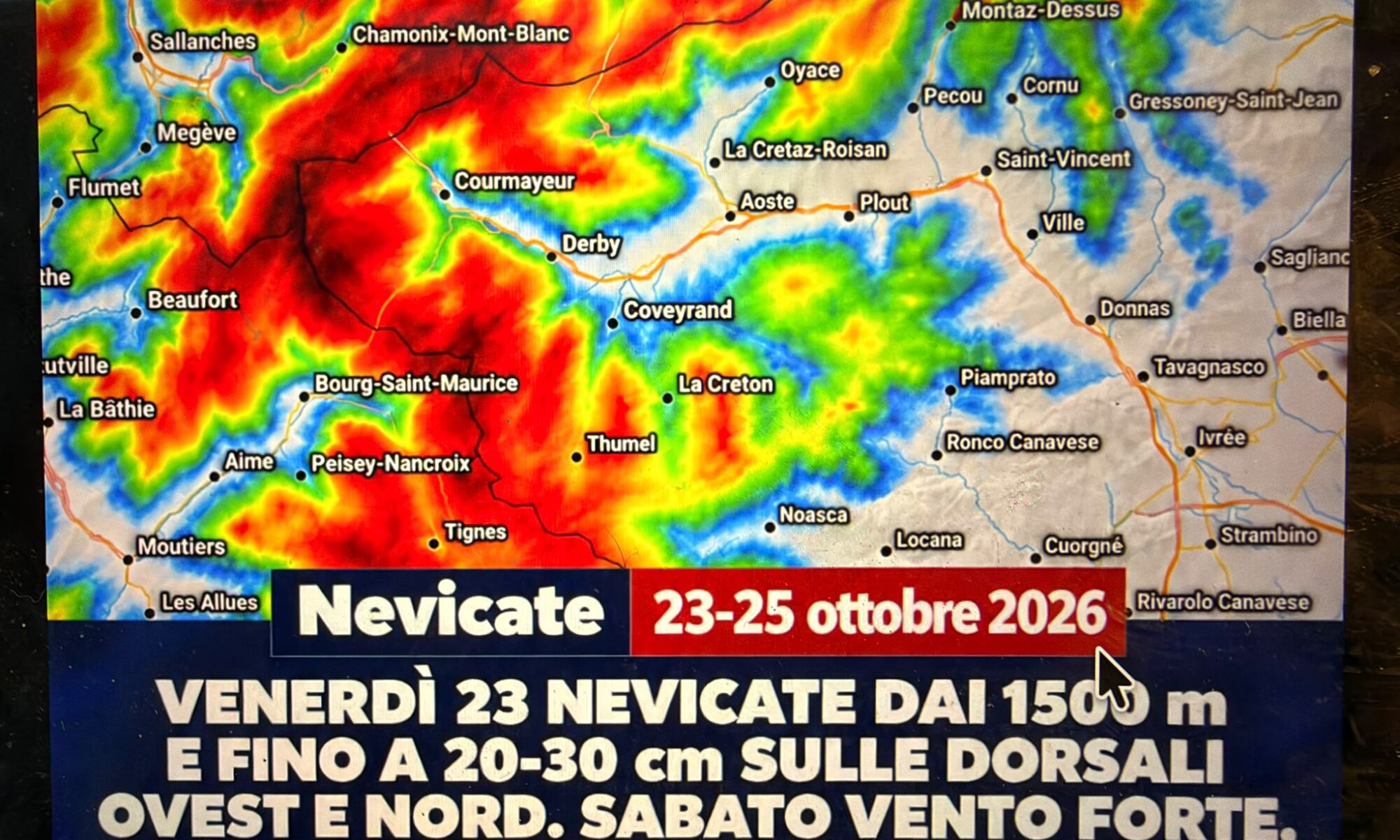
Snowfall outlook for 23–25 October 2026 in the Aosta Valley and neighbouring Alpine areas. Forecast graphic: Meteo Valle d’Aosta / Dati Meteo Asti.

23 October 2026

Wondering where to ski in October 2026? Austria’s glaciers are welcoming skiers, fresh snowfall is forecast for the Aosta Valley, and Cervinia is preparing to launch its winter season on Saturday, 24 October.

For anyone itching to put their ski boots back on, there are already opportunities to make those first turns. October skiing remains concentrated on selected high-altitude slopes, however, with the amount of terrain available varying considerably between destinations.

Here is where skiing is available, what is opening next and what the latest reports tell us about the snow.

Continue reading “Where Can You Ski Now? Alps Snow Update as Cervinia Prepares to Open”

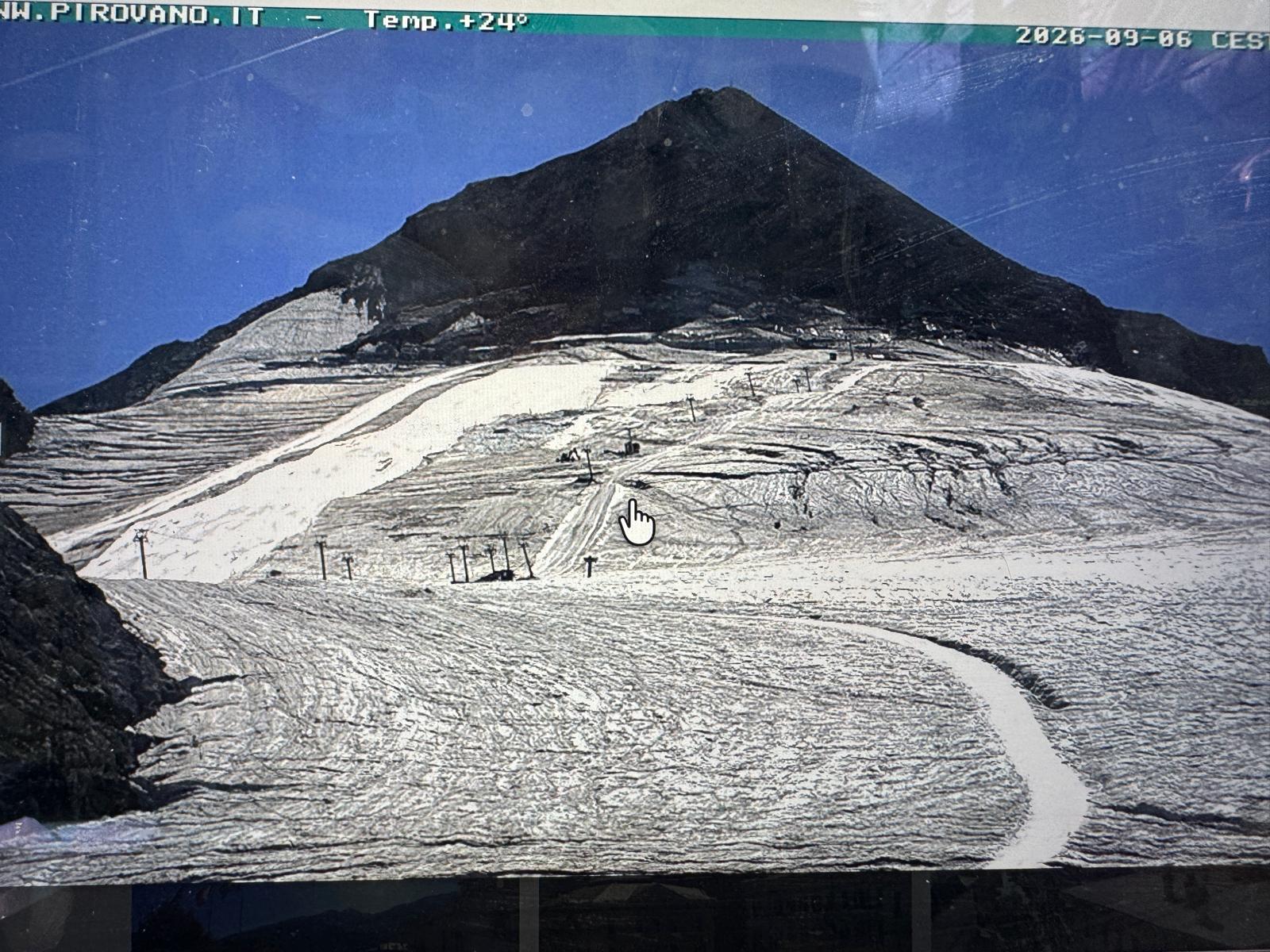
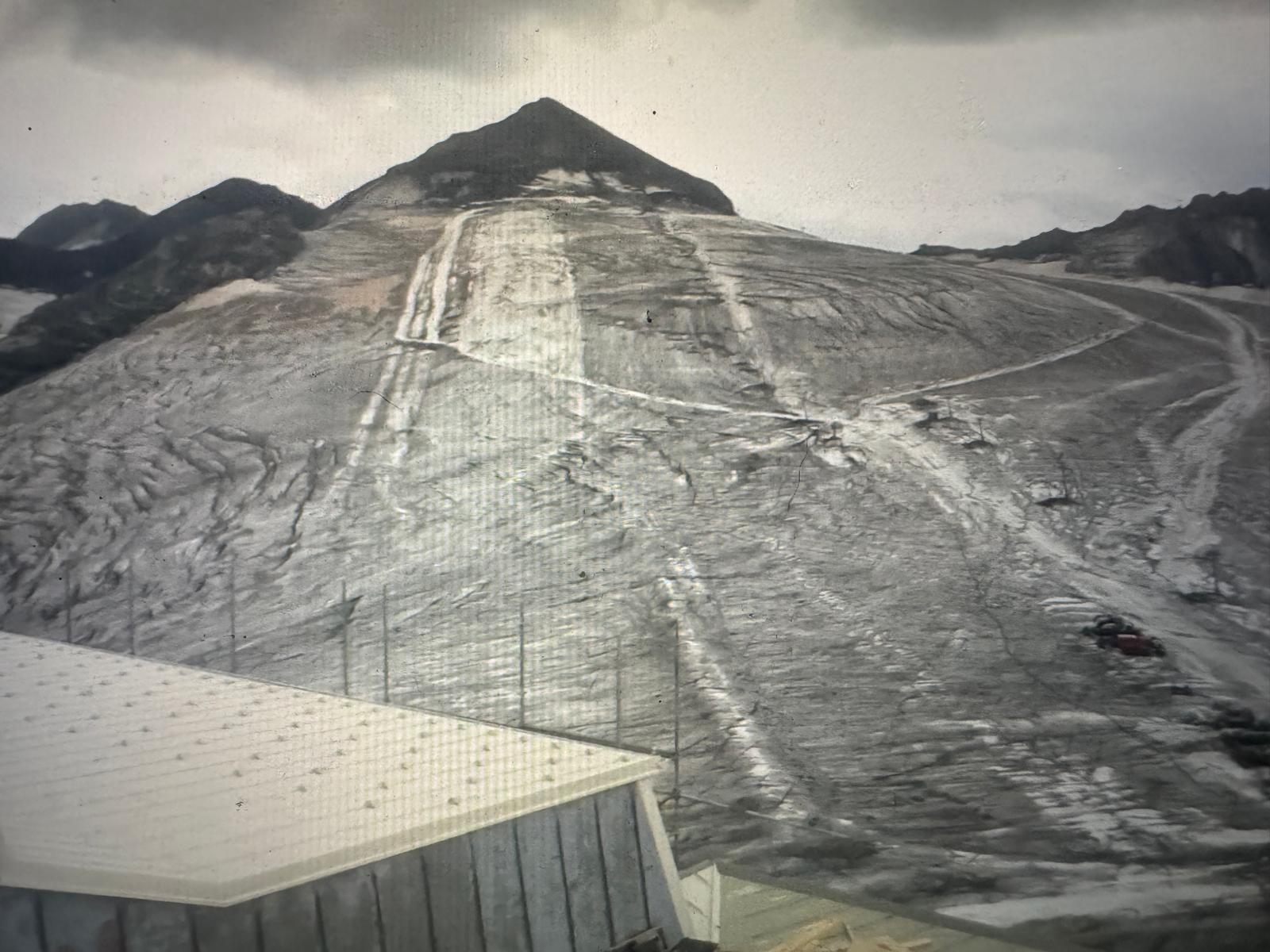
Sölden’s World Cup Opening Is a Month Away. Where Will the Snow Come From?

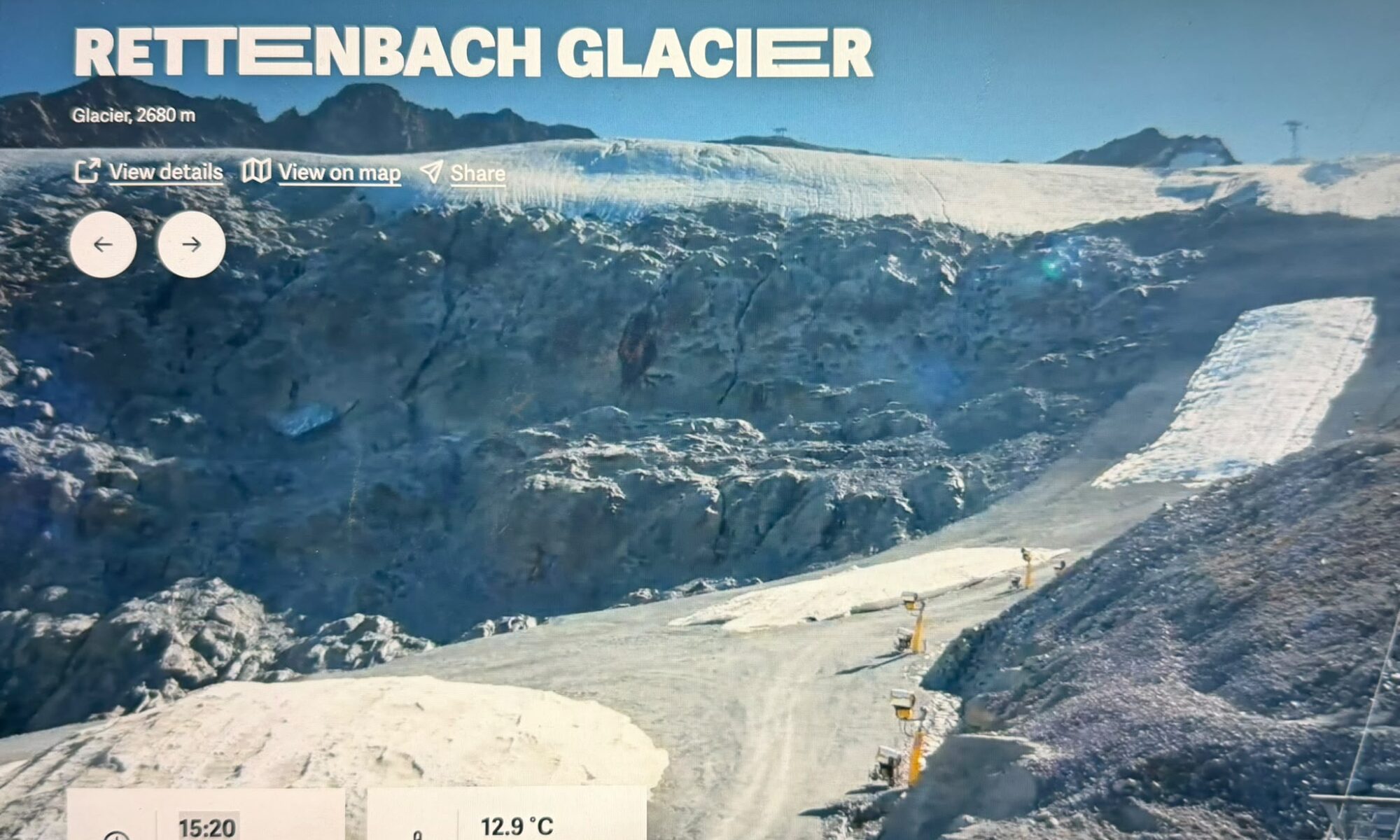
Rettenbach Glacier Webcam. 27 September 2026. Credit: Ötztal Sölden webcam.

The Rettenbach Glacier is scheduled to host the first Alpine Ski World Cup races of the 2026/27 season on 24 and 25 October. With little natural snow visible on the race slope in late September, preparations are drawing on snow stored from last winter.

Sölden has less than a month to prepare the Rettenbach Glacier for the opening races of the Alpine Ski World Cup season. The women’s giant slalom is scheduled for Saturday 24 October, followed by the men’s race on Sunday 25 October.

For now, the slope looks far more like late summer than winter. According to Austrian newspaper Tiroler Tageszeitung, snow is already being spread across its upper section, while three snow depots positioned along the steep race slope form part of the preparations. The newspaper reports that Sölden’s piste chief, Isidor Grüner, remains calm about the work ahead.

Continue reading “Sölden’s World Cup Opening Is a Month Away. Where Will the Snow Come From?”

Stelvio Glacier Reopens After Heat Closure – But Summer Skiing’s August Shutdown Still Matters

Summer skiing on the Stelvio Glacier in Italy

Italy’s Stelvio Glacier has reopened for summer skiing after a three-week heat-related closure. The return of skiing is welcome news, but it follows an extraordinary August in which high temperatures and poor overnight freezing temporarily brought lift-served summer skiing across the Alps to a halt.

Summer skiing returned to Italy’s Stelvio Glacier on Friday, September 4, after cooler conditions allowed operators to reopen lifts and pistes following a shutdown that began on August 15.

The official Bormio lift-status service confirmed the reopening, with all six Stelvio lift installations operating: the Cristallo, Pajer, Geister 1 and Geister 2 ski lifts, together with the Passo Stelvio–Trincerone and Trincerone–Livrio cable cars.

Not everything has returned to normal, however. Several pistes remain closed, and the Pajer and Cristallo ski lifts are operating only from 6:30 am until midday. The two cable cars operate until 4 pm.

The Stelvio summer season is officially scheduled to run from May 30 until November 1, 2026.

Why Stelvio closed

The August closure was significant because Stelvio had remained open after other Alpine summer ski areas suspended skiing during the summer heat.

SIFAS, the company operating the Stelvio facilities, announced the suspension of skiing from August 15, citing three factors: persistent heat waves reaching high altitude, the absence of sufficient overnight cooling and refreezing of the snowpack, and frequent thunderstorms that had further affected glacier conditions.

Continue reading “Stelvio Glacier Reopens After Heat Closure – But Summer Skiing’s August Shutdown Still Matters”

Summer Skiing Disappears Across the Alps as Extreme Heat Forces Final Glacier Closure

Passo dello Stelvio today 16th August. Webcam Passo dello Stelvio.

Summer glacier skiing has effectively disappeared from the Alps in mid-August after persistent extreme heat forced Passo Stelvio, the last Alpine glacier still offering lift-served summer skiing, to suspend operations.

Skiing on Italy’s Stelvio Glacier was suspended from 15 August until further notice, following weeks of unusually warm conditions at high altitude.

The closure completes a remarkable sequence across the Alps. Zermatt-Cervinia suspended public summer skiing at the beginning of August, while Saas-Fee followed on 10 August. In France, the summer skiing period at Les 2 Alpes had already ended in early July.

For an activity that was once a familiar part of the Alpine summer, the situation in August 2026 is striking: there is currently nowhere left in the Alps offering conventional lift-served summer glacier skiing.


Continue reading “Summer Skiing Disappears Across the Alps as Extreme Heat Forces Final Glacier Closure”

Alps Heatwave Forces Glacier Closures as Rockfalls Increase

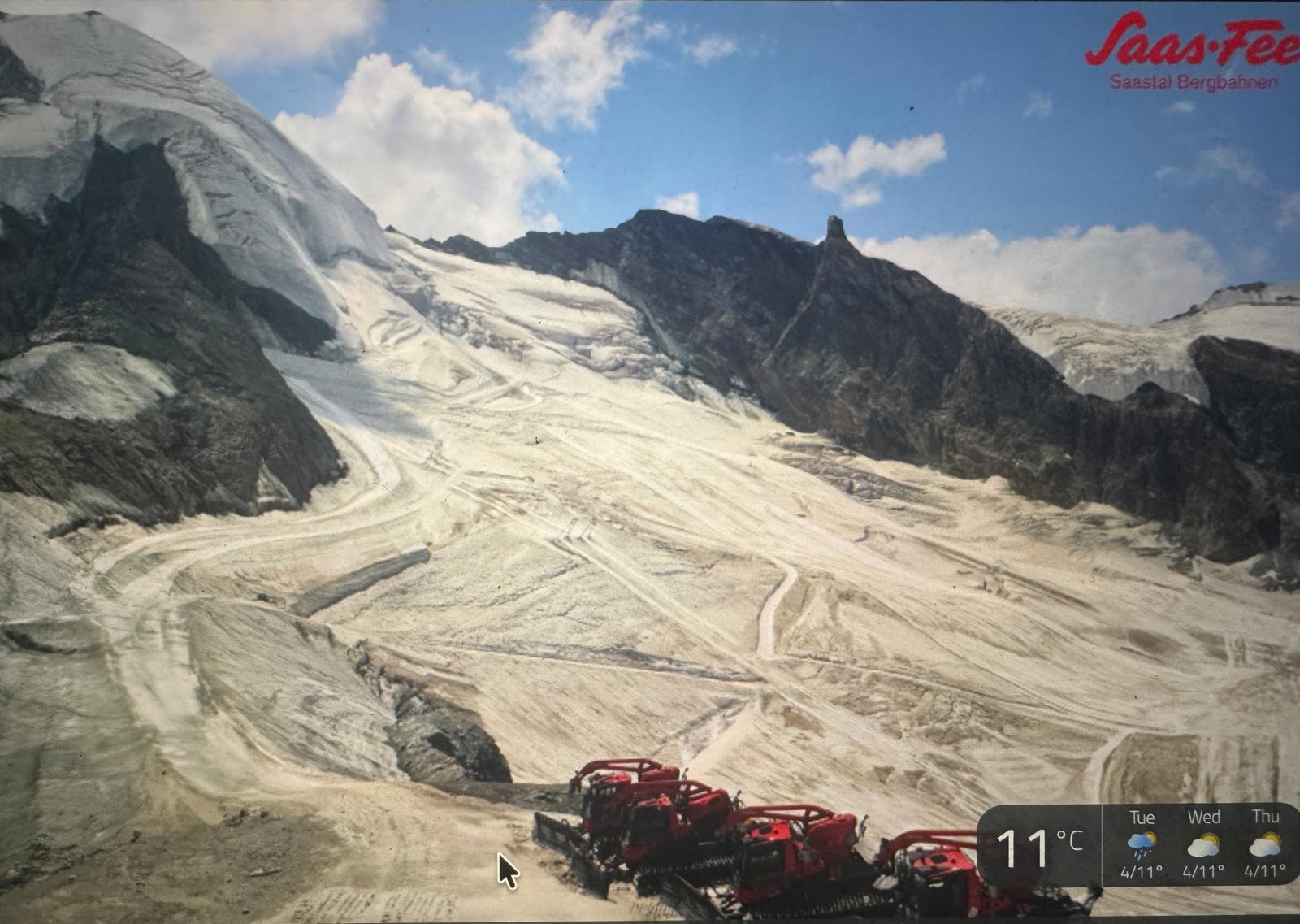
Saas Fee Glacier on 10th August, last day of its summer season. Photo: Webcam Saas Fee: https://www.saas-fee.ch/en/webcams

Extreme heat is continuing to disrupt the high Alps, forcing the suspension of summer skiing, closing a mountain refuge at more than 3,600 metres and coinciding with further rockfalls in the Dolomites.

Saas-Fee has suspended summer skiing from Monday, August 10, becoming the latest major Alpine glacier ski area affected by persistently high temperatures and deteriorating snow and glacier conditions.

The Swiss resort follows Zermatt, which had already suspended public summer skiing on the Theodul Glacier. On the Bernina massif in Italy, the Marco e Rosa refuge has closed as exceptionally warm conditions make the surrounding high mountain increasingly dangerous.

And on Sunday, August 9, another significant rockfall occurred on Monte Pelmo in the Dolomites, producing a large cloud of dust visible from the valley below.

Continue reading “Alps Heatwave Forces Glacier Closures as Rockfalls Increase”

Zermatt–Cervinia Summer Skiing to Close as Extreme Heat Damages Glacier Snow

Plateau Rosa webcam. Cervino Ski Paradise. Today, 31 July, 2026

Summer skiing on the glacier shared by Zermatt and Cervinia will be suspended from August 1, 2026, after exceptionally high temperatures and a lack of snowfall left the pistes unsuitable for safe skiing.

Summer skiing in the Zermatt–Cervinia ski area will close temporarily from August 1, 2026, as unusually warm conditions continue to affect the glaciers surrounding the Matterhorn.

The operational decision was taken on the Swiss side of the ski area, where the summer pistes are located on the Theodul Glacier and around Plateau Rosa. However, the closure also directly affects Cervinia, which is connected to Zermatt and sells access to the same cross-border summer skiing product.

Continue reading “Zermatt–Cervinia Summer Skiing to Close as Extreme Heat Damages Glacier Snow”

Alpine Ski Resorts Are Covering Glaciers to Slow Melting — But Can It Last?

Photo credit: Pontedilegno Tonale- pontedilegnotonale.com

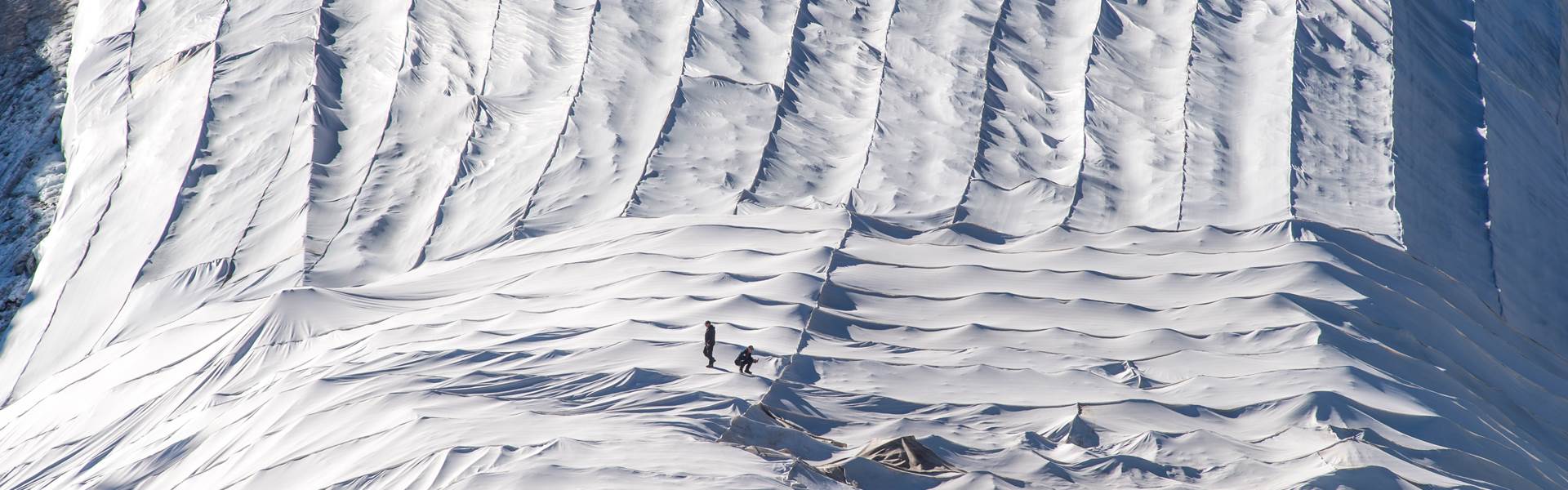
As glaciers across the Alps continue to shrink, some ski resorts are increasingly turning to reflective geotextile covers, snow farming, and other snow-preservation techniques in an attempt to protect glaciers, maintain ski operations, and preserve critical mountain infrastructure.

The images often go viral online as “ski resorts covering glaciers with plastic sheets,” but the reality is more complex. Most resorts use reflective geotextile fleece designed to reduce summer melting by insulating snow and ice from solar radiation.

The latest example attracting attention is the glacier area around Diavolezza in Switzerland’s Engadin region, where snow preservation and glacier management techniques have become part of long-term ski operations at altitude. Researchers note that the former glacier skiing area at Diavolezza now survives “solely thanks to snow farming and covering.”

Continue reading “Alpine Ski Resorts Are Covering Glaciers to Slow Melting — But Can It Last?”

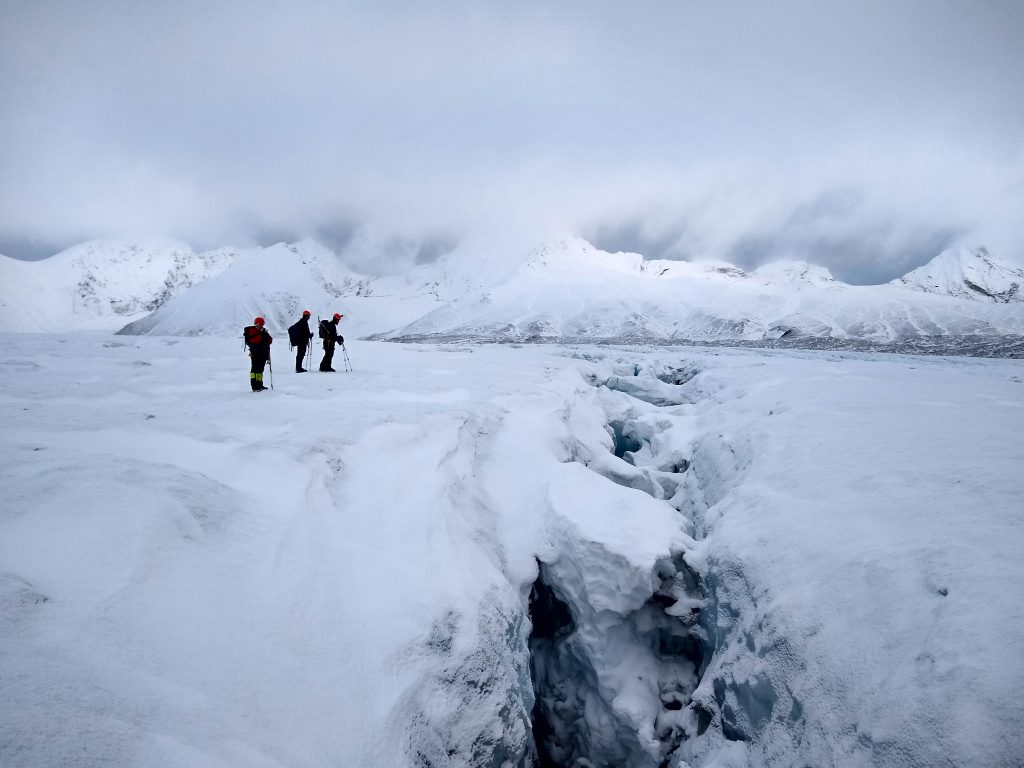
Crevasses & Glaciers: The Hidden Winter Danger

Crevasses in Passo dello Stelvio. Photo: Dario Morandotti. Unsplash. Crevasses & Glaciers: The Hidden Winter Danger.

Crevasses & Glaciers: The Hidden Winter Danger

Glaciers are often associated with summer mountaineering — ropes, harnesses and visible crevasses. In winter, however, glaciers can appear deceptively smooth, white and skiable.

This illusion of safety is one of the reasons crevasses and glaciers remain among the most underestimated winter dangers in the mountains.

This article explains why glaciers are still hazardous in winter, how crevasses behave under snow, and why even experienced skiers can fall victim to hidden traps.


Hansbreen Glacier, Svalsbard. Photo: Bartek Luks Aya. Unsplash. Crevasses & Glaciers: The Hidden Winter Danger.

Why Glaciers Are Still Dangerous in Winter

Snow does not remove crevasses — it hides them.

During winter:

  • Crevasses are covered by snow bridges
  • Surface terrain appears uniform
  • Visual warning signs are often absent

Snow bridges can collapse suddenly under the weight of a skier, snowboarder or group — often without warning.

Unlike avalanches, crevasse falls:

  • Are silent
  • Are highly localised
  • Often involve a single victim

Rescue is complex and time-critical.

Continue reading “Crevasses & Glaciers: The Hidden Winter Danger”