Tour du Mont Blanc Moves to Rein In Overtourism as Visitor Numbers Soar

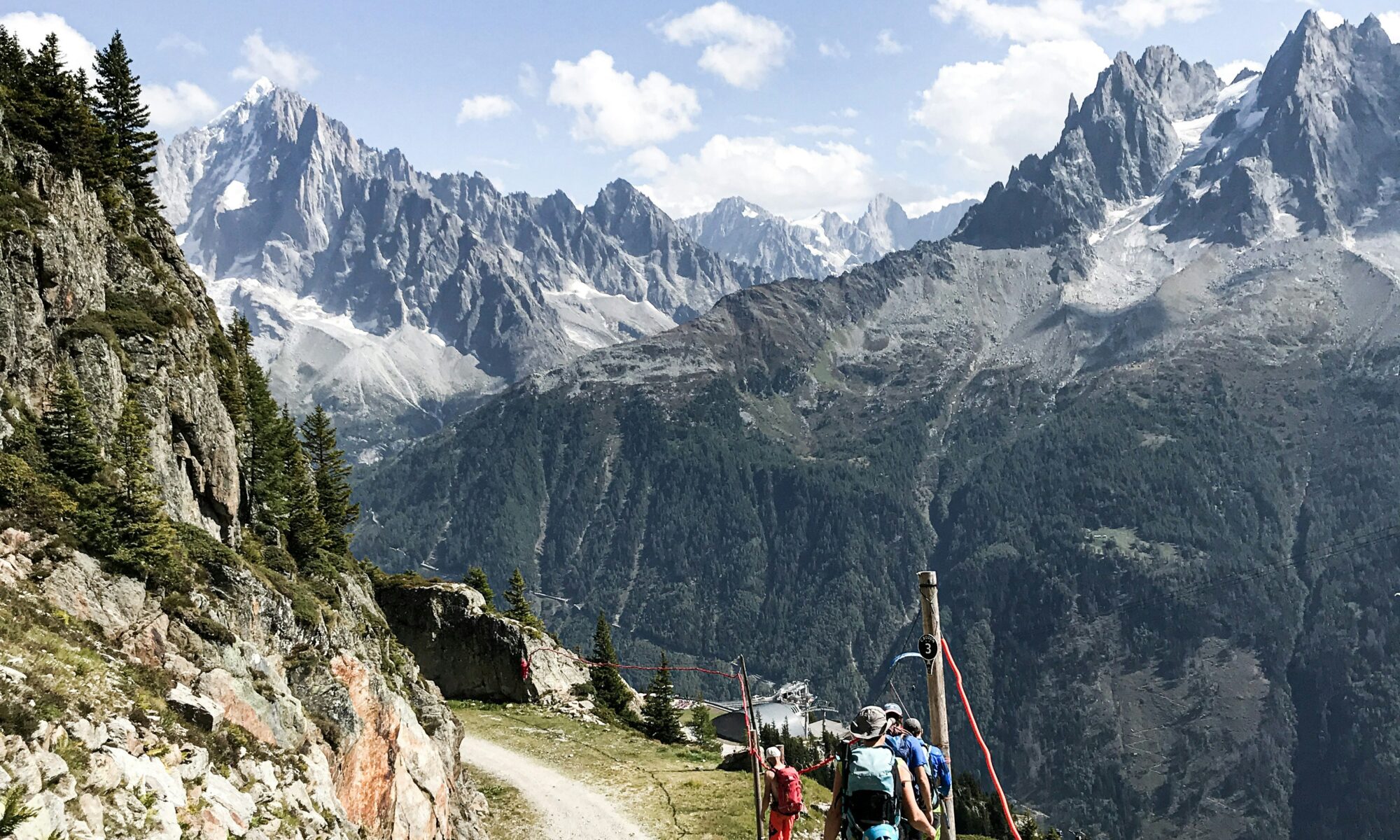
Chamonix Mont Blanc. Photo credit: Antoine de Barquin. Unsplash.

One of the Alps’ most famous long-distance hiking routes could face tighter controls from 2027, as local authorities and mountain professionals seek to curb wild camping, environmental damage and increasingly crowded trails.

The days of treating the Tour du Mont Blanc as an unrestricted hiking route may be coming to an end.

Local authorities and mountain professionals on the French side of the Mont Blanc massif have agreed on the principle of a new charter aimed at better managing one of Europe’s most popular long-distance treks, following another summer of exceptionally heavy use.

The Tour du Mont Blanc — generally known simply as the TMB — covers around 170 kilometres and approximately 10,000 metres of elevation gain as it circles the Mont Blanc massif through France, Italy and Switzerland.

The rapid increase is now raising concerns about erosion, biodiversity, sanitation, safety and the overall experience of walking one of the Alps’ classic routes.

“The open-bar approach is over”

Representatives of the seven French municipalities crossed by the TMB met in September alongside refuge and campsite operators, mountain guides, transport companies, environmental organisations and French state services.

Among the proposals being developed are the systematic reservation of recognised accommodation during the summer season and stronger restrictions on wild camping.

Jean-Marc Peillex, mayor of Saint-Gervais-les-Bains and president of the Communauté de Communes Pays du Mont-Blanc, told AFP that the aim was not to prohibit access to the mountains, but to organise it.

His description of the change was considerably more colourful: the “open-bar” approach, he said, was over.

Other measures being considered include improving authorised bivouac areas with basic facilities, limiting the size and weight of luggage transported between stages, reducing the movement of large suitcases by taxi and potentially establishing a “green brigade” to help enforce local regulations.

Quotas, however, are not currently part of the proposals.

Not all the new rules are decided yet

The direction is clear, but exactly how the system will work is still being negotiated.

The charter is being finalised, and there are differences among local authorities and tourism professionals over how far regulation should go.

One of the most significant ideas is that, from 2027, hikers completing the TMB could be required to have accommodation booked in advance.

But this should not yet be interpreted as a finalised three-country permit system for the entire Tour du Mont Blanc.

The route crosses France, Italy and Switzerland, making coordinated regulation significantly more complicated. Any comprehensive system would ultimately need to account for rules and authorities on all three sides of the massif.

Wild camping is already restricted in several areas

The changes would also build on restrictions that already exist.

Wild camping and bivouacking are not freely permitted everywhere along the Tour du Mont Blanc.

In parts of the French side, including protected areas of the Aiguilles Rouges massif, hikers must already reserve designated bivouac spaces. Vallorcine also prohibits wild camping across its municipal territory outside the specific rules governing nature reserves.

The proposed charter would therefore move towards a more consistent approach rather than introducing regulation from scratch.

A route struggling with its own success

The debate reflects a wider challenge facing the Alps.

Mountain destinations have spent decades encouraging summer tourism as a way of reducing their dependence on skiing and building a stronger year-round economy.

The success of routes such as the Tour du Mont Blanc shows how effective that strategy can be — but also where its limits may lie.

Heavy concentrations of hikers can damage vegetation, accelerate trail erosion and put pressure on water, sanitation and waste infrastructure. Local officials have also complained about inappropriate behaviour, including illegal camping and hikers leaving human waste in the landscape.

At the same time, the TMB has become an important source of summer income for refuges, hotels, restaurants, guides and communities along the route.

That makes the challenge less about keeping visitors away than deciding how many people fragile mountain environments can accommodate — and how those visitors should move through them.

Planning the Tour du Mont Blanc in 2027

For hikers already considering the Tour du Mont Blanc next summer, advance planning will become increasingly important regardless of what final form the new charter takes.

The official Tour du Mont Blanc accommodation platform says reservations for summer 2027 will open on 15 October 2026.

It already strongly recommends booking refuges ahead, warning that the most popular properties can fill several months in advance.

The final rules for 2027 are still taking shape.

But after a summer in which more than 90,000 people reportedly circled the Mont Blanc massif, the message from local authorities is becoming increasingly difficult to miss: one of the Alps’ most famous trails can no longer be managed as though its capacity were unlimited.

Read More

Sources

Who Pays for a Mountain Rescue in the Alps? Summer Hiking, Insurance and Rescue Costs Explained

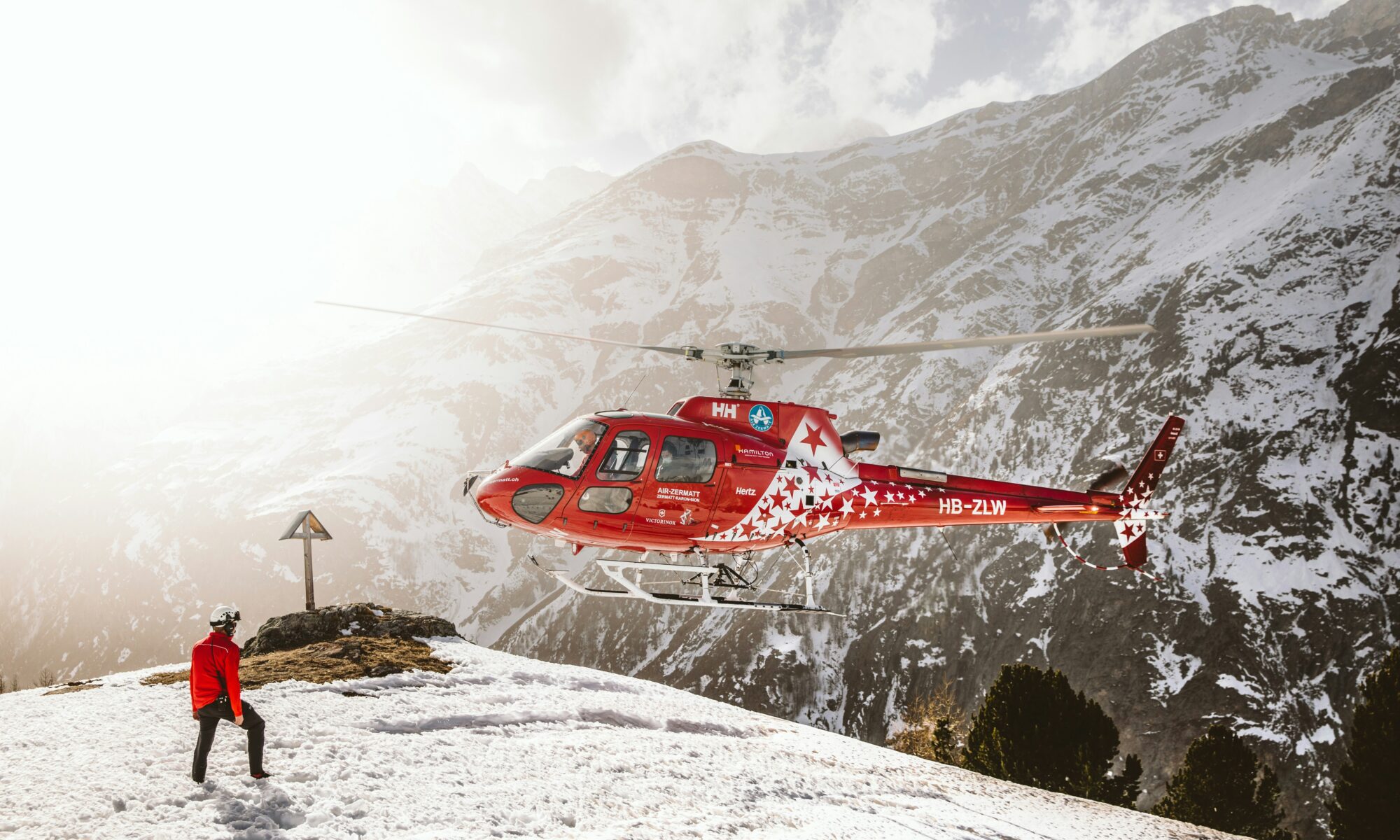
Photo: Kevin Schmid. Unsplash. Zermatt. Switzerland.

The rescue of 36 hikers, including babies in strollers, in Austria made headlines around the world. But beyond the unusual circumstances, it highlighted a question many visitors never think about until it’s too late:

Who pays if you need to be rescued in the Alps?

The answer depends on where you are. Rules vary significantly between Austria, France, Italy and Switzerland, and what applies to summer hiking or mountaineering is not necessarily the same as skiing in winter.

This guide focuses on summer mountain activities—including hiking, mountaineering, via ferratas and glacier trekking. Rescue rules on managed ski slopes during winter are often different and are covered by separate insurance systems.

Continue reading “Who Pays for a Mountain Rescue in the Alps? Summer Hiking, Insurance and Rescue Costs Explained”

Monte Pelmo Rockfalls: Geologist Warns More Collapses Are Likely

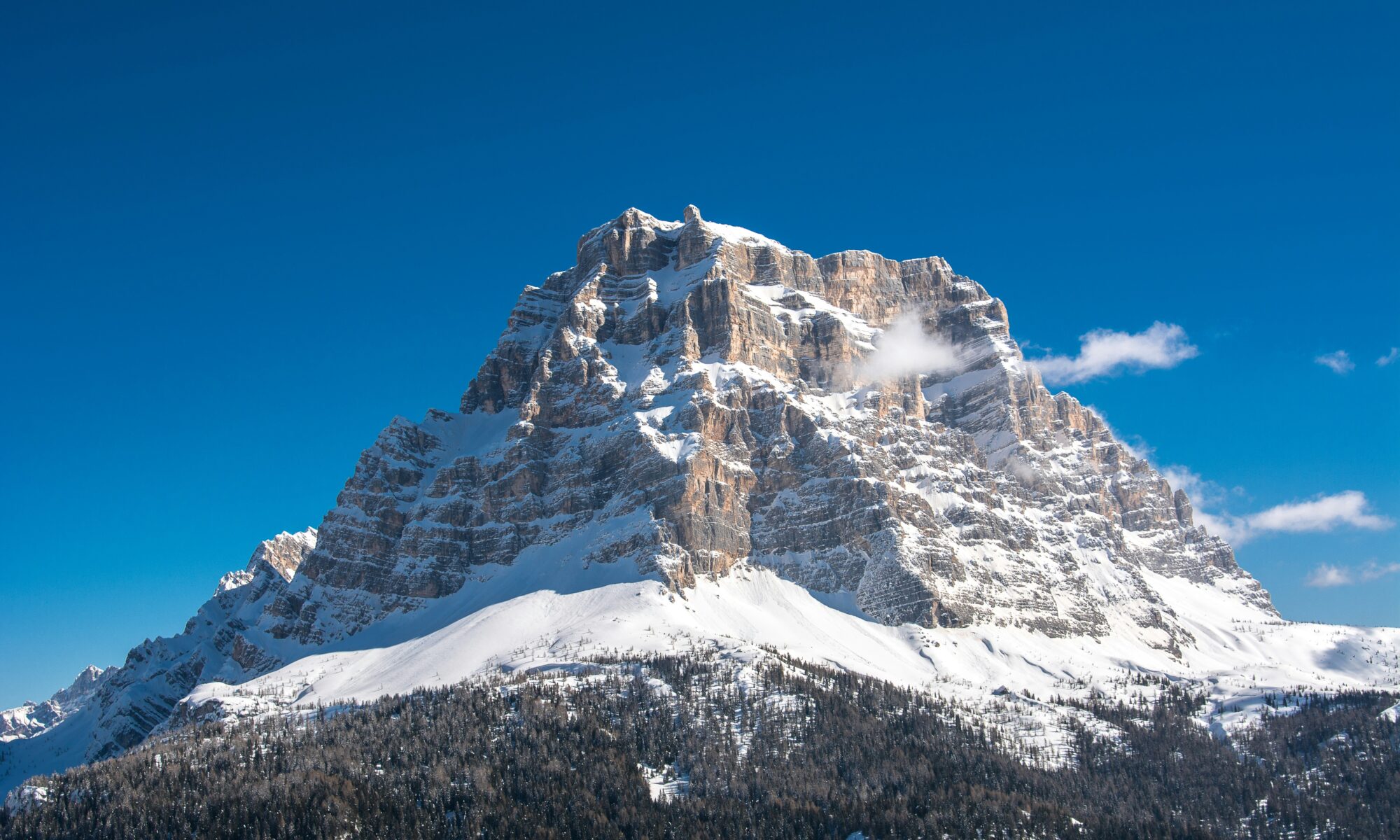
Monte Pelmo as seen from Borca di Cadore. Photo: Gian Pietro Dragoni. Unsplash.

A series of rockfalls on Monte Pelmo in the Italian Dolomites is raising concern after seven significant collapses were recorded in just three weeks, including five in five days, as exceptionally high temperatures continue to affect the Alps.

The latest warning comes from Aldino Bondesan, professor of Physical Geography and Geomorphology at the University of Padua, who says further collapses should be expected and has urged visitors to respect restrictions around affected mountain areas.

The 3,168-metre Monte Pelmo, one of the most recognisable peaks in the Dolomites, had already been affected by repeated rockfalls during the current Alpine heatwave. The situation was included in our wider report on the impact of extreme temperatures across the Alps.

READ MORE: Alps Heatwave Intensifies as Glacier and High-Mountain Closures Spread

Continue reading “Monte Pelmo Rockfalls: Geologist Warns More Collapses Are Likely”

New Bivouac Rules Introduced Around Chamonix Mountain Huts

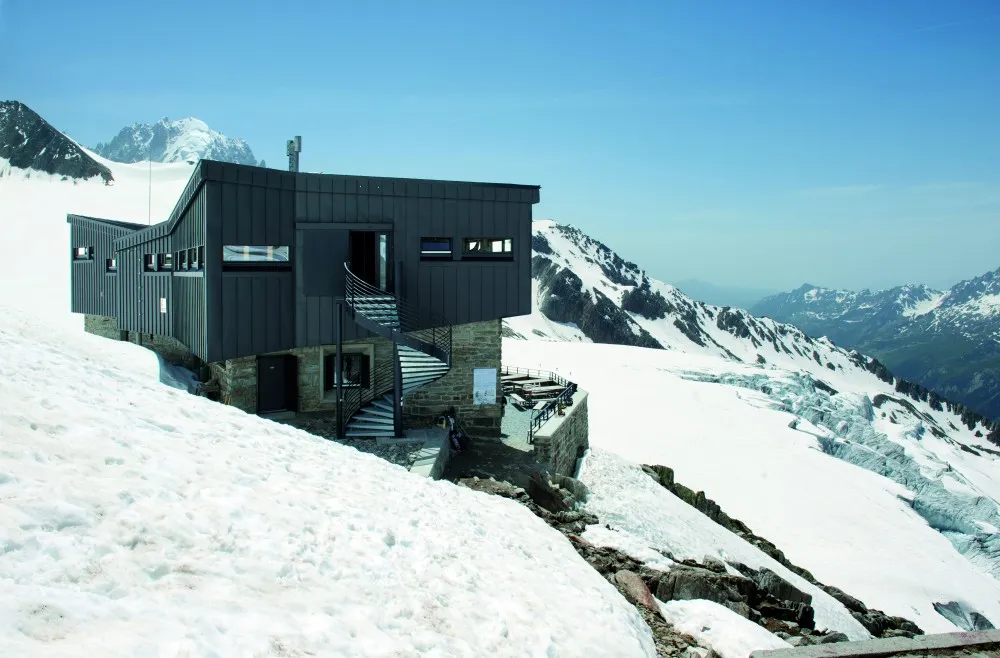
Refuge Albert 1er. Photo credit: Beatrice Cafieri. CAUE. caue-observatoire.fr

Authorities in Chamonix have introduced new regulations governing bivouacking near several of the Mont Blanc massif’s most popular high-mountain huts, following a sharp increase in overnight camping and growing concerns about environmental impacts.

The new municipal decree came into force immediately and will remain in place until 30 September 2026. From next year onwards, the same rules will apply annually between 1 June and 30 September.

According to La Chamoniarde, the measures are designed to reduce pollution of mountain water catchment areas caused by waste and human excrement while allowing controlled bivouacking near refuges. 

Four Mountain Huts Affected

The regulations apply to four of the best-known high-altitude refuges in the Chamonix area:

  • Albert 1er Refuge
  • Refuge du Couvercle
  • Refuge des Envers des Aiguilles
  • Refuge d’Argentière

Continue reading “New Bivouac Rules Introduced Around Chamonix Mountain Huts”

A Bear Walked Into a Breckenridge Hotel. Here’s What Every Mountain Traveller Should Know

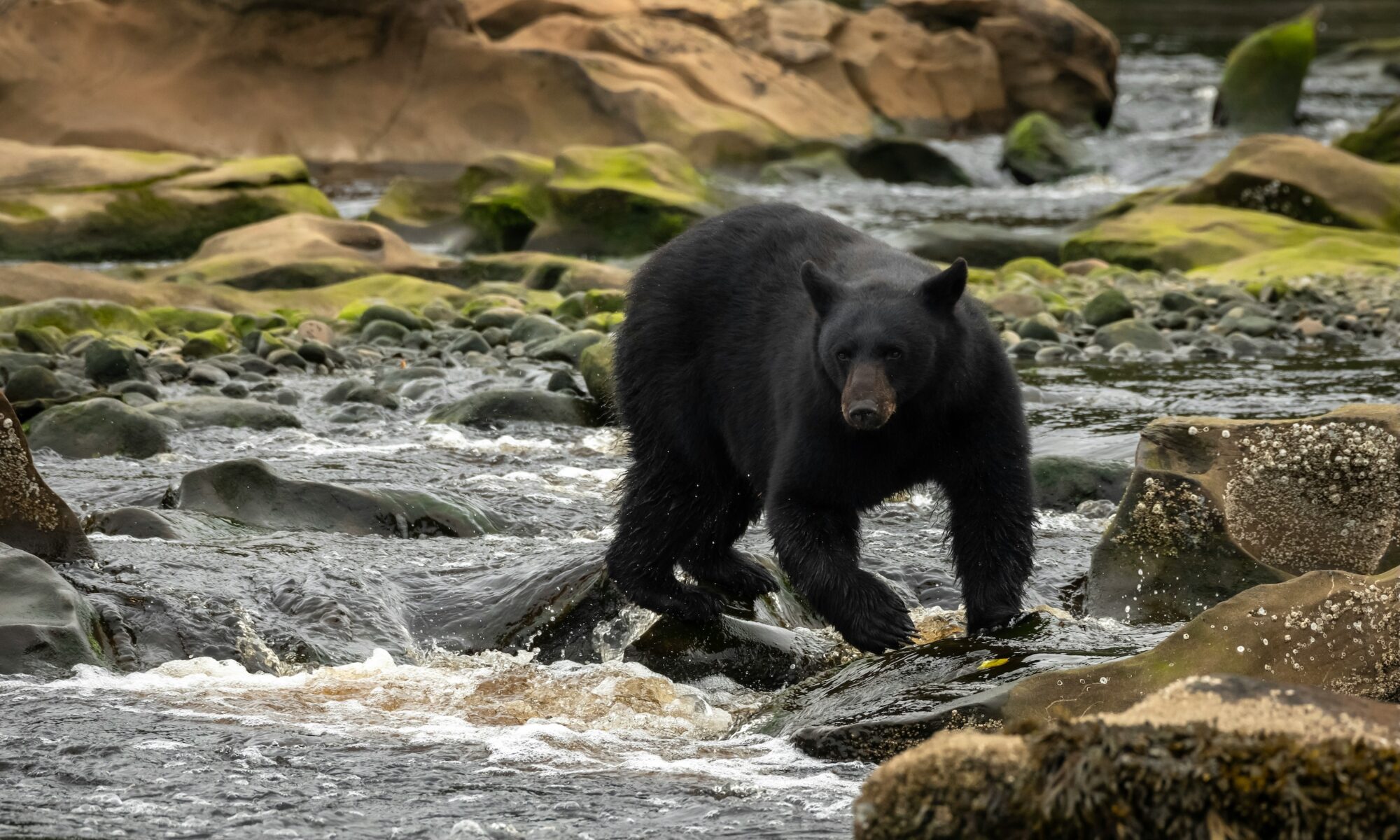
Black bear fishing a salmon. Photo credit: Greg Johnson. Unsplash.

A black bear wandering into a hotel in Breckenridge and apparently helping itself to a bag of M&M’s made headlines this week. Police safely escorted the animal back into the forest, nobody was injured and the story quickly spread around the world.

It was an amusing reminder that mountain towns can produce some unforgettable moments.

But for people who live and work in mountain destinations, there was another reaction.

“That doesn’t happen often… but it isn’t exactly surprising either.”

Whether it’s black bears in Colorado and British Columbia, brown bears in Italy’s Trentino or wolves in the Italian Alps, sharing spectacular mountain landscapes with large carnivores has become part of life.

For visitors, however, these encounters can be unexpected.

Understanding how to behave around wildlife is becoming just as important as checking the weather before heading onto the trails.

Continue reading “A Bear Walked Into a Breckenridge Hotel. Here’s What Every Mountain Traveller Should Know”

Summer Tourism in the Alps Booms as Europe Seeks Relief from the Heat

Summer Tourism in the Alps. Photo: The-Ski-Guru in Courmayeur Mont Blanc.

As another summer of record-breaking temperatures grips much of southern Europe, the Alps are emerging as one of the season’s biggest winners. Across Italy’s mountain regions, hotels, mountain huts and hiking destinations are welcoming a surge of visitors looking to escape the heat, highlighting how climate change is reshaping travel patterns well beyond the winter ski season.

According to Italy’s JFC Summer Mountain Observatory, mountain destinations are expected to welcome around 7.8 million visitors this summer, an increase of 14.4% compared with 2025. Overnight stays are forecast to surpass 79 million, while the sector is expected to generate approximately €6.6 billion in tourism revenue. Those figures reflect a clear shift in holiday choices as more travellers seek cooler temperatures at higher elevations.

Continue reading “Summer Tourism in the Alps Booms as Europe Seeks Relief from the Heat”

New Capanna Carrel opens on the Matterhorn ahead of official inauguration

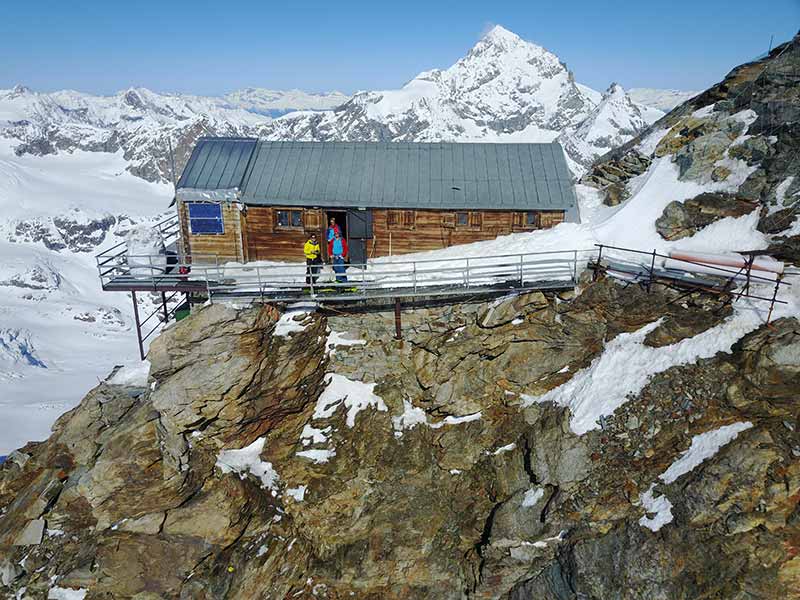
The new Capanna Carrel has opened. Photo: GuidedelCervino.com

The iconic Capanna Carrel, one of the best-known mountain huts on the Italian side of the Matterhorn (Monte Cervino), has officially begun welcoming climbers for the 2026 summer season, even as final finishing works continue before its formal inauguration.

The Municipality of Valtournenche has provisionally handed over the new refuge to the Società Guide del Cervino (Matterhorn Guides Association), allowing guides and alpinists to use the facility from late July while the last construction details are completed.

Continue reading “New Capanna Carrel opens on the Matterhorn ahead of official inauguration”

Pila Expands Its Bike Park with Four New Trails and Reaches the Summit at Stella

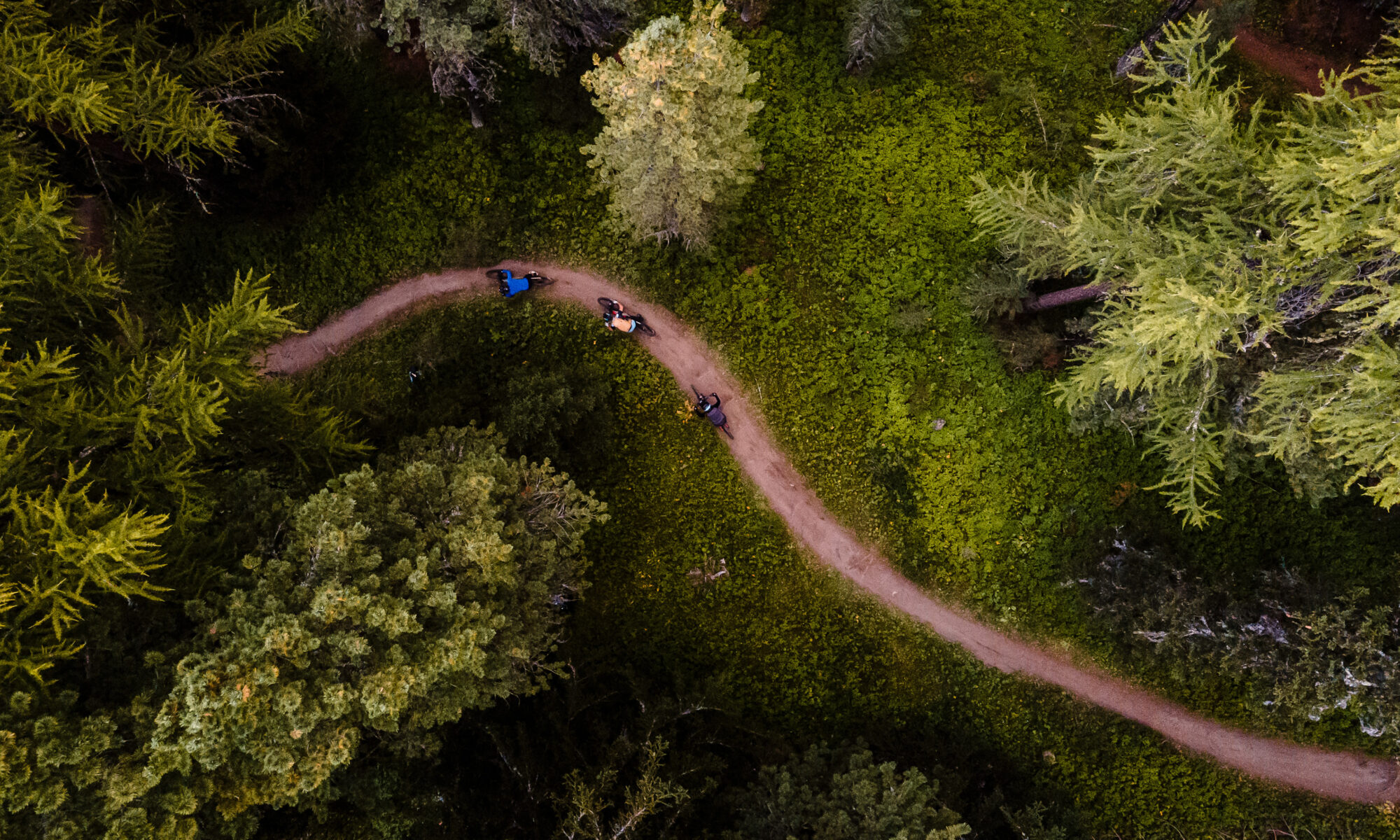
Pila is expanding its bike park. Photo: Pila S.p.A.

Pila continues to strengthen its position as one of Italy’s leading summer mountain destinations. The Aosta Valley resort has expanded its Bike Park with four new trails, bringing the network to 55 kilometres of riding, while for the first time riders can now reach Stella di Pila (2,723 metres), the highest point of the resort, thanks to the new gondola that opened this summer. 

The expansion increases the Bike Park to 11 dedicated trails, catering to different riding styles, including downhill, enduro, cross-country and flow trails. The new additions include the Bellevue and Desarpa areas, further extending the variety of terrain available to mountain bikers.

According to local newspaper La Vallée Notizie, the latest investment is designed to broaden Pila’s appeal beyond winter, positioning the resort as a year-round destination for outdoor enthusiasts.

Continue reading “Pila Expands Its Bike Park with Four New Trails and Reaches the Summit at Stella”

How Bariloche Is Reinventing Itself As South America’s Leading Four-Season Mountain Destination

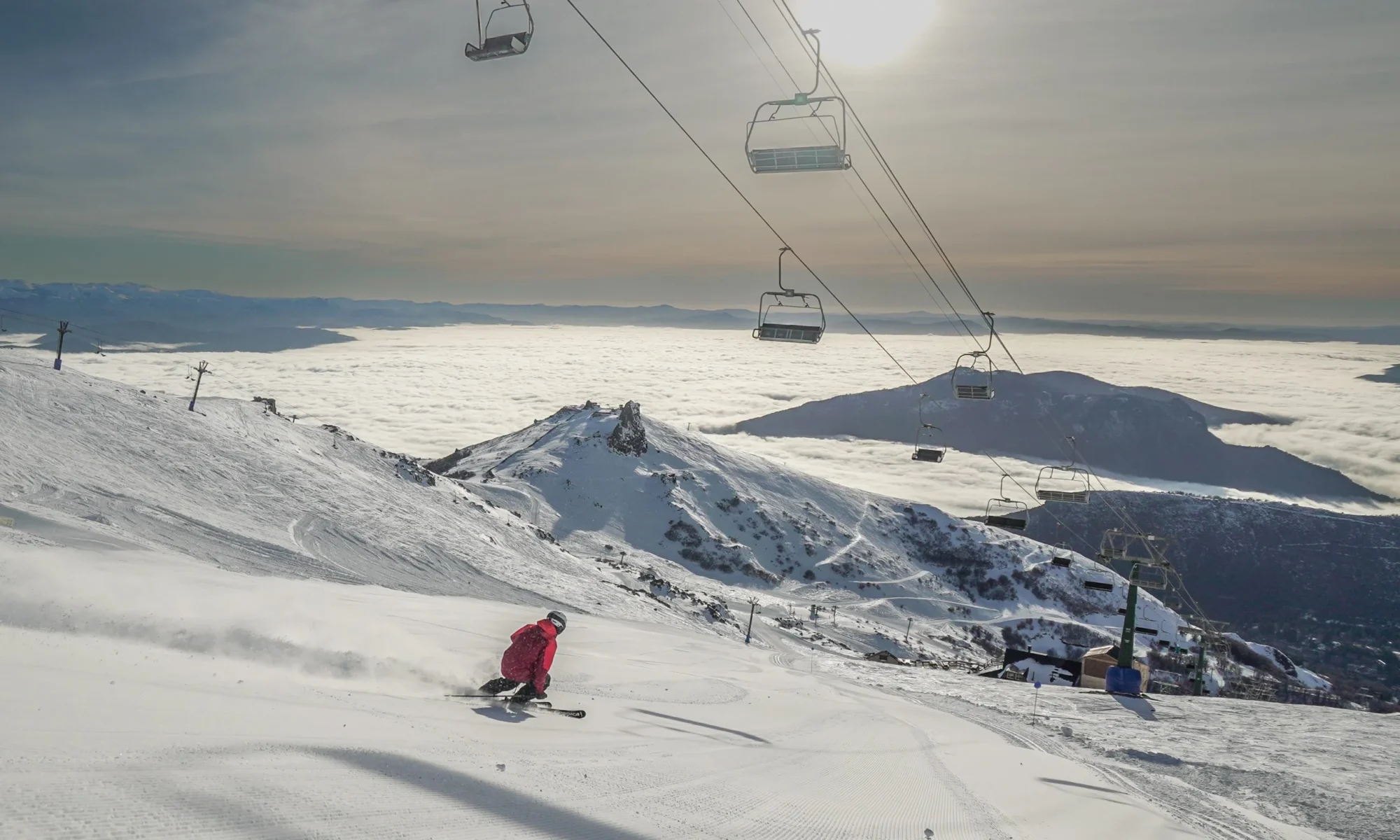
Catedral Alta Patagonia, skiing over the clouds that are hugging the Nahuel Huapi Lake. Bariloche Year-Round Destination: Skiing, UTMB & Cerro Catedral.

Bariloche is rapidly evolving into a year-round destination while remaining South America’s leading ski resort. Set on the shores of Lake Nahuel Huapi and surrounded by the Patagonian Andes, the city is home to Cerro Catedral, Argentina’s largest ski resort and one of the biggest in the Southern Hemisphere.

Every winter, thousands of Argentine, Brazilian, Chilean and international visitors head to Bariloche for its combination of skiing, spectacular scenery and alpine atmosphere.

Yet today, the city is pursuing a broader vision.

Rather than depending solely on winter, Bariloche is steadily evolving into a year-round mountain destination, combining skiing with hiking, trail running, mountain biking, lake activities, gastronomy, business events and international sporting competitions.

It is a strategy increasingly seen across mountain destinations worldwide. Resorts from the Alps to North America are investing in experiences that attract visitors throughout the year while strengthening winter operations through improved infrastructure and snowmaking.

Bariloche is following the same path.

Continue reading “How Bariloche Is Reinventing Itself As South America’s Leading Four-Season Mountain Destination”

Your shopping guide to mountain hiking apparel and equipment

The family by Lago Chamolé in Pila, Aosta Valley. Your shopping guide to mountain hiking apparel and equipment.

Your shopping guide to mountain hiking apparel and equipment

Now is the time to start dreaming of the great outdoors. Travel will not be as usual for the time being, but we still can get out. Trends are showing that people will prefer staycations or driving rather than flying. You can drive from home for your holidays. We can use this time to prepare our kit for this trip. This made me think of putting together a shopping list for your next hiking trip. Here it is:

This article may contain affiliate/compensated links. For full information, please see our disclaimer here.

Too tired to hike. Going up to see the Monte Cervino in Cervinia. Your shopping guide to mountain hiking apparel and equipment.

Hiking shoes:

You need shoes to be comfortable. The shoes have a denser footbed and a harder tip than normal shoes to avoid hurting your toes. Shoes need to hug your feet well and leave space for your toes to wiggle. I have bought some low ankle hiking shoes but realised afterwards that a higher boot is better. I have weak ankles that tend to twist a lot, and the high ankle boot avoids me doing that. Here are my suggestion for hiking boots for male, women and kids:

Hiking shoes


Hiking socks:

You want to have a good pair of socks when going hiking. Do not go hiking with some socks with holes- your feet will be sorry for it! I like merino socks, they are a bit more expensive but worth it in any climate. Merino is a great fabric that is very soft and lightweight, wickers moisture fast and keep your feet dry. Merino keeps you warm in winter and cool in summer and is breathable and antimicrobial. This allows your feet odours to be at bay. Here are my suggestion of hiking socks.

Hiking socks – Hiking Mountain Apparel and Equipment.


Hiking pants:

Pants need to be lightweight, breathable and of a quick-drying material. This prevents you staying wet if you cross a stream or get drench after a shower. You have the options of pants with zip that can convert into shorts. I prefer pants if walking through a wood with high grass, as you never know what you might encounter. Depending the climate, it might be snakes, ticks and all kind of bugs. You don’t want your hike to ruin your day because of this! I have learnt my lesson of long pants when growing up in Argentina and going horseback riding. When you go to ranches, you see the ‘gauchos’ always with what we call ‘bombachas de campo’. These are some sort of pantaloon that is wider at the tights and skinnier by the ankle. They allow freedom of movement when mounting horses. Plus they avoid anything creeping from the ankle up. When horseback riding, sometimes you go through tall grass. Thistles could catch and prickle your skin. This is the same concept with hiking pants, you don’t want your skin exposed!
 

Hiking pants: Hiking Mountain Apparel and Equipment.


Hiking shorts

Sometimes it is too hot for pants and you will walk in rocky paths, with the absence of long grass. Shorts would be a great option for those hot days. On top, while you hike you can gain a tan! The same principle applies here: to be of a light material that dries fast and wickers moisture out.
 

Hiking shorts: Hiking Mountain Apparel and Equipment.

Hiking tops

 
If you can afford purchasing Merino, go for it! You will not stink to the rest of the group! If not get any light material that wicks moisture out and dries fast if wet!
 

Hiking tops: Hiking Mountain Apparel and Equipment.


Hiking fleece

It is good to take one, at least in your backpack, as you never know how weather will pan out. I like having some light fleeces. They dry if they get wet very fast.
 

Hiking fleeces: Hiking Mountain Apparel and Equipment.


Hiking Jackets

 
Always take a light raincoat. You can fold it into a small pouch and take it out if it rains. Some new materials are pretty good and allow moisture to evaporate.
 

Hiking Jackets: Hiking Mountain Apparel and Equipment.


Water bottle/carrier

 
Always carry some water for everyone. If you are going with kids, make them carry water and snacks in a small backpack. I used to have a camelback, that was useful while skiing or hiking. It is a small backpack with a pouch of water inside and a pipe for you to sip when needed. Lots of people love it and I loved the idea and used them a lot. I only find the water has taste and nowadays I prefer to have my own water bottle. There are some nice stainless steel bottles in the market. Beware if they fall, they do squash, and even I had one that got perforated! So you need to handle with care.

Continue reading “Your shopping guide to mountain hiking apparel and equipment”