Sestriere’s Forgotten Belvedere: A Tiny Survivor from the Birth of the Modern Ski Resort

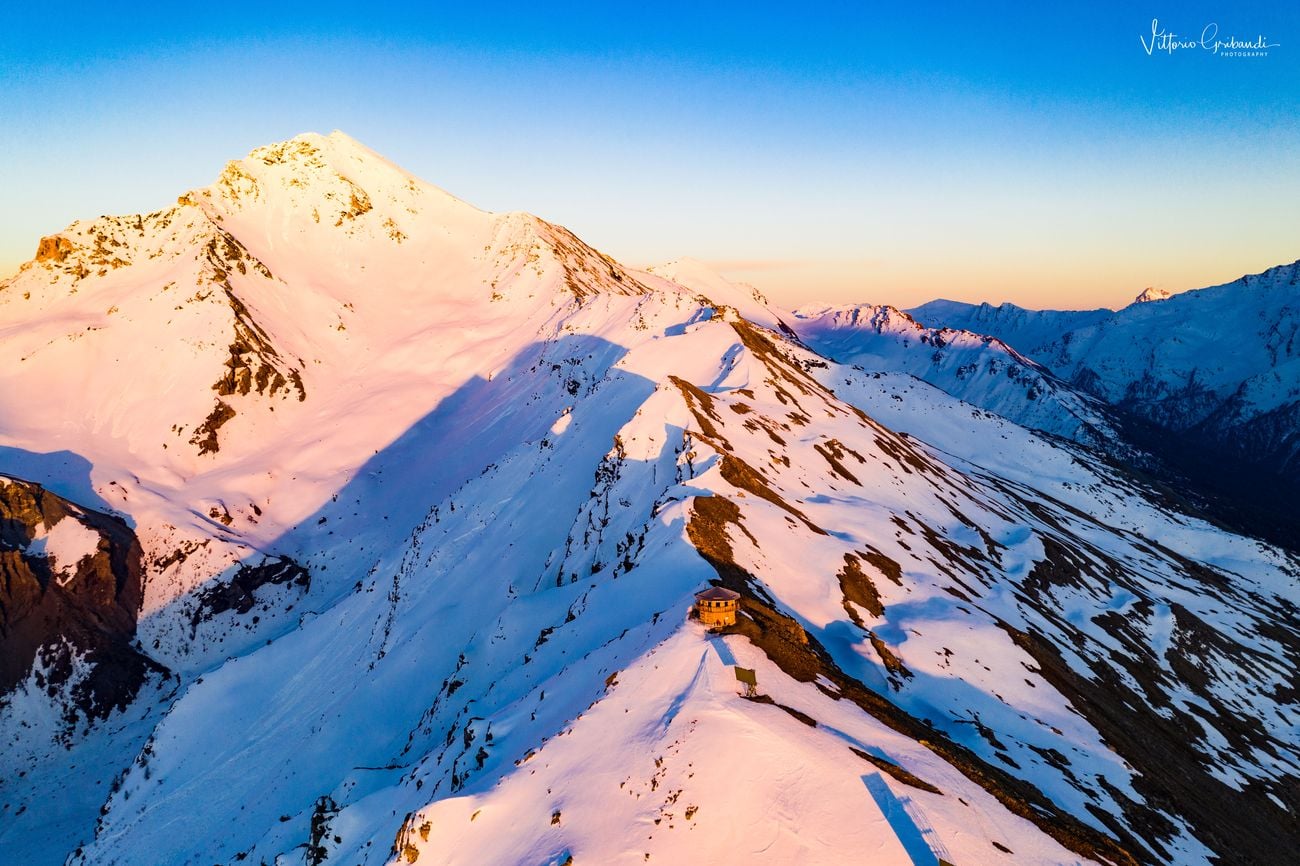
Il Belvedere on top of the mountain. Photo credit: Vittorio Gribaudi. Atribune.com

At 2,658 metres above Sestriere, a restored 1931 belvedere tells a much larger story: how an isolated Alpine plateau was transformed into one of Europe’s earliest purpose-built ski destinations.

High above Sestriere, on the summit of Monte Sises, stands a tiny concrete building surrounded by twelve square windows and an apparently limitless Alpine horizon.

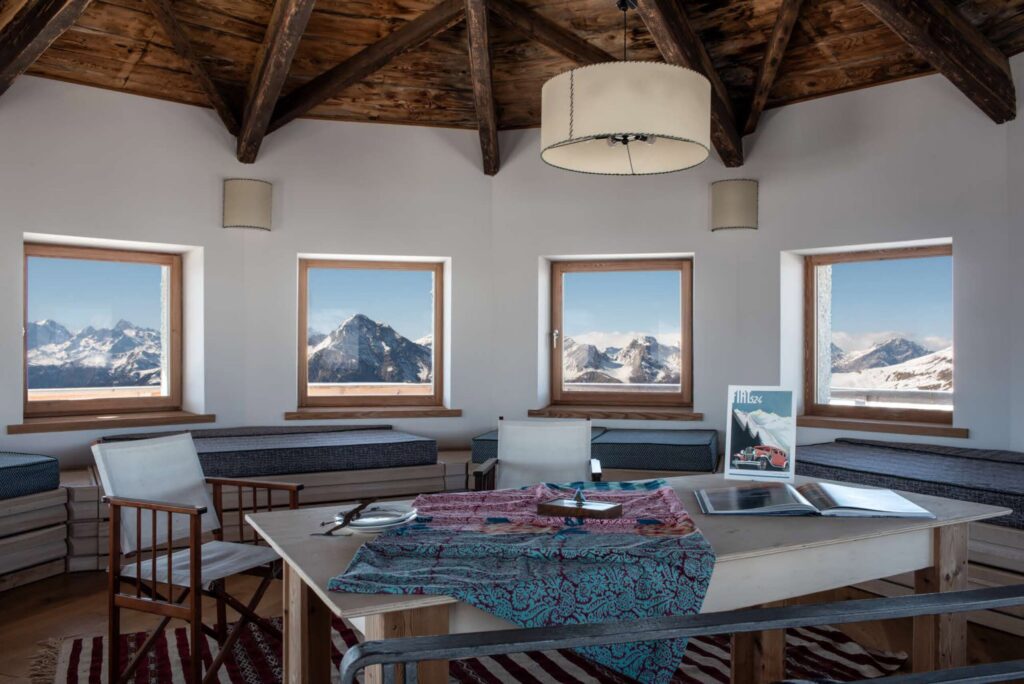
From inside, the view extends across the Rognosa di Sestriere and Monte Chaberton towards Monviso and the Écrins massif. Yet the building was never intended to be a hotel, restaurant or conventional mountain hut.

It was constructed simply as a place from which to look at the mountains.

Known as the Belvedere, the two-storey, twelve-sided structure dates from 1931 and survives from the earliest chapter in Sestriere’s development as a modern ski resort. After decades of abandonment, it has been carefully restored as a small private, largely self-sufficient mountain home.

Its story is about more than an extraordinary house. It is also a surviving fragment of the period when ski resorts, lifts lifts and purpose-built mountain architecture began to reshape the Alps.

Inside the small Belvedere. Photo: Marinella Paolina. Atribune.com

Continue reading “Sestriere’s Forgotten Belvedere: A Tiny Survivor from the Birth of the Modern Ski Resort”

Monviso Rockfall Raises Questions Over Stability of the Italian Alps Landmark

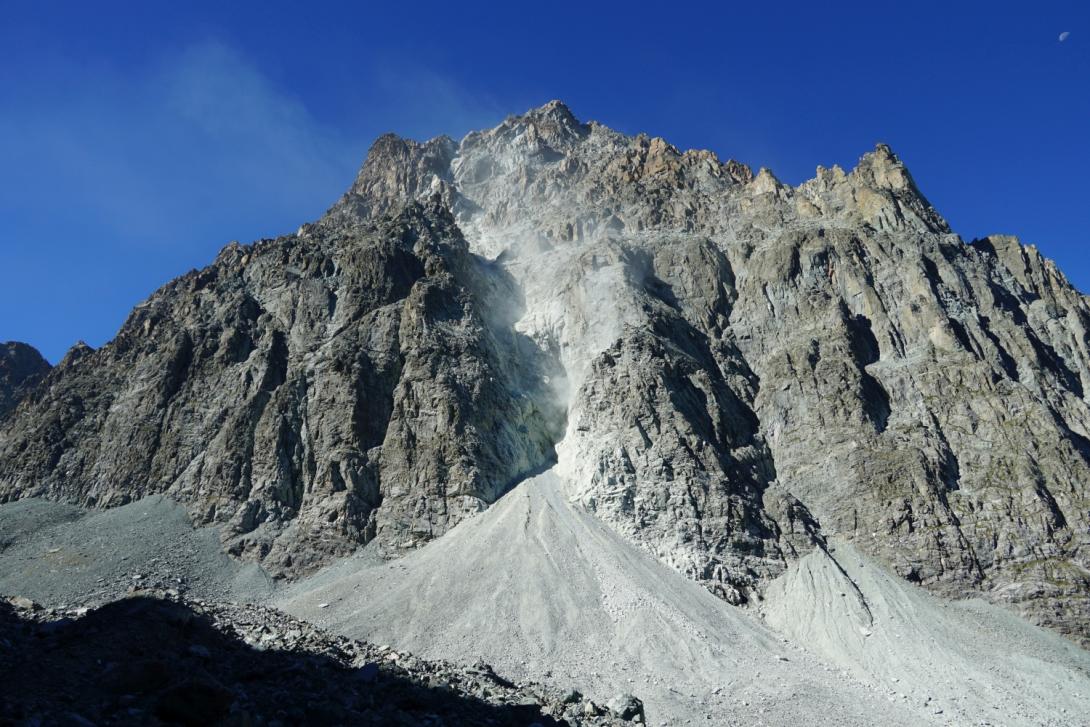
Canalone del Monviso. Photo credit: Arpa.Piemonte.it

A rockfall on Monviso’s northeast face sent thousands of cubic metres of debris down the mountain on 1 September. No one was injured and the nearby Quintino Sella refuge and its access trail were not hit by the main collapse, but repeated failures on the same face have prompted authorities to examine how the mountain is evolving.


UPDATE — 18 September 2026: New Rockfall and Regional Action

A second significant rockfall on Monviso and new temperature data have prompted the Regione Piemonte to begin a wider assessment of the mountain, including its trails, refuge access and long-term monitoring.

At the first official Tavolo Monviso, held on 16 September, ARPA Piemonte revealed that between 10 June and 10 September temperatures at its monitoring station above 3,300 metres on Monviso did not fall below 0°C.

ARPA identifies thermal stress as a probable factor in the recent rockfalls and degradation of permafrost as a possible contributing factor within a rock mass that is already heavily fractured. However, the agency continues to stress that individual rockfalls need to be assessed on their specific geological and environmental conditions.

The meeting followed another rockfall during the night of 13–14 September, this time from the Torrioni Sari on Monviso’s southern side. Regional authorities say preliminary observations suggest that this event may have been larger than the 1 September collapse on the northeast face, although further surveys are needed to determine its scale.

The two events on different sides of the mountain have led authorities to broaden their assessment from individual rockfall sites to the Monviso massif as a whole.

Access to the mountain is also under review

The Regione Piemonte is now considering additional surveys, including drone inspections, an assessment of the most exposed trails and possible alternative routes to mountain refuges.

One proposal being examined is an alternative access route to the Rifugio Quintino Sella. Improved trail signage and temporary restrictions in particularly exposed areas are also being considered.

This does not currently amount to a general closure or restriction on access to Monviso.

Continue reading “Monviso Rockfall Raises Questions Over Stability of the Italian Alps Landmark”

Planpincieux Glacier: Seven Years After the Alarm, the Mont Blanc Glacier Is Retreating Fast

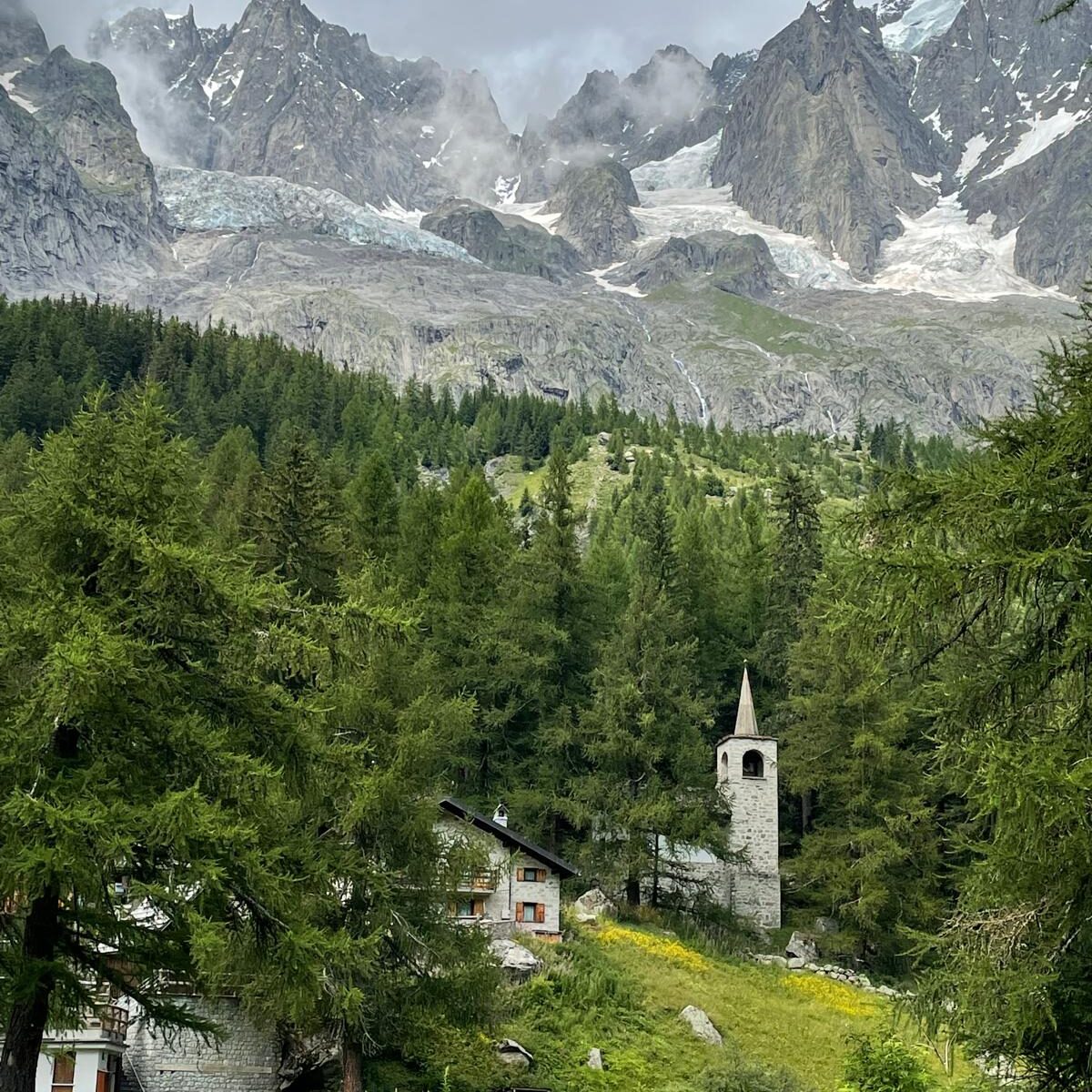
Planpincieux glacier and the church in the bottom. Photo: The-Ski-Guru.

The Planpincieux Glacier retreat is accelerating on the Italian side of Mont Blanc, seven years after the hanging glacier above Courmayeur first made international headlines over fears of a major collapse.

The hanging glacier, located above Val Ferret on the Italian side of the Mont Blanc massif, accelerated again during July 2026, reaching movement of around 80 centimetres per day. The figure was confirmed by the Valle d’Aosta regional authorities, which placed the glacier under continuous monitoring during the period of heightened activity.

The situation has since improved. Jean-Pierre Fosson of Fondazione Montagna Sicura said during the Valle d’Aosta stage of Legambiente’s Carovana dei Ghiacciai that Planpincieux has now fallen below the critical thresholds and that current conditions are considered favourable.

But the longer-term picture is far less reassuring.

Planpincieux Glacier retreat reaches 50 metres in three years

According to a report from Corriere della Sera, the front of Planpincieux has retreated by around 50 metres in just three years.

The glacier hangs at around 2,600 metres beneath the Grandes Jorasses, high above Val Ferret. Ice and debris continue periodically to break away from its front and descend towards the valley.

The glacier is particularly closely monitored because of its position above an inhabited and heavily visited valley.

During July’s acceleration, Courmayeur introduced Civil Protection restrictions in the areas potentially exposed to a collapse. Access restrictions were subsequently eased as conditions stabilised.


Read more: Nepal Glacier Disaster: Could It Happen in the Alps? — Following the catastrophic glacier-related disaster in Nepal, we look at whether similar high-mountain hazards could occur in the Alps, and how monitoring at Planpincieux, Blatten and elsewhere can provide crucial warning time.


Continue reading “Planpincieux Glacier: Seven Years After the Alarm, the Mont Blanc Glacier Is Retreating Fast”

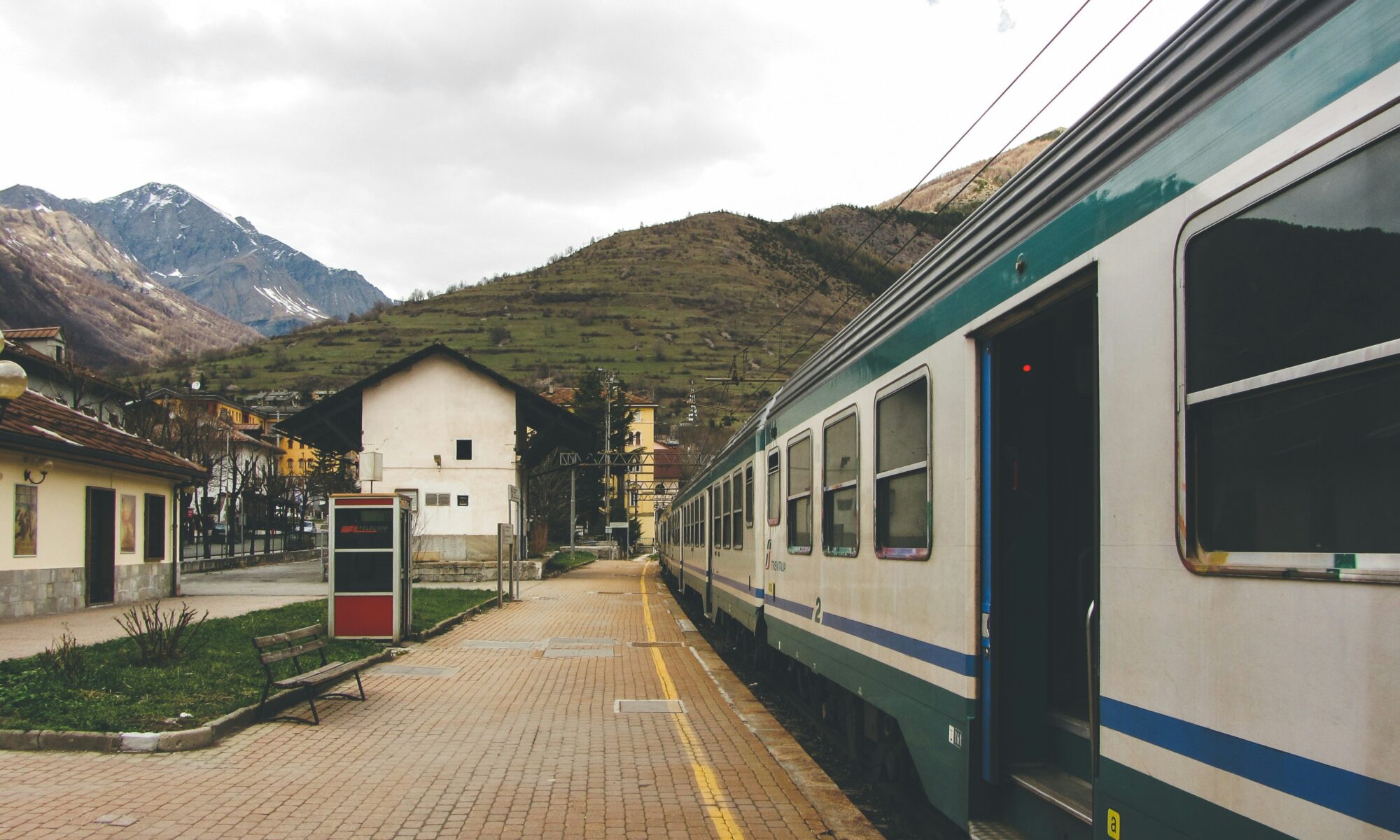
Bardonecchia Train Disruption: Buses Replace Trains Until 9 October

Bardonecchia train station. Photo credit: Casey Lovegrove. Unsplash.

Bardonecchia train disruption is affecting travellers from 10 August to 9 October 2026, with replacement buses operating between Bussoleno and Bardonecchia while major railway maintenance takes place.

The disruption comes at one of the busiest periods of the summer season in the Italian Alps and has prompted criticism from local authorities and tourism operators, who argue that the timing could affect visitors who have already booked their holidays.

According to Trenitalia, rail traffic between Bussoleno and Bardonecchia will be suspended from 10 August until 9 October 2026 while extraordinary maintenance work is carried out along the Torino–Modane railway.

Regional SFM3 services are being modified, with replacement buses operating for affected sections of the journey.

Continue reading “Bardonecchia Train Disruption: Buses Replace Trains Until 9 October”

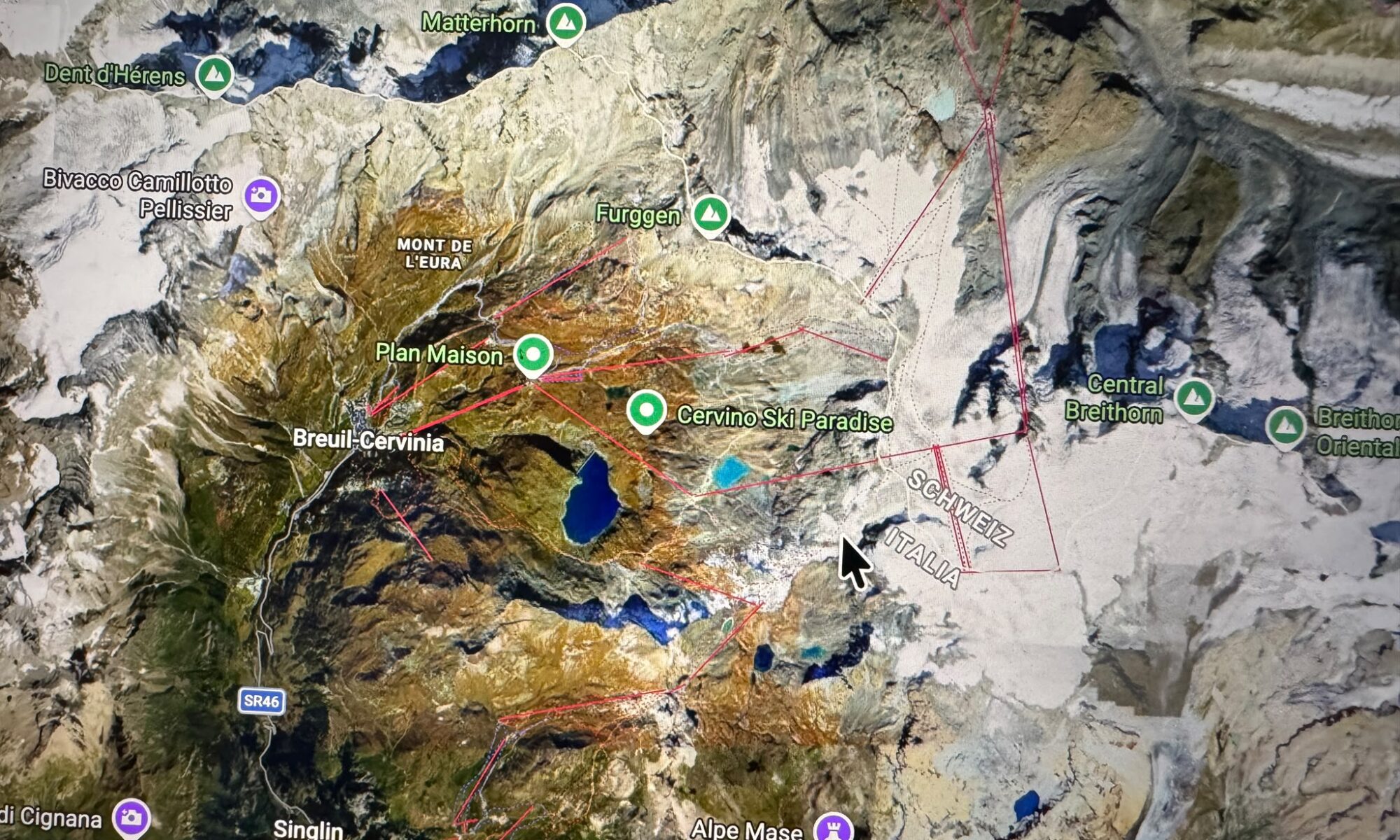
Large Rockfall on the Matterhorn/Cervino Sends Huge Dust Cloud into the Air

Image credit: Google Maps.

A large rockfall occurred on the Italian side of the Matterhorn, known locally as the Cervino, sending an imposing cloud of dust down the mountain. No people were involved in the incident.

The collapse took place on the mountain’s south face and was captured in footage that has since circulated widely online. The images show the dust cloud expanding rapidly below the rock face, making the event clearly visible from the surrounding area.

According to local reports, the rockfall did not affect the Cresta del Leone, or Lion Ridge, which forms the normal Italian climbing route to the 4,478-metre summit. There have also been no reports of damage to inhabited areas or tourism infrastructure.

Continue reading “Large Rockfall on the Matterhorn/Cervino Sends Huge Dust Cloud into the Air”

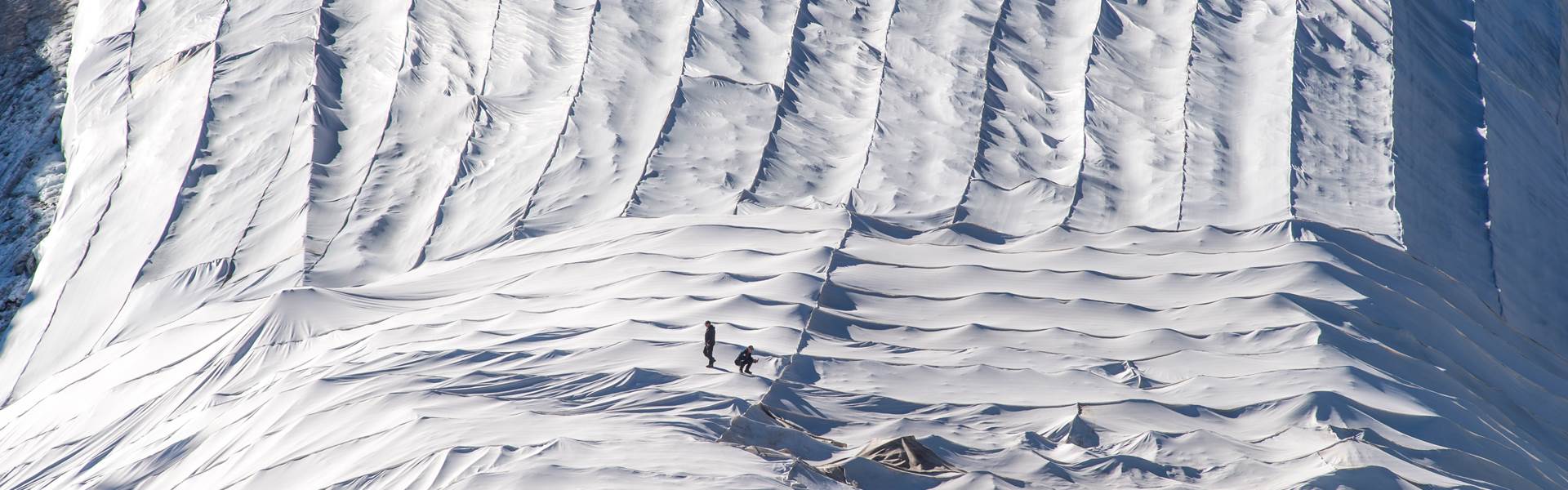
Alpine Ski Resorts Are Covering Glaciers to Slow Melting — But Can It Last?

Photo credit: Pontedilegno Tonale- pontedilegnotonale.com

As glaciers across the Alps continue to shrink, some ski resorts are increasingly turning to reflective geotextile covers, snow farming, and other snow-preservation techniques in an attempt to protect glaciers, maintain ski operations, and preserve critical mountain infrastructure.

The images often go viral online as “ski resorts covering glaciers with plastic sheets,” but the reality is more complex. Most resorts use reflective geotextile fleece designed to reduce summer melting by insulating snow and ice from solar radiation.

The latest example attracting attention is the glacier area around Diavolezza in Switzerland’s Engadin region, where snow preservation and glacier management techniques have become part of long-term ski operations at altitude. Researchers note that the former glacier skiing area at Diavolezza now survives “solely thanks to snow farming and covering.”

Continue reading “Alpine Ski Resorts Are Covering Glaciers to Slow Melting — But Can It Last?”

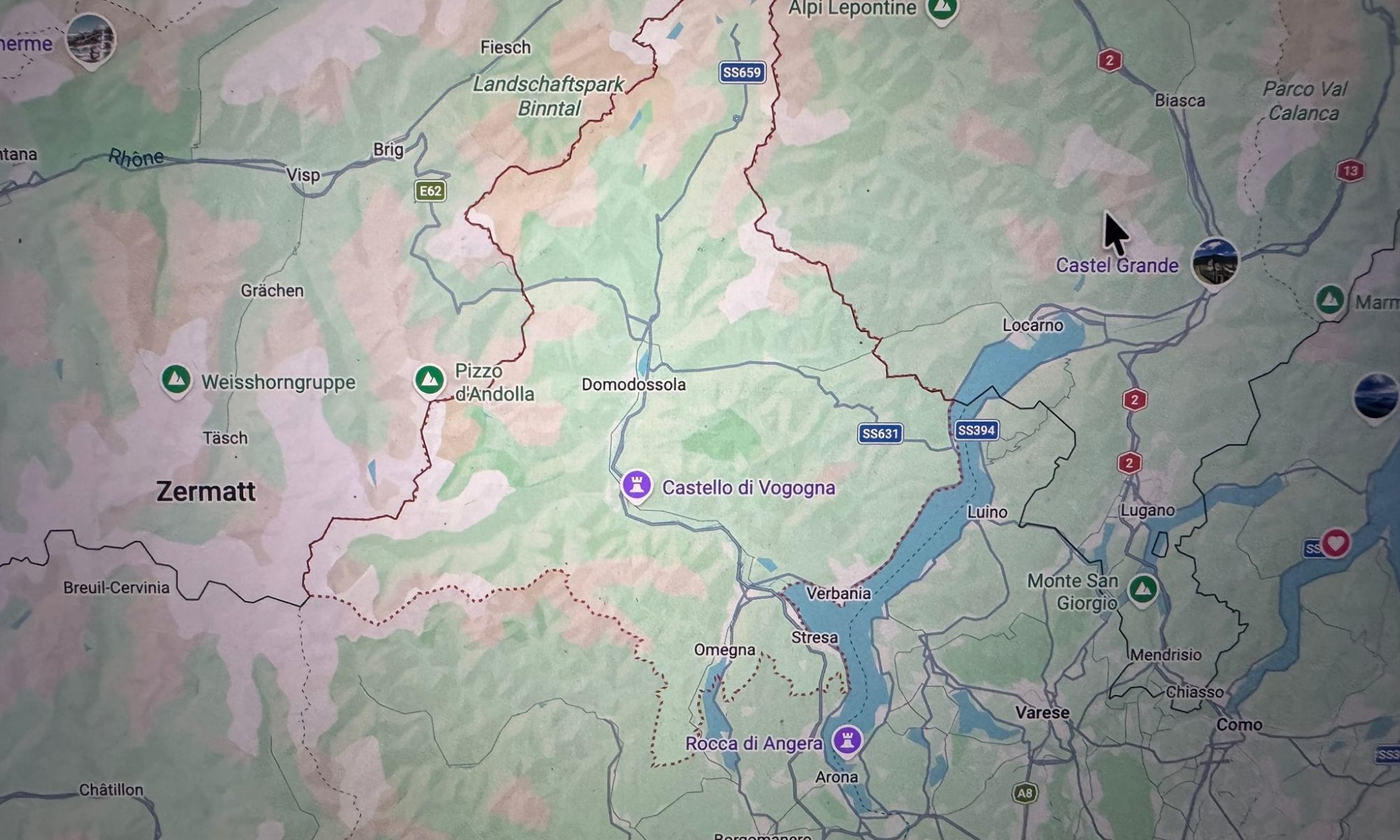
Are Fragmented Alpine Ski Resorts Becoming Unsustainable?

Verbano-Cusio-Ossola. Google Maps.

Across the Alps, a growing number of ski destinations are facing the same difficult question: can smaller mountain municipalities still afford to develop and modernise ski infrastructure on their own?

Two recent stories from northern Italy suggest the Alpine ski industry may be entering a new phase — one defined less by endless expansion and more by consolidation, selective investment and regional cooperation.

In Lombardy, the municipality of Valfurva recently abandoned plans for a new lift connection linking the valley more directly to Bormio’s ski area. The proposed project, intended to connect the S. Antonio/S. Nicolò area with the Bormio slopes, had already secured part of its public funding but ultimately failed to move forward because the remaining financing and permitting timelines proved too difficult to complete. Local officials described the decision as “painful, but inevitable.”

Continue reading “Are Fragmented Alpine Ski Resorts Becoming Unsustainable?”

Valfurva Abandons Planned Lift Connection to Bormio Ahead of Milan-Cortina 2026

Santa Caterina. Province of Sondrio. Photo: Jan Jirasek. Unsplash.

Not every Alpine resort is rushing into new ski lift expansion ahead of the Milan-Cortina 2026 Winter Olympics. In Alta Valtellina, the municipality of Valfurva has officially abandoned plans for a new lift connection that would have provided direct access from the lower Valfurva valley to the Bormio ski area. 

The proposed “S. Antonio/S. Nicolò – Località Cimino” lift and return piste would have linked Valfurva more directly to Bormio’s slopes, in what had been presented as part of a broader vision of greater integration between the ski areas of Alta Valtellina. 

According to local reports and comments from Valfurva mayor Luca Bellotti, the decision was ultimately driven by a combination of timing, financing and permitting issues. The project, valued at more than €9 million, had already secured approximately €4.5 million in public funding through Italy’s Fondo Comuni Confinanti, but the remaining financing was never fully secured. The municipality also faced extremely tight deadlines tied to the funding programme, requiring feasibility documentation to be completed by September. 

Continue reading “Valfurva Abandons Planned Lift Connection to Bormio Ahead of Milan-Cortina 2026”

Monviso Tragedy: Experienced Climber Dies After Fall on South Route

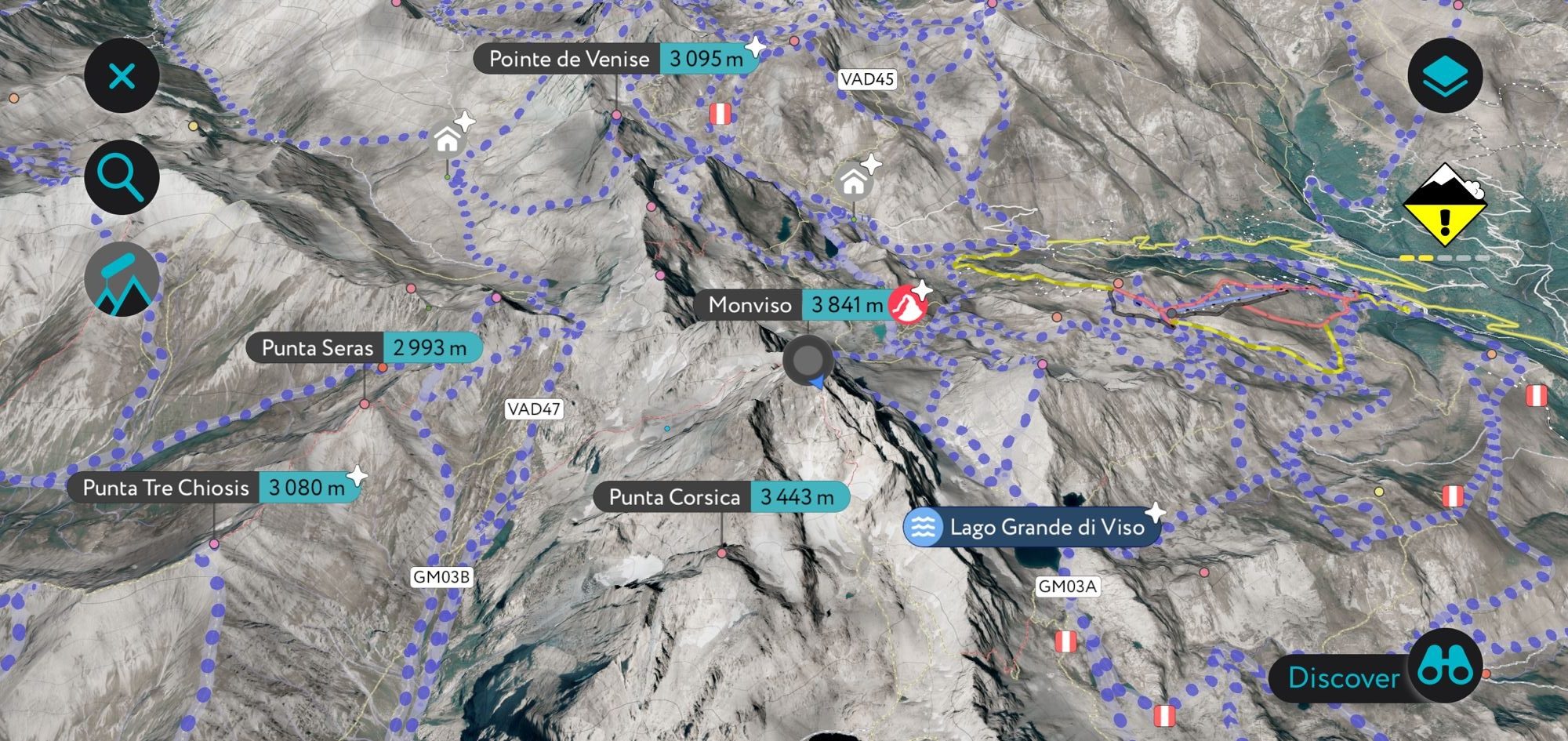
Monviso. Peak Visor map.

A 57-year-old climber from Pinerolo has died following a fall during a descent on Monviso, one of the most iconic peaks in the Italian Alps.

The victim, identified in local reports as Alberto Soldani, was described as an experienced mountaineer.


📍 Accident on the South Route (Via Sud)

The incident occurred at around 3,700 metres on Monviso’s South Route, also known as Via Sud.

According to early information reported by regional Italian media and rescue services, the alarm was raised after two mountaineers discovered a ski on the route. Rescue teams subsequently located the victim’s body in a couloir, more than 300 metres above, indicating a long fall during the descent. The body was recovered by helicopter by the Soccorso Alpino, and a doctor confirmed the death at the scene.

Continue reading “Monviso Tragedy: Experienced Climber Dies After Fall on South Route”

Milano–Cortina 2026 Paralympics: The Alpine Infrastructure Test Behind the Competition

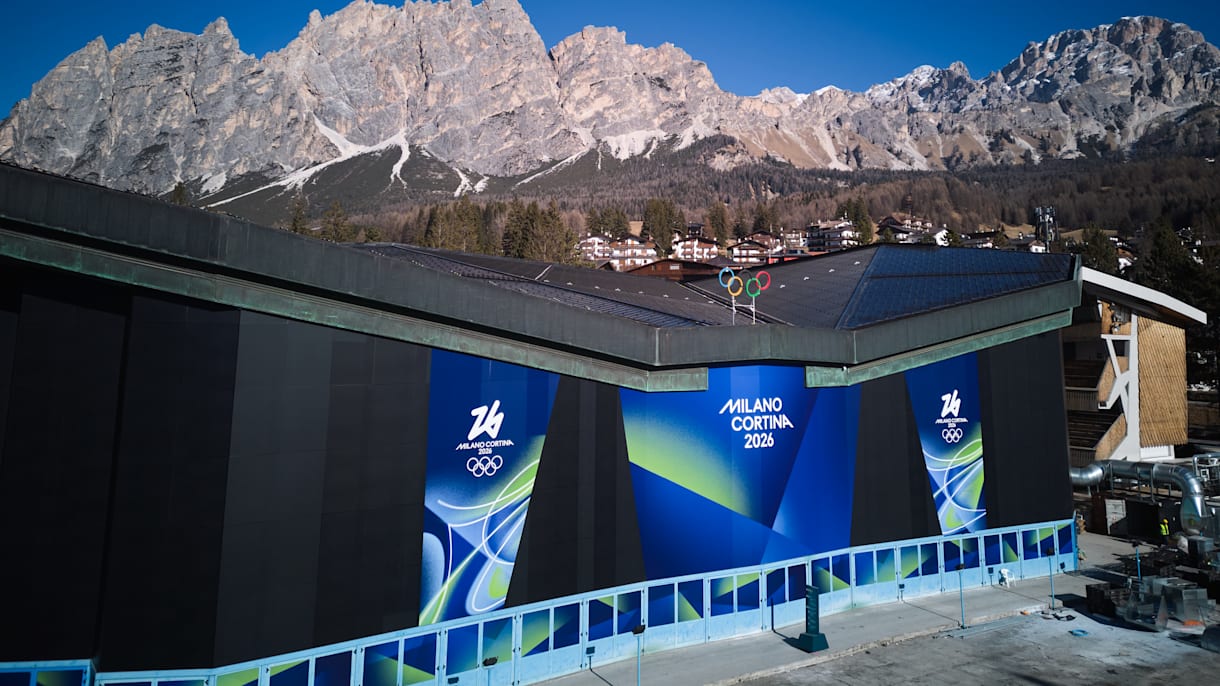
Milano Cortina Paralympics photo.

By The-Ski-Guru | March 2026

When the Paralympic Winter Games arrive in Italy, coverage will rightly focus on athletes and competition.

Yet in alpine terrain, another test unfolds quietly in parallel.

Hosting the Milano Cortina 2026 Winter Paralympics is not simply about staging races. It is a large-scale assessment of whether mountain infrastructure in the Alps — developed over decades around traditional ski tourism — can operate effectively, safely and inclusively under different mobility realities.

Unlike indoor arenas or urban venues, alpine resorts function within environmental constraints. Snow conditions evolve daily. Wind affects lift systems. Roads narrow under winter pressure. Vertical circulation is inherent, not optional.

Accessibility here is not a design layer added at the end. It interacts with terrain itself.

Continue reading “Milano–Cortina 2026 Paralympics: The Alpine Infrastructure Test Behind the Competition”