Monviso Tragedy: Experienced Climber Dies After Fall on South Route

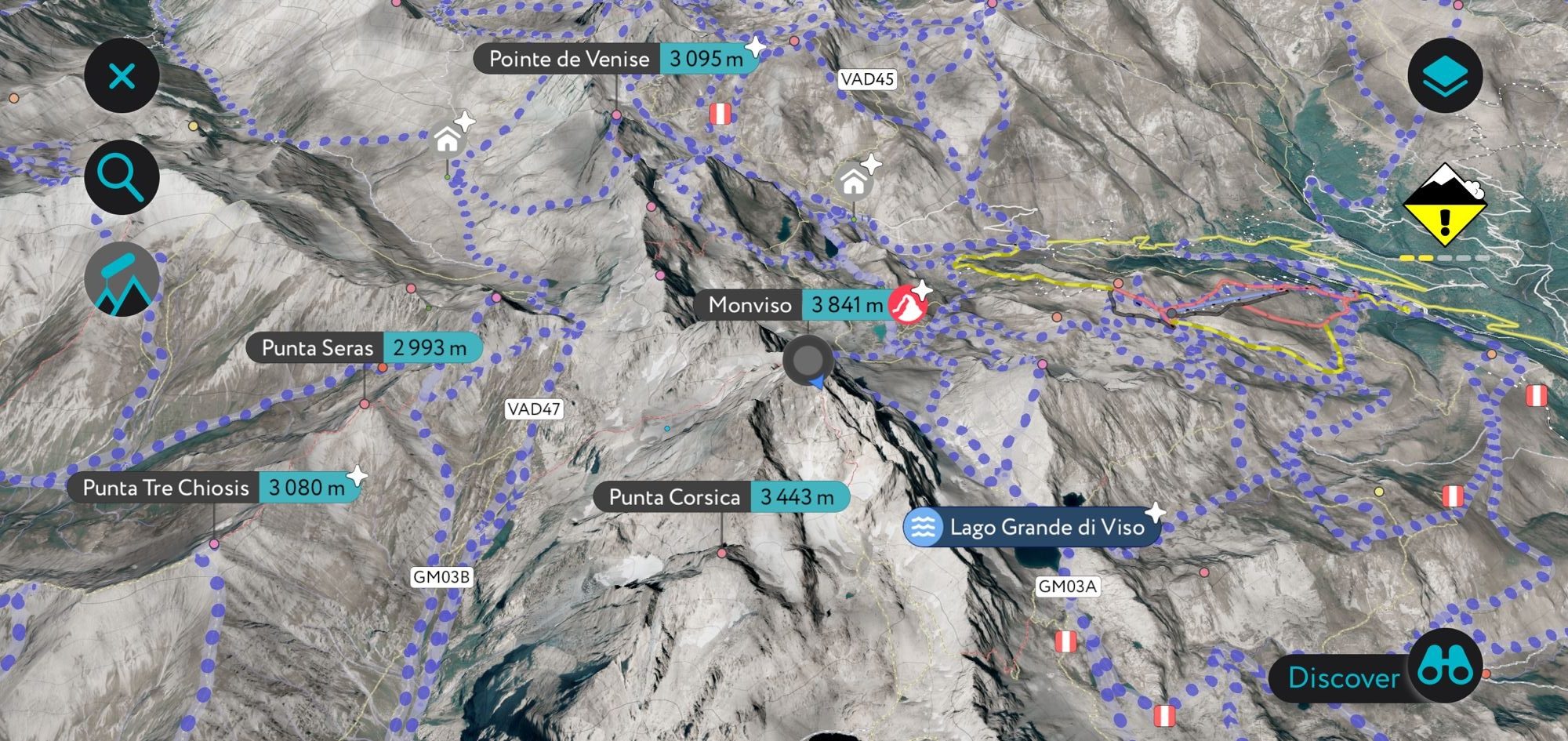
Monviso. Peak Visor map.

A 57-year-old climber from Pinerolo has died following a fall during a descent on Monviso, one of the most iconic peaks in the Italian Alps.

The victim, identified in local reports as Alberto Soldani, was described as an experienced mountaineer.


📍 Accident on the South Route (Via Sud)

The incident occurred at around 3,700 metres on Monviso’s South Route, also known as Via Sud.

According to early information reported by regional Italian media and rescue services, the alarm was raised after two mountaineers discovered a ski on the route. Rescue teams subsequently located the victim’s body in a couloir, more than 300 metres above, indicating a long fall during the descent. The body was recovered by helicopter by the Soccorso Alpino, and a doctor confirmed the death at the scene.

Continue reading “Monviso Tragedy: Experienced Climber Dies After Fall on South Route”

Why Wet Avalanches Happen in Spring in the Alps

Wet snow avalanche on a sunlit alpine slope during spring thaw in the Alps

As winter transitions toward spring, avalanche conditions in the Alps often change in important ways. While mid-winter avalanches are frequently triggered by new snowfall and wind loading, late-season avalanches are more commonly linked to warming temperatures and melting snow.

These are known as wet avalanches, and they become increasingly common during late winter and spring across Alpine regions.

Understanding how and why wet avalanches form is essential for skiers, mountaineers and anyone travelling in the mountains during the warmer part of the season.


What Is a Wet Avalanche?

A wet avalanche occurs when liquid water weakens the bonds between snow grains, reducing the strength of the snowpack.

Unlike dry slab avalanches — which often break suddenly — wet avalanches typically occur when melting snow becomes heavy and unstable.

Continue reading “Why Wet Avalanches Happen in Spring in the Alps”

Saharan Dust Reaches the Alps as Freezing Levels Rise Above 3000 m

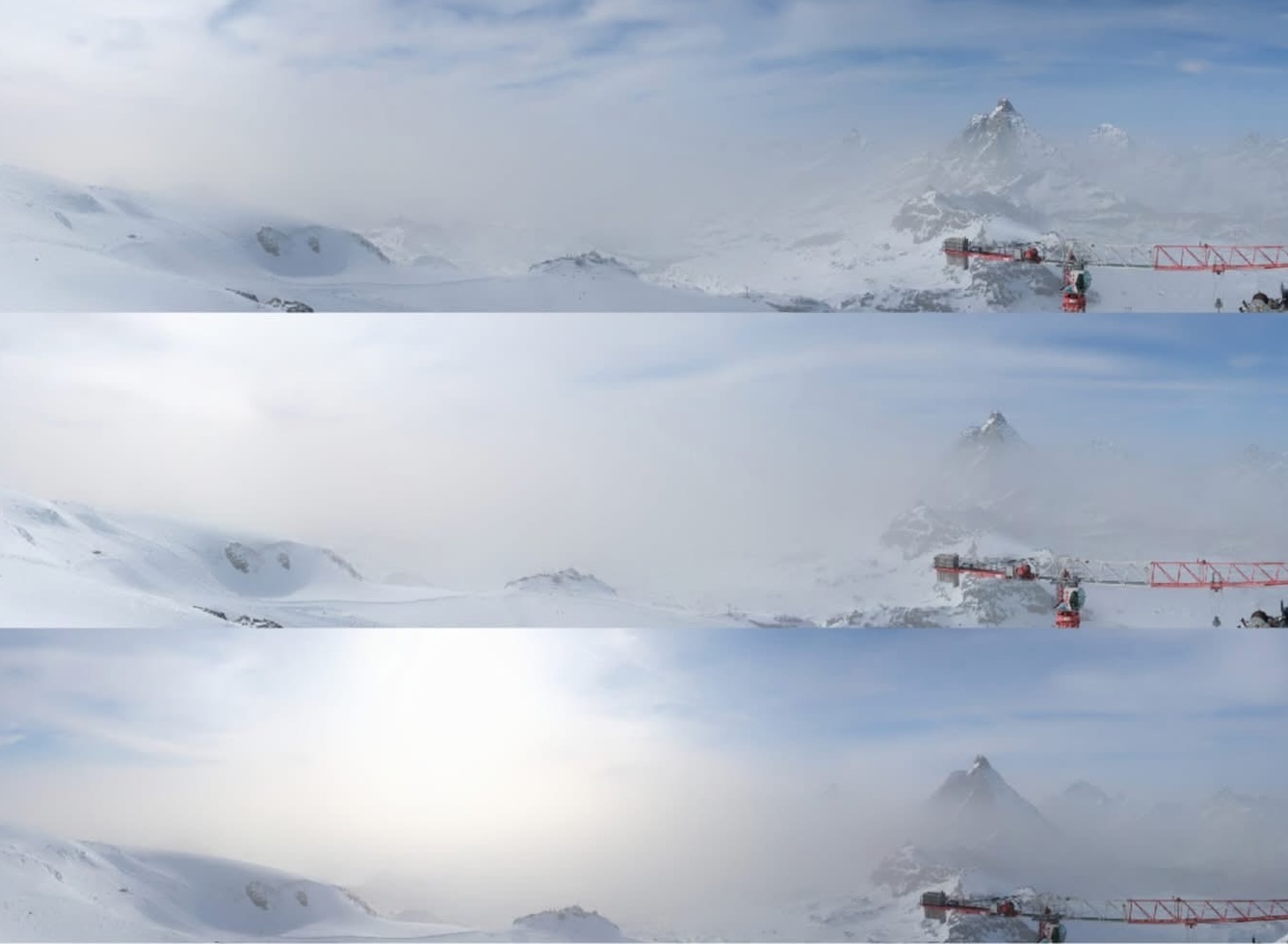
Saharan dust haze visible over the Alps at Piccolo Cervino above Cervinia

A hazy sky observed across parts of the Aosta Valley and the wider Alps in early March has an unusual origin: Saharan dust transported north across the Mediterranean.

Meteorological observations indicate that large quantities of fine sand particles from the Sahara Desert have been carried into Alpine air masses during a prolonged period of high pressure.

Similar Saharan dust events have been documented by atmospheric monitoring services across Europe, including observations from the Copernicus Atmosphere Monitoring Service, which regularly tracks large dust plumes transported from North Africa into the Mediterranean and Alpine regions. These atmospheric events can influence visibility, air quality and — when dust settles on snow surfaces — the evolution of the mountain snowpack.

The result has been a visible veil of haze in the atmosphere and dust deposition on snow surfaces at high altitude, something that can have important consequences for the evolution of the snowpack.

Webcam images from Piccolo Cervino (3883 m), above Breuil-Cervinia, show the progressive increase of dust suspended in the air during the day.

Meteorologists across the region also report exceptionally mild temperatures for the time of year, with freezing levels remaining unusually high for several consecutive days.

These episodes are part of a broader pattern of extreme weather in the Alps, affecting snow quality and melt rates.

Similar patterns are now visible beyond the Alps, where extreme heat has forced early resort closures in North America.

Continue reading “Saharan Dust Reaches the Alps as Freezing Levels Rise Above 3000 m”