Swiss Glacier Instability Near Blatten Highlights Growing Alpine Risk

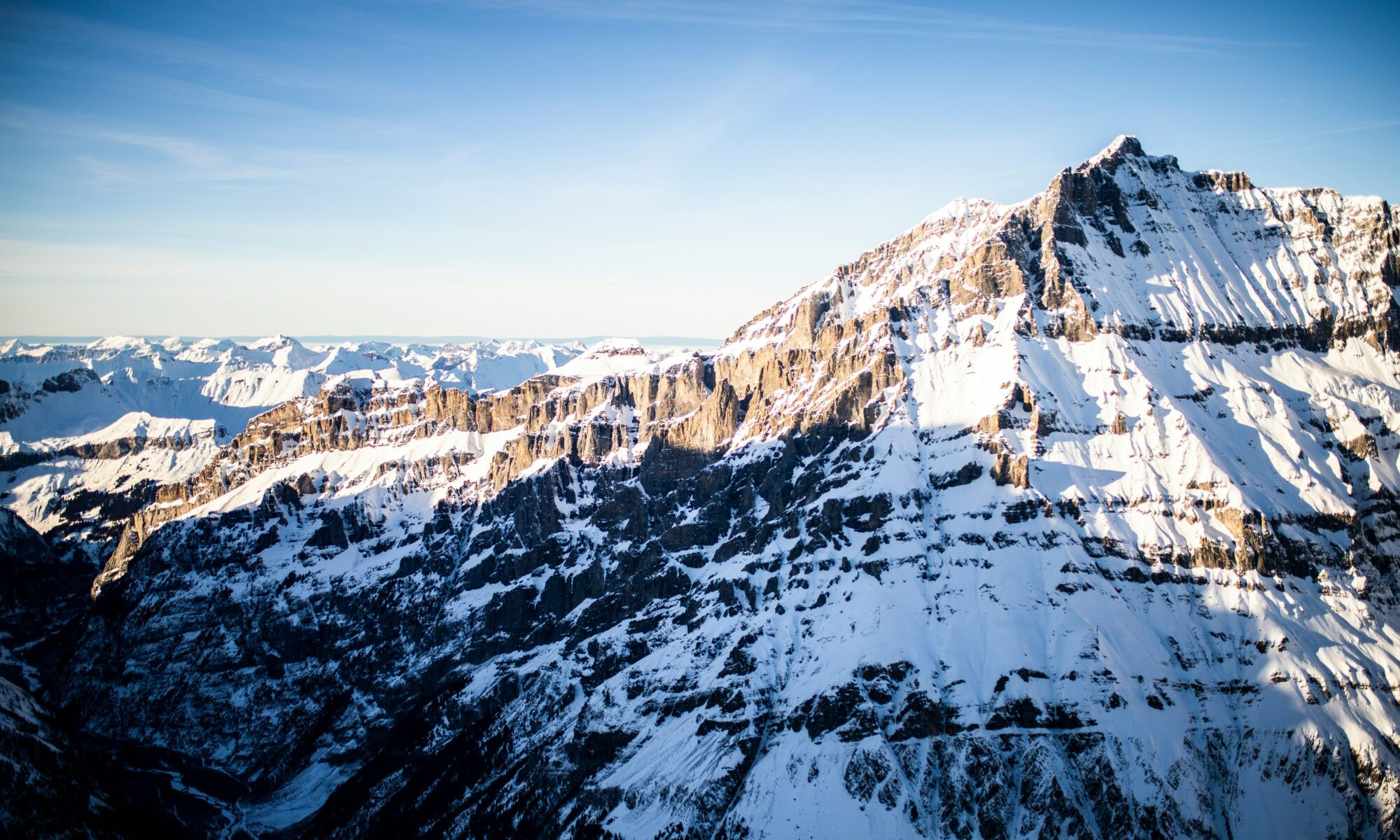
Lauchernalp. Lötschental, Valais, Switzerland. Photo: Caspar Camille Rubin. Unsplash.

Nearly a year after the catastrophic collapse that destroyed much of the Swiss village of Blatten, authorities are again monitoring instability in the same high-mountain area above the Lötschental valley. The renewed concerns are a reminder that the risks linked to glacier retreat, thawing permafrost, and unstable rock faces in the Alps are not disappearing after a single event — and may instead become a longer-term operational challenge for mountain communities, infrastructure, transport routes, and tourism regions. 

Swiss authorities confirmed this week that parts of the glacier and surrounding mountain terrain near Blatten continue to show signs of instability, while access to the disaster zone remains dangerous because of ongoing rockfall and debris movement. The original collapse on 28 May 2025 saw millions of cubic metres of rock, ice, and mud surge down the mountain in less than a minute, destroying most of the village after a successful evacuation of around 300 residents. One person died in the disaster. Continue reading “Swiss Glacier Instability Near Blatten Highlights Growing Alpine Risk”
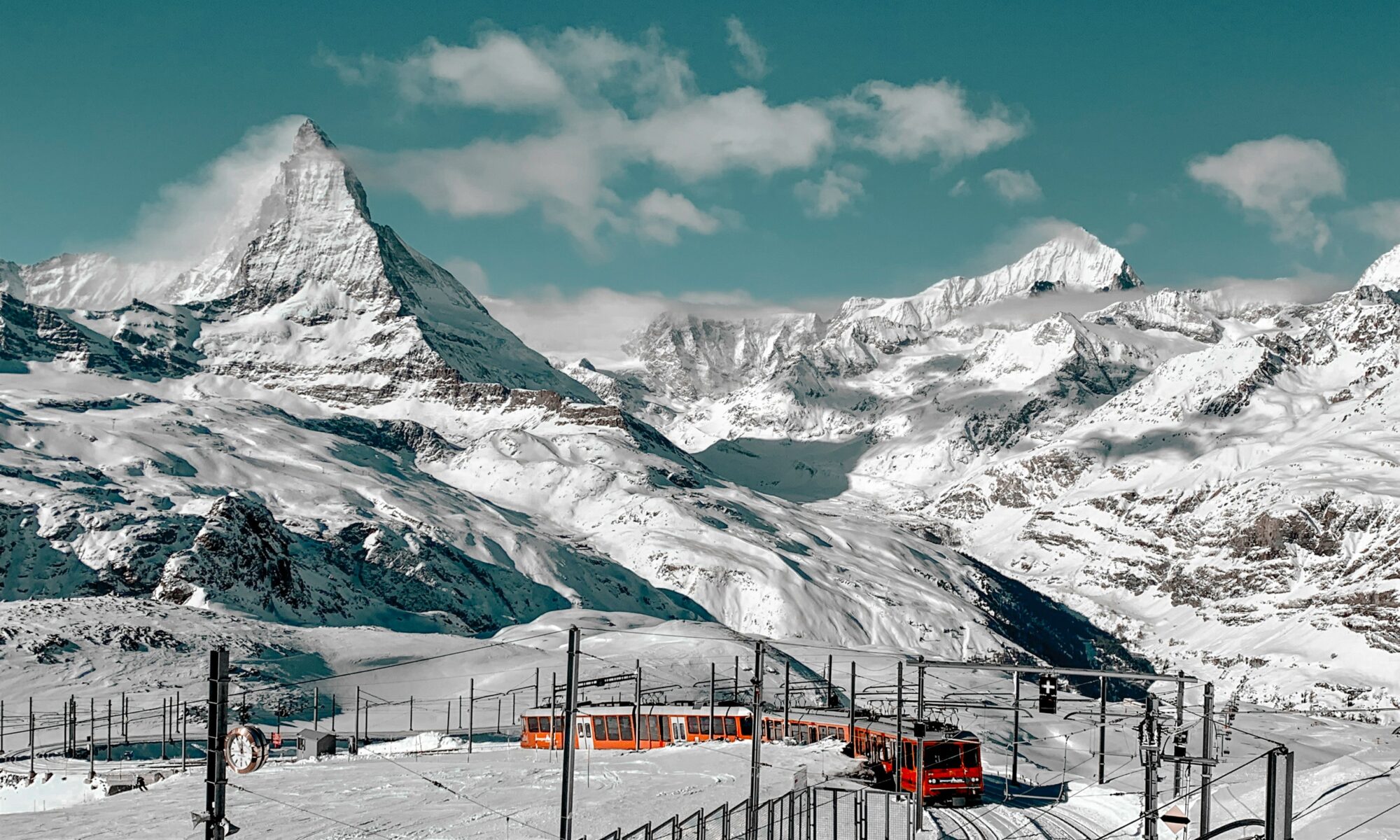
Zermatt’s Lina Peak Skyscraper Plan: Radical Housing Solution or a Step Too Far for the Alps?

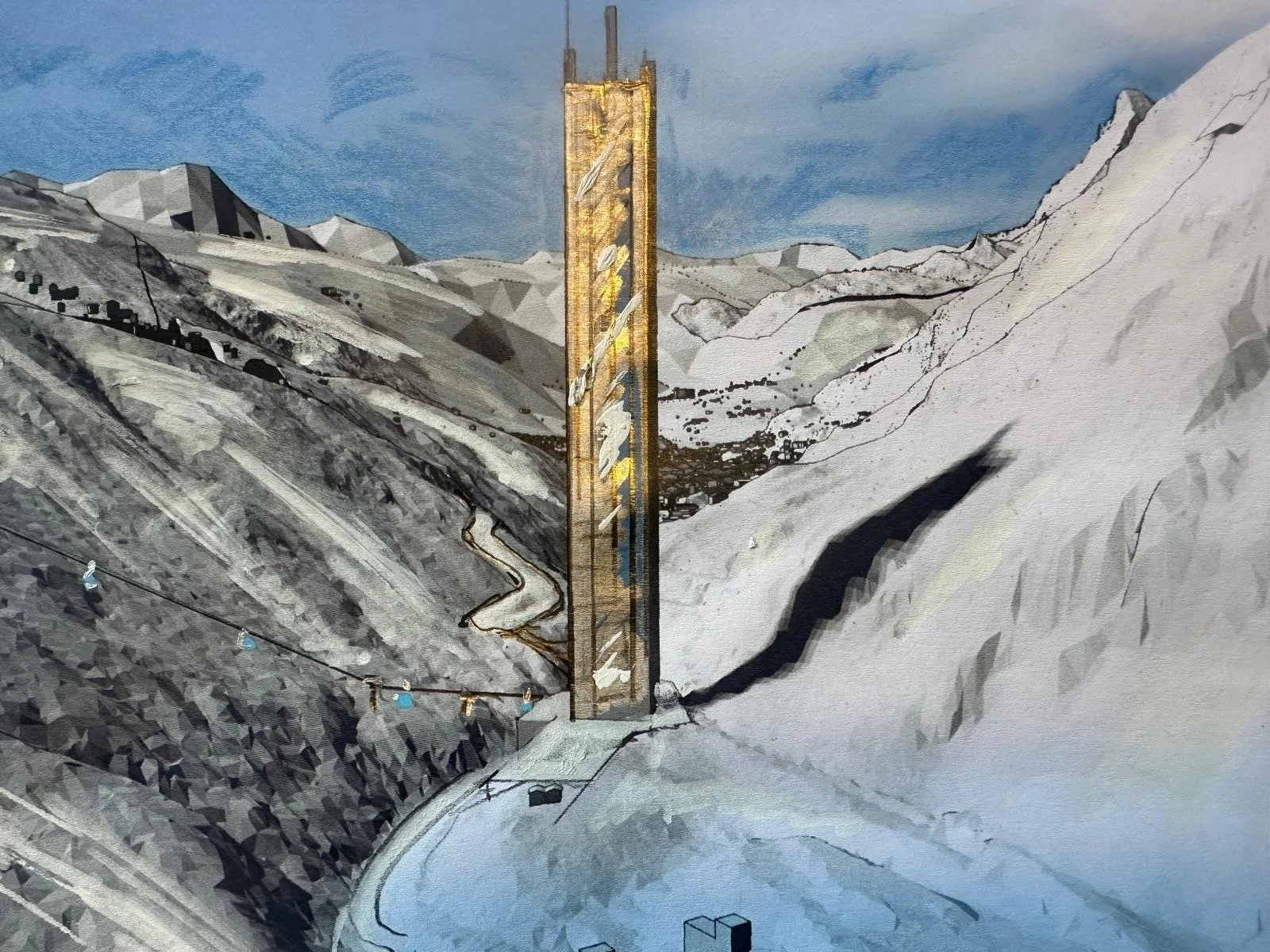
Lina Peak rendering. www.linapeak-zermatt.com

A proposed 260-metre residential tower near Zermatt has reopened one of the most difficult questions facing high-profile Alpine resorts: how do ski towns house the people who make tourism possible, when land is scarce, property prices are soaring and local workers are increasingly pushed out?

The project, called Lina Peak, is the idea of Zermatt-born artist, architect and hotelier Heinz Julen. It would be a striking departure from the image most visitors associate with Zermatt: not a low-rise chalet-style development, but a vertical “village” rising near one of the most famous mountain landscapes in the world. According to the project’s own website and Swiss media reports, the tower would stand around 260 metres high and include housing, public services, parking, leisure facilities and a potential link into the ski area. 

Continue reading “Zermatt’s Lina Peak Skyscraper Plan: Radical Housing Solution or a Step Too Far for the Alps?”

Zermatt’s Gornerli Dam Shows the Rising Cost of Climate Adaptation in the Alps

Zermatt. Photo: Victor He. Unsplash.

The planned Gornerli reservoir above Zermatt has become one of the clearest examples yet of how expensive climate adaptation in the Alps is becoming.

The project, designed as a major winter energy storage scheme for Switzerland, has been revised after new climate, hydrological, geological and logistical studies. According to Alpiq’s latest project update, the planned useful storage volume has been reduced from around 150 million cubic metres to 120 million cubic metres, while the estimated cost has risen sharply to around CHF 510 million. Earlier project material had placed the investment cost at around CHF 300 million.

That makes Gornerli more than a hydropower story. It is a mountain infrastructure story, a climate adaptation story and, for Zermatt and the Mattertal valley, a question of how Alpine communities prepare for a warmer and less predictable future.

Continue reading “Zermatt’s Gornerli Dam Shows the Rising Cost of Climate Adaptation in the Alps”

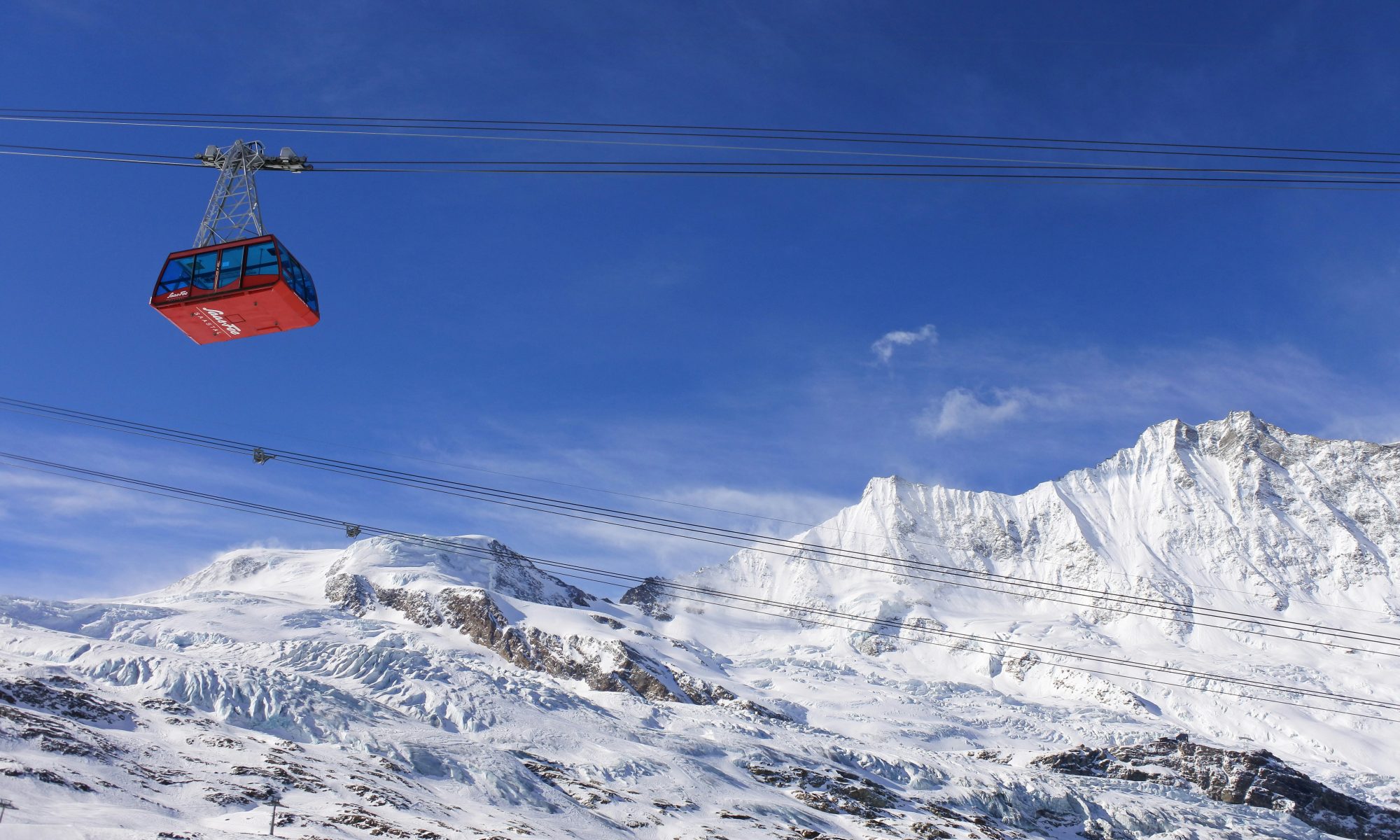
Swiss Alps Travel Disruptions: Zermatt and Saas-Fee Roads Closed Amid Avalanche Danger

Saas Fee- Photo: Corey Catracho- Unsplash.

The current Swiss Alps travel disruption follows heavy snowfall and sustained avalanche danger in Valais.

Heavy snowfall and sustained avalanche danger continue to disrupt transport across the Swiss Alps, with major impacts in the canton of Valais — including access to both Zermatt and Saas-Fee.

According to Swissinfo and regional Swiss media, multiple alpine roads remain closed due to unstable snowpack and ongoing avalanche risk following recent winter storms.


🚧 Saas Valley Road Closures

Access to the Saas Valley (Saastal) — home to Saas-Fee, Saas-Grund and Saas-Almagell — was temporarily closed due to avalanche danger.

The cantonal road between Saas-Balen and Stalden was shut as a precaution, isolating upper valley resorts for periods during the storm cycle.

The Saas Valley is one of Switzerland’s best-known high-altitude ski regions, and closures here significantly affect both tourism and local residents.

Continue reading “Swiss Alps Travel Disruptions: Zermatt and Saas-Fee Roads Closed Amid Avalanche Danger”

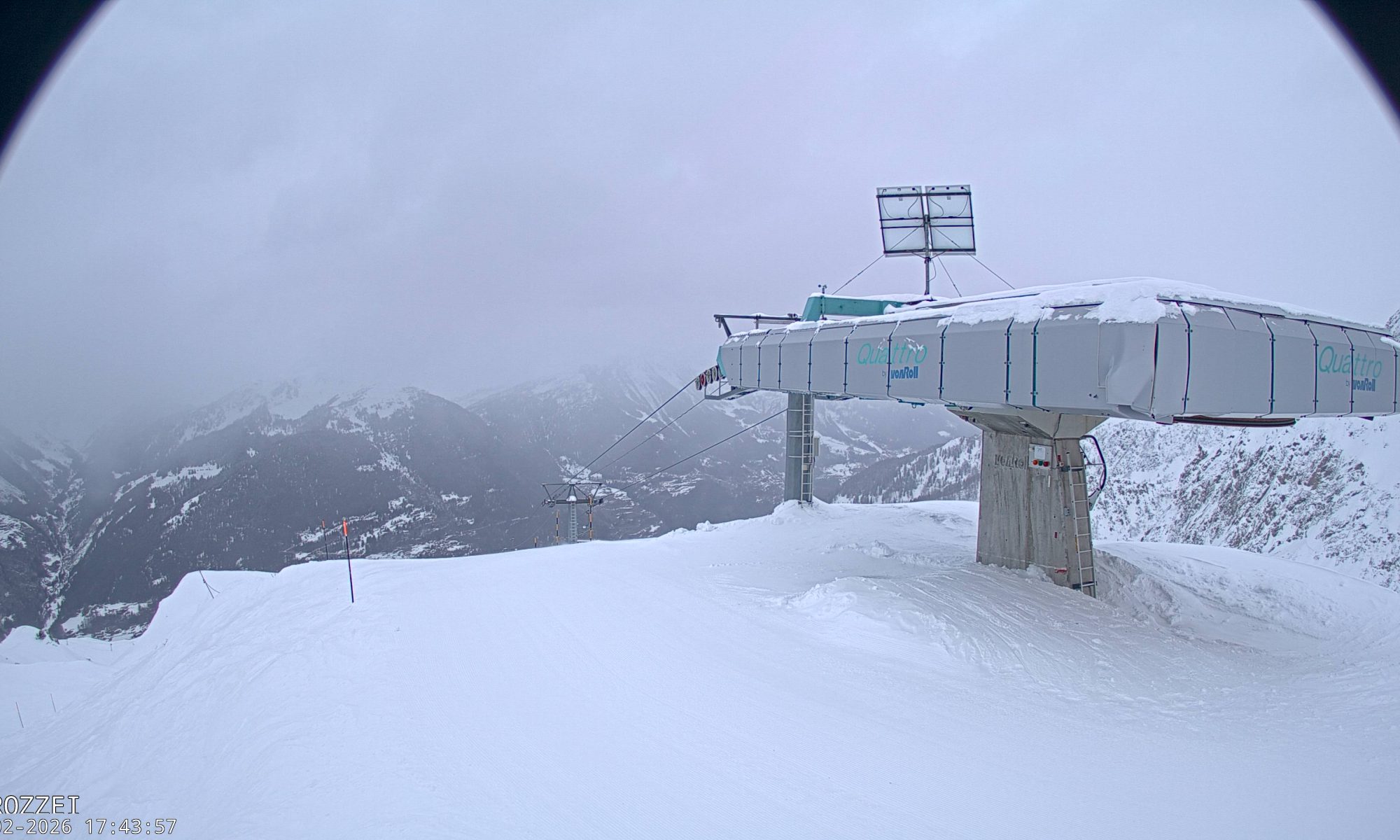
Avalanche Fatality in Airolo, Switzerland: Winter 2026 Incident

Photo webcam Airolo.ch

An avalanche fatality has been reported in Airolo, Switzerland, adding to a series of serious avalanche incidents across the western Alps during a period of heightened snow instability.

Authorities confirmed that one person died following an avalanche in the Airolo area. Further details about the circumstances and terrain are still emerging.

The incident comes amid elevated avalanche danger levels in multiple Alpine regions after recent heavy snowfall and wind transport.


📍 Incident Summary

Location: Airolo, Canton Ticino, Switzerland
Date: [Insert confirmed date]
Type: Avalanche
Casualties: 1 fatality confirmed
Terrain: Mountain terrain near Airolo (details pending official clarification)
Source: Swiss local reporting / authorities

More official information will be added as it becomes available.

Continue reading “Avalanche Fatality in Airolo, Switzerland: Winter 2026 Incident”