🏔️ Avalanche Alert – Aosta Valley: Rapidly Rising Instability (10 Feb 2026)

Photo: Meteo Valle d'Aosta. 🏔️ Avalanche Alert – Aosta Valley: Rapidly Rising Instability (10 Feb 2026)

Aosta Valley avalanche danger is rising rapidly as fresh snowfall, strong winds and weak layers combine to create a phase of marked instability across the region, according to official monitoring services.


Current avalanche situation

According to Fondazione Montagna Sicura and AINEVA, the snowpack in the Aosta Valley is entering a critical phase, with avalanche danger expected to increase further over the coming days.

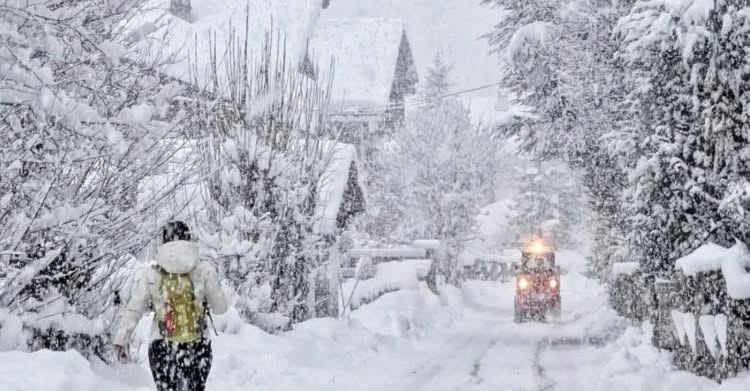
Snowfall has been ongoing since Tuesday, with peak accumulations expected by Thursday. In the north-western sectors of the region, fresh snow totals may exceed 1 metre above 1,600 m.

### Local civil protection alert (Aosta Valley): According to local authorities cited by Aosta Sera, an **official weather and avalanche alert** is in place across parts of the Aosta Valley as snowfall and strong winds intensify. An initial **yellow alert (ordinary criticality)** is expected to escalate to an **orange alert (moderate criticality)** by Wednesday, with affected areas including Valdigne, Gran Paradiso, Gran San Bernardo and Valtournenche. Forecasts indicate up to **35–40 cm of new snow around 1,500 m**, with wind transport further increasing avalanche risk.

Funicular within the clouds, which is exhibiting at Chalet Svizzero in Courmayeur, is for sale in my shop here.

Continue reading “🏔️ Avalanche Alert – Aosta Valley: Rapidly Rising Instability (10 Feb 2026)”

French Alps Avalanche Danger: 48-Hour Roundup & Current Risk by Massif

Les Deux Alpes, near to St Christoph-en-Oisans. French Alps Avalanche Danger: 48-Hour Roundup & Current Risk by Massif.

Avalanche activity has remained elevated across several French Alpine massifs over the past 48 hours, with confirmed incidents, multiple rescue checks, and continued warnings from Météo-France.

Below is a clear roundup of what has happened, followed by current avalanche danger by massif and direct links to the official bulletins skiers should consult before heading into the mountains.


Latest updates (1–2 February 2026): Avalanche activity in France & Switzerland – what the snowpack is telling us


48-Hour Avalanche Roundup (28–29 January)

Les Deux Alpes (Isère – Oisans)

On Thursday 29 January, an off-piste avalanche occurred in the La Fée sector at Les Deux Alpes.
A 59-year-old skier was recovered and taken to hospital in critical condition. Regional reporting indicates the skier suffered a cardiac arrest, was resuscitated on scene, and transferred to hospital in Grenoble.

The incident occurred mid-morning, around 2,500 m, in a well-known off-piste area frequently accessed from the ski domain.

For a practical explanation of how to apply avalanche bulletins in real conditions, this step-by-step guide is worth reading before heading out.

Les Deux Alpes, near to St Christoph-en-Oisans. Photo: Toa Heftiba/Unsplash. French Alps Avalanche Danger: 48-Hour Roundup & Current Risk by Massif.

Continue reading “French Alps Avalanche Danger: 48-Hour Roundup & Current Risk by Massif”

Avalanche Activity Across the Alps & Pyrenees: Widespread Instability Raises Concerns (11–12 January 2026)

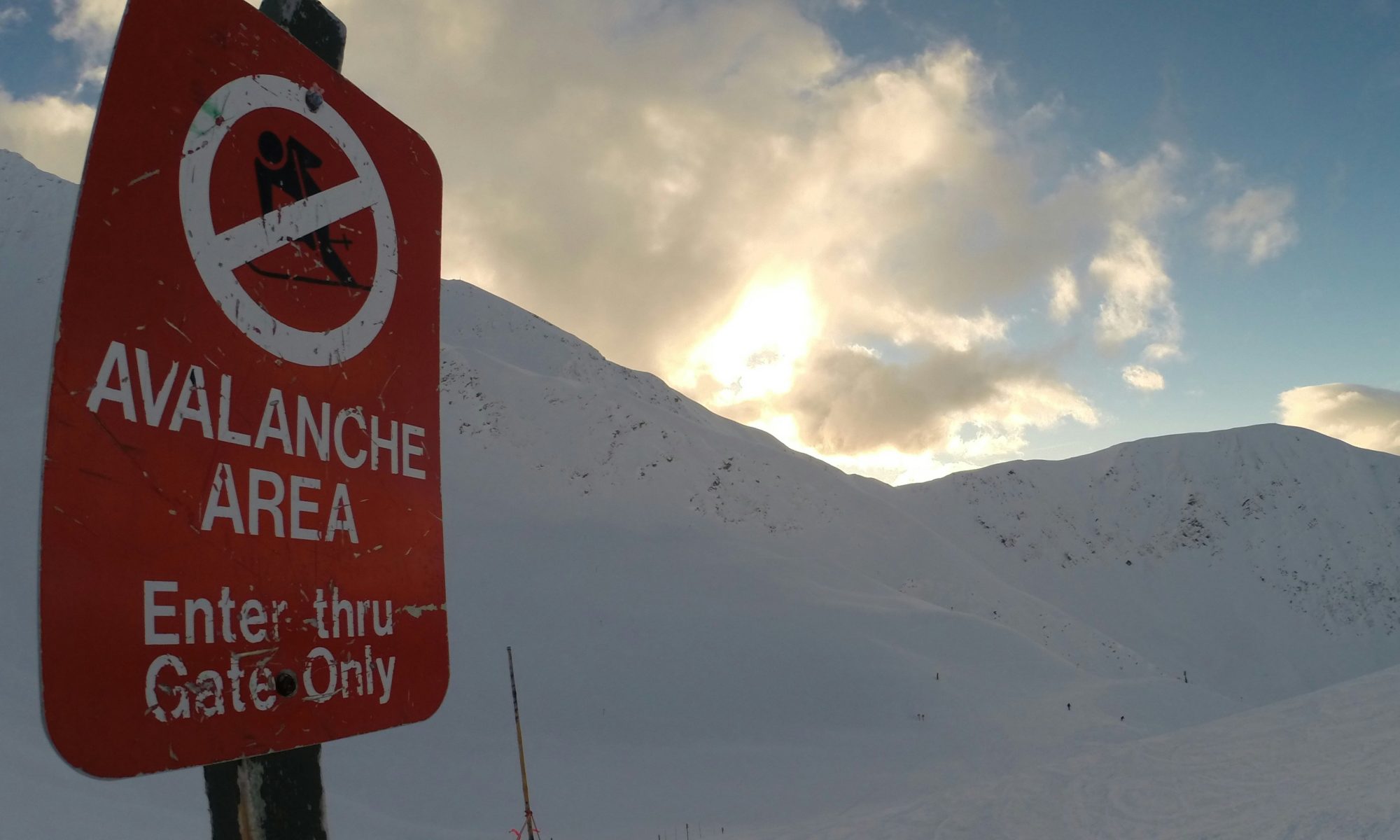
Avalanche danger sign. Photo: Bruce Warrington- Unsplash. Avalanche Activity Across the Alps & Pyrenees: Widespread Instability Raises Concerns (11–12 January 2026).

⚠️ A Concerning Weekend for Avalanche Safety in Europe’s Mountains

The weekend of 11–12 January 2026 saw a notable concentration of avalanche incidents and heightened warningsacross the Alps and the Pyrenees, affecting France, Italy, Switzerland and Austria.

Several skier-triggered avalanches, alongside spontaneous releases, confirm that snowpack instability remains widespread, particularly at higher elevations and on wind-loaded aspects.

This comes just days after fatal and serious avalanche incidents in the Aosta Valley, reinforcing the need for continued vigilance across all Alpine regions.

Continue reading “Avalanche Activity Across the Alps & Pyrenees: Widespread Instability Raises Concerns (11–12 January 2026)”

Foehn Winds and Rising Avalanche Risk in the Alps: What Skiers Need to Know

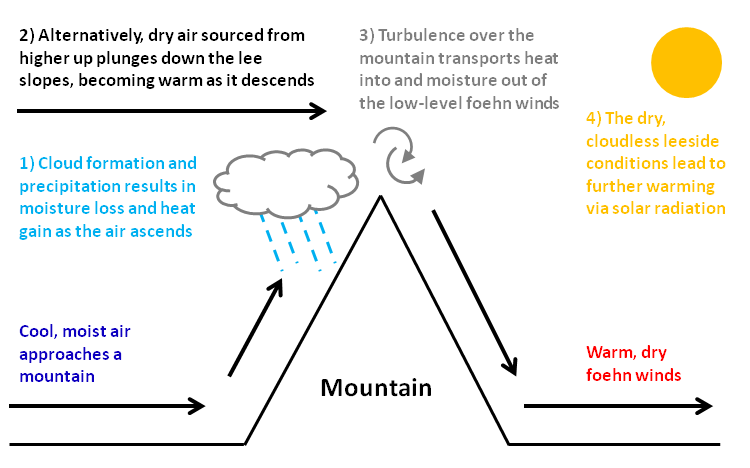
Foehn Wind graphic. Wikipedia. Foehn Winds and Rising Avalanche Risk in the Alps: What Skiers Need to Know.

🌬️ Why Foehn Winds Matter for Avalanche Safety

Foehn winds are a well-known meteorological phenomenon in the Alps, but their impact on avalanche risk is often underestimated by skiers and snowboarders.

While foehn conditions are sometimes associated with clear skies and warmer temperatures, they can significantly destabilise the snowpack, increasing the likelihood of dangerous slab avalanches, especially in off-piste and backcountry terrain.


What Are Foehn Winds?

Foehn winds are strong, dry downslope winds that occur when air masses cross the Alps and descend on the leeward side, warming rapidly as they lose moisture.

They are common across:

  • Italian Alps
  • Swiss Alps
  • Austrian Alps
  • French Alps

In Italy, foehn is often referred to as favonio, while in Austria and Germany it is known as Föhn.


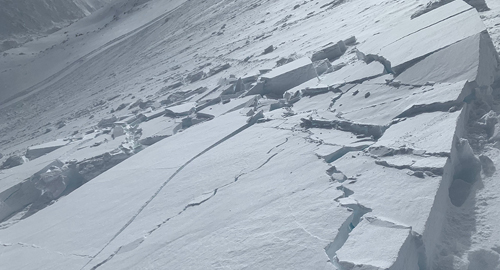
Wind slab. Scottish Avalanche Information Service. Sais.gov. Foehn Winds and Rising Avalanche Risk in the Alps: What Skiers Need to Know.

Continue reading “Foehn Winds and Rising Avalanche Risk in the Alps: What Skiers Need to Know”