Mount Hood Avalanche Detected by Seismic Sensors — What This Technology Really Shows

Seismograph Earthquake Activity

Mount Hood Avalanche Detected Without Direct Observation

A recent avalanche on Mount Hood, Oregon, was not directly observed — yet scientists were still able to determine exactly when it occurred.

The reason lies in seismic monitoring systems, originally designed to detect earthquakes and volcanic activity.

These instruments captured the avalanche as a distinct ground vibration signal, allowing researchers to reconstruct the timing of the event even in the absence of witnesses.


What Is Seismic Avalanche Detection?

Seismic monitoring relies on seismometers, highly sensitive instruments that record ground motion.

While typically used for:

Continue reading “Mount Hood Avalanche Detected by Seismic Sensors — What This Technology Really Shows”

Mont Blanc Rockfall Accident Kills Aspiring Alpine Guide During Training in Grand Flambeau

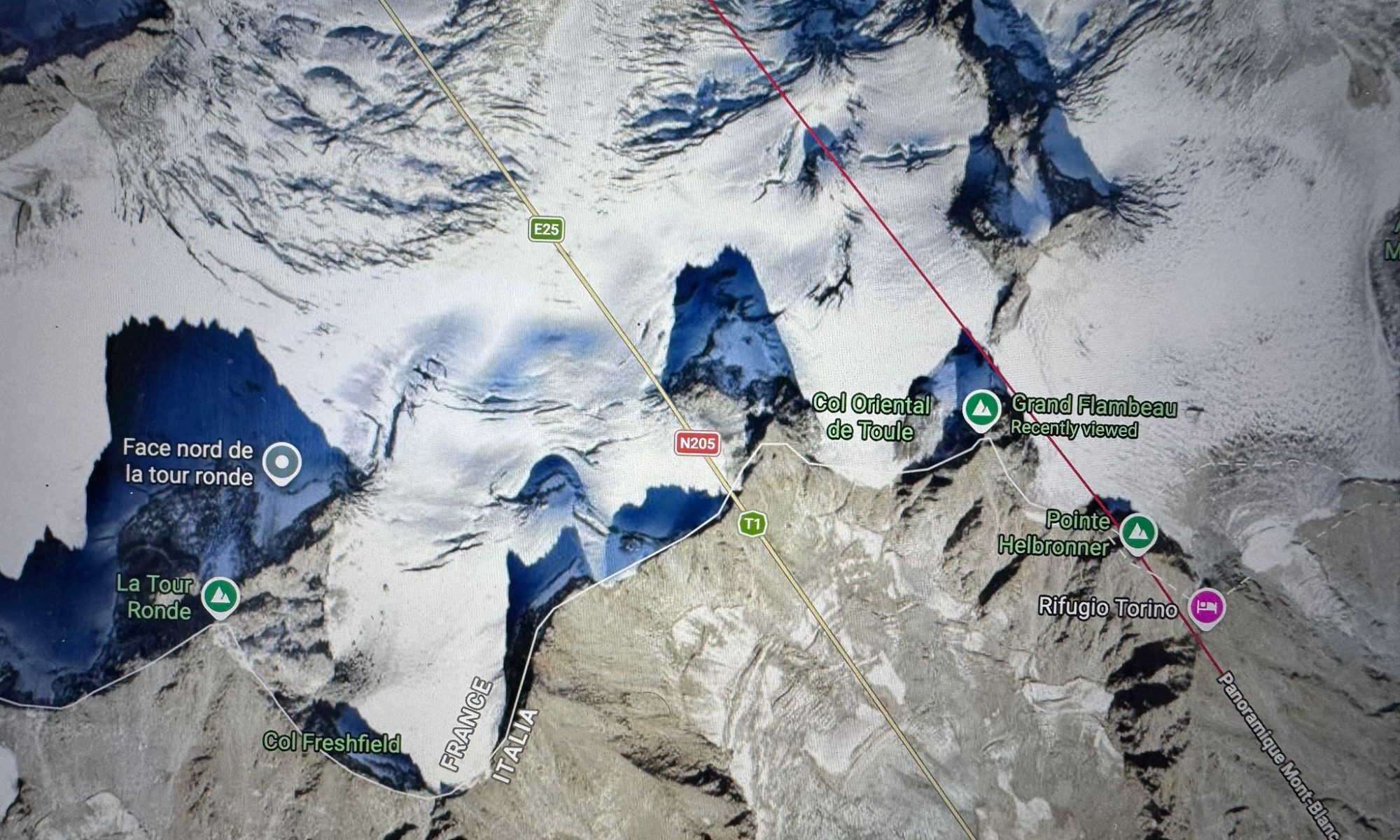
Grand Flambeau. Google Maps.

🏔️ A Tragic Accident on Mont Blanc


A serious mountain accident has claimed the life of an aspiring alpine guide on the French side of the Mont Blanc massif, in the Grand Flambeau area at around 3,400 metres.

The incident occurred on Thursday, 19 March 2026, shortly before 13:30, when a sudden rockfall struck a rope team during a training ascent.

📍 What Happened

According to reports from Italian regional media, the group was participating in a training course for aspiring alpine guides, organised by the Collegio Guide Alpine Friuli Venezia Giulia.

The rope team included:

  • one aspiring guide (victim)
  • one climber who sustained serious injuries (multiple fractures)
  • one qualified alpine guide, who was uninjured

Continue reading “Mont Blanc Rockfall Accident Kills Aspiring Alpine Guide During Training in Grand Flambeau”

Accessibility in Mountain Tourism: Why Inclusive Design Is Becoming a Strategic Priority

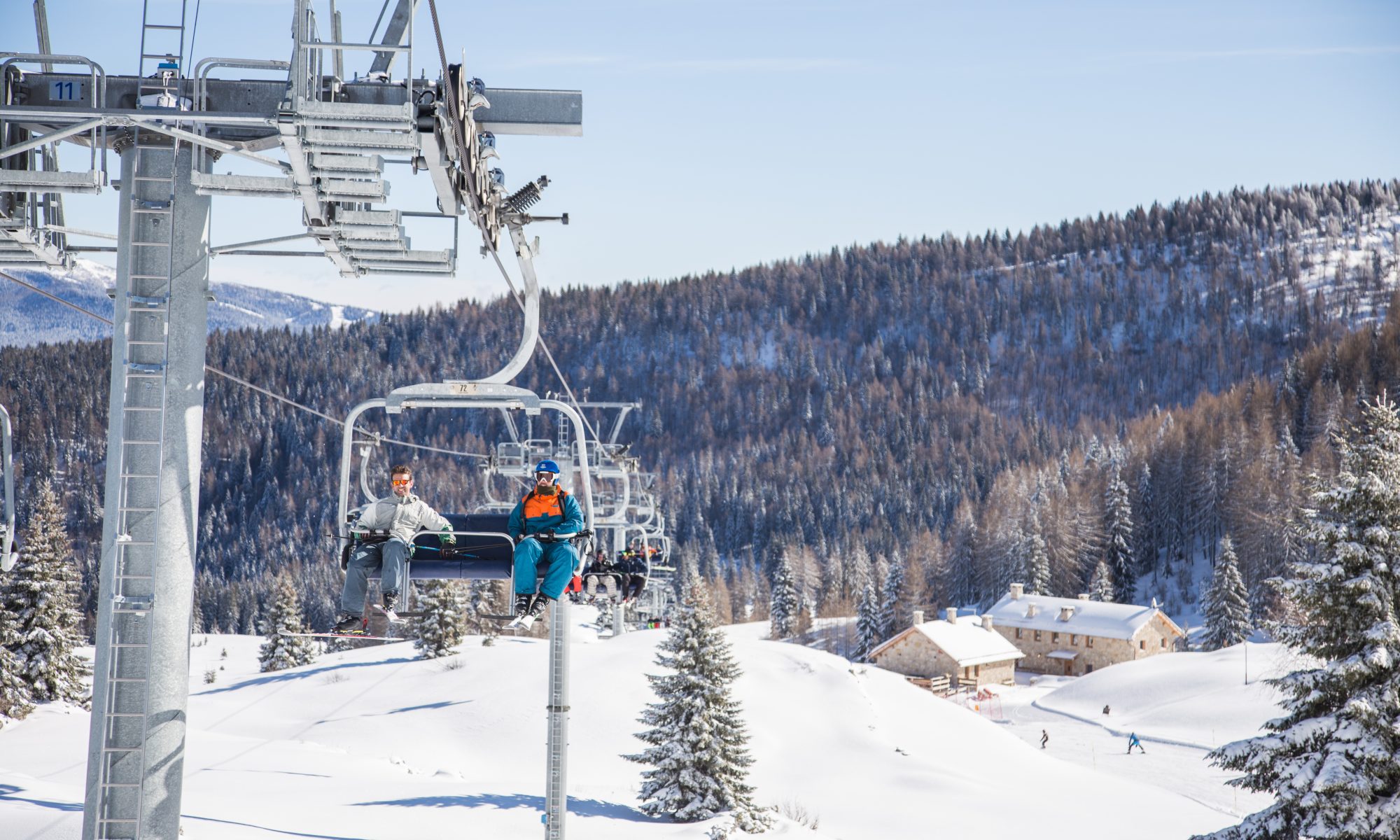
Photo: Alpe Cimbra ski resort.

A growing number of mountain destinations are rethinking what it means to be truly accessible — not just as a social responsibility, but as a core driver of tourism development.

A recent example comes from Alpe Cimbra in Trentino, which has received international recognition for its long-term commitment to inclusive mountain tourism.


🏆 International Recognition for Alpe Cimbra

The destination was awarded a Special Mention for Innovation in the Development of Sports Tourism at the first edition of the UN Tourism Awards for Excellence in Sustainable Sports Tourism, promoted by UN Tourism in collaboration with FIA.

The recognition highlights the project:

👉 “Alpe Cimbra 4 All”

An initiative that has transformed accessibility from a niche offering into a fully integrated tourism strategy.

Continue reading “Accessibility in Mountain Tourism: Why Inclusive Design Is Becoming a Strategic Priority”

🚨 Avalanche in Val Ridanna (South Tyrol): Two Dead, Multiple Buried in Major Rescue Operation

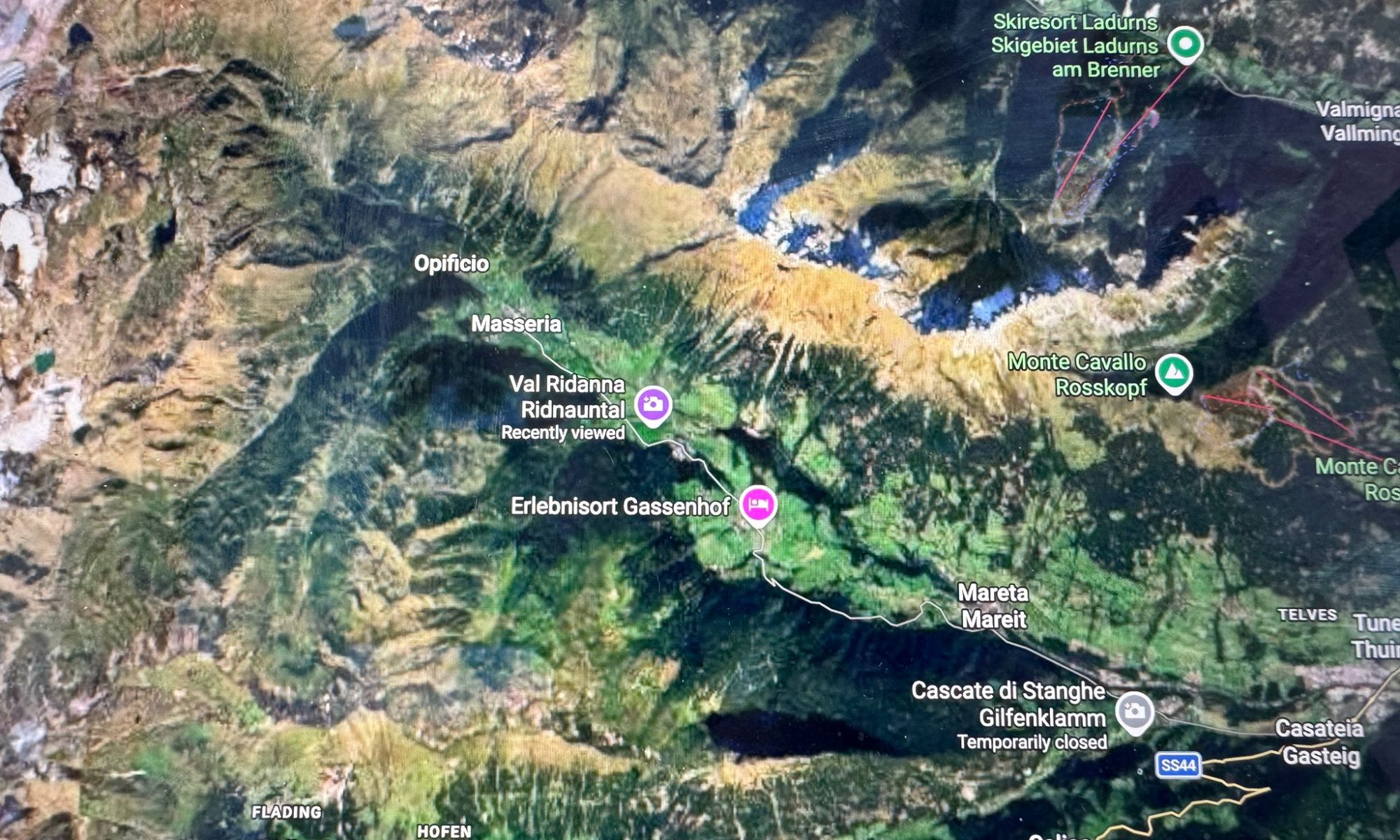
Val Ridanna. Google Maps.

Update – 22 March 2026

Local media in South Tyrol have identified the victim of the Val Ridanna avalanche as Martin Parigger, a 62-year-old alpine guide from Racines (Ridnaun).

According to reports from Corriere dell’Alto Adige and regional broadcaster Rai Alto Adige, Parigger was leading a group of mountaineers when the avalanche released from the Zunderspitze area at around 2,400–2,500 metres.

A major rescue operation involving multiple helicopters and dozens of rescuers was launched, but Parigger did not survive.

He was a well-known and highly respected figure in the Ridanna Valley, with decades of experience guiding in the local mountains.

His death is a stark reminder of the inherent risks even for the most experienced professionals in high-risk avalanche conditions.

A serious Val Ridanna avalanche has occurred in Val Ridanna (Ridnauntal), South Tyrol (Alto Adige), Italy, where a large slide reportedly swept away a group of around ten people, triggering a major emergency response.

According to early reports from Corriere dell’Alto Adige and Italian news agencies, two people have died, while others were buried or partially buried by the avalanche in what is now one of the most serious South Tyrol avalanche incidents of the season.

According to early reports from Corriere dell’Alto Adige and Italian news agencies, fatalities have been reported, while others were buried or partially buried by the avalanche.

This event is part of a wider pattern of extreme weather in the Alps, where increasingly unstable conditions are affecting snowpack and safety.

📍 What Happened

The avalanche struck in the Val Ridanna area, a valley near the Austrian border known for ski touring and off-piste terrain.

  • Around 10 people involved
  • Multiple burials reported
  • 2 confirmed fatalities
  • Large-scale search and rescue operation underway

Authorities quickly launched a major rescue operation, deploying:

Continue reading “🚨 Avalanche in Val Ridanna (South Tyrol): Two Dead, Multiple Buried in Major Rescue Operation”

🚡 Why Cable Cars Shut Down in Strong Winds — And What Can Go Wrong in Extreme Conditions

Peak 2 Peak Gondola in Whistler Blackcomb. Photo: The-Ski-Guru.

Following the recent Engelberg cable car accident, it’s important to note that cable cars (gondolas) are among the safest forms of transport in the mountains. However, strong winds remain one of the most critical risks for lift operations, especially in exposed high-alpine terrain.

The recent Engelberg cable car accident in the Titlis ski area — where a cabin fell during powerful gusts — highlights how quickly conditions can change in the mountains.

👉 Read the full incident: Engelberg Cable Car Accident: One Dead After Cabin Falls in Strong Winds

Continue reading “🚡 Why Cable Cars Shut Down in Strong Winds — And What Can Go Wrong in Extreme Conditions”

Engelberg Cable Car Accident: One Dead After Cabin Falls in Strong Winds

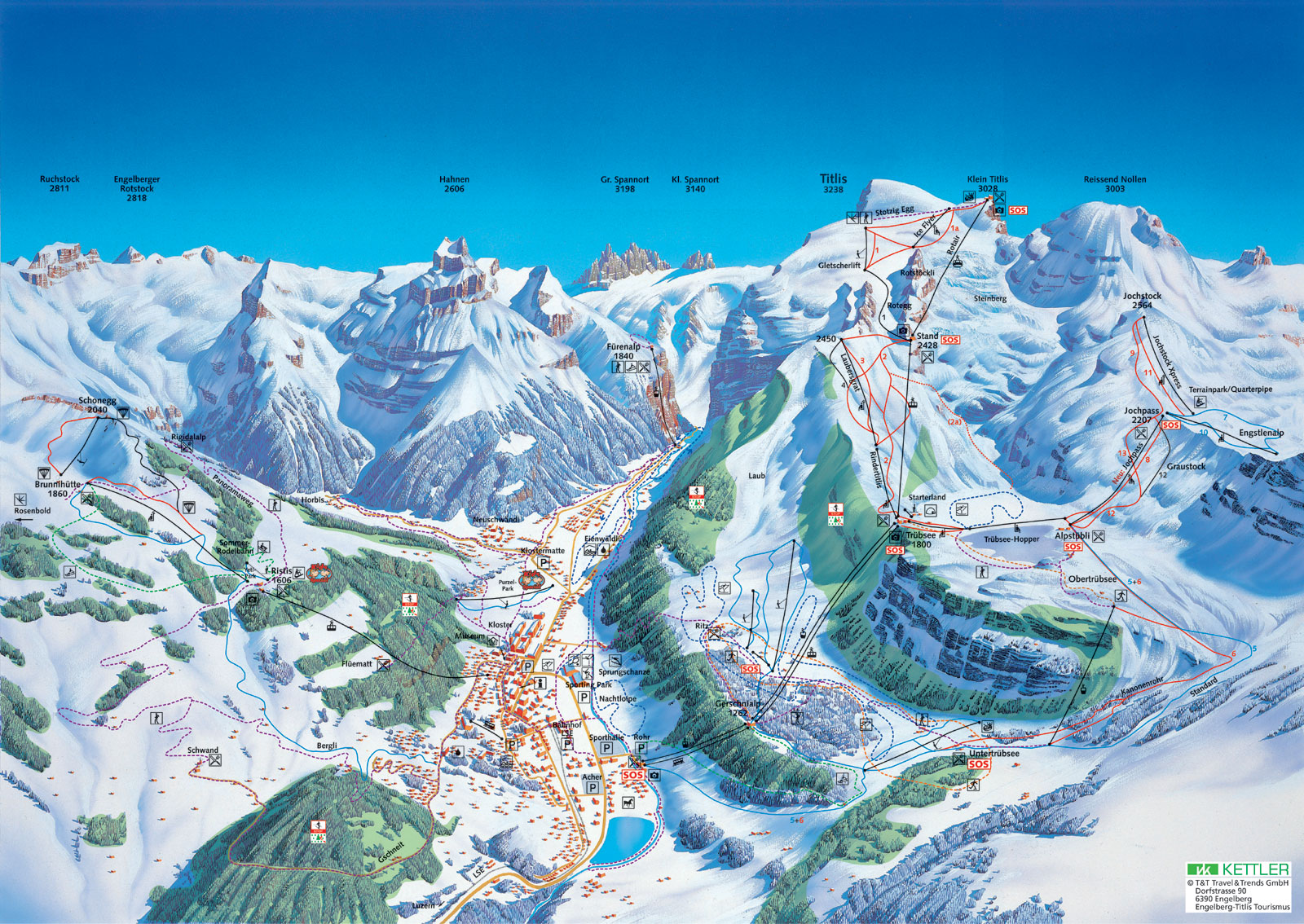
Ski Map Engelberg

A fatal incident has been reported in Engelberg, Switzerland, where a cable car cabin fell during strong winds, resulting in one confirmed death and triggering a major emergency response.

👉 UPDATE (18 March 2026 – afternoon): Authorities have confirmed that a 61-year-old woman, who was alone in the cabin, died in the accident. The cabin is reported to have detached shortly after departing the Trübsee station and rolled multiple times down the slope.

Around 100–200 passengers were evacuated from other cabins on the lift following the incident. Investigations are now focusing on weather conditions, lift operations and possible technical factors, with gusts reported to have reached up to 130 km/h in exposed areas.

👉 UPDATE (18 March 2026): One person has died after a cable car cabin fell in Engelberg, Switzerland, during strong winds. Emergency services, including helicopter rescue teams, are on site as authorities investigate the incident.

Cable car accidents are extremely rare, but severe weather — particularly strong winds — remains one of the main operational risks in high-alpine environments.

Events like this are increasingly linked to extreme weather in the Alps, where stronger wind events and rapid weather shifts are affecting mountain operations.

What We Know So Far

  • A cabin of a gondola lift (ovovia) is said to have fallen due to strong winds

  • The incident occurred in the Titlis ski area, the largest ski resort in central Switzerland

  • The lift involved has been identified as the Titlis Xpress (Trübsee–Stand line)

  • Authorities have confirmed that a 61-year-old woman, who was alone in the cabin, died in the accident

  • Emergency services are on site, including helicopter rescue teams

  • Weather conditions in the area included strong gusts affecting lift operations, with reports of wind reaching up to 130 km/h in exposed areas

  • Around 100–200 passengers were evacuated from other cabins after the system was shut down

According to early witness reports, the cabin detached shortly after the Trübsee station and rolled multiple times down a snow-covered slope.

    At this stage, details are still emerging, and some elements of the incident remain unconfirmed pending official statements from Swiss authorities and the lift operator.

    Weather Factor: Strong Winds in the Alps

    This incident comes amid unstable weather conditions across parts of the Alps, with high avalanche danger already reported in Switzerland in recent days (see our latest update on Level 4 avalanche conditions in Switzerland).

    Modern cable car systems are designed with strict safety protocols, including:

    • Wind speed thresholds for automatic shutdown
    • Continuous monitoring of cable tension and cabin stability
    • Emergency evacuation procedures

    However, extreme gusts—particularly in high-alpine terrain like Titlis—can still create hazardous situations.

    Reports indicate that lift systems may trigger alarms at relatively low wind speeds and require shutdown well below extreme gust levels, highlighting how rapidly conditions can exceed safe operating thresholds.

    Strong winds are among the primary reasons lifts are shut down in Alpine resorts, as sudden gusts can destabilise cabins and cables, especially on exposed sections (read our full explanation on why cable cars shut down in strong winds and what can go wrong).


    Continue reading “Engelberg Cable Car Accident: One Dead After Cabin Falls in Strong Winds”

    Ikon Pass Introduces Refund Option for 2026-27 Season

    Ikon Pass logo

    Alterra Mountain Company has introduced a new refundable purchase option for the Ikon Pass, allowing skiers to receive a partial or full refund if they end up not using their pass early in the winter.

    The new policy, announced as part of the 2026-27 Ikon Pass launch, is designed to reduce the risk for buyers who typically purchase their passes many months before the ski season begins.

    How the Refund Option Works

    If skiers choose the refundable purchase option when buying their pass, the following rules apply:

    • 100% refund if the pass has not been used by January 15
    • 50% refund if the pass has been used only once before January 15
    • No refund if the pass has been used two or more times

    Continue reading “Ikon Pass Introduces Refund Option for 2026-27 Season”

    Matthew Prince Wants to Buy Park City — Debate Over Vail Resorts’ Ski Model

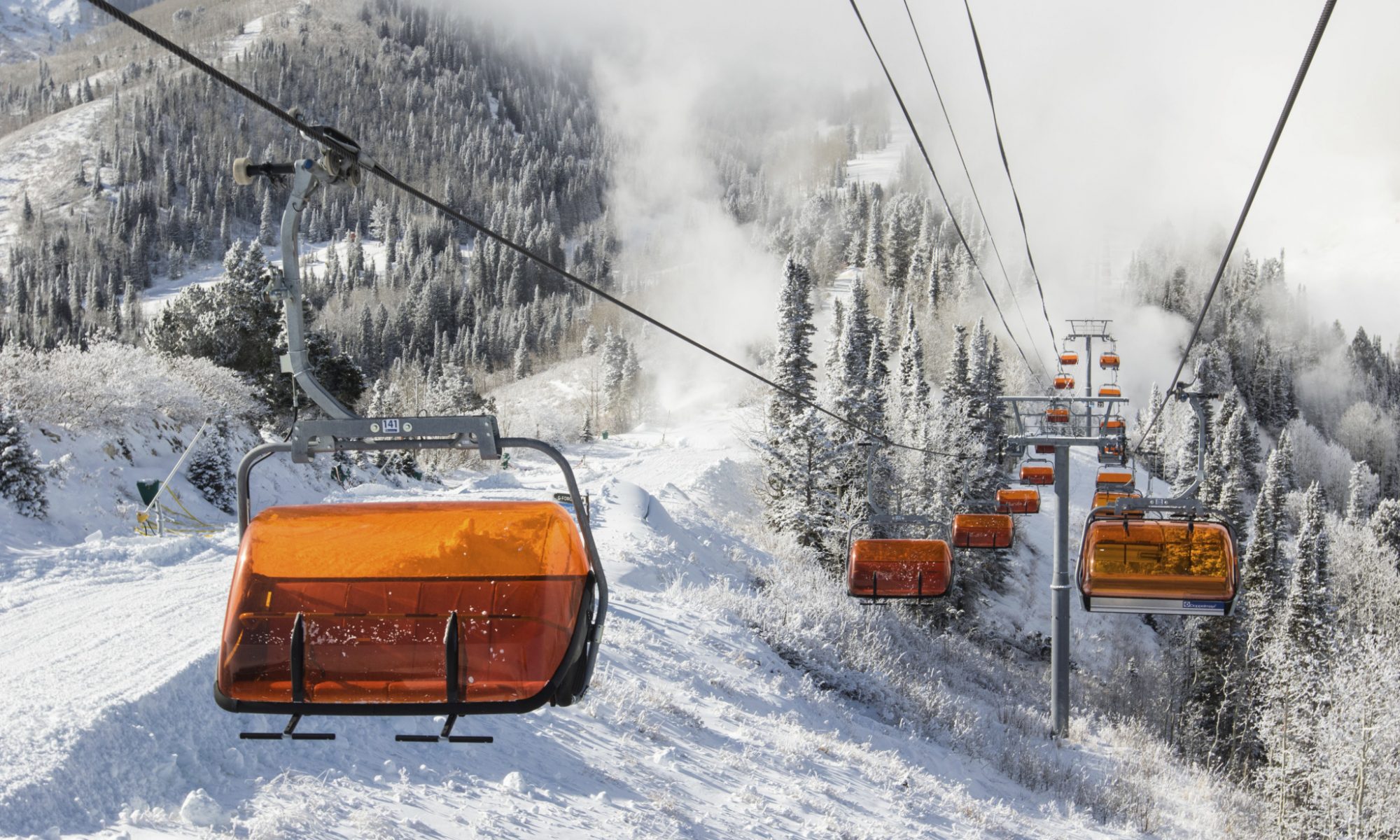
    Park City orange bubble. photo: Vail Resorts.

    A renewed attempt by tech billionaire Matthew Prince to acquire Park City Mountain Resort has reignited debate about the future of large corporate ski resort ownership in North America.

    Prince, the co-founder and CEO of the internet infrastructure company Cloudflare, has again suggested that Vail Resortsshould consider selling its flagship Utah property, Park City Mountain Resort.

    But beyond the financial details of a potential acquisition, the proposal raises a broader question that has been growing across the ski industry in recent years: can local ownership manage major ski areas better than large corporate resort groups?

    Continue reading “Matthew Prince Wants to Buy Park City — Debate Over Vail Resorts’ Ski Model”

    Swiss Alps Authorities Monitor Expanding Mountainside Crack in Valais

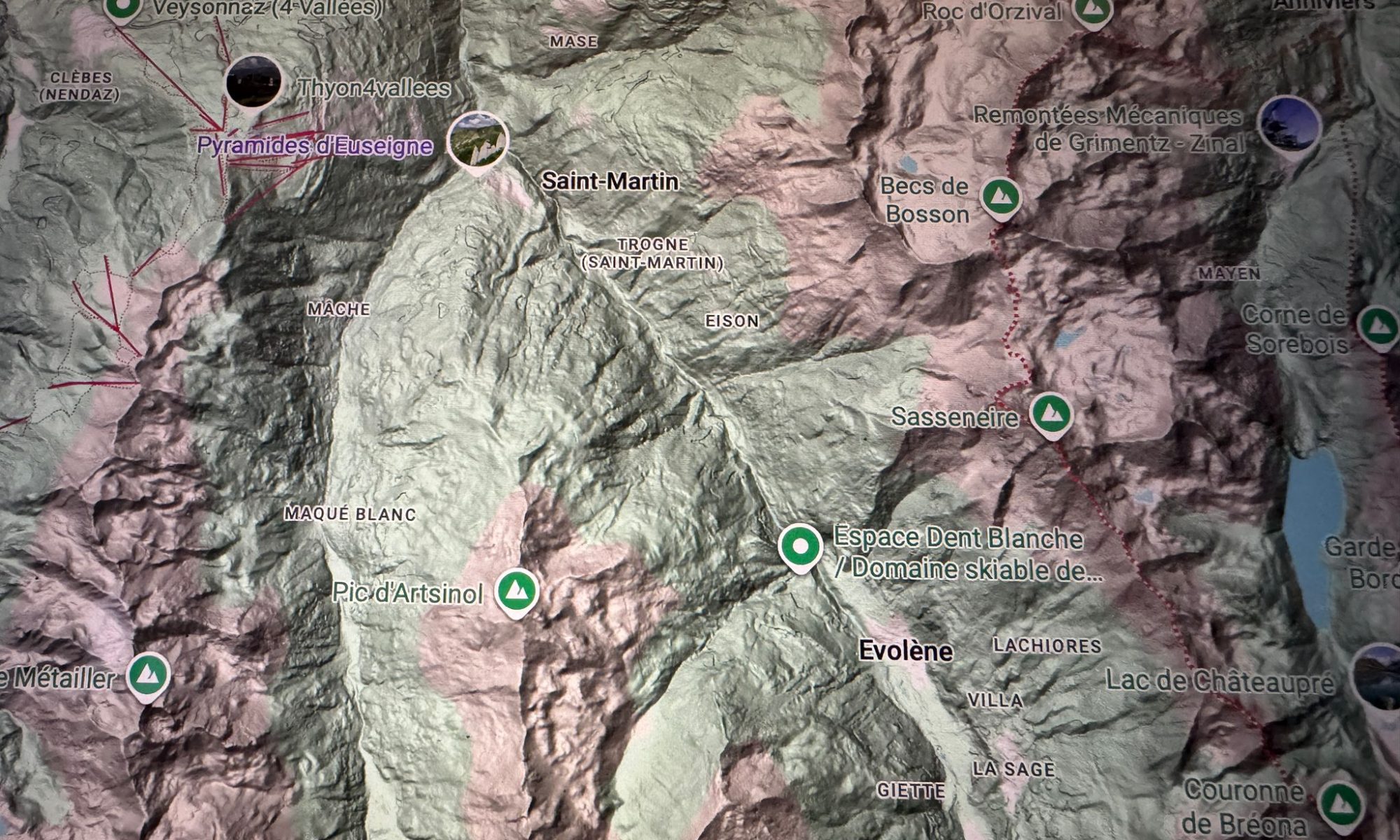
    Grimentz-google.maps

    Authorities in the Swiss Alps are closely monitoring a growing fracture in a mountainside above the Val d’Anniviers in the canton of Valais, where geologists warn that a large section of slope could eventually collapse.

    The crack, located above the village of Grimentz, has been widening slowly in recent months and is now estimated to extend around 250 metres across the slope. Monitoring instruments show that the fracture continues to move by a few millimetres per day, prompting local authorities to prepare contingency plans in case a landslide occurs.

    Monitoring an Unstable Slope

    Geologists estimate that as much as 500,000 cubic metres of rock and debris could potentially detach from the unstable section of mountainside.

    If a major collapse occurred, the debris could block the Navizence River, potentially forming a temporary lake and increasing flood risk further down the valley.

    Continue reading “Swiss Alps Authorities Monitor Expanding Mountainside Crack in Valais”

    Swiss Alps Avalanche Danger Reaches Level 4 After Heavy Snowfall

    Snowy conditions - photo Remi Jacquaint - Unsplash.

    Heavy snowfall across parts of the Swiss Alps has pushed avalanche danger to Level 4 (High) in several regions south of the main Alpine ridge.

    According to Swiss authorities, large amounts of fresh snow have accumulated in a short period, creating unstable snowpack conditions across mountainous areas. The highest snowfall totals were reported in Bosco-Gurin in the canton of Ticino, where 116 centimetres of snow fell within 24 hours.

    The heavy snowfall has significantly increased the risk of avalanches, particularly on steep slopes where wind has transported fresh snow and created unstable slabs.

    Continue reading “Swiss Alps Avalanche Danger Reaches Level 4 After Heavy Snowfall”