Multiple Avalanches Reported Across the French Alps – Fatal Accident at La Grave (15 March 2026)

Grandes Rousses, Aravis. Google Maps.

A series of avalanches were reported across several French Alpine massifs on Sunday 15 March 2026, highlighting unstable snow conditions following recent snowfall, strong winds and a rapid warming trend.

Field observations from ski tourers and mountain safety reports indicate numerous avalanche releases across the northern and southern French Alps, including incidents involving backcountry skiers and at least one fatal accident.

Reports were recorded in several mountain ranges including Aravis, Belledonne, Grandes Rousses, Chartreuse, Bauges, Dévoluy, Champsaur, Queyras and Lauzière.

This cycle reflects broader shifts linked to extreme weather in the Alps, with more volatile snowfall and rapid warming phases.

This aligns with recent incidents globally, such as four people killed in separate avalanches in northern British Columbia.

Continue reading “Multiple Avalanches Reported Across the French Alps – Fatal Accident at La Grave (15 March 2026)”

Why a Rockslide Hit Whistler Peak — Freeze-Thaw Cycles and Alpine Rock Instability

Rockfall in Whistler Mountain. Photo by Pique News magazine.

Update – June 4, 2026: Whistler Blackcomb has confirmed a second, smaller rock slide from Whistler Peak, after another fall was seen and filmed on June 3. According to Pique Newsmagazine, the resort said there were no injuries and that Peak Chair and the surrounding area remain closed while crews continue to assess the terrain. CBC also reported witness footage of the latest rockfall, with one observer describing hearing the slide before seeing it. The new incident does not mean the whole resort is unsafe, but it does reinforce the wider issue of rockfall risk in steep alpine terrain, especially in areas affected by freeze-thaw cycles, warming temperatures, snowmelt and unstable rock.

Updated: 14 March 2026

A rockslide that struck high-alpine terrain near the summit of Whistler Blackcomb this week has raised questions about how and why rockfalls occur in ski resort environments. The incident follows the rockfall we reported earlier this week at the resort, which forced closures in the Peak zone. 

The slide occurred early in the morning before the resort opened, sending large blocks of rock across a section of terrain near the top of Whistler Peak. Because it happened before skiers were on the mountain, no injuries were reported.

However, the event temporarily forced the closure of the Peak Express Chair, along with surrounding terrain in the Peak zone while the area was assessed.

The incident highlights a lesser-discussed mountain hazard: rockfall in high-alpine ski terrain.

Similar patterns are being observed globally, but are particularly visible in regions affected by extreme weather in the Alps.

Continue reading “Why a Rockslide Hit Whistler Peak — Freeze-Thaw Cycles and Alpine Rock Instability”


Understanding the European Avalanche Danger Scale: Levels 1–5 Explained

Windslab avalanche. Photo: Colorado Avalanche Information Center. Why Wind Is One of the Most Dangerous Avalanche Triggers.

Avalanche danger in the Alps is reported using the European Avalanche Danger Scale, a five-level system used by national avalanche forecasting services across countries including France, Italy, Switzerland, Austria and Germany.

The scale helps skiers, mountaineers and backcountry travellers understand how stable or unstable the snowpack is and how likely avalanches are to occur.

It is important to understand that the scale does not simply measure the size of avalanches. Instead, it reflects a combination of factors including snowpack stability, the likelihood of triggering avalanches and the expected distribution of unstable slopes.

Understanding these levels is essential for anyone travelling in avalanche terrain, whether skiing off-piste, touring, snowshoeing or mountaineering.

Continue reading “Understanding the European Avalanche Danger Scale: Levels 1–5 Explained”

Up to 1 Meter of Snow Forecast in Aosta Valley as Major March Storm Hits the Alps

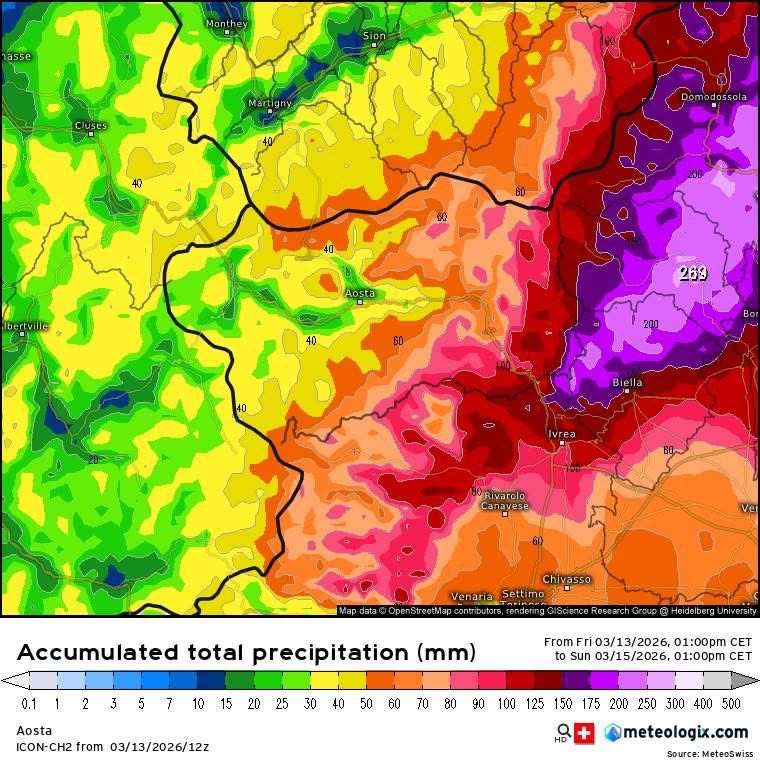
Totally acumulated snow 13-15 April. Meteo Valle d'Aosta.

A major late-season winter storm is expected to bring significant snowfall across Italy’s Aosta Valley this weekend, with forecasts indicating up to 80–100 cm of new snow in the eastern valleys, including areas around Cervinia and Monterosa Ski.

After nearly two weeks of mild conditions across the Alps, the return of winter weather could bring rapidly changing mountain conditions and elevated avalanche risk across parts of the region.

Meteorologists expect precipitation to begin early Saturday morning, first affecting the Cervino (Matterhorn) and Monte Rosa valleys before spreading across the rest of the region during the day.

These intense snowfall events are increasingly linked to extreme weather in the Alps, where rapid shifts between storms and warming phases are becoming more common.

Comparable instability has also led to fatal incidents elsewhere, including multiple avalanche deaths in northern British Columbia following recent snowfall cycles.

Continue reading “Up to 1 Meter of Snow Forecast in Aosta Valley as Major March Storm Hits the Alps”

Rockslide at Whistler Blackcomb Closes Peak Express Area

Rockfall in Whistler Mountain. Photo by Pique News magazine.

Update – 14 March 2026: More details have emerged about the rockslide near Whistler Peak. Read our follow-up analysis explaining what may have triggered the Whistler Peak rockslide and how freeze-thaw cycles destabilize alpine terrain.

A rockslide at Whistler Blackcomb near Whistler Peak forced the closure of terrain served by the Peak Express chairlift on 12 March 2026 at North America’s largest ski resort.

According to the resort operator Whistler Blackcomb (Vail Resorts), the rockfall occurred early in the morning before the ski area opened, and no injuries were reported.

The slide occurred near the Peak Express chairlift, which provides access to some of the highest alpine terrain on Whistler Mountain.

As a precaution, resort operations closed the affected terrain while crews assess slope stability and clear debris.

Continue reading “Rockslide at Whistler Blackcomb Closes Peak Express Area”

Ikon Pass Owner Alterra Mountain Company CEO to Step Down at End of Ski Season

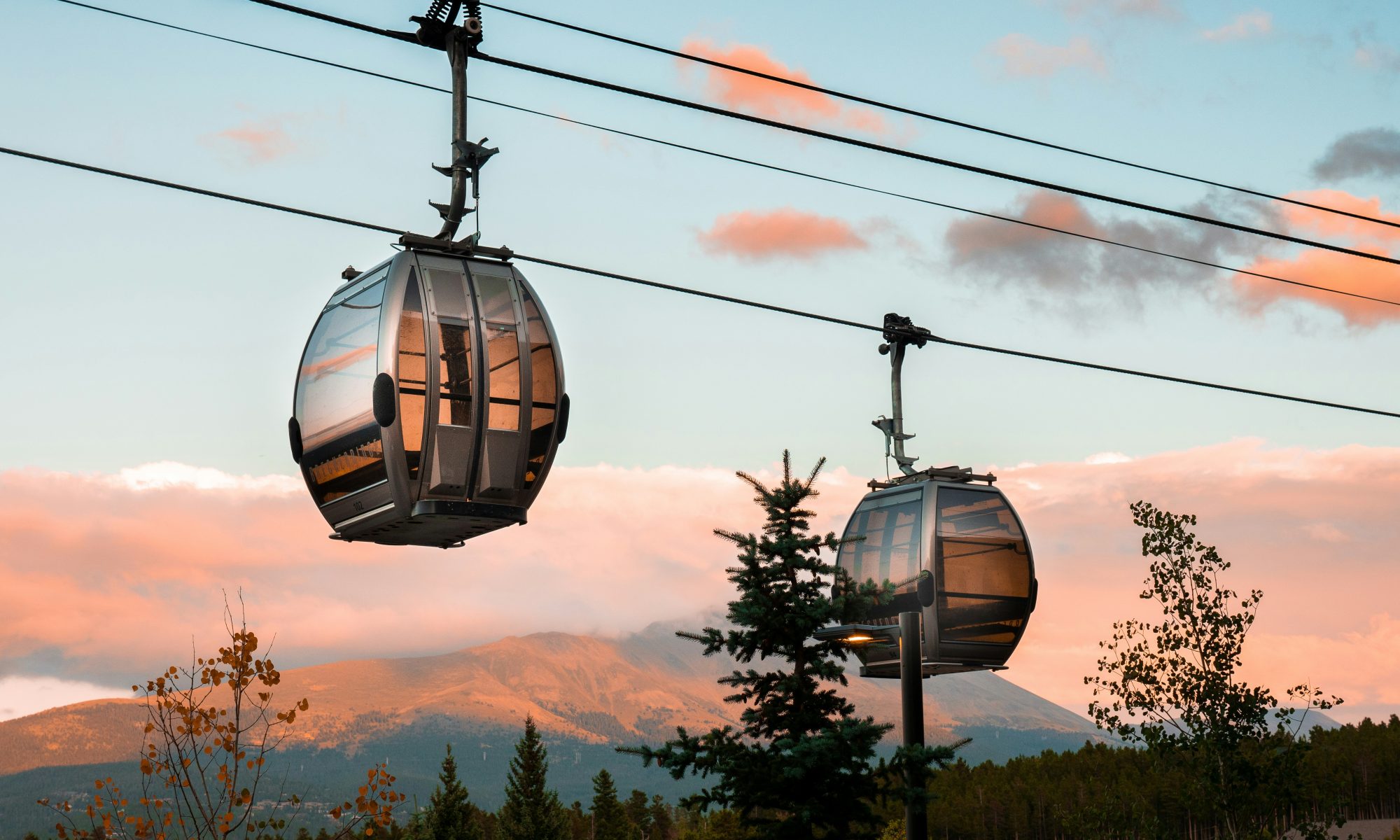
Sunset in Steamboat. photo: Phoenix Dorninger. Unsplash.

A leadership change is coming to one of the most influential companies in the global ski industry.

Jared Smith has announced he will step down as chief executive officer of Alterra Mountain Company at the end of the current ski season, marking a transition at the company behind the Ikon Pass. 

The Denver-based resort operator said Smith will remain involved during the transition while the company searches for a new chief executive.


A Leadership Change at One of the Ski Industry’s Largest Operators

Alterra Mountain Company is one of the two dominant corporate players in modern ski tourism, alongside Vail Resorts.

Founded in 2018 and headquartered in Denver, Alterra operates and partners with dozens of ski destinations across North America and internationally. The company’s Ikon Pass provides access to more than 70 ski areas worldwide through a mix of owned resorts and partner agreements. 

Under Smith’s leadership, Alterra continued expanding both its resort portfolio and its global pass network.

The company has acquired several mountain destinations and related businesses in recent years, including resorts such as Arapahoe Basin in Colorado and Schweitzer in Idaho, while also expanding its Ikon Pass partnerships internationally. 


Smith’s Tenure at Alterra

Smith joined Alterra in 2021 as president of the company’s resort division and became chief executive officer in August 2022, succeeding longtime industry executive Rusty Gregory. 

Continue reading “Ikon Pass Owner Alterra Mountain Company CEO to Step Down at End of Ski Season”

Indy Pass Owner Moves Headquarters to New Hampshire as Black Mountain Becomes Innovation Hub

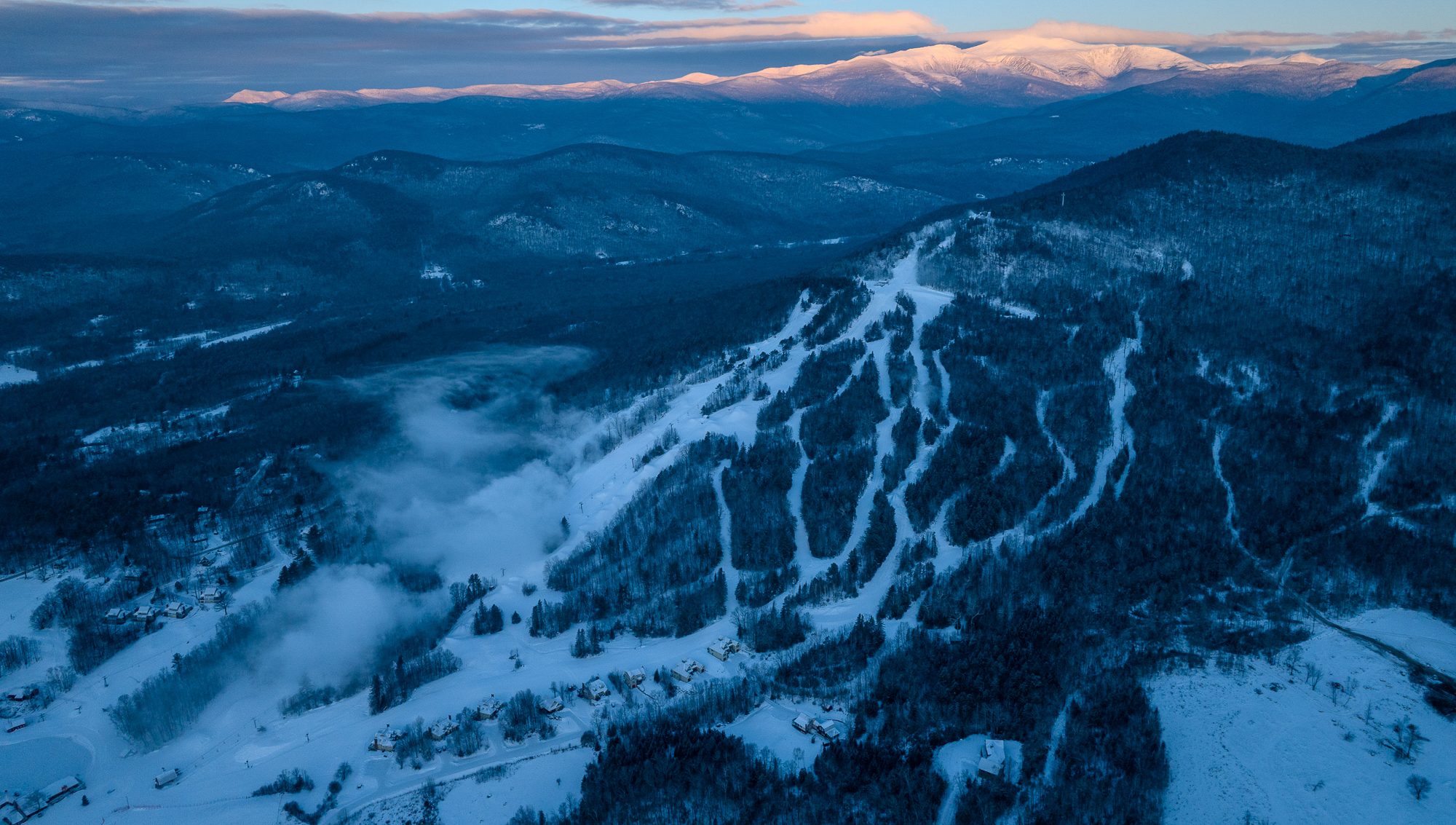
Black Mountain resort. Entabeni Systems- Indy Pass.

The company behind the rapidly expanding Indy Pass has announced it will relocate its headquarters to Jackson, New Hampshire, while transforming the historic Black Mountain ski area into what it calls an “Independent Mountain Laboratory.”

Erik Mogensen, CEO of Entabeni Systems, said the mountain will serve as a real-world testing ground for technologies, operational systems and management strategies designed to help independent ski resorts compete in an industry increasingly dominated by large corporate operators.

The announcement includes the buyout of early investors in Black Mountain, returning the resort to 100 percent private ownership under Mogensen’s leadership.


A Test Mountain for Independent Ski Areas

Black Mountain will operate both as a ski area and as an innovation hub where new software, hardware and operational tools can be developed and tested before being shared with other independent ski resorts.

Continue reading “Indy Pass Owner Moves Headquarters to New Hampshire as Black Mountain Becomes Innovation Hub”

Skier Found Dead Outside Boundary at Whistler Blackcomb After Going Missing

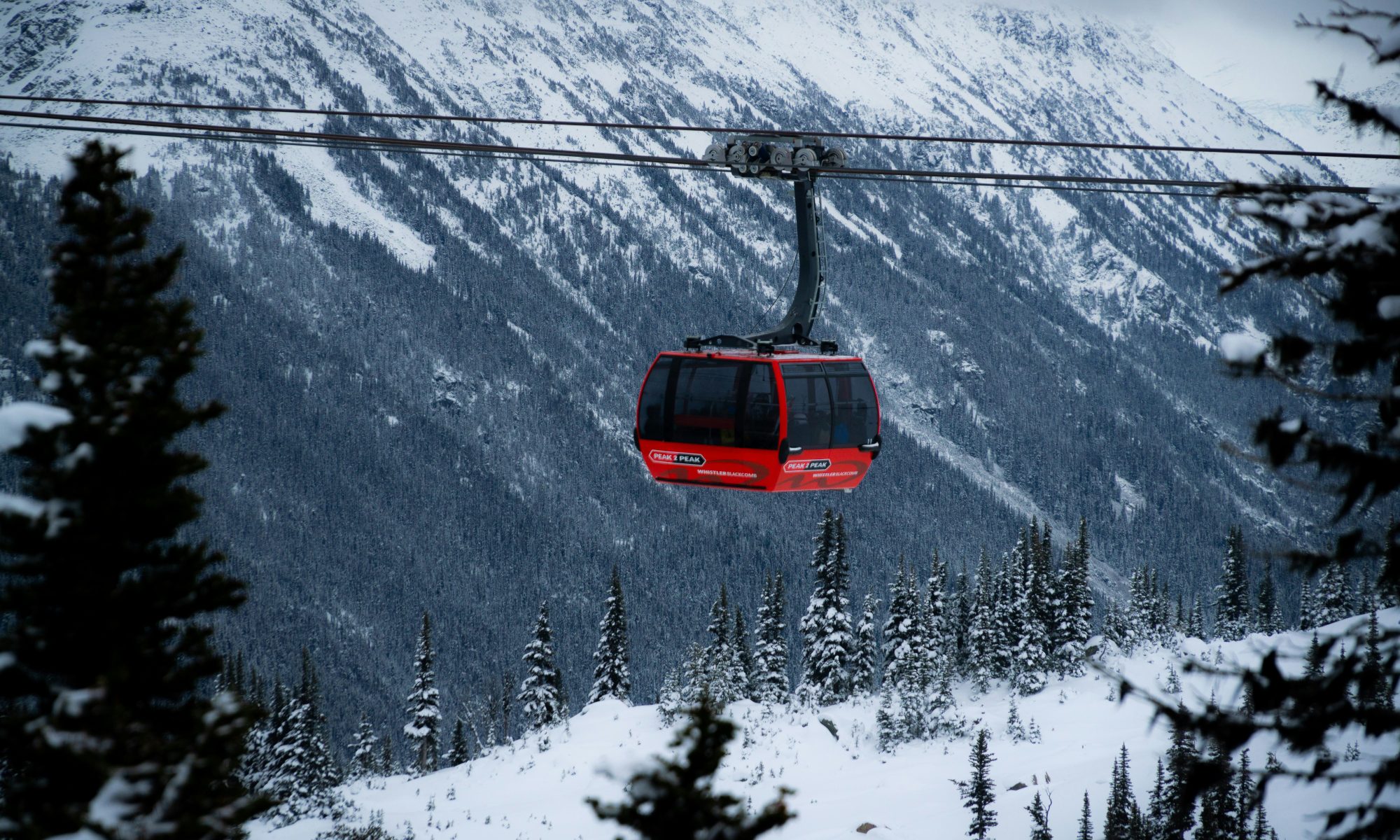
Whistler Peak 2 Peak Gondola. Photo: Yin Yin Low. Unsplash.

The Whistler Blackcomb skier death follows the discovery of a 78-year-old Vancouver man who had been missing for several days after skiing at the resort.

The man was found on 5 March 2026 outside the ski-area boundary at Whistler Blackcomb, one of the largest ski resorts in North America located in British Columbia, Canada.

He had last been seen skiing on 28 February, prompting a search operation after he failed to return.

Crossing ski-area boundaries is a factor in a number of mountain incidents each winter, particularly at large resorts where backcountry terrain is easily accessible from lift-served areas. Even a short distance beyond the boundary can place skiers in uncontrolled terrain where avalanche mitigation, route marking and rapid rescue response are no longer guaranteed.

Authorities say the death is not considered suspicious, and early reports suggest the skier may have unintentionally crossed the resort boundary.

Related news:
Rockslide closes Peak Express area at Whistler Blackcomb (March 2026)

Continue reading “Skier Found Dead Outside Boundary at Whistler Blackcomb After Going Missing”

Avalanche Warnings Through Online Ads? Austrian Ski Resort Tests Smartphone Alert System

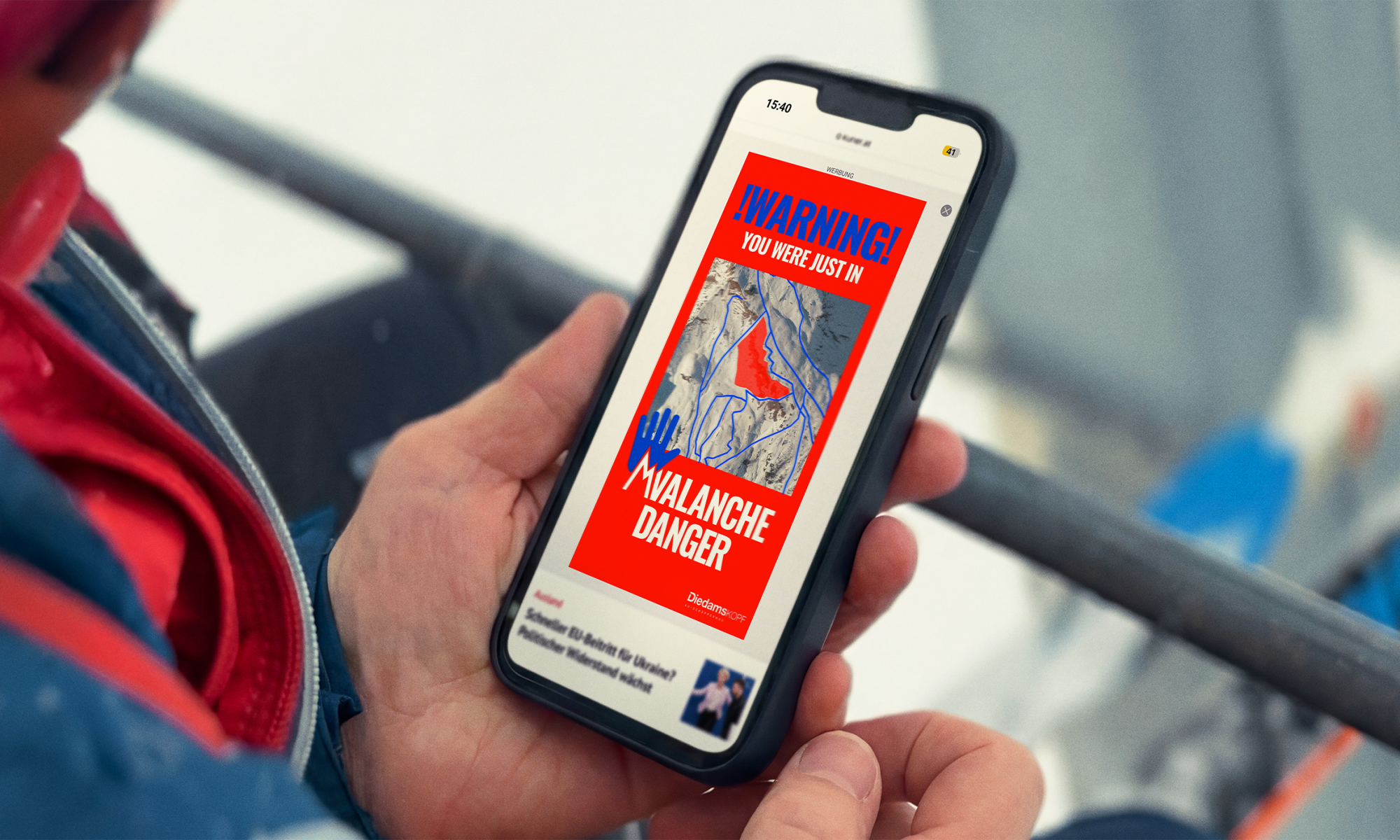
Avalanche Alerts. Photo credit: DMB.

A ski resort in Austria has begun testing an unusual avalanche warning system that delivers safety alerts directly to smartphones using the infrastructure normally reserved for digital advertising.

The initiative, called Avalanche Alerts, is currently being piloted at the Diedamskopf ski area in Vorarlberg, Austria, where digital advertising networks are being repurposed to deliver avalanche warnings to skiers inside mapped risk zones.

The experiment comes during a winter in which several Alpine regions have experienced repeated avalanche instability events, including the February 2026 avalanche cycle across the Alps.

The idea is to reach skiers at the moment they check their phones — often while riding lifts or resting between runs — but the system’s effectiveness ultimately depends on connectivity and user behaviour.

The software behind the project has also been released as open-source, meaning other ski resorts or mountain regions could theoretically adopt the system without licensing costs.

Continue reading “Avalanche Warnings Through Online Ads? Austrian Ski Resort Tests Smartphone Alert System”

Vail Resorts Reports Declining Skier Visits — What the Numbers Reveal About the Modern Ski Industry

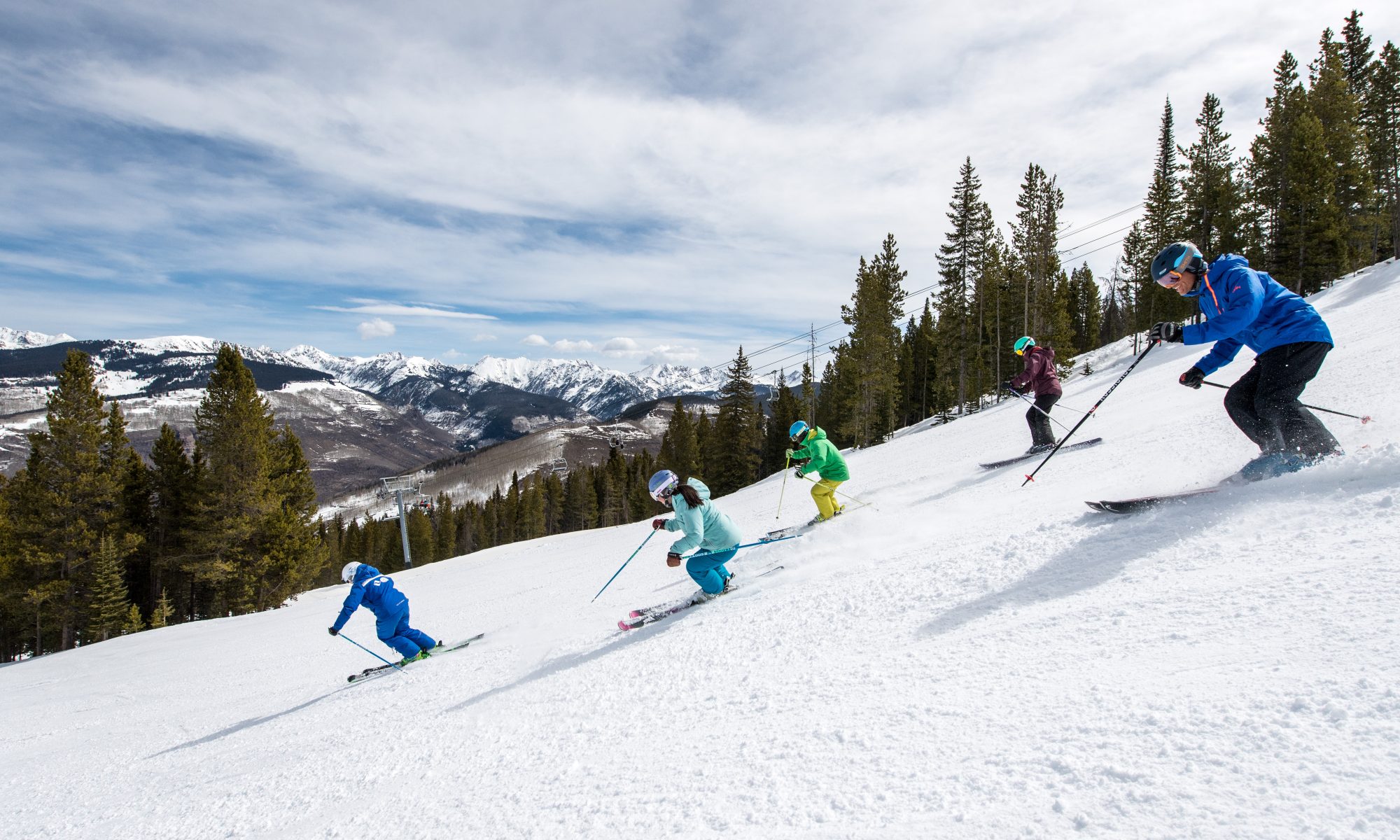
Adult Ski School at Vail, CO. Photo: Tom Cohen. Vail Resorts.

Early season operating metrics released by Vail Resorts show a noticeable decline in skier visits across its North American resort portfolio during the 2025–26 winter season.

The figures, reported through the company’s investor communications and widely covered by financial and industry media, offer an interesting window into how the modern ski resort business model operates during a difficult winter.

While the headline numbers point to a challenging season, the underlying data reveals something more nuanced about how large resort operators manage financial volatility.


Skier Visits Down — One of the Sharpest Drops in Recent Years

According to season-to-date operating metrics, skier visits across Vail Resorts’ North American mountain resorts were down approximately 20% compared with the previous season.

The company attributes the decline primarily to weak early-season snowfall across the Western United States, which significantly delayed terrain openings at several major destinations.

Continue reading “Vail Resorts Reports Declining Skier Visits — What the Numbers Reveal About the Modern Ski Industry”