A40 Free-Flow Tolling: What Skiers Driving to Mont Blanc Need to Know (2027 Update)

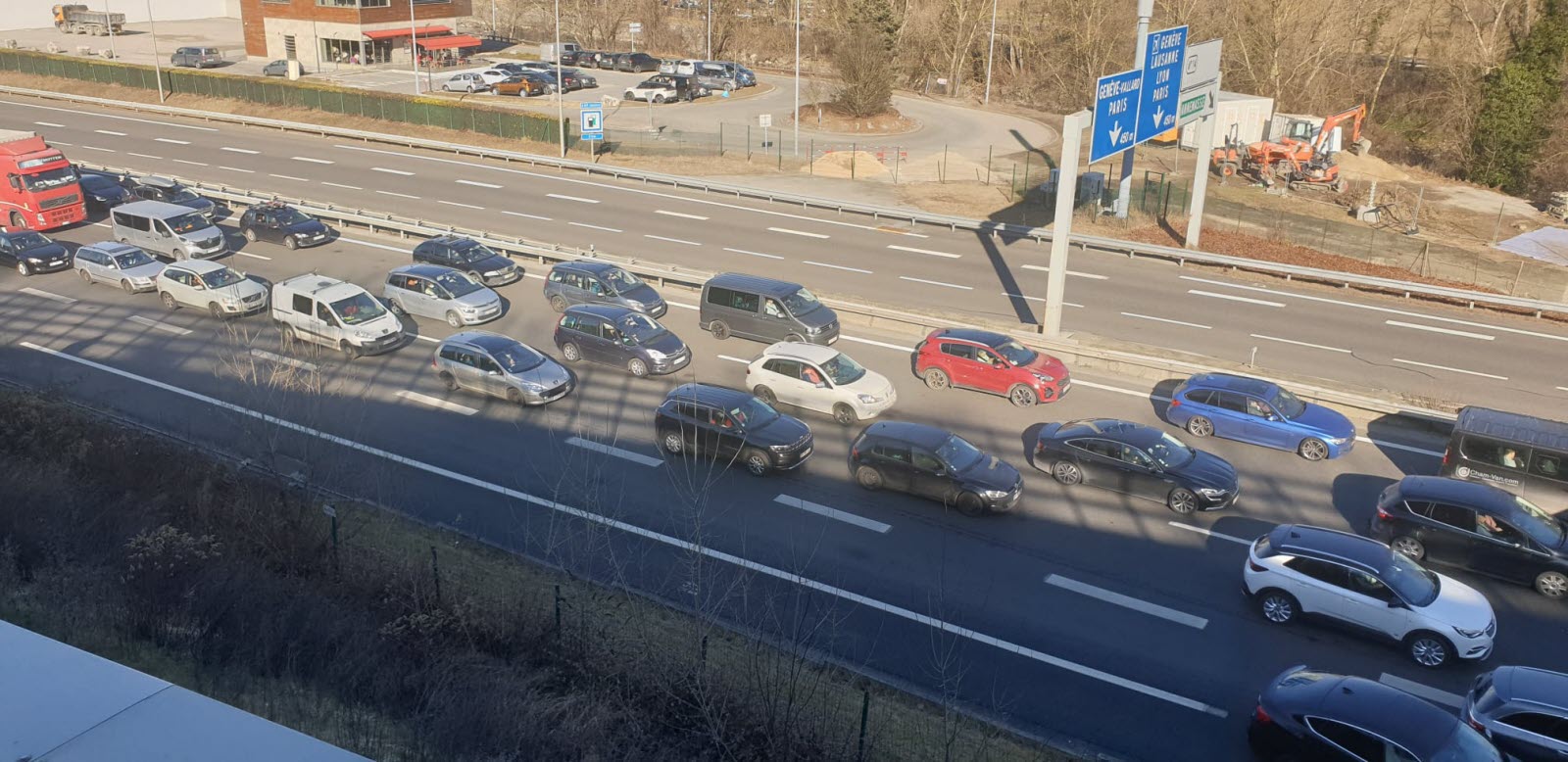
A-40 in traffic. Photo: Le Dauphine.

The A40 free-flow toll 2027 rollout will significantly change how skiers drive to Mont Blanc resorts. From spring 2027, a 58km section between Sallanches and Annemasse will switch to barrier-free tolling — meaning no booths, no stopping, but still a toll to pay.

From spring 2027, a 58km section of the A40 between Sallanches and Annemasse will switch to “péage en flux libre” — barrier-free tolling. That means no toll booths, no stopping, and no physical barriers. But it does not mean the motorway is free.

Here is what skiers and winter travellers need to know.


Where on the A40 Will Free-Flow Tolling Apply?

The new free-flow system will cover the section between:

• Sallanches
• Annemasse (near the Geneva border)

This is the busiest stretch of the A40 for Alpine resort access, particularly for:

• Chamonix-Mont-Blanc
• Megève
• Saint-Gervais
• Les Houches
• Geneva airport traffic
Continue reading “A40 Free-Flow Tolling: What Skiers Driving to Mont Blanc Need to Know (2027 Update)”

Two Ski Mountaineers Found Dead After Avalanche on Tamlspitze, Tyrol

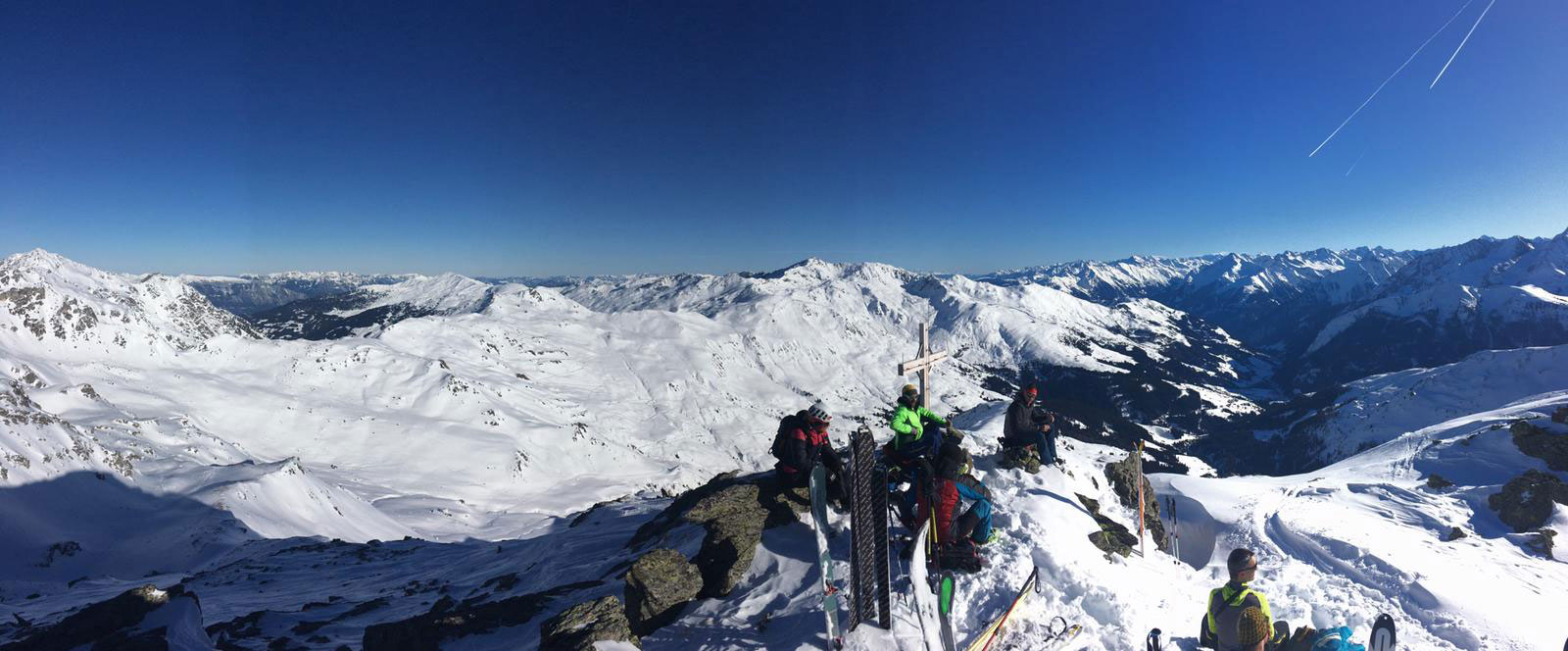
Tamlspitze Schitour. Photo: alpin-welt.at

Repeated avalanche fatalities across the Alps in late February 2026 continue to underline the structural instability affecting multiple regions this winter. The latest tragedy occurred on Tamlspitze, in the municipality of Tux, within the Austrian state of Tyrol, where two ski mountaineers aged 44 and 47 were found dead beneath avalanche debris after failing to return from a summit tour.

This incident forms part of the broader February 2026 Avalanche Cycle Across the Alps, which has seen fatalities and repeated Level 4 warnings across France, Italy, Austria and Switzerland.

Continue reading “Two Ski Mountaineers Found Dead After Avalanche on Tamlspitze, Tyrol”

Global Ski Passes and the Alps: Structural Shifts in Demand Before the Debate

Arp - Courmayeur Mont blanc Funivie - Photo: Lorenzo Belfrond. Courmayeur Mont Blanc Opening Days of Italian Ski Resorts.

March 2026 by The-Ski-Guru


Global Ski Passes and the Alps: Structural Shifts in Demand Before the Debate

In recent seasons, large multi-resort ski passes such as the Epic Pass and Ikon Pass have expanded their presence in Europe — either through resort ownership or partnership agreements.

This expansion has coincided with increased North American visitation to parts of the Alps, particularly in destinations such as Chamonix and Swiss high-altitude resorts.

But before drawing conclusions about whether global passes are reshaping Alpine ski culture or pricing structures, it is useful to step back and examine the broader structural picture.

This broader debate has intensified recently, particularly following the Vail and Alterra lawsuit over ski pass pricing.

This article is Part 1 of a wider analysis on global ski pass integration and Alpine tourism trends.

Continue reading “Global Ski Passes and the Alps: Structural Shifts in Demand Before the Debate”

Avalanche Fatality at Nakiska Ski Area

Nakiska ski map.

A 15-year-old skier has died after being buried in an avalanche near the Nakiska Ski Area in Kananaskis Country, Alberta on Friday, February 28, 2026. Emergency responders were called to the area after reports that two people were caught in the avalanche. One skier escaped and was uninjured, while the other — the 15-year-old — was found unresponsive and later died at Alberta Children’s Hospital. 

Officials say the incident occurred near the Nakiska ski hill — west of Calgary — and authorities are continuing their investigation into the exact circumstances. 

Continue reading “Avalanche Fatality at Nakiska Ski Area”

Mountain Infrastructure Risk in the Alps & Pyrenees

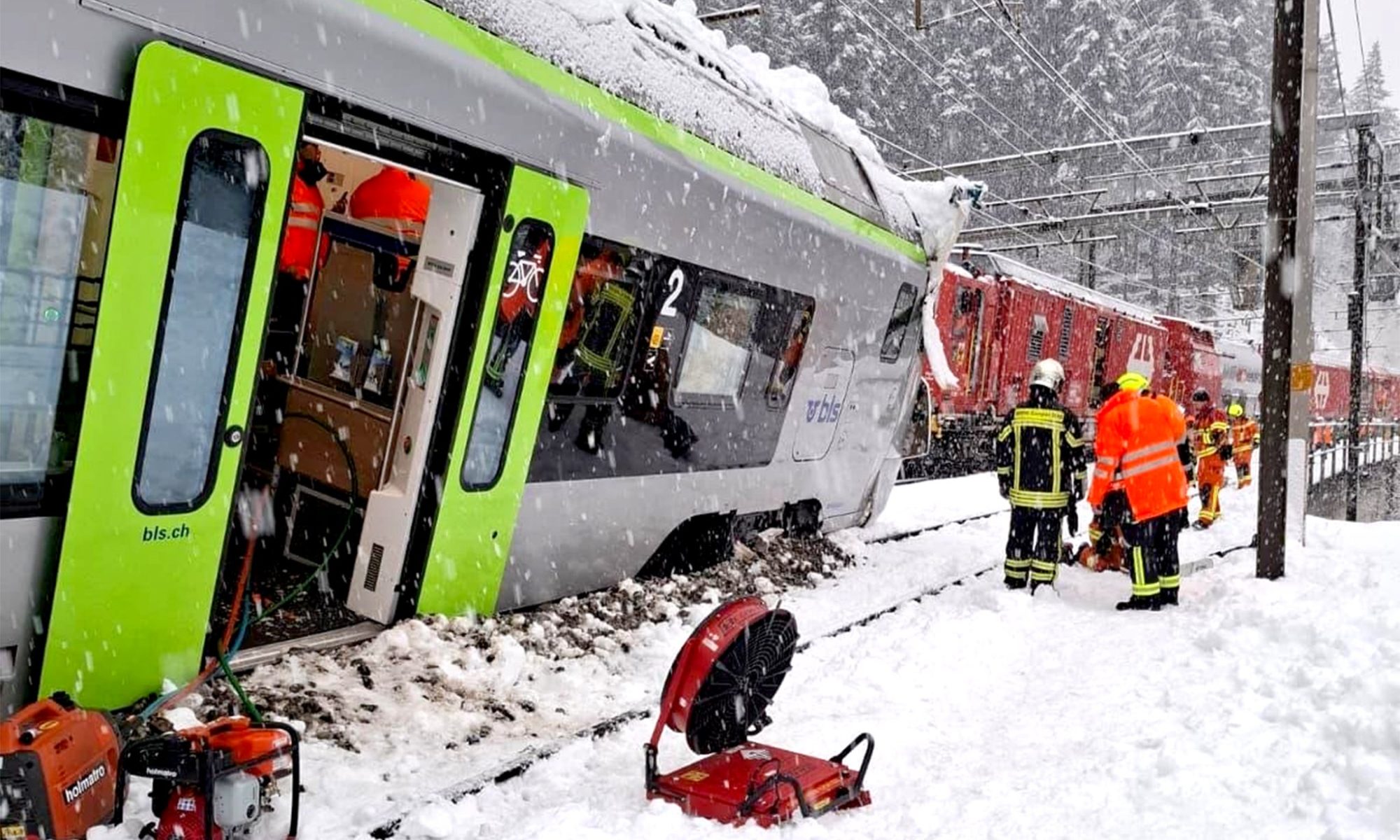
Mountain Infrastructure Risk in the Alps and Pyrenees – transport corridor vulnerability. Photo: Swiss Rail

Transport Disruptions, Climate Pressure & Cross-Border Vulnerability

Why Mountain Infrastructure Now Matters More Than Ever

Mountain Infrastructure Risk in the Alps and Pyrenees is becoming a defining issue for winter tourism, transport planning and climate adaptation. Road closures, rail disruption, avalanche cycles and Olympic logistics pressure are no longer isolated events — they are part of a structural pattern affecting mountain regions.

Mountain Infrastructure Risk in the Alps and Pyrenees is becoming a defining issue for winter tourism, transport planning and climate adaptation. Road closures, rail disruption, avalanche cycles and Olympic logistics pressure are no longer isolated events — they are part of a structural pattern affecting mountain regions, with growing implications for long-term demand dynamics within Alpine ski markets.
  • Rockfall and slope instability
  • Avalanche cycles
  • Freeze–thaw stress
  • Extreme precipitation events
  • Concentrated cross-border traffic dependency

Winter tourism economies rely on a limited number of valleys, passes and rail lines. When one corridor fails, the impact is immediate — economically, logistically and politically.

This hub consolidates coverage across these interconnected risks.

Many of these risks are linked to extreme weather in the Alps, where freeze–thaw cycles and heavy precipitation are increasing.

Continue reading “Mountain Infrastructure Risk in the Alps & Pyrenees”

RN20 France–Andorra Corridor Severed by Rockfall: Official Response, Rail Disruption & Reopening Timeline (2026)

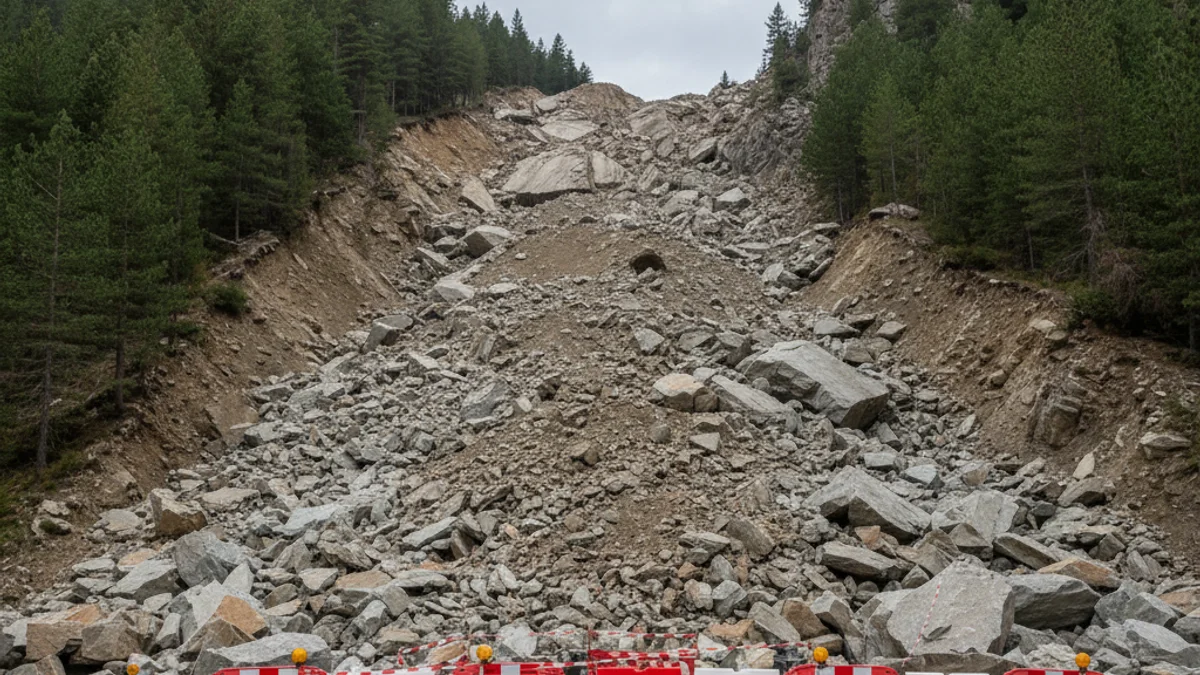
Photo: Diari Catalunya: RN20 road closure

A Strategic Mountain Corridor Cut Off

The RN20 France Andorra rockfall 2026 has exposed the vulnerability of one of the most important mountain corridors in southern Europe.

On 31 January 2026, a significant rockfall struck the RN20 national road between Ax-les-Thermes and Mérens-les-Vals, in the French department of Ariège.

This is not a secondary alpine road. The RN20 is the principal northern gateway between France and the Principality of Andorra — a corridor that feeds winter tourism traffic toward Pas de la Casa, cross-border workers, and heavy goods transport.

The rockfall destroyed part of the carriageway and destabilised the slope above it. Authorities immediately closed the route in both directions.


Official Position: Safety Before Reopening

The Prefecture of Ariège and regional authorities in Occitanie confirmed that the closure would remain in place until geological stability could be guaranteed.

According to official communications, stabilisation works included:

Continue reading “RN20 France–Andorra Corridor Severed by Rockfall: Official Response, Rail Disruption & Reopening Timeline (2026)”