The European Avalanche Danger Scale May Change — What Skiers Should Know

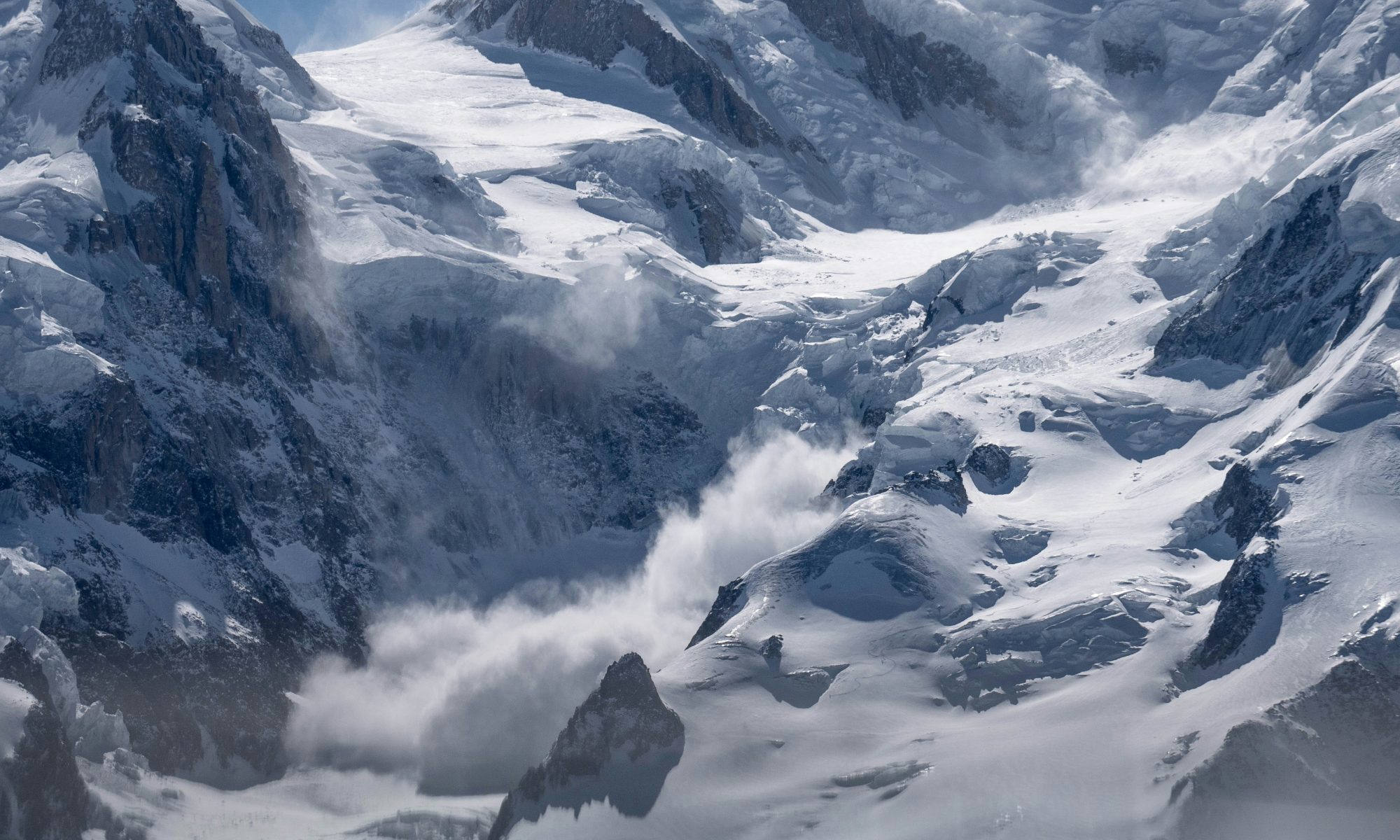
Avalanche in Chamonix. Stock photo: Krzysztof Kowalik. Unsplash.

The European Avalanche Danger Scale, used across the Alps and most mountain regions in Europe, may soon receive an update aimed at making avalanche forecasts easier to understand. The system is the standard framework used in avalanche bulletins across Europe to communicate snowpack stability and avalanche risk.

The five familiar danger levels will remain the same. However, avalanche forecasters are reviewing how the scale is explained and communicated to the public, with the goal of improving clarity for skiers, snowboarders and backcountry users.

Avalanche danger levels such as Level 3 (Considerable) and Level 4 (High) are often misunderstood by recreational skiers. Many avalanche accidents occur under these conditions because the snowpack can still produce large human-triggered avalanches even when danger is not at the highest levels.

To support the work, the network of European avalanche forecasting agencies known as European Avalanche Warning Services (EAWS) has launched a public survey asking mountain users to evaluate new wording and descriptions used in avalanche bulletins.

Continue reading “The European Avalanche Danger Scale May Change — What Skiers Should Know”
Avalanche Fatality Near Ptarmigan Pass, Colorado – Victim Found in Boss Basin Slide

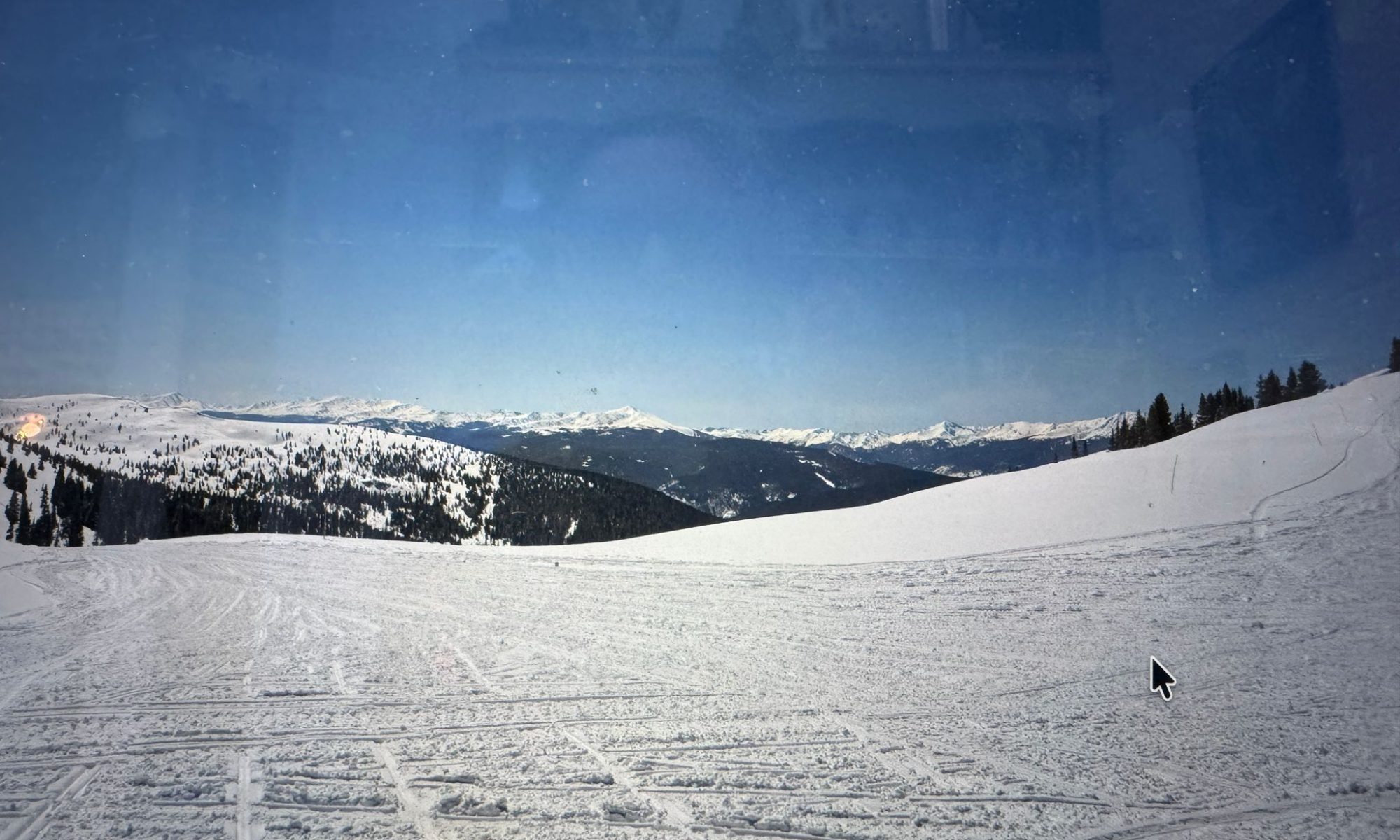
Ptarmigan Pass- Google Maps.

A backcountry avalanche near Ptarmigan Pass in Colorado’s Tenmile Range has claimed the life of a missing person following an overnight search operation.

Rescue teams located the victim on the morning of March 8, 2026, buried in avalanche debris in the Boss Basin area, an upper portion of Resolution Creek south of Ptarmigan Pass.

Authorities have not yet released the identity of the victim.

Search Operation and Discovery

According to the Colorado Avalanche Information Center, the person was reported missing on the evening of March 7.

Multiple agencies responded to the search, including:

  • Summit County Rescue Group
  • Vail Mountain Rescue Group
  • Summit County Sheriff’s Office
  • Eagle County Sheriff’s Office

During the search operation, rescuers identified an avalanche with ski and snowmobile tracks nearby and leading into the slide path.

At sunrise on March 8, the search resumed with aerial support from Flight For Life Colorado.

The missing person was located deceased within the avalanche debris.

Continue reading “Avalanche Fatality Near Ptarmigan Pass, Colorado – Victim Found in Boss Basin Slide”

Why Wet Avalanches Happen in Spring in the Alps

Wet snow avalanche on a sunlit alpine slope during spring thaw in the Alps

As winter transitions toward spring, avalanche conditions in the Alps often change in important ways. While mid-winter avalanches are frequently triggered by new snowfall and wind loading, late-season avalanches are more commonly linked to warming temperatures and melting snow.

These are known as wet avalanches, and they become increasingly common during late winter and spring across Alpine regions.

Understanding how and why wet avalanches form is essential for skiers, mountaineers and anyone travelling in the mountains during the warmer part of the season.


What Is a Wet Avalanche?

A wet avalanche occurs when liquid water weakens the bonds between snow grains, reducing the strength of the snowpack.

Unlike dry slab avalanches — which often break suddenly — wet avalanches typically occur when melting snow becomes heavy and unstable.

Continue reading “Why Wet Avalanches Happen in Spring in the Alps”

Saharan Dust Reaches the Alps as Freezing Levels Rise Above 3000 m

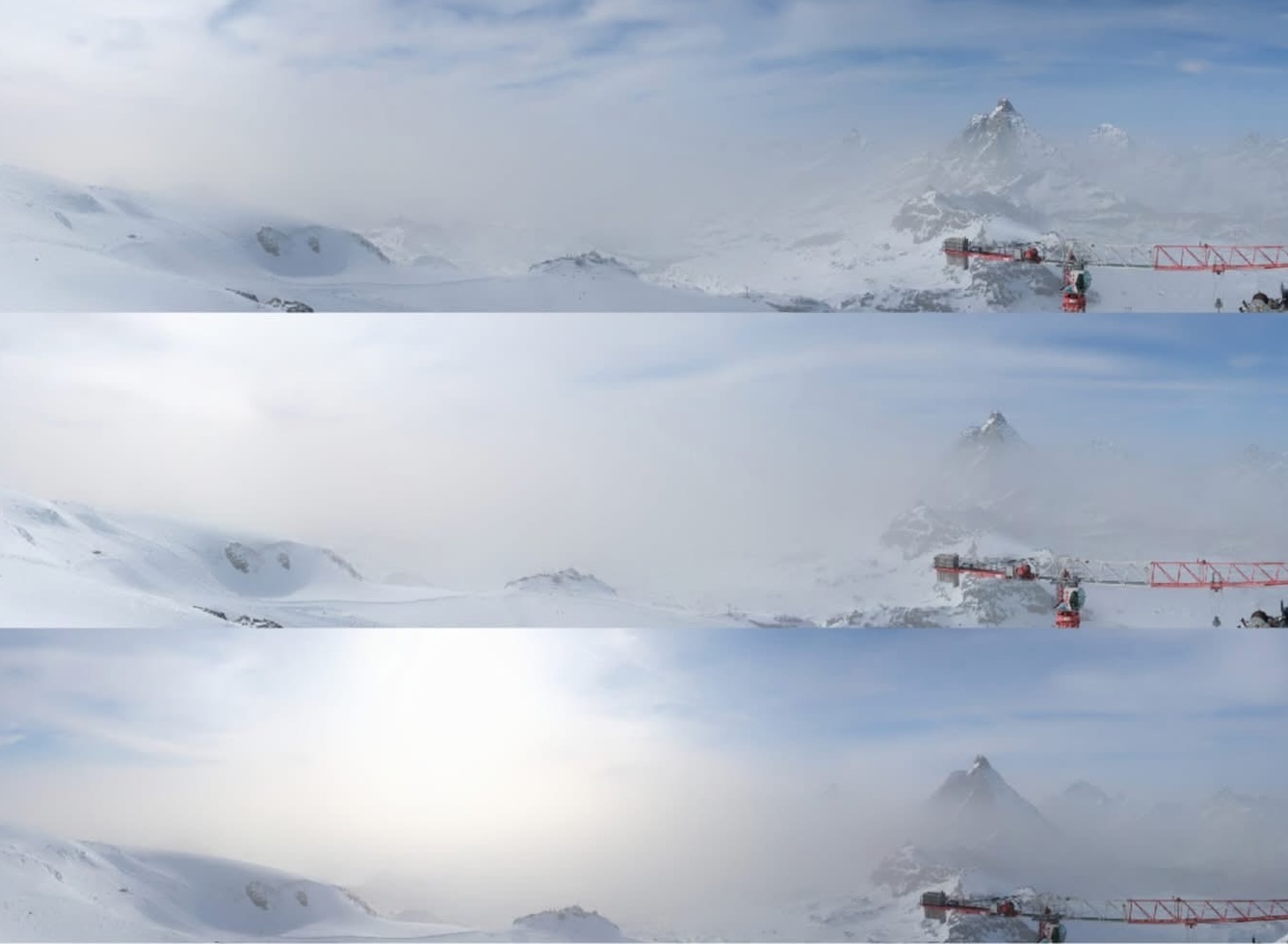
Saharan dust haze visible over the Alps at Piccolo Cervino above Cervinia

A hazy sky observed across parts of the Aosta Valley and the wider Alps in early March has an unusual origin: Saharan dust transported north across the Mediterranean.

Meteorological observations indicate that large quantities of fine sand particles from the Sahara Desert have been carried into Alpine air masses during a prolonged period of high pressure.

Similar Saharan dust events have been documented by atmospheric monitoring services across Europe, including observations from the Copernicus Atmosphere Monitoring Service, which regularly tracks large dust plumes transported from North Africa into the Mediterranean and Alpine regions. These atmospheric events can influence visibility, air quality and — when dust settles on snow surfaces — the evolution of the mountain snowpack.

The result has been a visible veil of haze in the atmosphere and dust deposition on snow surfaces at high altitude, something that can have important consequences for the evolution of the snowpack.

Webcam images from Piccolo Cervino (3883 m), above Breuil-Cervinia, show the progressive increase of dust suspended in the air during the day.

Meteorologists across the region also report exceptionally mild temperatures for the time of year, with freezing levels remaining unusually high for several consecutive days.

These episodes are part of a broader pattern of extreme weather in the Alps, affecting snow quality and melt rates.

Similar patterns are now visible beyond the Alps, where extreme heat has forced early resort closures in North America.

Continue reading “Saharan Dust Reaches the Alps as Freezing Levels Rise Above 3000 m”

Ski Catastrophic Injuries Rise in the U.S. — What European Safety Data Reveals About Real Risks on the Slopes

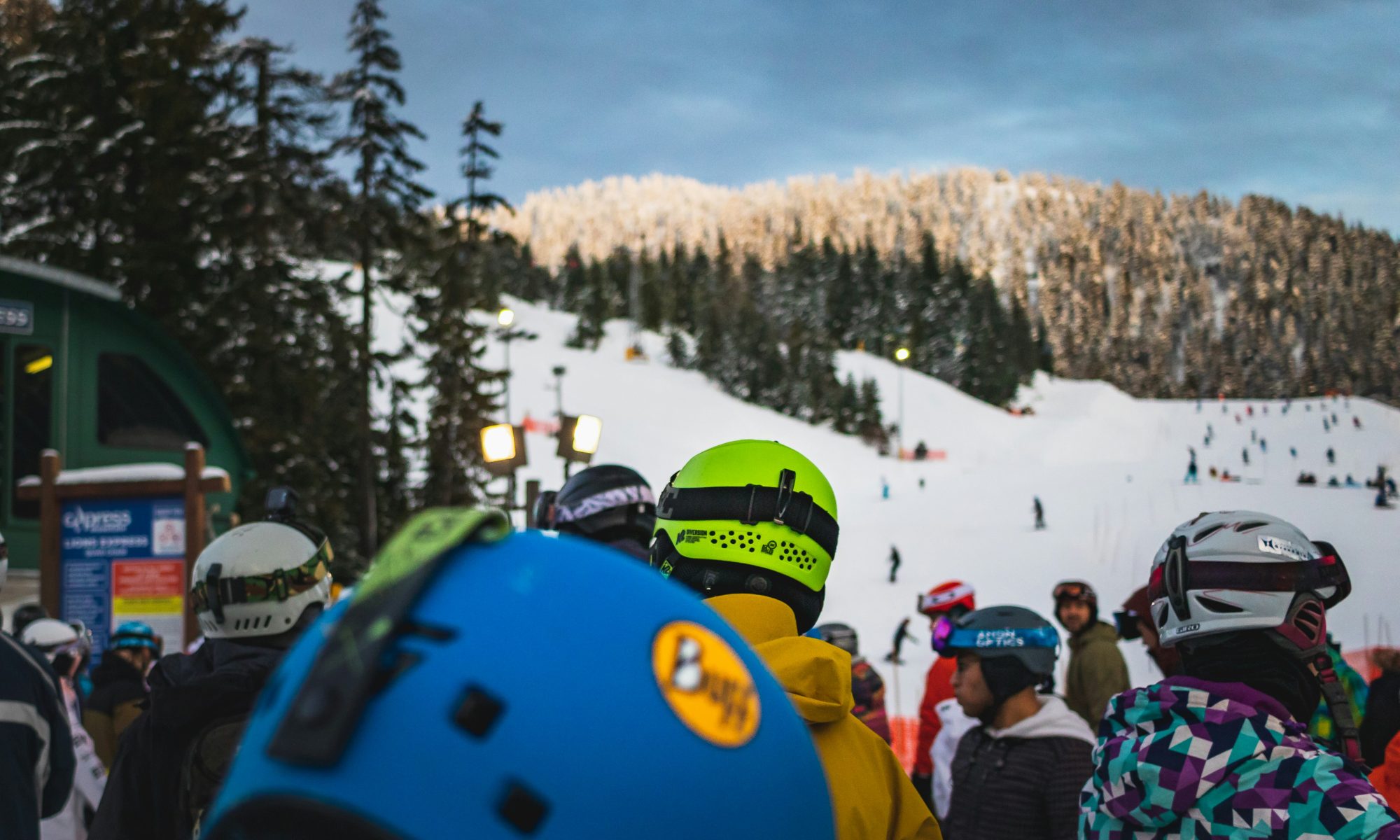
Crowded ski resort piste. Unsplash. Greg Rosenke.

New safety data shows ski catastrophic injuries increased in the United States during the 2024–2025 winter season, prompting renewed discussion about skier behaviour, safety equipment, and the structural pressures facing modern ski areas.

But when these figures are compared with European injury statistics from France, Switzerland, Austria, and Italy, a more complex picture emerges.

Across the Alps, researchers and mountain medical organisations consistently highlight the same factors behind serious ski accidents: speed, collisions, terrain choices, crowding, and human behaviour — far more than helmet usage alone.


Key Ski Safety Statistics

Recent data from North America and Europe provides a clearer picture of the real risks on the slopes.

Continue reading “Ski Catastrophic Injuries Rise in the U.S. — What European Safety Data Reveals About Real Risks on the Slopes”

Telluride Strike: Documents Reveal Resort Had Contingency Plan During Ski Patrol Walkout

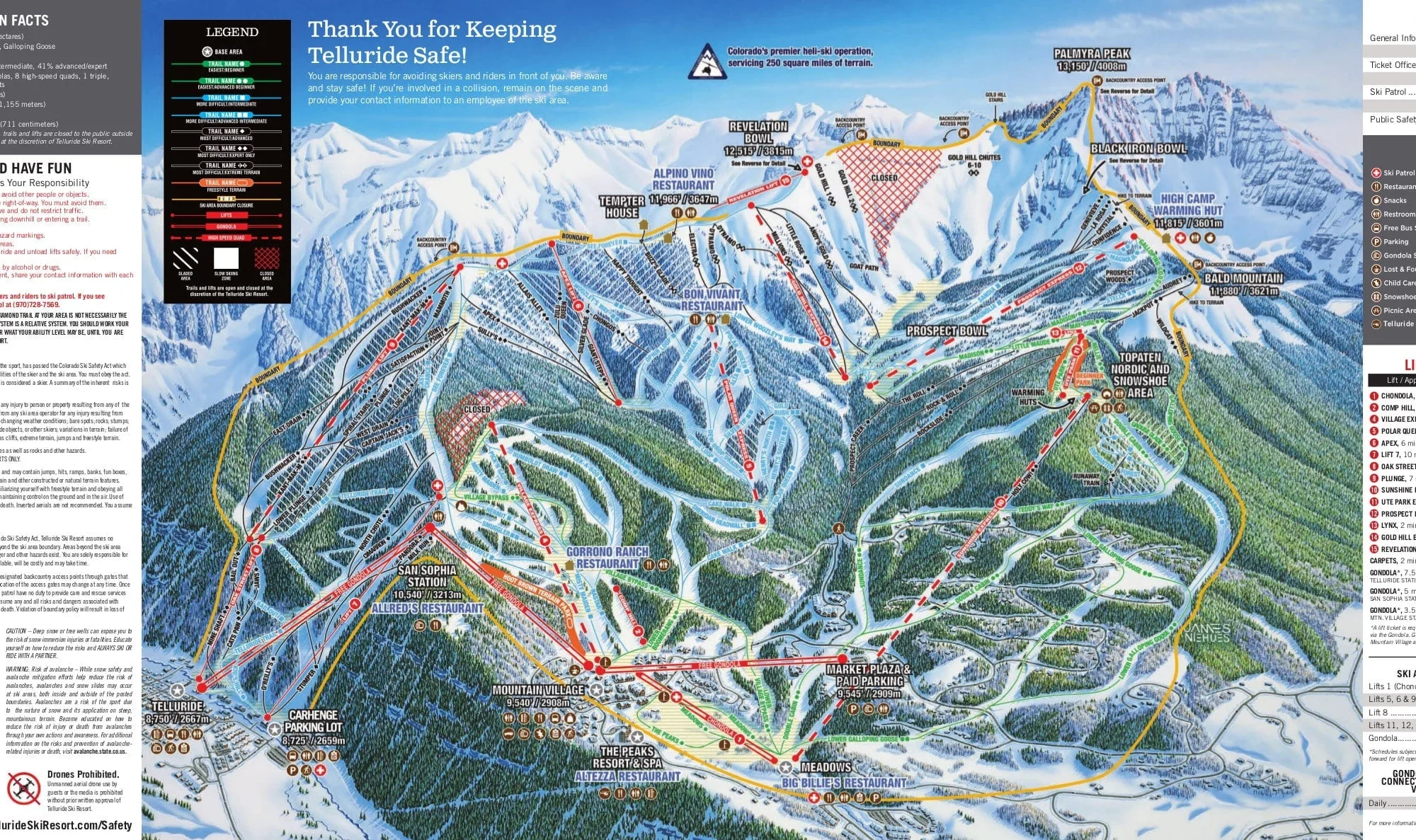
Telluride Ski Map.

Newly released documents suggest that Telluride Ski Resort had secured federal approval for a contingency plan allowing limited operations during the ski patrol strike earlier this season.

The documents, obtained through a public-records request, indicate that the resort could have continued operating a restricted section of the mountain even while the labour dispute was ongoing.

The revelations add a new dimension to the conflict that shook the ski industry during the busy holiday period and exposed deeper tensions between resort management, workers, and the local community in Telluride.

Telluride Resort Conflict – Full Coverage

Related articles:


Federal Approval for Limited Operations

Because the resort operates largely on federal land, operational plans must be approved by the United States Forest Service.

Documents indicate that a contingency plan had been authorised in late December outlining how the resort could operate at limited capacity during a labour disruption.

Continue reading “Telluride Strike: Documents Reveal Resort Had Contingency Plan During Ski Patrol Walkout”

Investment as “Multi-Risk Insurance”: How Ski Resorts Are Reinventing Infrastructure Across the Alps and North America

A chairlift in Grandvalira full of snow. Photo Grandvalira. Grandvalira, Pal Arinsal and Ordino Arcalis have opened thanks to the latest snowstorm.

The global ski industry is entering a new phase of infrastructure investment. Across the Alps and North America, ski resort investment is accelerating as operators modernise lifts, expand snowmaking systems and adopt new digital technologies.

While modernisation has always been part of the ski resort business model, the nature of investment is changing. Resorts are no longer investing solely to improve comfort or capacity. Increasingly, infrastructure spending is designed to manage a combination of risks: climate variability, visitor flow management, regulatory pressure and rising operating costs.

In France, where investment data is closely monitored through an industry barometer conducted by Montagne Leaders in partnership with Atout France and Domaines Skiables de France (DSF), ski areas invested €555 million in 2025, roughly 32% of pre-tax turnover. This level of reinvestment is significantly above the long-term average and illustrates the structural importance of infrastructure investment in mountain economies.

Across the Alpine region and North America, similar patterns are emerging.

Continue reading “Investment as “Multi-Risk Insurance”: How Ski Resorts Are Reinventing Infrastructure Across the Alps and North America”

Cervinia–Monterosa Ski Link Through Cime Bianche: Project Details Revive Alpine Debate

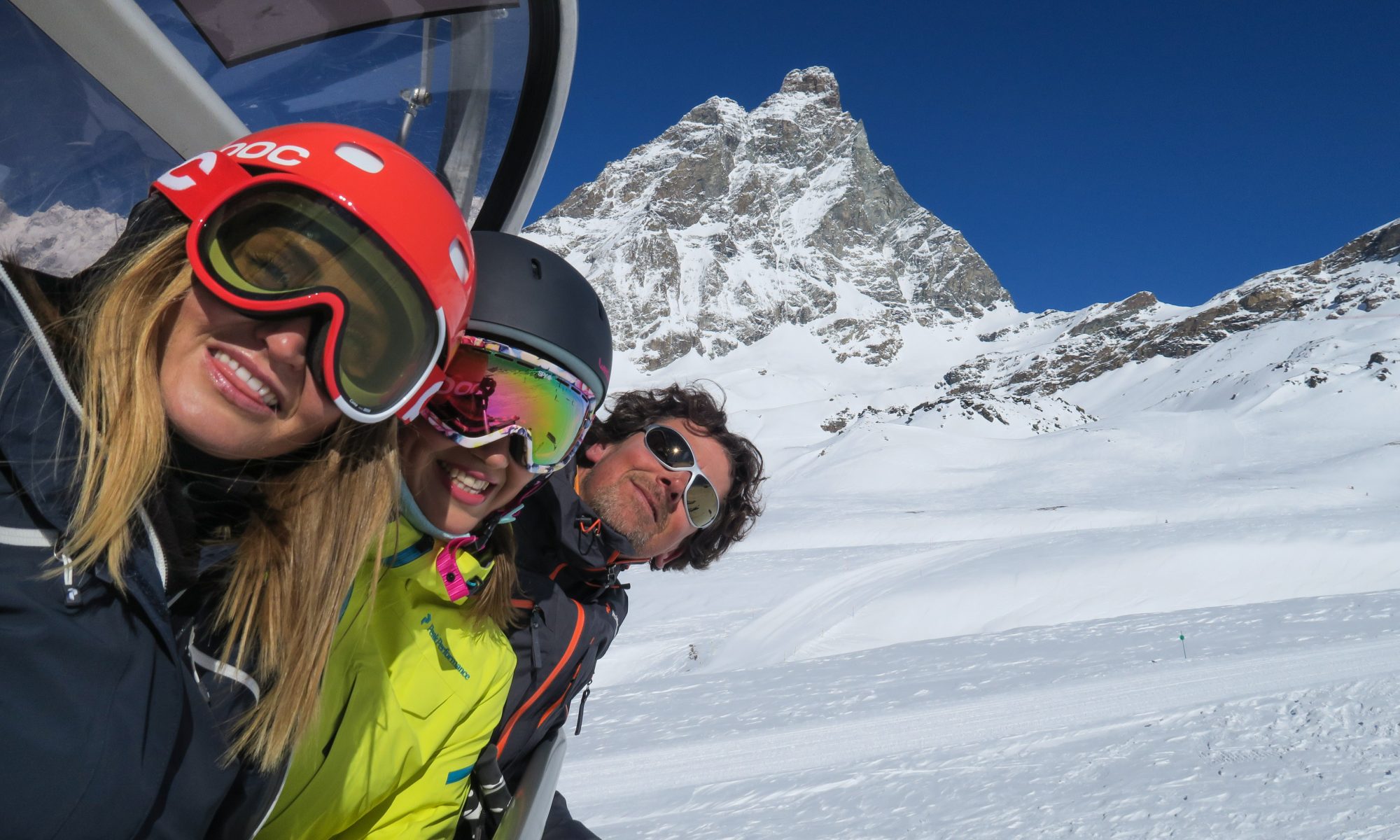
Skiers in the chairlift in Breuil Cervinia. Photo: Enrico Romanzi. Cervino Ski Paradise. Cervinia–Monterosa Ski Link Through Cime Bianche: Project Details Revive Alpine Debate.

A long-debated proposal to connect the ski areas of Cervinia–Valtournenche and Monterosa Ski (Val d’Ayas) through the Vallone delle Cime Bianche has returned to the spotlight, after new technical details about the potential infrastructure emerged in local media.

The project, commonly referred to as the Cime Bianche ski link, would connect two major ski domains in the western Alps and could create one of the largest interconnected ski areas in Europe.

If realised, the project would create a connection between two of the largest ski domains in the western Alps, potentially forming one of the biggest interconnected ski areas in Europe.

The proposal has existed for years, but the latest discussions highlight how the idea continues to shape the debate about the future of ski infrastructure in the Aosta Valley.

Continue reading “Cervinia–Monterosa Ski Link Through Cime Bianche: Project Details Revive Alpine Debate”

Milano–Cortina 2026 Paralympics: The Alpine Infrastructure Test Behind the Competition

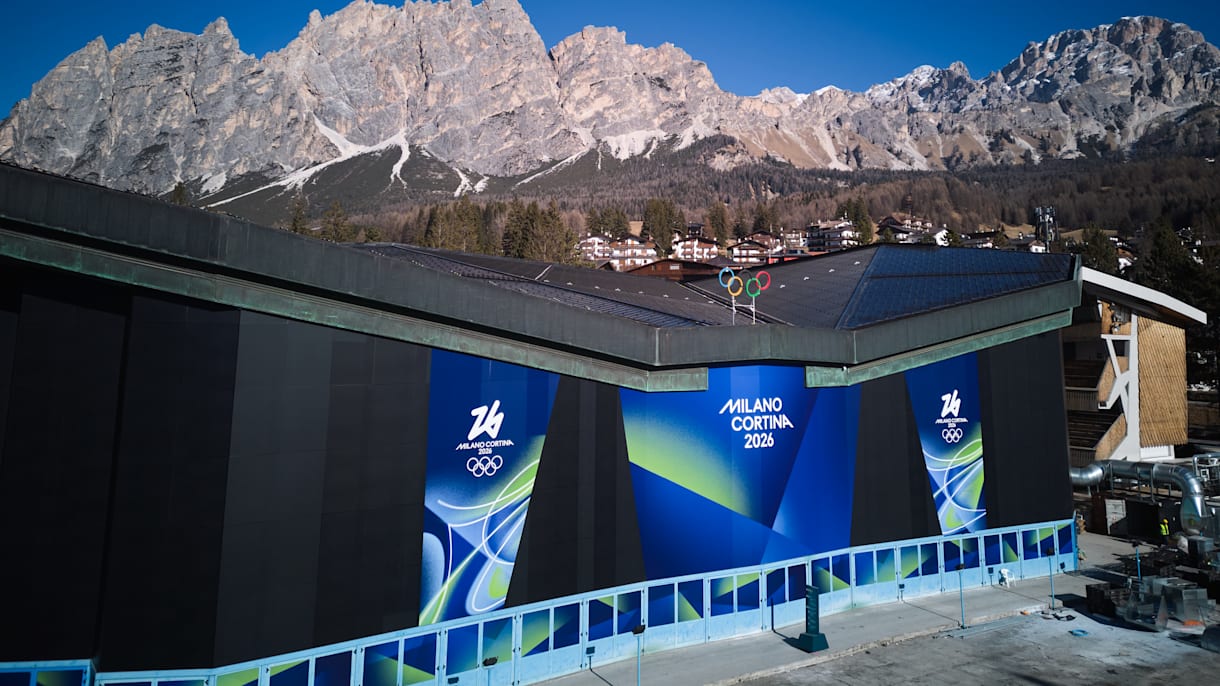
Milano Cortina Paralympics photo.

By The-Ski-Guru | March 2026

When the Paralympic Winter Games arrive in Italy, coverage will rightly focus on athletes and competition.

Yet in alpine terrain, another test unfolds quietly in parallel.

Hosting the Milano Cortina 2026 Winter Paralympics is not simply about staging races. It is a large-scale assessment of whether mountain infrastructure in the Alps — developed over decades around traditional ski tourism — can operate effectively, safely and inclusively under different mobility realities.

Unlike indoor arenas or urban venues, alpine resorts function within environmental constraints. Snow conditions evolve daily. Wind affects lift systems. Roads narrow under winter pressure. Vertical circulation is inherent, not optional.

Accessibility here is not a design layer added at the end. It interacts with terrain itself.

Continue reading “Milano–Cortina 2026 Paralympics: The Alpine Infrastructure Test Behind the Competition”

Is Global Ski Consolidation Reshaping Europe’s Alpine Model?

Piste at Brides-les-Bains-Les-Trois-Vallées domain. Photo courtesy of Brides-les-Bains Tourism Office.

Introduction

Global ski consolidation in Europe is entering a new structural phase.

In a recent Wall Street Journal interview, Rob Katz of Vail Resorts outlined the long-term logic behind scale: diversified geography, predictable pass revenue, and integrated destination networks under the Epic Pass model.

But Europe is not North America.

As consolidation expands through Epic, the Ikon Pass operated by Alterra Mountain Company, and the partnership-driven Indy Pass, the question is no longer whether integration is happening.

The question is whether Europe’s Alpine economic, governance and experiential model is being reshaped by it.

Continue reading “Is Global Ski Consolidation Reshaping Europe’s Alpine Model?”