

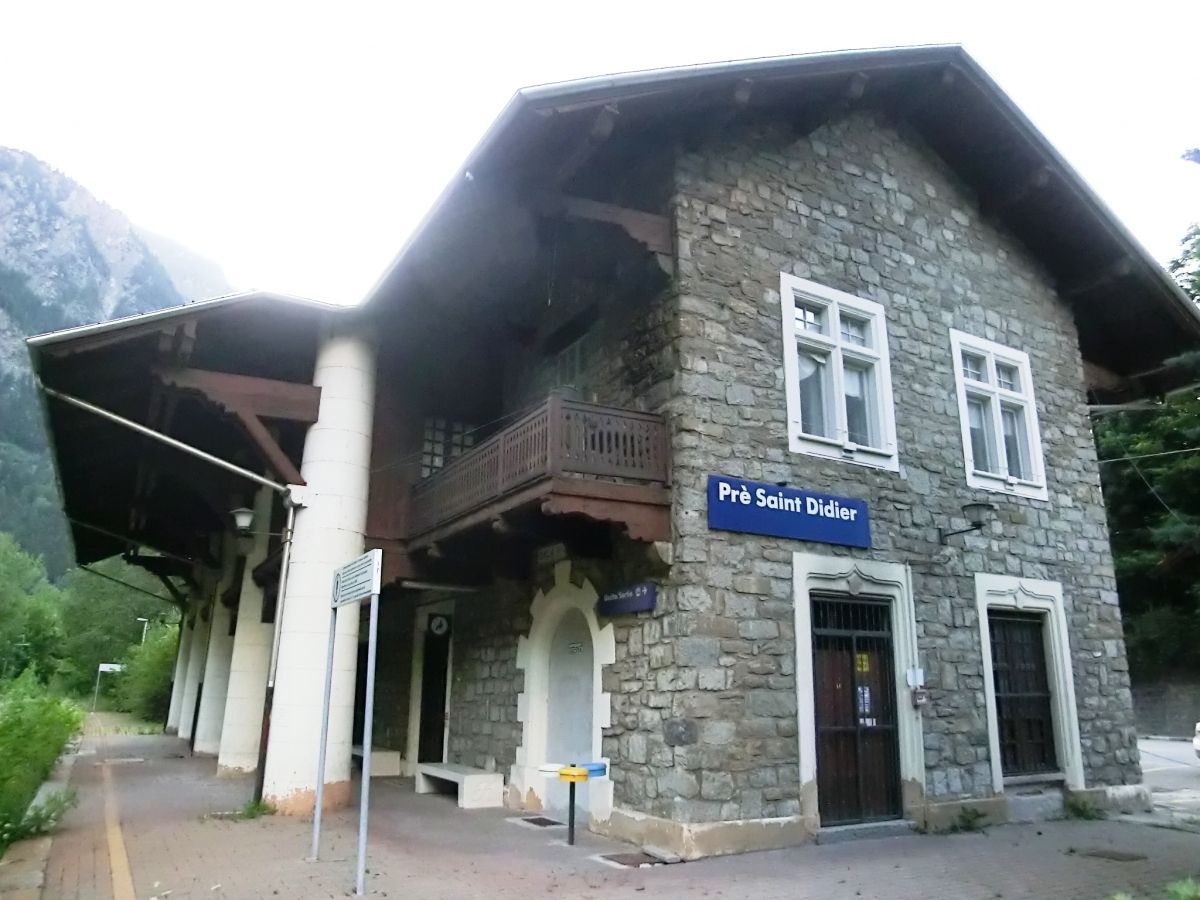
The long-closed Aosta–Pré-Saint-Didier railway may be back in the spotlight after a private “Swiss” proposal suggested reactivating the line with ultra-light panoramic trains and a concession-style operating model.
The 31 km line (serving communities between Aosta and Pré-Saint-Didier, close to Courmayeur) has been suspended since late 2015 and remains owned by Rete Ferroviaria Italiana (RFI), with the Region signalling interest in acquiring the infrastructure to regain local control.
What is the “Swiss solution” being talked about?
According to rail-industry reporting, the initiative was presented by architect Fernando De Simone on behalf of the Swiss company Intamin Transportation. The idea is to relaunch services using lighter, slower, panoramic trains, designed to reduce stress on an infrastructure that would struggle with heavier rolling stock.
- Ultra-light panoramic trains: around 120 seats, with a reported mass of roughly 35 tonnes.
- Speed capped: the proposal references a maximum of about 60 km/h.
- Flexible propulsion: the concept includes diesel/electric/gas options, with potential future conversion.
- “Light touch” infrastructure approach: limiting major structural works as much as possible (the biggest “hinge” is political authorization for a private operating model on the line).
In the summary circulating among rail observers, the proposal was sent in a letter dated 11 January to Renzo Testolin and Luigi Bertschy.
Important context: this is a proposal, not an approved project, and it would still need technical, regulatory, and financial scrutiny.
The proposed operating model (in plain English)
- Private operator runs trains under a multi-year concession.
- The operator pays a per-kilometre track access charge (“toll”) to use the infrastructure.
- The Region’s role would be mainly coordination/mediation with existing rail stakeholders and providing operational space in the Aosta area (e.g., stabling/parking).
Why the timing matters now
The debate returns as the Valle d’Aosta rail network is in a wider transition phase. Industry reporting notes that electrification works are underway on the Chivasso–Ivrea–Aosta line, funded through Italy’s PNRR programme, which could improve rail connectivity into the region overall.
Local media have also highlighted renewed public pressure to reopen the Aosta–Pré-Saint-Didier line: a petition launched on Change.org argues the line has significant mobility and tourism potential and points to Switzerland as a model for maintaining mountain railways.
- For residents: a potential alternative to road congestion in peak periods.
- For visitors: a scenic, lower-impact way to reach the upper valley.
- For the region: a chance to reframe the line as a strategic mobility corridor rather than a “forgotten” asset.
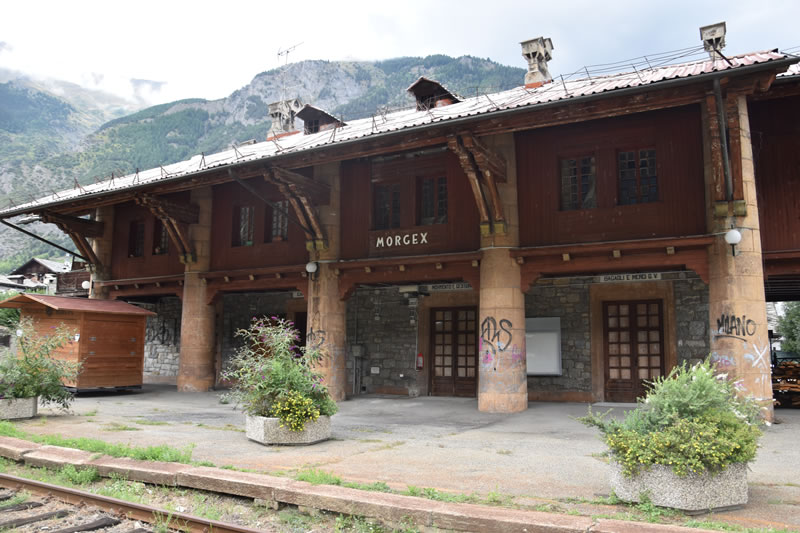
For practical travel planning while rail discussions continue, see our detailed guides to Courmayeur and Morgex, with local transport tips, access options and things to do in the area.
What happens next?
Any real reactivation would likely require (at minimum):
- Clear governance: who owns and manages the infrastructure (RFI vs regional acquisition).
- Technical due diligence: condition of track, tunnels, stations, and required safety upgrades after years of inactivity.
- Operational plan: timetable, staffing, integration with buses, parking, and tourist flows.
- Business case: realistic ridership and funding (public service vs tourist-oriented vs hybrid model).
For now, the “Swiss solution” is best seen as one more concrete idea entering a debate that has been mostly stalled for a decade — but it has put the Aosta–Pré-Saint-Didier line back on the agenda.
For deeper historical context on why the Aosta–Pré-Saint-Didier railway has been closed since 2015 and how local media have covered it, see the full background in our Aosta–Pré-Saint-Didier railway: 10 years of closure article.
Further reading
- Rail-industry summary of the Swiss/Intamin proposal
- AostaSera: petition calling for reopening (background + region’s stated intentions)
- Valledaostaglocal.it: ten years closed, petition and policy discussion
- Railway Gazette: wider Valle d’Aosta rail electrification context
 Planning your next trip to the Italian Alps?
 Planning your next trip to the Italian Alps?
If you’re heading to the Aosta Valley, take a look at Il Cuore della Valdigne, our family-owned apartment in Morgex, available for rent when we’re not using it ourselves.
It’s an ideal base to:
 Ski in Courmayeur,
 Enjoy the mountains in summer (hiking, biking, nature)
Check my Mountain Art on my Shop
You can go to my shop and see what have been inspiring me lately, lots mountain landscapes in soft pastels, and now in oils too. Go here to check my latest works!

Featured Image: Pré-St-Didier old train station. Copyright:Structurae.net. Swiss “Ultra-Light” Trains Proposed for the Aosta–Pré-Saint-Didier Railway.


Discover more from The-Ski-Guru
Subscribe to get the latest posts sent to your email.
 Subscribe to The-Ski-Guru here.
You must be logged in to post a comment.