


Heavy Snowfall Forecast: What Travellers Need to Know
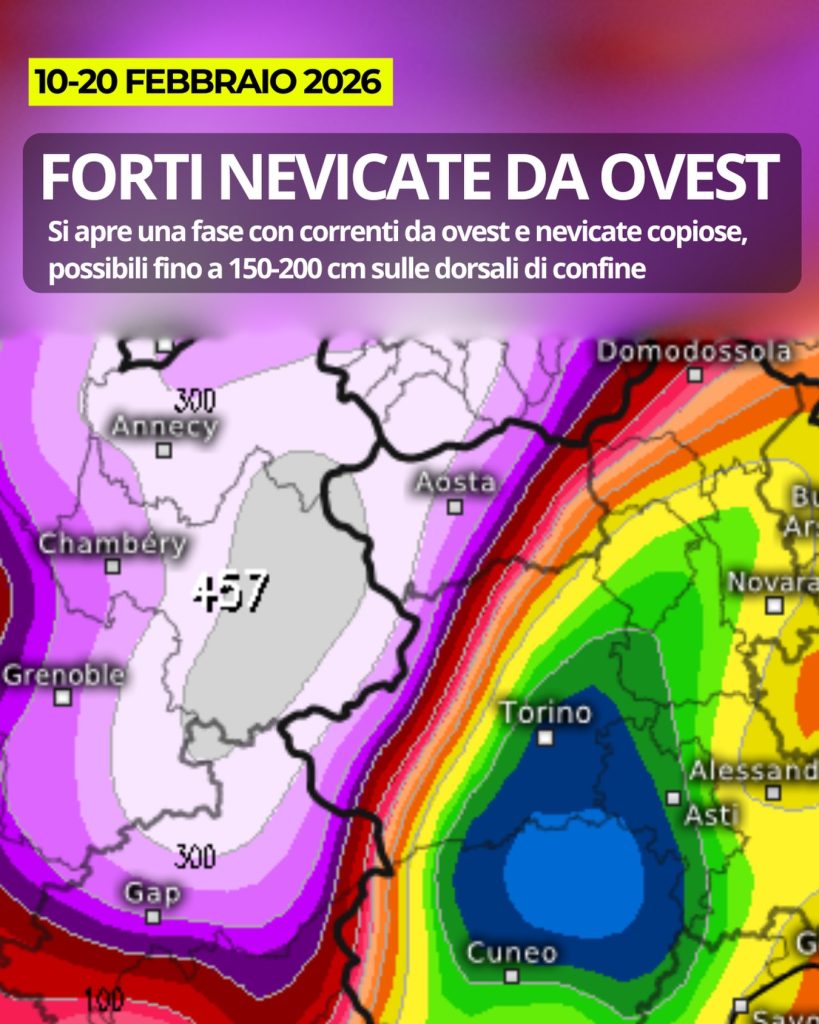
A new period of intense snowfall is forecast across large parts of the Alps, with rapidly changing road conditions, reduced visibility, and an increased risk of closures on mountain routes.
If you’re planning in driving to the mountains over the coming days, this is not a routine winter situation. Even well-maintained alpine roads can become hazardous quickly when snowfall intensifies.
Below is a real-time example of the kind of conditions drivers may face.
Current Conditions on the Ground
This image shows how quickly snowfall can overwhelm roads, visibility, and traction — even before ploughing operations can fully keep up.
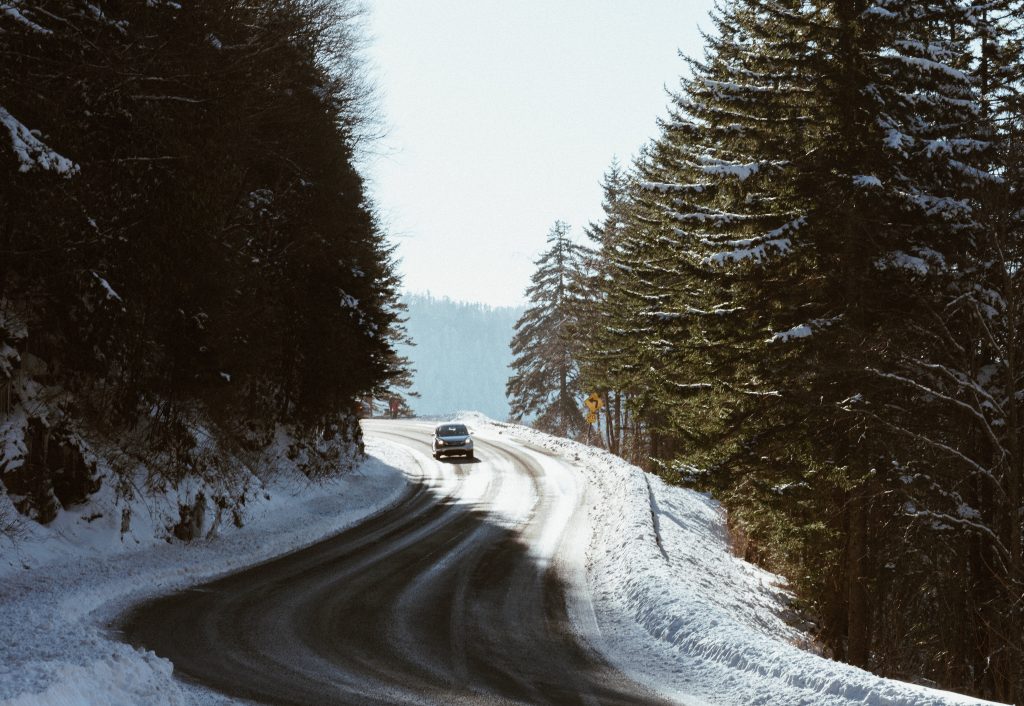
Why Driving Becomes Risky During Heavy Snowfalls
During strong snow events, the main risks are not just snow accumulation but:
- ❄️ Rapid loss of traction, even on winter tyres
- 🌬 White-out conditions due to wind and snowfall
- 🚧 Sudden road closures or traffic being stopped mid-route
- ⛓ Mandatory snow chains enforced without warning
- 🚑 Delayed emergency response times
Mountain roads can deteriorate within minutes, especially on passes, shaded valleys, and less-travelled access roads.
Before You Drive: Essential Checks
If travel is unavoidable, make sure you have:
Winter tyres in good condition (not just “M+S” but appropriate tread depth)
Snow chains that fit your vehicle (and you know how to use them)
A full fuel tank or EV charge buffer
Warm clothing, water, and food in case of delays
Updated weather and road information right before departure
In many Alpine regions, winter tyres and snow chains are essential in these conditions, and requirements may be enforced without warning.
Avoid night driving if possible — snowfall and freezing temperatures significantly increase risk after dark.
On the Road: Adjust Your Expectations
- Drive much slower than usual — arrival time is secondary to safety
- Increase following distances dramatically
- Avoid sudden braking or acceleration
- Be prepared to turn back or stop if conditions worsen
- If authorities restrict access, do not try to push through
Getting stuck on a mountain road during a snowstorm is not just inconvenient — it can become dangerous very quickly.
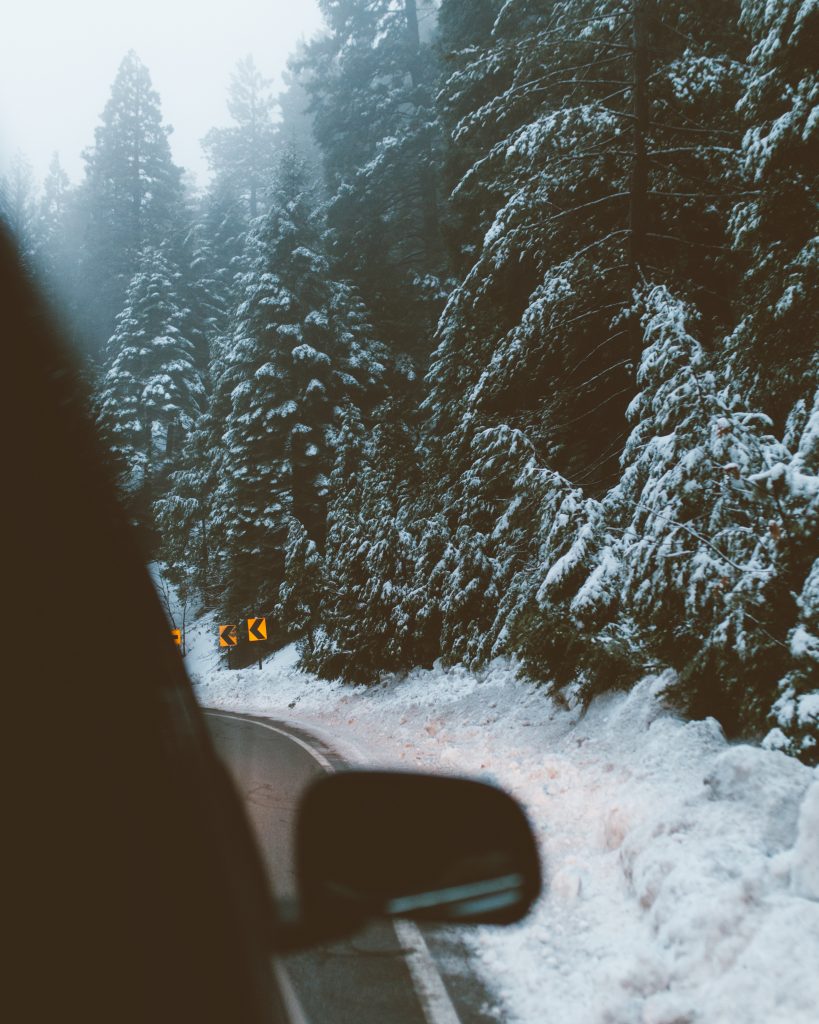
Bigger Picture: Snow, Wind & Avalanche Risk
Heavy snowfall often comes with wind loading, which increases avalanche danger both on and above roads. Even valley routes can be affected by avalanche control operations or temporary closures.
Avalanche Safety – Read Before Skiing Off-Piste
Heavy snowfall often comes with wind loading, which increases avalanche danger both on and above roads. Avalanche risk often rises rapidly after heavy snowfall and wind, and this can lead to road closures, controlled releases, or sudden travel restrictions even at valley level.

Final Thought
Snowfall like this is beautiful — but it demands respect.
If you’re heading to the mountains in the coming days, plan conservatively, stay informed, and be ready to delay or adapt your journey. No ski day or check-in time is worth taking unnecessary risks on the road.
 Planning your next trip to the Italian Alps?
 Planning your next trip to the Italian Alps?
If you’re heading to the Aosta Valley, take a look at Il Cuore della Valdigne, our family-owned apartment in Morgex, available for rent when we’re not using it ourselves.
It’s an ideal base to:
- Ski in Courmayeur, La Thuile and Pila
- Enjoy the mountains in summer (hiking, biking, nature)
- Explore the Mont Blanc valley in a quieter, more authentic setting.
 Ski in Courmayeur,
 Enjoy the mountains in summer (hiking, biking, nature)
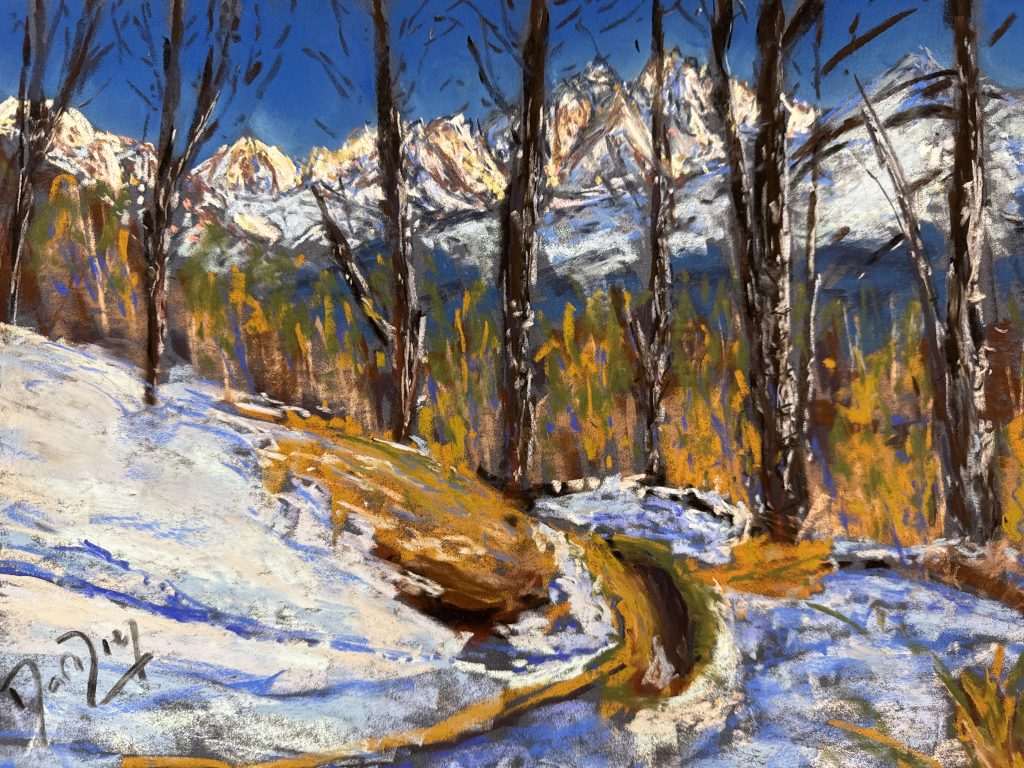
Check my Mountain Art on my Shop
You can go to my shop and see what have been inspiring me lately, lots mountain landscapes in soft pastels, and now in oils too. Go here to check my latest works!
Featured Image: Driving with snow- check if you need snow tyres and/or snow chains. Photo Adrian- Unsplash. Strong Snowfall Incoming: Driving to the Mountains in Severe Winter Conditions.


Discover more from The-Ski-Guru
Subscribe to get the latest posts sent to your email.
 Subscribe to The-Ski-Guru here.
You must be logged in to post a comment.