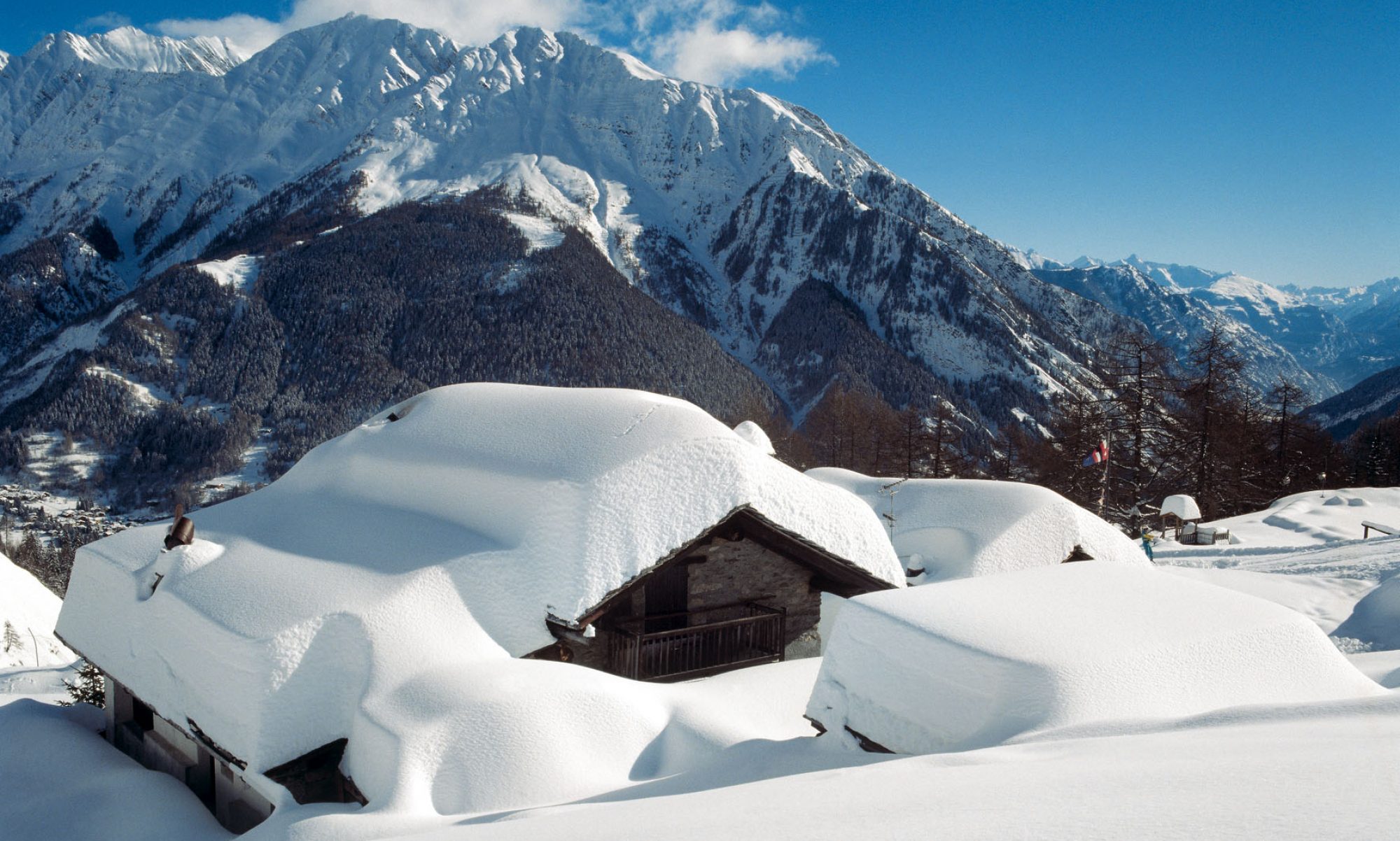


Australia’s ski season 2026 has opened with the kind of image every resort wants: fresh snow before the long weekend, lifts preparing to turn, and skiers watching the webcams.
But behind the optimistic opening-weekend story is a more complicated reality. Australia’s ski industry is becoming increasingly dependent on snowmaking, not only as a back-up tool, but as a core part of its operating model.
The 2026 season began with reported snowfalls of around 20 cm to 40 cm across parts of the Victorian and New South Wales alpine regions, just in time for the official start of the winter season. Resorts including Thredbo, Perisher, Falls Creek and Hotham reported strong early interest, helped by cold conditions and opening-weekend activity.
That is the good news.
The less comfortable news is that Australia’s longer-term snow outlook remains fragile. Meteorologists and climate scientists have warned that a developing El Niño pattern could bring warmer and drier conditions to parts of Australia during winter 2026.
This is where the regional difference matters. El Niño can mean very different things depending on where you are. In the central Andes, El Niño years are often associated with stronger Pacific storm tracks and can bring big snow seasons to resorts in Chile and Argentina. In Australia, however, the signal is usually less favourable. The Bureau of Meteorology explains that during El Niño, rainfall is usually below average across eastern Australia, meaning less snowfall for the Australian Alps, while daytime temperatures are often warmer.
So Australian El Niño risk should not be confused with the El Niño snow signal familiar to many South American skiers.
For ski resorts, that creates a familiar tension: the marketing story is about fresh snow and opening weekend. The business story is about how much of the season can be protected when natural snowfall becomes less reliable.
Snowmaking is no longer just insurance
Snowmaking has always been important in Australia because the ski areas are relatively low by international standards and sit in a climate where rain, wind and temperature swings can quickly damage the snowpack.
But the role of snowmaking is changing. It is no longer simply there to top up thin patches or rescue a poor week. It is increasingly the foundation that allows resorts to open beginner terrain, protect key access routes, support lessons and maintain confidence for guests who book ahead.
That matters because Australia is a high-cost ski market. Families often travel long distances from Sydney, Melbourne, Canberra or regional centres. Accommodation, fuel, lift tickets, rentals, lessons and food add up quickly. When a trip is expensive, guests need confidence that there will be enough skiable terrain to justify the spend.
This is where snowmaking becomes a travel-trade issue, not just an operations issue. Tour operators, accommodation providers, ski schools and resort towns all depend on the resort being able to offer a minimum reliable product, even when natural snow is late, patchy or interrupted by rain.
For more on how resorts are trying to protect winter demand, see how ski resorts are adapting to climate and demand pressure, Mountain Tourism Trends: What the Industry Is Watching in 2026, and the future of lower-elevation ski resorts. Also you can read about how fast can ski resorts build a base when nature fails.
The Australian model: protect the beginner product first
One of the most important things to watch in Australia is where snowmaking investment is focused.
The strongest commercial logic is often around beginner and lower-intermediate terrain. Beginners do not need huge vertical. They need enough snow, enough space, good instruction, easy rentals and a positive first experience. If that first experience fails, the industry may lose a future skier.
This is why Vail Resorts’ Australian strategy is worth watching. Across Perisher, Falls Creek and Hotham, the company has been pushing beginner-oriented products such as the Epic Beginner Bundle, which includes three days of beginner lift access, group lessons and rental equipment for adult learners.
That is not just a resort product story. It is a customer-acquisition story.
Australia’s ski industry cannot rely only on experienced skiers who already love the sport. It needs to keep bringing in new participants, especially families and younger skiers. Snowmaking helps protect that first-timer pipeline because beginner lessons are often the first product to be affected when early-season cover is poor.
In this sense, snowmaking is not only a climate-adaptation tool. It is a participation tool.
The climate numbers are difficult
The long-term climate picture is more sobering.
Research highlighted by the Australian National University found that the average ski season across Australian resorts could be 44 days shorter by 2050 under a mid-emissions scenario, and 55 days shorter under a high-emissions scenario.
That does not mean every season will be bad. Australia can still have strong storms, good cold snaps and memorable powder days. But the trend points toward shorter windows, more volatility and greater pressure on the lower parts of the resorts.
That is the key distinction. Climate change does not remove snow evenly. It changes the reliability of the season. It can mean more rain-on-snow events, fewer consistently cold windows for snowmaking, thinner natural bases and more pressure on resort operations to make the most of short cold periods.
The Guardian reported that scientists and forecasters are warning of a potentially warmer and drier 2026 season, with possible rain events that can quickly damage snow cover. It also noted that snowmaking becomes less effective as temperatures rise.
That is the limit of snowmaking. It can help when conditions are marginal but still cold enough. It cannot solve a warming climate on its own.
Snowmaking buys time, not certainty
The danger for ski resorts is to present snowmaking as a complete answer. It is not.
Snowmaking requires cold enough temperatures, water, energy, infrastructure, staff and suitable terrain. It is also expensive. As the natural snowline rises or cold windows become shorter, resorts may need to make more snow in less time, using more efficient but still capital-intensive systems.
This is why the Australian case is relevant beyond Australia. Resorts in the Alps, the Pyrenees, the Rockies and parts of Japan face the same question, even if the local climate and altitude are different: how much can technology protect the ski product, and where does the business model need to change?
Australia gives a concentrated version of that debate because the ski areas are relatively exposed. The season is short, the market is expensive, the terrain is limited, and the industry depends heavily on school holidays and weekend travel.
When the snow is good, demand can be strong. When the snow is uncertain, the risk is immediate.
The resort economy is already diversifying
Australian resorts know this. That is why the future is not only about more snow guns.
Resorts are also investing in summer and non-ski activities, including mountain biking, events, walking, alpine coasters and broader mountain tourism. This mirrors what is happening across the Alps and North America, where ski resorts are increasingly trying to become year-round destinations rather than winter-only businesses.
But Australia’s challenge is sharper because snow remains the emotional and economic centre of the alpine winter. Summer diversification helps, but it does not fully replace the winter revenue, winter jobs or winter identity of these mountain towns.
That is why the 2026 opening weekend matters. It is not only a seasonal update. It is a glimpse of the industry’s future: fresh snow when it comes, snowmaking whenever conditions allow, and a constant need to reassure guests that the trip is still worth booking.
What the travel trade should watch
For tour operators, agents and international observers, Australia’s ski season 2026 is worth watching for three reasons.
First, it will show how well resorts can convert a snowy opening into sustained visitor confidence if the season becomes warmer or more variable later on.
Second, it will test whether beginner packages and snowmaking-protected terrain can keep new skiers entering the sport, even when the natural snow story is uncertain.
Third, it will show how climate adaptation is becoming part of the product itself. Guests are no longer just buying a lift ticket. They are buying operational resilience: snowmaking, grooming, flexible passes, reliable beginner zones, events and alternative activities if the weather does not cooperate.
That is the bigger story. Australia’s ski industry is not giving up on winter. It is adapting hard to keep winter viable.
But the adaptation is becoming more expensive, more technical and more dependent on short weather windows. Snowmaking can protect the start of a season, support beginner terrain and help resorts survive difficult spells. It cannot remove the underlying climate risk.
Australia’s 2026 ski season may have opened white. The question is how much of the winter can stay that way.
Sources
The Guardian reported on the opening of Australia’s 2026 ski season, fresh snowfalls across the alpine resorts, strong early interest and the growing role of snowmaking.
https://www.theguardian.com/australia-news/2026/jun/06/australian-snow-season-begins-thredbo-perisher-falls-creek-hotham-el-nino-fears
The Guardian also reported on the warmer and drier seasonal risks, possible El Niño influence, rain-on-snow concerns and the limits of snowmaking as temperatures rise.
https://www.theguardian.com/australia-news/2026/jun/05/australia-ski-season-snow-climate-change-el-nino-impact
The Bureau of Meteorology explains how climate drivers affect Australia’s snow season, including why El Niño is usually less favourable for snowfall in the Australian Alps.
https://media.bom.gov.au/social/blog/2749/how-climate-drivers-affect-australias-snow-season/
The Bureau of Meteorology’s snow-forecast guidance explains what to look for in Australian winter snow forecasts.
https://www.bom.gov.au/news-and-media/what-to-look-for-in-snow-forecasts-this-winter
The Australian National University reported that Australia’s average ski season could be 44 days shorter by 2050 under a mid-emissions scenario and 55 days shorter under a high-emissions scenario.
https://www.anu.edu.au/news/all-news/climate-crisis-puts-australias-ski-industry-on-slippery-slope-but-not-all-hope-is-lost
Protect Our Winters Australia’s alpine tourism report gives the underlying climate-risk figures for shorter Australian ski seasons.
https://protectourwinters.org.au/wp-content/uploads/2024/06/Independent_report_Section2.pdf
Mt Hotham / Vail Resorts announced the Epic Beginner Bundle for adult learners across Perisher, Falls Creek and Hotham.
https://www.mthotham.com.au/news/2026/vail-resorts-announces-new-epic-beginner-bundle-designed-to-help-adult-learners-become-lifelong-skiers-and-boarders
Epic Australia Pass details the 2026 Epic Beginner Bundle, including beginner lift access, lessons and rentals.
https://www.epicaustraliapass.com.au/passes/epic-beginner-bundle
 Planning your next trip to the Italian Alps?
 Planning your next trip to the Italian Alps?
If you’re heading to the Aosta Valley, take a look at Il Cuore della Valdigne, our family-owned apartment in Morgex, available for rent when we’re not using it ourselves.
It’s an ideal base to:
- Ski in Courmayeur, La Thuile and Pila
- Enjoy the mountains in summer (hiking, biking, nature)
- Explore the Mont Blanc valley in a quieter, more authentic setting.
Check my Mountain Art on my Shop
You can go to my shop and see what have been inspiring me lately, lots mountain landscapes in soft pastels, and now in oils too. Go here to check my latest works!
Featured Image: Threbdo webcam- Sat 6th June. Kosciuszo Track – Eagles Nest. Ski.com.au


Discover more from The-Ski-Guru
Subscribe to get the latest posts sent to your email.
 Subscribe to The-Ski-Guru here.