

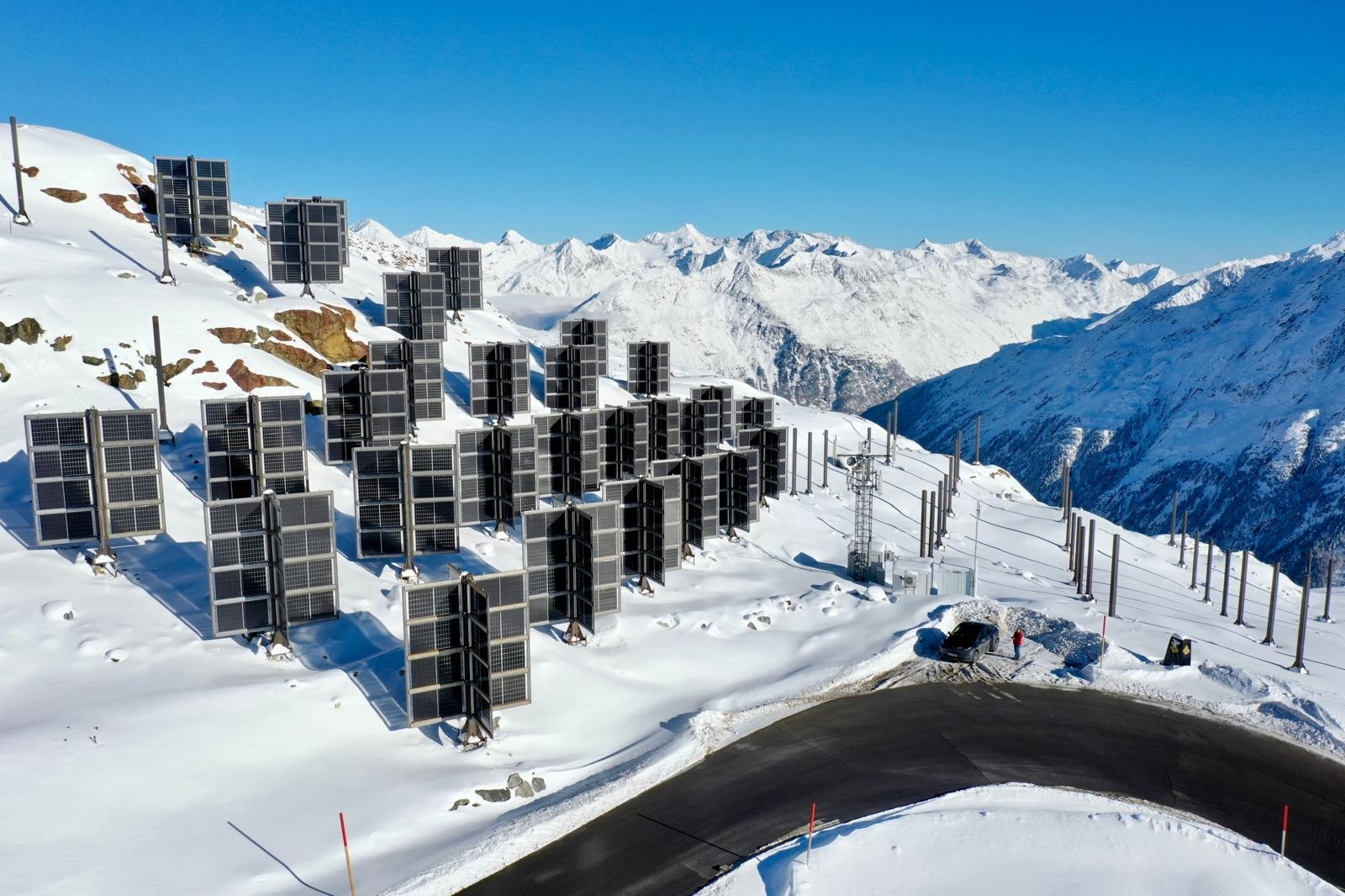
Unusual, tree-like solar structures in Sölden are part of a project designed to generate electricity where the Austrian ski resort uses it: high on the mountain.
The HELIOPLANT installation in the Tiefenbach Glacier area uses vertically mounted, cross-shaped solar arrays designed for snowy alpine conditions. Its expansion could supply a substantial share of Bergbahnen Sölden’s electricity needs, helping power the infrastructure behind a day on the slopes.
However, the project’s operating history and its forecasts need to be distinguished. Solar generation has already been demonstrated at the pilot installation, while the full development’s capacity and contribution to the resort’s electricity supply remain figures announced by the companies involved.
How Solar Trees Work in the Snow
Snow can interrupt solar production when it covers conventional panels. HELIOPLANT tackles that problem with four upright wings arranged around a central mast.
According to the developers, the cross-shaped structure creates air turbulence that helps prevent snow from accumulating around the modules. The panels are also bifacial, meaning they can generate electricity from light reaching either side, including sunlight reflected by the surrounding snow.
SolarEdge, which supplies the project’s inverters and power optimisers, says the design also creates a challenge: parts of each structure can shade other panels. Its equipment allows individual modules to operate independently, reducing the effect that a shaded panel has on the others.
How This Can Make Sölden’s Electricity Supply Greener
The main benefit is the opportunity to replace some electricity purchased from the grid with renewable electricity generated within the ski area.
Ski resorts need electricity for cable cars, chairlifts, mountain restaurants and snowmaking equipment. Producing solar power close to these facilities can therefore connect renewable generation directly with substantial local demand.
The Sölden project includes a connection to the operator’s internal medium-voltage network, allowing the electricity to be used on the mountain.
This can reduce reliance on purchased electricity while giving the operator more control over part of its energy supply. The resulting carbon savings will depend on how much solar electricity is actually produced and used, and on the emissions associated with the electricity it replaces.
It would therefore be premature to attach a verified annual carbon-saving figure to the completed installation.
Why Winter Generation Matters
For a ski operator, renewable electricity is particularly useful when it is available during the operating season.
In its original announcement, Bergbahnen Sölden explained that snow-covered roofs had been a concern when considering conventional solar installations. The vertical system was developed to address that practical limitation.
Cold temperatures, strong sunlight and reflection from snow can support alpine solar production. Bergbahnen Sölden says the project aims for an energy yield up to 40% higher than comparable installations at lower elevations.
That is an anticipated performance advantage, rather than a verified result for the entire expanded development.
What Has Already Been Demonstrated?
The project began in 2023, with testing continuing through 2024 before the larger expansion started in 2025.
SolarEdge reported in January 2026 that the original pilot comprised 12 structures at approximately 2,850 metres. According to the company, it supplied electricity to a ski lift throughout an entire season.
That provides a practical example of solar energy contributing to lift operations in alpine conditions. It does not establish the annual performance of the much larger installation.
What Is Planned for the Full Installation?
Bergbahnen Sölden’s published development programme specifies 800 HELIOPLANT units with a combined installed capacity of 6.3 megawatts peak.
Megawatts peak describes the installation’s rated generating capacity under standard test conditions. It does not mean the system will continuously produce that amount of electricity.
A June 2026 announcement from the Alps Future Award organisers said the expanded project was expected to cover around 35% of Bergbahnen Sölden’s electricity demand. Separately, the operator says it could cover up to 100% of its own electricity requirements in summer.
These are different measures. Covering summer demand would not mean that the resort could operate entirely on solar electricity throughout the winter, overnight or during every period of poor weather.
Has the Expansion Been Completed?
The operator’s published timetable scheduled installation between May and October 2026, with final grid connection in October.
However, the sources reviewed for this article do not provide a separate, subsequent confirmation that all 800 units have been commissioned.
The same project page lists 60 operating units within its 2025 progress section. That figure should therefore be understood as a construction-stage milestone, rather than a confirmed count for November 2026.
A Step Towards Lower-Impact Ski Operations
Sölden’s project shows how renewable electricity can be designed around the conditions and demands of a mountain business.
Its potential contribution is specific: supplying locally generated solar electricity to infrastructure that already consumes power in the ski area.
That could make the resort’s operational electricity supply greener. It does not, on its own, establish that an entire ski holiday is carbon neutral. Travel, accommodation and other activities also contribute to its environmental footprint.
The next useful milestone will be confirmation of the full installation’s commissioning, followed by measured electricity production and the share of resort demand it actually covers.
Read More
- Ski Resort Investment: What Mountain Destinations Are Building
- Pila’s Snowmaking Reservoir Expansion and the Water Debate
- Paganella Ski 2026/27: Reservoir and Ski Pass Prices
Sources
- Bergbahnen Sölden — Tiefenbach photovoltaic project and development timetable.
- SolarEdge — HELIOPLANT partnership, pilot operation and planned expansion, 28 January 2026.
- Alps Future Award — project recognition and expected electricity contribution, 24 June 2026.
- Austria Tourism — winter 2026/27 news and Sölden press photography.
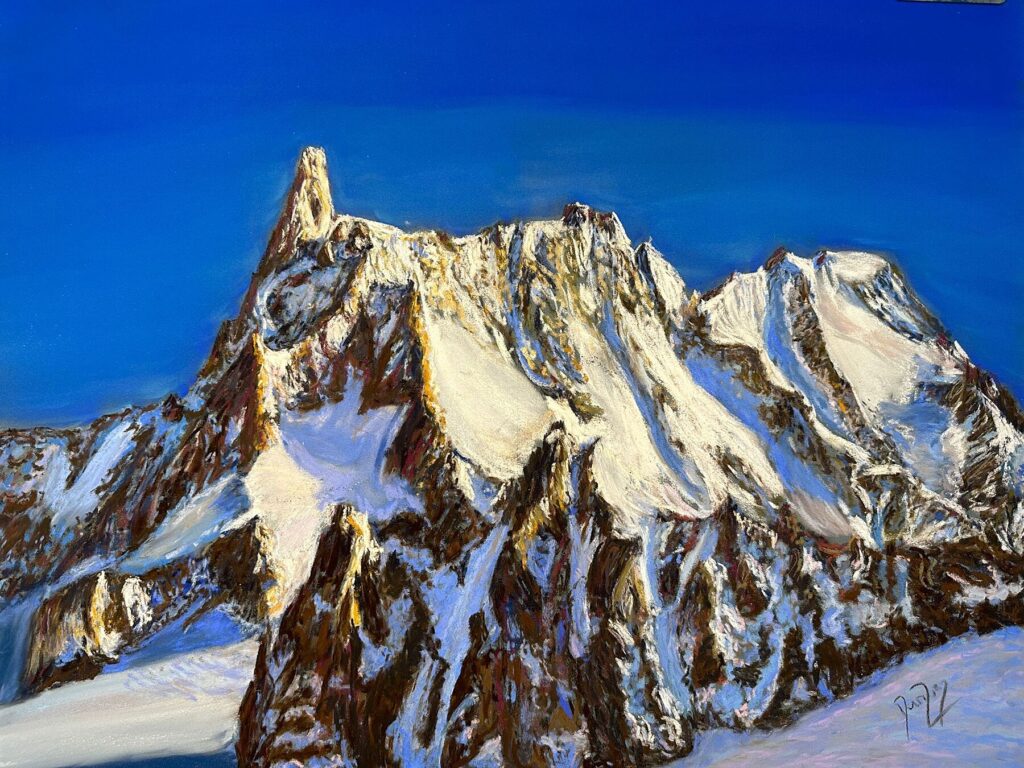
Planning your next trip to the Italian Alps?
If you’re heading to the Aosta Valley, take a look at Il Cuore della Valdigne, our family-owned apartment in Morgex, available for rent when we’re not using it ourselves.
It’s an ideal base to:
- Ski in Courmayeur, La Thuile and Pila
- Enjoy the mountains in summer (hiking, biking, nature)
- Explore the Mont Blanc valley in a quieter, more authentic setting.
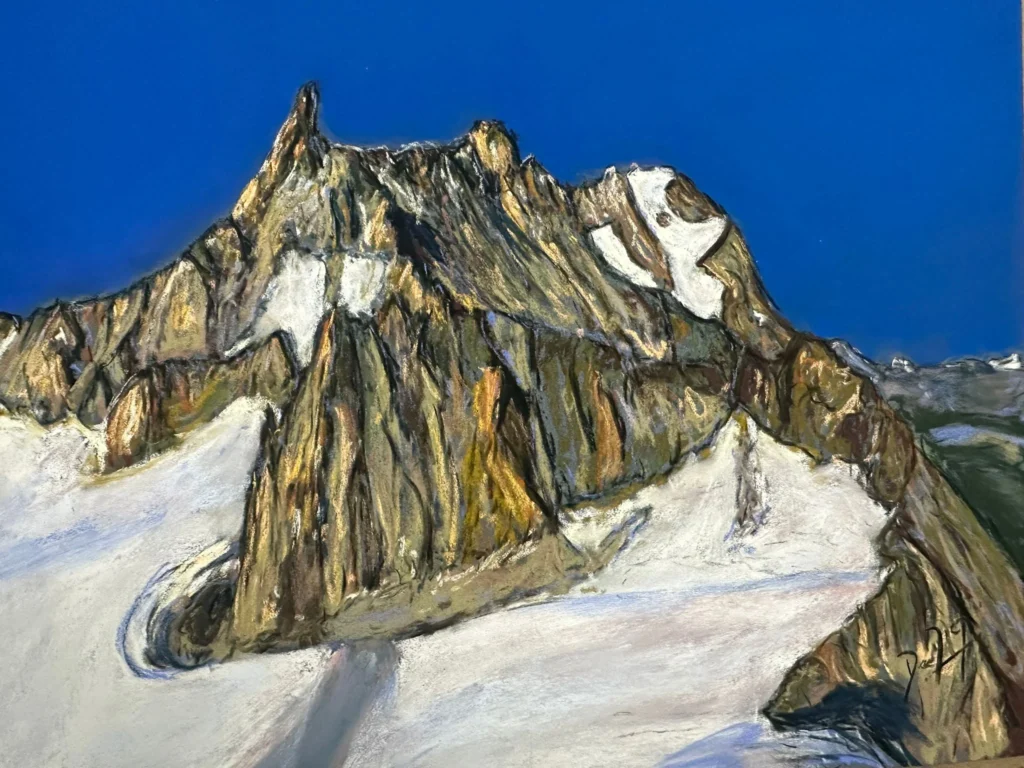
Check my Mountain Art on my Shop
You can go to my shop and see what have been inspiring me lately, lots mountain landscapes in soft pastels, and now in oils too. Go here to check my latest works!
Featured Image: Vertical solar structures in Sölden’s Tiefenbach Glacier area, designed to generate electricity in snowy alpine conditions. Photo: © Bergbahnen Sölden.


Discover more from The-Ski-Guru
Subscribe to get the latest posts sent to your email.
 Subscribe to The-Ski-Guru here.
You must be logged in to post a comment.