February 2026 Avalanche Cycle Across the Alps: Fatalities, Level 4 & Level 5 Alerts

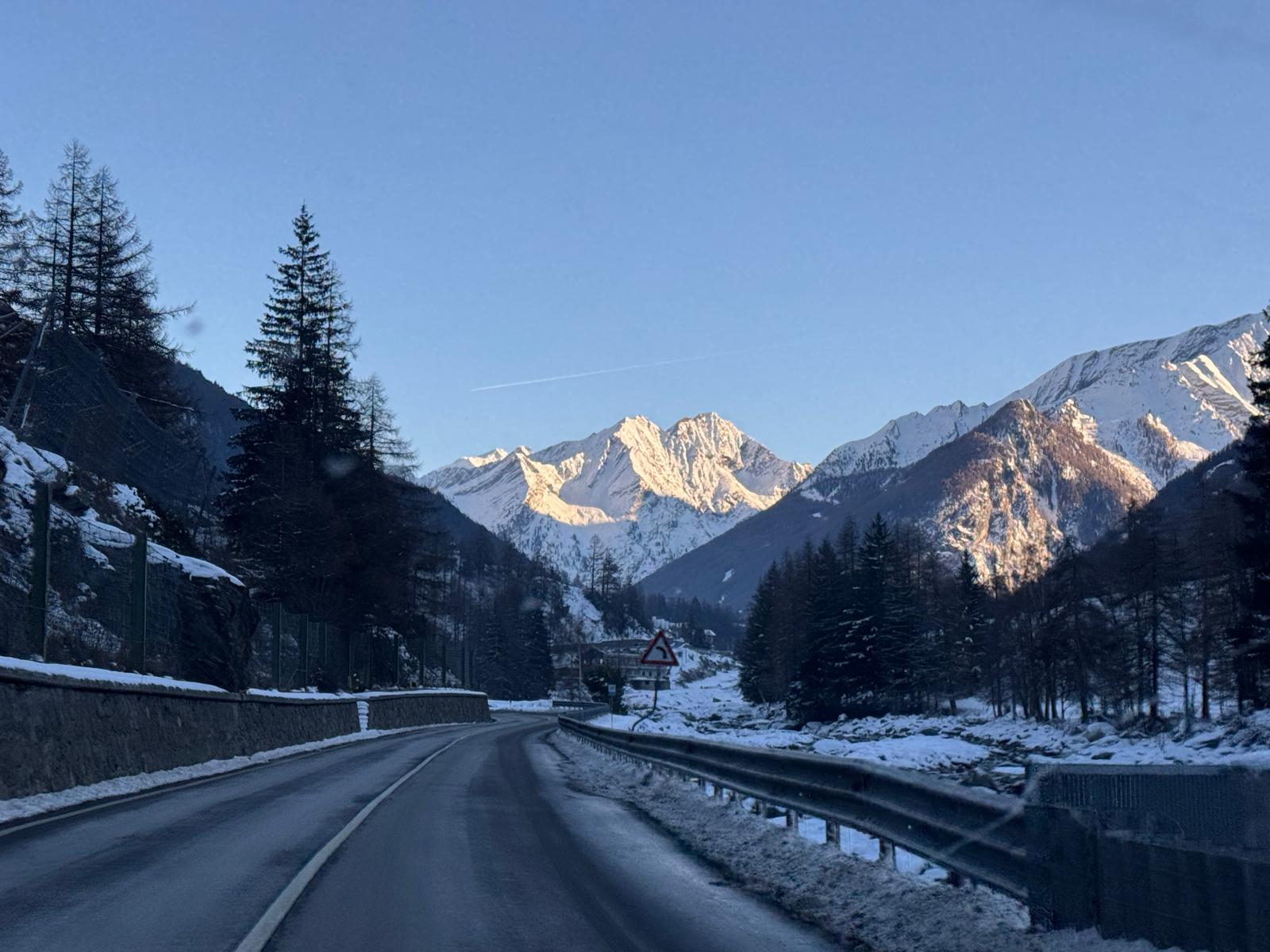
Avalanche in Lavancher- Morgex, Aosta Valley. Photo: The-Ski-Guru.

February 2026 Avalanche Cycle Across the Alps

Fatalities, Level 4 & Level 5 Alerts Across France, Italy and Switzerland

Updated: 25 February 2026

Repeated Level 4 (Strong) and, in some regions, Level 5 (Very Strong) avalanche danger ratings were issued across multiple Alpine regions during the second half of February 2026 according to the European avalanche danger scale, following intense snowfall, wind loading and rapid temperature fluctuations.

Fatal incidents have now been reported in France, Italy (including Aosta Valley and Lombardy), Austria and Switzerland during a period of widespread structural instability in the snowpack.

This cycle reflects broader shifts linked to extreme weather in the Alps, with more volatile snowfall and rapid warming phases.

Similar patterns are being reported beyond Europe, including recent fatal avalanches in northern British Columbia under Considerable danger ratings.

And now, another is re-emerging, as shown in recent wind slab avalanche activity across the French Alps following a new storm cycle.

This page consolidates confirmed events, official warnings and the broader cross-border pattern observed during this cycle.


Overview of the February 2026 Avalanche Cycle

The instability phase developed following:

• Multi-day snowfall events (locally 80–100 cm)
• Strong wind transport forming slab layers
• Persistent weak layers buried earlier in the season
• Rapid warming periods reducing stability

Between 20–25 February, several Alpine regions simultaneously recorded elevated danger ratings and fatal incidents.
Continue reading “February 2026 Avalanche Cycle Across the Alps: Fatalities, Level 4 & Level 5 Alerts”

Luciano Capasso Killed in Avalanche Near St. Moritz

Corvatsch-Diavolezza- Lagarb. Photo credit: Corvatsch-diavolezza.

Luciano Capasso, a 25-year-old Italian resident of St. Moritz, has been confirmed dead after being caught in an avalanche during Level 4 (“Strong”) avalanche danger conditions while on a solo mountain excursion above the resort.

Capasso, originally from Qualiano near Naples, had been living and working in the Swiss Alpine town, where he was employed at the renowned Badrutt’s Palace Hotel.

He had set out alone for a hike in the high-altitude terrain near Fuorcla Trovat, in the Upper Engadin region.

This incident forms part of the broader February 2026 avalanche cycle across the Alps, which saw widespread Level 4 and Level 5 danger across multiple countries.


Avalanche Reported as Cause

Initial reports referenced severe snowstorm conditions. Subsequent reporting from Italian and Swiss media indicates that Capasso was caught in an avalanche during a period classified as Level 4 (“Strong”) on the European avalanche danger scale.

Continue reading “Luciano Capasso Killed in Avalanche Near St. Moritz”

Milano-Cortina 2026: Environmental Impact Under Scrutiny

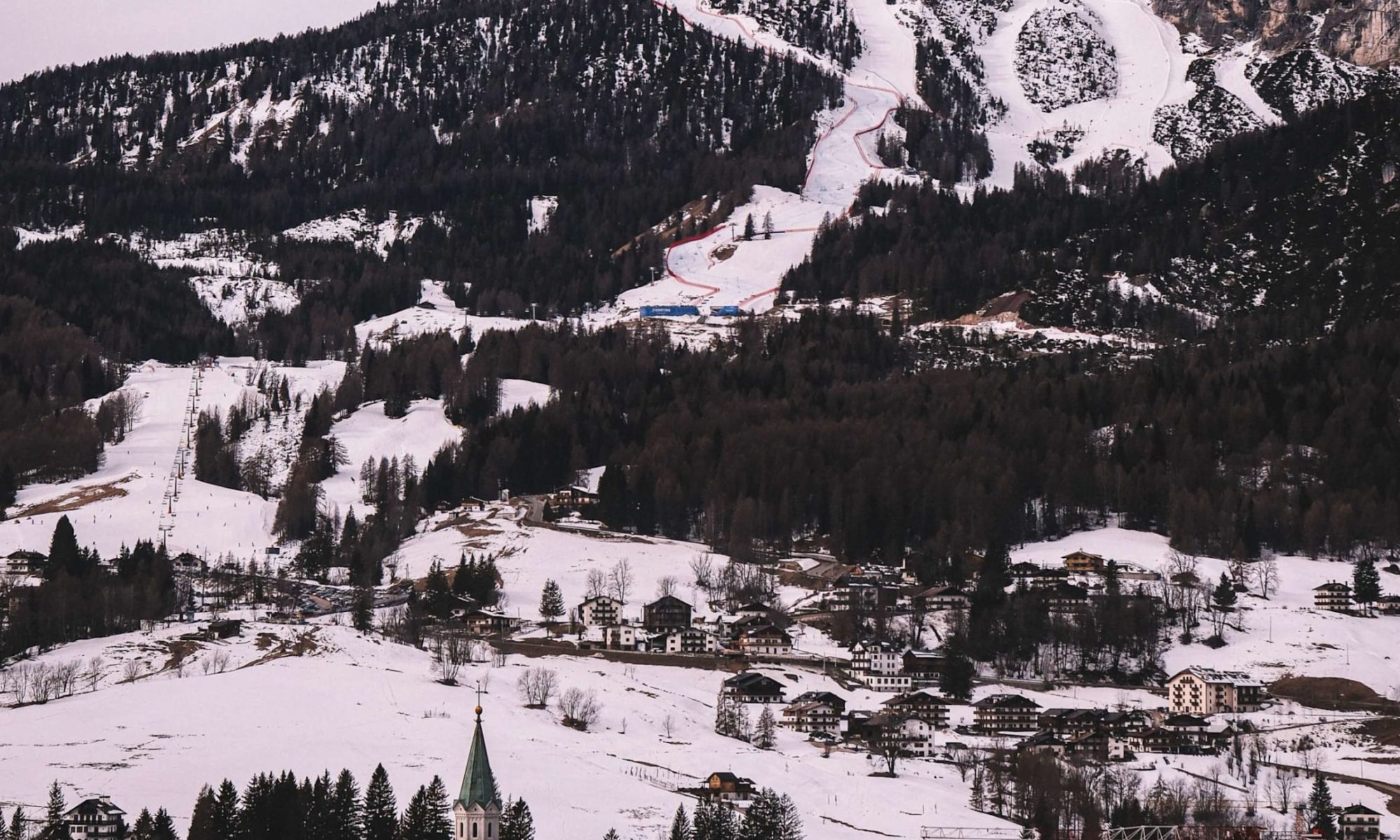
Cortina- Photo credit: Olympics.com

A Growing International Conversation

Recent reporting from The Guardian, alongside coverage from Le Monde, Associated Press and Euronews, has placed the environmental footprint of the Milano Cortina 2026 Winter Olympics under renewed scrutiny.

The focus is not a single project, but the broader ecological implications of hosting a multi-venue Winter Games across sensitive Alpine regions.

For a broader climate perspective, see my full analysis of snow conditions in a warming Alpine climate.


Key Areas of Discussion

Infrastructure & Construction

Particular attention has centred on works in Cortina d’Ampezzo, including sliding sports facilities and related upgrades.

Critics question whether forest clearance and construction activity align with sustainability messaging. Supporters argue that much of the Olympic model relies on upgrading existing venues rather than building entirely new complexes.


Artificial Snow & Water Resources

Like most modern Winter Games, Milano-Cortina 2026 will rely partly on artificial snow production to guarantee competition standards.

This involves:

  • Snowmaking infrastructure
  • Water storage systems
  • Energy use at altitude

Continue reading “Milano-Cortina 2026: Environmental Impact Under Scrutiny”

Snow Conditions in a Warming Alpine Climate

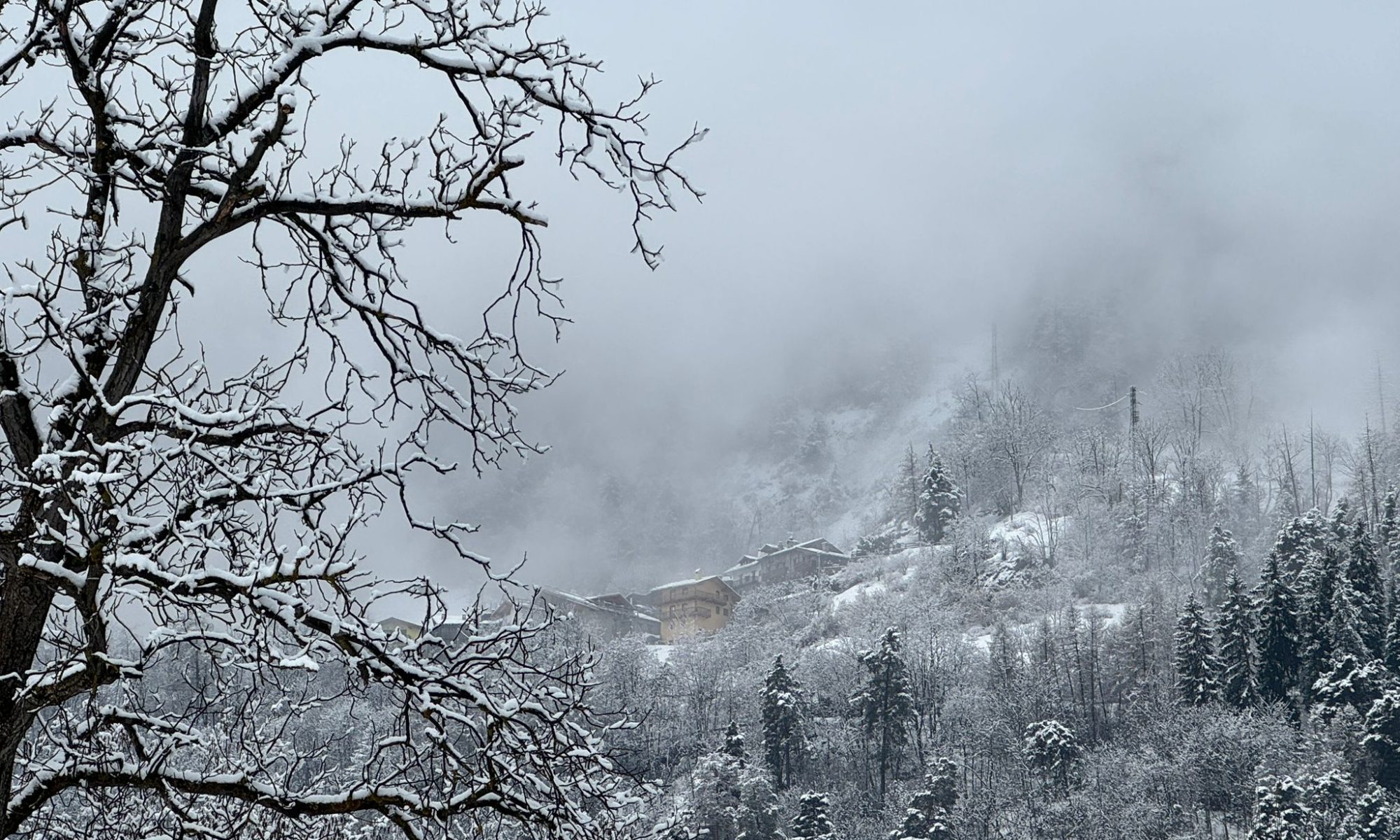
Winter in the Mountains- Photo: The-Ski-Guru. Morgex.

What the 2026 Winter Season Is Showing

A Winter of Extremes

Snow conditions in a warming Alpine climate are becoming more variable, more intense and more dependent on artificial support.

Across the Alps, long-term climate warming is reshaping snowfall patterns, snowline altitude, avalanche behaviour and the economics of winter tourism. The 2026 winter season provides a recent example of these broader trends.

In recent weeks alone, the region has experienced:

  • Intense multi-day storm cycles delivering 80–100 cm in short periods
  • Rapid wind loading and unstable snowpack development
  • Elevated avalanche danger levels across multiple massifs
  • Simultaneous reliance on artificial snow at lower altitudes

Rather than a simple story of “less snow,” the pattern emerging is one of greater variability and concentration. This growing instability is not confined to the Alps. Recent extreme heat events shortening the ski season in North America show how quickly conditions can deteriorate, even in traditionally more snow-reliable regions.


Heavier Storms, Faster Loading

Several recent cycles across the Western Alps demonstrated how quickly snowpack instability can build.

Large accumulations over 24–48 hours — combined with wind transport — created fragile layers and widespread avalanche danger. In many regions, danger levels rose to Level 4 (Strong), and in parts of the French Alps even Level 5 (Very Strong).

Continue reading “Snow Conditions in a Warming Alpine Climate”

Why Italy’s Universal Helmet Law Matters — New ISS Data Explains the Risk

Going up the new Couis 1 cable car in Pila. Photo: The-Ski-Guru.

New national health data shows slope risk multiplies — not adds up

Italy’s new universal ski helmet law has sparked discussion this season. But fresh surveillance data from the Istituto Superiore di Sanità (ISS) suggests the measure is far from bureaucratic overreach.

Analysing thousands of accidents recorded at Courmayeur and Monterosa Ski, researchers found that risk on the slopes is not linear — it multiplies.

And when helmet use, slope difficulty and snow conditions combine, the probability of hospital care can increase more than sevenfold.

The findings were reported by Il Sole 24 Ore and are based on data from SIMON, Italy’s Mountain Accidents Surveillance system coordinated by the ISS.

Continue reading “Why Italy’s Universal Helmet Law Matters — New ISS Data Explains the Risk”

🚗 Eurotunnel Half-Term Travel: No EES This Weekend & When to Arrive

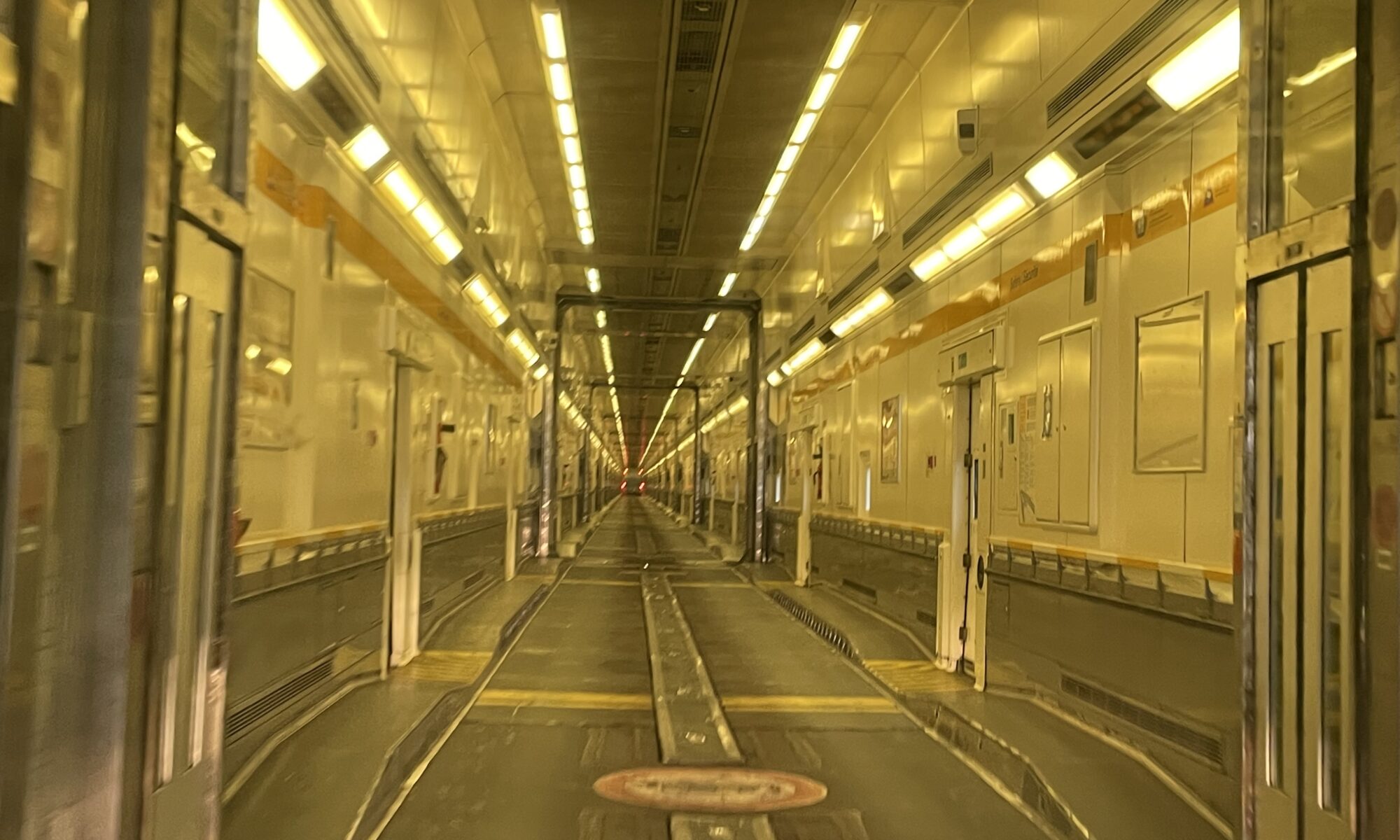
Back inside the Eurotunnel that took us to England. Our trip to the mountains for our summer holidays.

Eurotunnel has confirmed that the EU Entry-Exit System (EES) biometric checks will not be implemented for private car passengers this coming half-term weekend.


Update: Official avalanche bulletins now confirm rising instability in parts of the Alps following heavy snowfall and strong winds.

What this means for travellers

For drivers using Eurotunnel LeShuttle between Folkestone and Calais, border controls continue as normal, with passport stamping still in place and no biometric registration required for car passengers at this stage.

The biggest risk this weekend is misjudging arrival times, not EES.

Continue reading “🚗 Eurotunnel Half-Term Travel: No EES This Weekend & When to Arrive”

Avalanche Fatalities in the French Alps: What Happened in Tignes and Across Savoie

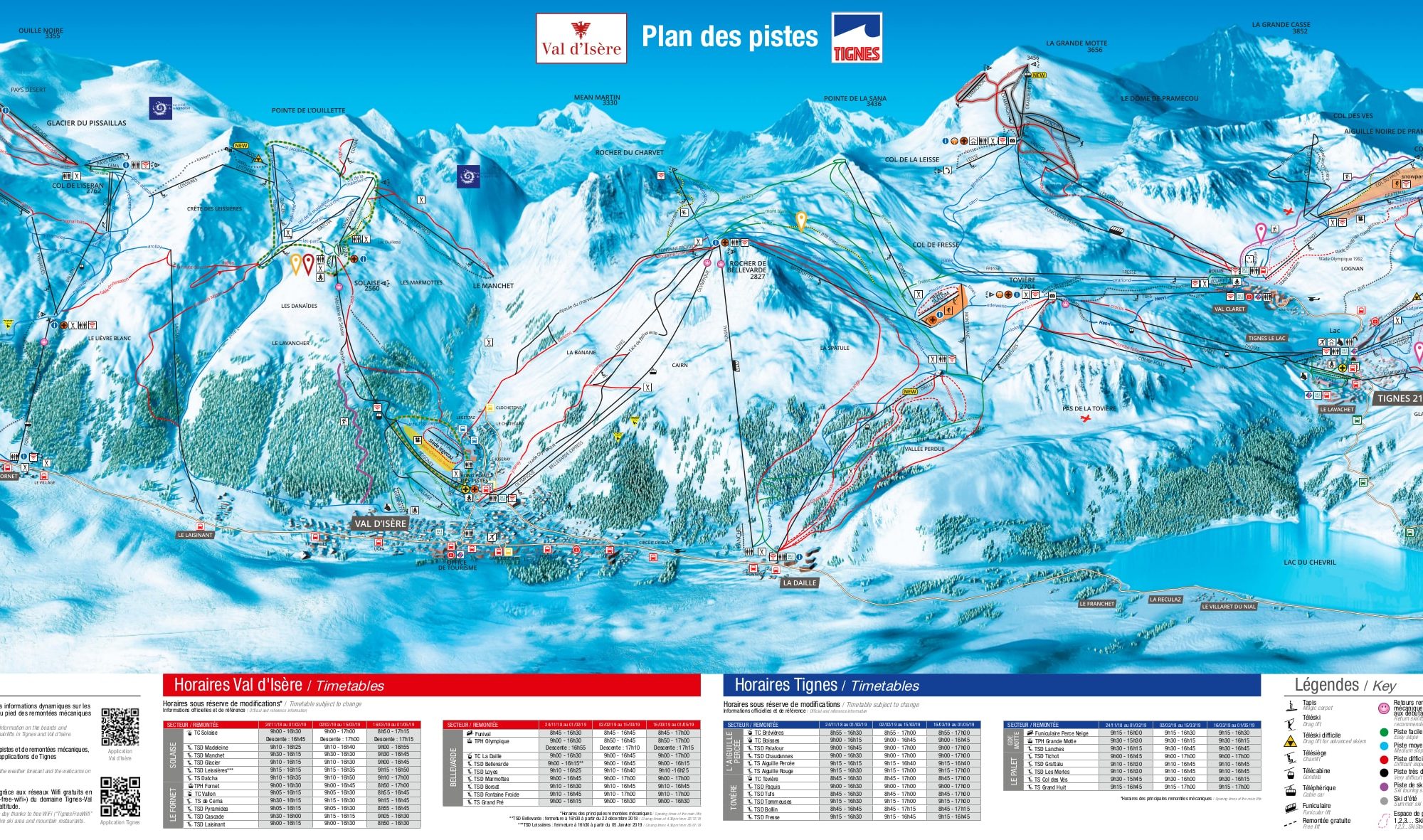
Ski map Tignes. Avalanche Fatalities in the French Alps: What Happened in Tignes and Across Savoie.

Avalanche Death in Tignes and Multiple Incidents in the Alps as Risk Remains High

A skier in his fifties, reported to be Spanish, died after being caught in an avalanche while skiing off-piste in the Tignes area (Savoie).

According to regional authorities, the avalanche occurred in a non-secured, off-piste sector of the resort. The skier was fully buried by the slide and despite the rapid intervention of mountain rescue services, he could not be revived.

If you’re unsure how to interpret avalanche bulletins and forecasts, this step-by-step guide explains how to use them properly when planning a mountain day.

The accident highlights once again the high risk currently affecting off-piste terrain, even in well-known and highly frequented ski resorts such as Tignes.

⛷️ Important: Off-piste areas, even when accessed directly from ski lifts, are not secured or controlled by ski patrols and remain subject to natural avalanche risk.

Read more: France3

Map of the area. Avalanche Fatalities in the French Alps: What Happened in Tignes and Across Savoie.


Avalanches Across the Alps: One Dead, Several Injured on the Same Day

The fatal avalanche in Tignes was not an isolated incident.

On 23 January, multiple avalanche accidents were reported across the French Alps, particularly in Savoie and neighbouring Alpine departments. According to emergency services:

Continue reading “Avalanche Fatalities in the French Alps: What Happened in Tignes and Across Savoie”

Aosta Council Backs Inter-Valley Link Between Pila and Cogne

Arriving to Cogne by car. December 2025. Photo: The-Ski-Guru. Aosta Council Backs Inter-Valley Link Between Pila and Cogne.

The municipal council of Aosta has officially backed a proposal supporting the inter-valley link between the Pila ski resort and the village of Cogne — a move seen as a major step forward for regional tourism, connectivity and mountain mobility. 

The council approved the motion, presented by members of the Union Valdôtaine and Stella Alpina – Rassemblement Valdôtain, with 25 votes in favour out of 27. Two councillors voted against it, but the overall support highlights broad political and community interest in exploring the proposal further. 

The sleepy town of Cogne, which is usually much colder than Aosta as it is in altitude, it is pretty cut off from the main valley, but part of its charm is that! Renown for its cross-country skiing, it has also a smaller alpine skiing resort, which is the one that they want to join to Pila. Photo: The-Ski-Guru.

Proponents emphasised that while the council is not deciding how such a link would be built, the endorsement sends a clear message: the idea is worthy of serious examination “with method and without prejudice”. The proposal highlights the potential to bring together the ancient cultural centre of Aosta, the alpine ski terrain of Pila, and Cogne, gateway to the Gran Paradiso National Park. 

UPDATE – October 2026: The Pila–Cogne cable car project has moved forward. Nine initial alternatives have now been narrowed down to three, with Alternative 3 emerging as the preferred option and estimated costs of €150–190 million. Read our latest update on the Pila–Cogne cable car project.


Read more: Cogne has been in the spotlight this winter not only for the cable car debate, but also following a recent ice-climbing fatality on the Patrì cascade.

Continue reading “Aosta Council Backs Inter-Valley Link Between Pila and Cogne”

Avalanche in Tyrol, Austria: One Dead, No Other Victims Found as Searches Continue

The beautiful resort of Ischgl. Photo: Justus. Unsplash. Avalanche in Tyrol, Austria: One Dead, No Other Victims Found as Searches Continue.

Avalanche in Tyrol, Austria: One Dead, Searches Confirm No Other Victims

A fatal avalanche in Tyrol, Austria, has claimed the life of one skier, prompting an extensive rescue operation and renewed warnings about unstable snow conditions across the Alps.

The avalanche occurred off-piste near the Pardatschgratbahn lift area in Ischgl, one of Austria’s most popular ski resorts. The victim was reported missing after failing to return to their accommodation, triggering a search by local authorities and mountain rescue teams.

Rescuers later located the body beneath the avalanche debris. Following intensive probing and searches of the surrounding area, authorities have confirmed that no other people appear to be buried, though checks continued for several hours as a precaution.

Across the Alps, these incidents occur against a backdrop of labour and housing challenges in mountain communities, which can affect staffing levels and safety resources.

Continue reading “Avalanche in Tyrol, Austria: One Dead, No Other Victims Found as Searches Continue”

Avalanche Crosses Blue Ski Run in Savoie: What Happened?

Sainte Foy Tarentaise photo by Valdemaras Januska. Unsplash. Avalanche Crosses Blue Ski Run in Savoie: What Happened?

Savoie Avalanche Crosses Blue Piste at Sainte-Foy-Tarentaise, Four Skiers Involved

On 13 January 2026, a significant avalanche crossed a marked blue ski run at the Grand Solliet area of Sainte-Foy-Tarentaise in the French Alps (Savoie). The incident occurred during open piste hours, surprising skiers and prompting an immediate rescue response. 

This incident highlights the importance of using avalanche bulletins to plan a mountain day, even when skiing close to marked pistes.

Details of the Incident

According to reports, four people were involved when an avalanche — reportedly triggered by a skier off the marked piste — swept across the blue run. Three of those caught were knocked off balance by the force of the snow, while the fourth was briefly buried under the avalanche debris, with only their hand visible before rescuers reached them. 

Rescue teams — including piste patrol, the CRS Alpes, ski school instructors, and avalanche dogs — quickly searched the area. The buried skier was located about 50 metres below the piste and transported to hospital in Bourg-Saint-Maurice for further care. Authorities confirmed that no others were missing before ending the rescue operation later in the afternoon. 

Events like this raise questions about how ski resorts manage safety under operational pressure, particularly during busy winter periods.

Continue reading “Avalanche Crosses Blue Ski Run in Savoie: What Happened?”