Avalanche Warnings Through Online Ads? Austrian Ski Resort Tests Smartphone Alert System

Avalanche Alerts. Photo credit: DMB.

A ski resort in Austria has begun testing an unusual avalanche warning system that delivers safety alerts directly to smartphones using the infrastructure normally reserved for digital advertising.

The initiative, called Avalanche Alerts, is currently being piloted at the Diedamskopf ski area in Vorarlberg, Austria, where digital advertising networks are being repurposed to deliver avalanche warnings to skiers inside mapped risk zones.

The experiment comes during a winter in which several Alpine regions have experienced repeated avalanche instability events, including the February 2026 avalanche cycle across the Alps.

The idea is to reach skiers at the moment they check their phones — often while riding lifts or resting between runs — but the system’s effectiveness ultimately depends on connectivity and user behaviour.

The software behind the project has also been released as open-source, meaning other ski resorts or mountain regions could theoretically adopt the system without licensing costs.
Continue reading “Avalanche Warnings Through Online Ads? Austrian Ski Resort Tests Smartphone Alert System”

The European Avalanche Danger Scale May Change — What Skiers Should Know

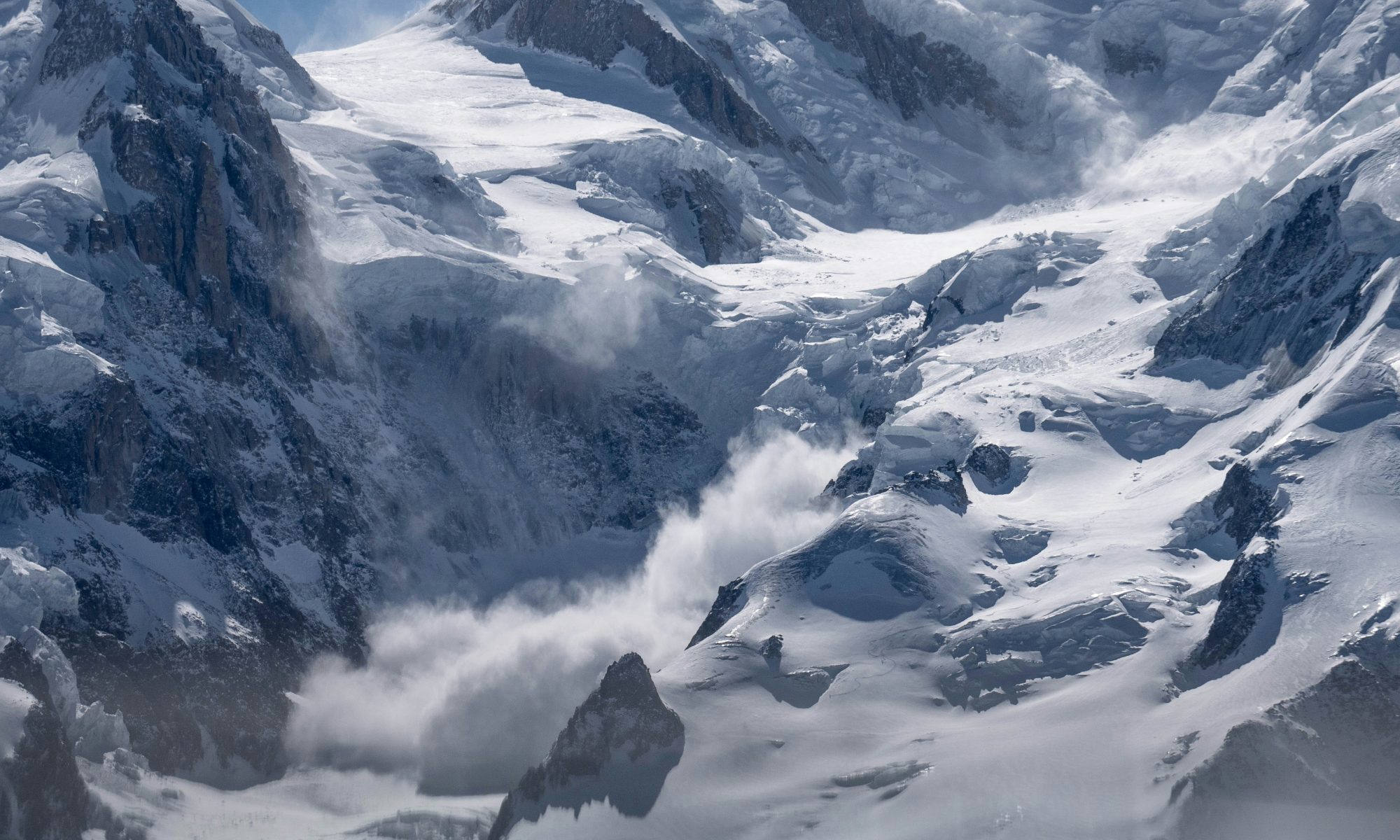
Avalanche in Chamonix. Stock photo: Krzysztof Kowalik. Unsplash.

The European Avalanche Danger Scale, used across the Alps and most mountain regions in Europe, may soon receive an update aimed at making avalanche forecasts easier to understand. The system is the standard framework used in avalanche bulletins across Europe to communicate snowpack stability and avalanche risk.

The five familiar danger levels will remain the same. However, avalanche forecasters are reviewing how the scale is explained and communicated to the public, with the goal of improving clarity for skiers, snowboarders and backcountry users.

Avalanche danger levels such as Level 3 (Considerable) and Level 4 (High) are often misunderstood by recreational skiers. Many avalanche accidents occur under these conditions because the snowpack can still produce large human-triggered avalanches even when danger is not at the highest levels.

To support the work, the network of European avalanche forecasting agencies known as European Avalanche Warning Services (EAWS) has launched a public survey asking mountain users to evaluate new wording and descriptions used in avalanche bulletins.

Continue reading “The European Avalanche Danger Scale May Change — What Skiers Should Know”

Ski Catastrophic Injuries Rise in the U.S. — What European Safety Data Reveals About Real Risks on the Slopes

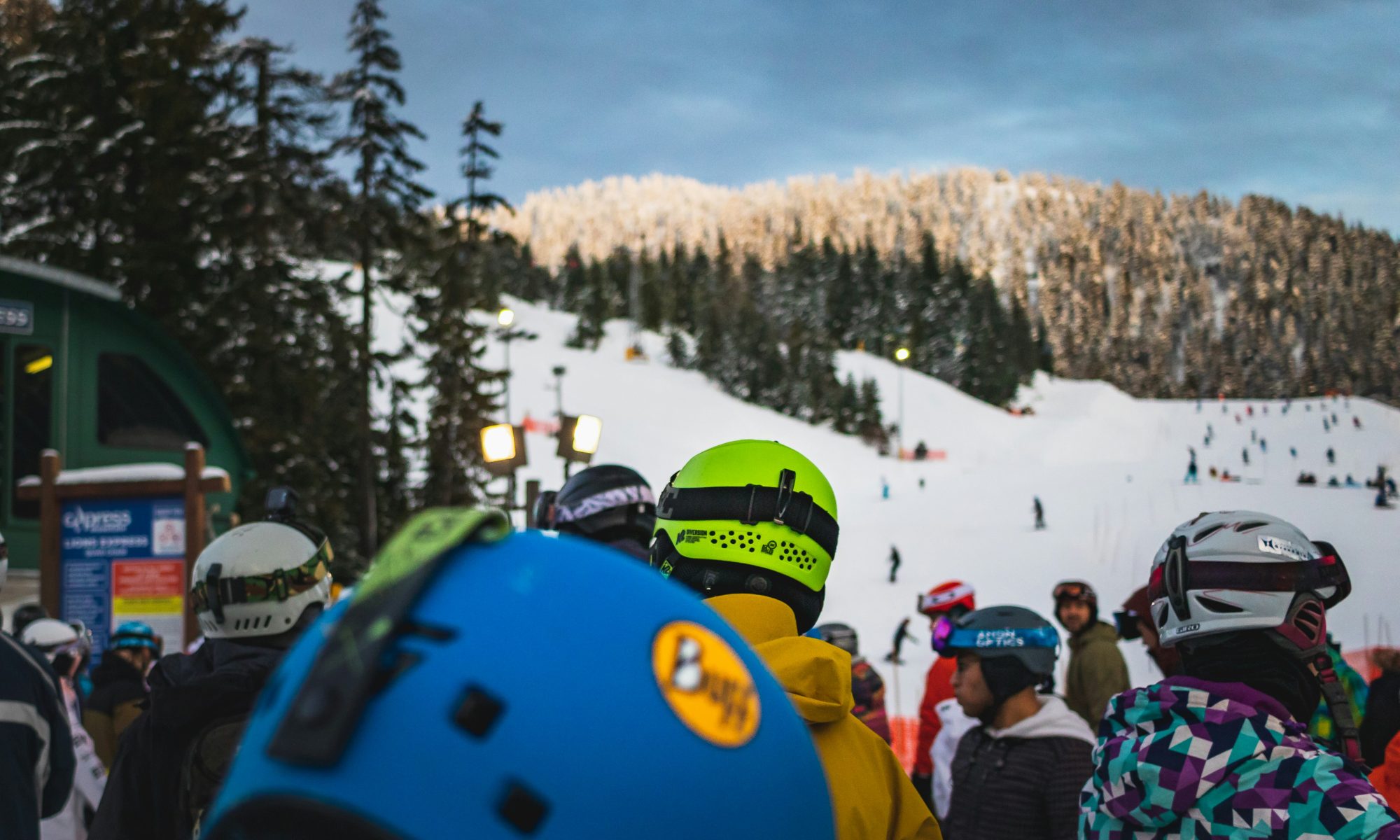
Crowded ski resort piste. Unsplash. Greg Rosenke.

New safety data shows ski catastrophic injuries increased in the United States during the 2024–2025 winter season, prompting renewed discussion about skier behaviour, safety equipment, and the structural pressures facing modern ski areas.

But when these figures are compared with European injury statistics from France, Switzerland, Austria, and Italy, a more complex picture emerges.

Across the Alps, researchers and mountain medical organisations consistently highlight the same factors behind serious ski accidents: speed, collisions, terrain choices, crowding, and human behaviour — far more than helmet usage alone.


Key Ski Safety Statistics

Recent data from North America and Europe provides a clearer picture of the real risks on the slopes.

Continue reading “Ski Catastrophic Injuries Rise in the U.S. — What European Safety Data Reveals About Real Risks on the Slopes”

Investment as “Multi-Risk Insurance”: How Ski Resorts Are Reinventing Infrastructure Across the Alps and North America

A chairlift in Grandvalira full of snow. Photo Grandvalira. Grandvalira, Pal Arinsal and Ordino Arcalis have opened thanks to the latest snowstorm.

The global ski industry is entering a new phase of infrastructure investment. Across the Alps and North America, ski resort investment is accelerating as operators modernise lifts, expand snowmaking systems and adopt new digital technologies.

While modernisation has always been part of the ski resort business model, the nature of investment is changing. Resorts are no longer investing solely to improve comfort or capacity. Increasingly, infrastructure spending is designed to manage a combination of risks: climate variability, visitor flow management, regulatory pressure and rising operating costs.

In France, where investment data is closely monitored through an industry barometer conducted by Montagne Leaders in partnership with Atout France and Domaines Skiables de France (DSF), ski areas invested €555 million in 2025, roughly 32% of pre-tax turnover. This level of reinvestment is significantly above the long-term average and illustrates the structural importance of infrastructure investment in mountain economies.

Across the Alpine region and North America, similar patterns are emerging.

Continue reading “Investment as “Multi-Risk Insurance”: How Ski Resorts Are Reinventing Infrastructure Across the Alps and North America”

Cervinia–Monterosa Ski Link Through Cime Bianche: Project Details Revive Alpine Debate

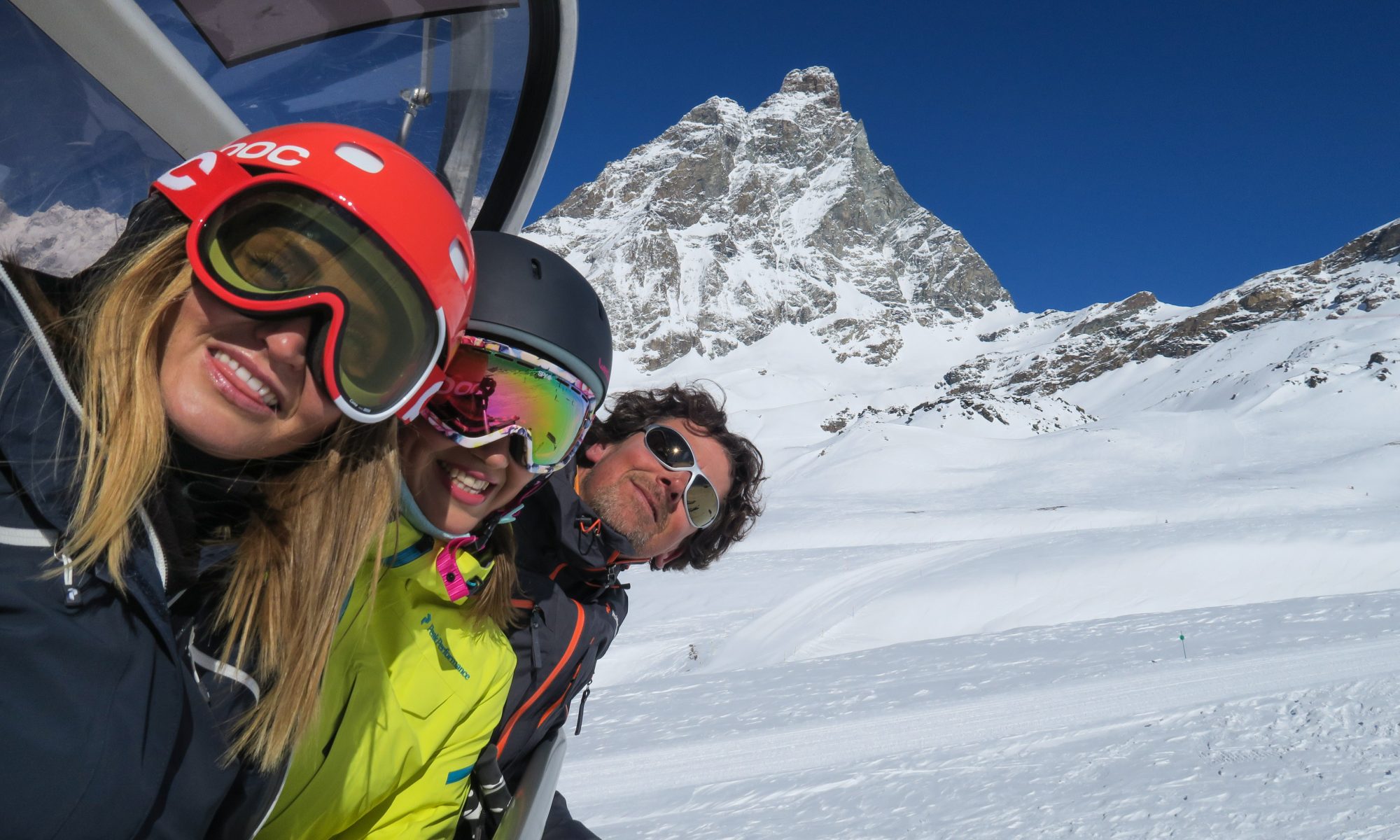
Skiers in the chairlift in Breuil Cervinia. Photo: Enrico Romanzi. Cervino Ski Paradise. Cervinia–Monterosa Ski Link Through Cime Bianche: Project Details Revive Alpine Debate.

A long-debated proposal to connect the ski areas of Cervinia–Valtournenche and Monterosa Ski (Val d’Ayas) through the Vallone delle Cime Bianche has returned to the spotlight, after new technical details about the potential infrastructure emerged in local media.

The project, commonly referred to as the Cime Bianche ski link, would connect two major ski domains in the western Alps and could create one of the largest interconnected ski areas in Europe.

If realised, the project would create a connection between two of the largest ski domains in the western Alps, potentially forming one of the biggest interconnected ski areas in Europe.

The proposal has existed for years, but the latest discussions highlight how the idea continues to shape the debate about the future of ski infrastructure in the Aosta Valley.

Continue reading “Cervinia–Monterosa Ski Link Through Cime Bianche: Project Details Revive Alpine Debate”

Milano–Cortina 2026 Paralympics: The Alpine Infrastructure Test Behind the Competition

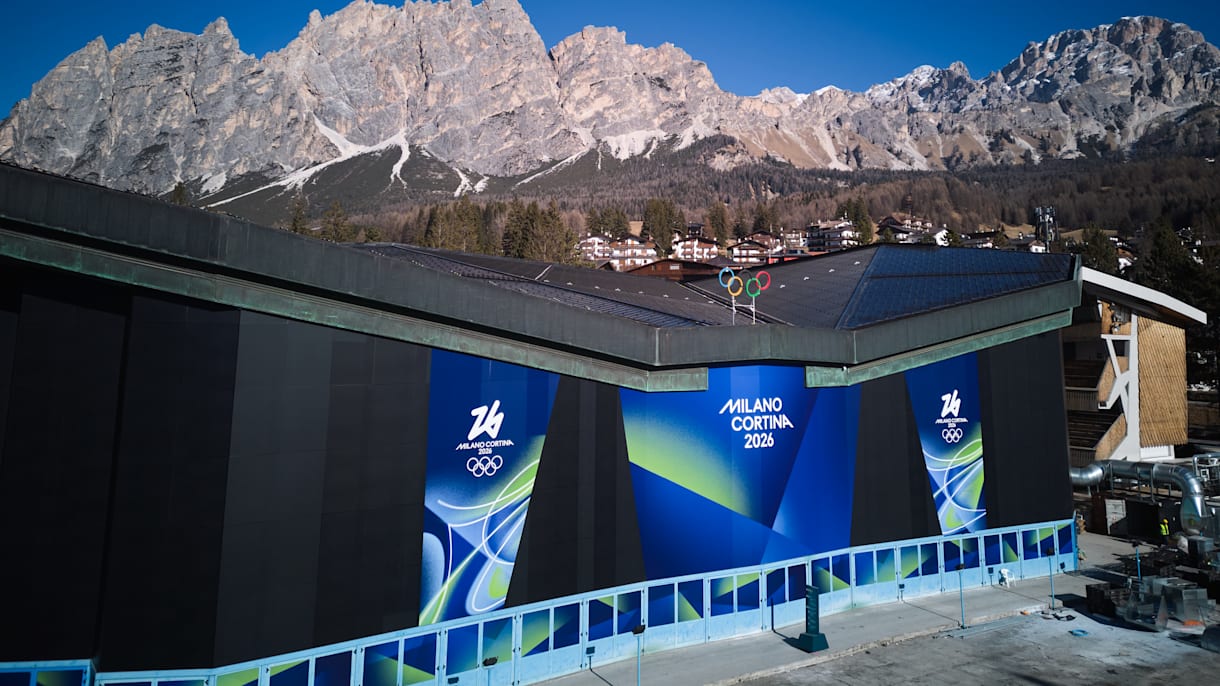
Milano Cortina Paralympics photo.

By The-Ski-Guru | March 2026

When the Paralympic Winter Games arrive in Italy, coverage will rightly focus on athletes and competition.

Yet in alpine terrain, another test unfolds quietly in parallel.

Hosting the Milano Cortina 2026 Winter Paralympics is not simply about staging races. It is a large-scale assessment of whether mountain infrastructure in the Alps — developed over decades around traditional ski tourism — can operate effectively, safely and inclusively under different mobility realities.

Unlike indoor arenas or urban venues, alpine resorts function within environmental constraints. Snow conditions evolve daily. Wind affects lift systems. Roads narrow under winter pressure. Vertical circulation is inherent, not optional.

Accessibility here is not a design layer added at the end. It interacts with terrain itself.

Continue reading “Milano–Cortina 2026 Paralympics: The Alpine Infrastructure Test Behind the Competition”

A40 Free-Flow Tolling: What Skiers Driving to Mont Blanc Need to Know (2027 Update)

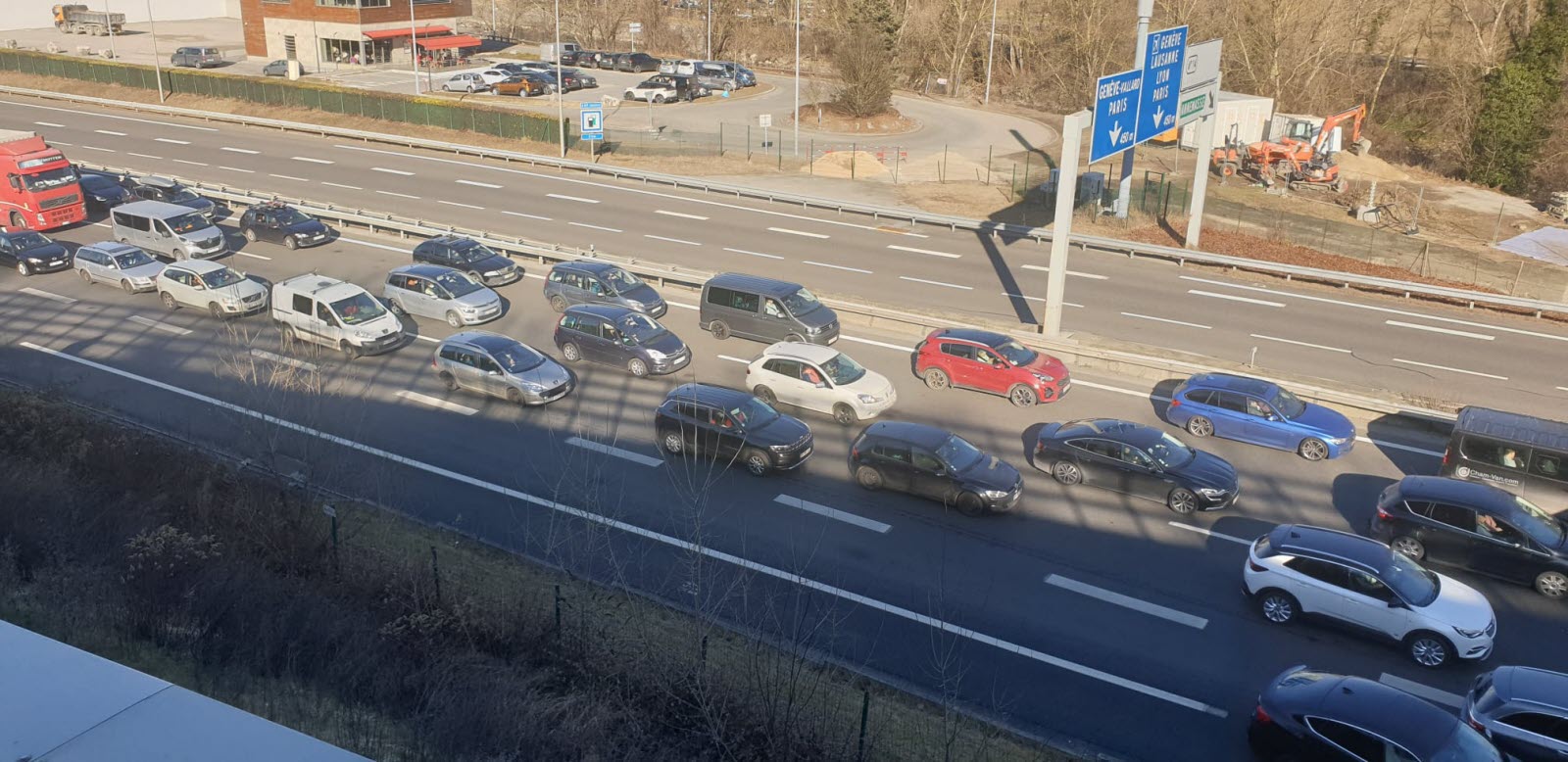
A-40 in traffic. Photo: Le Dauphine.

The A40 free-flow toll 2027 rollout will significantly change how skiers drive to Mont Blanc resorts. From spring 2027, a 58km section between Sallanches and Annemasse will switch to barrier-free tolling — meaning no booths, no stopping, but still a toll to pay.

From spring 2027, a 58km section of the A40 between Sallanches and Annemasse will switch to “péage en flux libre” — barrier-free tolling. That means no toll booths, no stopping, and no physical barriers. But it does not mean the motorway is free.

Here is what skiers and winter travellers need to know.


Where on the A40 Will Free-Flow Tolling Apply?

The new free-flow system will cover the section between:

• Sallanches
• Annemasse (near the Geneva border)

This is the busiest stretch of the A40 for Alpine resort access, particularly for:

• Chamonix-Mont-Blanc
• Megève
• Saint-Gervais
• Les Houches
• Geneva airport traffic

Continue reading “A40 Free-Flow Tolling: What Skiers Driving to Mont Blanc Need to Know (2027 Update)”

Global Ski Passes and the Alps: Structural Shifts in Demand Before the Debate

Arp - Courmayeur Mont blanc Funivie - Photo: Lorenzo Belfrond. Courmayeur Mont Blanc Opening Days of Italian Ski Resorts.

March 2026 by The-Ski-Guru


Global Ski Passes and the Alps: Structural Shifts in Demand Before the Debate

In recent seasons, large multi-resort ski passes such as the Epic Pass and Ikon Pass have expanded their presence in Europe — either through resort ownership or partnership agreements.

This expansion has coincided with increased North American visitation to parts of the Alps, particularly in destinations such as Chamonix and Swiss high-altitude resorts.

But before drawing conclusions about whether global passes are reshaping Alpine ski culture or pricing structures, it is useful to step back and examine the broader structural picture.

This broader debate has intensified recently, particularly following the Vail and Alterra lawsuit over ski pass pricing.

This article is Part 1 of a wider analysis on global ski pass integration and Alpine tourism trends.

Continue reading “Global Ski Passes and the Alps: Structural Shifts in Demand Before the Debate”

Three Mountaineers Fall into Crevasse on Colle Vincent, Monte Rosa

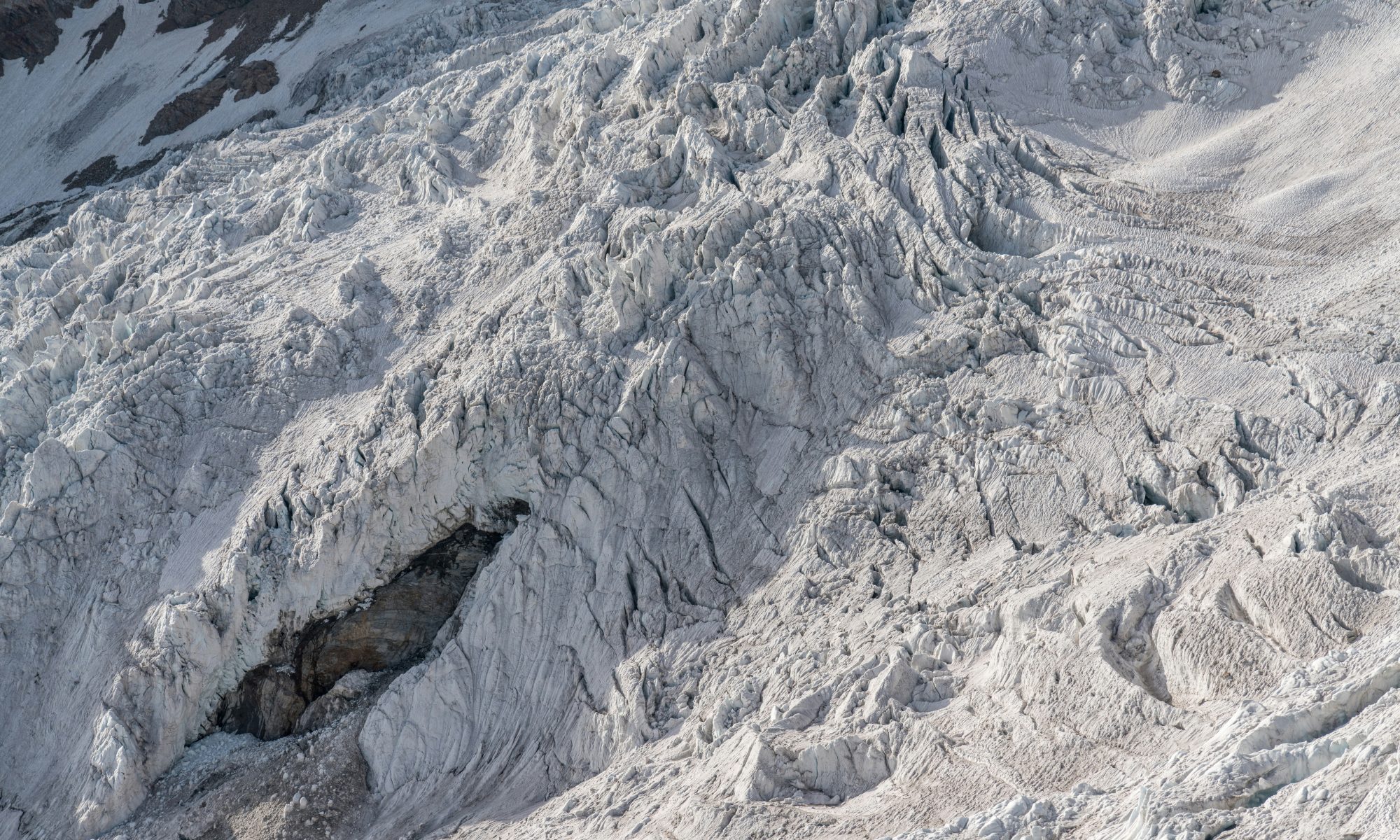
Monte Rosa- Photo by Federico di Dio Photography. Unsplash.

Three mountaineers were involved in a serious Colle Vincent crevasse accident on 28 February 2026 in the Monte Rosa massif on the Italian–Swiss border.

According to reporting by AostaSera, the incident occurred shortly after 13:30 at approximately 4,000 metres altitude, when the roped team fell into a deep glacier crevasse during their ascent.


Rescue Operation After Colle Vincent Crevasse Fall

Emergency services were immediately activated. Helicopters SA1 and SA3 responded alongside mountain rescue personnel from the Soccorso Alpino Valdostano, the Guardia di Finanza alpine unit (SAGF) from Cervinia and Alagna, and rescue teams from Alagna.

Continue reading “Three Mountaineers Fall into Crevasse on Colle Vincent, Monte Rosa”

Aosta Valley Avalanche Alert: Wet Snow Slides Reach Valley Floors (27 Feb 2026)

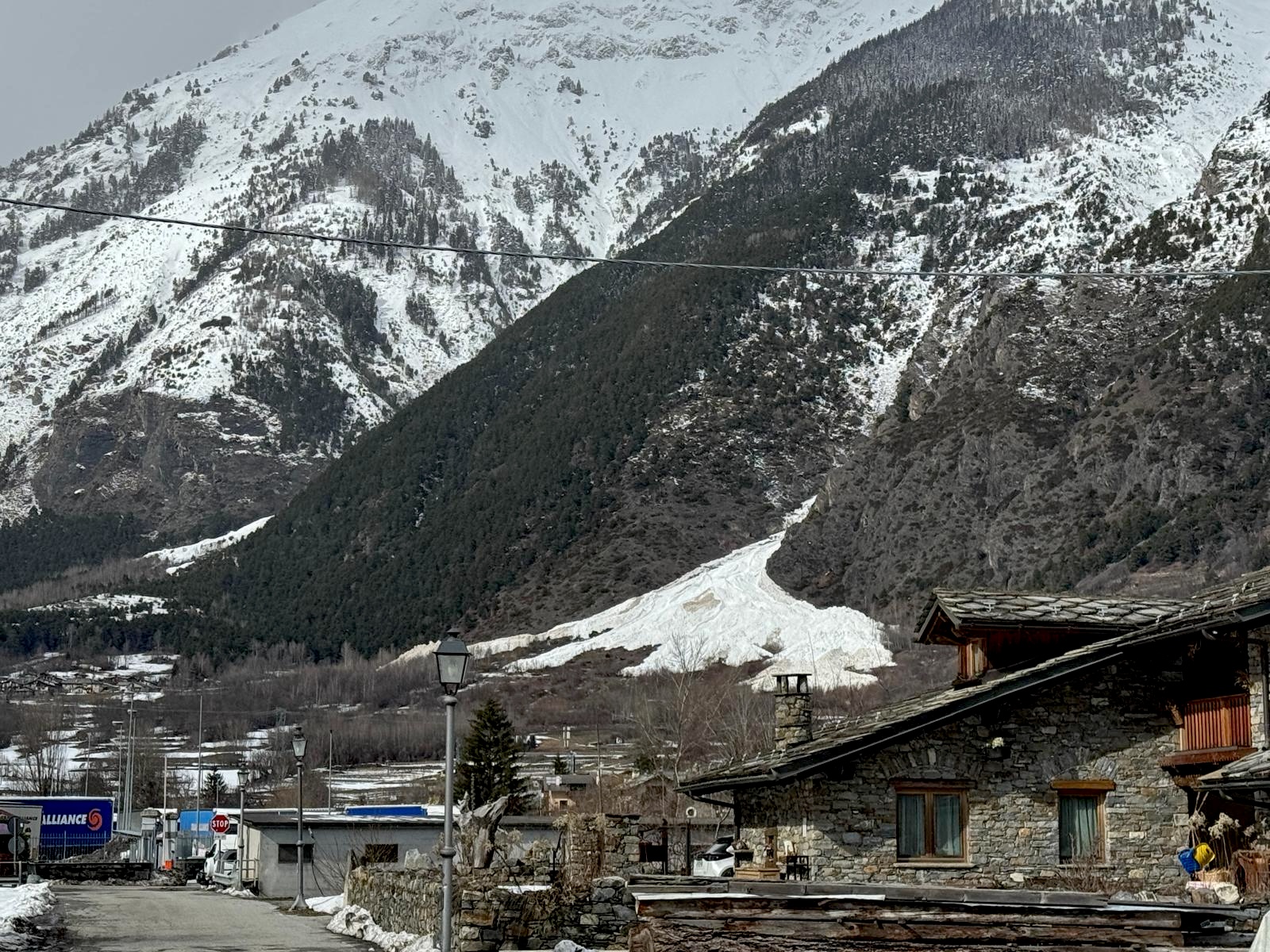
Wet snow avalanche descending toward Lavancher near Morgex, Aosta Valley, February 2026

Following a week of heavy snowfall and strong winds, the Aosta Valley has entered a new avalanche phase characterised by large spontaneous releases and widespread wet snow instability.

According to the official bulletin issued on 27 February 2026, numerous avalanches have reached valley bottoms, affecting accessibility and prompting evacuations. Fatal accidents during this period underline once again the seriousness of the current winter conditions.

This update reflects the ongoing evolution of the February 2026 Alpine avalanche cycle.


New Spontaneous Avalanche Cycle

Heavy snowfall combined with wind loading triggered:

  • Large spontaneous avalanches
  • Events involving significant powder cloud components
  • Several avalanches reaching valley floors

In multiple cases, infrastructure and access routes were affected.

Continue reading “Aosta Valley Avalanche Alert: Wet Snow Slides Reach Valley Floors (27 Feb 2026)”