How Bariloche Is Reinventing Itself As South America’s Leading Four-Season Mountain Destination

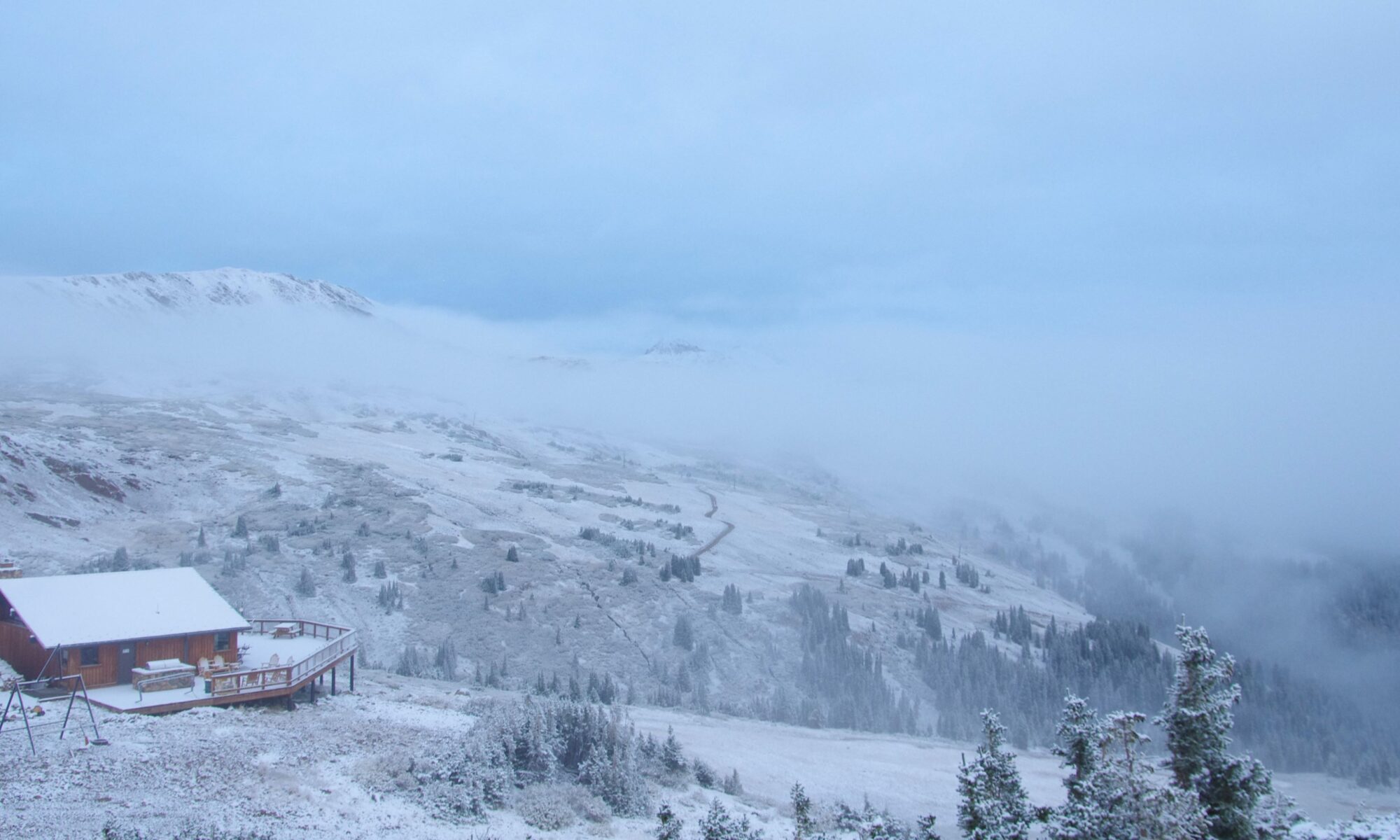
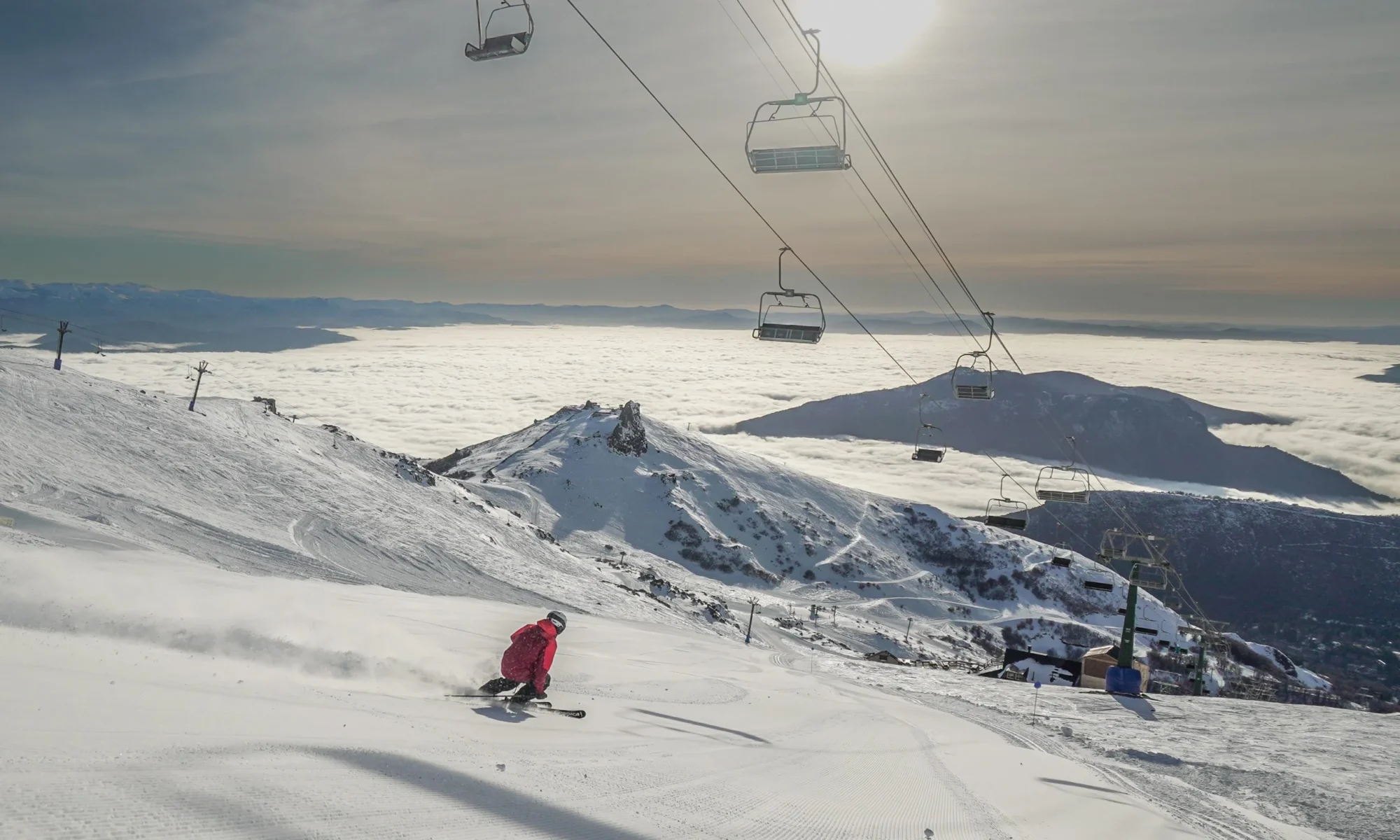
Catedral Alta Patagonia, skiing over the clouds that are hugging the Nahuel Huapi Lake. Bariloche Year-Round Destination: Skiing, UTMB & Cerro Catedral.

Bariloche is rapidly evolving into a year-round destination while remaining South America’s leading ski resort. Set on the shores of Lake Nahuel Huapi and surrounded by the Patagonian Andes, the city is home to Cerro Catedral, Argentina’s largest ski resort and one of the biggest in the Southern Hemisphere.

Every winter, thousands of Argentine, Brazilian, Chilean and international visitors head to Bariloche for its combination of skiing, spectacular scenery and alpine atmosphere.

Yet today, the city is pursuing a broader vision.

Rather than depending solely on winter, Bariloche is steadily evolving into a year-round mountain destination, combining skiing with hiking, trail running, mountain biking, lake activities, gastronomy, business events and international sporting competitions.

It is a strategy increasingly seen across mountain destinations worldwide. Resorts from the Alps to North America are investing in experiences that attract visitors throughout the year while strengthening winter operations through improved infrastructure and snowmaking.

Bariloche is following the same path.
Continue reading “How Bariloche Is Reinventing Itself As South America’s Leading Four-Season Mountain Destination”

Who Owns The Mountains? Why Some Ski Communities Are Pushing Back Against Consolidation

Flims Laax Falera photo: Irvin Aloise/Unsplash.

For more than a decade, one of the defining trends in the ski industry has been consolidation.

Large operators have expanded across North America and increasingly into Europe. Vail Resorts, Alterra Mountain Company, Compagnie des Alpes, Mountain Capital Partners and other groups have acquired resorts, developed pass alliances and built networks that span multiple destinations.

For many ski areas, access to capital has become essential. New lifts, snowmaking systems, mountain restaurants, summer attractions and employee housing projects often require investments that smaller operators struggle to fund.

This article is not arguing that local ownership is replacing consolidation. Rather, it examines a handful of recent examples where communities and local stakeholders have sought greater influence over the future of their ski resorts.

While consolidation remains the dominant trend, a small number of destinations are asking a different question:

Who should own the mountains?

Continue reading “Who Owns The Mountains? Why Some Ski Communities Are Pushing Back Against Consolidation”

Vail Resorts’ Epic Pass Sales Fall After One of the West’s Worst Ski Seasons

Vail Village. Photo credit: Zach Mahone. Vail Resorts.

Vail Resorts has reported lower third-quarter results and weaker early pass sales for the 2026/27 North American ski season, after what the company described as one of the most challenging winters in history across the western United States.

The figures are important not only for Vail Resorts, but for the wider ski industry. The Epic Pass model has helped reshape ski travel over the past two decades, encouraging skiers and snowboarders to commit before the season starts. That gives resort operators valuable early revenue and helps reduce the financial impact of poor snow conditions once winter is underway.

But after a very difficult 2025/26 season in the western US, the latest numbers suggest that even the advance-purchase pass model can be tested when snow conditions disappoint.

Continue reading “Vail Resorts’ Epic Pass Sales Fall After One of the West’s Worst Ski Seasons”

Australia’s Ski Industry Is Betting on Snowmaking Again

Threbdo webcam- Sat 6th June. Kosciuszo Track - Eagles Nest. Ski.com.au

Australia’s ski season 2026 has opened with the kind of image every resort wants: fresh snow before the long weekend, lifts preparing to turn, and skiers watching the webcams.

But behind the optimistic opening-weekend story is a more complicated reality. Australia’s ski industry is becoming increasingly dependent on snowmaking, not only as a back-up tool, but as a core part of its operating model.

The 2026 season began with reported snowfalls of around 20 cm to 40 cm across parts of the Victorian and New South Wales alpine regions, just in time for the official start of the winter season. Resorts including Thredbo, Perisher, Falls Creek and Hotham reported strong early interest, helped by cold conditions and opening-weekend activity. 

That is the good news.

The less comfortable news is that Australia’s longer-term snow outlook remains fragile. Meteorologists and climate scientists have warned that a developing El Niño pattern could bring warmer and drier conditions to parts of Australia during winter 2026. 

Continue reading “Australia’s Ski Industry Is Betting on Snowmaking Again”

Colorado Ski Visits Fall to Their Lowest Level Since 1991–92

Loveland resort. Photo: Dustin Schaefer. Colorado Ski Country USA.

Colorado ski visits fell sharply during the 2025–26 winter, in one of the clearest signs yet that snow reliability is becoming a business issue for major ski destinations.

According to Colorado Ski Country USA figures reported by local media, Colorado recorded an estimated 10.5 million skier visits during the 2025–26 season. That was down by about 3.3 million visits from the previous winter and marked the state’s lowest skier turnout since the 1991–92 season. 

The fall is striking because Colorado is not a marginal ski market. It is one of the strongest ski brands in the world, with high-altitude resorts, powerful destination appeal and a large base of season pass holders.

That is why the 2025–26 decline matters.

This is not a story about skiing suddenly losing its appeal. It is a story about how a difficult winter can quickly affect visitation, operations and the wider mountain economy.

Continue reading “Colorado Ski Visits Fall to Their Lowest Level Since 1991–92”

What Happens When Governments Create Skiers? China’s Altay Snow Holiday Experiment

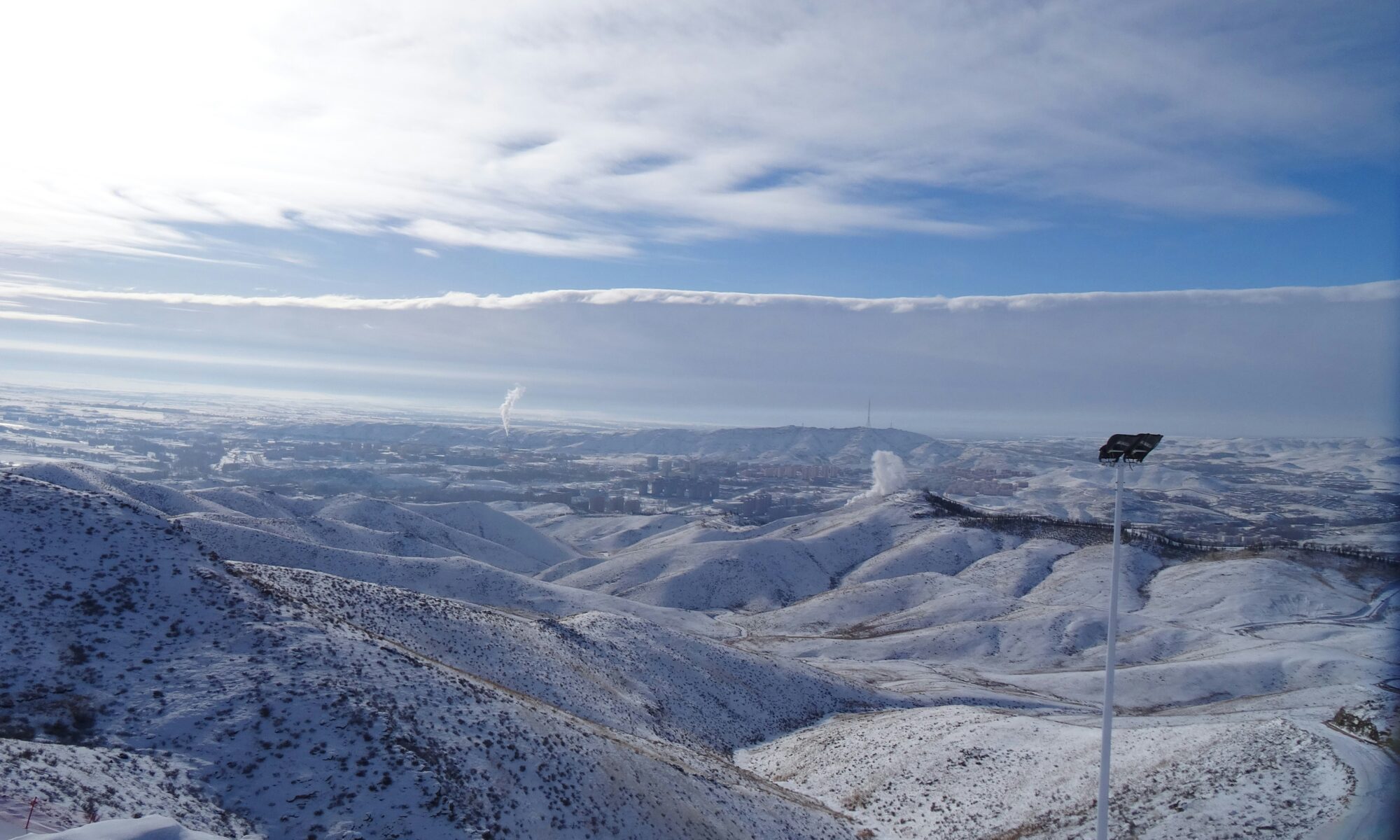
Altay Prefecture. Photo: Mmoka. Unsplash.

China’s latest ski-growth story is not a new lift, a new hotel, or another Olympic legacy project. It is a school holiday.

In Altay Prefecture, in China’s Xinjiang Uygur Autonomous Region, more than 70,000 primary and secondary school students were given an official “snow break” from December 1 to 5, 2025. Including the surrounding weekends, the break created nine days off school. During that period, students were offered free access to local ski resorts, free public transport within Altay City, and discounts on ski equipment rental, food, accommodation, coaching and cultural activities. Free introductory ski lessons were also made available to beginners.

Continue reading “What Happens When Governments Create Skiers? China’s Altay Snow Holiday Experiment”

South American Skiing: Chile’s Established Markets and Argentina’s Untapped Opportunity

Las Leñas peak in the background, that triangle shape on the right hand side of the picture - the expanse of Las Leñas is incredible! - Photo by Las Leñas ski resort. Focus on South American Ski Resorts- High Andes: Valle Nevado, Portillo and Las Leñas – Chile and Argentina

South American skiing has one of the most distinctive propositions in the world. It offers Southern Hemisphere winter, high Andean scenery, a different culture, a different calendar and the chance for skiers from the Northern Hemisphere to extend their season when the Alps and North America are in summer.

But Chile and Argentina should not be treated in exactly the same way.

Chile already has a stronger track record in North America. Resorts such as Portillo and Valle Nevado have marketed to the United States for many years, and the Chilean ski product is relatively easy for international tour operators to understand because much of the visitor journey can be coordinated through the resort or specialist partners. Argentina, by contrast, has powerful ski destinations and a natural opportunity in the United States and Europe, but the product can feel more fragmented from outside the market.

That is the dichotomy. Chile is already better established internationally, especially in the US and Brazil, while Argentina has enormous potential but needs clearer packaging, stronger trade education and a simpler story for new markets.

Continue reading “South American Skiing: Chile’s Established Markets and Argentina’s Untapped Opportunity”

Adventure Travel in 2026: Why Mountain Destinations Need Food, Culture and Human Connection

I had the luck to try these cheeses and beers with a fam a couple of winters ago. Still take a jacket, as it is always 10C inside. Photo: The-Ski-Guru. A Must-Read Guide to Summer in South Tyrol

Adventure travel is changing, and mountain destinations should pay attention.

For years, the easiest way to sell a mountain destination was to lead with the obvious: the peaks, the trails, the rivers, the snow, the biking, the hiking, the skiing, the views. But recent comments from Adventure Travel Trade Association CEO Shannon Stowell, shared in an Arival interview after AdventureELEVATE Europe 2026 in Val d’Aran, suggest that the adventure travel market is now being shaped by something broader: food, culture and human connection.

According to Arival, culinary experiences have become a leading driver in adventure travel, overtaking traditional favourites such as hiking, walking and trekking in ATTA’s latest survey discussion. Stowell also repeated one of ATTA’s core definitions of adventure travel: an experience that includes at least two of three elements — nature, culture and activity. That matters for mountain regions because it moves the conversation away from simply selling “things to do” and towards selling a fuller sense of place. 

Continue reading “Adventure Travel in 2026: Why Mountain Destinations Need Food, Culture and Human Connection”

Are Investors Losing Faith in the Mega-Resort Ski Model?

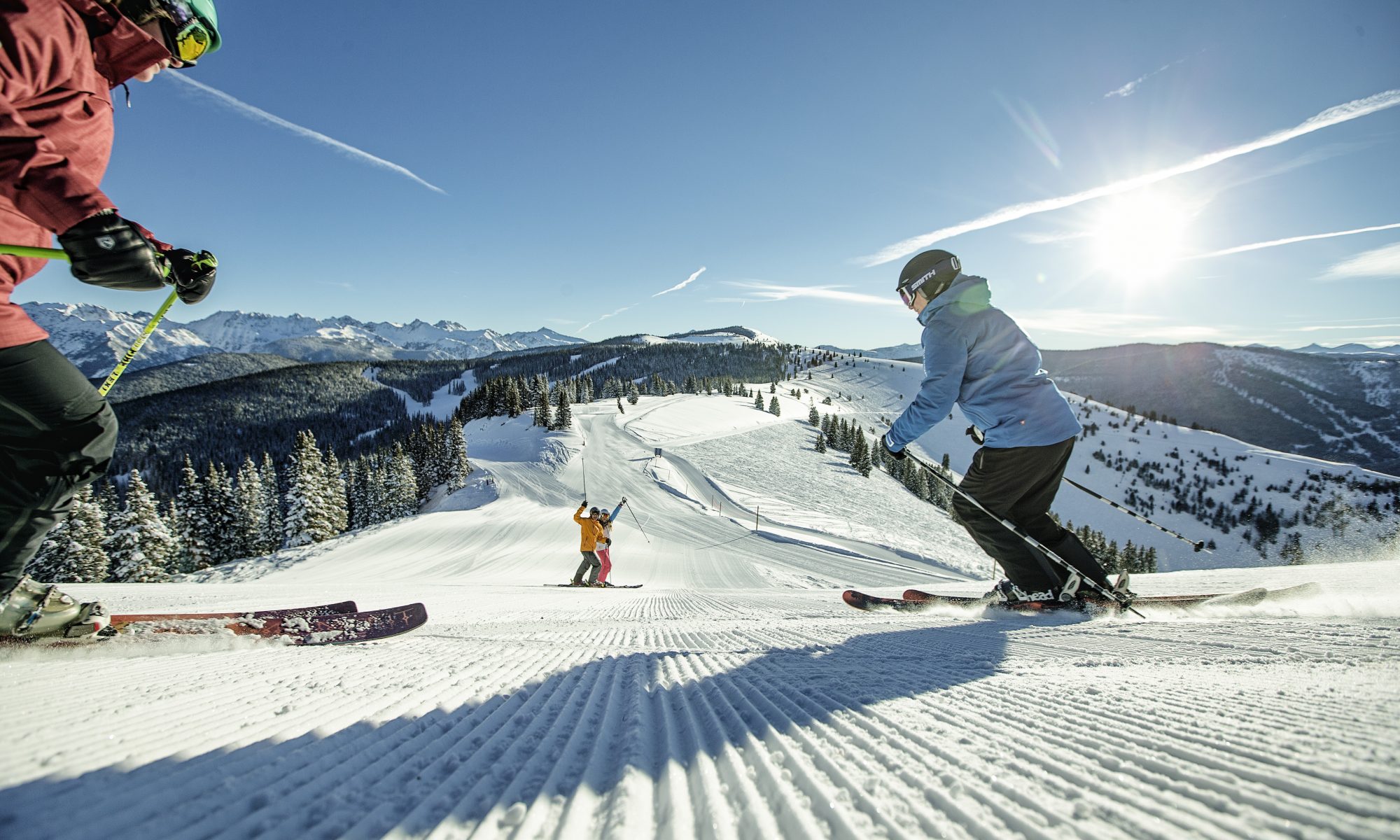
Friends Skiing Groomed Terrain in Vail, CO.. Photo: Daniel Milchev. Vail Resorts.

A recent filing showing that investment firm MSA Advisors sold its entire position in Vail Resorts may not be major news on its own. Institutional investors buy and sell shares every day. But in the context of the current ski industry landscape, the move raises broader questions about whether Wall Street is becoming more cautious about the future of the large destination ski resort model.

Over the past decade, Vail Resorts became one of the defining success stories of the modern ski industry. Through the growth of the Epic Pass, aggressive acquisitions, and expansion into Europe, the company transformed skiing into a subscription-style global business. Investors rewarded that strategy for years, helping turn Vail into one of the most valuable ski companies in the world.

But the environment facing ski resort operators in 2026 looks very different from the one that fuelled that expansion.

Continue reading “Are Investors Losing Faith in the Mega-Resort Ski Model?”

New Ski Routes Into the Alps: Why Airport Access Is Becoming Part of the Alpine Battle

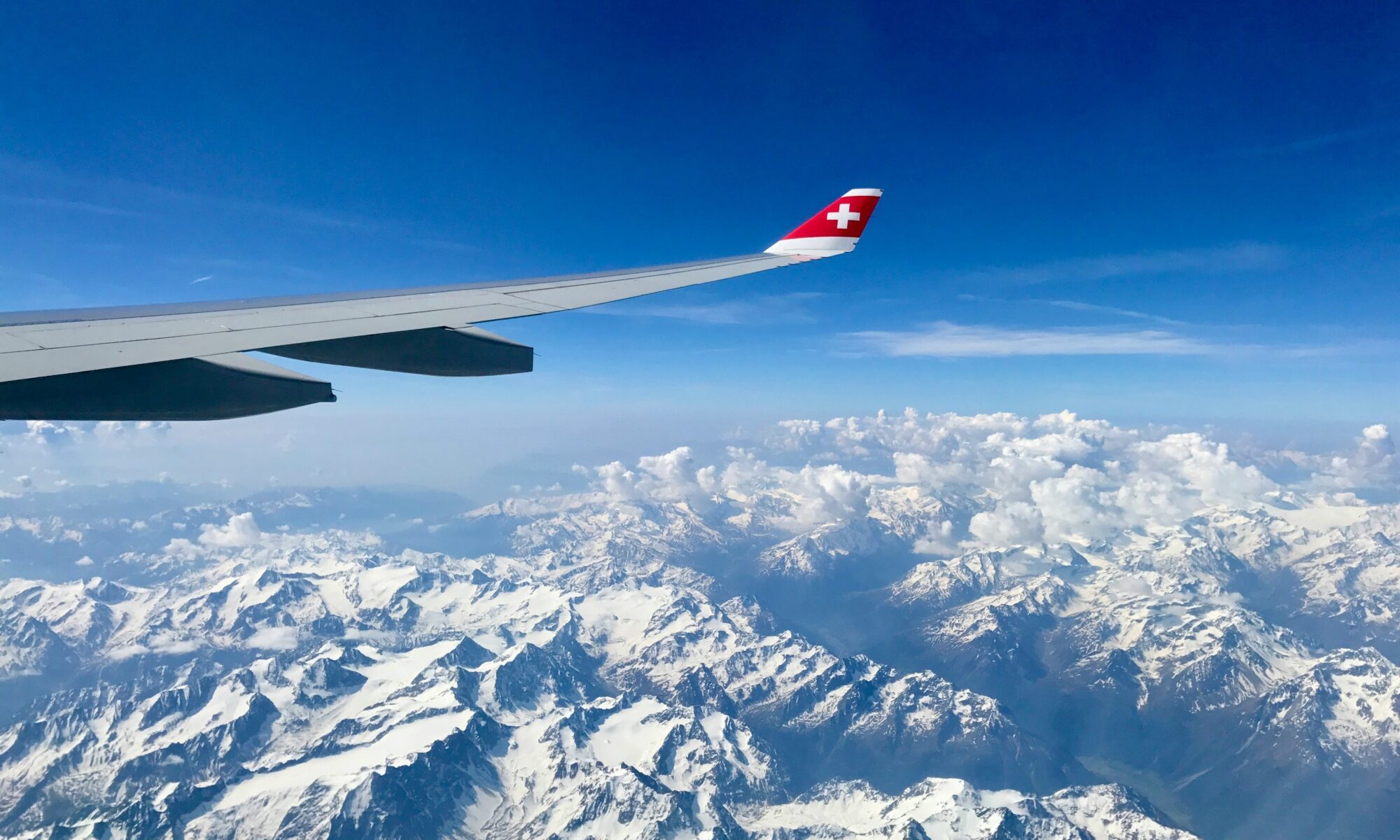
Photo: Devan Jhabak. Unsplash.

Alpine ski resorts are not only competing on snow reliability, lift investment and accommodation anymore. Increasingly, they are competing on access.

The latest signal comes from airBaltic, which has announced two new winter 2026/27 routes aimed squarely at ski traffic: Riga to Turin and Vilnius to Geneva. The Riga–Turin service is due to run weekly on Saturdays from 30 January to 20 March 2027, while Vilnius–Geneva is scheduled from 2 January to 20 March 2027. Both are expected to use Airbus A220-300 aircraft. 

That is only one piece of a much larger picture. Jet2.com has already put its biggest ever ski programme on sale for winter 2026/27, serving eight ski gateways: Chambéry, Geneva, Grenoble, Salzburg, Innsbruck, Lyon, Turin and Verona, with more than 180,000 ski seats. 

The airport map of the Alps is changing

For years, Geneva was the default airport for much of the western Alps. Munich and Zurich dominated the German-speaking Alpine arc. Milan served the Italian Alps and the Dolomites. But the picture is now more fragmented.

Turin is rising as a western Alps gateway. Grenoble and Chambéry remain highly seasonal but important for Saturday ski traffic. Bolzano is trying to position itself as a small, premium Dolomites airport through SkyAlps. Sion is more niche, but still strategically interesting for Valais. Aosta remains mostly a “what if” airport rather than a real commercial ski gateway.

Continue reading “New Ski Routes Into the Alps: Why Airport Access Is Becoming Part of the Alpine Battle”