Is the Future of Ski Resorts Becoming Local Again?

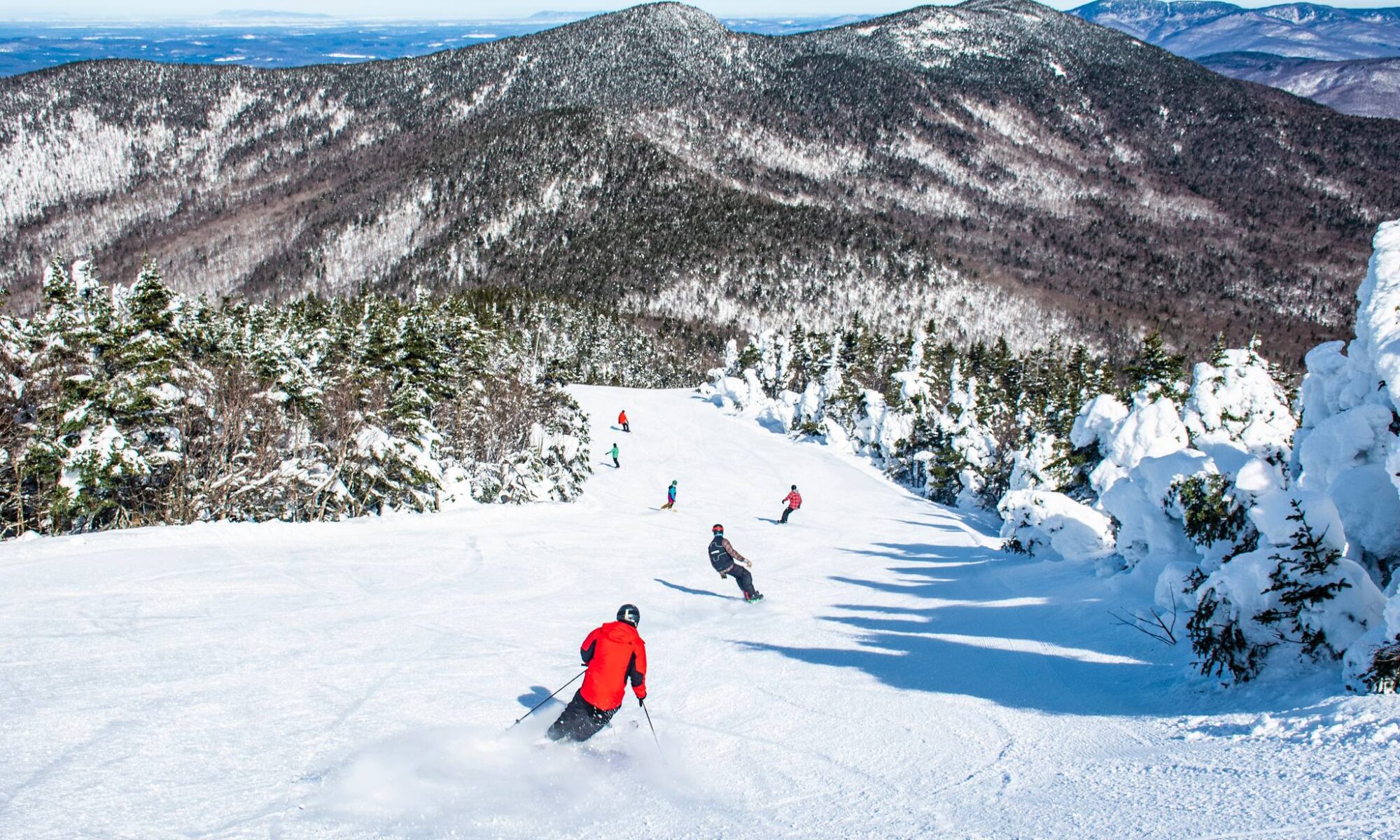
Black Mountain, operated by Indy Pass. Photo: Indy Pass.

As climate pressures, rising infrastructure costs, labour shortages and industry consolidation reshape skiing on both sides of the Atlantic, an unexpected trend is emerging: communities, municipalities and cooperative groups are increasingly stepping in to save, buy or directly influence ski areas they see as essential to local survival.

What once looked like isolated rescue stories is beginning to resemble a wider structural shift in how smaller ski resorts survive.

The latest example comes from Canada, where the Sault Ste. Marie Economic Development Corporation in Ontario stepped in to purchase the historic Searchmont Resort. Local officials described the ski hill as a “vital community asset” tied not only to tourism, but also to jobs, economic development and the wider identity of the region. The acquisition followed years of operational struggles and municipal support aimed at keeping the mountain open.

The story reflects a growing idea emerging across mountain regions: ski hills are increasingly being viewed less as standalone private businesses and more as strategic community infrastructure.

Continue reading “Is the Future of Ski Resorts Becoming Local Again?”
Indy Pass Owner Moves Headquarters to New Hampshire as Black Mountain Becomes Innovation Hub

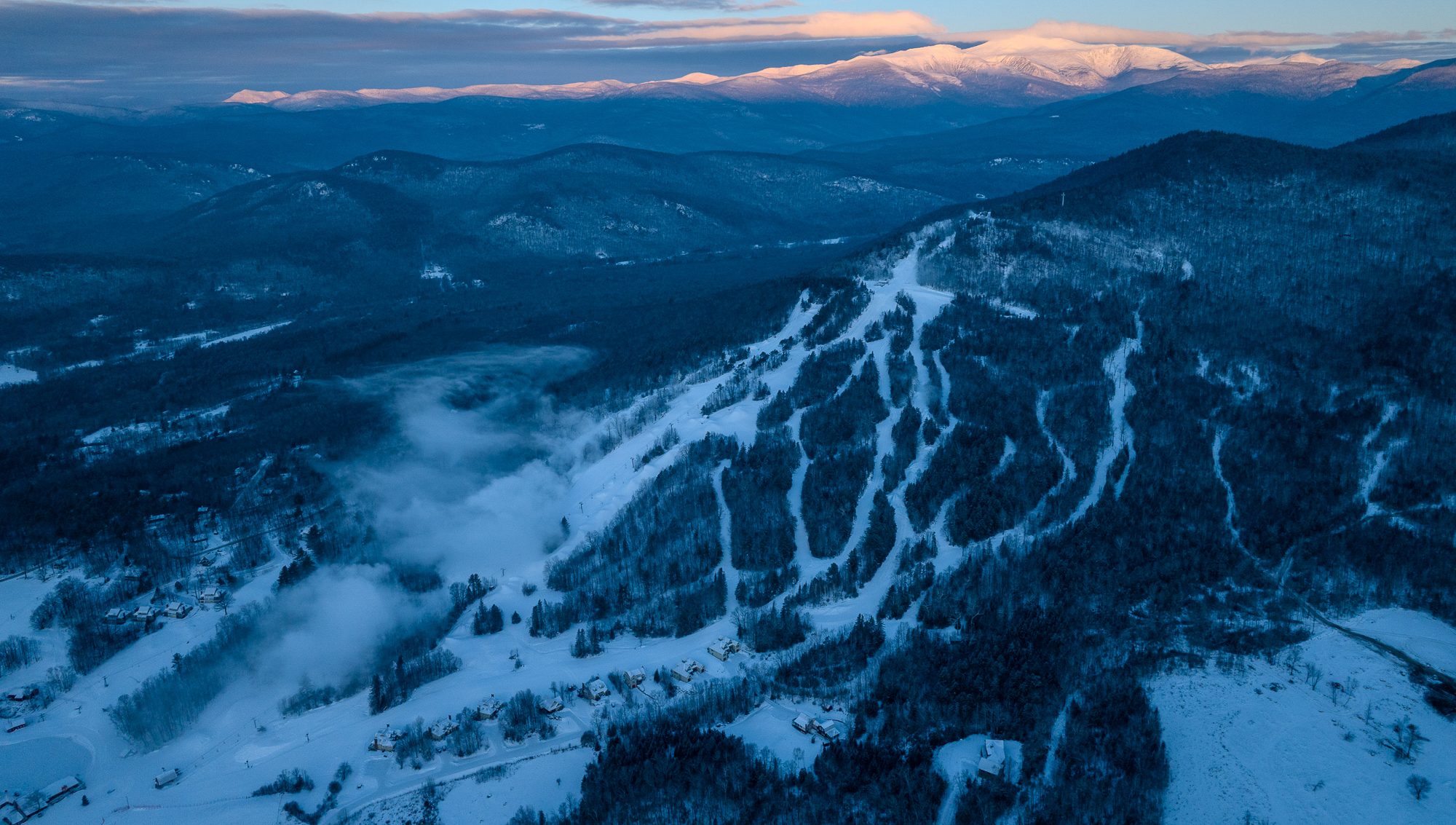
Black Mountain resort. Entabeni Systems- Indy Pass.

The company behind the rapidly expanding Indy Pass has announced it will relocate its headquarters to Jackson, New Hampshire, while transforming the historic Black Mountain ski area into what it calls an “Independent Mountain Laboratory.”

Erik Mogensen, CEO of Entabeni Systems, said the mountain will serve as a real-world testing ground for technologies, operational systems and management strategies designed to help independent ski resorts compete in an industry increasingly dominated by large corporate operators.

The announcement includes the buyout of early investors in Black Mountain, returning the resort to 100 percent private ownership under Mogensen’s leadership.


A Test Mountain for Independent Ski Areas

Black Mountain will operate both as a ski area and as an innovation hub where new software, hardware and operational tools can be developed and tested before being shared with other independent ski resorts.

Continue reading “Indy Pass Owner Moves Headquarters to New Hampshire as Black Mountain Becomes Innovation Hub”

Investment as “Multi-Risk Insurance”: How Ski Resorts Are Reinventing Infrastructure Across the Alps and North America

A chairlift in Grandvalira full of snow. Photo Grandvalira. Grandvalira, Pal Arinsal and Ordino Arcalis have opened thanks to the latest snowstorm.

The global ski industry is entering a new phase of infrastructure investment. Across the Alps and North America, ski resort investment is accelerating as operators modernise lifts, expand snowmaking systems and adopt new digital technologies.

While modernisation has always been part of the ski resort business model, the nature of investment is changing. Resorts are no longer investing solely to improve comfort or capacity. Increasingly, infrastructure spending is designed to manage a combination of risks: climate variability, visitor flow management, regulatory pressure and rising operating costs.

In France, where investment data is closely monitored through an industry barometer conducted by Montagne Leaders in partnership with Atout France and Domaines Skiables de France (DSF), ski areas invested €555 million in 2025, roughly 32% of pre-tax turnover. This level of reinvestment is significantly above the long-term average and illustrates the structural importance of infrastructure investment in mountain economies.

Across the Alpine region and North America, similar patterns are emerging.

Continue reading “Investment as “Multi-Risk Insurance”: How Ski Resorts Are Reinventing Infrastructure Across the Alps and North America”

🏔️ Telluride Resort Sale Scandal Sparks Resignations and Investigations

Main street downtown Telluride - Photo credits: Telluride Ski Resort.

📢 Summary

A controversial attempt to broker the sale of Telluride Ski & Golf Co. has unfolded into a major local scandal — involving resignations, town investigations, and public outcry — after a proposed $127.5 million offer for a 51 % stake in the resort was revealed during a heated community climate. 


This controversy adds to a growing list of issues shaping the global ski business, which we regularly cover in our ski industry developments.. 

Telluride Resort Conflict – Full Coverage

Related articles:

⛰️ The Offer That Shook a Ski Town

In late December 2025, two local leaders — Mountain Village Mayor Marti Prohaska and Telluride Mayor Pro Tem Meehan Fee — traveled to Southern California to meet with Telluride Ski Resort owner Chuck Horning. Their goal reportedly was to put forward a deal backed by investors to acquire 51 % of the resort for $127.5 million, while Horning would remain board chair. 

Similar concerns about corporate influence on mountain culture have emerged elsewhere in the U.S., including debates over whether Vail is harming the skiing experience.

According to reporting in The Colorado Sun, both officials claimed they acted as private citizens and did not use public funds for their trip, insisting the offer was a sincere effort to support the community amid ongoing tensions between local government, residents, and resort management. 

Elk Avenue in Crested Butte. Check out this painting in my shop. (actually in Italy so cannot dispatch immediately!)

Continue reading “🏔️ Telluride Resort Sale Scandal Sparks Resignations and Investigations”

Why Ski Resorts Close Terrain After Heavy Snowfall — And Why That’s a Safety Decision

Avalanche control methods graphic. Copyright: The-Ski-Guru. Why Ski Resorts Close Terrain After Heavy Snowfall — And Why That’s a Safety Decision.

Why Ski Resorts Close Terrain After Heavy Snowfall

Introduction

Ski resorts often close terrain after heavy snowfall because fresh snow can increase avalanche risk, reduce visibility, overload lifts and make rescue access harder. Closures are not usually a sign that the resort is disorganised; they are a safety decision made while ski patrol, lift teams and avalanche-control crews work to reopen terrain safely.

After major snowstorms, skiers and snowboarders often arrive expecting perfect powder conditions — only to find lifts closed, terrain restricted, or entire sectors shut down. Frustration is common, especially during short holidays or peak winter weeks.

But more snow does not automatically mean safer skiing. In fact, the period immediately after heavy snowfall is often when avalanche risk is highest. Terrain closures following big storms are not a failure to open — they are a deliberate risk-management decision designed to protect lives.


Heavy snowfall doesn’t automatically mean safe skiing

Large snowfalls can dramatically increase instability in the snowpack. Factors that contribute to heightened risk include:

  • rapid accumulation of fresh snow
  • wind loading on leeward slopes
  • weak layers buried beneath new snow
  • limited visibility preventing safe assessment

In many cases, the first 24 to 72 hours after a storm are critical. During this window, ski patrol teams need time to evaluate conditions, access terrain safely, and reduce risk before opening slopes to the public.


Why resorts keep terrain closed after big snowfalls

When ski resorts close terrain after heavy snow, it is usually because avalanche control work is underway or still incomplete.

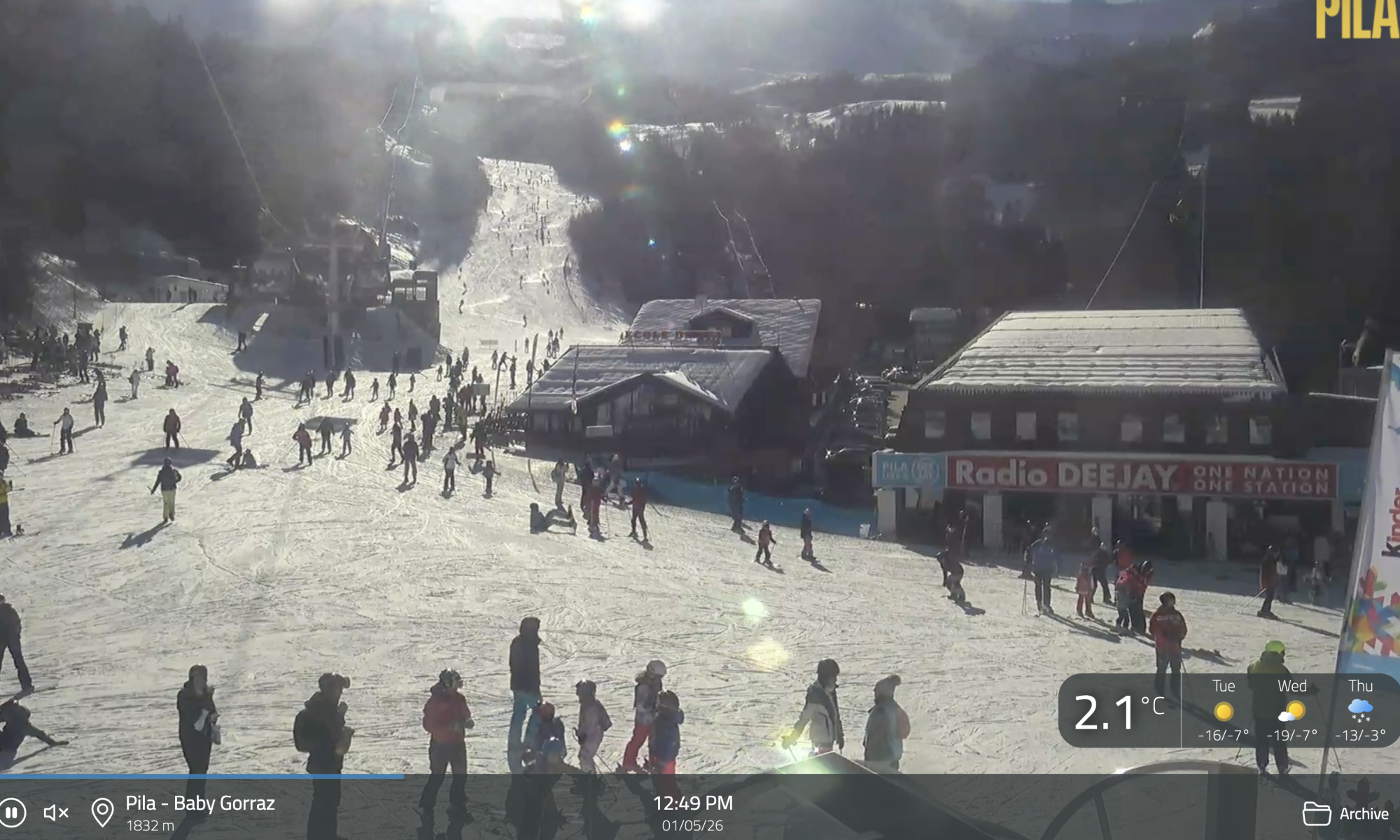
Stella di Pilla today- Notice the Gasex further down on the slope. Photo: Webcam Pila.it. Why Ski Resorts Close Terrain After Heavy Snowfall — And Why That’s a Safety Decision.

Common reasons for keeping slopes closed include:

Continue reading “Why Ski Resorts Close Terrain After Heavy Snowfall — And Why That’s a Safety Decision”

🇺🇸 Nederland Takes Historic Step Toward Local Ownership of Eldora Mountain Resort

Eldora Mountain Resort ski map. 🇺🇸 Nederland Takes Historic Step Toward Local Ownership of Eldora Mountain Resort.

Nederland Approves $120M Purchase of Eldora Mountain Resort

In a landmark decision this week, the Board of Trustees of Nederland, Colorado unanimously voted to approve the town’s purchase of Eldora Mountain Resort for approximately $120 million — a move that could reshape how regional ski areas are owned and operated. Denver 7 Colorado News (KMGH)

Located just west of Nederland in Boulder County, Eldora has long been one of Colorado’s most accessible ski areas for Front Range residents and Denver visitors. The resort was listed for sale by its previous owner, Utah-based POWDR, in 2024. Nederland’s effort to purchase Eldora has been closely followed by local media and community stakeholders for over a year. Wikipedia


Eldora-Sam Bass. Colorado Ski Country USA. 🇺🇸 Nederland Takes Historic Step Toward Local Ownership of Eldora Mountain Resort.

Continue reading “🇺🇸 Nederland Takes Historic Step Toward Local Ownership of Eldora Mountain Resort”

Too Many Skiers, Too Much Speed?

On busy weekends you can have more accidents only for having more people on piste. Photo: Webcam Pila sPa. Too Many Skiers, Too Much Speed? What Overcrowded Slopes, High-Speed Lifts & Artificial Snow Mean for Your Safety.

What Overcrowded Slopes, High-Speed Lifts & Artificial Snow Mean for Your Safety

Too Many Skiers on the Slopes? Crowding, Speed & Safety Explained

If you’ve skied during peak weeks in recent seasons, you’ve probably felt it:
busier slopes, faster lifts, more people moving at very different speeds — all at once.

While skiing has always involved risk, many skiers are now asking a valid question:

Are modern ski resorts becoming less safe — not because of the mountains, but because of how many of us are on them at the same time?

Let’s break this down in a realistic, skier-to-skier way, without panic — just facts, context, and common sense.

Continue reading “Too Many Skiers, Too Much Speed?”

Telluride Ski Patrol Strike: What’s Happening, What’s Been Agreed — and Why It Matters

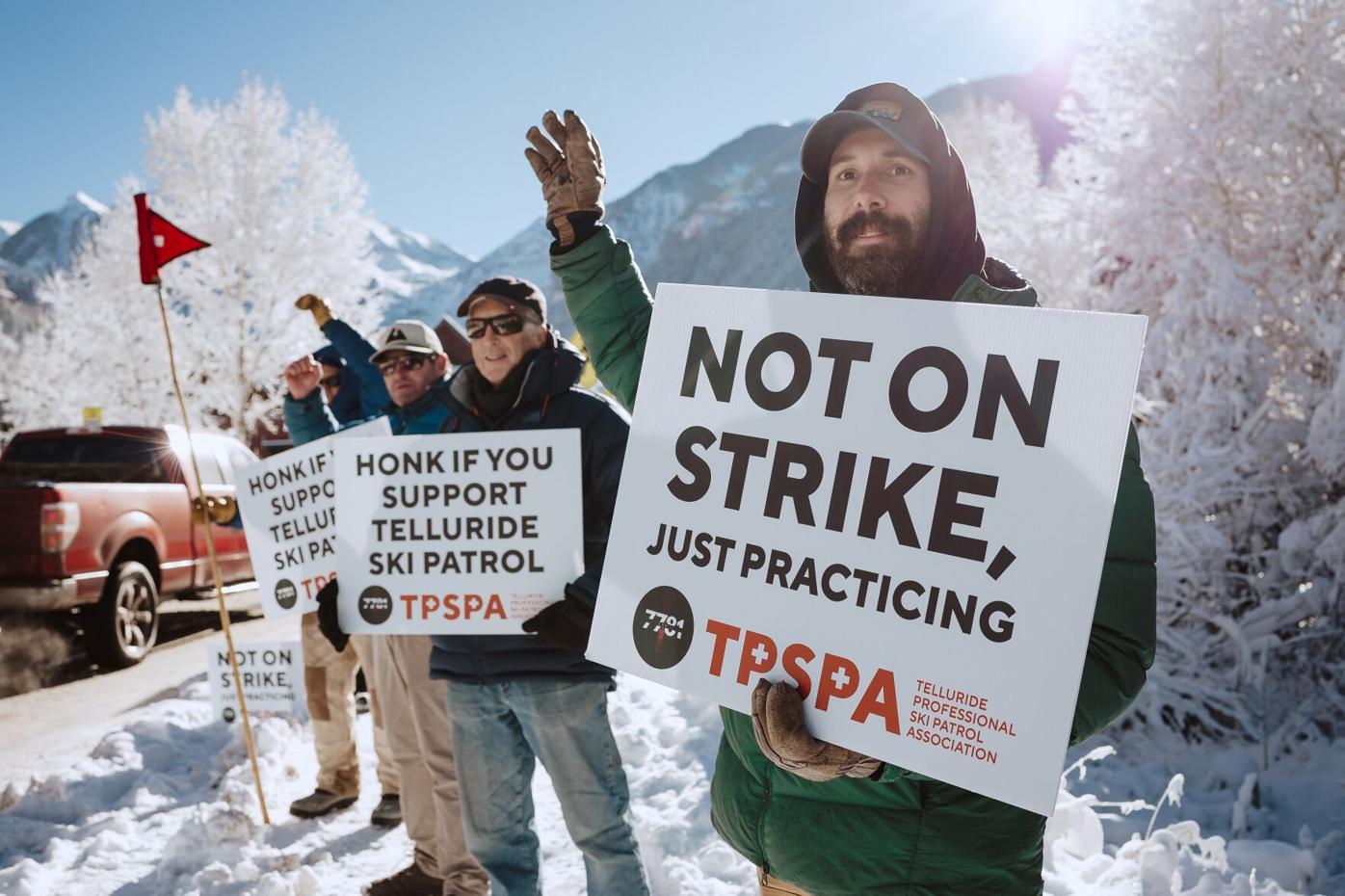
Telluride News photo: Telluride ski patrol is on strike. Telluride Ski Patrol Strike: What’s Happening, What’s Been Agreed — and Why It Matters.

Telluride Ski Patrol Strike Shuts Down Resort — What We Know

One of Colorado’s most iconic ski resorts has become the focal point of a major labor dispute this winter. The ski patrol strike at Telluride Ski Resort has already led to resort closures during the critical holiday period — an unusually strong signal of how unresolved workforce issues are increasingly affecting ski operations in North America.

Here’s where things currently stand, what (if anything) has been agreed, and whether similar actions are emerging elsewhere in the U.S. or Canada.

Telluride Resort Conflict – Full Coverage

Related articles:


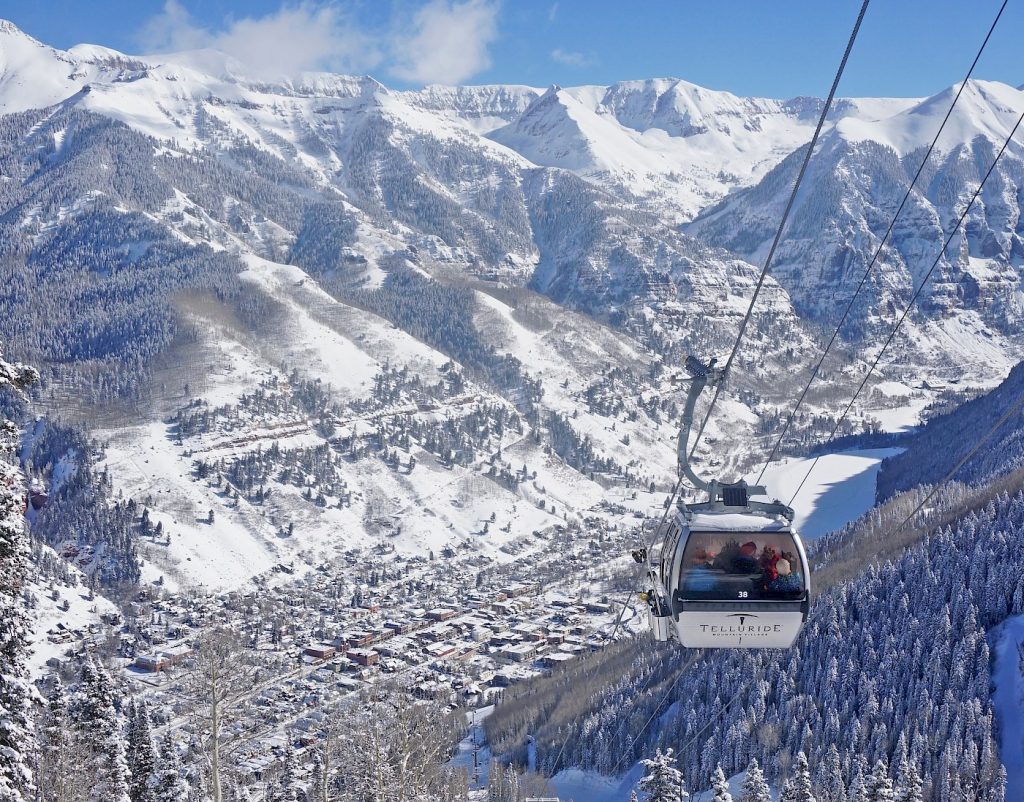
The beautiful ski resort of Telluride. Photo: Visit Telluride. Telluride Ski Patrol Strike: What’s Happening, What’s Been Agreed — and Why It Matters.

What Triggered the Telluride Ski Patrol Strike?

The dispute involves the Telluride Professional Ski Patrol Association (TPSPA), which represents the resort’s ski patrollers at Telluride Ski Resort.

Contract negotiations between patrol representatives and resort management had been ongoing for months, but talks failed to produce a new agreement before the previous contract expired. Central issues include:

Continue reading “Telluride Ski Patrol Strike: What’s Happening, What’s Been Agreed — and Why It Matters”

Tourists Arrive, but the Snow Doesn’t: A Worrying Winter Across the Italian Alps

Tourists Arrive, but Snow Is Missing Across the Italian Alps

Introduction

The 2025 winter season in the Italian Alps is once again highlighting a difficult and increasingly familiar reality: tourists are arriving on schedule, but snow conditions are not.

Skiers may also enjoy sunbathing on a terrace in the wintery landscape of Plan de Corones/Kronplatz, one of the most popular ski resorts of South Tyrol/Südtirol. Season Opening’s at the different ski resorts of Sudtirol and Christmas Markets.
Skiers may also enjoy sunbathing on a terrace in the wintery landscape of Plan de Corones/Kronplatz, one of the most popular ski resorts of South Tyrol/Südtirol.
Tourists Arrive, but the Snow Doesn’t: A Worrying Winter Across the Italian Alps.

From South Tyrol to Trentino and across the Dolomites, ski resorts are facing closed pistes, rain at altitude, reduced snowpack, and mounting climate-related risks — all with immediate consequences for tourism and long-term implications for mountain regions.

Continue reading “Tourists Arrive, but the Snow Doesn’t: A Worrying Winter Across the Italian Alps”

Why the Mountain Travel Symposium Matters for the Global Ski & Mountain Tourism Industry

The Trade Exchange Floor in full swing - Photo: Mountain Travel Symposium. Mountain Travel Symposium 2019 in Whistler – a recap.

Mountain Travel Symposium 2026: Why MTS Matters to Ski Tourism

The Mountain Travel Symposium (MTS) is more than just a conference — it is the most influential B2B event in the global ski and mountain travel industry. For over 50 years, MTS has brought together the people who actually move business: tour operators, ski resorts, destinations, accommodation providers, ski councils, clubs, and industry decision-makers from around the world.

The 2026 edition of the Mountain Travel Symposium will take place in Whistler Blackcomb, British Columbia, from April 13-18 2026, one of the most iconic mountain destinations in North America and a long-standing host of world-class international ski events.

End of the Group Exchange- Spain, Italy, Austria, Andorra, Argentina - the MTS is similar to the UN. Photo: Mirta Valentini- Trentino Marketing. Mountain Travel Symposium 2019 in Whistler – a recap.
End of the Group Exchange- Spain, Italy, Austria, Andorra, Argentina – the MTS is similar to the UN. Photo: Mirta Valentini- Trentino Marketing. Mountain Travel Symposium 2019 in Whistler. Why the Mountain Travel Symposium Matters for the Global Ski & Mountain Tourism Industry

A True Global Marketplace Under One Roof

What makes MTS unique is its structured business format. It is not a trade show where you hope to bump into the right person — it is a curated marketplace where meetings are intentional, productive, and measurable.

  • Tour Operators attend to source new destinations, resorts, hotels, and mountain experiences.

  • Suppliers — including resorts, DMOs, hotels, transport companies, ski schools, and service providers — meet buyers who already sell ski and mountain travel and are actively looking to expand their portfolios.

  • Ski Clubs & Ski Councils from the USA and Canada represent millions of skiers, many of whom travel internationally every year.

This mix creates a rare ecosystem where supply meets demand efficiently, saving companies months — if not years — of outreach.

Continue reading “Why the Mountain Travel Symposium Matters for the Global Ski & Mountain Tourism Industry”