Top 20 Sustainable Ski Resorts: Who’s Leading the Future of Green Skiing
Ski resorts across the world are facing the same challenge: warming winters, unpredictable snow, rising energy costs, and a growing demand for climate responsibility. But some destinations are stepping up with real, measurable initiatives — far beyond “eco-friendly” marketing slogans.
This list highlights 20 ski resorts worldwide that are genuinely leading in sustainability through renewable energy, low-carbon transport, biodiversity protection, efficient snowmaking, and community policies.
These are resorts taking action, not just talking about it.
This article may contain affiliate/compensated links. For full information, please see our disclaimer here. Some links on my website may not function properly if ad blocker is enabled.
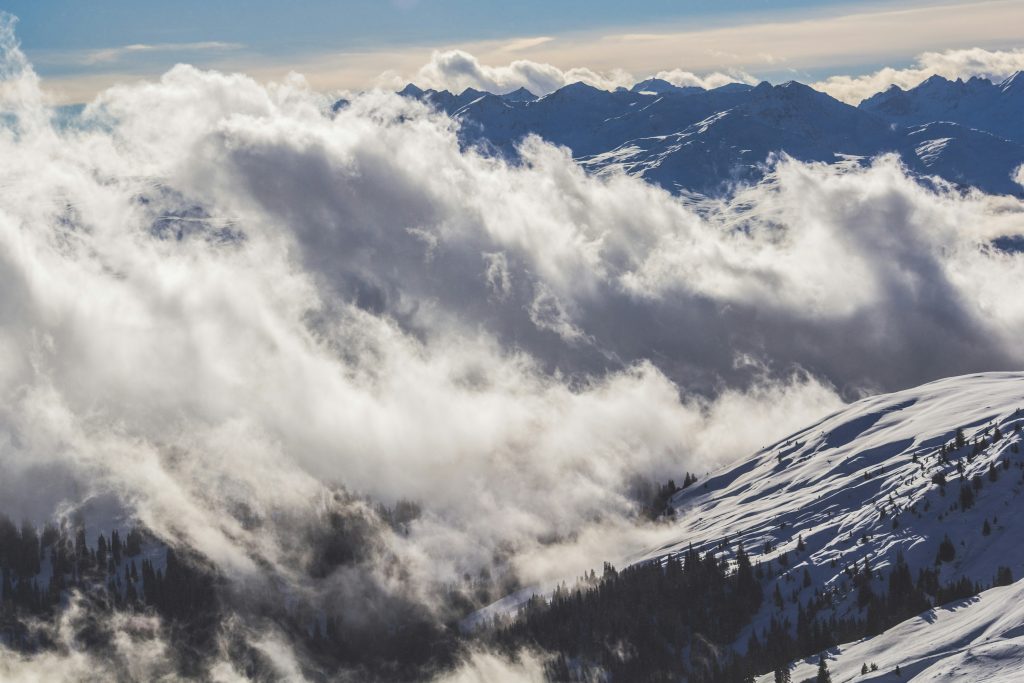
Laax between the clouds. Photo: Jorg Angeli. Unsplash. Which Ski Resorts Are Truly Leading Sustainability? A Top 20 Global List.. Books your stay at Laax here.
Why it leads: One of the world’s most ambitious sustainability programs (“Greenstyle”). Renewable energy, solar panels on lift stations, biodiversity goals, zero-waste projects, circular-economy strategy, and full sustainability reporting.
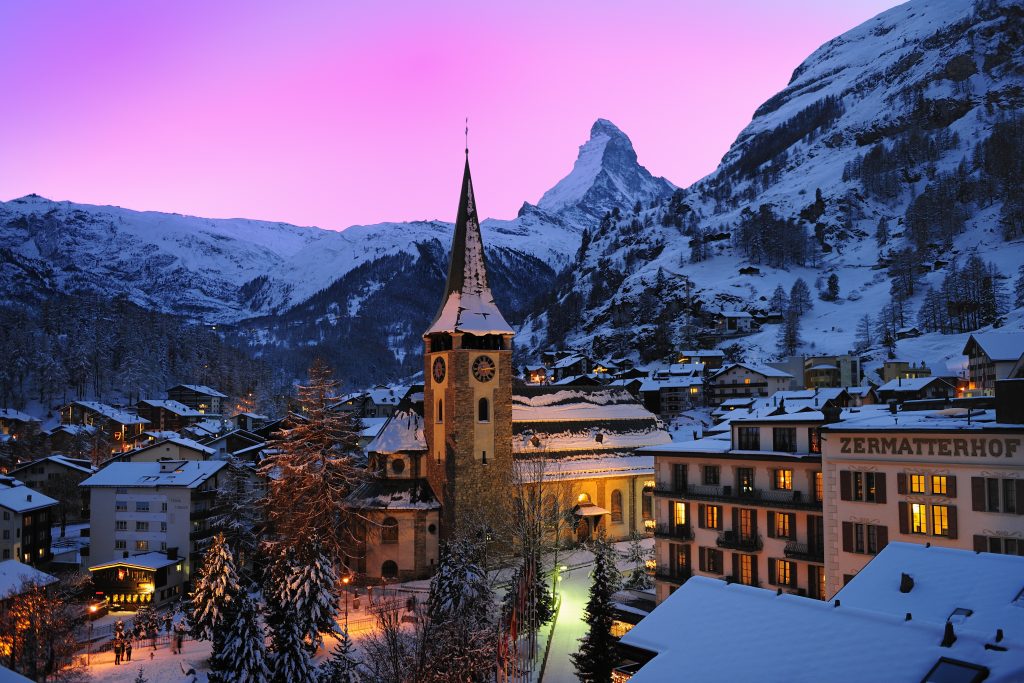
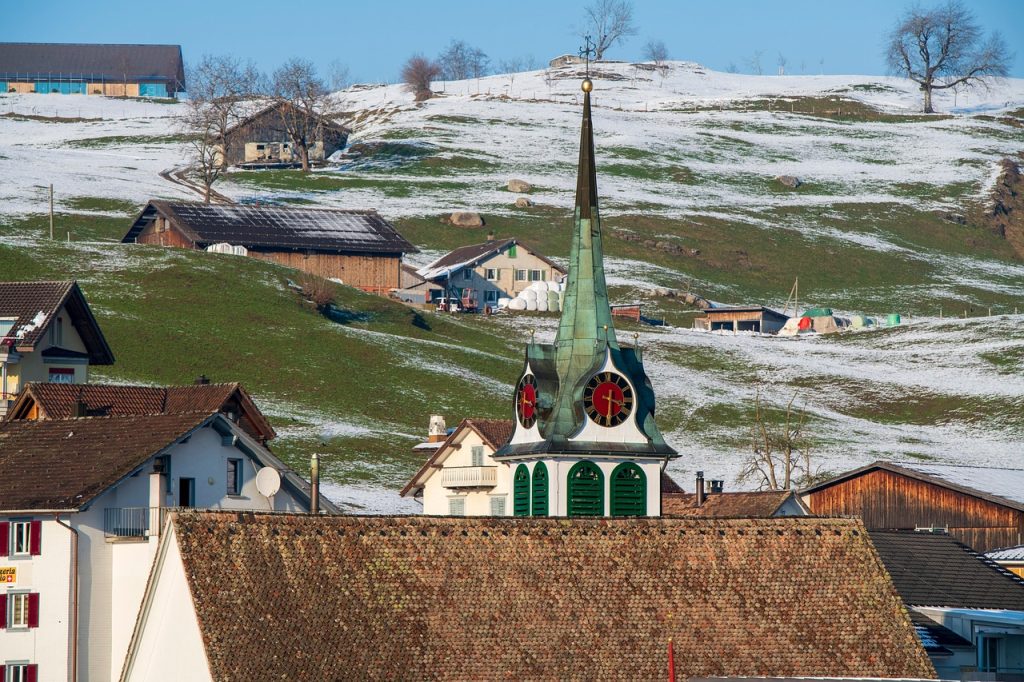
Zermatt Village photo: Leander Wenger- Zermatt Tourism Office. Which Ski Resorts Are Truly Leading Sustainability? A Top 20 Global List. Book your stay in Zermatt here.
Cogne–Pila Cable Car: Environmental and Economic Impacts
The debate around the proposed Cogne–Pila–Aosta cable-car linkis far from over. While the Cogne municipal council recently voted unanimously to support the motion, the project raises deeper questions that go well beyond tourism and mobility to environmental and economic impacts.
UPDATE – October 2026: The Pila–Cogne cable car project has moved forward. Nine initial alternatives have now been narrowed down to three, with Alternative 3 emerging as the preferred option and estimated costs of €150–190 million. Read our latest update on the Pila–Cogne cable car project.
At its core, the project forces the Aosta Valley to confront a defining issue for Alpine regions today: How do you balance economic development with environmental protection and cultural identity?
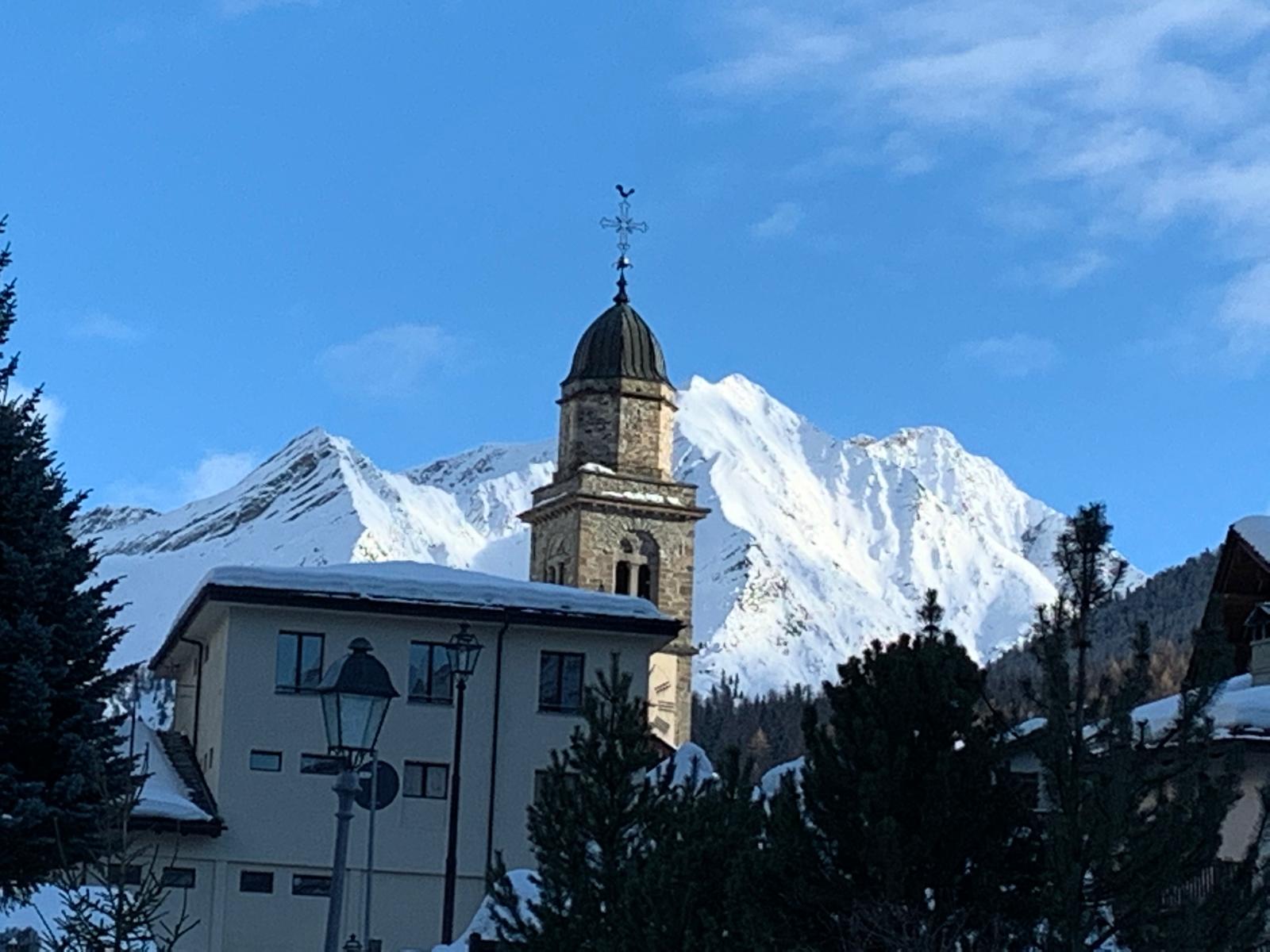
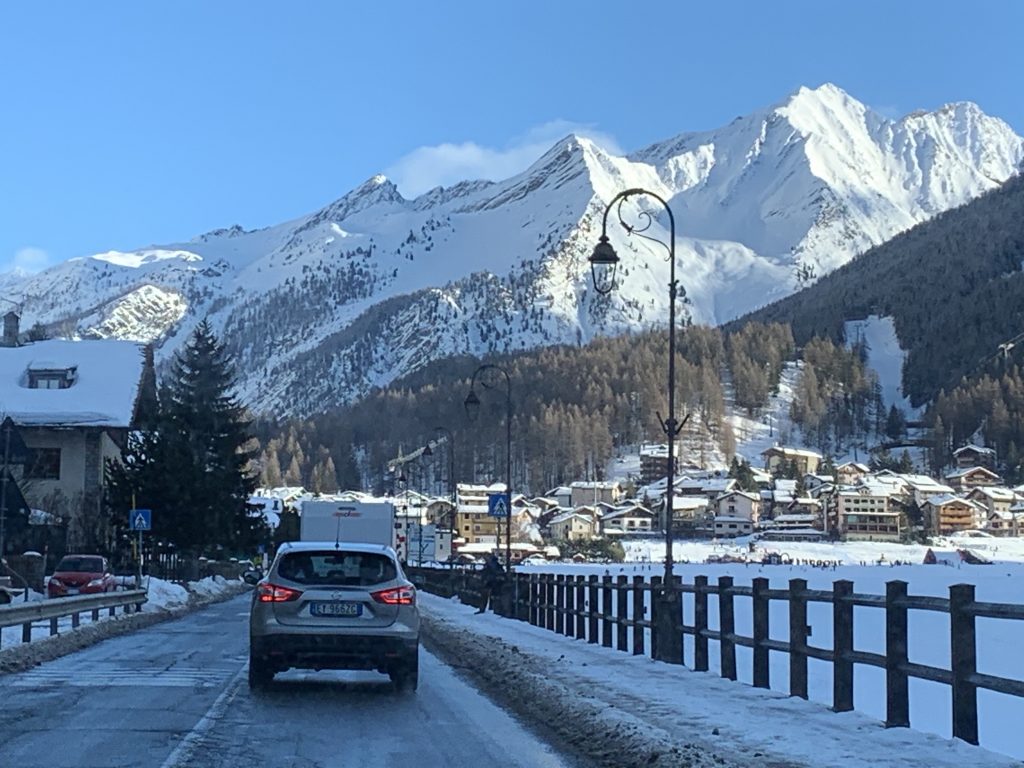
A winter’s evening in Cogne. Photo: The-Ski-Guru. 🌿🚡 The Cogne–Pila Cable Car: Environmental and Economic Questions Behind a Transformative Project.
🌱 1. Environmental Concerns: A Delicate Alpine Balance
Cogne is not a typical resort village. It sits at the entrance to Gran Paradiso National Park, one of Italy’s oldest and most protected natural areas. Its landscape, wildlife corridors, silence, and sense of pristine isolation are not accidents — they are the result of decades of careful restrictions, zoning, and community values.
Building a cable-car system in or near this protected environment raises several key concerns:
🦌 Wildlife Impact
Alpine ecosystems are fragile. Any infrastructure — pylons, cables, stations — may disrupt animal movement patterns, especially for species like ibex, chamois, and foxes that rely on quiet corridors.
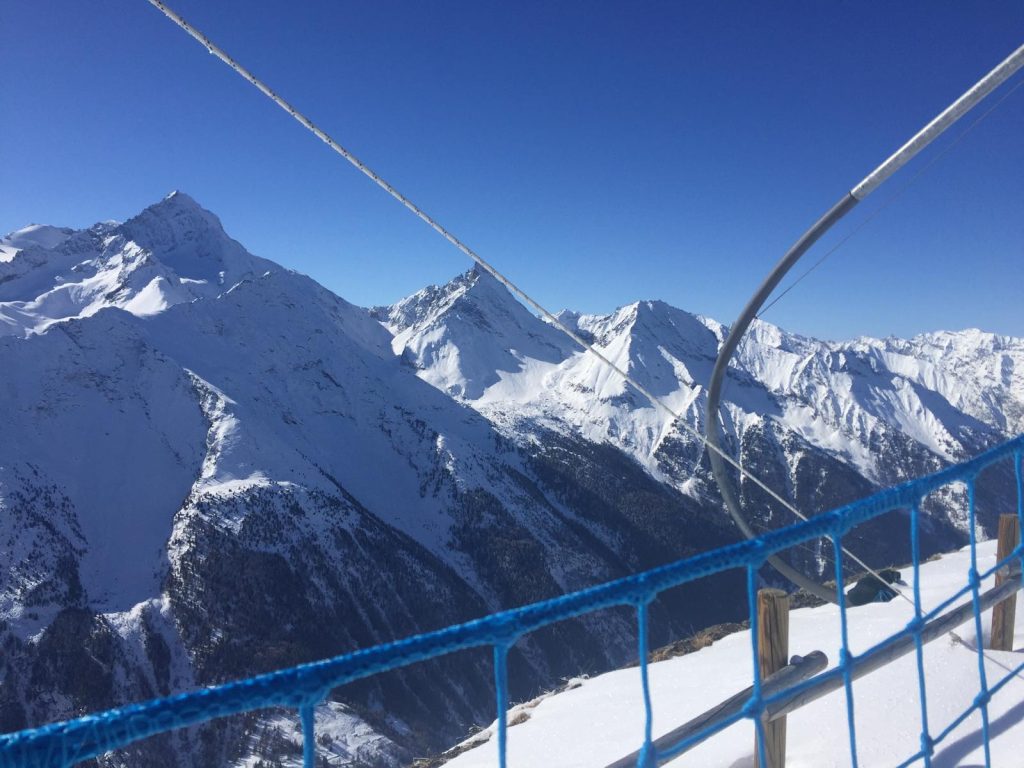
View from the top of Couis towards the Cogne valley. Photo: The-Ski-Guru.🌿🚡 The Cogne–Pila Cable Car: Environmental and Economic Questions Behind a Transformative Project.
Cogne–Pila Cable Car Debate: What’s at Stake in Aosta Valley
The long-discussed idea of creating a cable-car connection between Cogne, Pila, and Aosta has resurfaced — and this time, it is gaining political momentum. On 28 November 2025, the municipal council of Cogne voted unanimously to support a motion backing the potential lift, calling it a strategic project for the future of the community.
But if local institutions appear aligned, public opinion certainly is not. Few topics in recent years have sparked such a lively, emotional, and polarised debate in the Aosta Valley.
UPDATE – October 2026: The Pila–Cogne cable car project has moved forward. Nine initial alternatives have now been narrowed down to three, with Alternative 3 emerging as the preferred option and estimated costs of €150–190 million. Read our latest update on the Pila–Cogne cable car project.
Arriving in Cogne. Gran Paradiso National Park. Cogne is a valley behind and kind of completely disconnected to the main road that connects Aosta to the Mont Blanc Tunnel. That is part of its attraction. Photo: The-Ski-Guru. 🚡 The Cogne–Pila Cable Car: Why the Debate Is Heating Up in the Aosta Valley.
🌄 Why the Proposal Matters
Cogne sits at the gateway to the Gran Paradiso National Park, one of the most iconic and untouched mountain valleys in Italy. Its charm has always been tied to its remoteness: a destination you choose to reach, not one you stumble upon.
A direct lift to Pila would change that dynamic entirely. Supporters argue that this is exactly the point.
According to the council’s motion, the cable-car could bring:
Better connectivity, linking the upper valley to Aosta without relying solely on the long, winding road.
Economic opportunities, by making Cogne more accessible for both winter and summer tourism.
A more sustainable mobility model, reducing car traffic and integrating with existing lifts such as the Aosta–Pila gondola.
The project is not new. In late 2024, Pila S.p.A. had already begun preparing procedures to update the feasibility study, with preliminary estimates ranging from €50 to €150 million, depending on the final route and technology.
The plan was to connect the top of Pila to Cogne, making it a reality to connect Aosta all the way to Cogne and increasing. the visitors to the region. Stella di Pila on the top of Couis 1. Photo: Pila sPa. 🚡 The Cogne–Pila Cable Car: Why the Debate Is Heating Up in the Aosta Valley.
La Stella di Pila Inaugurates the 2025/26 Season with a New Panoramic Landmark
Pila officially opens for winter tomorrow, but today already felt like the real start of the season. The resort inaugurated La Stella di Pila, its long-awaited panoramic hub at 2,723 metres — and honestly, this might become one of the most iconic viewpoints in the entire Aosta Valley.
If you follow ski news (as I do every morning over coffee), you may have seen the coverage on Neveitalia and ANSA Valle d’Aosta. The excitement was justified: La Stella is not just another lift station; it’s a statement of where Pila wants to go.
And for those of you who already love this resort — or who discovered Pila through my Aosta Valley guidesor my recent artwork inspired by the region — this is something you’ll want to experience.
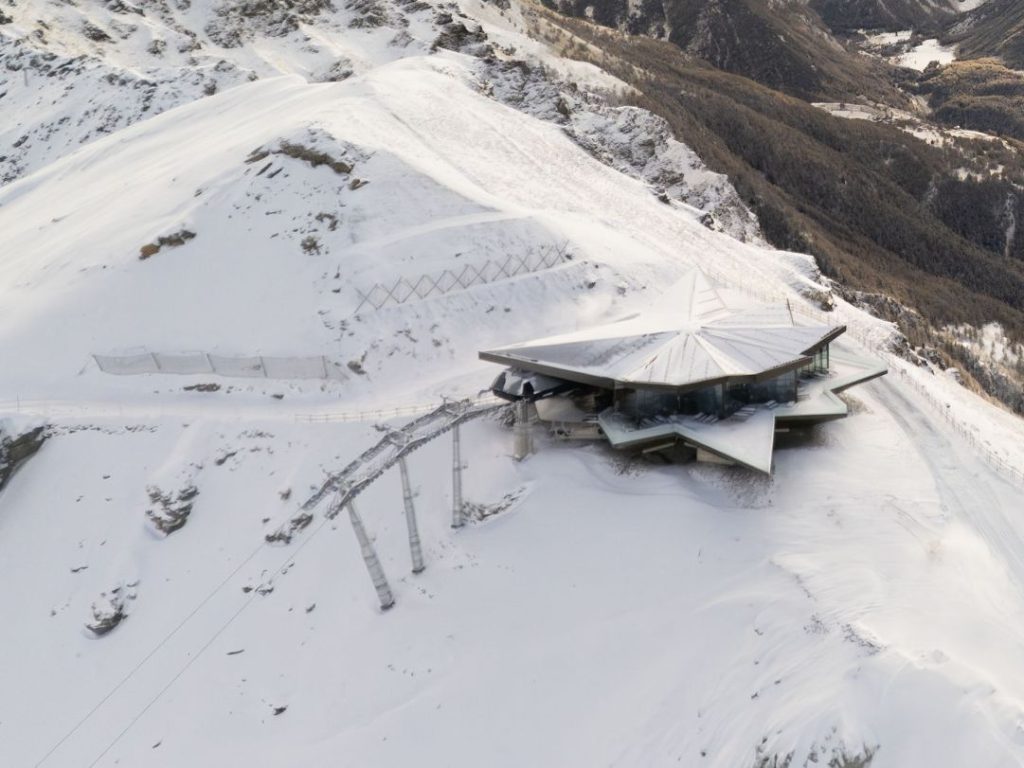
An aerial view of the Stella di Pila or Stella di Couis, on the top of the mountain, with 360 views of the 4,000 meters iconic peaks. Photo: Pila sPa. La Stella di Pila: A New Alpine “Star” Opens a Brighter Season for the Aosta Valley.
How Fast Can Ski Resorts Make Snow? Modern Snowmaking, Temperatures and Costs Explained
Warm starts to winter are becoming the norm, not the exception. Yet every autumn, some ski resorts still manage to open with a decent snow base and a white ribbon of snow, even when the surrounding hillsides are brown.
So: how fast can a modern ski area actually build a skiable base when there’s no natural snow? What temperatures do they need, how much water and energy does it take, and what happens when it’s too warm even for snow guns?
The art of snow making. Photo: Aaron Burden. Unsplash. ❄️ How Fast Can Ski Resorts Build a Snow Base When Nature Fails?
In this post I’ll look at:
How conventional snowmaking works
Rough timeframes to build a base on key slopes
The temperature window you need
All-weather (temperature-independent) snowmaking for warm conditions
Real examples from North America, South America, Europe and Asia
Why the Best Snow Isn’t Always Natural: How Lifts, Carving Skis & Smart Snowmaking Shape Your Ski Holiday
Every skier dreams of that perfect ski day: soft snow underfoot, crisp winter air, freshly groomed pistes, and wide-open carving turns.
But the truth behind why snow feels good or bad under your skis has changed dramatically over the past 20 years — and most holiday skiers have no idea why.
Two recent Nevasport articles explain this brilliantly:
Double chairlift with safety bar- this one you need to look out to grab the bar, it is a different model (a bit more modern maybe). Why the Best Snow Isn’t Always Where You Think: How Lifts, Carving Skis & Smart Snowmaking Shape Your Next Ski Holiday.
They highlight something both simple and surprising:
The snow you ski today is shaped by technology and skier behaviour as much as by weather.
Let’s unpack the story behind truly great snow — the kind your skis glide on effortlessly.
In one Nevasport article, the author makes an amusing but very true observation:
if you want to find the best snow on the mountain, look for the old two-seater chairlift.
Why?
Because modern 6- and 8-seaters unload thousands of skiers per hour on the same slope. That much traffic simply erodes the snow faster.
A piste that once stayed soft until the afternoon can now be scraped, bumpy, or piled up by 11:00 a.m.
Switzerland Braces for a Hotter, Wilder Future — What It Means for the Alps
Switzerland’s Alps are heating up nearly twice as fast as the global average. The new CH2025 Climate Report by MeteoSwiss and ETH Zurich reveals what this means for our mountains — and for those who love them.
🇨🇭 A Country Warming Twice as Fast
Switzerland — famous for its snow-covered peaks and pristine valleys — has already warmed by 2.9°C since pre-industrial times, compared with around 1.3°C globally. According to the CH2025 Climate Report, the country faces a future of hotter summers, heavier storms, and rising snowlines that could reshape mountain life and tourism.
☀️ More Heatwaves — Even in the Mountains
Extreme heat events have become far more common in the past 25 years, and this trend is accelerating. The report warns that a day as hot as those that used to occur once every 50 years could now happen every three years or more. Cities like Zurich, Geneva, Basel and Lugano are expected to see far more “tropical nights,” when temperatures never drop below 20°C. Even Alpine valleys will experience unprecedented heat stress.
Lower elevations in Switzerland are destined to not have more snowy winters. Photo: Josef Farago. Pixabay. Switzerland’s Alps Face a Hotter, Wilder Future
🌾 Drier Summers Ahead
Summers are projected to become significantly drier due to increased evaporation and reduced rainfall. A drought that once happened once a decade could strike three times as often and with 44% greater intensity. Forest fire risk is rising sharply, particularly in Valais, Ticino, and parts of Graubünden.
The 2020 International Report on Mountain & Snow Tourism has just been published.
Overview of key industry figures for ski resorts
This article may contain affiliate/compensated links. For full information, please see our disclaimer here.
April 2020 –
The 2020 edition of the International Report on Snow and Mountain Tourism has just been unveiled at an online press conference this Wednesday April 22, 2020 by the Swiss expert Laurent Vanat in partnership with the organizers of Mountain Planet, world’s leading trade fair for the mountain development and industry which should have been taken place from April 22 to 24, 2020 in Grenoble / Alpexpo. Based on the winter 2018/19 figures, it presents rejoicing figures in a depressed covid-19 environment.
The 2020 International Report on Mountain & Snow Tourism has just been published. Laurent Vanat.
Highlight – the 2018/19 ski season has been the best ski season of the millennium!
The 2018/19 ski season presented in the 2020 International Report on Snow & Mountain Tourism report is the best of the new millennium as far as global visitation figures are concerned. It is a pleasure to see that despite adverse conditions the ski industry is facing, with climate change, increasing competition and the demographics, it still has the potential to feature globally 3 seasons in a row with growth. In today’s depressed environment further to covid-19 abrupt closure of the 2019/20 season in most of the northern hemispheres’ ski areas, this is heralding of a better tomorrow. It demonstrates the strength of the ski industry notwithstanding the current situation and allows dreaming that the 2020/21 season will enable to return to a high level of attendance at ski resorts all over the world.
Indoor slope in Finland – Photo copyright – Laurent Vanat. The 2020 International Report on Mountain & Snow Tourism has just been published.
During the 2018/19 winter, United States ski areas recovered with excellent snow conditions and performed well above average. The country is back on the top of the podium for the 2018/19 season. Visitation level was the 4th best in the past 41 years. It may also have been boosted by the spread of the mega-passes that the enhanced competition created by the consolidation of the industry is heavily promoting. This trend, together with dynamic pricing, has also now reached Europe. Both are introducing a disruption in the traditional business model of the industry that is still viewed with a touch of scepticism in some places and not yet widely adopted. However, discounted multi-resort seasonal passes seem to have helped for the recovery of attendance at Swiss resorts for instance. Czech Republic, Poland and Slovakia are also featuring some interesting examples, which integrate interactive customer relationship management systems.
Final chance to participate in crowdfunding of the 2019 International Report on Snow & Mountain Tourism
In order to both keep the International Report on Snow & Mountain Tourism available for free download on the Internet and to ensure the sustainability of its yearly update, several individuals, companies and organisations get mobilised since 2016 and participate to the crowdfunding campaign. This support enabled up to now to cover about half of the investment in the preparation of the 2016, 2017 and 2018 reports.
Final chance to participate in crowdfunding of the 2019 International Report on Snow & Mountain Tourism. Laurent Vanat photo.
2019 will see a new updated issue of the International Report on Snow & Mountain Tourism, which will be released next April. The subscription to the 2019 crowdfunding campaign is therefore now open and a renewed call is addressed to all the fans of this world acknowledged international report to support it with a voluntary contribution. Independent of the amount of its contribution (over a technical minimum), each contributor will be listed in the acknowledgments section of the report.
To participate, please contribute using the link https://www.paypal.me/laurentvanat or announce by return e-mail to vanat@vanat.ch your contribution to the 2019 crowdfunding campaign and proceed by bank transfer. See bottom of this message for details.
Listex’s State of the UK Snowsports Market Report 2018. Listex is London International Snowsports Trade Exchange that gathers the UK andEuropean ski industry each year in May and September.
Its Forum covers lots of interesting topics, such as their
annual State of the Snowsports Market. As a marketeer, I’ve found this report
interesting as it focused in how buyers got inspired and went on to book their
ski holidays, who they trust and what is important for them when booking a ski
holiday.
Here is the executive summary of the report and if you go to
the end, you’ll have a link to be able to read the entire report.
The Forum at Listex 2018. Listex’s State of the UK Snowsports Market Report 2018
Inspiration, Information and trust:
Friends and families continue to be the most cited, and most
trusted sources of information and inspiration for skiers when choosing a
holiday. Social media continues to score very poorly, even amongst the under 35
demographics.
Important factors:
Price, snow and ski area size continue to be the most
important factors when choosing a ski holiday destination, but below these
headliners, there has been some shifts with accommodation and food quality
making gains. Amongst the under 35’s, resort altitude scores as less important
and après-ski climbs the table, suggesting some shifts in priorities.
Enjoyed this post? Get my latest ski guides, weather insights, resort updates and travel tips directly in your inbox. Subscribe to The-Ski-Guru here.
Manage Cookie Consent
To provide the best experiences, we use technologies like cookies to store and/or access device information. Consenting to these technologies will allow us to process data such as browsing behavior or unique IDs on this site. Not consenting or withdrawing consent, may adversely affect certain features and functions.
Functional
Always active
The technical storage or access is strictly necessary for the legitimate purpose of enabling the use of a specific service explicitly requested by the subscriber or user, or for the sole purpose of carrying out the transmission of a communication over an electronic communications network.
Preferences
The technical storage or access is necessary for the legitimate purpose of storing preferences that are not requested by the subscriber or user.
Statistics
The technical storage or access that is used exclusively for statistical purposes.The technical storage or access that is used exclusively for anonymous statistical purposes. Without a subpoena, voluntary compliance on the part of your Internet Service Provider, or additional records from a third party, information stored or retrieved for this purpose alone cannot usually be used to identify you.
Marketing
The technical storage or access is required to create user profiles to send advertising, or to track the user on a website or across several websites for similar marketing purposes.







 Subscribe to The-Ski-Guru here.
You must be logged in to post a comment.