Is the Future of Ski Resorts Becoming Local Again?

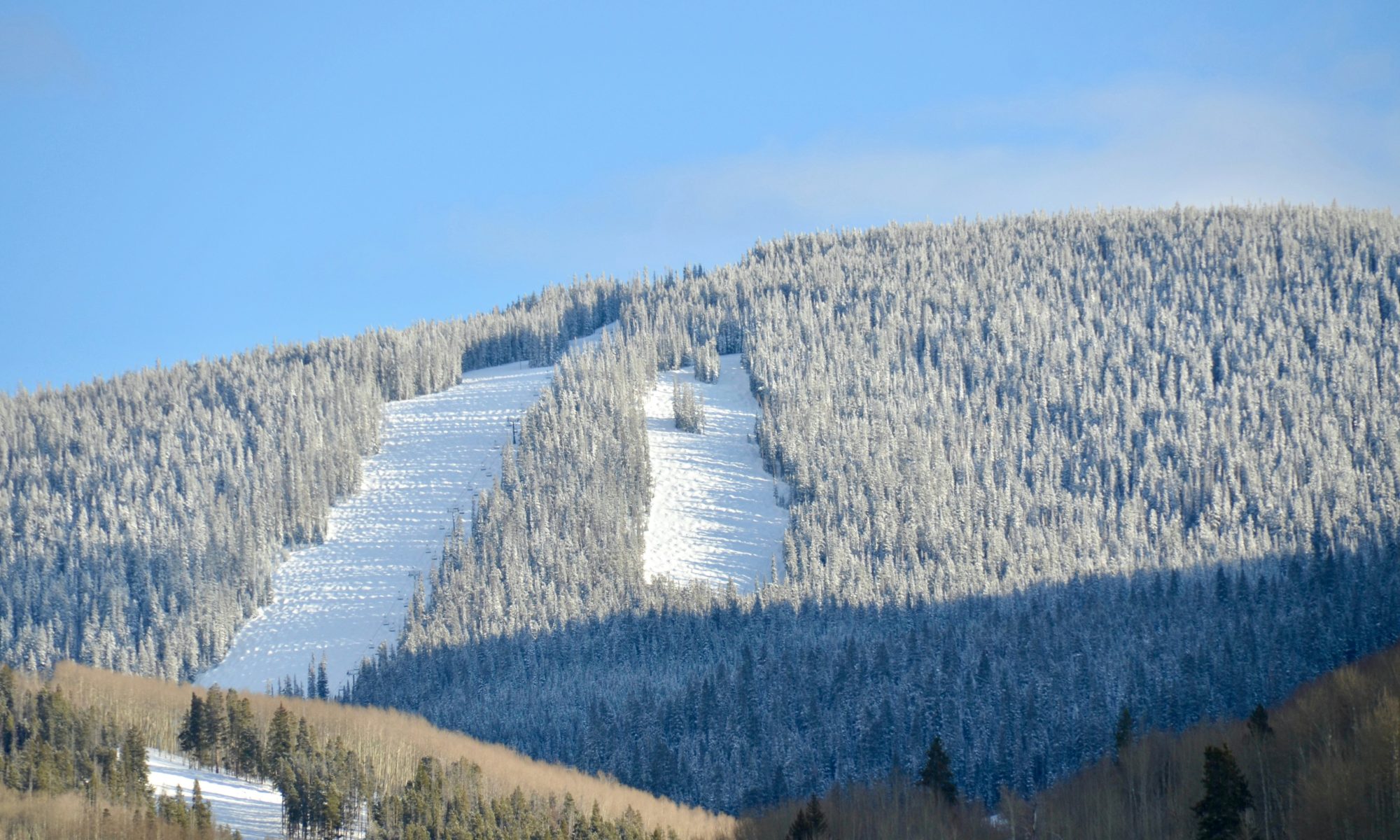
Black Mountain, operated by Indy Pass. Photo: Indy Pass.

As climate pressures, rising infrastructure costs, labour shortages and industry consolidation reshape skiing on both sides of the Atlantic, an unexpected trend is emerging: communities, municipalities and cooperative groups are increasingly stepping in to save, buy or directly influence ski areas they see as essential to local survival.

What once looked like isolated rescue stories is beginning to resemble a wider structural shift in how smaller ski resorts survive.

The latest example comes from Canada, where the Sault Ste. Marie Economic Development Corporation in Ontario stepped in to purchase the historic Searchmont Resort. Local officials described the ski hill as a “vital community asset” tied not only to tourism, but also to jobs, economic development and the wider identity of the region. The acquisition followed years of operational struggles and municipal support aimed at keeping the mountain open.

The story reflects a growing idea emerging across mountain regions: ski hills are increasingly being viewed less as standalone private businesses and more as strategic community infrastructure.

Continue reading “Is the Future of Ski Resorts Becoming Local Again?”
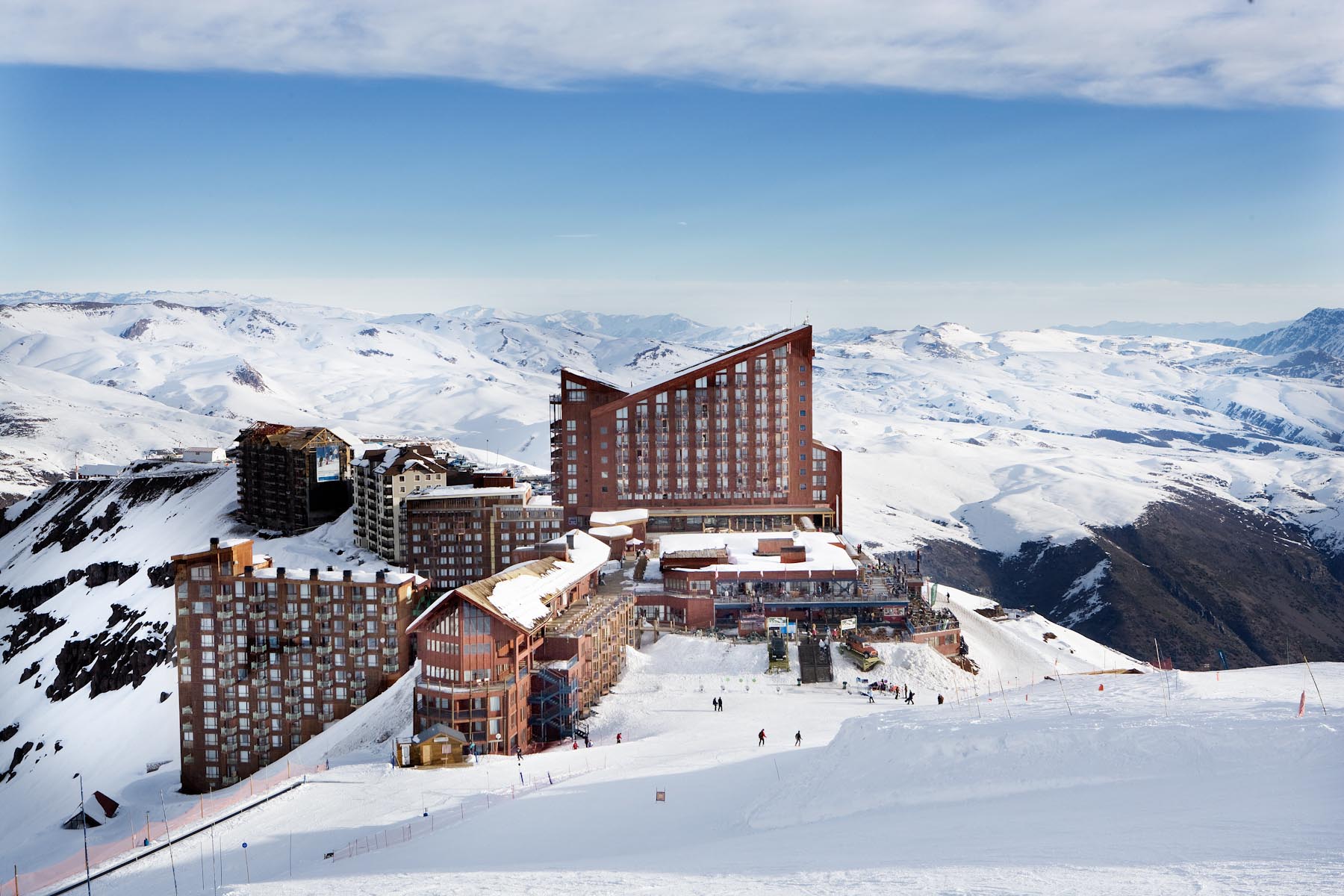
Mountain Capital Partners Plans US$17.5 Million Investment to Modernise Chile’s La Parva and Valle Nevado

The Hotel Valle Nevado in the front, with the towering Puerta del Sol in the background. Photo courtesy Valle Nevado.

Mountain Capital Partners has announced plans for a major US$17.5 million investment aimed at modernising Chilean ski resorts La Parva and Valle Nevado, in what could become one of the most significant ski infrastructure projects in South America in recent years.

This is as part of a wider US$37.5 million capital-improvement programme across its portfolio.

Correction: An earlier version of this article stated that the planned investment was US$175 million. The correct figure is more than US$17.5 million for Valle Nevado and La Parva, as part of MCP’s wider 2026 capital-improvement programme.

The investment is designed to strengthen the connection and operational integration between the two resorts, creating a larger and more internationally competitive ski domain in the Andes above Santiago. The project reflects a broader global trend already visible across North America and parts of Europe, where ski operators are increasingly investing in interconnected terrain, upgraded lift systems, snowmaking infrastructure, and year-round destination appeal.

Continue reading “Mountain Capital Partners Plans US$17.5 Million Investment to Modernise Chile’s La Parva and Valle Nevado”

Giro d’Italia Returns to Val d’Aosta With Major Summit Finish in Pila

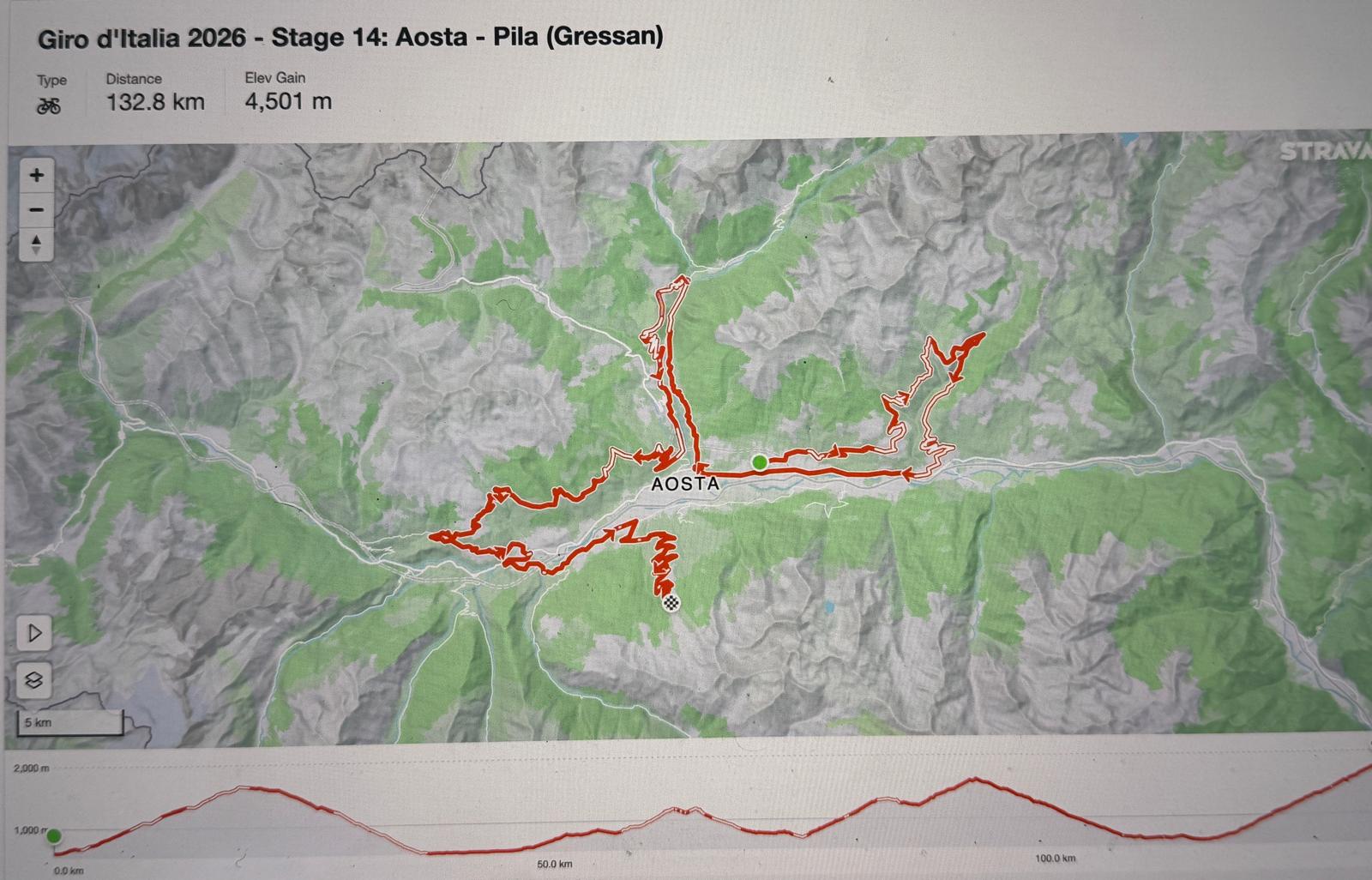
Etape of the Giro d'Italia. Strava.

The Giro d’Italia 2026 is returning to the Aosta Valley this May with one of the most important Alpine stages of the race, as Stage 14 finishes in Pila on Saturday 23 May.

The stage, officially running from Aosta to Pila (Gressan), is already being described as one of the decisive mountain stages of the 2026 Giro. The route packs more than 4,000 metres of climbing into just 133km, with the final ascent to Pila expected to create major time gaps between the race favourites. 

According to the official race route, riders will tackle a series of climbs across the Aosta Valley before the final ascent from Gressan to Pila, a climb measuring approximately 16.5km at an average gradient above 7%. The finish line will sit high above the valley with views toward Mont Blanc, Monte Rosa, the Matterhorn and Gran Paradiso. 

Continue reading “Giro d’Italia Returns to Val d’Aosta With Major Summit Finish in Pila”

Why Low Avalanche Danger Does Not Mean No Avalanche Risk

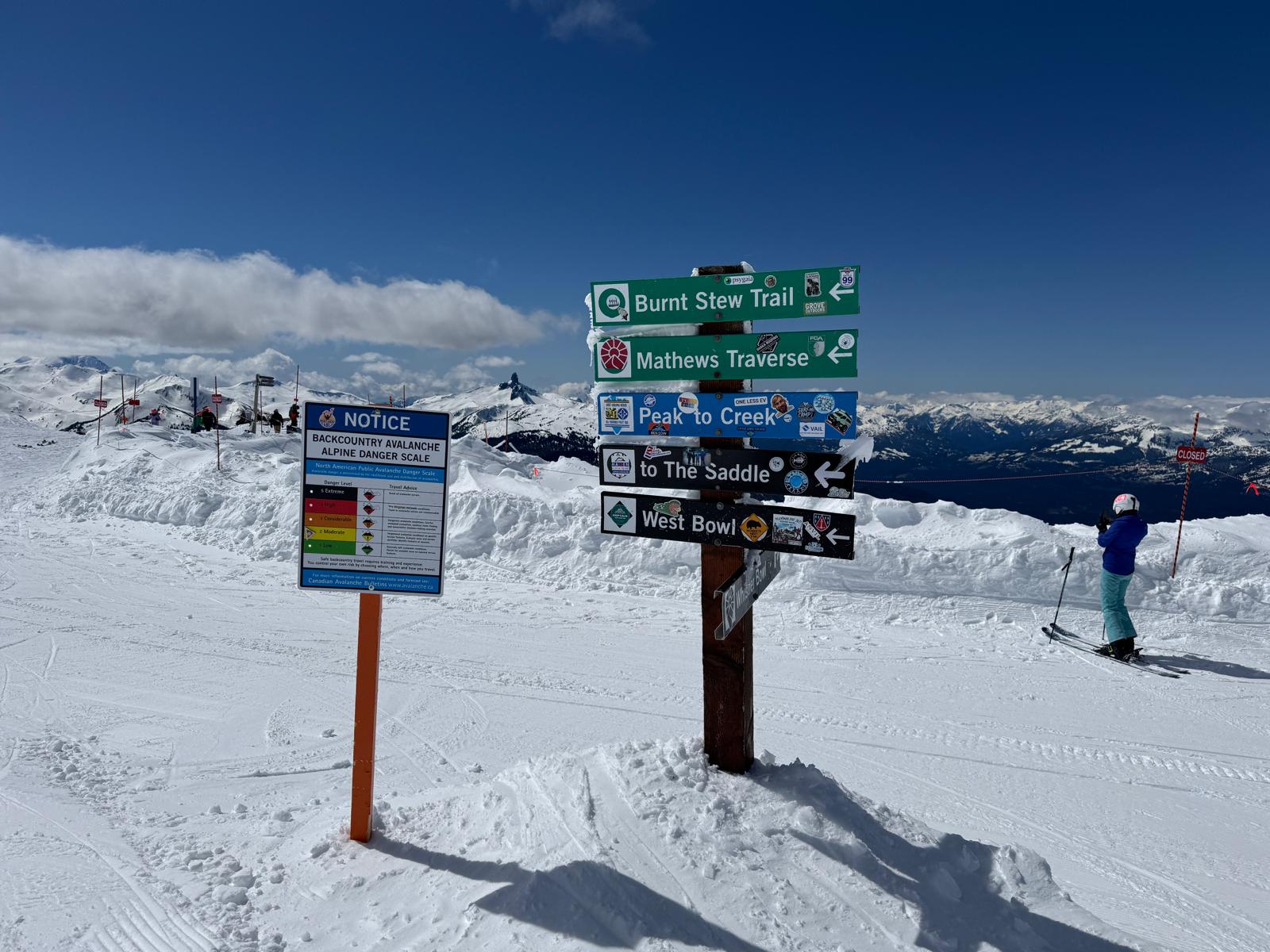
Avalanche posts on top of Whistler Mountain. Photo: The-Ski-Guru.

A Level 1 — Low avalanche danger rating does not mean the mountains are avalanche-free.

This is one of the most important — and most misunderstood — aspects of avalanche forecasting.

The European Avalanche Danger Scale describes the overall stability of the snowpack across a region. Even during Low danger conditions, isolated unstable slopes and specific avalanche problems may still exist.

Avalanche accidents can and do occur at Level 1.

Although the probability of triggering an avalanche is generally lower than during Moderate, Considerable, or High danger conditions, local terrain features can still create serious hazards.

This is especially true in steep alpine terrain, heavily wind-loaded slopes, glacier entrances, terrain traps, or sectors affected by glide avalanches.

At Level 1, natural avalanches are generally unlikely and the snowpack is considered mostly stable.

However, “mostly stable” does not mean “completely stable.”

Continue reading “Why Low Avalanche Danger Does Not Mean No Avalanche Risk”

Why Avalanche Accidents Still Happen at Level 2 – Moderate

Avalanche Level 2 Photo: Avalanchegeeks.com

A Level 2 — Moderate avalanche danger rating is one of the most misunderstood conditions in the mountains.

For many recreational skiers and occasional ski tourers, a Level 2 bulletin can sound relatively reassuring. The word “moderate” often creates the impression that conditions are largely stable and that avalanche risk is limited.

In reality, many serious avalanche accidents still occur during Level 2 conditions.

Continue reading “Why Avalanche Accidents Still Happen at Level 2 – Moderate”

Fresh Snow, Wind Slabs and Spring Avalanche Risk Return to the Écrins

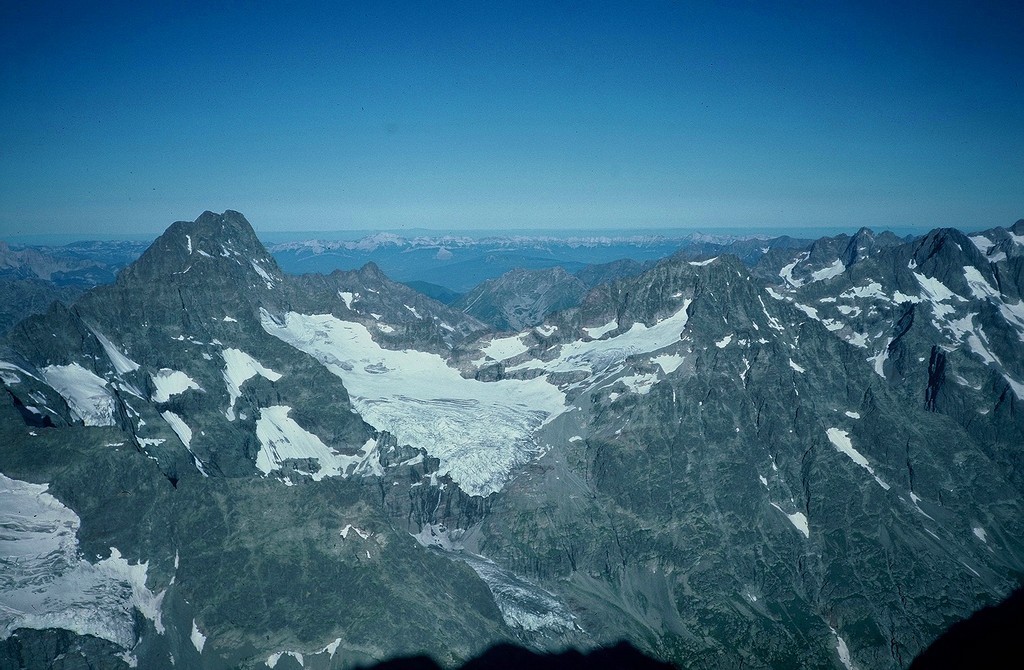
Aiguille de Olan- Photo: Alain Bellon. Altituderando.com

Nearly One Metre of Snow in Five Days: Renewed Avalanche Instability in the French Alps

A fatal avalanche accident in the Écrins massif and multiple recent avalanche observations across the French Alps are highlighting how rapidly spring mountain conditions can deteriorate following late-season snowfall and wind transport.

On Friday morning, a Savoyard high mountain guide died after being swept away by a wind slab avalanche near the summit of the north face of the Aiguille de l’Olan in the Oisans massif. According to early reports, the guide and a companion were close to the summit and had reportedly intended to ski the descent when a wind slab suddenly released, carrying one of the climbers approximately 400 metres down the face.

A second fatal avalanche accident was reported the following day in the Mont Blanc massif, where a young French skier died on Saturday 9 May after being swept away on the north face of the Aiguille du Plan above Chamonix. According to Le Dauphiné Libéré, three skiers aged around 20 to 25 were descending the face when they triggered a fresh-snow avalanche shortly after midday. One skier was carried away and later found dead by PGHM Chamonix rescuers, while his two companions were evacuated from the route. The accident adds further weight to warnings about late-spring instability following recent snowfall across the northern French Alps.

Continue reading “Fresh Snow, Wind Slabs and Spring Avalanche Risk Return to the Écrins”

Housing the Workforce: The Growing Constraint on Mountain Tourism from Aspen to the Alps

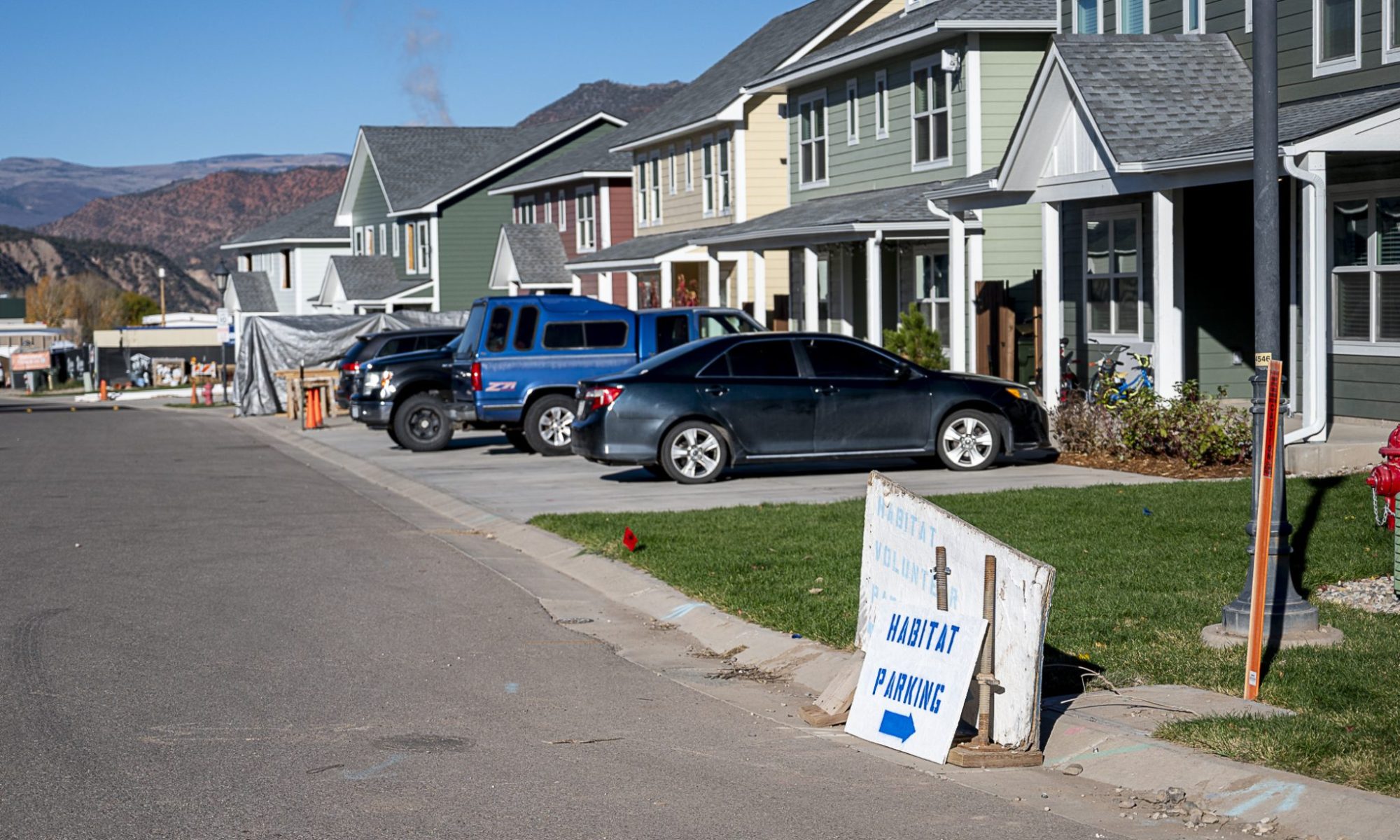
Homes built by Habitat for Humanity Vail Valley. Stratton Flats Neighborhood in Gypsum Photo: Ben Roof/Special to the Summit Daily

The conversation around ski destinations has long focused on snow, infrastructure, and demand. Yet across North America and Europe, a different constraint is becoming increasingly visible: whether the people who operate these destinations can still afford to live within reach of them.

What appears at first as a local issue in individual resorts is, in reality, a structural challenge affecting mountain tourism globally. From Aspen to Zermatt, from Whistler to Cortina d’Ampezzo, the same question is emerging in different forms: who can still afford to live where tourism takes place, and how far can they be pushed away before the system begins to strain.

In North America, the issue is often framed directly as workforce housing. In Aspen, one of the most developed housing systems in ski tourism has been in place for decades, yet demand continues to exceed supply. Access to subsidised housing remains competitive, with strict qualification systems and long waiting lists. The conclusion is difficult to avoid: even a mature, highly structured model does not fully resolve the imbalance between housing supply and workforce demand.

Continue reading “Housing the Workforce: The Growing Constraint on Mountain Tourism from Aspen to the Alps”

U.S. Skier Visits Drop 14% in 2025–26 — A Weak Winter With Structural Signals

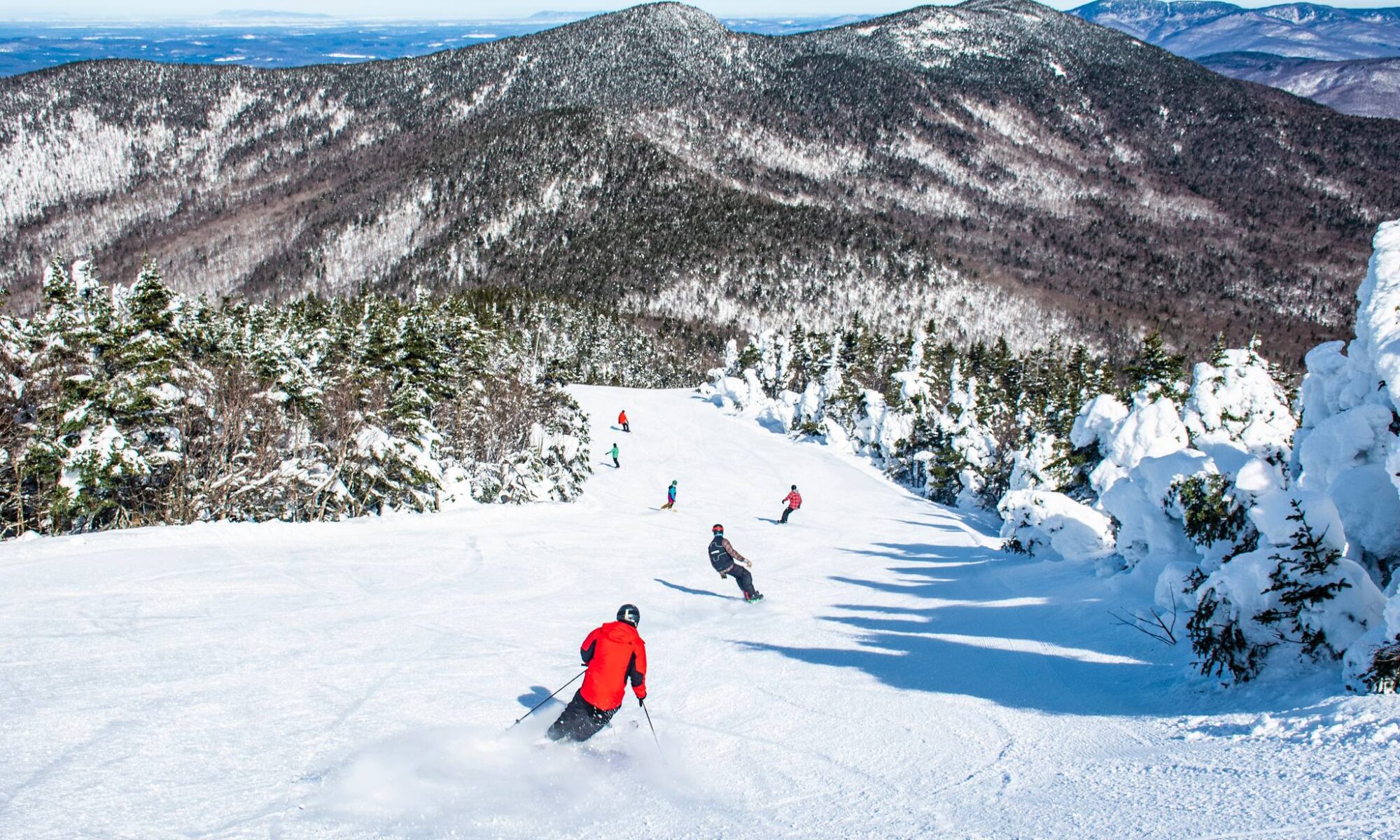
Some pistes in Vail Mountain. Photo: David Maunsell. Unsplash.

New data from the National Ski Areas Association (NSAA) confirms what operators across North America have been experiencing throughout the winter: skier visits in the United States fell by around 14% during the 2025–26 season.

The figures mark one of the most significant declines in recent years and a clear break after four consecutive seasons exceeding 60 million visits.

A Season Defined by the West

The decline is closely tied to what has been one of the weakest winters on record across large parts of the western United States.

Continue reading “U.S. Skier Visits Drop 14% in 2025–26 — A Weak Winter With Structural Signals”

Adventure Travel in 2026: Growth Slows as the Industry Shifts from Volume to Value

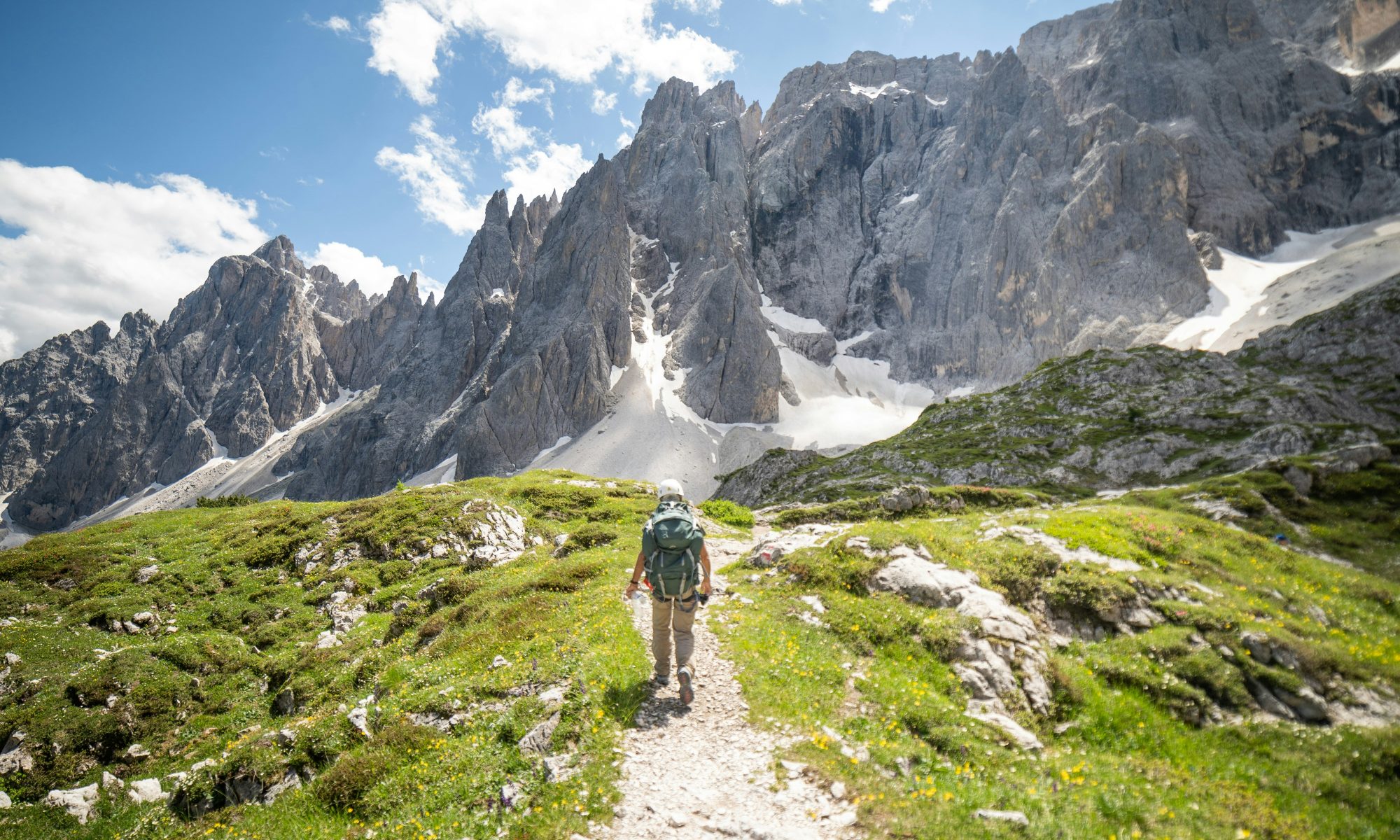
Hiking in the Dolomites. Photo: Hikerwise. Unsplash.

Introduction

The latest data from the Adventure Travel Trade Association offers one of the clearest signals yet of where global travel demand is heading.

The 2026 Adventure Travel Trends & Insights report shows an industry that is still growing, but no longer at the pace seen in the immediate post-pandemic rebound. Instead, adventure travel is entering a more complex phase, where growth is slower, more selective, and increasingly driven by value rather than volume.


Growth Continues — But the Model Is Changing

Most tour operators reported revenue increases in 2025, but these gains were generally incremental rather than dramatic. At the same time, a larger share of businesses reported declines, and overall trip volumes softened slightly.

This combination marks a clear turning point.

Continue reading “Adventure Travel in 2026: Growth Slows as the Industry Shifts from Volume to Value”

Are Lower-Elevation Ski Resorts Becoming Unviable?

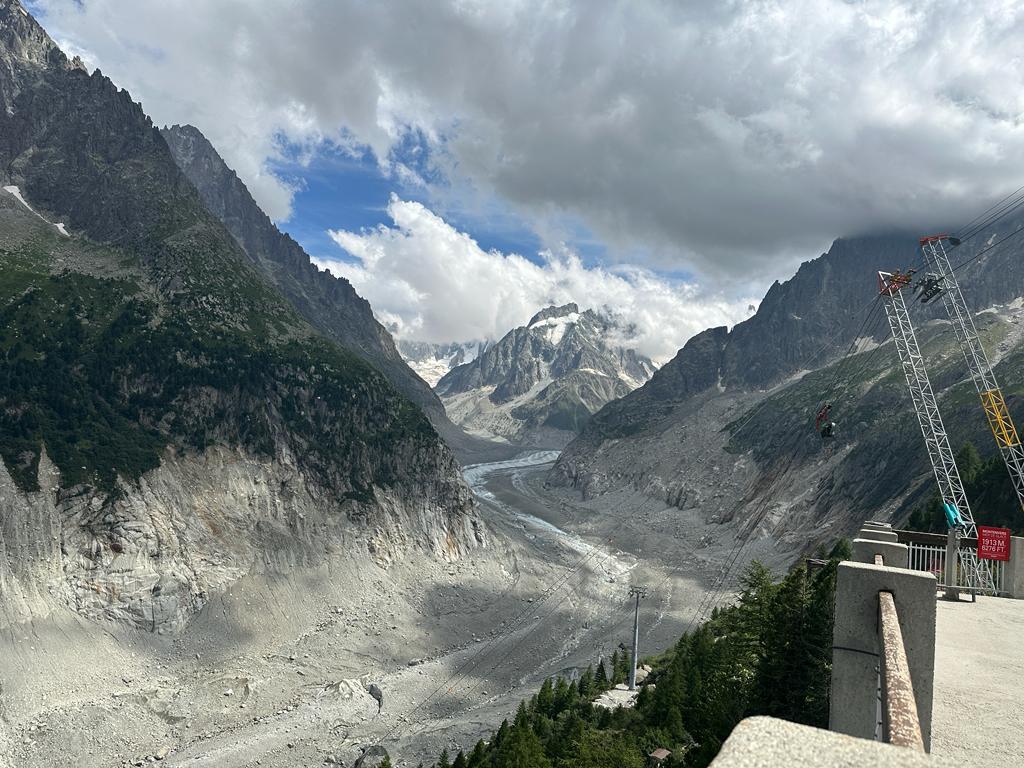
Resorts are adapting from depending only on snow-availability, to four seasons activities. Photo: Montenvers Glacier in Chamonix. The-Ski-Guru.

The question of whether lower-elevation ski resorts in the Alps can remain viable is no longer theoretical. It is already being tested in real time.

Following a winter that, despite perception, failed to deliver consistent snowpack across much of the range, the structural weaknesses of lower-altitude skiing are becoming harder to ignore. As explored in The Alps Did Not Have a Snow-Rich Winter: Why 2026 Resembles 2022 for Glaciers, the idea of a snow-rich season does not reflect the underlying reality of increasingly uneven snowfall and reduced snow retention.

What matters now is not just how much snow falls, but where—and how long it lasts.


The Altitude Problem Is Becoming Structural

For decades, ski resort viability in the Alps was closely tied to a relatively stable threshold. Resorts above roughly 1200 metres could expect reliable snow seasons, while those below faced more variability.

That line is shifting.

Continue reading “Are Lower-Elevation Ski Resorts Becoming Unviable?”