Investment as “Multi-Risk Insurance”: How Ski Resorts Are Reinventing Infrastructure Across the Alps and North America

A chairlift in Grandvalira full of snow. Photo Grandvalira. Grandvalira, Pal Arinsal and Ordino Arcalis have opened thanks to the latest snowstorm.

The global ski industry is entering a new phase of infrastructure investment. Across the Alps and North America, ski resort investment is accelerating as operators modernise lifts, expand snowmaking systems and adopt new digital technologies.

While modernisation has always been part of the ski resort business model, the nature of investment is changing. Resorts are no longer investing solely to improve comfort or capacity. Increasingly, infrastructure spending is designed to manage a combination of risks: climate variability, visitor flow management, regulatory pressure and rising operating costs.

In France, where investment data is closely monitored through an industry barometer conducted by Montagne Leaders in partnership with Atout France and Domaines Skiables de France (DSF), ski areas invested €555 million in 2025, roughly 32% of pre-tax turnover. This level of reinvestment is significantly above the long-term average and illustrates the structural importance of infrastructure investment in mountain economies.

Across the Alpine region and North America, similar patterns are emerging.

Continue reading “Investment as “Multi-Risk Insurance”: How Ski Resorts Are Reinventing Infrastructure Across the Alps and North America”

Cervinia–Monterosa Ski Link Through Cime Bianche: Project Details Revive Alpine Debate

Skiers in the chairlift in Breuil Cervinia. Photo: Enrico Romanzi. Cervino Ski Paradise. Cervinia–Monterosa Ski Link Through Cime Bianche: Project Details Revive Alpine Debate.

A long-debated proposal to connect the ski areas of Cervinia–Valtournenche and Monterosa Ski (Val d’Ayas) through the Vallone delle Cime Bianche has returned to the spotlight, after new technical details about the potential infrastructure emerged in local media.

The project, commonly referred to as the Cime Bianche ski link, would connect two major ski domains in the western Alps and could create one of the largest interconnected ski areas in Europe.

If realised, the project would create a connection between two of the largest ski domains in the western Alps, potentially forming one of the biggest interconnected ski areas in Europe.

The proposal has existed for years, but the latest discussions highlight how the idea continues to shape the debate about the future of ski infrastructure in the Aosta Valley.

Continue reading “Cervinia–Monterosa Ski Link Through Cime Bianche: Project Details Revive Alpine Debate”

Milano–Cortina 2026 Paralympics: The Alpine Infrastructure Test Behind the Competition

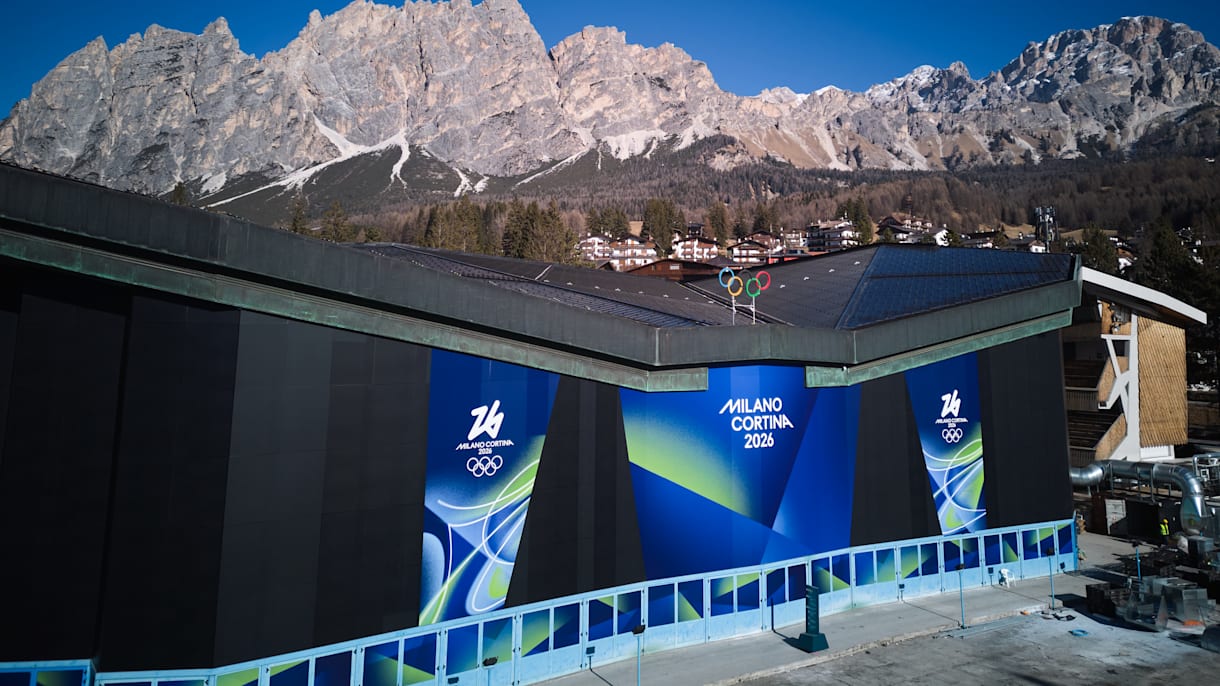
Milano Cortina Paralympics photo.

By The-Ski-Guru | March 2026

When the Paralympic Winter Games arrive in Italy, coverage will rightly focus on athletes and competition.

Yet in alpine terrain, another test unfolds quietly in parallel.

Hosting the Milano Cortina 2026 Winter Paralympics is not simply about staging races. It is a large-scale assessment of whether mountain infrastructure in the Alps — developed over decades around traditional ski tourism — can operate effectively, safely and inclusively under different mobility realities.

Unlike indoor arenas or urban venues, alpine resorts function within environmental constraints. Snow conditions evolve daily. Wind affects lift systems. Roads narrow under winter pressure. Vertical circulation is inherent, not optional.

Accessibility here is not a design layer added at the end. It interacts with terrain itself.

Continue reading “Milano–Cortina 2026 Paralympics: The Alpine Infrastructure Test Behind the Competition”

Is Global Ski Consolidation Reshaping Europe’s Alpine Model?

Piste at Brides-les-Bains-Les-Trois-Vallées domain. Photo courtesy of Brides-les-Bains Tourism Office.

Introduction

Global ski consolidation in Europe is entering a new structural phase.

In a recent Wall Street Journal interview, Rob Katz of Vail Resorts outlined the long-term logic behind scale: diversified geography, predictable pass revenue, and integrated destination networks under the Epic Pass model.

But Europe is not North America.

As consolidation expands through Epic, the Ikon Pass operated by Alterra Mountain Company, and the partnership-driven Indy Pass, the question is no longer whether integration is happening.

The question is whether Europe’s Alpine economic, governance and experiential model is being reshaped by it.

Continue reading “Is Global Ski Consolidation Reshaping Europe’s Alpine Model?”

A40 Free-Flow Tolling: What Skiers Driving to Mont Blanc Need to Know (2027 Update)

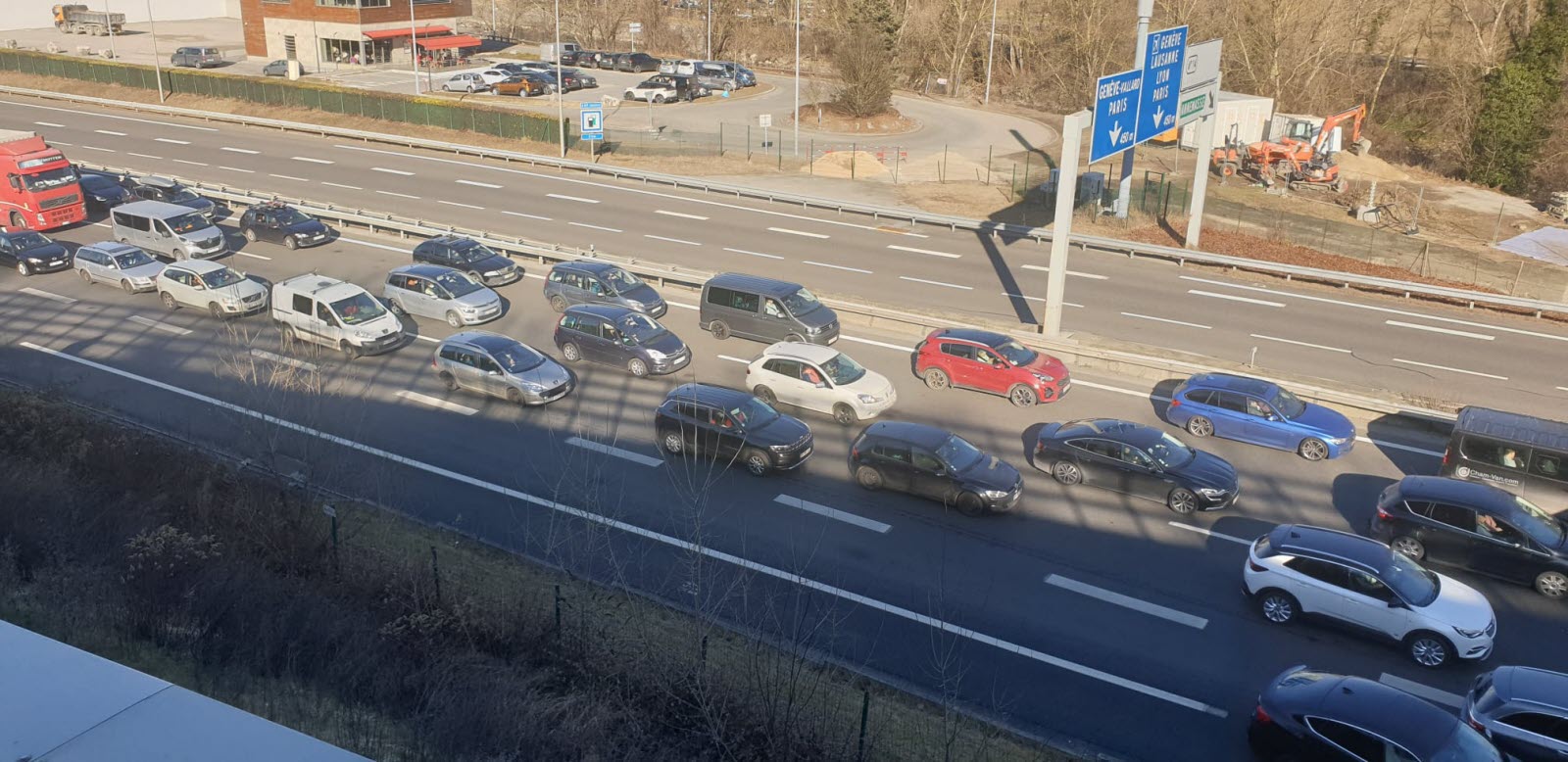
A-40 in traffic. Photo: Le Dauphine.

The A40 free-flow toll 2027 rollout will significantly change how skiers drive to Mont Blanc resorts. From spring 2027, a 58km section between Sallanches and Annemasse will switch to barrier-free tolling — meaning no booths, no stopping, but still a toll to pay.

From spring 2027, a 58km section of the A40 between Sallanches and Annemasse will switch to “péage en flux libre” — barrier-free tolling. That means no toll booths, no stopping, and no physical barriers. But it does not mean the motorway is free.

Here is what skiers and winter travellers need to know.


Where on the A40 Will Free-Flow Tolling Apply?

The new free-flow system will cover the section between:

• Sallanches
• Annemasse (near the Geneva border)

This is the busiest stretch of the A40 for Alpine resort access, particularly for:

• Chamonix-Mont-Blanc
• Megève
• Saint-Gervais
• Les Houches
• Geneva airport traffic

Continue reading “A40 Free-Flow Tolling: What Skiers Driving to Mont Blanc Need to Know (2027 Update)”

Two Ski Mountaineers Found Dead After Avalanche on Tamlspitze, Tyrol

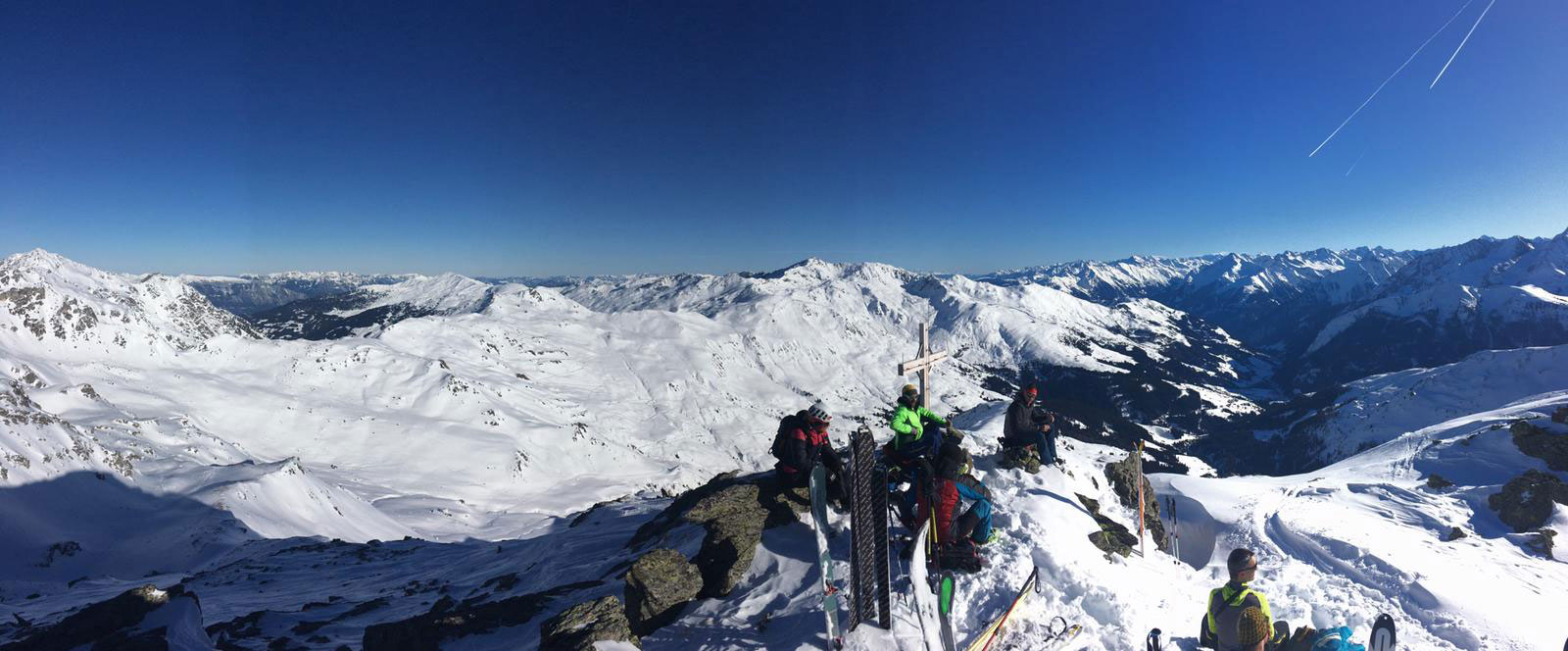
Tamlspitze Schitour. Photo: alpin-welt.at

Repeated avalanche fatalities across the Alps in late February 2026 continue to underline the structural instability affecting multiple regions this winter. The latest tragedy occurred on Tamlspitze, in the municipality of Tux, within the Austrian state of Tyrol, where two ski mountaineers aged 44 and 47 were found dead beneath avalanche debris after failing to return from a summit tour.

This incident forms part of the broader February 2026 Avalanche Cycle Across the Alps, which has seen fatalities and repeated Level 4 warnings across France, Italy, Austria and Switzerland.

Continue reading “Two Ski Mountaineers Found Dead After Avalanche on Tamlspitze, Tyrol”

Global Ski Passes and the Alps: Structural Shifts in Demand Before the Debate

Arp - Courmayeur Mont blanc Funivie - Photo: Lorenzo Belfrond. Courmayeur Mont Blanc Opening Days of Italian Ski Resorts.

March 2026 by The-Ski-Guru


Global Ski Passes and the Alps: Structural Shifts in Demand Before the Debate

In recent seasons, large multi-resort ski passes such as the Epic Pass and Ikon Pass have expanded their presence in Europe — either through resort ownership or partnership agreements.

This expansion has coincided with increased North American visitation to parts of the Alps, particularly in destinations such as Chamonix and Swiss high-altitude resorts.

But before drawing conclusions about whether global passes are reshaping Alpine ski culture or pricing structures, it is useful to step back and examine the broader structural picture.

This broader debate has intensified recently, particularly following the Vail and Alterra lawsuit over ski pass pricing.

This article is Part 1 of a wider analysis on global ski pass integration and Alpine tourism trends.

Continue reading “Global Ski Passes and the Alps: Structural Shifts in Demand Before the Debate”

Avalanche Fatality at Nakiska Ski Area

Nakiska ski map.

A 15-year-old skier has died after being buried in an avalanche near the Nakiska Ski Area in Kananaskis Country, Alberta on Friday, February 28, 2026. Emergency responders were called to the area after reports that two people were caught in the avalanche. One skier escaped and was uninjured, while the other — the 15-year-old — was found unresponsive and later died at Alberta Children’s Hospital. 

Officials say the incident occurred near the Nakiska ski hill — west of Calgary — and authorities are continuing their investigation into the exact circumstances. 

Continue reading “Avalanche Fatality at Nakiska Ski Area”

Mountain Infrastructure Risk in the Alps & Pyrenees

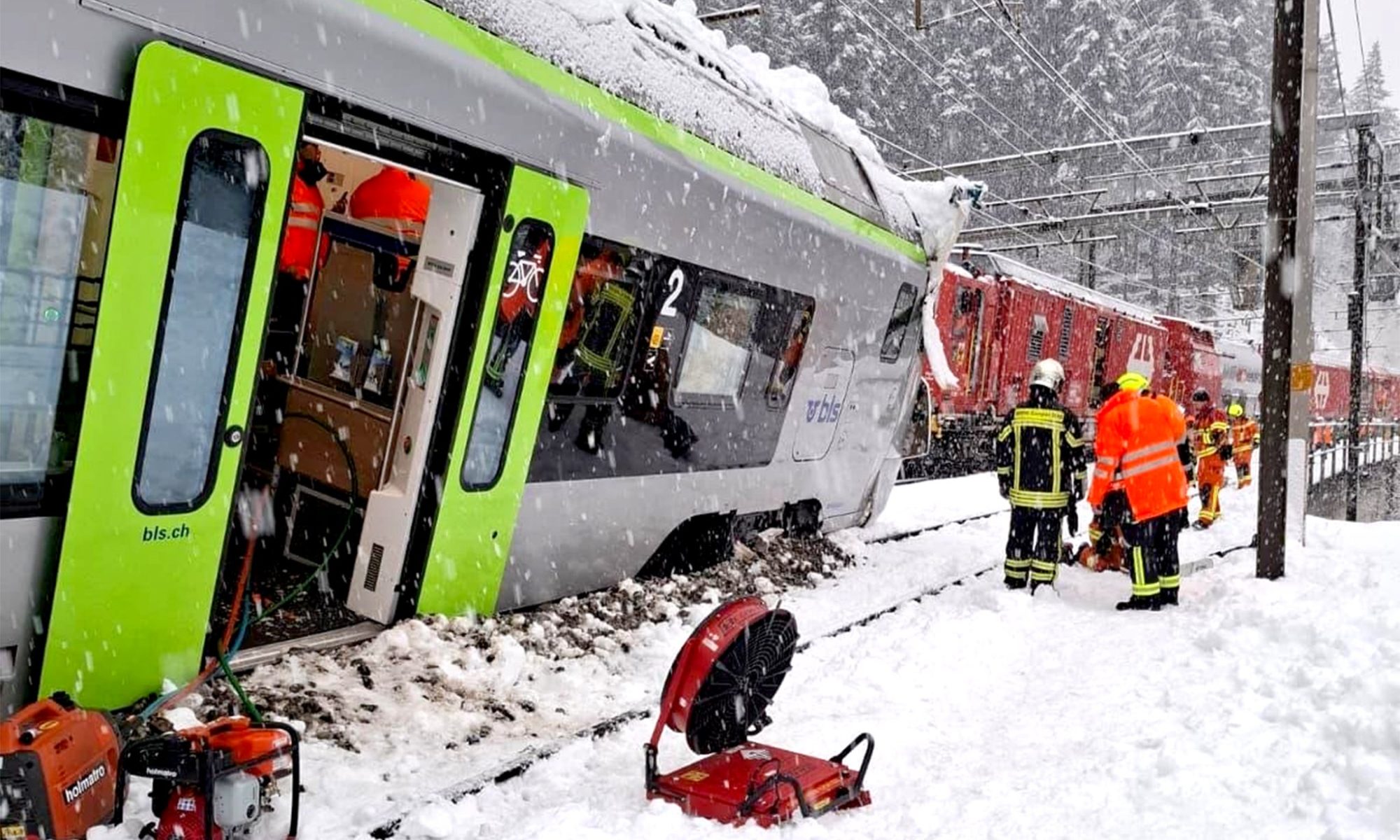
Mountain Infrastructure Risk in the Alps and Pyrenees – transport corridor vulnerability. Photo: Swiss Rail

Transport Disruptions, Climate Pressure & Cross-Border Vulnerability

Why Mountain Infrastructure Now Matters More Than Ever

Mountain Infrastructure Risk in the Alps and Pyrenees is becoming a defining issue for winter tourism, transport planning and climate adaptation. Road closures, rail disruption, avalanche cycles and Olympic logistics pressure are no longer isolated events — they are part of a structural pattern affecting mountain regions.

Mountain Infrastructure Risk in the Alps and Pyrenees is becoming a defining issue for winter tourism, transport planning and climate adaptation. Road closures, rail disruption, avalanche cycles and Olympic logistics pressure are no longer isolated events — they are part of a structural pattern affecting mountain regions, with growing implications for long-term demand dynamics within Alpine ski markets.
  • Rockfall and slope instability
  • Avalanche cycles
  • Freeze–thaw stress
  • Extreme precipitation events
  • Concentrated cross-border traffic dependency

Winter tourism economies rely on a limited number of valleys, passes and rail lines. When one corridor fails, the impact is immediate — economically, logistically and politically.

This hub consolidates coverage across these interconnected risks.

Many of these risks are linked to extreme weather in the Alps, where freeze–thaw cycles and heavy precipitation are increasing.

Continue reading “Mountain Infrastructure Risk in the Alps & Pyrenees”

RN20 France–Andorra Corridor Severed by Rockfall: Official Response, Rail Disruption & Reopening Timeline (2026)

Photo: Diari Catalunya: RN20 road closure

A Strategic Mountain Corridor Cut Off

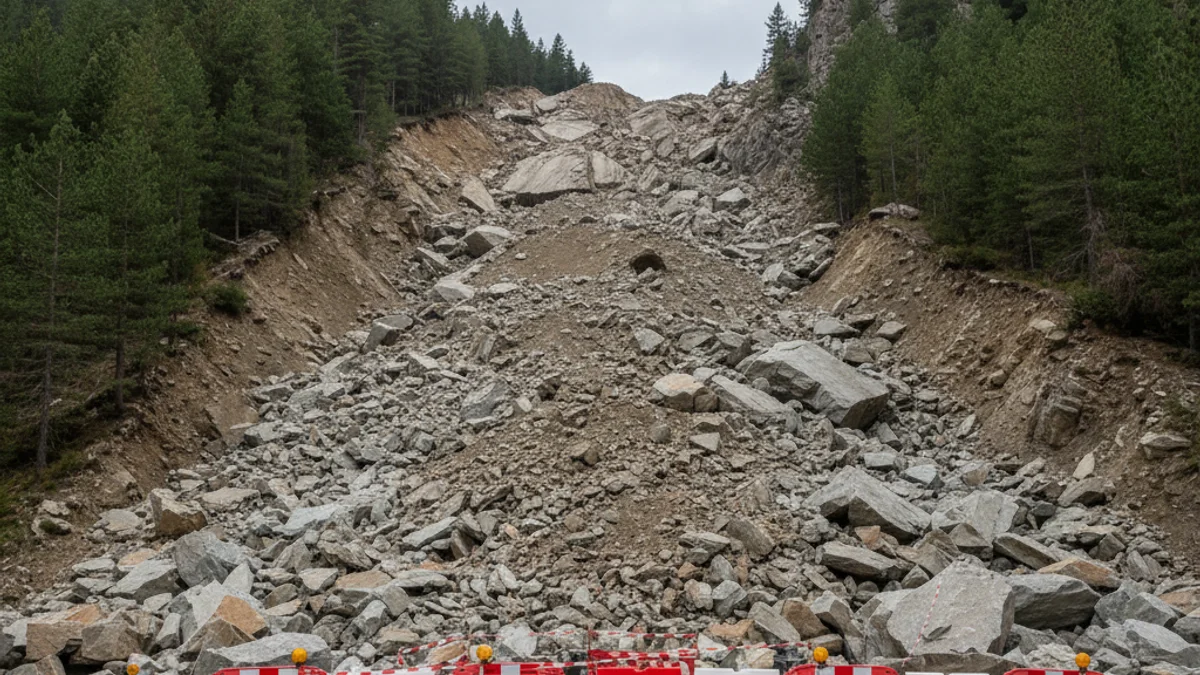
The RN20 France Andorra rockfall 2026 has exposed the vulnerability of one of the most important mountain corridors in southern Europe.

On 31 January 2026, a significant rockfall struck the RN20 national road between Ax-les-Thermes and Mérens-les-Vals, in the French department of Ariège.

This is not a secondary alpine road. The RN20 is the principal northern gateway between France and the Principality of Andorra — a corridor that feeds winter tourism traffic toward Pas de la Casa, cross-border workers, and heavy goods transport.

The rockfall destroyed part of the carriageway and destabilised the slope above it. Authorities immediately closed the route in both directions.


Official Position: Safety Before Reopening

The Prefecture of Ariège and regional authorities in Occitanie confirmed that the closure would remain in place until geological stability could be guaranteed.

According to official communications, stabilisation works included:

Continue reading “RN20 France–Andorra Corridor Severed by Rockfall: Official Response, Rail Disruption & Reopening Timeline (2026)”