Half-term ski holidays are exciting, busy, and often cold. Resorts are lively, temperatures can vary significantly, and when skiing with children, being well prepared makes all the difference.
This practical guide focuses on layers, warmth, safety and comfort, with tips for both adults and children — especially younger kids, who feel the cold more quickly.
The Golden Rule: Dress in Layers
Layering allows you to adapt easily to changing weather, activity levels and temperatures.
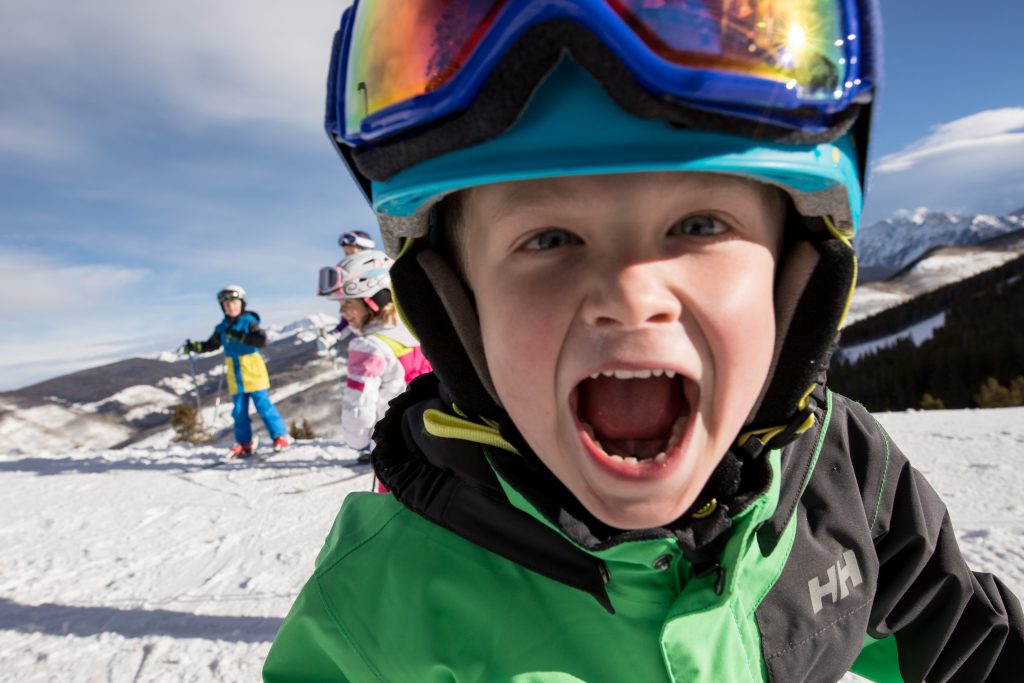
Family enjoys a day skiing on the mountain in Vail, CO. Photo Credit: Craig Orsini. Vail Resorts.
Base Layer (Next to Skin)
Thermal top and leggings
Merino wool or synthetic fabrics (avoid cotton)
For children: pack multiple base layers, as they get wet easily
Off-piste skiing and backcountry travel offer freedom, fresh snow and adventure — but they also expose skiers to the highest avalanche risk in the mountains.
Many avalanche accidents do not happen deep in remote terrain. They happen just outside marked pistes, in areas skiers believe are controlled, familiar or “not really off-piste”.
Understanding why these situations are dangerous is essential for anyone leaving groomed slopes.
What Does “Off-Piste” Really Mean?
Off-piste skiing refers to any terrain outside marked and controlled ski runs. This includes:
Slopes beside pistes
Short traverses between runs
Bowls accessed from lifts
Areas beyond boundary ropes
In most resorts, avalanche control is limited to marked pistes only. Once you leave them, you are responsible for your own safety — regardless of how close you remain to the ski area.
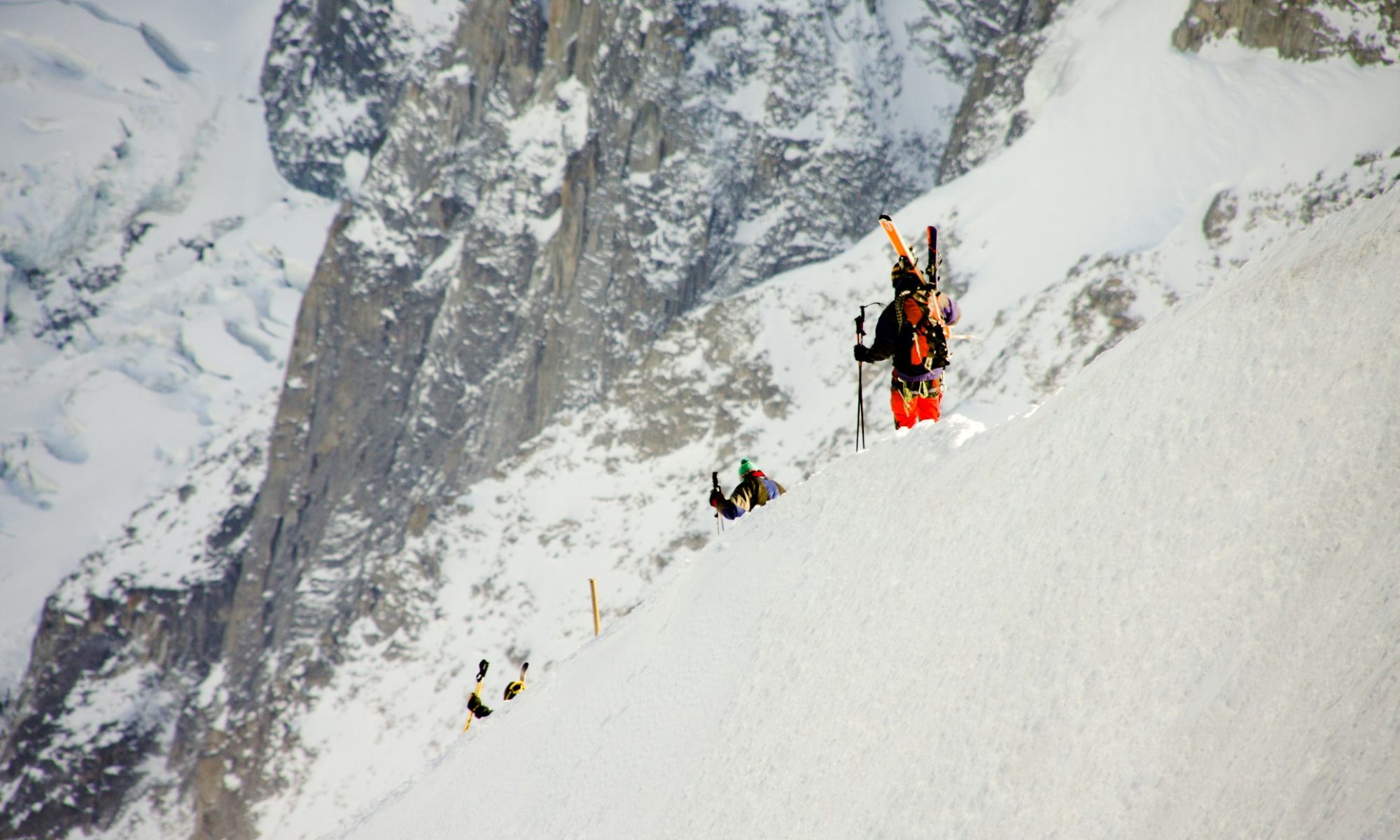
Dan Egan skiing in Big Sky, Montana. Photo courtesy: Dan Egan. Dan offers ski clinics to teach you how to take care of yourself in the backcountry. Check them at skiclinics.com. Off-Piste & Backcountry Risks: Avalanche Safety – Read Before Skiing Off-Piste.
The municipal council of Aosta has officially backed a proposal supporting the inter-valley link between the Pila ski resort and the village of Cogne — a move seen as a major step forward for regional tourism, connectivity and mountain mobility.
The council approved the motion, presented by members of the Union Valdôtaine and Stella Alpina – Rassemblement Valdôtain, with 25 votes in favour out of 27. Two councillors voted against it, but the overall support highlights broad political and community interest in exploring the proposal further.
The sleepy town of Cogne, which is usually much colder than Aosta as it is in altitude, it is pretty cut off from the main valley, but part of its charm is that! Renown for its cross-country skiing, it has also a smaller alpine skiing resort, which is the one that they want to join to Pila. Photo: The-Ski-Guru.
Proponents emphasised that while the council is not deciding how such a link would be built, the endorsement sends a clear message: the idea is worthy of serious examination “with method and without prejudice”. The proposal highlights the potential to bring together the ancient cultural centre of Aosta, the alpine ski terrain of Pila, and Cogne, gateway to the Gran Paradiso National Park.
UPDATE – October 2026: The Pila–Cogne cable car project has moved forward. Nine initial alternatives have now been narrowed down to three, with Alternative 3 emerging as the preferred option and estimated costs of €150–190 million. Read our latest update on the Pila–Cogne cable car project.
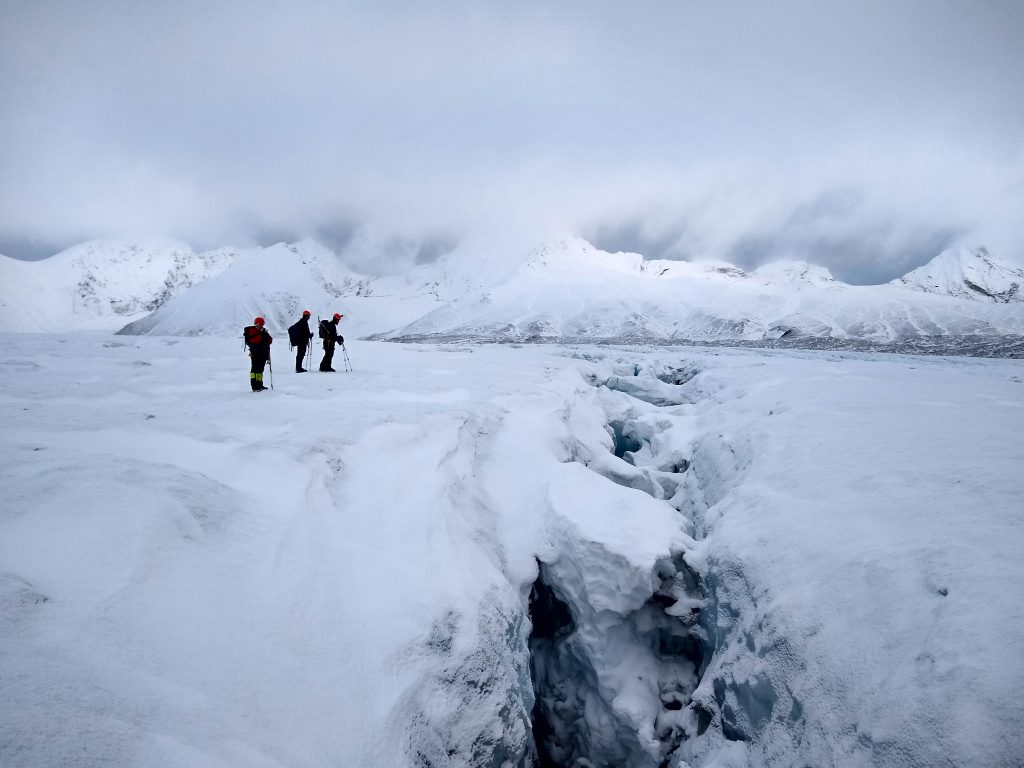
Glaciers are often associated with summer mountaineering — ropes, harnesses and visible crevasses. In winter, however, glaciers can appear deceptively smooth, white and skiable.
This illusion of safety is one of the reasons crevasses and glaciers remain among the most underestimated winter dangers in the mountains.
This article explains why glaciers are still hazardous in winter, how crevasses behave under snow, and why even experienced skiers can fall victim to hidden traps.
Skiing alone is often seen as peaceful, efficient or even safer — fewer people, fewer variables, fewer mistakes. For experienced skiers in particular, solo skiing can feel controlled and familiar.
In reality, skiing alone is one of the strongest risk factors in fatal mountain accidents, whether caused by avalanches, collisions, falls or medical emergencies.
This article explains why skiing alone dramatically increases danger, even for skilled and cautious skiers.
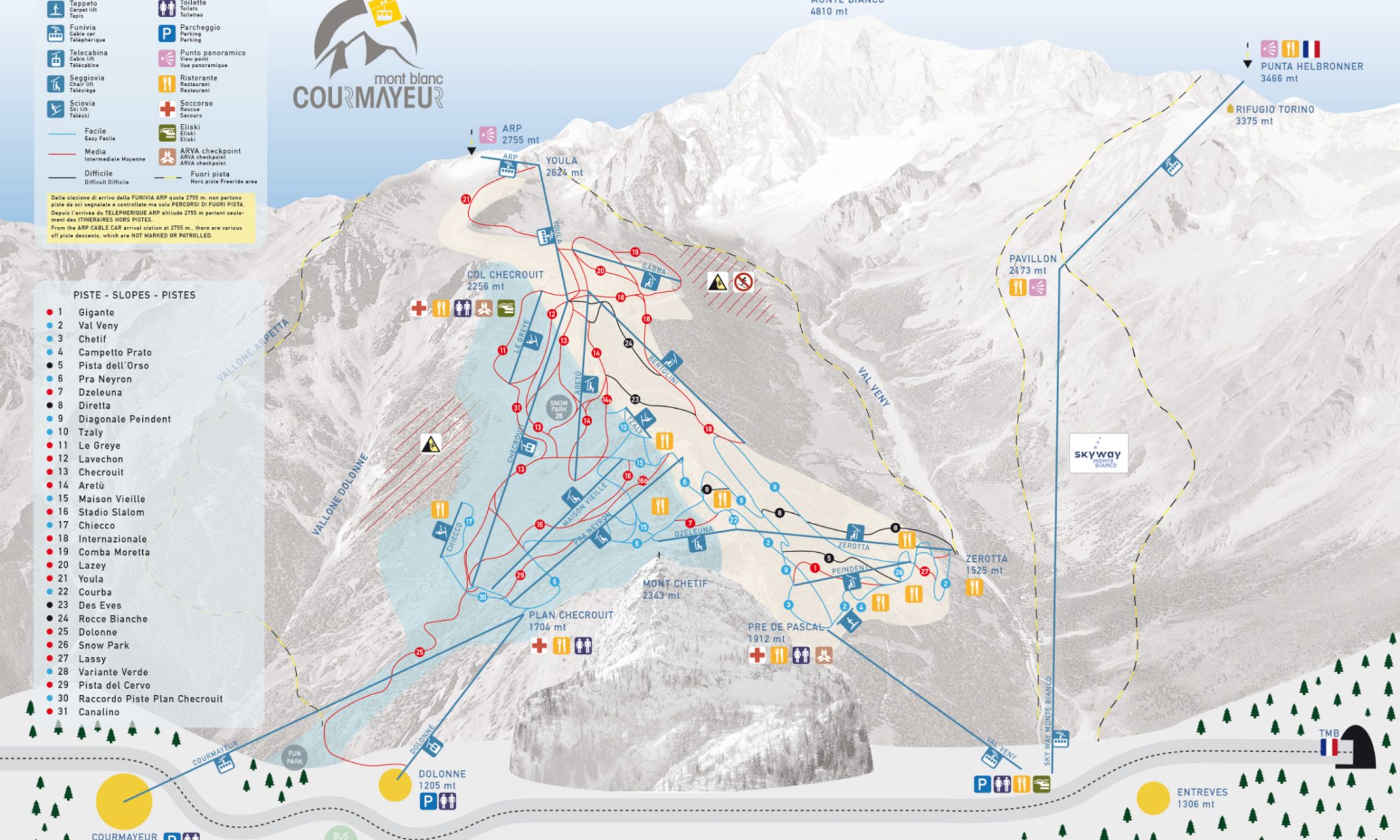
21-Year-Old Skier Dies After Leaving the Piste in Courmayeur
A tragic ski accident has claimed the life of a 21-year-old skier in Courmayeur, in Italy’s Aosta Valley, after he left a marked piste and collided with a tree.
According to reporting by Corriere Torino, the young skier was descending a return run in the Dolonne area of the Courmayeur ski domain when he lost control, exited the piste and struck a tree at high speed. The impact was fatal, and the skier died at the scene.
Emergency services, including piste patrol, local police and the Aosta Valley Mountain Rescue Service, were immediately dispatched. Despite rapid intervention, there was nothing rescuers could do to save him. Authorities carried out the necessary procedures to recover the body and investigate the circumstances of the accident.
Avalanche Awareness: What Every Skier Needs to Know
Avalanches are one of the most serious and misunderstood dangers in the mountains. Every winter, experienced skiers, snowboarders and mountaineers are caught — often in familiar terrain, sometimes close to marked pistes, and frequently during days that do not feel dangerous.
Avalanche awareness is not about fear. It is about understanding risk, recognising patterns, and making better decisions in winter mountain environments.
This guide explains the essentials every skier should know: how avalanches form, who is most at risk, why forecasts matter, and where accidents most often happen — with links to more in-depth resources throughout.
Colorado’s Snowpack Hits Historic Lows — What the Latest Media Is Reporting
Colorado’s snowpack — the lifeblood of Western water systems and mountain recreation — has fallen to historically low levels this winter season, drawing concern from local and national media alike. According to reporting by The Aspen Times, snowpack across many Colorado basins “remains at record lows with little relief in sight” as dry conditions persist.
Credit: Image via The Aspen Times / Facebook post showing snowpack conditions. “Colorado’s snowpack remains at record lows with little relief in sight.”
What the Data Shows
Government observations confirm these media reports. As of early January 2026, Colorado’s statewide snowpack sat at roughly 56 – 62 % of the median for this time of year, with some river basins — especially in central and northern mountains — recording the lowest levels on record for many stations.
The Natural Resources Conservation Service (NRCS) reports that while overall precipitation isn’t dramatically below median levels, a larger share of it has fallen as rain instead of snow due to warm temperatures — a key reason for the depressed snowpack.
Aiguille des Drus et Aiguille Verte, in my shop. Soft Pastels, Pan Pastels and Charcoal on La Carte Pastel. 50 x 65 cm. Check it out here.
Avalanche Danger Levels Explained: What Level 3 “Considerable” Really Means
After many avalanche accidents, reports often mention that the danger level was “3 – Considerable.” This confuses many skiers — especially because Level 3 is not the highest rating.
In fact, most fatal avalanches occur at Level 3, making it one of the most misunderstood danger levels in the Alps.
Many accidents occur during periods shaped byextreme weather in the Alps, particularly when conditions change rapidly.
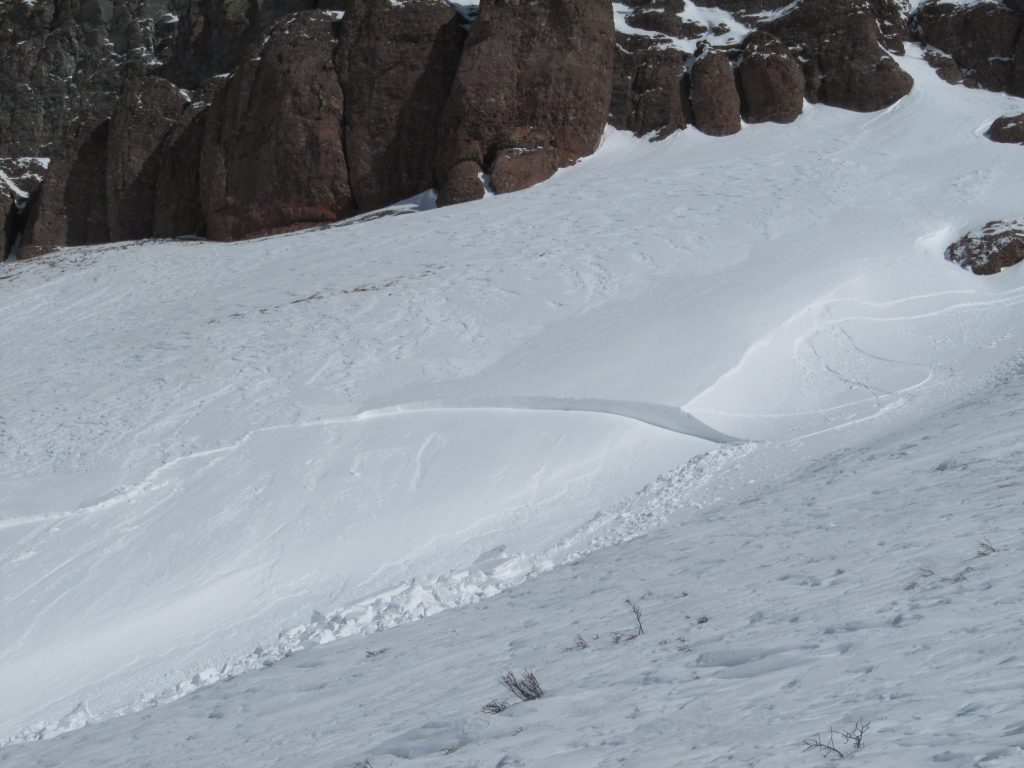
Windslab avalanche. Photo: Andrew Temple. Colorado Avalanche Information Center. Avalanche Danger Levels Explained: What “Level 3 – Considerable” Really Means.
The European avalanche danger scale (1–5)
Avalanche danger in Europe is reported using theEuropean Avalanche Danger Scale, which classifies conditions from Level 1 (Low) to Level 5 (Very High).
Level 1 – Low
Level 2 – Moderate
Level 3 – Considerable
Level 4 – High
Level 5 – Very High
While Level 4 and 5 sound more dramatic, they are often associated with obvious danger, closed areas, and fewer people skiing.
For readers seeking a full breakdown of what Level 4 avalanche danger means and how it affects safety and travel choices, see what Level 4 avalanche danger means.
Avalanche Safety Equipment Explained: What Every Skier Should Carry Off-Piste
Avalanche accidents across the Alps are a stark reminder that leaving marked ski runs comes with real risks, even close to ski resorts. While equipment can never eliminate danger, carrying the right avalanche safety gear can make the difference between life and death — both for yourself and for those skiing with you.
This guide explains what avalanche equipment is essential, what is optional, and what equipment cannot do, so skiers can make informed decisions before heading off-piste.
The three essential items: never optional
If you ski off-piste, even briefly, three items are considered non-negotiable.
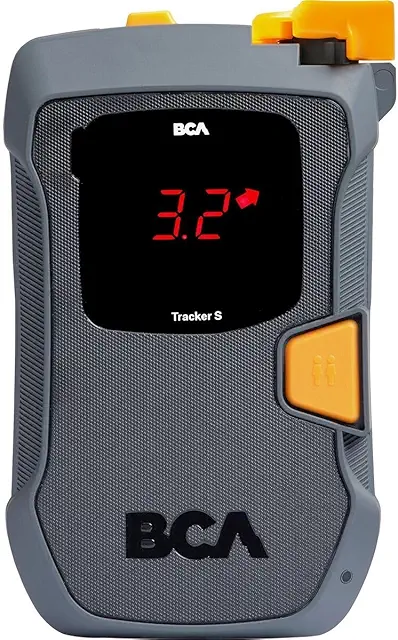
1. Avalanche transceiver (beacon)
A transceiver allows companions to locate a buried skier quickly after an avalanche. Speed is critical: survival chances drop dramatically after the first 15 minutes.
BCA Avalanche Transceiver, or how is often called a “beacon”. Avalanche Safety Equipment Explained: What Every Skier Should Carry Off-Piste.
Key points:
Every person in the group must wear one
It must be turned on and checked before skiing
A transceiver is only effective if others know how to use it
A beacon does not prevent avalanches. It only helps after something has gone wrong.
Enjoyed this post? Get my latest ski guides, weather insights, resort updates and travel tips directly in your inbox. Subscribe to The-Ski-Guru here.
Manage Cookie Consent
To provide the best experiences, we use technologies like cookies to store and/or access device information. Consenting to these technologies will allow us to process data such as browsing behavior or unique IDs on this site. Not consenting or withdrawing consent, may adversely affect certain features and functions.
Functional
Always active
The technical storage or access is strictly necessary for the legitimate purpose of enabling the use of a specific service explicitly requested by the subscriber or user, or for the sole purpose of carrying out the transmission of a communication over an electronic communications network.
Preferences
The technical storage or access is necessary for the legitimate purpose of storing preferences that are not requested by the subscriber or user.
Statistics
The technical storage or access that is used exclusively for statistical purposes.The technical storage or access that is used exclusively for anonymous statistical purposes. Without a subpoena, voluntary compliance on the part of your Internet Service Provider, or additional records from a third party, information stored or retrieved for this purpose alone cannot usually be used to identify you.
Marketing
The technical storage or access is required to create user profiles to send advertising, or to track the user on a website or across several websites for similar marketing purposes.







 Windslab avalanche. Photo: Andrew Temple. Colorado Avalanche Information Center.


 Subscribe to The-Ski-Guru here.
You must be logged in to post a comment.