Off-Piste & Backcountry Risks: Avalanche Safety – Read Before Skiing Off-Piste

Backcountry skiing with Todd Offenbacher and Chris Mcnamara. Photo credit: Kirkwood/Vail Resorts.

Off-Piste & Backcountry Risks: Avalanche Safety Guide

Off-piste skiing and backcountry travel offer freedom, fresh snow and adventure — but they also expose skiers to the highest avalanche risk in the mountains.

Many avalanche accidents do not happen deep in remote terrain. They happen just outside marked pistes, in areas skiers believe are controlled, familiar or “not really off-piste”.

Understanding why these situations are dangerous is essential for anyone leaving groomed slopes.


What Does “Off-Piste” Really Mean?

Off-piste skiing refers to any terrain outside marked and controlled ski runs. This includes:

  • Slopes beside pistes
  • Short traverses between runs
  • Bowls accessed from lifts
  • Areas beyond boundary ropes

In most resorts, avalanche control is limited to marked pistes only. Once you leave them, you are responsible for your own safety — regardless of how close you remain to the ski area.


Dan Egan skiing in Big Sky, Montana. Photo courtesy: Dan Egan. Dan offers ski clinics to teach you how to take care of yourself in the backcountry. Check them at skiclinics.com. Off-Piste & Backcountry Risks: Avalanche Safety – Read Before Skiing Off-Piste.

Continue reading “Off-Piste & Backcountry Risks: Avalanche Safety – Read Before Skiing Off-Piste”
Why Skiing Alone Is Dangerous in the Mountains

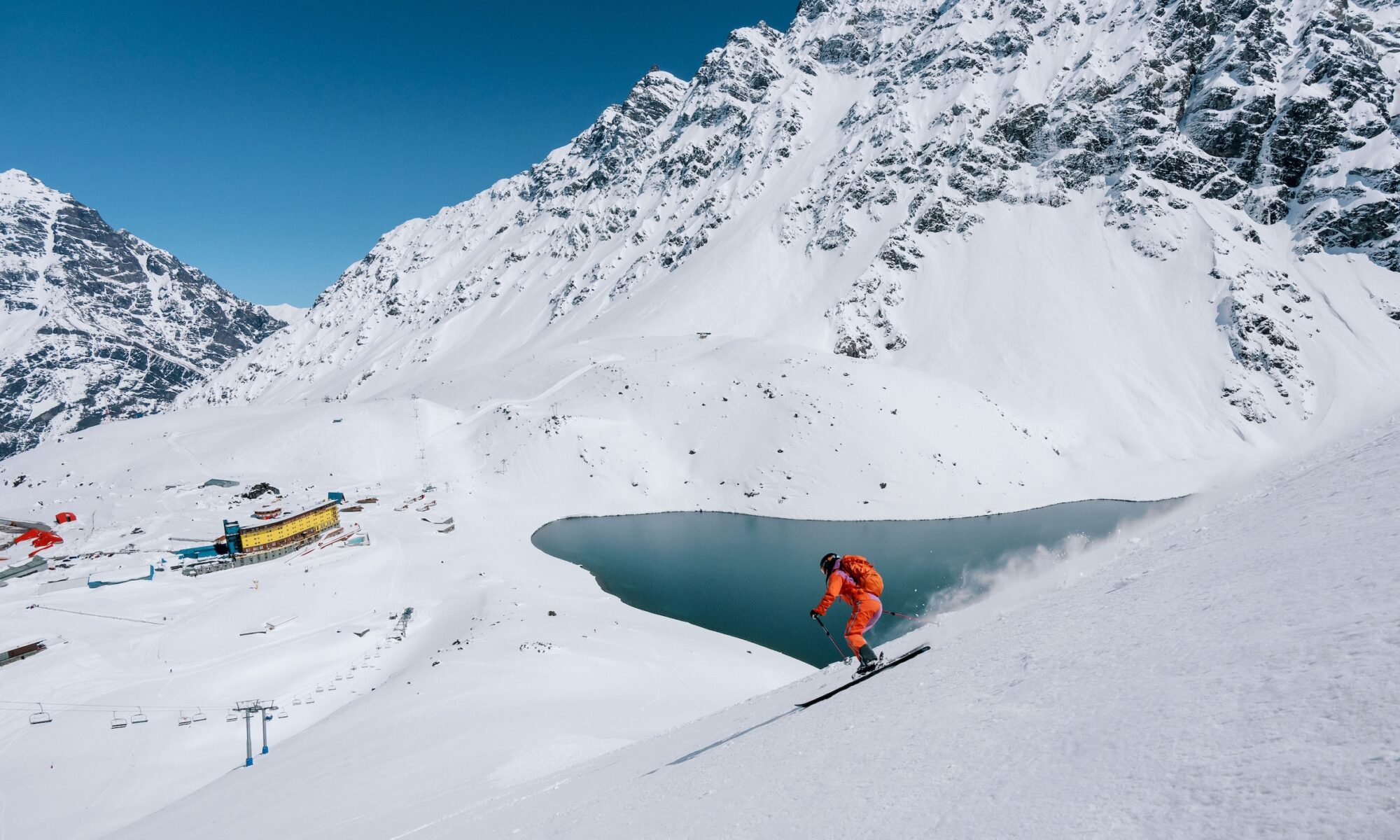
Skier coming down the slopes- views of the hotel and the Laguna del Inca. Photo by Tamara Susa. Courtesy Ski Portillo.

Why Skiing Alone Is Dangerous in the Mountains

Skiing alone is often seen as peaceful, efficient or even safer — fewer people, fewer variables, fewer mistakes. For experienced skiers in particular, solo skiing can feel controlled and familiar.

In reality, skiing alone is one of the strongest risk factors in fatal mountain accidents, whether caused by avalanches, collisions, falls or medical emergencies.

This article explains why skiing alone dramatically increases danger, even for skilled and cautious skiers.


The Most Critical Factor: No Immediate Help

When skiing alone, there is no margin for error.

In many mountain accidents:

  • The victim is unable to call for help
  • Injuries prevent movement or communication
  • Time becomes the decisive factor

Continue reading “Why Skiing Alone Is Dangerous in the Mountains”

Avalanche Awareness: What Every Skier Needs to Know

Avalanche signs- Photo credit: CPR.org. Avalanche Awareness: What Every Skier Needs to Know.

Avalanche Awareness: What Every Skier Needs to Know

Avalanches are one of the most serious and misunderstood dangers in the mountains. Every winter, experienced skiers, snowboarders and mountaineers are caught — often in familiar terrain, sometimes close to marked pistes, and frequently during days that do not feel dangerous.

Avalanche awareness is not about fear. It is about understanding risk, recognising patterns, and making better decisions in winter mountain environments.

This guide explains the essentials every skier should know: how avalanches form, who is most at risk, why forecasts matter, and where accidents most often happen — with links to more in-depth resources throughout.


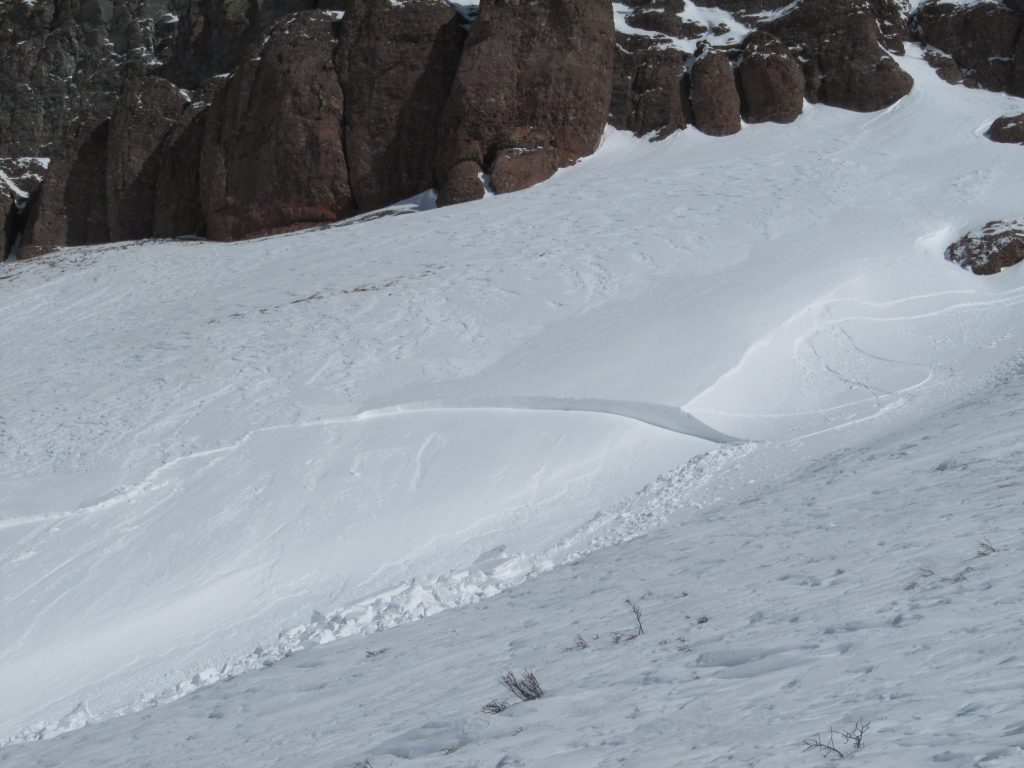
Windslab avalanche. Photo: Andrew Temple. Colorado Avalanche Information Center. Avalanche Danger Levels Explained: What “Level 3 – Considerable” Really Means. Windslab avalanche. Photo: Andrew Temple. Colorado Avalanche Information Center. Continue reading “Avalanche Awareness: What Every Skier Needs to Know”
Avalanche Activity Across the Alps & Pyrenees: Widespread Instability Raises Concerns (11–12 January 2026)

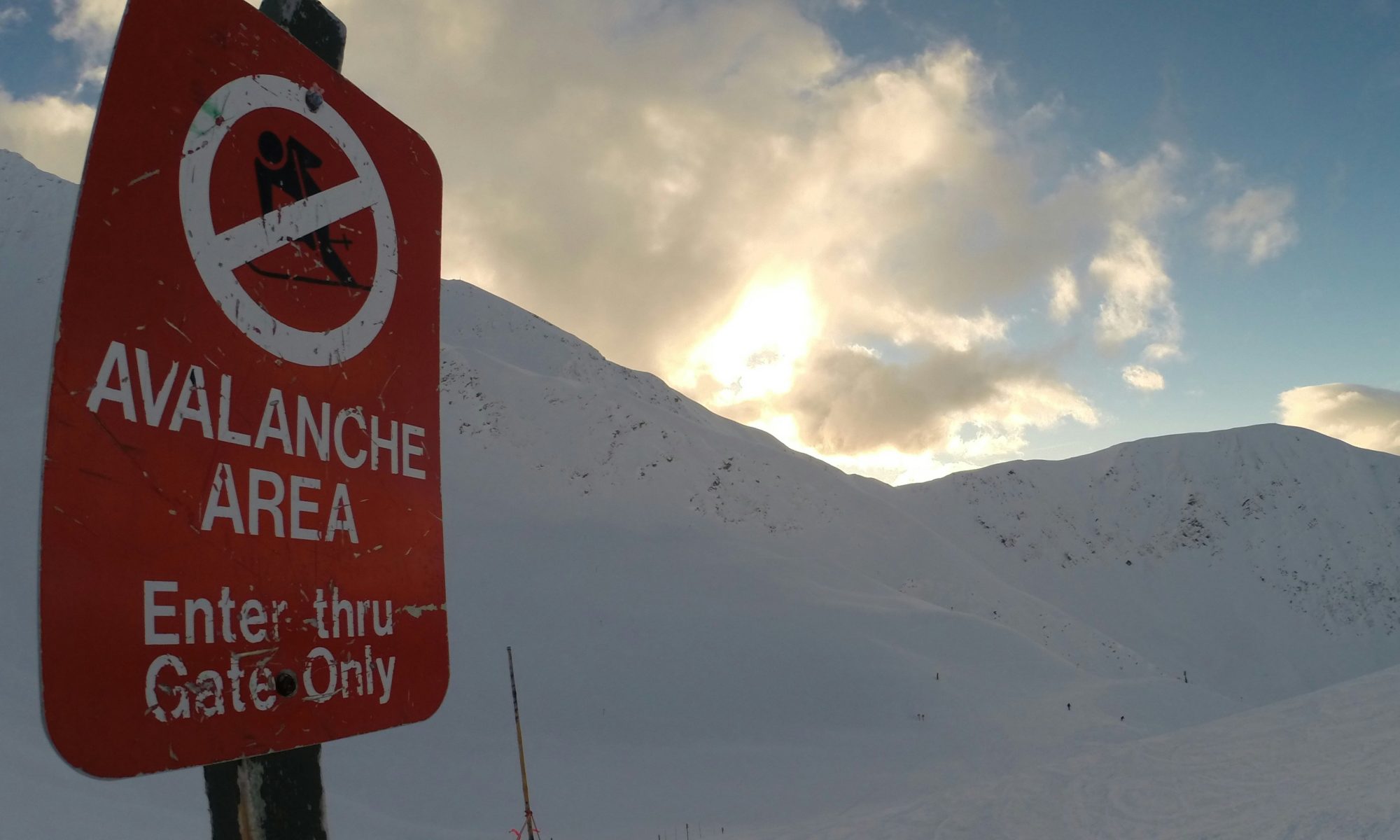
Avalanche danger sign. Photo: Bruce Warrington- Unsplash. Avalanche Activity Across the Alps & Pyrenees: Widespread Instability Raises Concerns (11–12 January 2026).

⚠️ A Concerning Weekend for Avalanche Safety in Europe’s Mountains

The weekend of 11–12 January 2026 saw a notable concentration of avalanche incidents and heightened warningsacross the Alps and the Pyrenees, affecting France, Italy, Switzerland and Austria.

Several skier-triggered avalanches, alongside spontaneous releases, confirm that snowpack instability remains widespread, particularly at higher elevations and on wind-loaded aspects.

This comes just days after fatal and serious avalanche incidents in the Aosta Valley, reinforcing the need for continued vigilance across all Alpine regions.

Continue reading “Avalanche Activity Across the Alps & Pyrenees: Widespread Instability Raises Concerns (11–12 January 2026)”

Foehn Winds and Rising Avalanche Risk in the Alps: What Skiers Need to Know

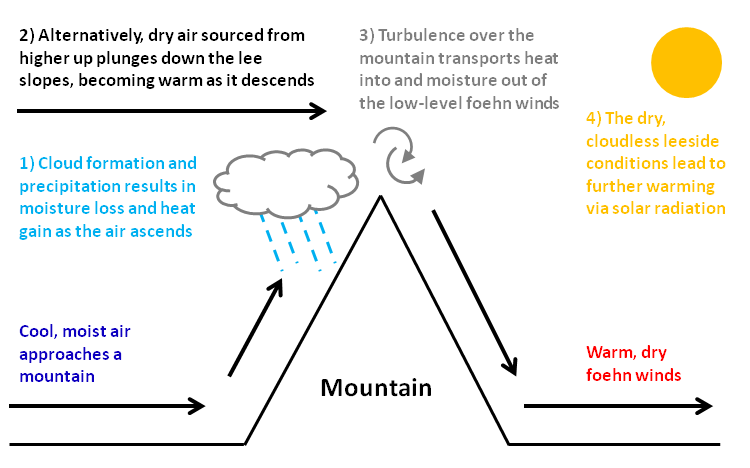
Foehn Wind graphic. Wikipedia. Foehn Winds and Rising Avalanche Risk in the Alps: What Skiers Need to Know.

🌬️ Why Foehn Winds Matter for Avalanche Safety

Foehn winds are a well-known meteorological phenomenon in the Alps, but their impact on avalanche risk is often underestimated by skiers and snowboarders.

While foehn conditions are sometimes associated with clear skies and warmer temperatures, they can significantly destabilise the snowpack, increasing the likelihood of dangerous slab avalanches, especially in off-piste and backcountry terrain.


What Are Foehn Winds?

Foehn winds are strong, dry downslope winds that occur when air masses cross the Alps and descend on the leeward side, warming rapidly as they lose moisture.

They are common across:

  • Italian Alps
  • Swiss Alps
  • Austrian Alps
  • French Alps

In Italy, foehn is often referred to as favonio, while in Austria and Germany it is known as Föhn.


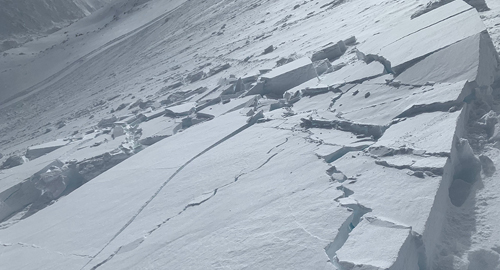
Wind slab. Scottish Avalanche Information Service. Sais.gov. Foehn Winds and Rising Avalanche Risk in the Alps: What Skiers Need to Know.

Continue reading “Foehn Winds and Rising Avalanche Risk in the Alps: What Skiers Need to Know”

West Coast Ski Resorts: From a Slow Start to Extreme Swings

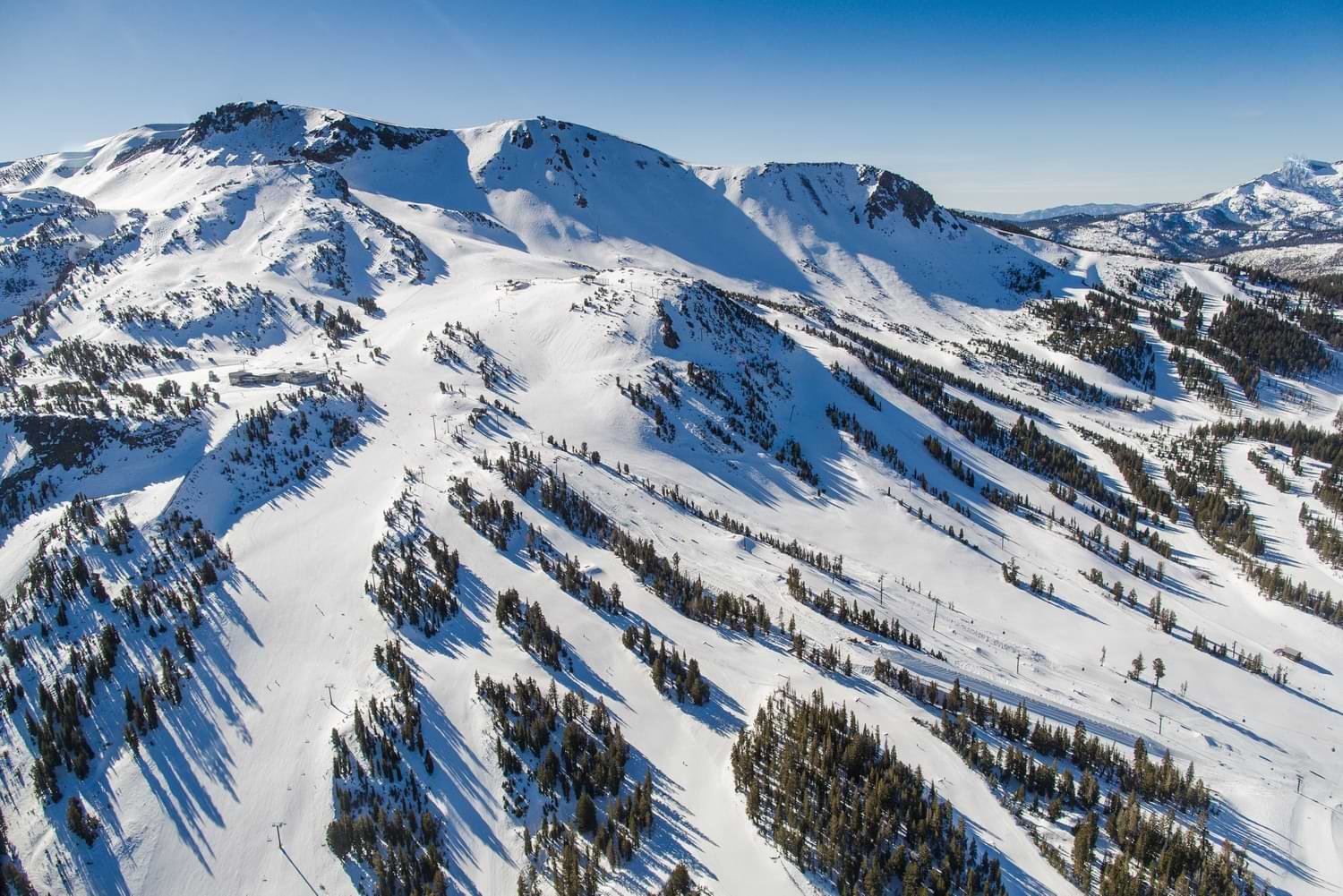
Mammoth Mountain Ski Resort webcam. West Coast Ski Resorts: From a Slow Start to Extreme Swings Mammoth, Tahoe, Whistler & the Pacific Coast — Winter Update.

Mammoth, Tahoe, Whistler & the Pacific Coast — Winter Update

West Coast Ski Resorts See Extreme Swings as Winter Takes Hold

After a hesitant and uneven start to winter, West Coast ski resorts in the United States and Canada are now experiencing some of the most dramatic weather swings of the season — from drought-like conditions to intense snowstorms, rapid snowpack gains, and heightened avalanche risk.

This volatility is shaping operations, safety decisions, and traveler expectations across the Pacific mountain corridor.

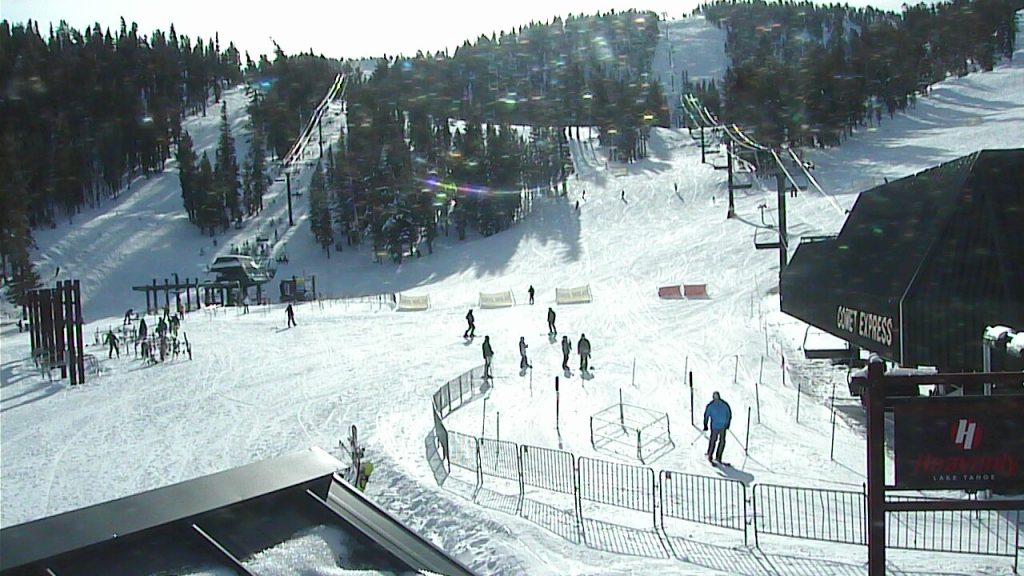
Heavenly Webcam photo. West Coast Ski Resorts: From a Slow Start to Extreme Swings
Mammoth, Tahoe, Whistler & the Pacific Coast — Winter Update.

Mammoth Mountain: Big Snow Comes With Big Risk

At Mammoth Mountain, the season flipped almost overnight.

After a slow early December, powerful Sierra Nevada storms delivered several feet of snow in a short period, dramatically improving base depths and terrain coverage. Mammoth’s high elevation allowed it to capitalize quickly on the storms, pushing the resort back into mid-winter conditions.

However, the intensity of snowfall also brought elevated avalanche danger. Terrain openings were delayed or staggered while patrol teams carried out extensive mitigation work, underscoring the fine balance between opportunity and risk during extreme weather cycles.

Mammoth’s situation is a clear reminder: more snow does not always mean immediate access.

Continue reading “West Coast Ski Resorts: From a Slow Start to Extreme Swings”

What is the real risk from avalanches?

Photo- Mike Suarez- Unsplash. What is the real risk from avalanches?

What is the real risk that avalanches pose?

From Swissinfo.ch

How common are avalanches in Switzerland?

Over the past 20 years, there has been an average of 100 reported avalanches a year where people were involved. On average, 23 people die in avalanches every year, the majority (+90%) in open mountainous areas where people were off-piste skiing, snowboarding, or backcountry touring on skis or snowshoes.

In controlled areas (roads, railways, communities and secured ski runs) the 15-year annual average number of victims dropped from 15 at the end of the 1940s to less than one in 2010. The last time anyone died in a building hit by an avalanche was in 1999.

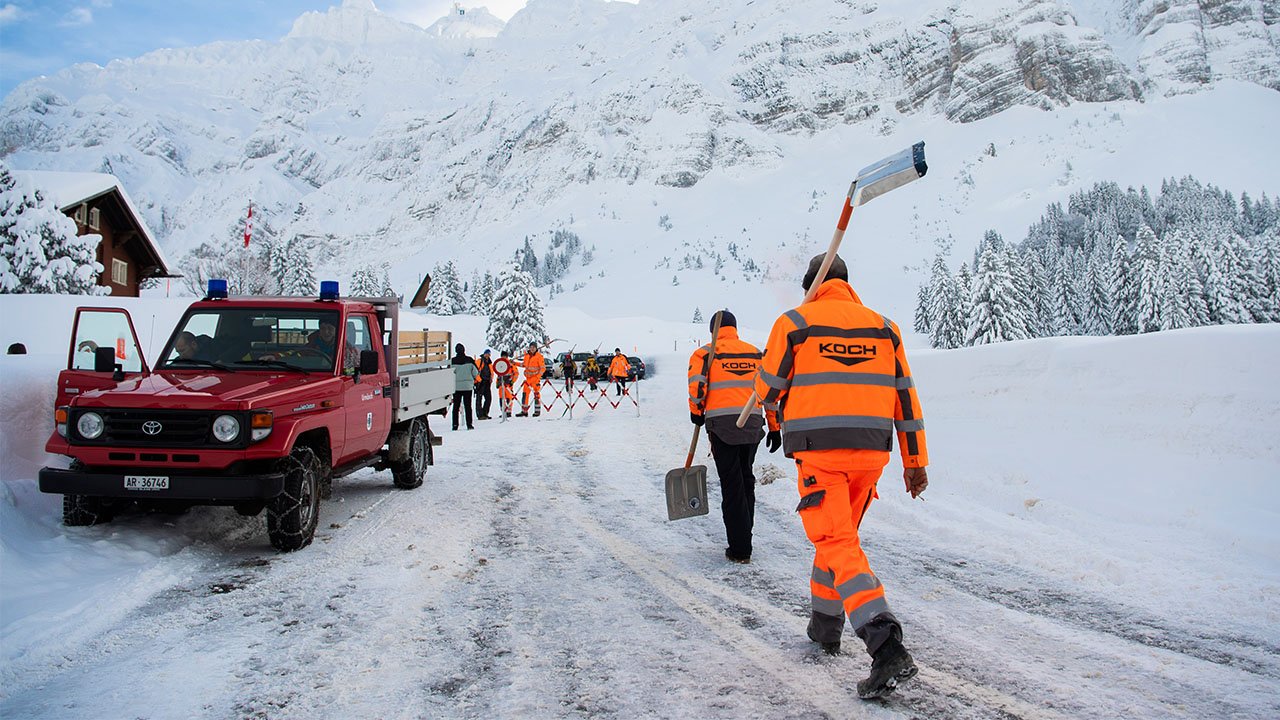
Avalanche crashes into hotel in eastern Switzerland. What is the real risk from avalanches?

Avalanches such as the one that hit the Hotel Säntis in Schwägalp are rare.

Bruno Vattioni, director of the Säntis lift company, said on Friday “an avalanche of this size is not predictable”. Locals have not experienced anything like it in the 84 years’ existence of the Säntis cable car. Normally, the southern face of the Säntis, the other side of the peak, is the more dangerous.

How are avalanches normally monitored?

Since 1945, the national avalanche warning service, run by the Institute for Snow and Avalanche Research (SLF) in Davos, produces a twice-daily national avalanche bulletinusing data gathered by 200 people trained to do the job and 170 automatic measuring stations dotted across the Swiss Alps. This information is shared and used by the police, cantons, communes, mountain resorts, rescue services and other winter professionals across the country.

Are they normally successful at monitoring and protecting against avalanches?

The density of the avalanche warning network and the level of training and expertise is unique to Switzerland. But it cannot catch every avalanche, as SLF avalanche forecaster Frank Techel explained to swissinfo.ch.

Continue reading “What is the real risk from avalanches?”