Northern French Alps Avalanche Cycle Update – Rapid Warming After Storm Triggers Widespread Instability (February 2026)

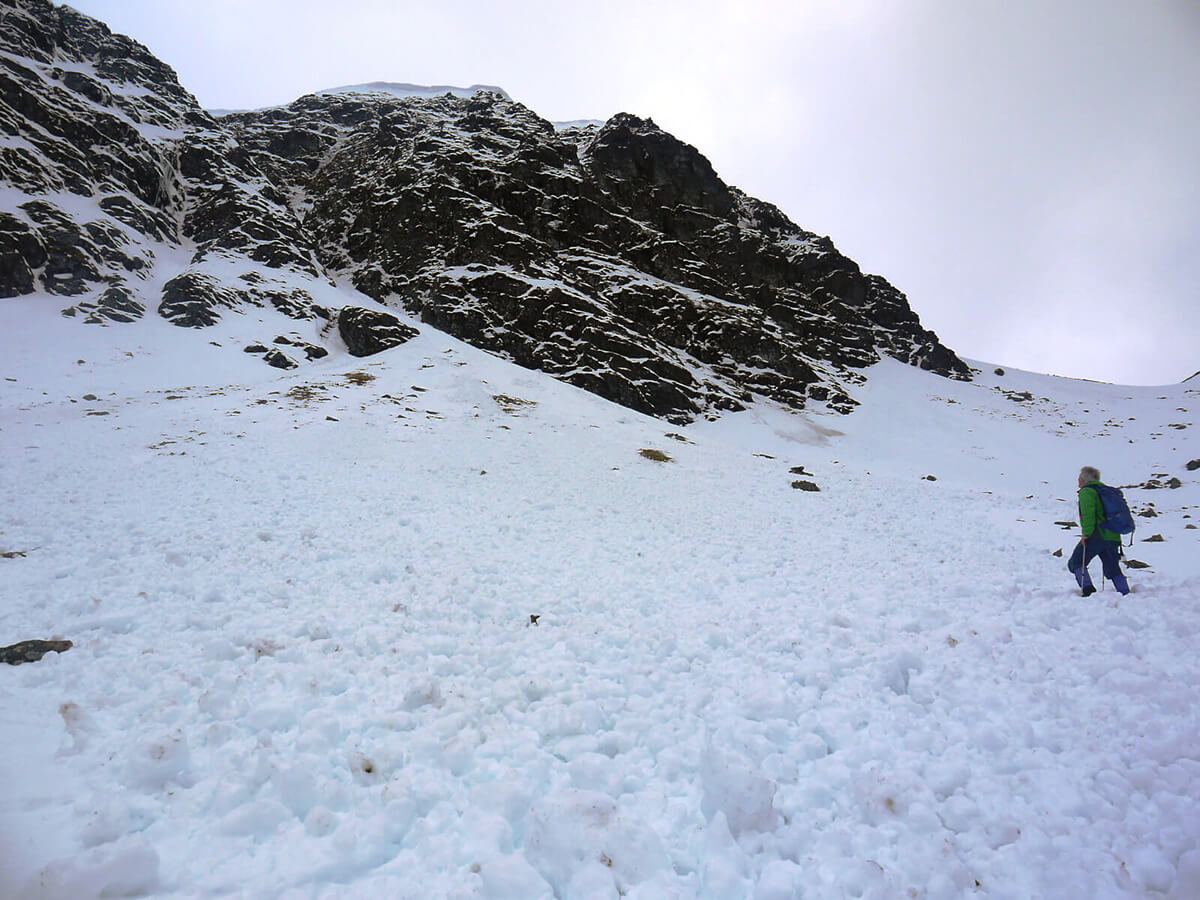
Wet snow avalanche. sais.gov.uk

Introduction

Following several days of heavy snowfall and strong winds across the Northern French Alps, a rapid rise in temperatures — with the freezing level climbing above 3000 metres — has triggered a new phase in the February 2026 avalanche cycle.

In the past 72 hours, avalanches have affected both backcountry terrain and managed ski domains across multiple massifs. A full overview of the February avalanche incidents across the Alps can be found here.

This update analyses what is happening across the massifs and why the snowpack is reacting now.


Table of Contents

  • Storm Loading Phase (Level 4–5)
  • The Rapid Warming Shift
  • In-Resort Avalanches: A Changing Risk Profile
  • Persistent Weak Layers Reactivated
  • What This Means Going Forward

1️⃣ Storm Loading Phase (Level 4–5)

Earlier in the week, heavy snowfall combined with strong wind transport created widespread slab formation across:
Continue reading “Northern French Alps Avalanche Cycle Update – Rapid Warming After Storm Triggers Widespread Instability (February 2026)”

La Chapelle-d’Abondance Avalanche – Two Ski Tourers Killed in Haute-Savoie

La Chapelle d'Abondance. Photo: Auvergne Rhône Alpes Tourisme.

Two female ski tourers lost their lives in an avalanche near La Chapelle-d’Abondance, in Hautes-Savoie, on Sunday, 22 February 2026, according to regional French media including Le Dauphiné Libéré.

The accident occurred in backcountry terrain above the village in the northern French Alps, an area popular with ski touring enthusiasts during winter conditions.

Emergency services were deployed to the scene, but the two women could not be revived.

This incident forms part of the broader February 2026 avalanche cycle across the Alps, which saw widespread Level 4 and Level 5 danger across multiple countries.

This event is part of a wider pattern of extreme weather in the Alps, where increasingly unstable conditions are affecting snowpack and safety.

La Chapelle-d’Abondance lies in the Abondance Valley, part of the wider Portes du Soleil region in Haute-Savoie, close to the Swiss border.

While the resort area offers managed pistes, the surrounding terrain includes steep backcountry slopes that can become unstable following snowfall and wind transport.

Continue reading “La Chapelle-d’Abondance Avalanche – Two Ski Tourers Killed in Haute-Savoie”

Avalanche Hits Two Pistes at La Flégère, Chamonix — Skiers Rescued, No Fatalities

Flegere in Chamonix- Photo by Tim Hughes. Chamonix Tourism Office.

Chamonix, France – 24 February 2026

An avalanche struck two marked ski runs in the La Flégère sector of the Chamonix-Mont-Blanc ski area on Tuesday, briefly burying three skiers before they were rescued safely.

The slide crossed sections of the red Crochues piste and the black Floria run around midday. According to regional newspaper Le Dauphiné Libéré, the avalanche debris spread across approximately 100 metres of terrain within the ski domain.


What Happened at La Flégère?

The avalanche released above the pistes in the Floria sector of La Flégère, one of the main lift-accessed areas in Chamonix.

Three skiers were partially buried — reportedly up to chest height — but were quickly located and freed by piste patrol and rescue teams. None are believed to have suffered life-threatening injuries.

Given the scale of the slide, a full rescue operation was launched as a precaution.

🏔 Official Statement from Compagnie du Mont Blanc

Following the avalanche that struck two pistes at La Flégère, Mont Blanc Natural Resort — operated by Compagnie du Mont Blanc — issued a detailed statement via social media describing the event as:

Continue reading “Avalanche Hits Two Pistes at La Flégère, Chamonix — Skiers Rescued, No Fatalities”

February 2026 Avalanche Cycle Across the Alps: Fatalities, Level 4 & Level 5 Alerts

Avalanche in Lavancher- Morgex, Aosta Valley. Photo: The-Ski-Guru.

February 2026 Avalanche Cycle Across the Alps

Fatalities, Level 4 & Level 5 Alerts Across France, Italy and Switzerland

Updated: 25 February 2026

Repeated Level 4 (Strong) and, in some regions, Level 5 (Very Strong) avalanche danger ratings were issued across multiple Alpine regions during the second half of February 2026 according to the European avalanche danger scale, following intense snowfall, wind loading and rapid temperature fluctuations.

Fatal incidents have now been reported in France, Italy (including Aosta Valley and Lombardy), Austria and Switzerland during a period of widespread structural instability in the snowpack.

This cycle reflects broader shifts linked to extreme weather in the Alps, with more volatile snowfall and rapid warming phases.

Similar patterns are being reported beyond Europe, including recent fatal avalanches in northern British Columbia under Considerable danger ratings.

And now, another is re-emerging, as shown in recent wind slab avalanche activity across the French Alps following a new storm cycle.

This page consolidates confirmed events, official warnings and the broader cross-border pattern observed during this cycle.


Overview of the February 2026 Avalanche Cycle

The instability phase developed following:

• Multi-day snowfall events (locally 80–100 cm)
• Strong wind transport forming slab layers
• Persistent weak layers buried earlier in the season
• Rapid warming periods reducing stability

Between 20–25 February, several Alpine regions simultaneously recorded elevated danger ratings and fatal incidents.

Continue reading “February 2026 Avalanche Cycle Across the Alps: Fatalities, Level 4 & Level 5 Alerts”

Pila Records 12,000 Skiers in One Day as Season Surges

La Stella di Pila has been inaugurated today. Photo: Pila sPa. La Stella di Pila: A New Alpine “Star” Opens a Brighter Season for the Aosta Valley.

Pila Records a Historic Ski Day

The ski resort of Pila in the Aosta Valley has recorded a historic peak of 12,000 skier visits in a single day over the Carnival weekend, confirming what is shaping up to be one of the strongest winter seasons in recent years.

Early morning queues formed at the Aosta–Pila gondola base station as visitors arrived in large numbers. Despite the crowds, slope conditions remained good throughout the day thanks to solid snow cover and efficient lift operations.

Planning a trip to Pila?
For detailed piste maps, where to stay, lift access tips and insider advice, read my full Must-Read Guide to Pila Ski Resort.


Season Performance: Growth Across the Board 📈

With roughly two months remaining before the scheduled May 3 closure, Pila’s winter 2025/26 figures are already ahead of last year:

Continue reading “Pila Records 12,000 Skiers in One Day as Season Surges”

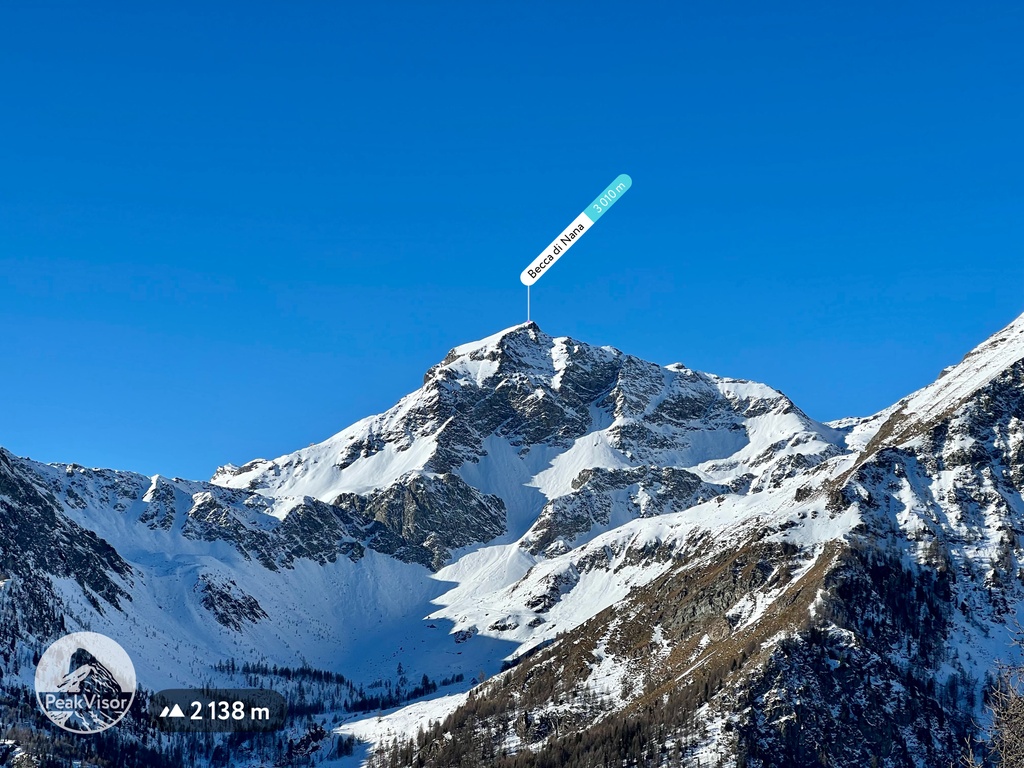
Avalanche on Becca di Nana, Aosta Valley – Ski Tourer Killed in Val d’Ayas

Becca di Nana. Peakvisor.

A ski mountaineer has died after being caught in an avalanche on Becca di Nana in Val d’Ayas, Aosta Valley, on 22 February 2026.

The victim, identified in Italian media as a 50-year-old man from Lombardy, had set out alone for a ski tour in the high-altitude terrain above Champoluc. When he failed to return, his wife alerted emergency services.

This incident forms part of the broader February 2026 avalanche cycle across the Alps, which saw widespread Level 4 and Level 5 danger across multiple countries.

Rescue Operation at 3,000 Metres

Mountain Rescue teams from the Valle d’Aosta Alpine Rescue Service (Soccorso Alpino Valdostano) and the Guardia di Finanza located the victim at approximately 3,000 metres on the slopes of Becca di Nana.

Continue reading “Avalanche on Becca di Nana, Aosta Valley – Ski Tourer Killed in Val d’Ayas”

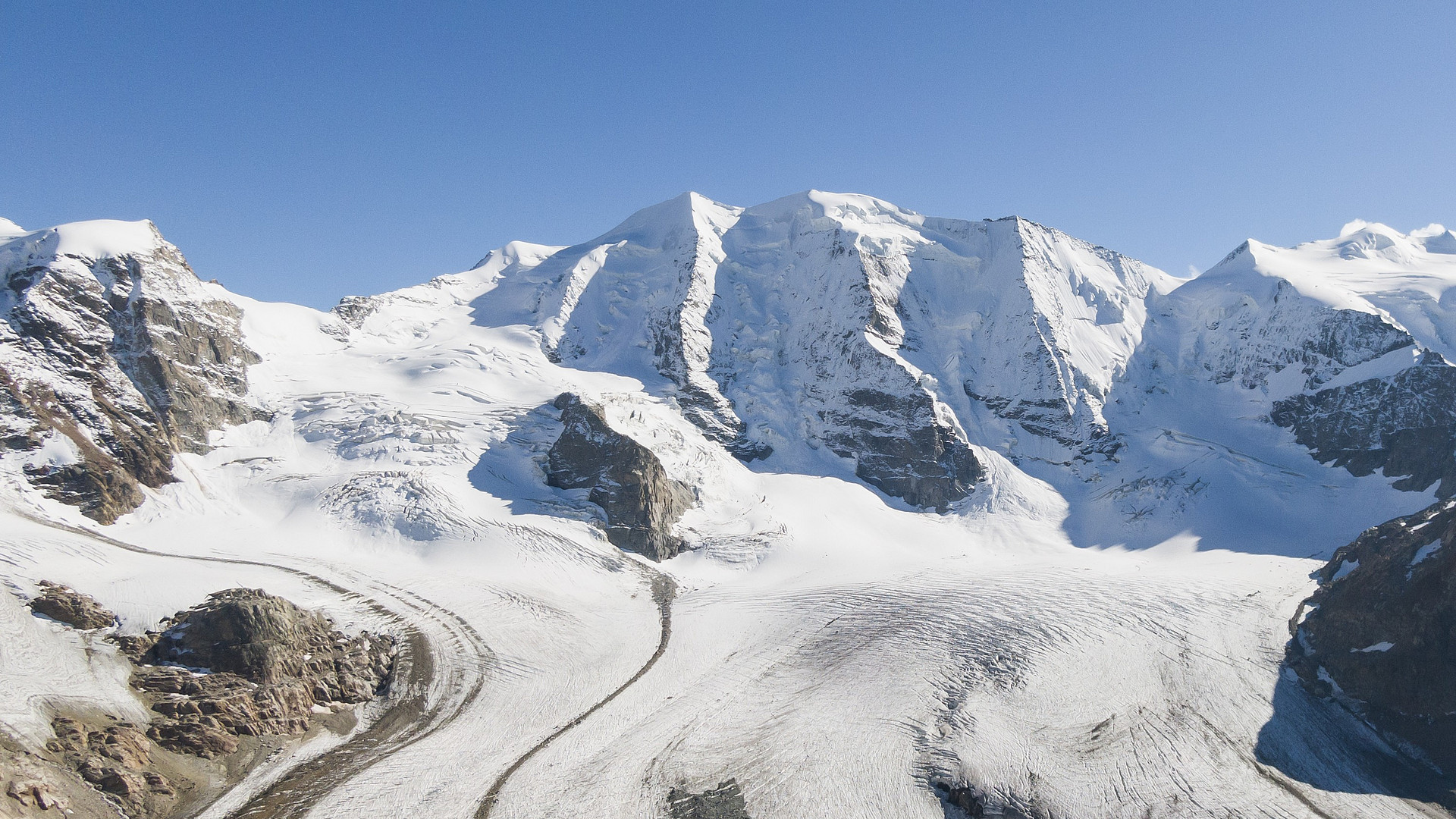
Luciano Capasso Killed in Avalanche Near St. Moritz

Corvatsch-Diavolezza- Lagarb. Photo credit: Corvatsch-diavolezza.

Luciano Capasso, a 25-year-old Italian resident of St. Moritz, has been confirmed dead after being caught in an avalanche during Level 4 (“Strong”) avalanche danger conditions while on a solo mountain excursion above the resort.

Capasso, originally from Qualiano near Naples, had been living and working in the Swiss Alpine town, where he was employed at the renowned Badrutt’s Palace Hotel.

He had set out alone for a hike in the high-altitude terrain near Fuorcla Trovat, in the Upper Engadin region.

This incident forms part of the broader February 2026 avalanche cycle across the Alps, which saw widespread Level 4 and Level 5 danger across multiple countries.


Avalanche Reported as Cause

Initial reports referenced severe snowstorm conditions. Subsequent reporting from Italian and Swiss media indicates that Capasso was caught in an avalanche during a period classified as Level 4 (“Strong”) on the European avalanche danger scale.

Continue reading “Luciano Capasso Killed in Avalanche Near St. Moritz”

Milano-Cortina 2026: Environmental Impact Under Scrutiny

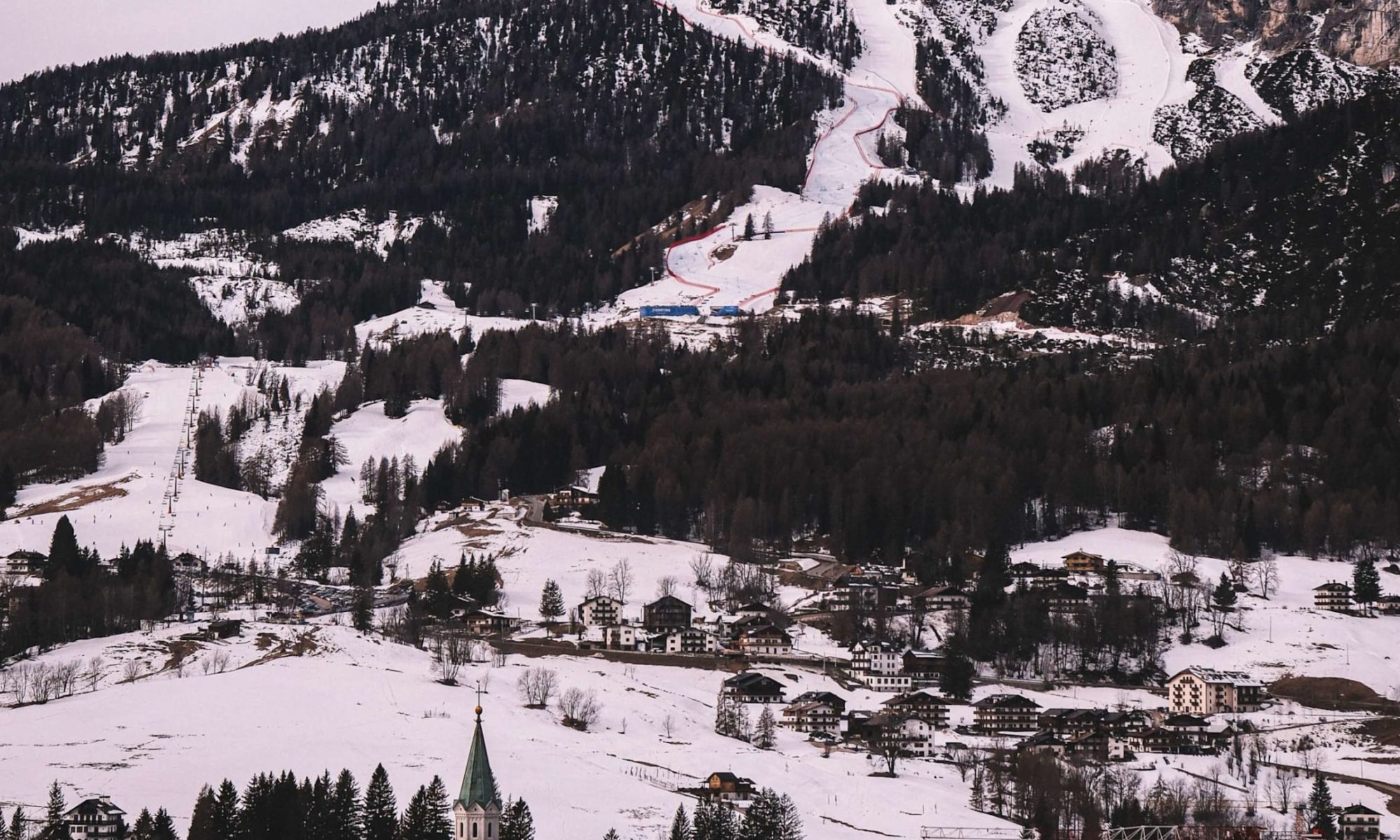
Cortina- Photo credit: Olympics.com

A Growing International Conversation

Recent reporting from The Guardian, alongside coverage from Le Monde, Associated Press and Euronews, has placed the environmental footprint of the Milano Cortina 2026 Winter Olympics under renewed scrutiny.

The focus is not a single project, but the broader ecological implications of hosting a multi-venue Winter Games across sensitive Alpine regions.

For a broader climate perspective, see my full analysis of snow conditions in a warming Alpine climate.


Key Areas of Discussion

Infrastructure & Construction

Particular attention has centred on works in Cortina d’Ampezzo, including sliding sports facilities and related upgrades.

Critics question whether forest clearance and construction activity align with sustainability messaging. Supporters argue that much of the Olympic model relies on upgrading existing venues rather than building entirely new complexes.


Artificial Snow & Water Resources

Like most modern Winter Games, Milano-Cortina 2026 will rely partly on artificial snow production to guarantee competition standards.

This involves:

  • Snowmaking infrastructure
  • Water storage systems
  • Energy use at altitude

Continue reading “Milano-Cortina 2026: Environmental Impact Under Scrutiny”

Snow Conditions in a Warming Alpine Climate

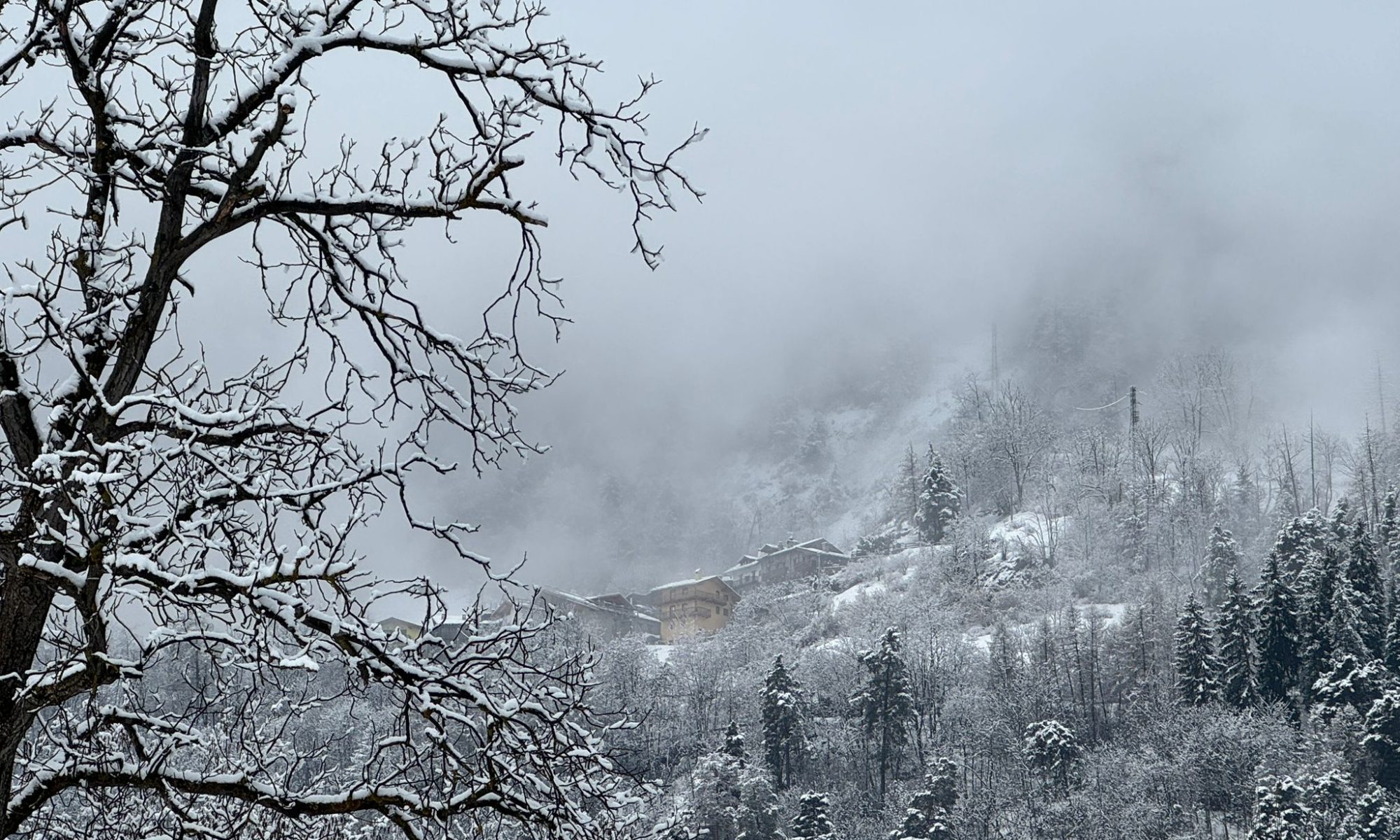
Winter in the Mountains- Photo: The-Ski-Guru. Morgex.

What the 2026 Winter Season Is Showing

A Winter of Extremes

Snow conditions in a warming Alpine climate are becoming more variable, more intense and more dependent on artificial support.

Across the Alps, long-term climate warming is reshaping snowfall patterns, snowline altitude, avalanche behaviour and the economics of winter tourism. The 2026 winter season provides a recent example of these broader trends.

In recent weeks alone, the region has experienced:

  • Intense multi-day storm cycles delivering 80–100 cm in short periods
  • Rapid wind loading and unstable snowpack development
  • Elevated avalanche danger levels across multiple massifs
  • Simultaneous reliance on artificial snow at lower altitudes

Rather than a simple story of “less snow,” the pattern emerging is one of greater variability and concentration. This growing instability is not confined to the Alps. Recent extreme heat events shortening the ski season in North America show how quickly conditions can deteriorate, even in traditionally more snow-reliable regions.


Heavier Storms, Faster Loading

Several recent cycles across the Western Alps demonstrated how quickly snowpack instability can build.

Large accumulations over 24–48 hours — combined with wind transport — created fragile layers and widespread avalanche danger. In many regions, danger levels rose to Level 4 (Strong), and in parts of the French Alps even Level 5 (Very Strong).

Continue reading “Snow Conditions in a Warming Alpine Climate”

South Tyrol Avalanche: Ski Tourer Killed at Merano 2000

Merano. Photo: Markus Spiske. Unsplash.

A ski tourer has died after being caught in an avalanche in South Tyrol (Alto Adige) in the Merano 2000 area, according to Italian media reports on Sunday, 22 February 2026. 

This incident forms part of the broader February 2026 avalanche cycle across the Alps, which saw widespread Level 4 and Level 5 danger across multiple countries.

What happened (early reports)

The avalanche released shortly after midday from Monte Plattinger, near Passo Missensteiner, in the Merano 2000 sector. A large rescue operation was launched, involving around 50–70 responders (reported by Corriere dell’Alto Adige) including dog teams, probes, helicopters and RECCO search capability. The victim was located, but could not be saved. 

Local reporting also described a particularly complex rescue environment, noting the slide involved two fronts, and that a very large number of responders were mobilised overall (including mountain rescue, emergency services and specialist units). 

Note: This is an evolving story. Names and additional details are not always released immediately, and official confirmation may follow later. 

This incident forms part of the broader February 2026 avalanche cycle across the Alps, which saw widespread Level 4 and Level 5 danger across multiple countries.

Continue reading “South Tyrol Avalanche: Ski Tourer Killed at Merano 2000”