

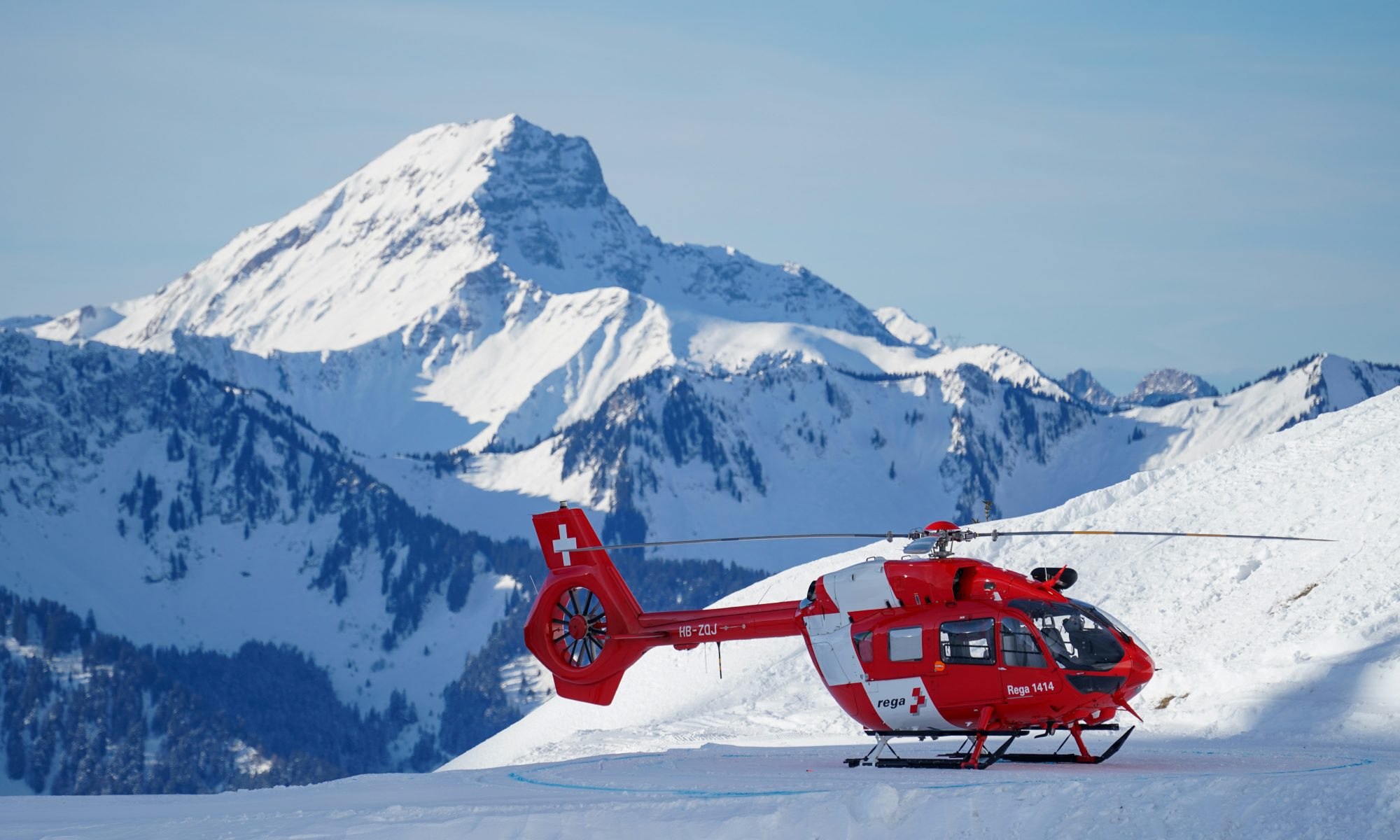
🔹 TL;DR – Read This First
The 2025–26 winter season has seen unusually unstable snowpacks across both the Alps and North America.
Despite repeated avalanche warnings from ski patrols, mountain guides and rescue services, many skiers and snowboarders continue to go off-piste during high-risk periods — sometimes ignoring advice, challenging warnings, or reacting aggressively when asked to turn back.
When accidents happen, the same professionals who tried to prevent these decisions are forced to carry out complex and dangerous rescue operations, often in extremely unstable terrain. Respecting avalanche bulletins and closures doesn’t just protect skiers — it protects the rescuers who put their lives at risk to save others.
A Season Marked by Persistent Avalanche Danger
This winter has been characterised by fragile snowpacks, with weak layers buried under fresh snowfall across large parts of the Alps and several mountain regions in North America. Avalanche danger ratings have repeatedly reached considerable or high levels, particularly after storms, wind events, or rapid temperature changes.
Avalanche services, ski patrols and local authorities have issued clear, repeated warnings, urging skiers and riders to stay on-piste or avoid steep, uncontrolled terrain altogether. Yet incident reports continue to show the same pattern: skiers triggering avalanches themselves, often just metres beyond marked runs.
“We Told Them Not to Go” — And Then Had to Go After Them
One of the most troubling aspects of this season is not just the number of avalanches, but who ends up paying the price.
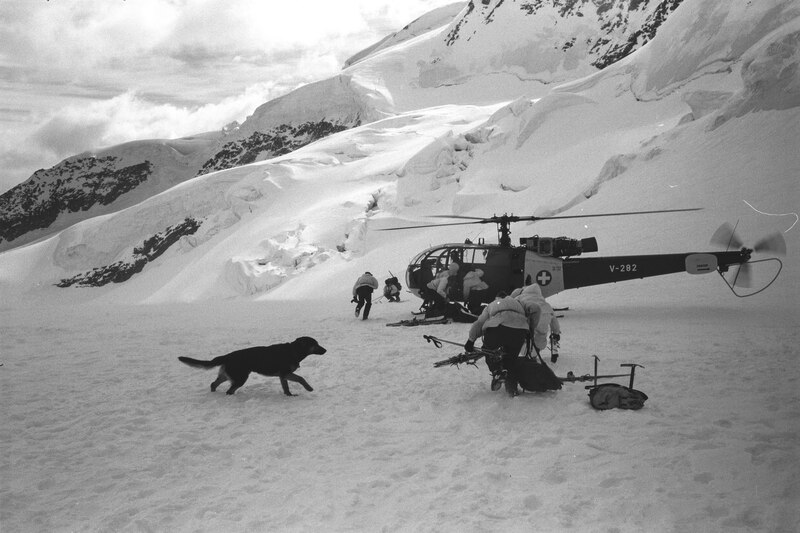
Across Europe and North America, ski patrols, alpine guides, mountain rescue teams and firefighters have repeatedly been called out to respond to off-piste incidents — sometimes involving people who were warned directly not to enter dangerous terrain.
In several cases reported this season, professionals attempting to discourage off-piste skiing during high danger have been:
- ignored
- mocked
- verbally abused
- accused of being overly cautious
Hours later, those same professionals were forced to enter the exact slopes they warned against, risking secondary avalanches, helicopter instability, and extreme exposure to retrieve victims.
Rescue Operations Are Not “Part of the Fun”
Avalanche rescues are not routine operations. They involve:
- unstable slopes that can release again at any moment
- limited visibility and extreme cold
- rescuers working under time pressure where minutes mean life or death
- helicopters operating close to terrain in marginal weather
- dogs and personnel exposed to the same hazards as the original victims
When avalanche danger is high, every rescue puts additional lives at risk — not just those of the people caught, but of everyone sent in to help.
Why Do People Still Ignore Avalanche Warnings?
Experts point to a combination of factors:
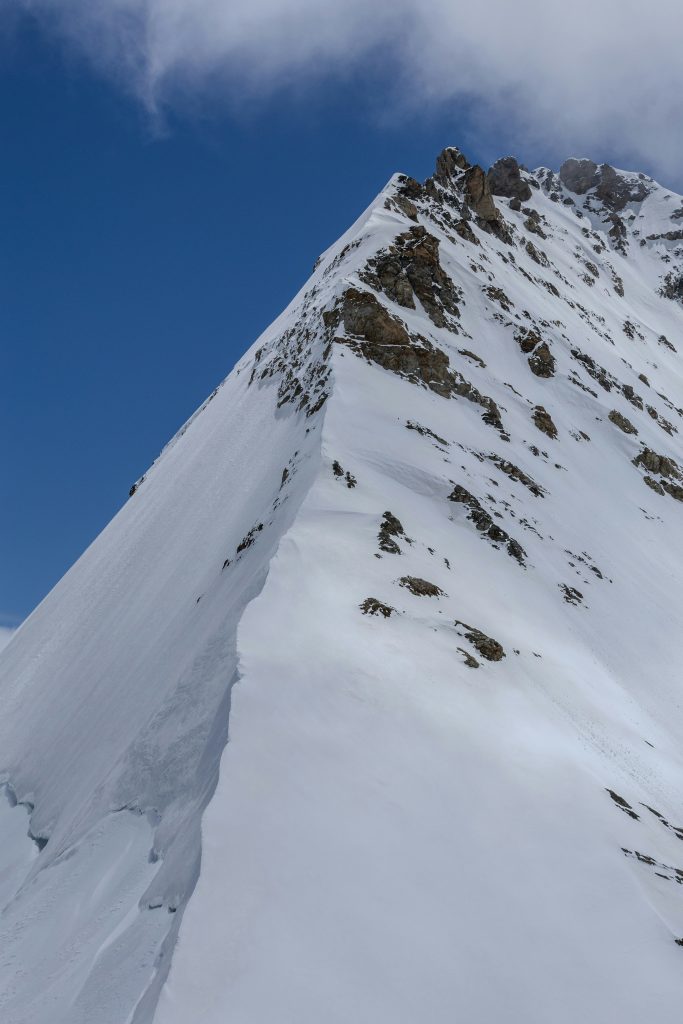
- blue skies after storms creating a false sense of safety
- misunderstanding what “considerable” avalanche danger actually means
- overconfidence in personal ability or equipment
- social pressure and “powder fever”
- the belief that danger only applies far from the resort
Crucially, many incidents occur in sidecountry terrain — accessed directly from lifts — where skiers feel close to safety but are still fully exposed to avalanche risk.
🔹 Avalanche Safety Resources – Check Before You Go
Always consult the official avalanche bulletin for your region before skiing or riding off-piste. Conditions can change daily, even hourly.
Europe
- European Avalanche Warning Services (EAWS)
https://www.avalanches.org - Italy – AINEVA (Bollettini Valanghe)
https://bollettini.aineva.it - France – Météo-France Avalanche Bulletins
https://meteofrance.com/meteo-montagne - Switzerland – SLF / WSL
https://www.slf.ch - Austria – Lawinenwarndienst
https://lawinen.report - Germany – DAV Avalanche Reports
https://www.alpenverein.de
North America
- United States – Avalanche.org (national portal)
https://avalanche.org - Canada – Avalanche Canada
https://www.avalanche.ca
Before going off-piste
- Check the avalanche bulletin every day
- Understand what the danger level means on the ground
- Avoid uncontrolled terrain during high or considerable risk
- Carry avalanche safety equipment (beacon, shovel, probe)
- Respect closures, warnings and patrol advice
Related reading:
Avalanche Danger Levels Explained – What “Considerable” Really Means
Respecting the Mountains Means Respecting the People Who Protect You
Ski patrols, guides, firefighters and mountain rescuers do not issue warnings lightly. They are based on snow science, local knowledge and real-time observations — and they are often the first to be exposed when things go wrong.
Ignoring avalanche warnings doesn’t just endanger those who take the risk. It places additional lives on the line, forcing rescuers into conditions they know are dangerous, but enter anyway because that is their job.
This season has already shown, repeatedly, that the mountains are unforgiving. Listening, turning back, and choosing caution is not weakness — it is responsibility.
 Planning your next trip to the Italian Alps?
 Planning your next trip to the Italian Alps?
If you’re heading to the Aosta Valley, take a look at Il Cuore della Valdigne, our family-owned apartment in Morgex, available for rent when we’re not using it ourselves.
It’s an ideal base to:
- Ski in Courmayeur, La Thuile and Pila
- Enjoy the mountains in summer (hiking, biking, nature)
- Explore the Mont Blanc valley in a quieter, more authentic setting.
 Ski in Courmayeur,
 Enjoy the mountains in summer (hiking, biking, nature)
Check my Mountain Art on my Shop
You can go to my shop and see what have been inspiring me lately, lots mountain landscapes in soft pastels, and now in oils too. Go here to check my latest works!

Featured Image: Photo: Yoshiki 787. Unsplash. Avalanche Warnings Ignored in the 2025–26 Ski Season: When Rescuers Risk Their Lives to Save Others.


Discover more from The-Ski-Guru
Subscribe to get the latest posts sent to your email.
 Subscribe to The-Ski-Guru here.
You must be logged in to post a comment.