

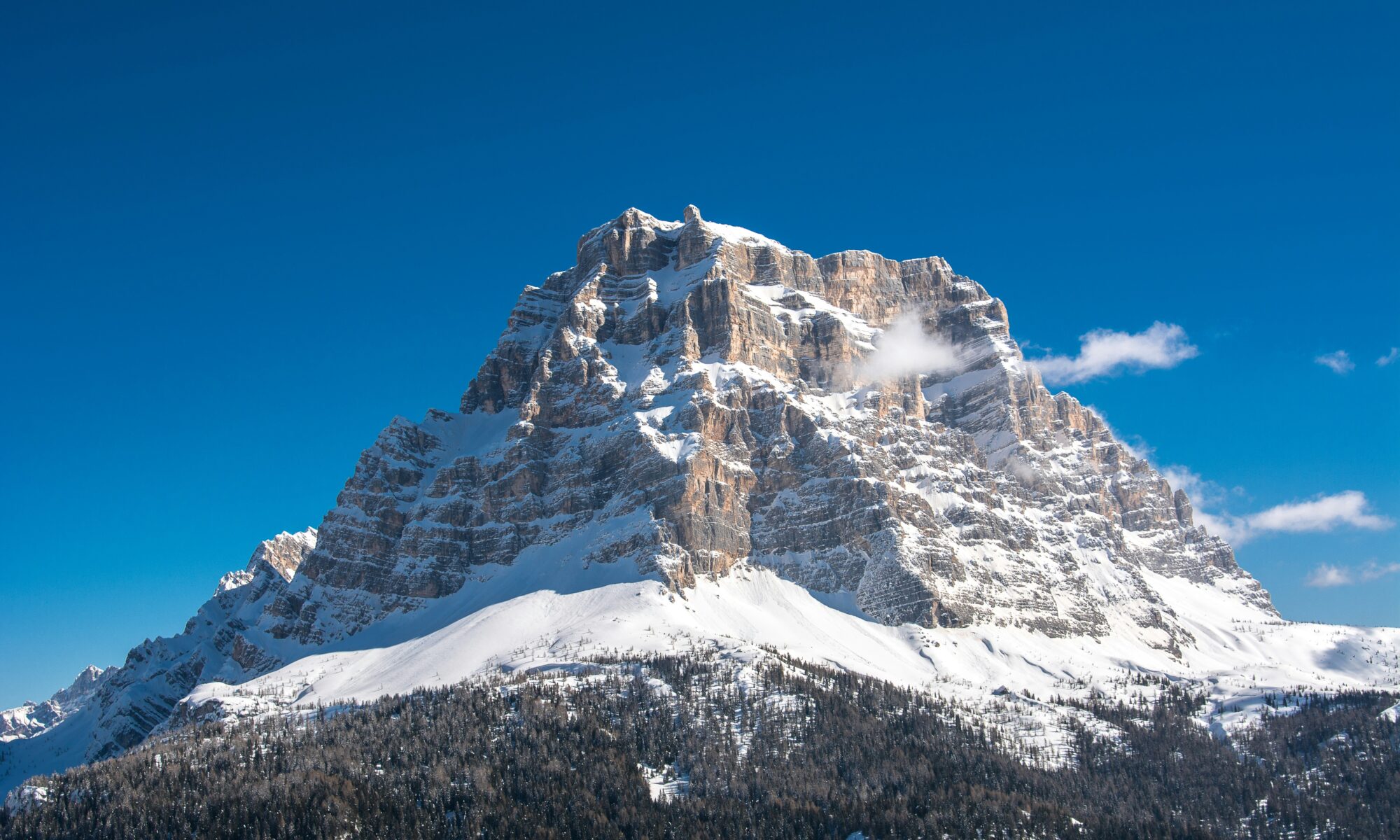
A series of rockfalls on Monte Pelmo in the Italian Dolomites is raising concern after seven significant collapses were recorded in just three weeks, including five in five days, as exceptionally high temperatures continue to affect the Alps.
The latest warning comes from Aldino Bondesan, professor of Physical Geography and Geomorphology at the University of Padua, who says further collapses should be expected and has urged visitors to respect restrictions around affected mountain areas.
The 3,168-metre Monte Pelmo, one of the most recognisable peaks in the Dolomites, had already been affected by repeated rockfalls during the current Alpine heatwave. The situation was included in our wider report on the impact of extreme temperatures across the Alps.
READ MORE: Alps Heatwave Intensifies as Glacier and High-Mountain Closures Spread
Seven Significant Rockfalls in Three Weeks
What is particularly unusual this summer is not that rockfalls are occurring on Monte Pelmo, but their frequency.
According to Bondesan, seven significant collapses have now been recorded over three weeks, with five occurring within only five days.
The Dolomites are naturally susceptible to rockfall because of their geological structure. Massive layers of dolomite and limestone are heavily fractured, while water entering those fractures plays an important role in destabilising the rock.
But the extreme temperatures affecting the Alps this summer may be making an already unstable environment more vulnerable.
Bondesan told Corriere del Veneto that climate change does not necessarily cause an individual rockfall, but can effectively “load the system”, increasing the conditions that favour instability.
Permafrost Degradation Adds to the Problem
One of the principal concerns is the degradation of high-altitude permafrost.
Permafrost is ground that remains frozen for long periods and, in high mountain environments, ice within fractures can contribute to holding sections of rock together.
As temperatures rise, that ice can deteriorate. Water can then penetrate further into fractures and contribute to destabilising already fractured rock.
The problem has become particularly acute during the current heatwave.
Bondesan said the freezing level has risen above 4,500 metres, considerably higher than Monte Pelmo itself.
This is important because some of the affected faces of the mountain are oriented north and west, where reduced exposure to direct sunlight would normally help preserve colder conditions.
Even those slopes are now being affected.
According to Bondesan, over the past 50 years the proportion of Dolomite rockfalls occurring on north- and west-facing slopes has tripled and now represents around 12% of the total.
Heavy Rain Could Create Another Hazard
The expected change in weather does not necessarily mean the danger will disappear as temperatures fall.
Heavy rain following prolonged heat can introduce a different problem.
Water can penetrate fractured slopes and loose deposits accumulated beneath rock faces, potentially triggering fast-moving debris flows.
Bondesan warned that intense thunderstorms and heavy precipitation could mobilise large quantities of material, producing debris flows with considerable destructive force.
The warning comes as forecasts point towards a change in weather across northern Italy following the prolonged heatwave, with thunderstorms and a significant temperature drop expected to begin affecting northern regions.
Rockfalls Are Natural — Their Frequency Is Not
Rockfalls are part of the natural evolution of the Dolomites, and individual collapses cannot simply be attributed to climate change.
The concern this summer is instead the combination of natural geological instability with prolonged exceptional heat, degrading permafrost and increasingly frequent extreme weather.
For Bondesan, the most striking element of the situation on Monte Pelmo is precisely the concentration of events.
Seven significant collapses in three weeks represent an unusually intense sequence.
Predicting exactly where or when another collapse will occur remains extremely difficult. Monitoring systems can help in particularly vulnerable areas, but it is impossible to monitor every rock face across the Alps.
Visitors Urged to Respect Closures
The repeated collapses have also renewed warnings about ignoring trail closures and restrictions imposed by local authorities.
Bondesan said the current thermal conditions mean the level of risk is higher than during a normal summer mountain excursion and urged visitors not to treat closures as an unnecessary restriction.
His message is particularly relevant during the Ferragosto holiday period, when the Dolomites receive large numbers of hikers and tourists.
Mountain conditions can change quickly, and anyone planning hikes in affected areas should check current information from local authorities, mountain refuges and the CAI before setting out.
The events on Monte Pelmo are also part of a wider pattern of disruption across the Alps during the August heatwave. High temperatures have affected glaciers and high-altitude routes from the Dolomites to the Matterhorn and Mont Blanc massif, prompting closures, route changes and increasing concern about rockfall.
Read More
- 15,000m³ Rockfall at Aiguille du Midi as Extreme Heat Destabilises Mont Blanc
https://www.the-ski-guru.com/2026/08/15/aiguille-du-midi-rockfall-15000m3/ - New Bivouac Rules Introduced Around Chamonix Mountain Huts
https://www.the-ski-guru.com/2026/08/15/chamonix-bivouac-rules/ - Mont Blanc Route Closure & Helicopter Evacuation
https://www.the-ski-guru.com/2026/08/13/mont-blanc-route-closure-helicopter-evacuation/ - Climber Killed by Rockfall on Mont Blanc
https://www.the-ski-guru.com/2026/08/14/climber-killed-rockfall-mont-blanc/ - Aiguille du Midi Ice Tunnel Closed by Extreme Heat
https://www.the-ski-guru.com/2026/08/04/aiguille-du-midi-ice-tunnel-closure-heat/ - Alps Heatwave: Glacier Closures and Growing Risks
https://www.the-ski-guru.com/2026/08/10/alps-heatwave-glacier-closures/ - Where to Check Mountain Closures in the Alps
https://www.the-ski-guru.com/2026/08/12/where-to-check-mountain-closures-in-the-alps/ - Who Pays for a Mountain Rescue in the Alps (hiking and mountaineering season)
Sources
Corriere del Veneto — Crolli sul Monte Pelmo, il geologo: “Presto ce ne saranno altri”
https://corrieredelveneto.corriere.it/notizie/belluno/cronaca/26_agosto_15/crolli-sul-monte-pelmo-il-geologo-presto-ce-ne-saranno-altri-impariamo-a-convivere-con-frane-e-grande-caldo-i-turisti-vadano-dbb5bcd9-d334-4b77-a8d0-056868e88xlk.shtml
RaiNews — reporting on the prolonged August 2026 Italian heatwave and exceptionally high freezing levels
https://www.rainews.it/articoli/2026/08/meteo-londata-di-20-giorni-di-afa-ed-il-cambiamento-strutturale-dellanticiclone-africano-le-previsioni-del-tempo-d5120f9e-24e4-44bc-9131-c7d2b56f7c01.html
Planning your next trip to the Italian Alps?
If you’re heading to the Aosta Valley, take a look at Il Cuore della Valdigne, our family-owned apartment in Morgex, available for rent when we’re not using it ourselves.
It’s an ideal base to:
- Ski in Courmayeur, La Thuile and Pila
- Enjoy the mountains in summer (hiking, biking, nature)
- Explore the Mont Blanc valley in a quieter, more authentic setting.
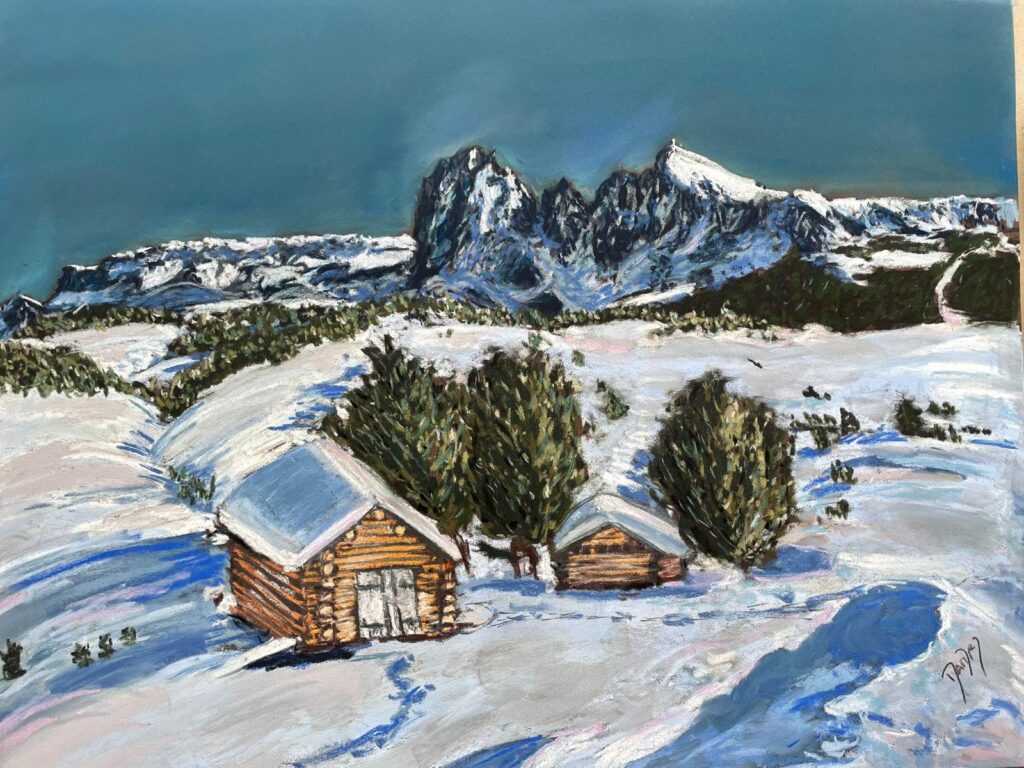
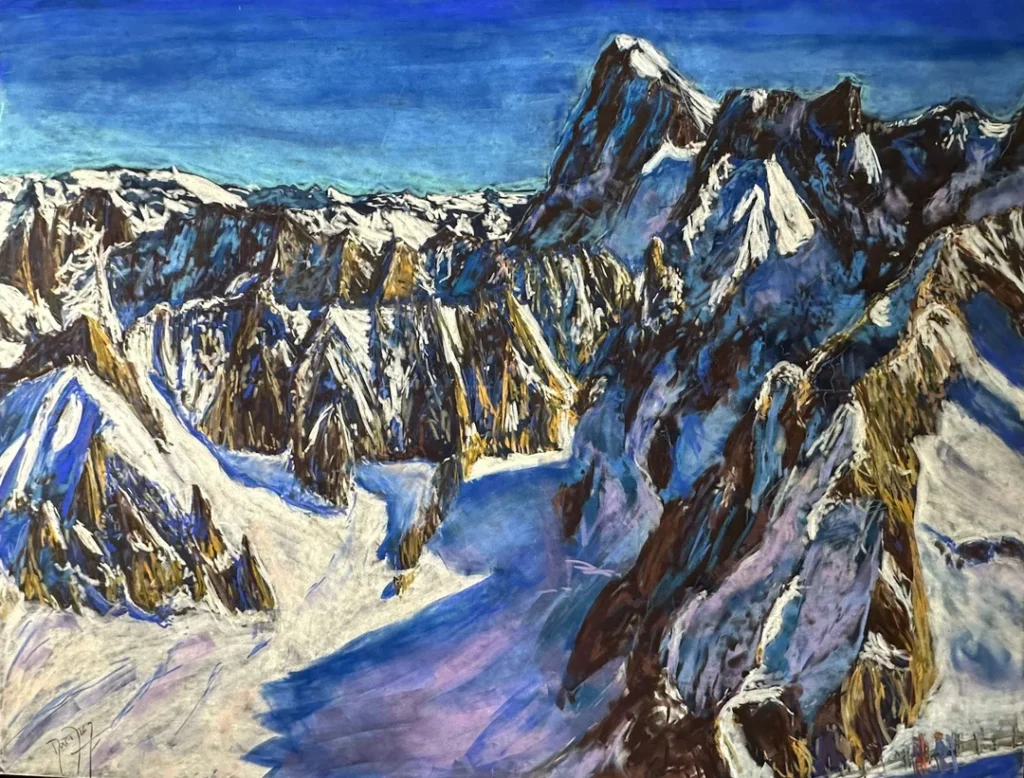
Check my Mountain Art on my Shop
You can go to my shop and see what have been inspiring me lately, lots mountain landscapes in soft pastels, and now in oils too. Go here to check my latest works!
Featured Image: Monte Pelmo as seen from Borca di Cadore. Photo: Gian Pietro Dragoni. Unsplash.


Discover more from The-Ski-Guru
Subscribe to get the latest posts sent to your email.
 Subscribe to The-Ski-Guru here.
You must be logged in to post a comment.