Nepal’s Glacier Disaster Is a Warning for Mountain Regions Everywhere — Including the Alps

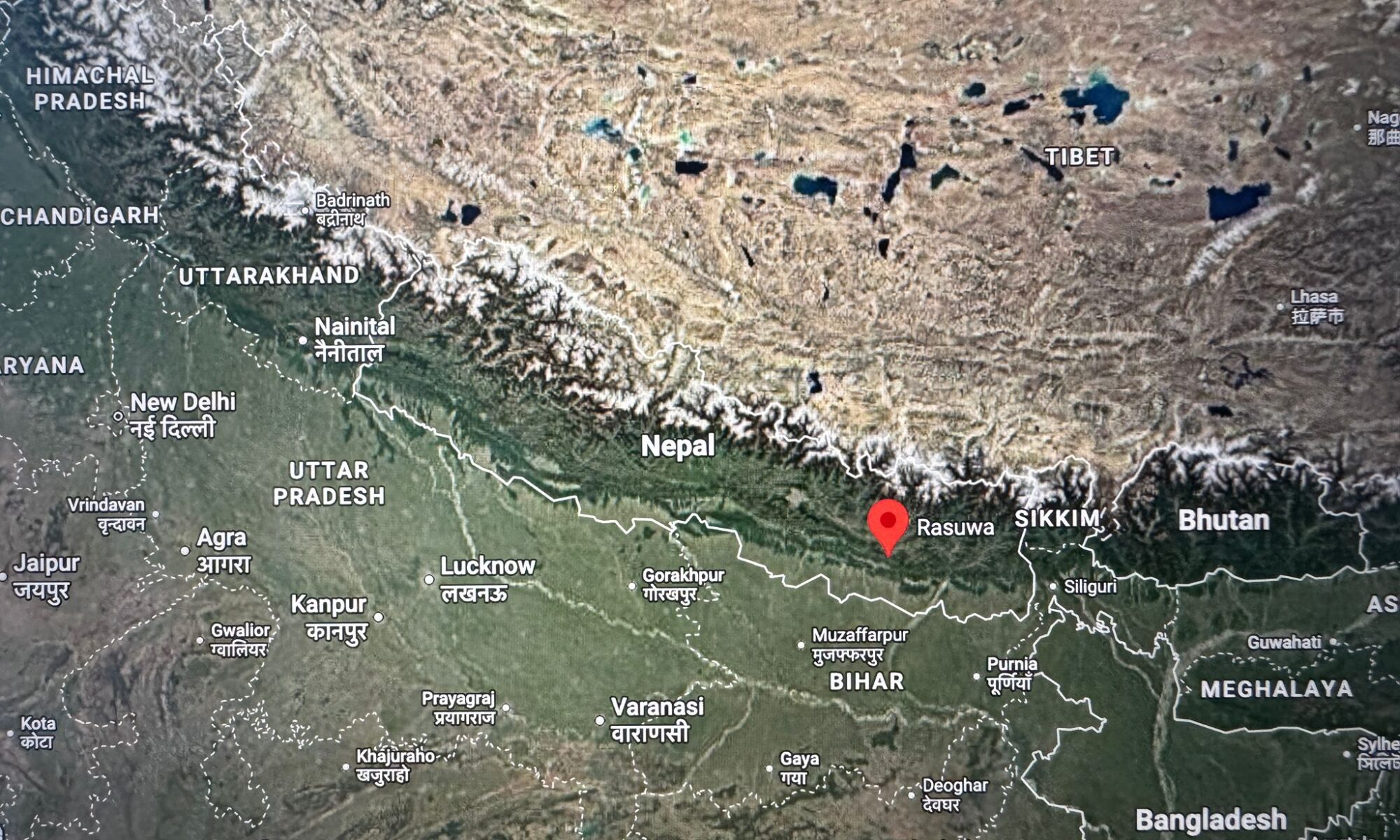
Map of Rasuwa in Nepal, where the floodings occurred. Photo: Google Maps.

A catastrophic glacier-related collapse in the Himalayas has killed hundreds of people across Nepal and Tibet and left many more missing.

But beyond the shocking images and the rapidly evolving casualty figures lies a much bigger question for mountain regions around the world:

Could something similar happen in the Alps?

The answer is uncomfortable.

The precise sequence that produced the Nepal disaster is still being investigated. But glacier collapses, rock avalanches, sudden releases of glacial water, debris flows and naturally dammed lakes are not unique to the Himalayas. They are hazards that also exist in the Alps — and Alpine history provides some dramatic examples.

What can be very different is the ability to identify certain dangers in advance, monitor them and evacuate people before the mountain moves.

And even in the best-monitored Alpine countries, that warning cannot always be guaranteed.
Continue reading “Nepal’s Glacier Disaster Is a Warning for Mountain Regions Everywhere — Including the Alps”

Alpine Glacier Retreat Raises Questions Over the Future of the Ski Economy

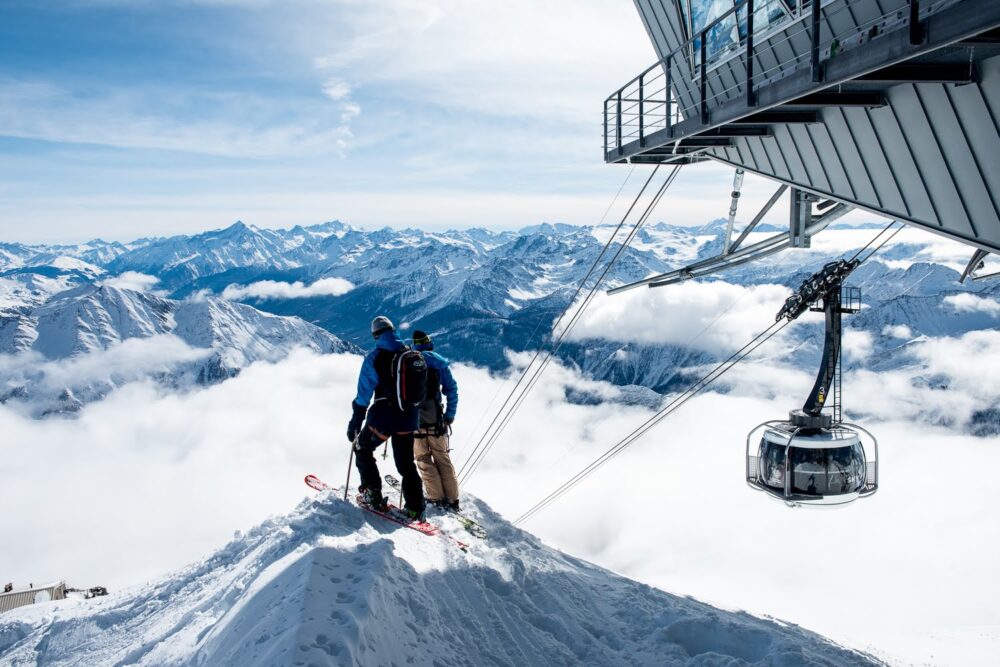
Photo credit: Skyway Monte Bianco.

After a summer marked by glacier retreat, rockfalls, unstable permafrost and repeated disruption across the Alps, an increasingly difficult question is emerging: how should mountain tourism adapt to a rapidly changing environment?

The debate has been brought into sharper focus by Legambiente, one of Italy’s largest environmental organisations, which argues that Alpine communities can no longer plan their future on the assumption that glaciers, water resources and snow conditions will remain as they have been in the past.

Speaking to Corriere della Sera during the 2026 Carovana dei Ghiacciai, Vanda Bonardo, the campaign’s coordinator and national head of Legambiente’s Alps division, said mountain regions need to move from planning based on stability towards managing continuous change.

Her comments come during an extraordinary summer across the Alps, with developments around Mont Blanc providing some of the clearest examples.

Continue reading “Alpine Glacier Retreat Raises Questions Over the Future of the Ski Economy”

Landslides Hit South Tyrol as Thawing Permafrost Destabilises Alpine Slopes

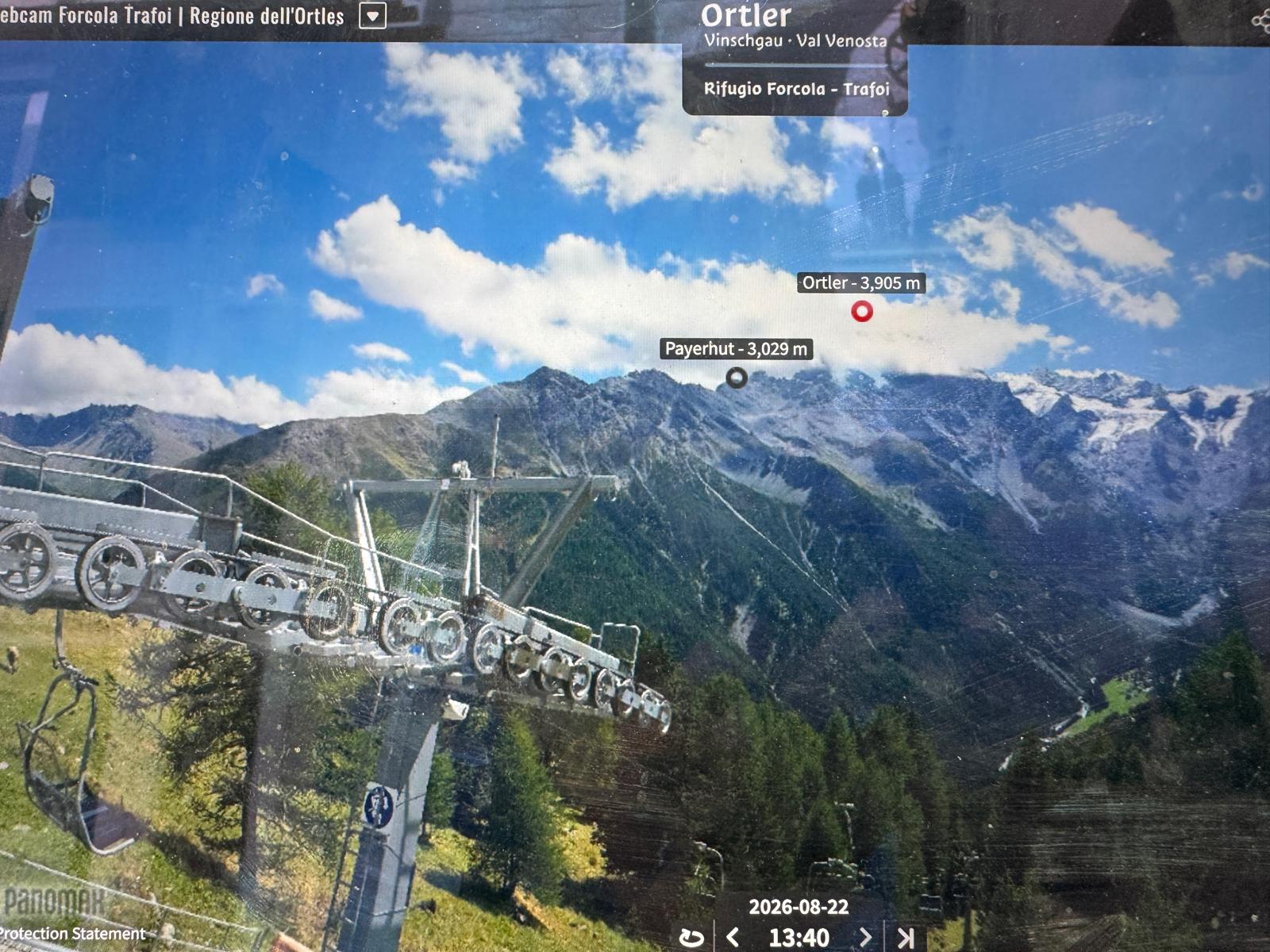
Webcam Forcola Trafoi Region with the Ortles in the background. https://webcam.myortler.it/trafoi

A series of landslides and debris flows has hit South Tyrol following heavy rainfall, with up to 30,000 cubic metres of debris moving near Trafoi below the Ortler and another major mudslide cutting access to Capanna Alpina in Alta Badia.

The incidents add to a growing number of slope failures reported across the Alps this summer, as scientists and mountain authorities increasingly warn about the destabilising effect of warming temperatures and thawing permafrost on high-altitude terrain.

Up to 30,000 cubic metres of debris at Trafoi

Shortly after 5pm on 20 August, a major debris flow occurred in the Rio di Plaies at Trafoi, in the municipality of Stelvio/Stilfs.

According to South Tyrol’s provincial authorities, an estimated 20,000 to 30,000 cubic metres of material moved down the mountain.

The debris obstructed the Rio Vedretta del Circo and travelled as far as the pedestrian bridge leading towards the Santuario delle Tre Fontane Sacre, the historic Three Holy Fountains sanctuary near Trafoi.

The bridge narrowly escaped being overwhelmed during the initial event, but by the following day the stream channel beneath it was almost completely blocked.

South Tyrol’s mountain basin authorities deployed two excavators to begin clearing the channel, although the material initially remained too wet for the operation to be completed.

Continue reading “Landslides Hit South Tyrol as Thawing Permafrost Destabilises Alpine Slopes”

Alpine Chapel to Be Moved Stone by Stone as Melting Permafrost Destabilises Mountain

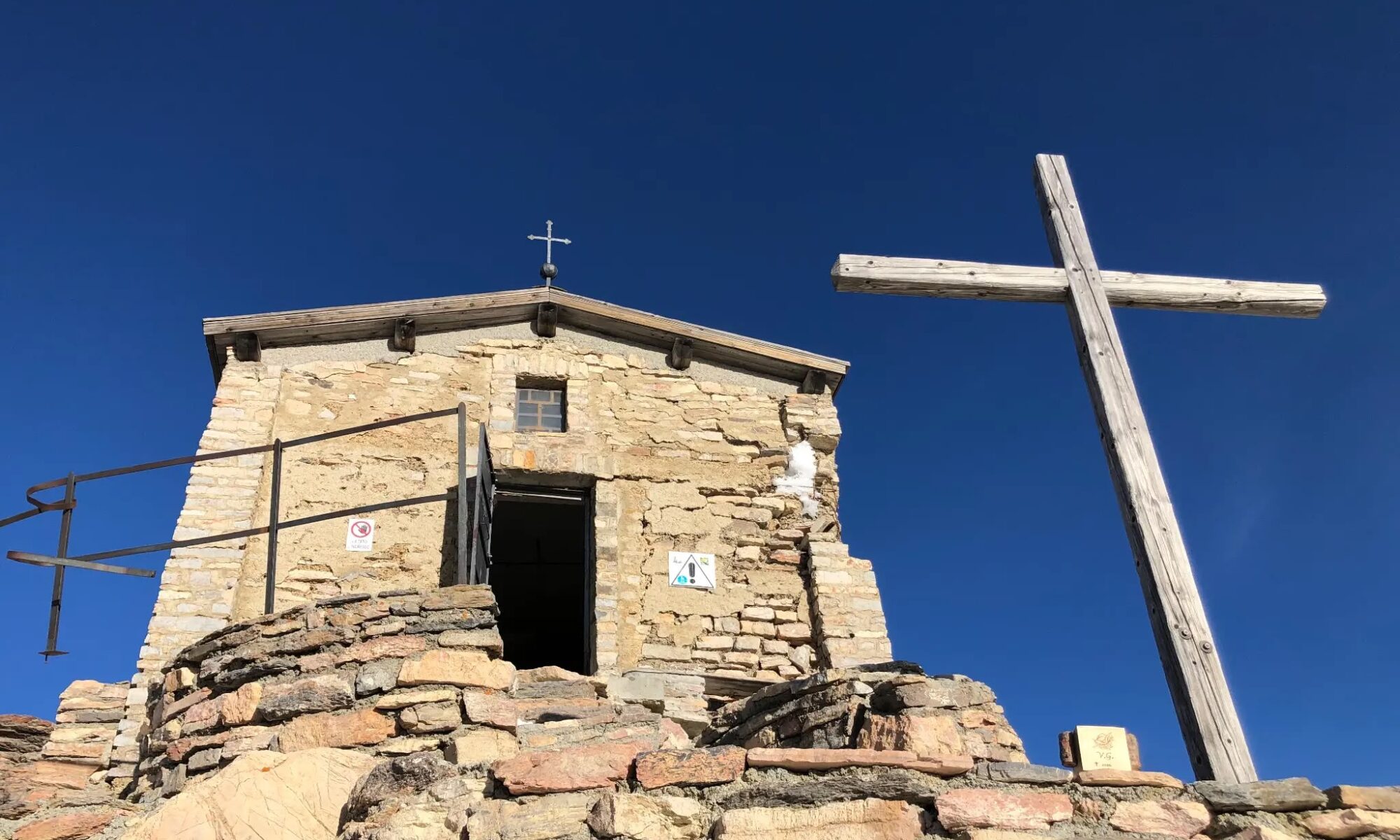
Capella di Monte Tabor. Photo: Outdooractive.com

A centuries-old chapel high above the French-Italian border has survived Alpine winters, storms and changing frontiers. What it may not survive is the ground beneath it beginning to thaw.

The tiny Notre-Dame-des-Sept-Douleurs chapel on Mont Thabor, perched at around 3,170 metres in the French Alps, is to be dismantled and rebuilt nearby after the degradation of mountain permafrost destabilised the slope on which it stands.

The chapel sits close to the summit of the 3,178-metre Mont Thabor, overlooking the Vallée Étroite between Névache in France and Bardonecchia in Italy.

Its geography is almost as unusual as its predicament.

Although the chapel stands on French territory, within the commune of Névache, it belongs to the Italian municipality of Bardonecchia — a legacy of the shifting border between France and Italy after the Second World War.

Now the two sides are working together to save a building whose history stretches back centuries.

Continue reading “Alpine Chapel to Be Moved Stone by Stone as Melting Permafrost Destabilises Mountain”

Large Rockfall on the Matterhorn/Cervino Sends Huge Dust Cloud into the Air

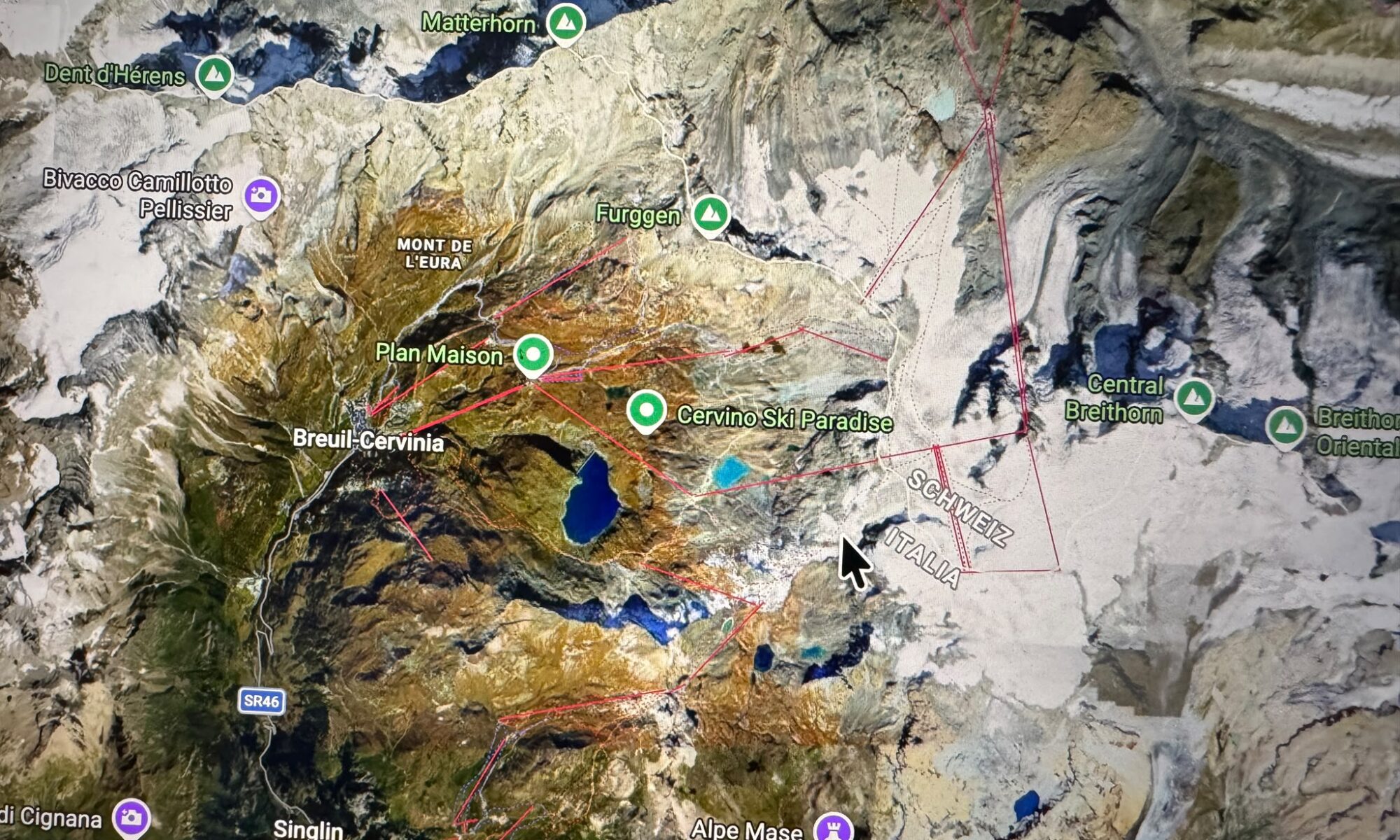
Image credit: Google Maps.

A large rockfall occurred on the Italian side of the Matterhorn, known locally as the Cervino, sending an imposing cloud of dust down the mountain. No people were involved in the incident.

The collapse took place on the mountain’s south face and was captured in footage that has since circulated widely online. The images show the dust cloud expanding rapidly below the rock face, making the event clearly visible from the surrounding area.

According to local reports, the rockfall did not affect the Cresta del Leone, or Lion Ridge, which forms the normal Italian climbing route to the 4,478-metre summit. There have also been no reports of damage to inhabited areas or tourism infrastructure.

Continue reading “Large Rockfall on the Matterhorn/Cervino Sends Huge Dust Cloud into the Air”

Heat Forces Closure of Aiguille du Midi Ice Tunnel in Chamonix

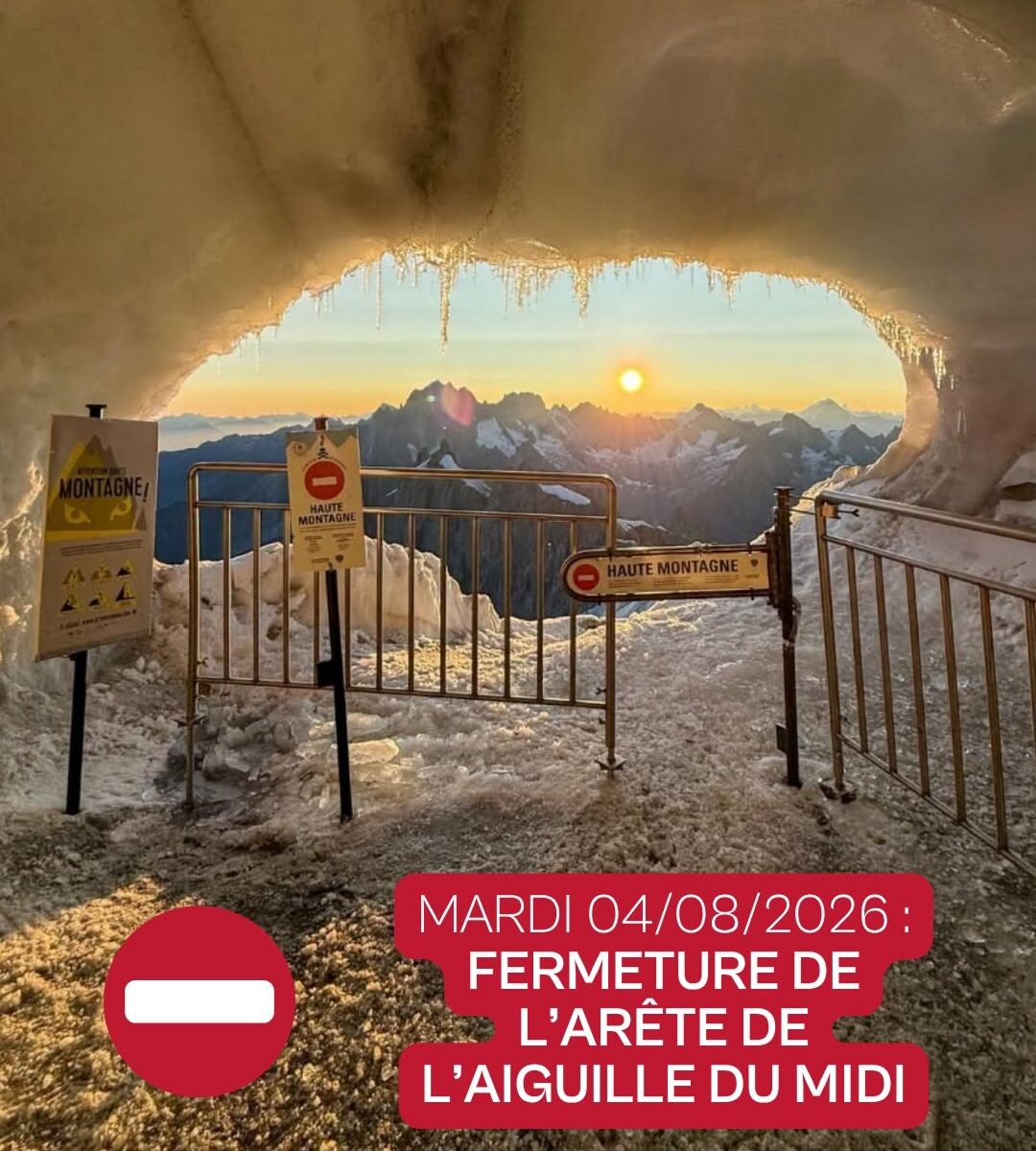
Ice Cave of Aiguille du Midi closed due to high temperatures. Image: La Chamoniarde-Facebook.

Extreme summer temperatures have forced the closure of the Aiguille du Midi ice tunnel in Chamonix after accelerating melting raised concerns over the stability of its ice roof.

The closure took effect on 4 August 2026 and affects the tunnel used by mountaineers to reach the famous Aiguille du Midi ridge, a major starting point for climbing routes across the Mont Blanc massif.

It does not concern the tourist ice cave at Montenvers–Mer de Glace, which remains open according to its published summer schedule.

Continue reading “Heat Forces Closure of Aiguille du Midi Ice Tunnel in Chamonix”

Why Ski Resorts Are Turning to Four-Season Tourism

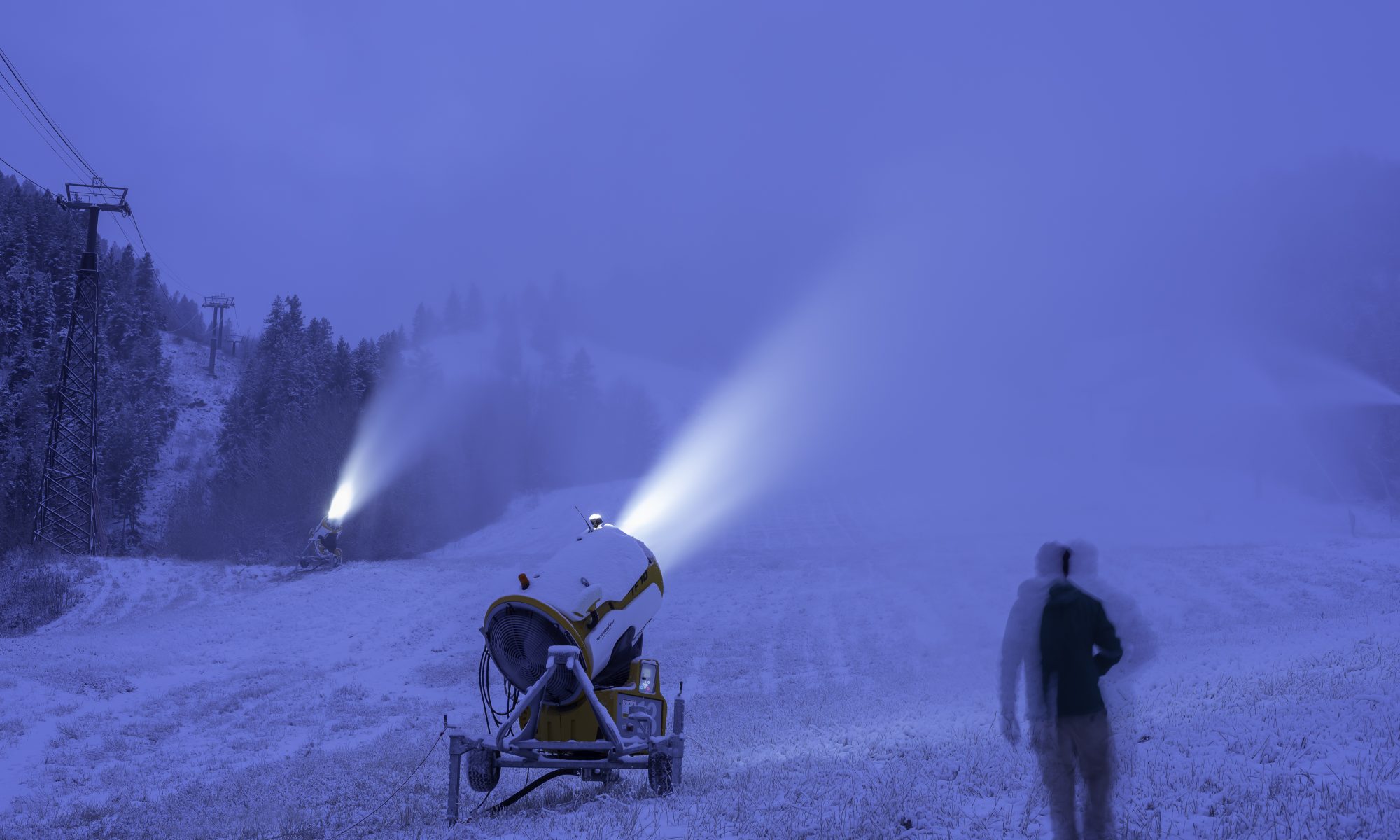
Snowmaking in Ajax. Photo: Dan Bayer. Aspen Skiing Company. Snowmaking Operations Underway at Aspen Snowmass for the 2018-19 Season

Why Ski Resorts Are Turning to Four-Season Tourism

For decades, mountain resorts lived by the rhythm of winter — snow, skiing, après-ski, repeat. That rhythm is changing. Climate variability, shifting travel habits, and a growing love for outdoor experiences are pushing ski areas to think beyond the slopes. Across the Alps and the Rockies, destinations are embracing a four-season model, turning themselves into year-round playgrounds for adventure, wellness, and culture.


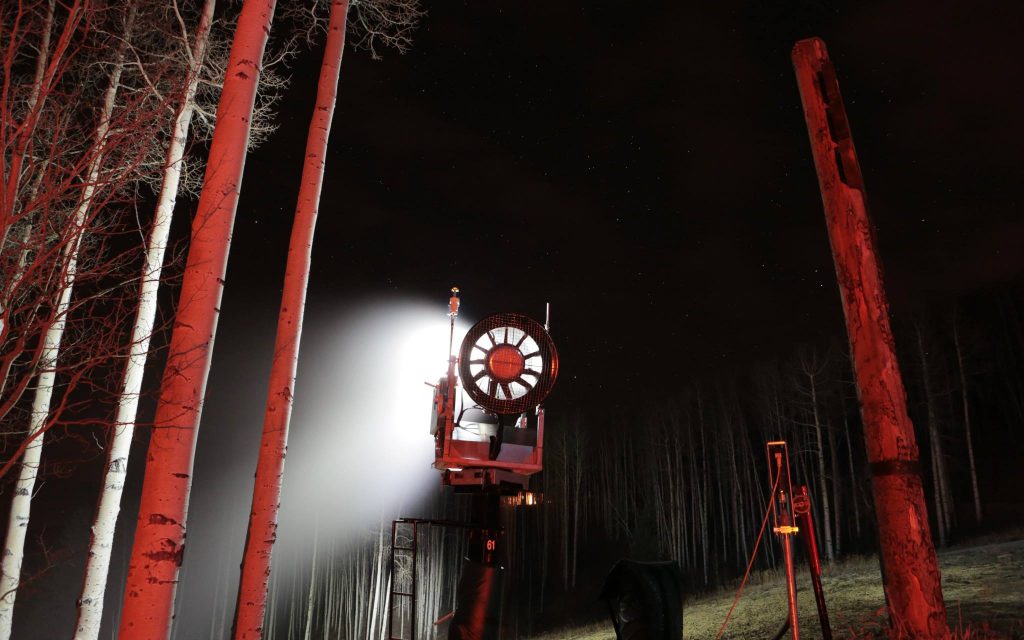
Beaver Creek Gold Dust Trail Snowmaking- Photo: Vail Resorts. Vail Resorts Announces Long-Term Wind Energy Contract And Plan To Eliminate Conventional Single-Use Dining Plastics In Its ‘Commitment To Zero’.
Beaver Creek Gold Dust Trail Snowmaking- Photo: Vail Resorts.

❄️ The Challenge: Unpredictable Winters

Winters aren’t what they used to be. National climate scenarios for Alpine countries (as the report I’ve just written about that was for Switzerland) show a steady rise in temperatures, more frequent warm spells, heavier rainfalls, and a snowline that keeps creeping uphill. Lower resorts can no longer rely on consistent snowfall. Even higher ones are investing heavily in snowmaking — which adds pressure on energy, water, and budgets if not managed smartly.

Continue reading “Why Ski Resorts Are Turning to Four-Season Tourism”

Switzerland’s Alps Face a Hotter, Wilder Future

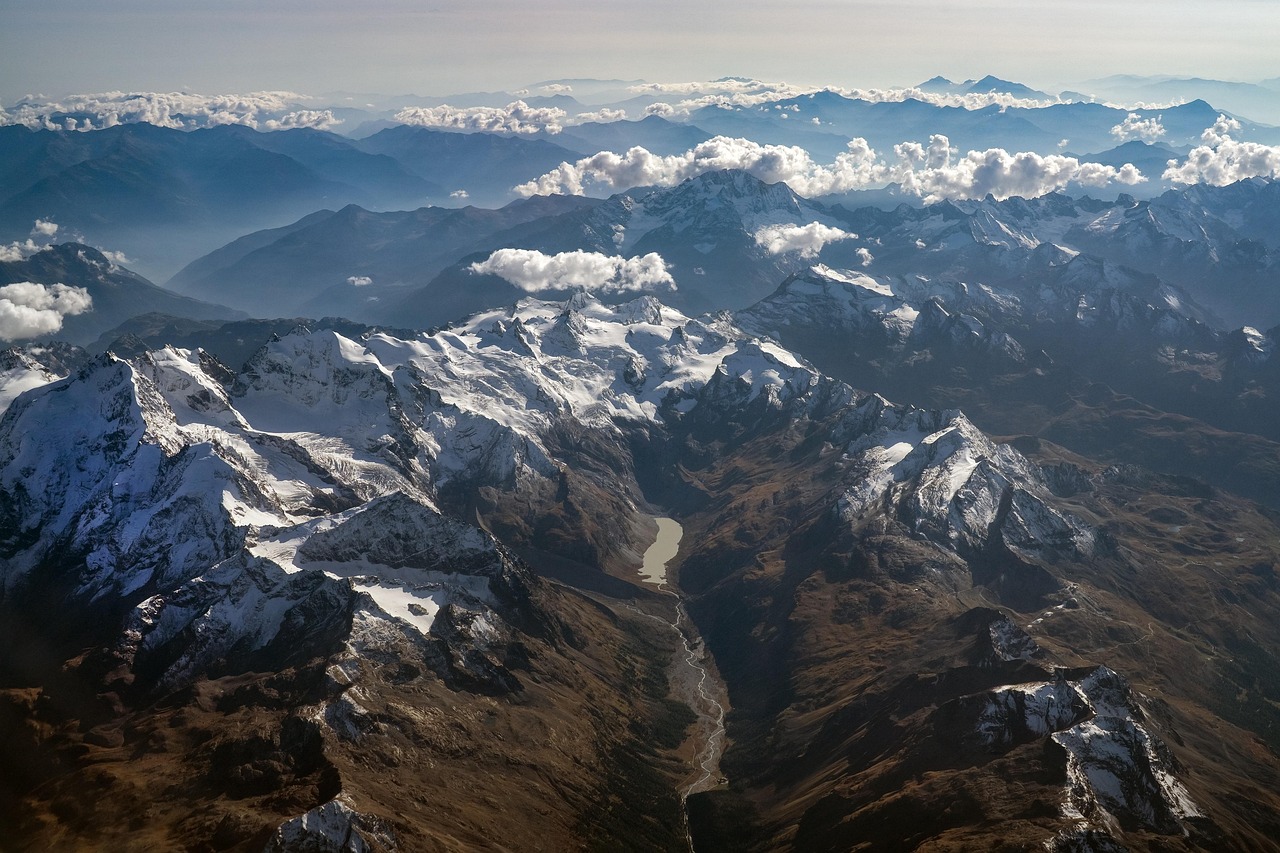
Switzerland’s Alps Face a Hotter, Wilder Future. Photo: Pixabay Markus Kammermann.

Switzerland Braces for a Hotter, Wilder Future — What It Means for the Alps

Switzerland’s Alps are heating up nearly twice as fast as the global average. The new CH2025 Climate Report by MeteoSwiss and ETH Zurich reveals what this means for our mountains — and for those who love them.


🇨🇭 A Country Warming Twice as Fast

Switzerland — famous for its snow-covered peaks and pristine valleys — has already warmed by 2.9°C since pre-industrial times, compared with around 1.3°C globally. According to the CH2025 Climate Report, the country faces a future of hotter summers, heavier storms, and rising snowlines that could reshape mountain life and tourism.

☀️ More Heatwaves — Even in the Mountains

Extreme heat events have become far more common in the past 25 years, and this trend is accelerating. The report warns that a day as hot as those that used to occur once every 50 years could now happen every three years or more. Cities like Zurich, Geneva, Basel and Lugano are expected to see far more “tropical nights,” when temperatures never drop below 20°C. Even Alpine valleys will experience unprecedented heat stress.

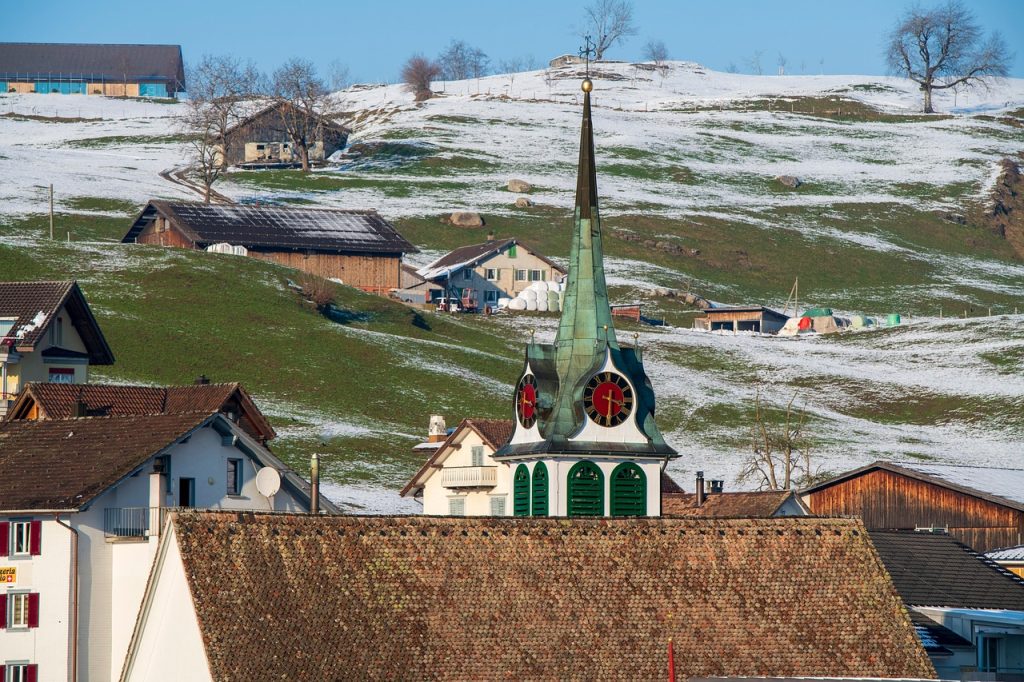
Lower elevations in Switzerland are destined to not have more snowy winters. Photo: Josef Farago. Pixabay. Switzerland’s Alps Face a Hotter, Wilder Future

🌾 Drier Summers Ahead

Summers are projected to become significantly drier due to increased evaporation and reduced rainfall. A drought that once happened once a decade could strike three times as often and with 44% greater intensity. Forest fire risk is rising sharply, particularly in Valais, Ticino, and parts of Graubünden.

Continue reading “Switzerland’s Alps Face a Hotter, Wilder Future”