Understanding the European Avalanche Danger Scale: Levels 1–5 Explained

Windslab avalanche. Photo: Colorado Avalanche Information Center. Why Wind Is One of the Most Dangerous Avalanche Triggers.

Avalanche danger in the Alps is reported using the European Avalanche Danger Scale, a five-level system used by national avalanche forecasting services across countries including France, Italy, Switzerland, Austria and Germany.

The scale helps skiers, mountaineers and backcountry travellers understand how stable or unstable the snowpack is and how likely avalanches are to occur.

It is important to understand that the scale does not simply measure the size of avalanches. Instead, it reflects a combination of factors including snowpack stability, the likelihood of triggering avalanches and the expected distribution of unstable slopes.

Understanding these levels is essential for anyone travelling in avalanche terrain, whether skiing off-piste, touring, snowshoeing or mountaineering.

Continue reading “Understanding the European Avalanche Danger Scale: Levels 1–5 Explained”
Up to 1 Meter of Snow Forecast in Aosta Valley as Major March Storm Hits the Alps

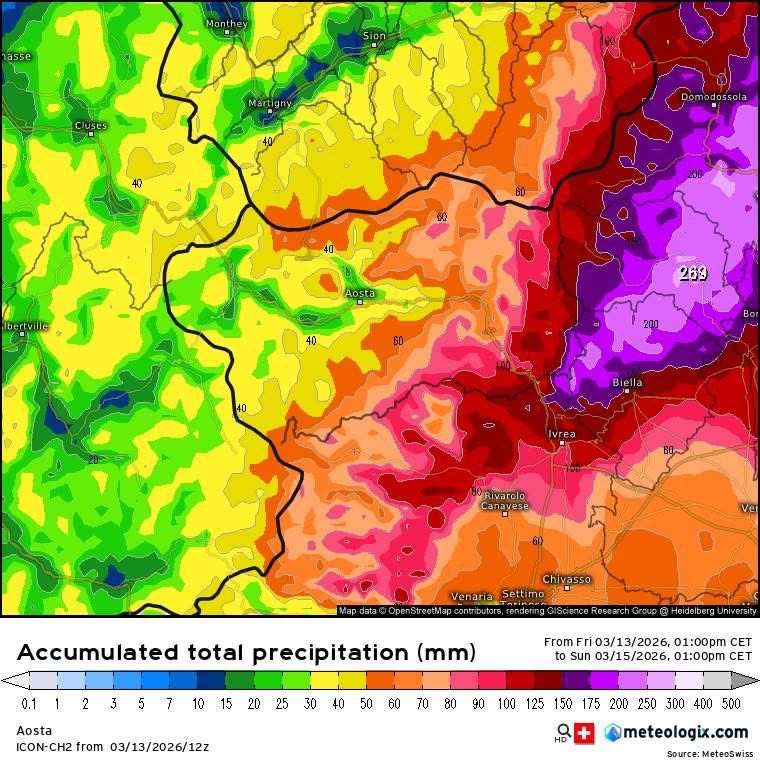
Totally acumulated snow 13-15 April. Meteo Valle d'Aosta.

A major late-season winter storm is expected to bring significant snowfall across Italy’s Aosta Valley this weekend, with forecasts indicating up to 80–100 cm of new snow in the eastern valleys, including areas around Cervinia and Monterosa Ski.

After nearly two weeks of mild conditions across the Alps, the return of winter weather could bring rapidly changing mountain conditions and elevated avalanche risk across parts of the region.

Meteorologists expect precipitation to begin early Saturday morning, first affecting the Cervino (Matterhorn) and Monte Rosa valleys before spreading across the rest of the region during the day.

These intense snowfall events are increasingly linked to extreme weather in the Alps, where rapid shifts between storms and warming phases are becoming more common.

Comparable instability has also led to fatal incidents elsewhere, including multiple avalanche deaths in northern British Columbia following recent snowfall cycles.

Continue reading “Up to 1 Meter of Snow Forecast in Aosta Valley as Major March Storm Hits the Alps”

Rockslide at Whistler Blackcomb Closes Peak Express Area

Rockfall in Whistler Mountain. Photo by Pique News magazine.

Update – 14 March 2026: More details have emerged about the rockslide near Whistler Peak. Read our follow-up analysis explaining what may have triggered the Whistler Peak rockslide and how freeze-thaw cycles destabilize alpine terrain.

A rockslide at Whistler Blackcomb near Whistler Peak forced the closure of terrain served by the Peak Express chairlift on 12 March 2026 at North America’s largest ski resort.

According to the resort operator Whistler Blackcomb (Vail Resorts), the rockfall occurred early in the morning before the ski area opened, and no injuries were reported.

The slide occurred near the Peak Express chairlift, which provides access to some of the highest alpine terrain on Whistler Mountain.

As a precaution, resort operations closed the affected terrain while crews assess slope stability and clear debris.

Continue reading “Rockslide at Whistler Blackcomb Closes Peak Express Area”

Skier Found Dead Outside Boundary at Whistler Blackcomb After Going Missing

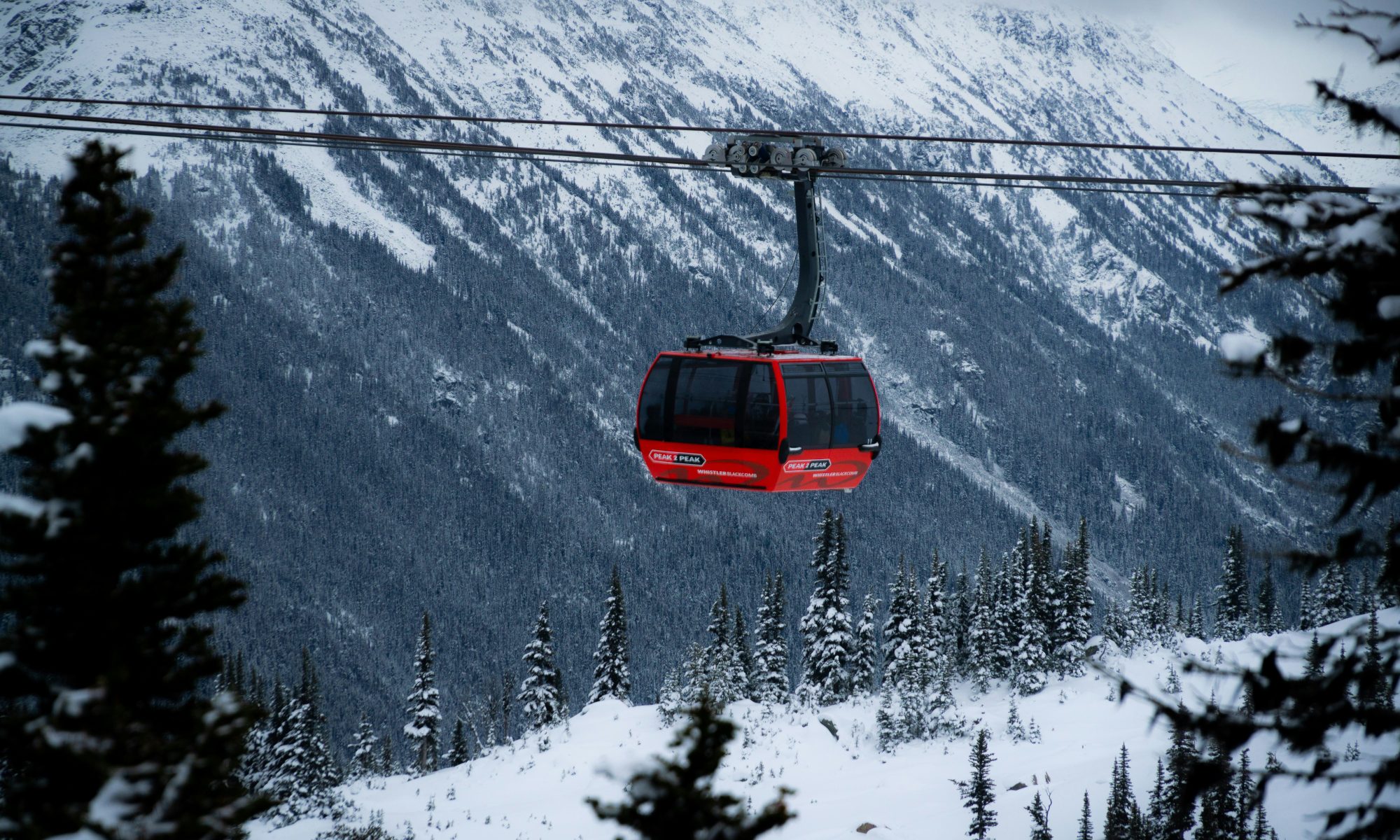
Whistler Peak 2 Peak Gondola. Photo: Yin Yin Low. Unsplash.

The Whistler Blackcomb skier death follows the discovery of a 78-year-old Vancouver man who had been missing for several days after skiing at the resort.

The man was found on 5 March 2026 outside the ski-area boundary at Whistler Blackcomb, one of the largest ski resorts in North America located in British Columbia, Canada.

He had last been seen skiing on 28 February, prompting a search operation after he failed to return.

Crossing ski-area boundaries is a factor in a number of mountain incidents each winter, particularly at large resorts where backcountry terrain is easily accessible from lift-served areas. Even a short distance beyond the boundary can place skiers in uncontrolled terrain where avalanche mitigation, route marking and rapid rescue response are no longer guaranteed.

Authorities say the death is not considered suspicious, and early reports suggest the skier may have unintentionally crossed the resort boundary.

Related news:
Rockslide closes Peak Express area at Whistler Blackcomb (March 2026)

Continue reading “Skier Found Dead Outside Boundary at Whistler Blackcomb After Going Missing”

Avalanche Warnings Through Online Ads? Austrian Ski Resort Tests Smartphone Alert System

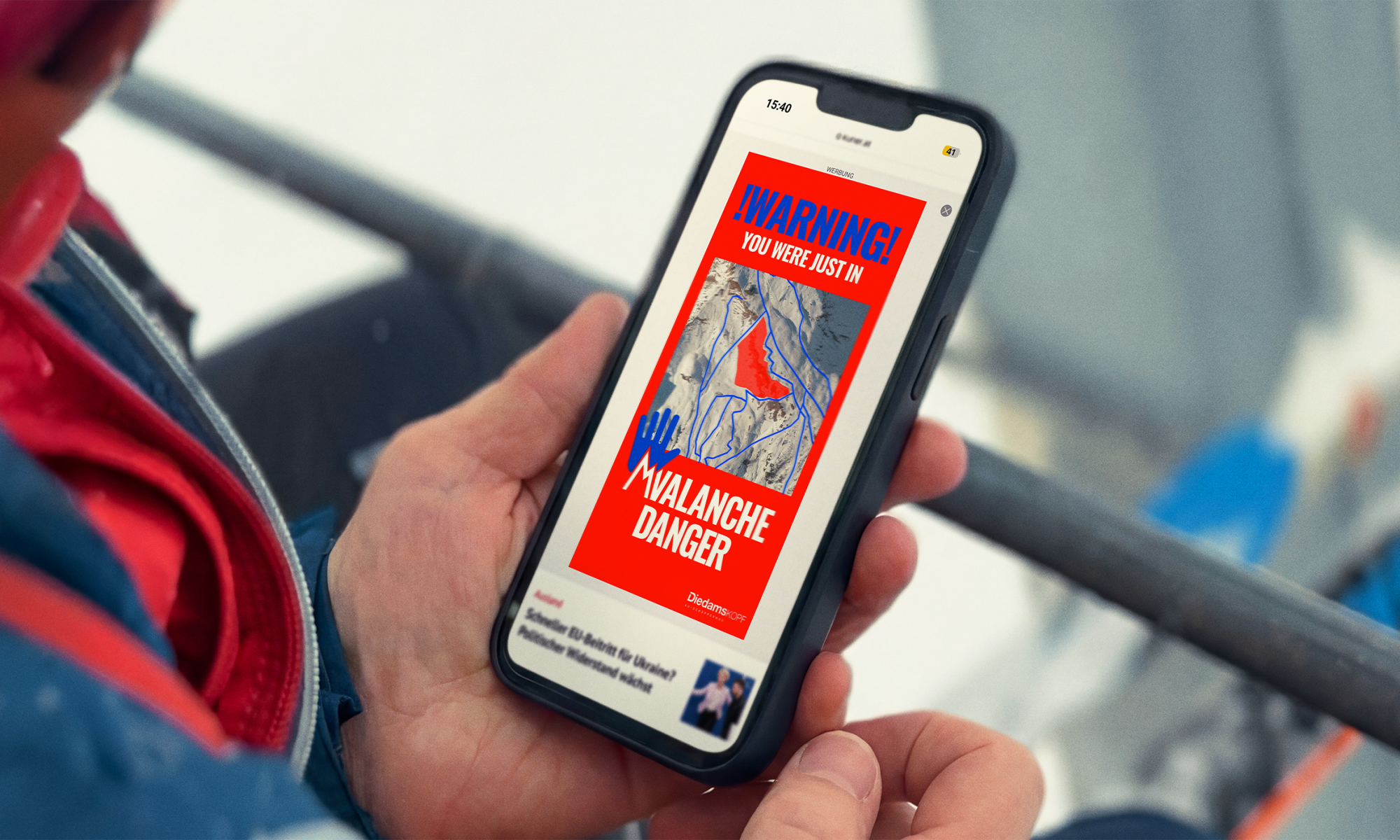
Avalanche Alerts. Photo credit: DMB.

A ski resort in Austria has begun testing an unusual avalanche warning system that delivers safety alerts directly to smartphones using the infrastructure normally reserved for digital advertising.

The initiative, called Avalanche Alerts, is currently being piloted at the Diedamskopf ski area in Vorarlberg, Austria, where digital advertising networks are being repurposed to deliver avalanche warnings to skiers inside mapped risk zones.

The experiment comes during a winter in which several Alpine regions have experienced repeated avalanche instability events, including the February 2026 avalanche cycle across the Alps.

The idea is to reach skiers at the moment they check their phones — often while riding lifts or resting between runs — but the system’s effectiveness ultimately depends on connectivity and user behaviour.

The software behind the project has also been released as open-source, meaning other ski resorts or mountain regions could theoretically adopt the system without licensing costs.

Continue reading “Avalanche Warnings Through Online Ads? Austrian Ski Resort Tests Smartphone Alert System”

The European Avalanche Danger Scale May Change — What Skiers Should Know

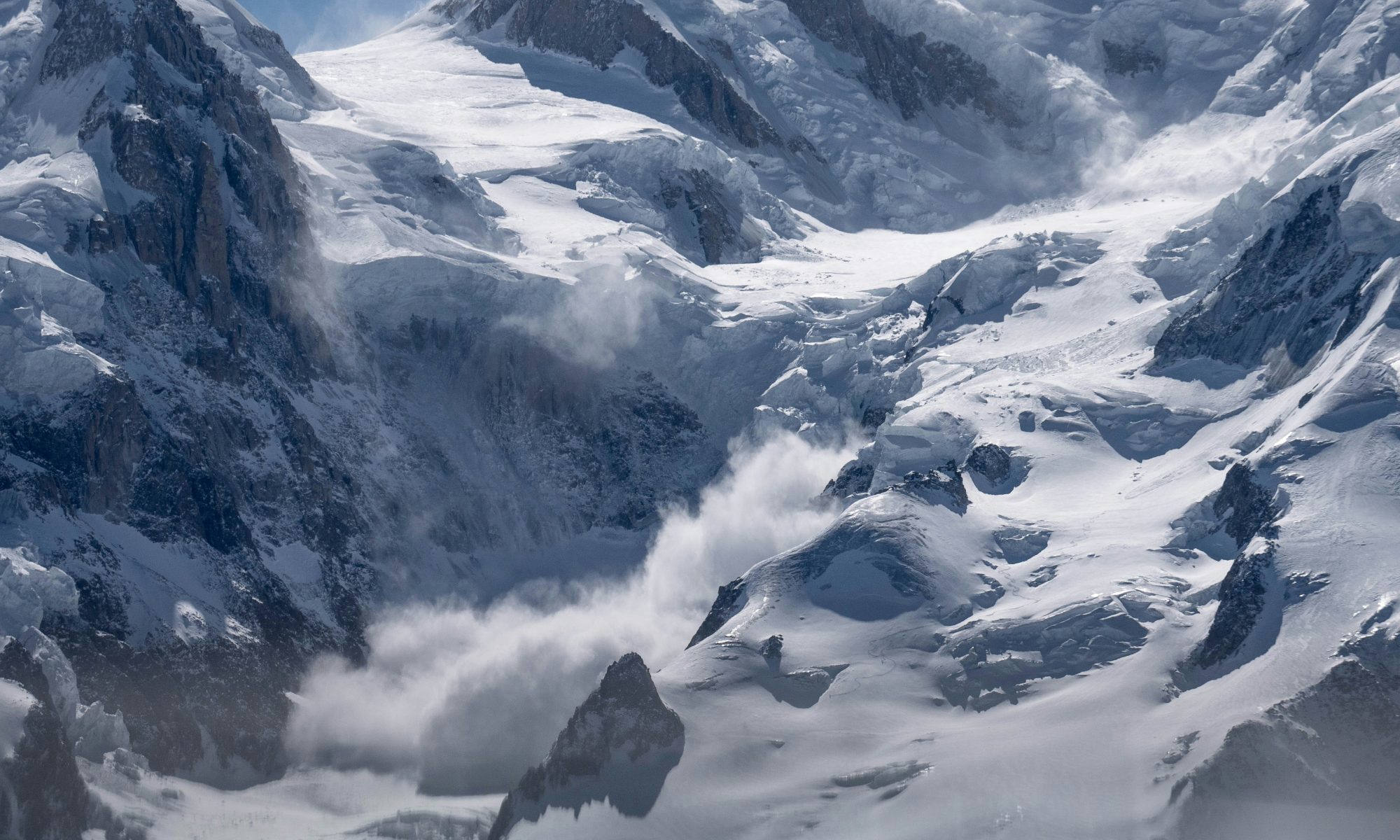
Avalanche in Chamonix. Stock photo: Krzysztof Kowalik. Unsplash.

The European Avalanche Danger Scale, used across the Alps and most mountain regions in Europe, may soon receive an update aimed at making avalanche forecasts easier to understand. The system is the standard framework used in avalanche bulletins across Europe to communicate snowpack stability and avalanche risk.

The five familiar danger levels will remain the same. However, avalanche forecasters are reviewing how the scale is explained and communicated to the public, with the goal of improving clarity for skiers, snowboarders and backcountry users.

Avalanche danger levels such as Level 3 (Considerable) and Level 4 (High) are often misunderstood by recreational skiers. Many avalanche accidents occur under these conditions because the snowpack can still produce large human-triggered avalanches even when danger is not at the highest levels.

To support the work, the network of European avalanche forecasting agencies known as European Avalanche Warning Services (EAWS) has launched a public survey asking mountain users to evaluate new wording and descriptions used in avalanche bulletins.

Continue reading “The European Avalanche Danger Scale May Change — What Skiers Should Know”

Avalanche Fatality Near Ptarmigan Pass, Colorado – Victim Found in Boss Basin Slide

Ptarmigan Pass- Google Maps.

A backcountry avalanche near Ptarmigan Pass in Colorado’s Tenmile Range has claimed the life of a missing person following an overnight search operation.

Rescue teams located the victim on the morning of March 8, 2026, buried in avalanche debris in the Boss Basin area, an upper portion of Resolution Creek south of Ptarmigan Pass.

Authorities have not yet released the identity of the victim.

Search Operation and Discovery

According to the Colorado Avalanche Information Center, the person was reported missing on the evening of March 7.

Multiple agencies responded to the search, including:

  • Summit County Rescue Group
  • Vail Mountain Rescue Group
  • Summit County Sheriff’s Office
  • Eagle County Sheriff’s Office

During the search operation, rescuers identified an avalanche with ski and snowmobile tracks nearby and leading into the slide path.

At sunrise on March 8, the search resumed with aerial support from Flight For Life Colorado.

The missing person was located deceased within the avalanche debris.

Continue reading “Avalanche Fatality Near Ptarmigan Pass, Colorado – Victim Found in Boss Basin Slide”

Why Wet Avalanches Happen in Spring in the Alps

Wet snow avalanche on a sunlit alpine slope during spring thaw in the Alps

As winter transitions toward spring, avalanche conditions in the Alps often change in important ways. While mid-winter avalanches are frequently triggered by new snowfall and wind loading, late-season avalanches are more commonly linked to warming temperatures and melting snow.

These are known as wet avalanches, and they become increasingly common during late winter and spring across Alpine regions.

Understanding how and why wet avalanches form is essential for skiers, mountaineers and anyone travelling in the mountains during the warmer part of the season.


What Is a Wet Avalanche?

A wet avalanche occurs when liquid water weakens the bonds between snow grains, reducing the strength of the snowpack.

Unlike dry slab avalanches — which often break suddenly — wet avalanches typically occur when melting snow becomes heavy and unstable.

Continue reading “Why Wet Avalanches Happen in Spring in the Alps”

Saharan Dust Reaches the Alps as Freezing Levels Rise Above 3000 m

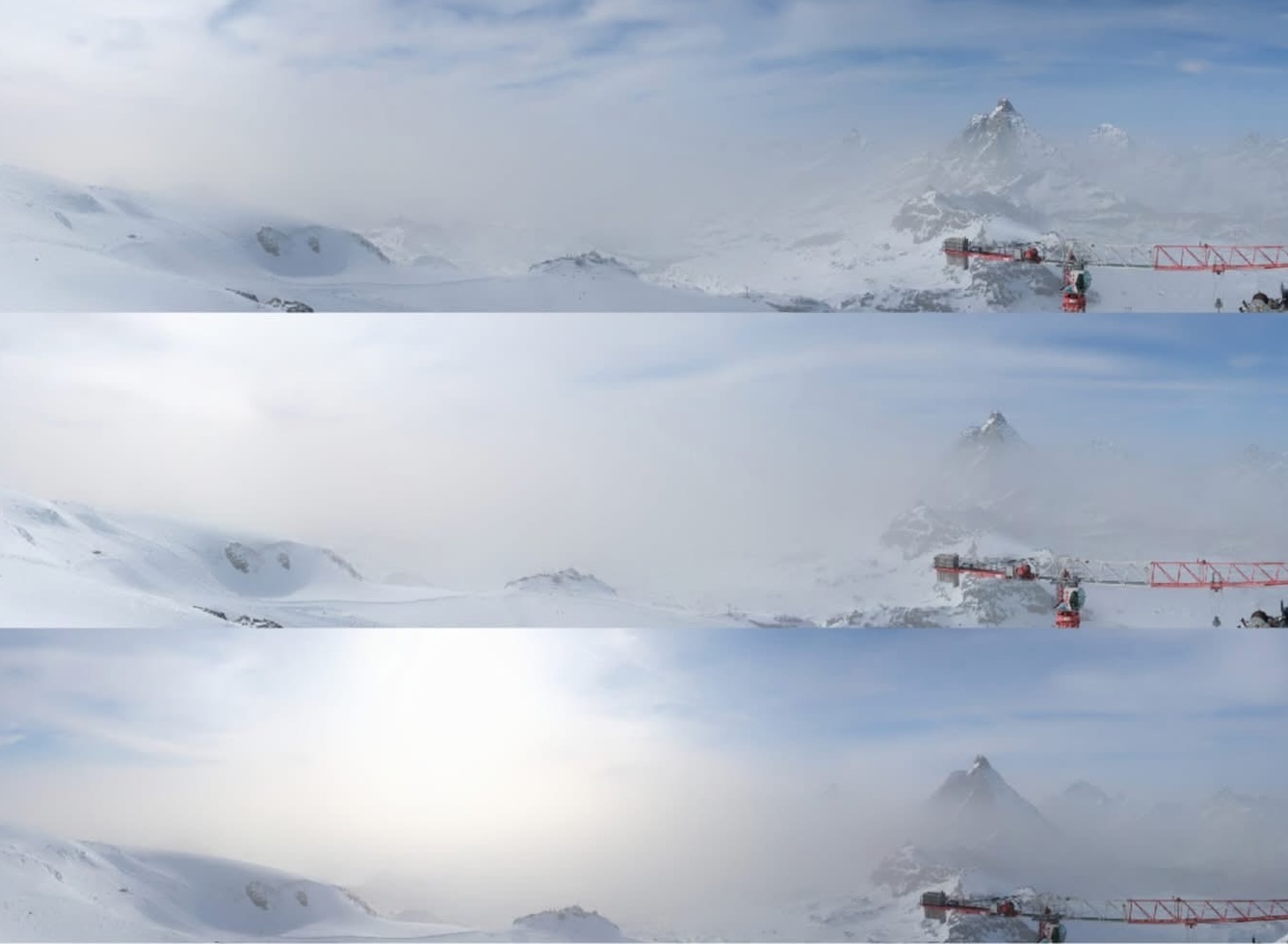
Saharan dust haze visible over the Alps at Piccolo Cervino above Cervinia

A hazy sky observed across parts of the Aosta Valley and the wider Alps in early March has an unusual origin: Saharan dust transported north across the Mediterranean.

Meteorological observations indicate that large quantities of fine sand particles from the Sahara Desert have been carried into Alpine air masses during a prolonged period of high pressure.

Similar Saharan dust events have been documented by atmospheric monitoring services across Europe, including observations from the Copernicus Atmosphere Monitoring Service, which regularly tracks large dust plumes transported from North Africa into the Mediterranean and Alpine regions. These atmospheric events can influence visibility, air quality and — when dust settles on snow surfaces — the evolution of the mountain snowpack.

The result has been a visible veil of haze in the atmosphere and dust deposition on snow surfaces at high altitude, something that can have important consequences for the evolution of the snowpack.

Webcam images from Piccolo Cervino (3883 m), above Breuil-Cervinia, show the progressive increase of dust suspended in the air during the day.

Meteorologists across the region also report exceptionally mild temperatures for the time of year, with freezing levels remaining unusually high for several consecutive days.

These episodes are part of a broader pattern of extreme weather in the Alps, affecting snow quality and melt rates.

Similar patterns are now visible beyond the Alps, where extreme heat has forced early resort closures in North America.

Continue reading “Saharan Dust Reaches the Alps as Freezing Levels Rise Above 3000 m”

Ski Catastrophic Injuries Rise in the U.S. — What European Safety Data Reveals About Real Risks on the Slopes

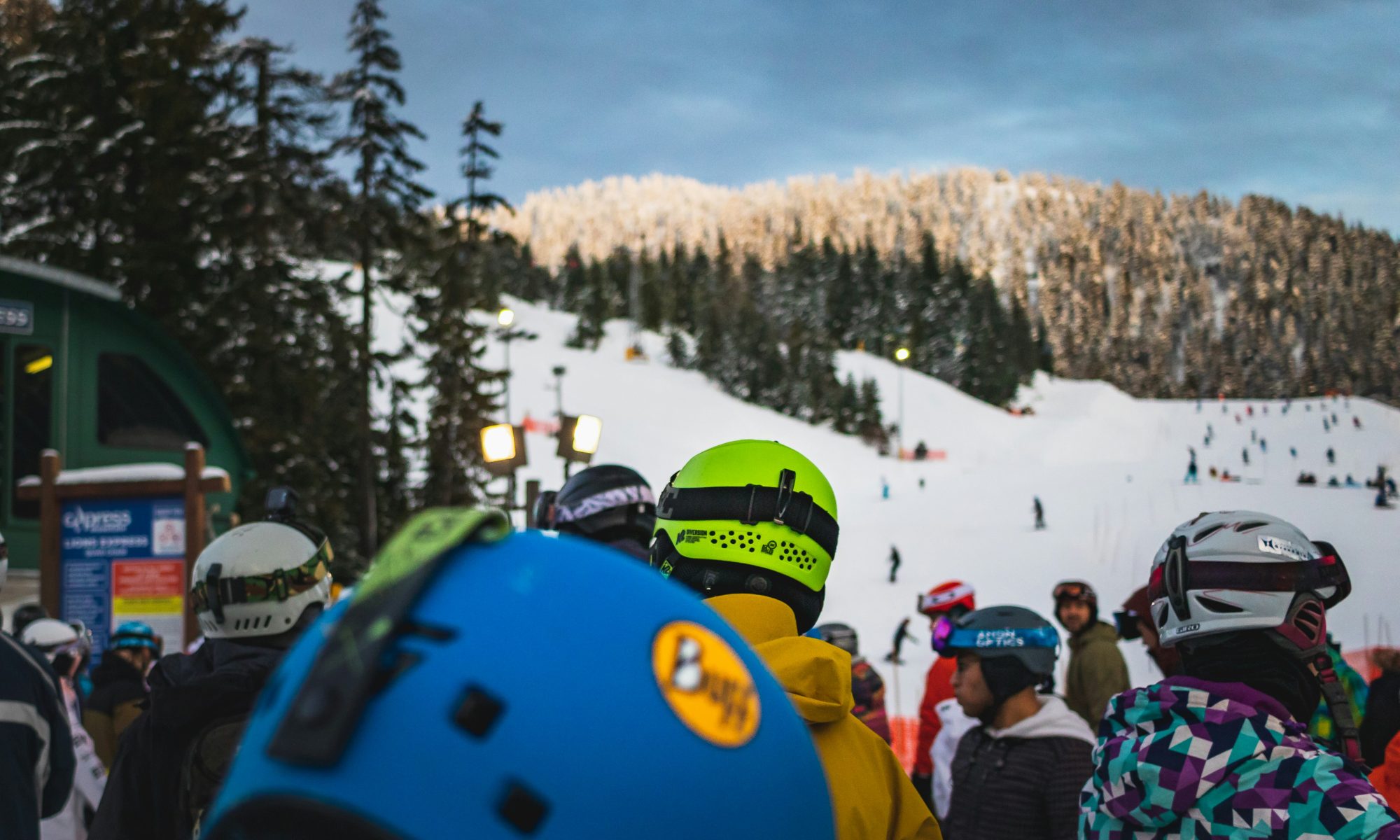
Crowded ski resort piste. Unsplash. Greg Rosenke.

New safety data shows ski catastrophic injuries increased in the United States during the 2024–2025 winter season, prompting renewed discussion about skier behaviour, safety equipment, and the structural pressures facing modern ski areas.

But when these figures are compared with European injury statistics from France, Switzerland, Austria, and Italy, a more complex picture emerges.

Across the Alps, researchers and mountain medical organisations consistently highlight the same factors behind serious ski accidents: speed, collisions, terrain choices, crowding, and human behaviour — far more than helmet usage alone.


Key Ski Safety Statistics

Recent data from North America and Europe provides a clearer picture of the real risks on the slopes.

Continue reading “Ski Catastrophic Injuries Rise in the U.S. — What European Safety Data Reveals About Real Risks on the Slopes”