Swiss Glacier Instability Near Blatten Highlights Growing Alpine Risk

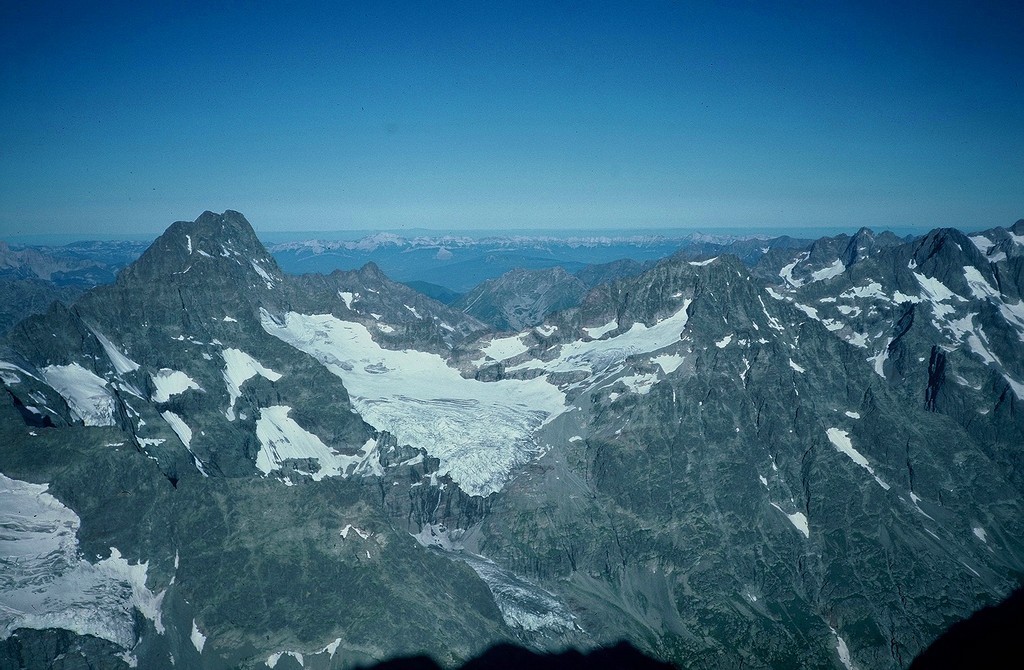
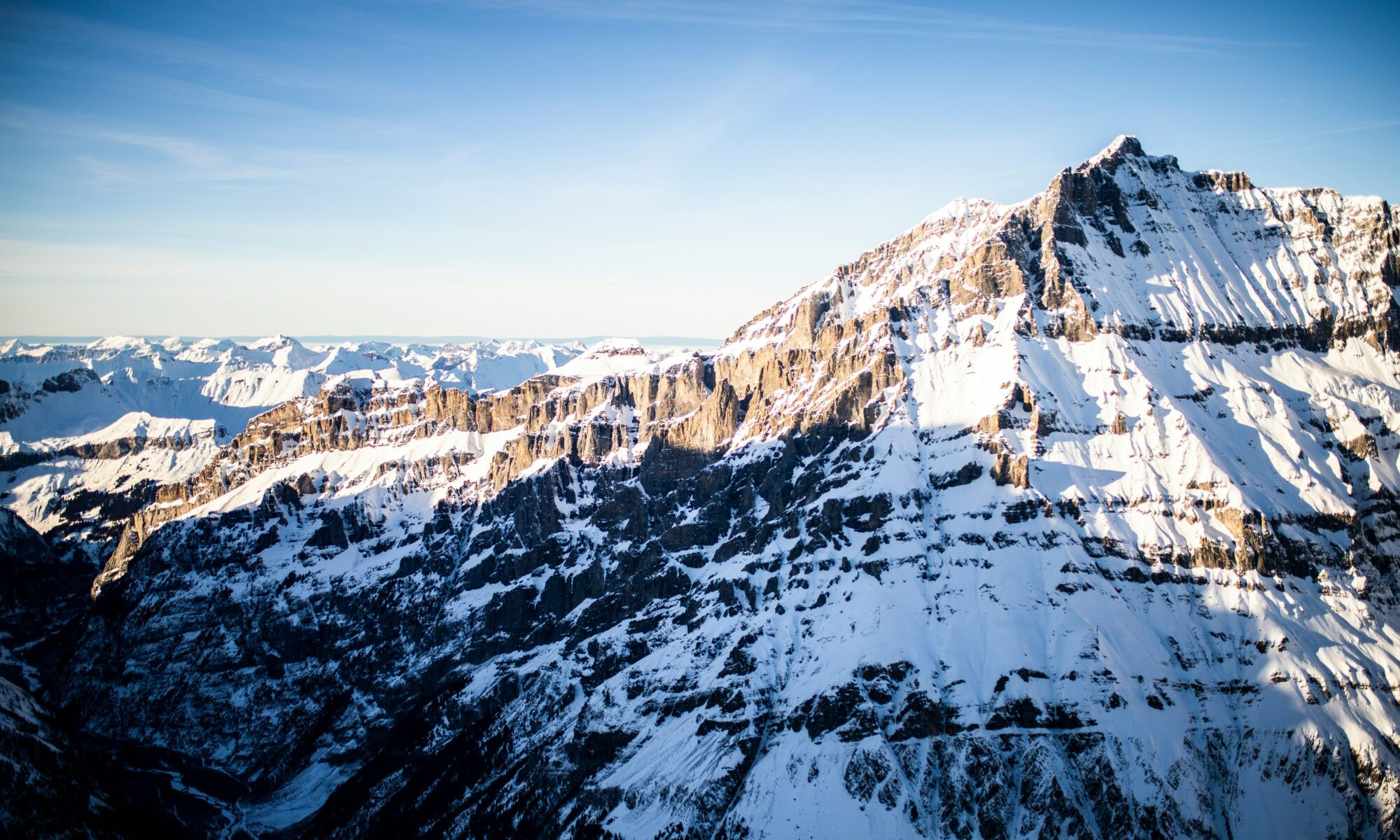
Lauchernalp. Lötschental, Valais, Switzerland. Photo: Caspar Camille Rubin. Unsplash.

Nearly a year after the catastrophic collapse that destroyed much of the Swiss village of Blatten, authorities are again monitoring instability in the same high-mountain area above the Lötschental valley. The renewed concerns are a reminder that the risks linked to glacier retreat, thawing permafrost, and unstable rock faces in the Alps are not disappearing after a single event — and may instead become a longer-term operational challenge for mountain communities, infrastructure, transport routes, and tourism regions. 

Swiss authorities confirmed this week that parts of the glacier and surrounding mountain terrain near Blatten continue to show signs of instability, while access to the disaster zone remains dangerous because of ongoing rockfall and debris movement. The original collapse on 28 May 2025 saw millions of cubic metres of rock, ice, and mud surge down the mountain in less than a minute, destroying most of the village after a successful evacuation of around 300 residents. One person died in the disaster. Continue reading “Swiss Glacier Instability Near Blatten Highlights Growing Alpine Risk”
Why Low Avalanche Danger Does Not Mean No Avalanche Risk

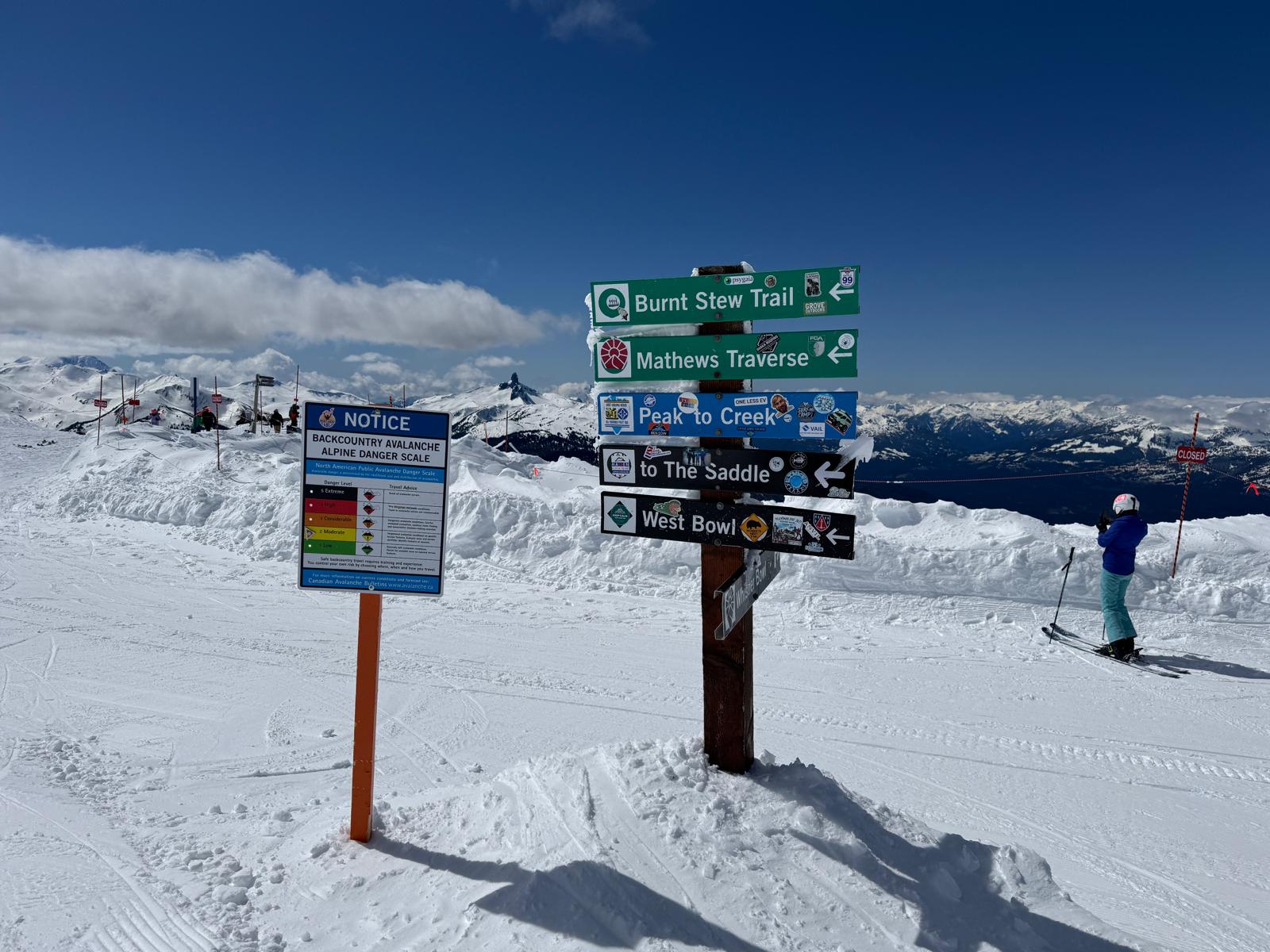
Avalanche posts on top of Whistler Mountain. Photo: The-Ski-Guru.

A Level 1 — Low avalanche danger rating does not mean the mountains are avalanche-free.

This is one of the most important — and most misunderstood — aspects of avalanche forecasting.

The European Avalanche Danger Scale describes the overall stability of the snowpack across a region. Even during Low danger conditions, isolated unstable slopes and specific avalanche problems may still exist.

Avalanche accidents can and do occur at Level 1.

Although the probability of triggering an avalanche is generally lower than during Moderate, Considerable, or High danger conditions, local terrain features can still create serious hazards.

This is especially true in steep alpine terrain, heavily wind-loaded slopes, glacier entrances, terrain traps, or sectors affected by glide avalanches.

At Level 1, natural avalanches are generally unlikely and the snowpack is considered mostly stable.

However, “mostly stable” does not mean “completely stable.”

Continue reading “Why Low Avalanche Danger Does Not Mean No Avalanche Risk”

Why Avalanche Accidents Still Happen at Level 2 – Moderate

Avalanche Level 2 Photo: Avalanchegeeks.com

A Level 2 — Moderate avalanche danger rating is one of the most misunderstood conditions in the mountains.

For many recreational skiers and occasional ski tourers, a Level 2 bulletin can sound relatively reassuring. The word “moderate” often creates the impression that conditions are largely stable and that avalanche risk is limited.

In reality, many serious avalanche accidents still occur during Level 2 conditions.

Continue reading “Why Avalanche Accidents Still Happen at Level 2 – Moderate”

Fresh Snow, Wind Slabs and Spring Avalanche Risk Return to the Écrins

Aiguille de Olan- Photo: Alain Bellon. Altituderando.com

Nearly One Metre of Snow in Five Days: Renewed Avalanche Instability in the French Alps

A fatal avalanche accident in the Écrins massif and multiple recent avalanche observations across the French Alps are highlighting how rapidly spring mountain conditions can deteriorate following late-season snowfall and wind transport.

On Friday morning, a Savoyard high mountain guide died after being swept away by a wind slab avalanche near the summit of the north face of the Aiguille de l’Olan in the Oisans massif. According to early reports, the guide and a companion were close to the summit and had reportedly intended to ski the descent when a wind slab suddenly released, carrying one of the climbers approximately 400 metres down the face.

A second fatal avalanche accident was reported the following day in the Mont Blanc massif, where a young French skier died on Saturday 9 May after being swept away on the north face of the Aiguille du Plan above Chamonix. According to Le Dauphiné Libéré, three skiers aged around 20 to 25 were descending the face when they triggered a fresh-snow avalanche shortly after midday. One skier was carried away and later found dead by PGHM Chamonix rescuers, while his two companions were evacuated from the route. The accident adds further weight to warnings about late-spring instability following recent snowfall across the northern French Alps.

Continue reading “Fresh Snow, Wind Slabs and Spring Avalanche Risk Return to the Écrins”

Lago di Braies Ice Collapse: Tourists Fall Into Freezing Water as Dozens Walk on Thawing Surface

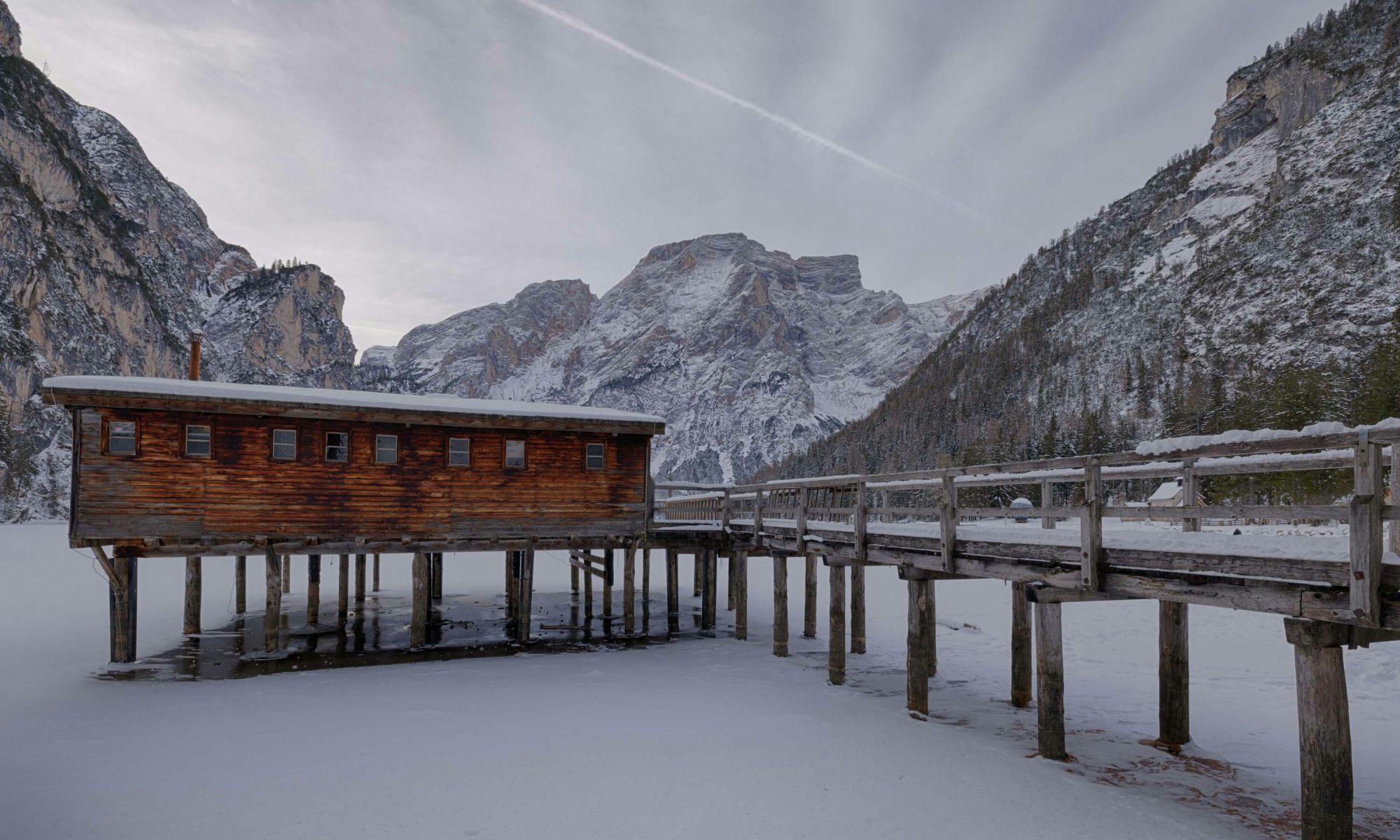
A frozen Lago di Braies in the Dolomites of Sudtirol. Photo: Edoardo Bortoli. Unsplash.

Lago di Braies in South Tyrol became the scene of a serious Easter weekend safety incident after a section of ice gave way beneath visitors walking on the lake. According to local reporting, five people ended up in the freezing water, while rescuers arriving at the scene found that many others were still walking across the surface despite the obvious danger. 

The episode was described in stark terms by Simon Feichter of the Alta Pusteria mountain rescue service, who told Corriere del Alto Adige that there were around one hundred people on the frozen surface. He called the situation “a folly”, warning that people simply saw ice and assumed it was safe. 

Rai News reported that the initial victims were two minors, a brother and sister, who ventured onto the ice during Easter Sunday afternoon. Their father and two other people then also fell into the water while trying to help them. All were eventually brought back to shore with the help of other people on site before emergency responders took over. 

Continue reading “Lago di Braies Ice Collapse: Tourists Fall Into Freezing Water as Dozens Walk on Thawing Surface”

Early Melt Forces Ski Resort Closures Across Colorado & Utah

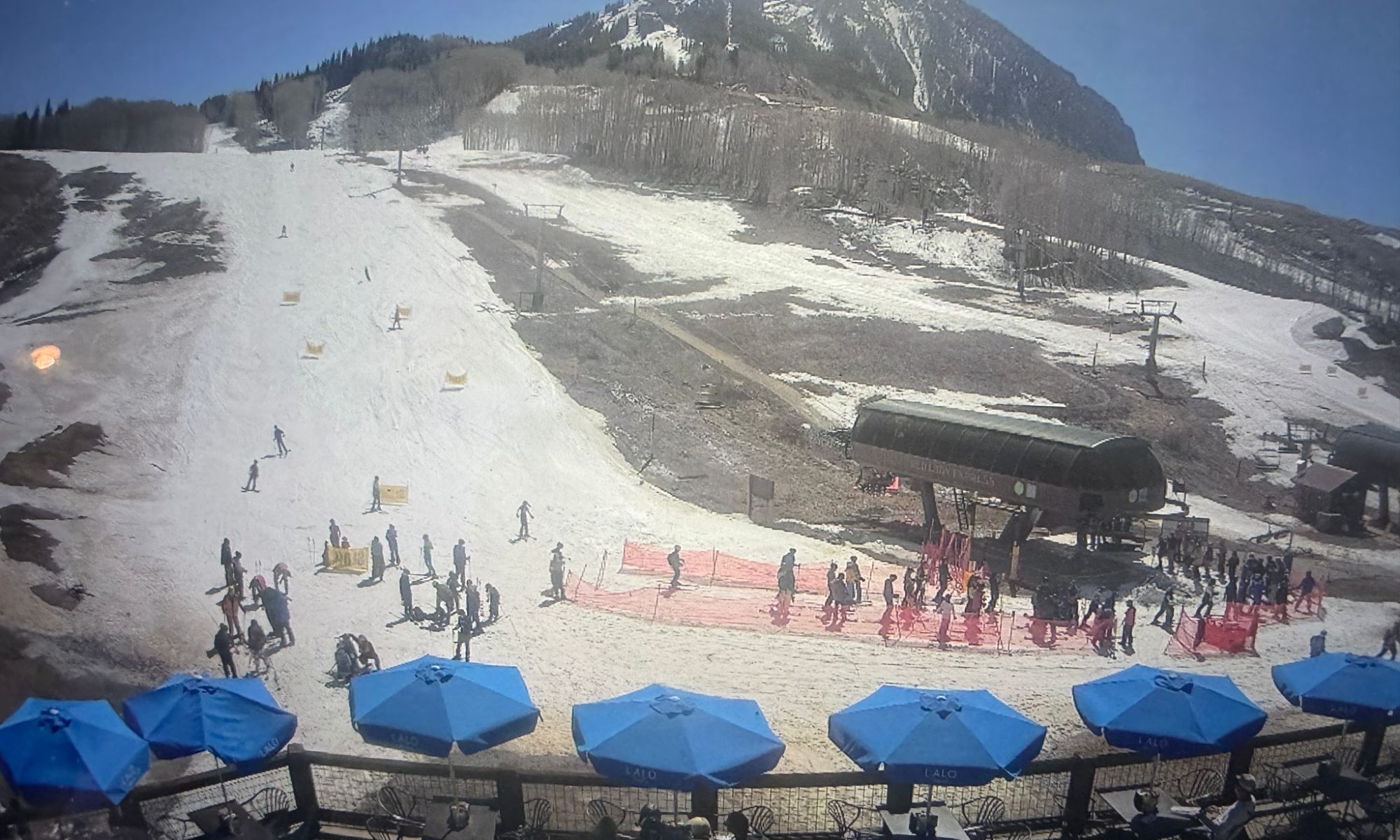
Base of Mt Crested Butte on 27th March, 2026 webcam. Crested Butte is one of the resorts that is having shrinking terrain to offer due to an extremely hot spring.

An unusually warm March across the western United States is forcing early ski resort closures in Colorado and Utah, as rapidly melting snowpack and thinning coverage reduce terrain and raise safety concerns — a dynamic increasingly familiar across Alpine regions, where mid-season warm spells are also reshaping snow conditions.

Several resorts have already shut, while others are now expected to close earlier than planned. What would normally be a gradual late-season transition has instead become a rapid shift from winter to spring.

👉 Snow Conditions in a Warming Alpine Climate


Colorado Ski Resorts Facing Early Closure After March Heatwave

Across Colorado, the 2025–2026 ski season is ending earlier than expected following a sustained period of above-average temperatures combined with a relatively weak snowpack.

Continue reading “Early Melt Forces Ski Resort Closures Across Colorado & Utah”

Wind Slabs Trigger Multiple Avalanches Across the French Alps After Storm Cycle

A wind slab- photo: Avalanche.org. Why Wind Is One of the Most Dangerous Avalanche Triggers.

A series of avalanche incidents reported on 26 March 2026 across the French Alps, particularly in Haute Tarentaise, Maurienne and Vanoise, point to a renewed phase of instability driven by strong winds, very cold temperatures, and fresh snow accumulation.

According to field observations and local reporting including Le Dauphiné Libéré, current conditions are favouring the formation of wind slabs (plaques à vent) — one of the most dangerous and unpredictable avalanche problems in the Alps.

These types of conditions are typically reflected within the
👉 European avalanche danger scale (Levels 1–5 explained)
https://www.the-ski-guru.com/2026/03/14/european-avalanche-danger-scale-levels/


PIDA Operations in Tignes: Wind Slabs Forming Under Extreme Conditions

In Tignes (Col de la Leisse, above the Génépi piste), avalanche control teams carried out manual PIDA operations as activity resumed under severe weather conditions.

Continue reading “Wind Slabs Trigger Multiple Avalanches Across the French Alps After Storm Cycle”

Mount Hood Avalanche Detected by Seismic Sensors — What This Technology Really Shows

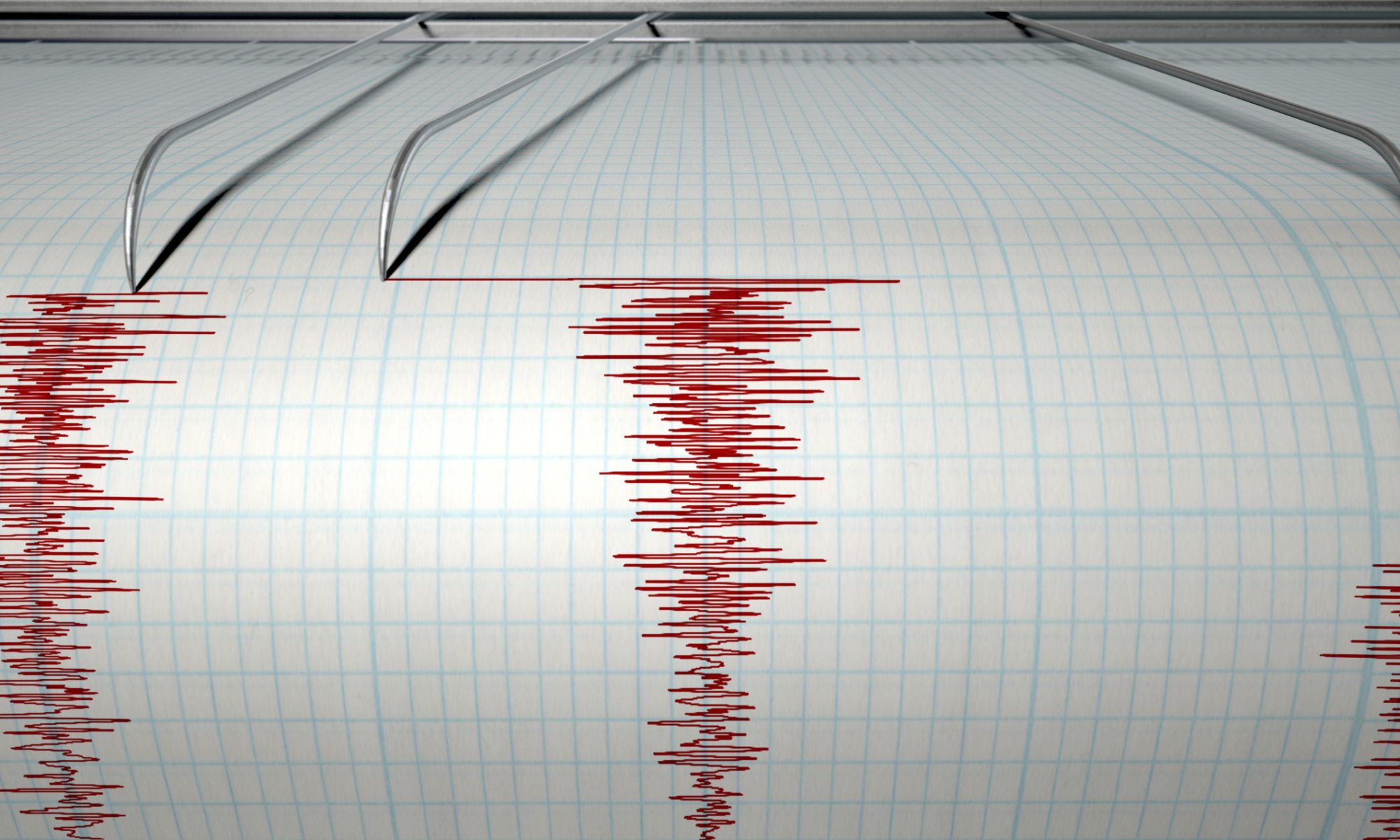
Seismograph Earthquake Activity

Mount Hood Avalanche Detected Without Direct Observation

A recent avalanche on Mount Hood, Oregon, was not directly observed — yet scientists were still able to determine exactly when it occurred.

The reason lies in seismic monitoring systems, originally designed to detect earthquakes and volcanic activity.

These instruments captured the avalanche as a distinct ground vibration signal, allowing researchers to reconstruct the timing of the event even in the absence of witnesses.


What Is Seismic Avalanche Detection?

Seismic monitoring relies on seismometers, highly sensitive instruments that record ground motion.

While typically used for:

Continue reading “Mount Hood Avalanche Detected by Seismic Sensors — What This Technology Really Shows”

Mont Blanc Rockfall Accident Kills Aspiring Alpine Guide During Training in Grand Flambeau

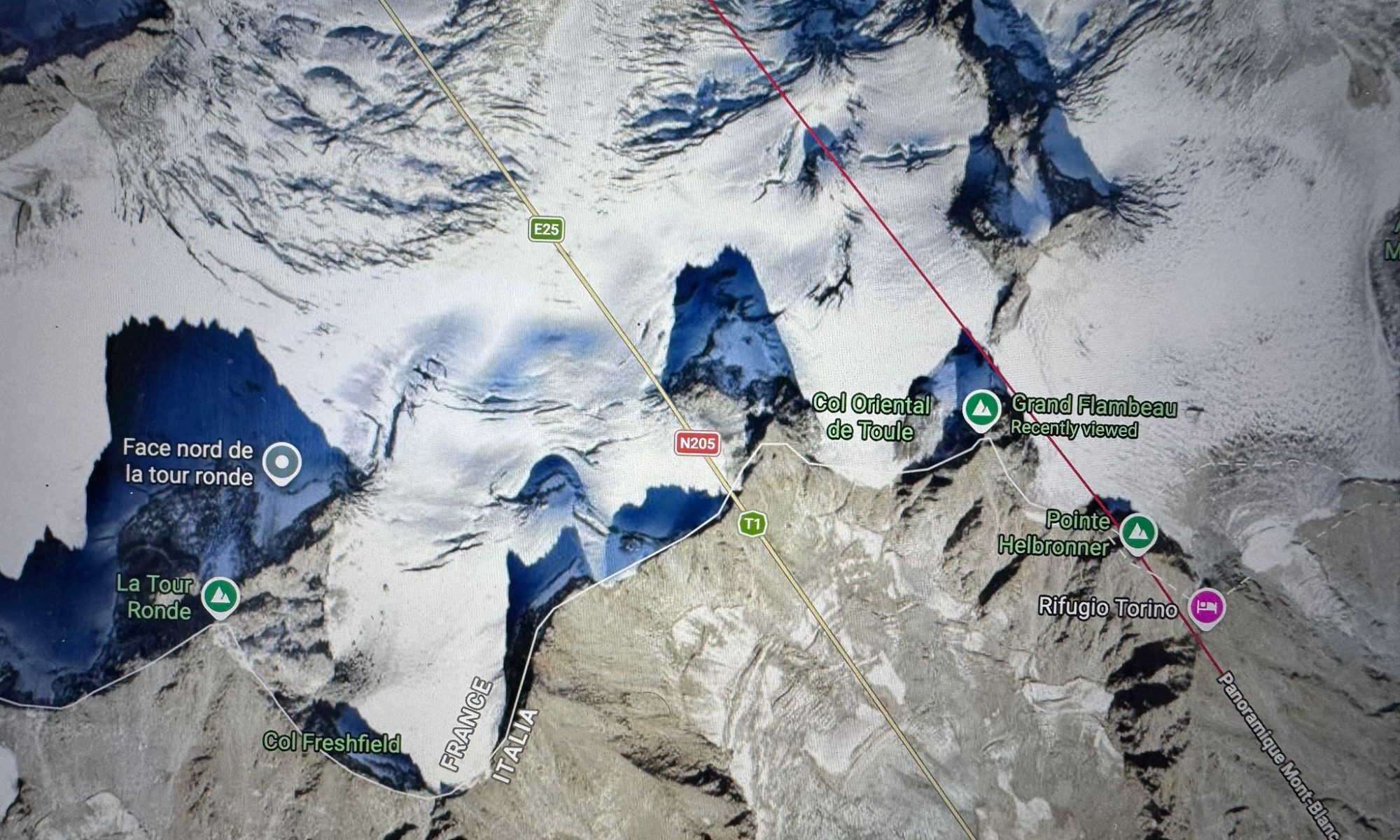
Grand Flambeau. Google Maps.

🏔️ A Tragic Accident on Mont Blanc


A serious mountain accident has claimed the life of an aspiring alpine guide on the French side of the Mont Blanc massif, in the Grand Flambeau area at around 3,400 metres.

The incident occurred on Thursday, 19 March 2026, shortly before 13:30, when a sudden rockfall struck a rope team during a training ascent.

📍 What Happened

According to reports from Italian regional media, the group was participating in a training course for aspiring alpine guides, organised by the Collegio Guide Alpine Friuli Venezia Giulia.

The rope team included:

  • one aspiring guide (victim)
  • one climber who sustained serious injuries (multiple fractures)
  • one qualified alpine guide, who was uninjured

Continue reading “Mont Blanc Rockfall Accident Kills Aspiring Alpine Guide During Training in Grand Flambeau”

🚨 Avalanche in Val Ridanna (South Tyrol): Two Dead, Multiple Buried in Major Rescue Operation

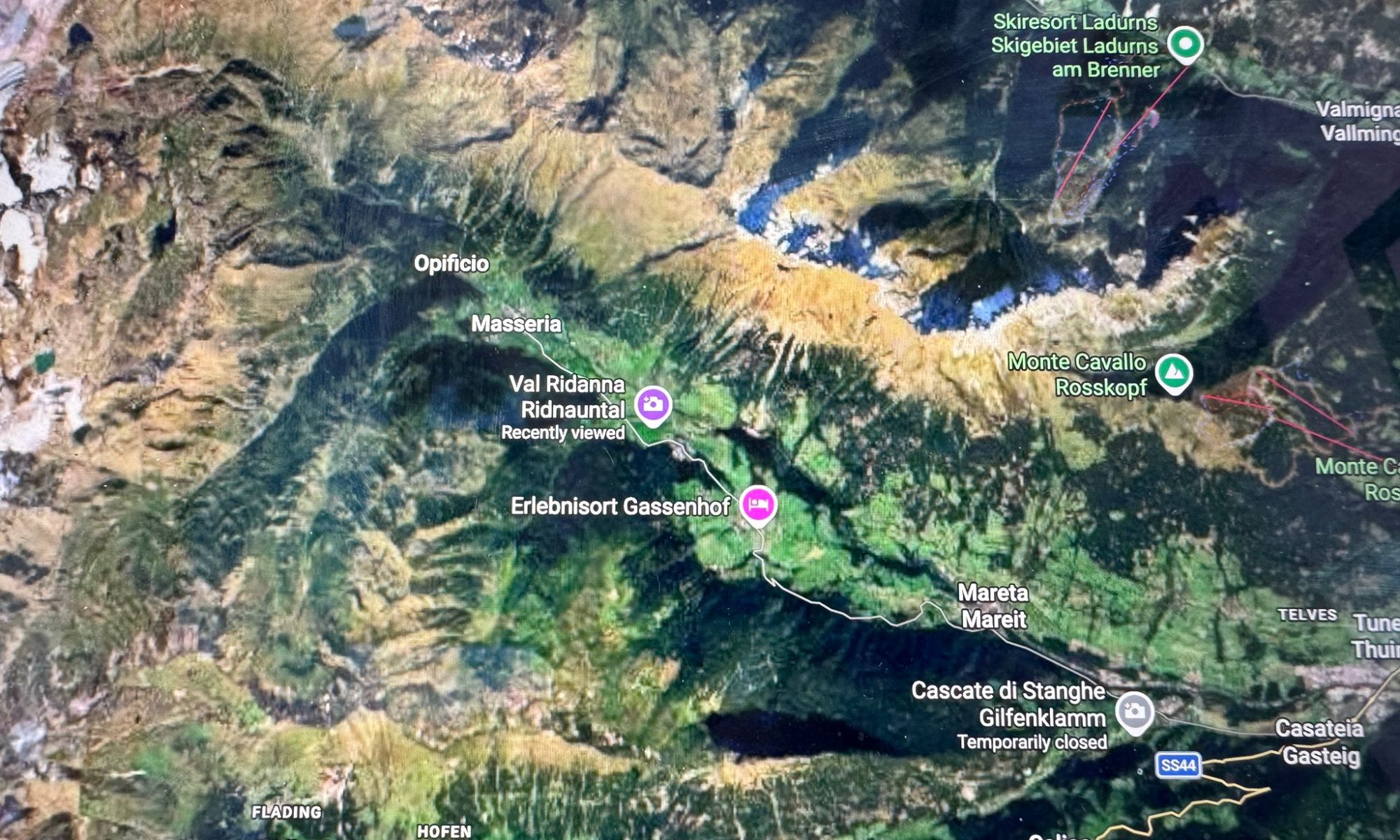
Val Ridanna. Google Maps.

Update – 22 March 2026

Local media in South Tyrol have identified the victim of the Val Ridanna avalanche as Martin Parigger, a 62-year-old alpine guide from Racines (Ridnaun).

According to reports from Corriere dell’Alto Adige and regional broadcaster Rai Alto Adige, Parigger was leading a group of mountaineers when the avalanche released from the Zunderspitze area at around 2,400–2,500 metres.

A major rescue operation involving multiple helicopters and dozens of rescuers was launched, but Parigger did not survive.

He was a well-known and highly respected figure in the Ridanna Valley, with decades of experience guiding in the local mountains.

His death is a stark reminder of the inherent risks even for the most experienced professionals in high-risk avalanche conditions.

A serious Val Ridanna avalanche has occurred in Val Ridanna (Ridnauntal), South Tyrol (Alto Adige), Italy, where a large slide reportedly swept away a group of around ten people, triggering a major emergency response.

According to early reports from Corriere dell’Alto Adige and Italian news agencies, two people have died, while others were buried or partially buried by the avalanche in what is now one of the most serious South Tyrol avalanche incidents of the season.

According to early reports from Corriere dell’Alto Adige and Italian news agencies, fatalities have been reported, while others were buried or partially buried by the avalanche.

This event is part of a wider pattern of extreme weather in the Alps, where increasingly unstable conditions are affecting snowpack and safety.

📍 What Happened

The avalanche struck in the Val Ridanna area, a valley near the Austrian border known for ski touring and off-piste terrain.

  • Around 10 people involved
  • Multiple burials reported
  • 2 confirmed fatalities
  • Large-scale search and rescue operation underway

Authorities quickly launched a major rescue operation, deploying:

Continue reading “🚨 Avalanche in Val Ridanna (South Tyrol): Two Dead, Multiple Buried in Major Rescue Operation”