Who Owns The Mountains? Why Some Ski Communities Are Pushing Back Against Consolidation

Flims Laax Falera photo: Irvin Aloise/Unsplash.

For more than a decade, one of the defining trends in the ski industry has been consolidation.

Large operators have expanded across North America and increasingly into Europe. Vail Resorts, Alterra Mountain Company, Compagnie des Alpes, Mountain Capital Partners and other groups have acquired resorts, developed pass alliances and built networks that span multiple destinations.

For many ski areas, access to capital has become essential. New lifts, snowmaking systems, mountain restaurants, summer attractions and employee housing projects often require investments that smaller operators struggle to fund.

This article is not arguing that local ownership is replacing consolidation. Rather, it examines a handful of recent examples where communities and local stakeholders have sought greater influence over the future of their ski resorts.

While consolidation remains the dominant trend, a small number of destinations are asking a different question:

Who should own the mountains?

Continue reading “Who Owns The Mountains? Why Some Ski Communities Are Pushing Back Against Consolidation”

Vail Resorts’ Epic Pass Sales Fall After One of the West’s Worst Ski Seasons

Vail Village. Photo credit: Zach Mahone. Vail Resorts.

Vail Resorts has reported lower third-quarter results and weaker early pass sales for the 2026/27 North American ski season, after what the company described as one of the most challenging winters in history across the western United States.

The figures are important not only for Vail Resorts, but for the wider ski industry. The Epic Pass model has helped reshape ski travel over the past two decades, encouraging skiers and snowboarders to commit before the season starts. That gives resort operators valuable early revenue and helps reduce the financial impact of poor snow conditions once winter is underway.

But after a very difficult 2025/26 season in the western US, the latest numbers suggest that even the advance-purchase pass model can be tested when snow conditions disappoint.

Continue reading “Vail Resorts’ Epic Pass Sales Fall After One of the West’s Worst Ski Seasons”

Are Investors Losing Faith in the Mega-Resort Ski Model?

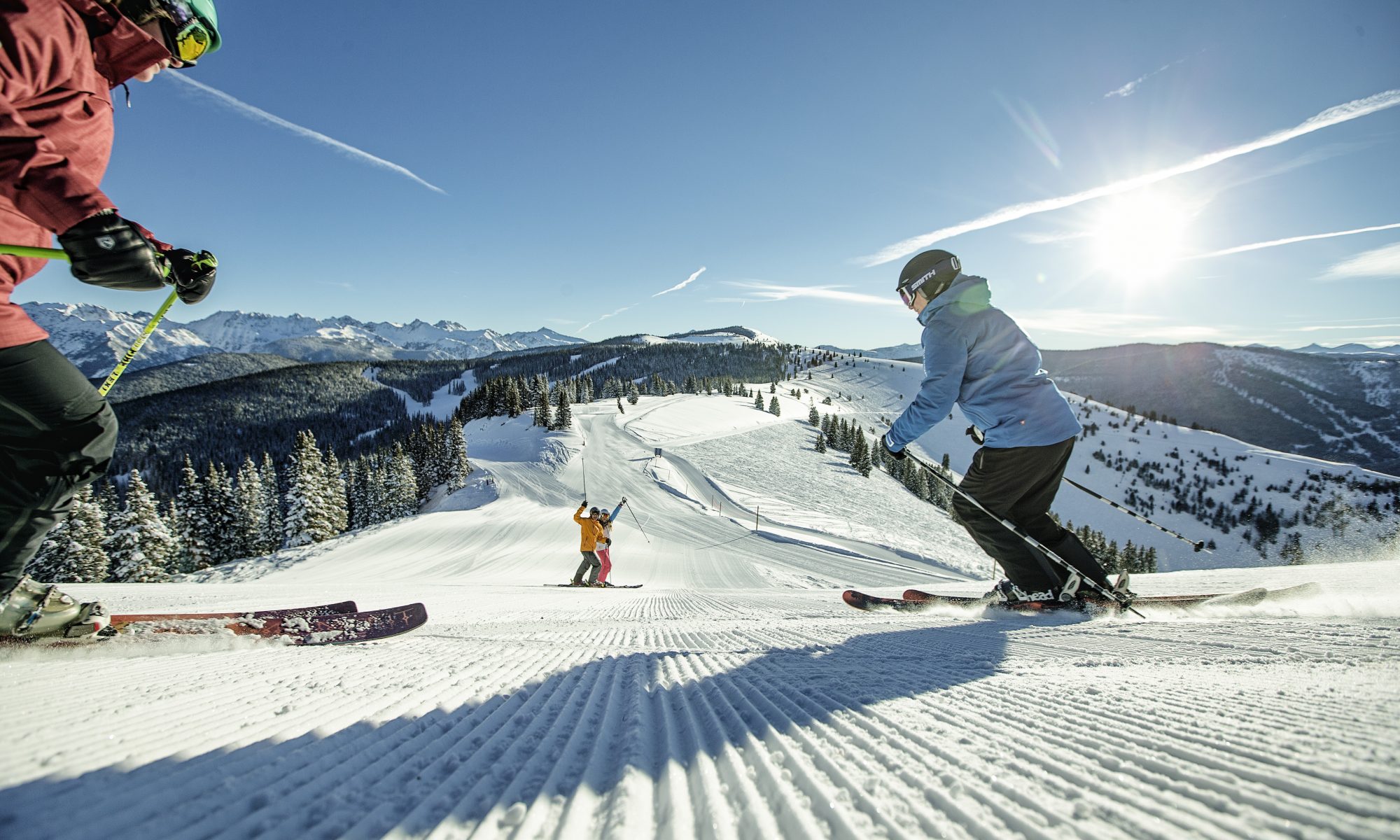
Friends Skiing Groomed Terrain in Vail, CO.. Photo: Daniel Milchev. Vail Resorts.

A recent filing showing that investment firm MSA Advisors sold its entire position in Vail Resorts may not be major news on its own. Institutional investors buy and sell shares every day. But in the context of the current ski industry landscape, the move raises broader questions about whether Wall Street is becoming more cautious about the future of the large destination ski resort model.

Over the past decade, Vail Resorts became one of the defining success stories of the modern ski industry. Through the growth of the Epic Pass, aggressive acquisitions, and expansion into Europe, the company transformed skiing into a subscription-style global business. Investors rewarded that strategy for years, helping turn Vail into one of the most valuable ski companies in the world.

But the environment facing ski resort operators in 2026 looks very different from the one that fuelled that expansion.

Continue reading “Are Investors Losing Faith in the Mega-Resort Ski Model?”

Vail Resorts Faces New Park City Ski Patrol Arbitration and Epic Pass Tax Pressure

Park City signage. Photo: Andrew Braden. Park City Ski Resort. Vail Resorts.

Vail Resorts is facing another round of scrutiny in the United States, this time from two different directions: ski patrol workers in Park City and state officials in New Hampshire.

The new developments come after a difficult period for the company, which has already faced criticism over the 2024–25 Park City ski patrol strike, customer disruption during peak holiday weeks, broader legal scrutiny over ski pass pricing, and questions about how large corporate ski resort operators balance profitability, staffing and guest experience.

Now, the Park City Professional Ski Patrol Association has accused Vail Resorts of violating its collective bargaining agreement by offering a benefit to non-union ski patrollers that unionized patrols have not received. At the same time, New Hampshire officials have been challenging Vail Resorts over a controversial “blended sales tax” added to some Epic Pass products, despite New Hampshire being a state with no sales tax.

Together, the stories point to a wider issue for Vail Resorts: the company’s operating model is increasingly being challenged not only by workers, but also by customers, state officials and local communities.

Continue reading “Vail Resorts Faces New Park City Ski Patrol Arbitration and Epic Pass Tax Pressure”

Housing the Workforce: The Growing Constraint on Mountain Tourism from Aspen to the Alps

Homes built by Habitat for Humanity Vail Valley. Stratton Flats Neighborhood in Gypsum Photo: Ben Roof/Special to the Summit Daily

The conversation around ski destinations has long focused on snow, infrastructure, and demand. Yet across North America and Europe, a different constraint is becoming increasingly visible: whether the people who operate these destinations can still afford to live within reach of them.

What appears at first as a local issue in individual resorts is, in reality, a structural challenge affecting mountain tourism globally. From Aspen to Zermatt, from Whistler to Cortina d’Ampezzo, the same question is emerging in different forms: who can still afford to live where tourism takes place, and how far can they be pushed away before the system begins to strain.

In North America, the issue is often framed directly as workforce housing. In Aspen, one of the most developed housing systems in ski tourism has been in place for decades, yet demand continues to exceed supply. Access to subsidised housing remains competitive, with strict qualification systems and long waiting lists. The conclusion is difficult to avoid: even a mature, highly structured model does not fully resolve the imbalance between housing supply and workforce demand.

Continue reading “Housing the Workforce: The Growing Constraint on Mountain Tourism from Aspen to the Alps”

U.S. Skier Visits Drop 14% in 2025–26 — A Weak Winter With Structural Signals

Some pistes in Vail Mountain. Photo: David Maunsell. Unsplash.

New data from the National Ski Areas Association (NSAA) confirms what operators across North America have been experiencing throughout the winter: skier visits in the United States fell by around 14% during the 2025–26 season.

The figures mark one of the most significant declines in recent years and a clear break after four consecutive seasons exceeding 60 million visits.

A Season Defined by the West

The decline is closely tied to what has been one of the weakest winters on record across large parts of the western United States.

Continue reading “U.S. Skier Visits Drop 14% in 2025–26 — A Weak Winter With Structural Signals”

Vail Resorts Visits Drop 14.9% — What It Reveals About Snow, Demand, and the Ski Industry Model

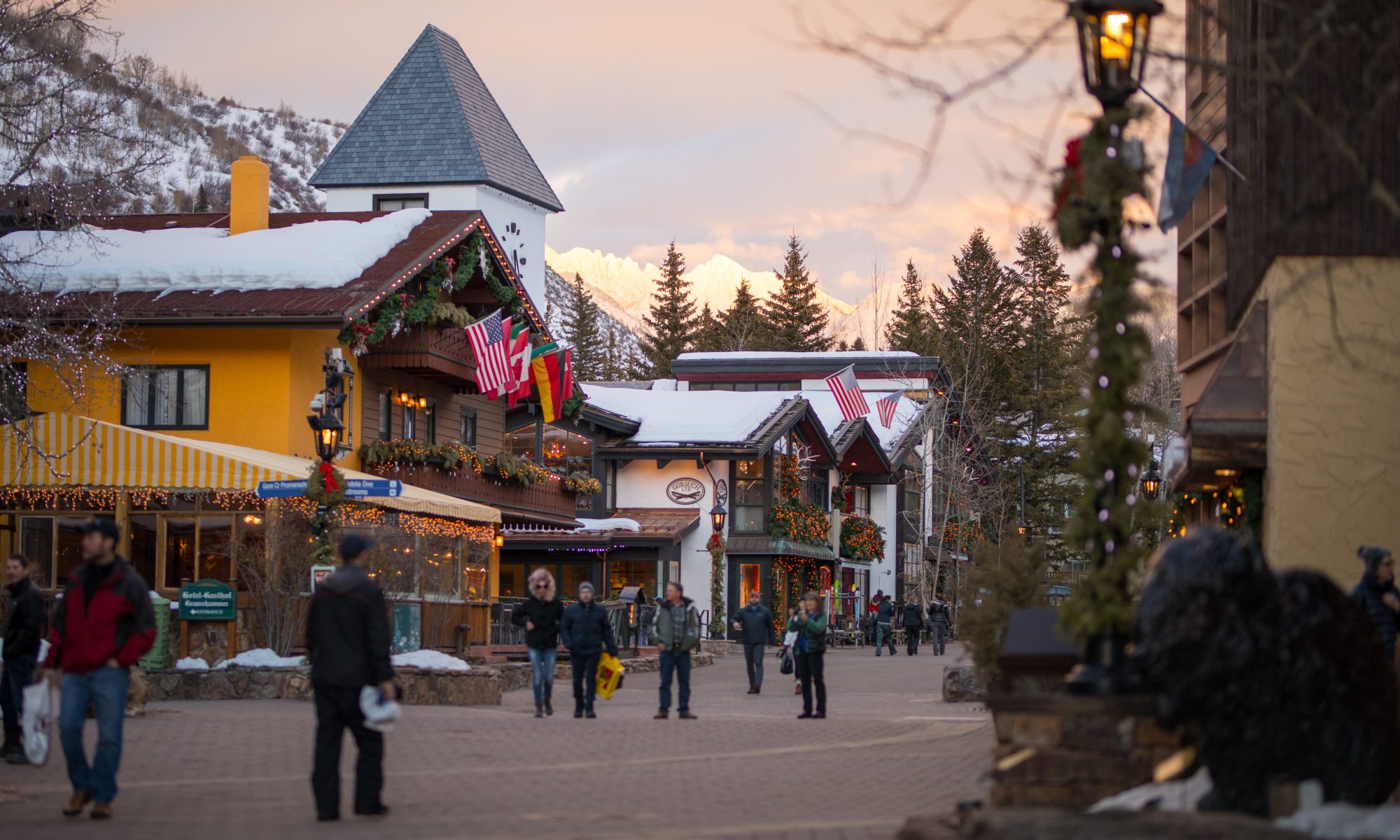
Vail's iconic village with the Gore Range Mountains capturing the sunset in Vail, CO. Photo: Craig Orsini. Vail Resorts. The Must-Read Guide to Vail.

Skier visits across Vail Resorts properties are down sharply this season, with new data confirming a Vail Resorts visits drop of 14.9% year-to-date. The figures, released as part of the company’s latest season metrics, point to one of the most challenging winters in recent years — but the implications go beyond a single bad season.

At a time when global skier visits have just reached record levels, the contrast is striking. While demand for skiing remains resilient overall, the underlying conditions that support it are becoming increasingly unstable.

Continue reading “Vail Resorts Visits Drop 14.9% — What It Reveals About Snow, Demand, and the Ski Industry Model”

Global Skier Visits Hit Record 399 Million in 2024–25 Season

Sierra Nevada- Abdiel Mejia. Unsplash.

Global skier visits reached a new all-time high of 399 million during the 2024–25 winter season, surpassing the previous record of 392 million set in 2018–19. The figures come from the latest edition of the International Report on Snow & Mountain Tourism, compiled by Laurent Vanat and presented at the Mountain Planet conference.

The data confirms that global demand for skiing remains resilient, even as the industry faces growing pressure from climate variability, rising costs, and infrastructure constraints.

Continue reading “Global Skier Visits Hit Record 399 Million in 2024–25 Season”

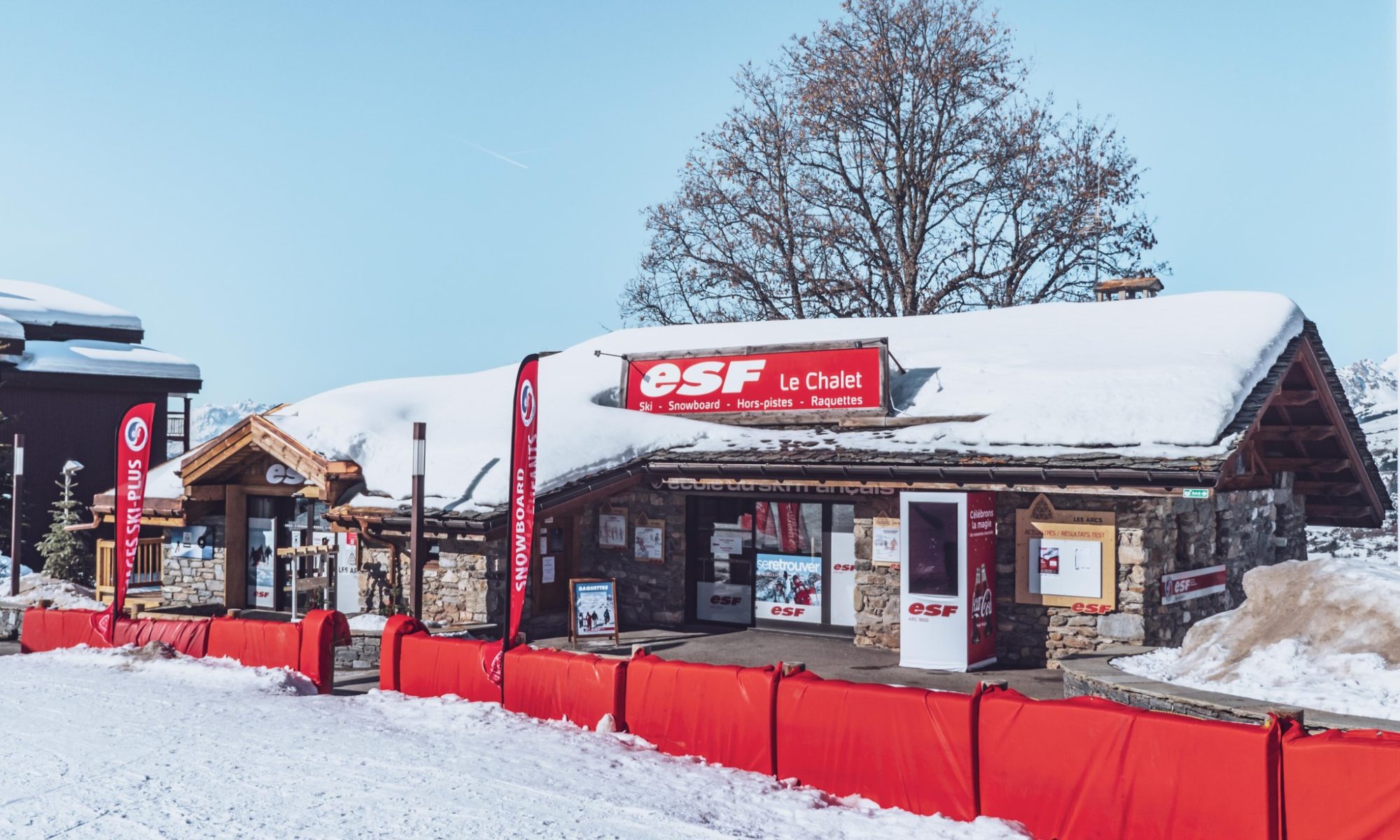
France Fines ESF Instructor Union €3.4M in Competition Ruling — What It Means for Ski Schools and Tour Operators

Photo: ESF Val Thorens Facebook page.

A €3.4 Million Fine That Challenges the French Ski School Model

France’s Autorité de la concurrence has fined the Syndicat national des moniteurs du ski français €3.4 million, in a decision that could have far-reaching implications for how ski instruction operates across the Alps.

At the centre of the ruling is the long-standing structure of the École du ski français, which dominates ski lessons in most French resorts.

The authority concluded that rules governing instructors’ affiliation with ESF restricted their ability to work independently or with competing schools, effectively limiting competition in the market.

Continue reading “France Fines ESF Instructor Union €3.4M in Competition Ruling — What It Means for Ski Schools and Tour Operators”

Record Heat Ends Ski Season Early in the US — What It Signals for the Alps

Sun Up Bowl view - Vail Resort webcam. 31 March, 2026.

Record heat is forcing ski resorts in North America to close early or operate with severely reduced terrain — highlighting growing pressure on the ski season.

At resorts operated by Vail Resorts, reports indicate that less than 20% of terrain remained open in some areas, as temperatures surged well above seasonal norms. In some cases, snow has been redistributed or mechanically moved to maintain limited operations.

While individual warm spells are not new, the timing and intensity of these events are shifting, raising broader questions about the structure of the ski season itself.

👉 For a full overview of one of North America’s most important destinations, see our guide to skiing Whistler Blackcomb, the largest ski resort on the continent with over 8,000 acres of terrain.

Continue reading “Record Heat Ends Ski Season Early in the US — What It Signals for the Alps”