

Most skiers assume that if a run is open, it is avalanche-proof. In reality, ski resorts reduce avalanche risk dramatically — but they cannot eliminate it completely, especially during Level 4 (Strong) and Level 5 (Very Strong) danger periods on the European avalanche danger scale.
During recent Alpine storm cycles, including February 2026, several incidents raised an important operational question: how can an avalanche reach or cross an open piste — and what systems are supposed to prevent that?
This explainer walks through the real-world avalanche control toolkit used by Alpine resorts, and what “extreme conditions” mean for in-bounds safety.
What Is PIDA?
In France, avalanche control on or near ski slopes is typically organised under a PIDA:
PIDA = Plan d’Intervention pour le Déclenchement des Avalanches — essentially an avalanche control intervention plan used to plan and supervise preventative releases, closures, and safety procedures to protect pistes, lifts, and infrastructure.
Resorts communicate these operations in different ways (morning closures, delayed lift openings, “piste security” notices), but behind the scenes, PIDA is the structured framework guiding decisions and actions.
The Main Tools: Gazex and Catex
Gazex: remote gas exploders
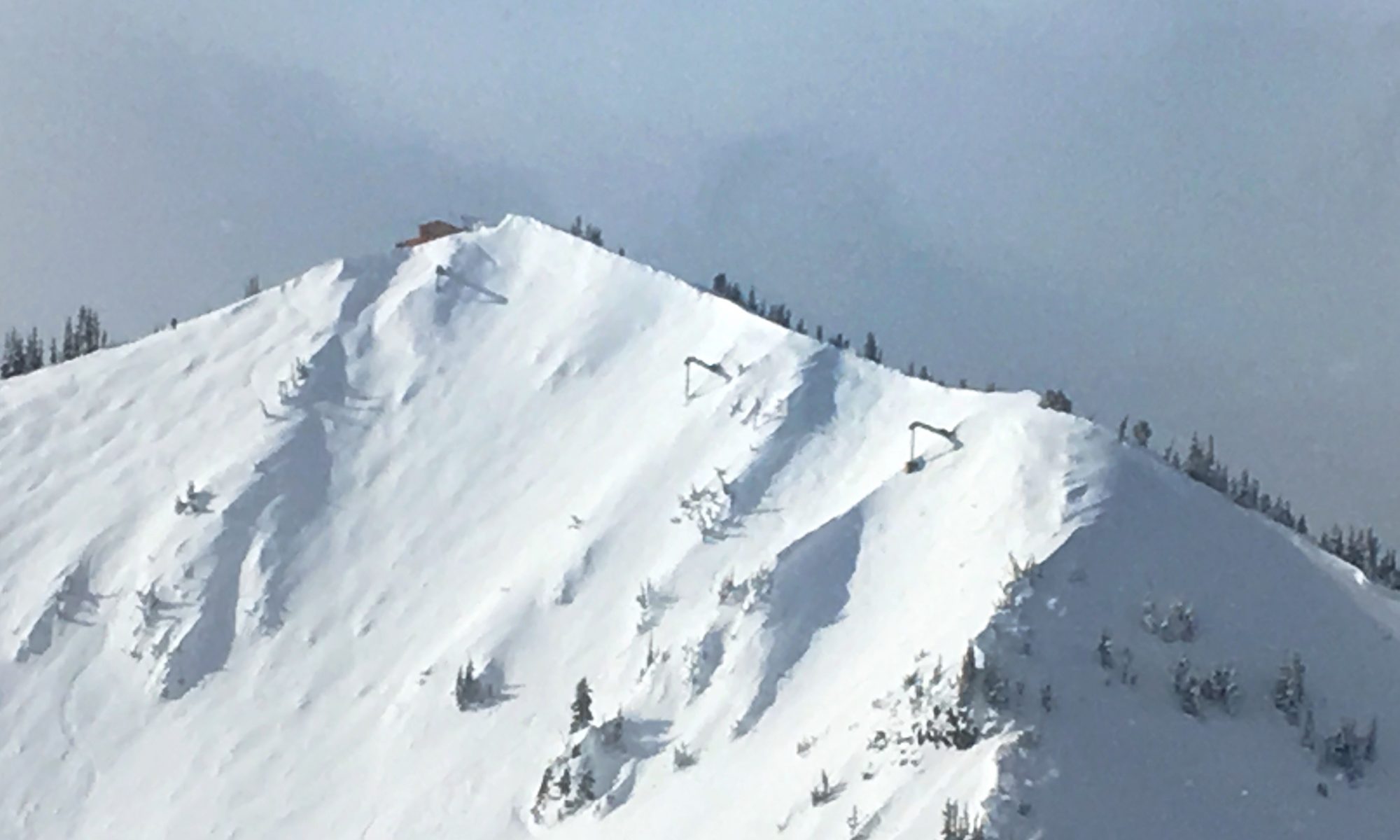
Gazex systems are fixed tubes installed in avalanche start zones. They create a controlled air blast using a gas mixture, designed to trigger small avalanches before they grow larger. They can be fired quickly and repeatedly when needed.
Catex: cable transport for explosive charges
CATEX is a cable-based system that transports explosive charges to specific points above a slope (like a ski-lift for explosives). It allows targeted triggering in different zones without sending people into dangerous terrain.
Resorts may also use hand-placed charges, helicopter bombing (where permitted), and other systems depending on terrain and regulations.
These systems are increasingly important as extreme weather in the Alps creates more variable and unpredictable snowpack conditions.
If Resorts Do All This, How Can an Avalanche Still Reach a Piste?
Even with strong mitigation programs, in-bounds avalanche risk is not zero. A key point from avalanche safety research is that in-bounds fatalities are rare largely because of mitigation, but “rare” doesn’t mean “impossible.”
In extreme Alpine cycles, several factors can combine:
1) Release from higher than expected start zones
Sometimes a slab releases from terrain above the usual “problem area,” or from a zone that historically hasn’t produced a large runout into pistes.
2) Size and runout exceed planning assumptions
Even if a start zone is known, the avalanche can be bigger than expected due to:
- rapid loading (heavy snowfall in 24–48 hours)
- strong wind transport building thicker slabs
- weak layers that propagate fractures widely
3) Timing: conditions change faster than control cycles
Control work is not a single morning action — it’s continuous decision-making. But rapid warming, wind shifts or new snowfall can change stability quickly.
During major storm cycles, resorts may delay openings or close terrain altogether — a process explained in detail in Why Ski Resorts Close Terrain After Heavy Snowfall.
4) Terrain is never “flatly safe” in steep Alpine resorts
Some pistes sit beneath serious avalanche terrain. Resorts reduce risk through control work and closures, but geography still matters.
What “In-Bounds” Really Means (and Doesn’t Mean)
“In-bounds” generally means within the ski area boundary and managed by the resort — groomed runs, marked itineraries, lift-served terrain.
But it does not mean:
- avalanche risk is impossible
- every slope above a piste can be perfectly neutralised
- open runs guarantee zero hazard during Level 4/5 periods
A useful way to communicate this to readers is:
Resorts aim for “reasonable risk reduction,” not absolute elimination — and extreme cycles are when residual risk becomes visible.
What Skiers Should Do in Level 4 and Level 5 Periods
For most skiers, the best safety strategy is behavioural, not technical:
- Respect closures (they often reflect control work or unmitigated hazard)
- Avoid stopping under steep faces, known runout zones, or closed-area boundaries
- Follow resort communications if lifts are delayed for control
- If you choose to ski itineraries/off-piste, treat it as backcountry: training + kit + partners
If you want deeper context, link readers to your explainers:
Insurance and Liability: A Practical (Non-Legal) Reality Check
When an avalanche affects a piste, public attention often shifts to responsibility and insurance. In practice:
- Many incidents will be assessed as natural hazard under exceptional conditions
- Operators usually rely on compliance with established safety frameworks (like PIDA) and closure protocols
- Liability questions depend on facts (warnings issued, closures, mitigation actions, signage, timing)
Related: February 2026 On-Piste and Near-Piste Incidents
Avalanche hits two pistes at La Flégère, Chamonix – skiers rescued
Méribel avalanche reaches the Biche blue piste – burials and rescue response
February 2026 Avalanche Cycle Across the Alps – consolidated cross-border overview
- Nakiska avalanche in Alberta – fatal in-bounds incident under investigation
FAQ
What does PIDA stand for?
PIDA stands for Plan d’Intervention pour le Déclenchement des Avalanches — the structured plan used to organise preventive avalanche control.
What is Gazex?
A fixed gas exploder system that triggers controlled blasts above the snowpack to release unstable slabs remotely.
What is Catex?
A cable-based system that transports explosive charges to precise points above avalanche slopes for controlled triggering.
Can an avalanche happen on an open piste?
It’s uncommon, but yes — particularly during extreme cycles. Mitigation greatly reduces risk but does not eliminate it entirely.
Sources and further reading
- PIDA explanations (French resorts / official context)
- Gazex and preventive triggering (manufacturer + resort explainer)
- CATEX system descriptions
- Research on in-bounds avalanche risk rarity (ISSW / avalanche science archive)
- data-avalanche.org avalanche database (context, monitoring)
 Planning your next trip to the Italian Alps?
 Planning your next trip to the Italian Alps?
If you’re heading to the Aosta Valley, take a look at Il Cuore della Valdigne, our family-owned apartment in Morgex, available for rent when we’re not using it ourselves.
It’s an ideal base to:
- Ski in Courmayeur, La Thuile and Pila
- Enjoy the mountains in summer (hiking, biking, nature)
- Explore the Mont Blanc valley in a quieter, more authentic setting.
 Ski in Courmayeur,
 Enjoy the mountains in summer (hiking, biking, nature)
Check my Mountain Art on my Shop
You can go to my shop and see what have been inspiring me lately, lots mountain landscapes in soft pastels, and now in oils too. Go here to check my latest works!

Featured Image: Detail of the Gaz-ex installed at Powder Bowl – photos by Kim Kirchner


Discover more from The-Ski-Guru
Subscribe to get the latest posts sent to your email.
 Subscribe to The-Ski-Guru here.