

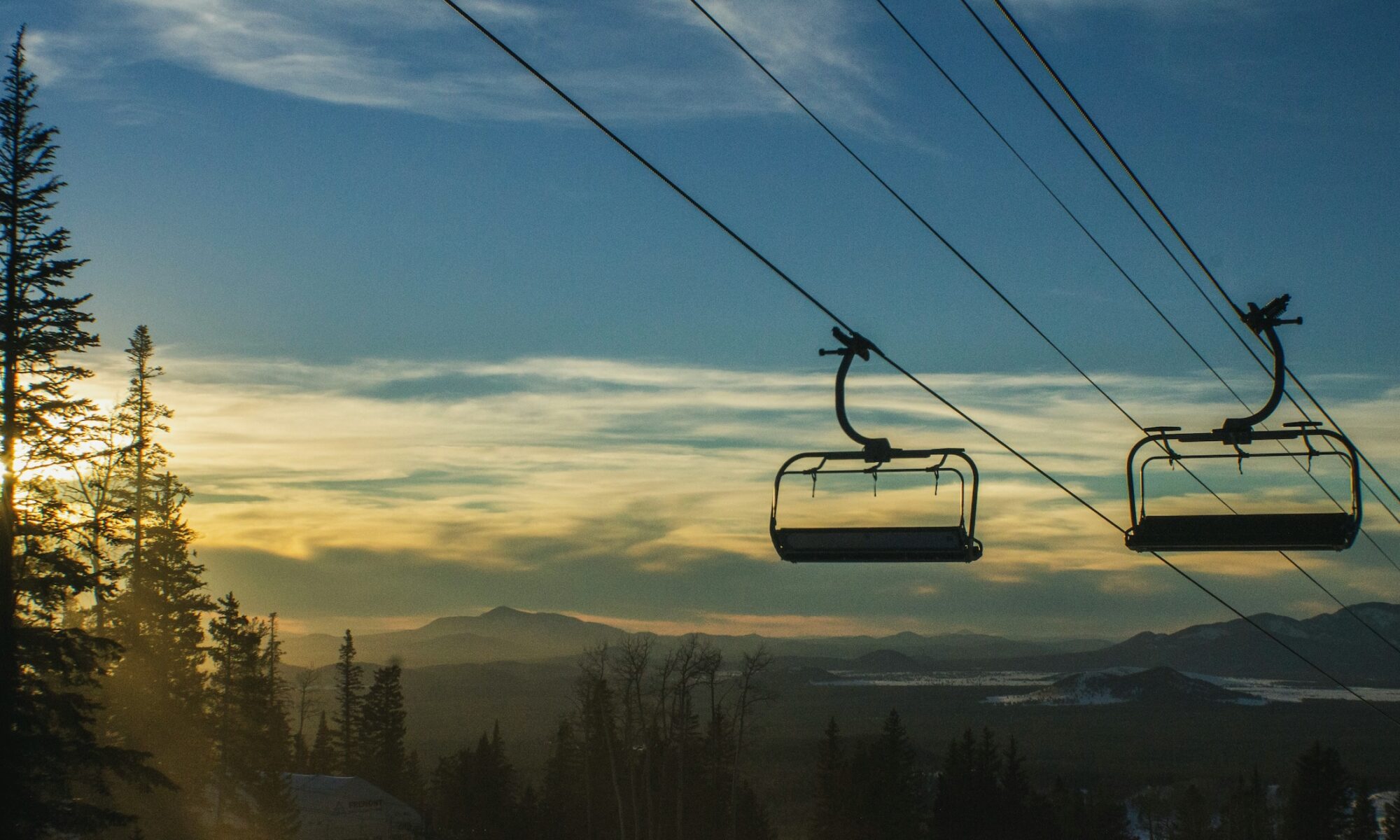
Why Detachable Ski Lifts Are Removed After Winter
At the end of the ski season, many mountain resorts remove the chairs, gondola cabins or bubbles from their high-speed detachable lifts and store them in a garage. Visitors often notice the empty cables in spring or summer and wonder why some lifts have no chairs on the line, while older chairlifts nearby still have all their chairs hanging.
The answer lies in the way the two types of lift are engineered, but it also connects to a wider question of mountain infrastructure risk in the Alps and how resorts protect expensive mechanical systems in harsh high-altitude environments.
On a high-speed detachable lift, the chair or cabin is attached to the main cable by a detachable grip. The main cable, known as the haul rope, moves continuously at high speed along the lift line. But when the chair or cabin enters the station, the grip opens and releases the haul rope.
This does not usually mean that there are two separate cables. The main cable continues moving through the station, but the chair or cabin is no longer being pulled by it. Instead, once detached, the carrier is moved through the station by a separate mechanical system, usually a series of tyres, wheels, rails, chains or a carousel-style mechanism. This system moves the chair or cabin much more slowly, giving passengers time to get off and on safely.
As the chair or cabin reaches the exit side of the station, it is gradually accelerated again until it matches the speed of the main cable. At that point, the detachable grip closes back onto the haul rope, and the chair or cabin leaves the station at full line speed.
That is the key difference. On a detachable lift, the chair or cabin is designed to come off the cable every time it enters a station. It detaches, slows down, travels around the station, accelerates again and then reattaches to the same main cable before returning to the line.
Because this is part of the lift’s normal operating design, resorts can also remove the carriers completely at the end of the season and store them indoors. This protects the chairs, cabins, bubbles and grip assemblies from unnecessary exposure to sun, wind, snow, ice, storms and lightning during the months when the lift is not operating.
It also makes maintenance and inspection easier. Detachable lifts have more complex grip mechanisms than older fixed-grip chairlifts, and those grips need regular checks. Storing the carriers in a garage allows lift maintenance teams to inspect the grips, hangers, seats, bubbles, doors and other components more efficiently, instead of having everything sitting out on the line all summer.
This is part of the less visible side of ski resort operations in a changing mountain climate. As resorts deal with stronger weather swings, warmer winters, heavier rain events, violent storms and shorter operating windows, protecting lift infrastructure outside the core season becomes increasingly important.
Fixed-grip lifts are different. On an older fixed-grip chairlift, the chair is clamped permanently to the haul rope. The chair does not detach in the station. It stays attached to the cable all the way around the lift circuit, including through the loading and unloading areas.
Because the chair remains fixed to the cable, the whole lift has to run more slowly. The speed of the line is also the speed at which the chair reaches the passenger. That is why fixed-grip lifts are generally slower than detachable high-speed lifts.
Technically, chairs on a fixed-grip lift can be removed, but it is not part of their normal day-to-day operation. Taking them off is more labour-intensive and is usually only done for major maintenance, rope work, replacement, long-term storage or special circumstances. For most resorts, leaving the chairs on the line is simpler and more practical.
There is also a structural and weather-related benefit to removing carriers from detachable lifts. A line full of chairs, bubbles or gondola cabins creates more wind resistance and adds more weight to the system. In exposed alpine terrain, strong winds and storms can put extra stress on the rope, towers and mechanical components. Removing the carriers reduces that exposure when the lift is not needed.
That is why this small visual detail — an empty lift line in spring or summer — says something broader about how ski resorts manage safety and infrastructure in exposed alpine terrain. Lift maintenance is not only about keeping passengers moving in winter. It is also about reducing avoidable wear, limiting weather exposure and making sure complex systems are ready for the next operating season.
So the reason modern high-speed lifts often look empty outside the ski season is not just cosmetic. It reflects how the lift works. Detachable lifts are designed so their chairs or cabins can release from the main cable, move slowly through the station, and then grip the same cable again before going back onto the line. Fixed-grip lifts are designed for the opposite: the chairs stay clamped to the cable all the time.
That engineering difference explains why detachable chairlifts, gondolas and bubble lifts are often “de-chaired” or garaged after the season, while older fixed-grip chairlifts usually keep their chairs hanging year-round.
Read More:
Mountain Infrastructure Risk in the Alps
Snow Conditions in a Warming Alpine Climate
Avalanche Control on Ski Slopes: PIDA Explained
 Planning your next trip to the Italian Alps?
 Planning your next trip to the Italian Alps?
If you’re heading to the Aosta Valley, take a look at Il Cuore della Valdigne, our family-owned apartment in Morgex, available for rent when we’re not using it ourselves.
It’s an ideal base to:
- Ski in Courmayeur, La Thuile and Pila
- Enjoy the mountains in summer (hiking, biking, nature)
- Explore the Mont Blanc valley in a quieter, more authentic setting.
 Ski in Courmayeur,
 Enjoy the mountains in summer (hiking, biking, nature)
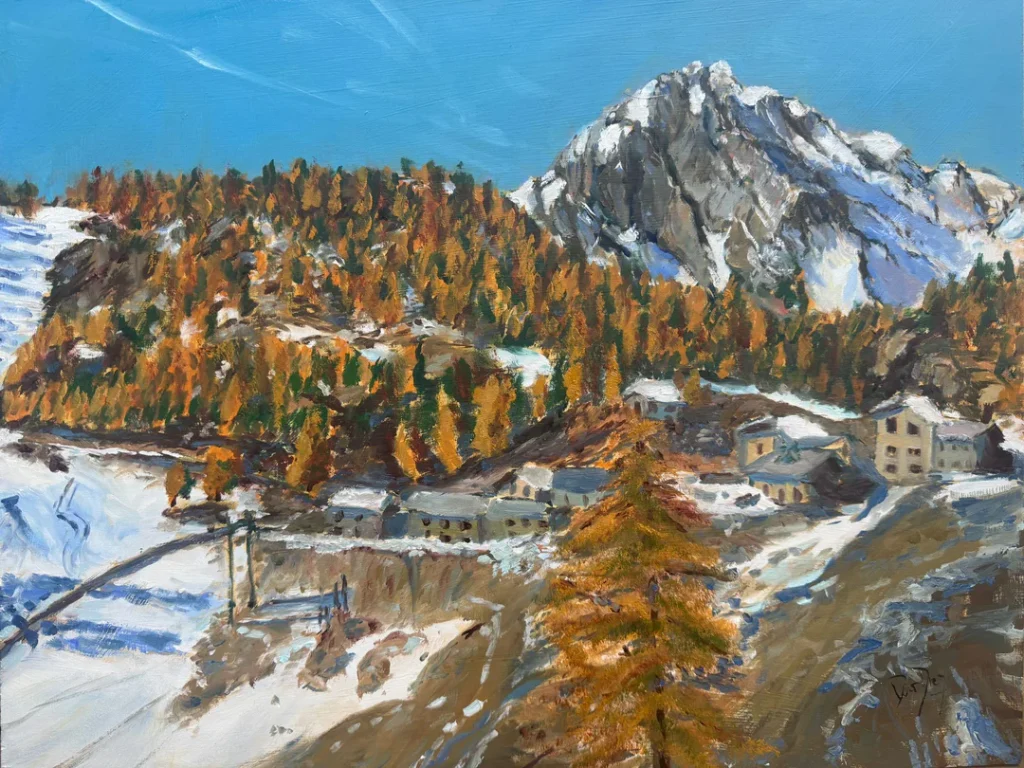
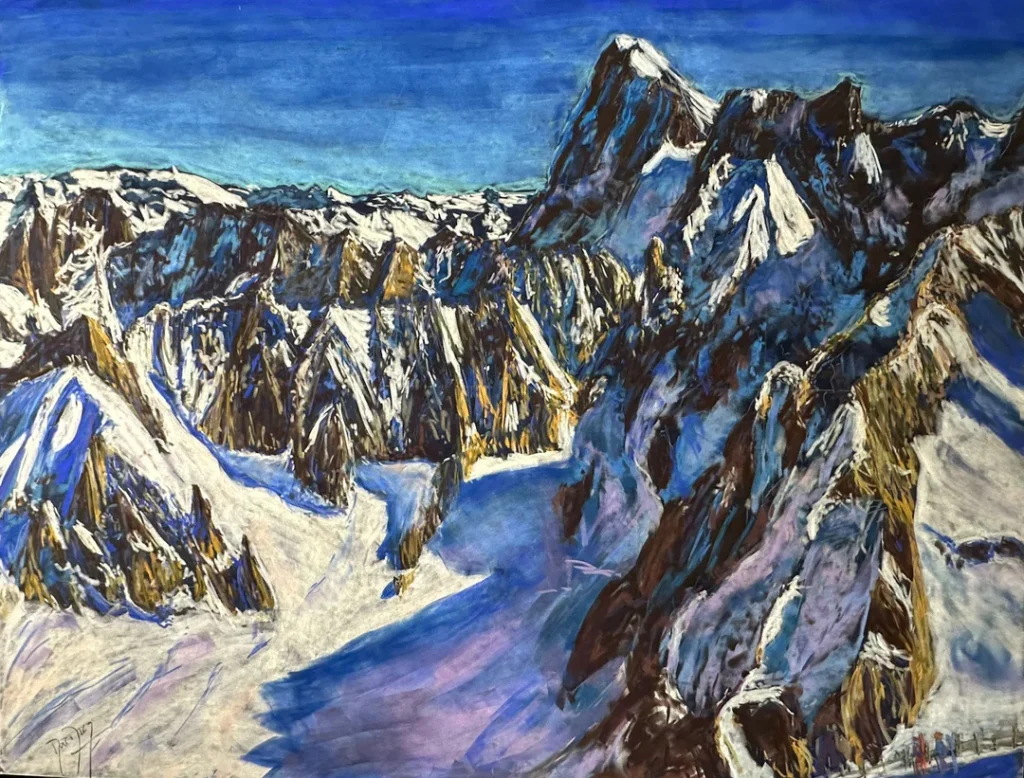
Check my Mountain Art on my Shop
You can go to my shop and see what have been inspiring me lately, lots mountain landscapes in soft pastels, and now in oils too. Go here to check my latest works!
Featured Image: An empty chairlift. Arizona Snowbowl. Photo: Spencer James Lucas. Unsplash.


Discover more from The-Ski-Guru
Subscribe to get the latest posts sent to your email.
 Subscribe to The-Ski-Guru here.