Tignes Takes Ski Area Management Local After Nearly Four Decades with Compagnie des Alpes

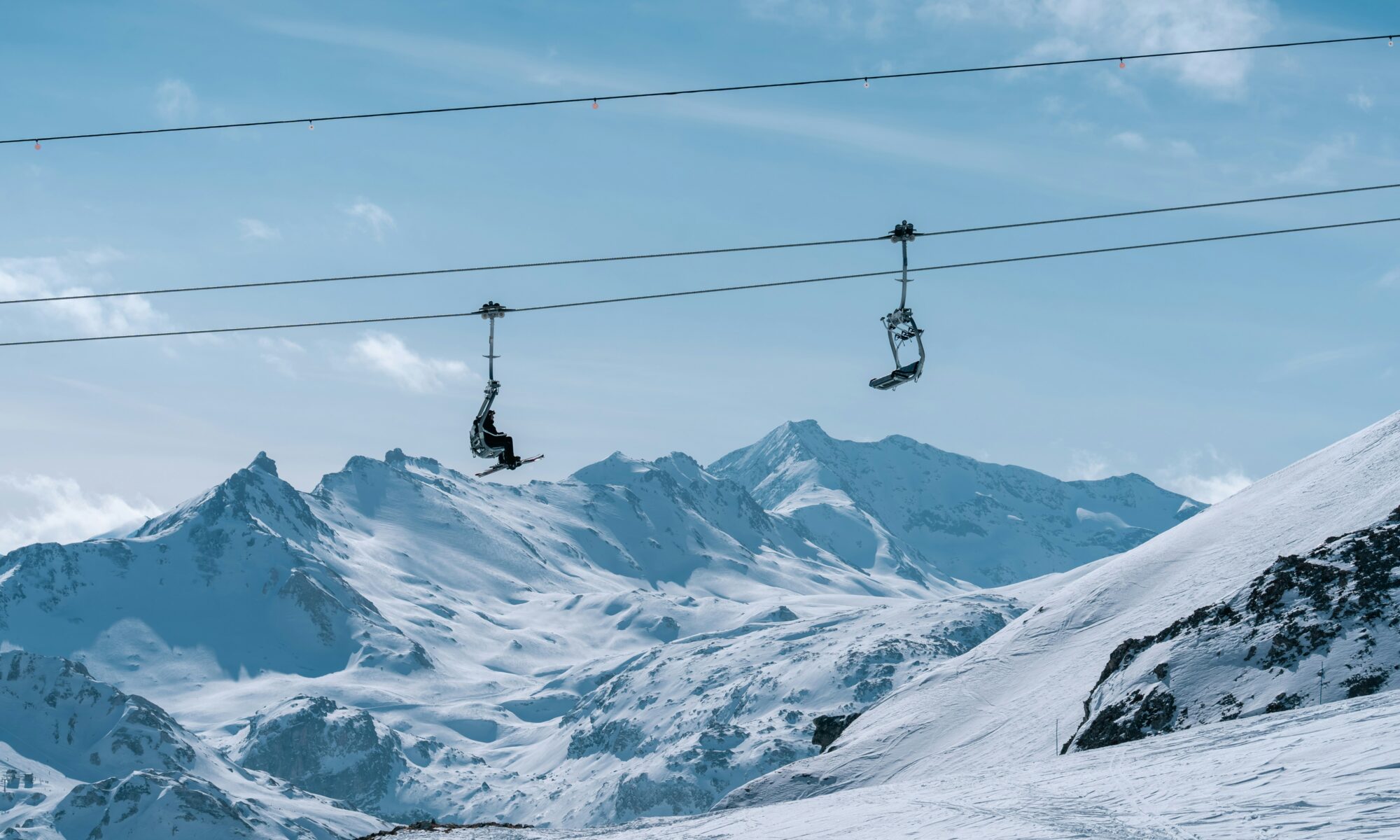
Tignes. Marais Chairlift shot from Silen Lift - Photo credit: Aron Marinelli. Unsplash.

One of the Alps’ most iconic ski resorts has entered a new chapter.

On 1 June 2026, Tignes officially transferred management of its ski area from STGM, the local subsidiary of Compagnie des Alpes (CDA), to ALTTA, a new public company created by the municipality of Tignes together with neighbouring Sainte-Foy-Tarentaise.

The move ends almost 40 years of management by Compagnie des Alpes and raises interesting questions about how Alpine destinations may choose to govern, invest in and adapt their mountain economies in the decades ahead.

A Strategic Shift Rather Than a Criticism of CDA

The decision should not be viewed as a rejection of Compagnie des Alpes’ work in Tignes.

Continue reading “Tignes Takes Ski Area Management Local After Nearly Four Decades with Compagnie des Alpes”

Colorado Ski Visits Fall to Their Lowest Level Since 1991–92

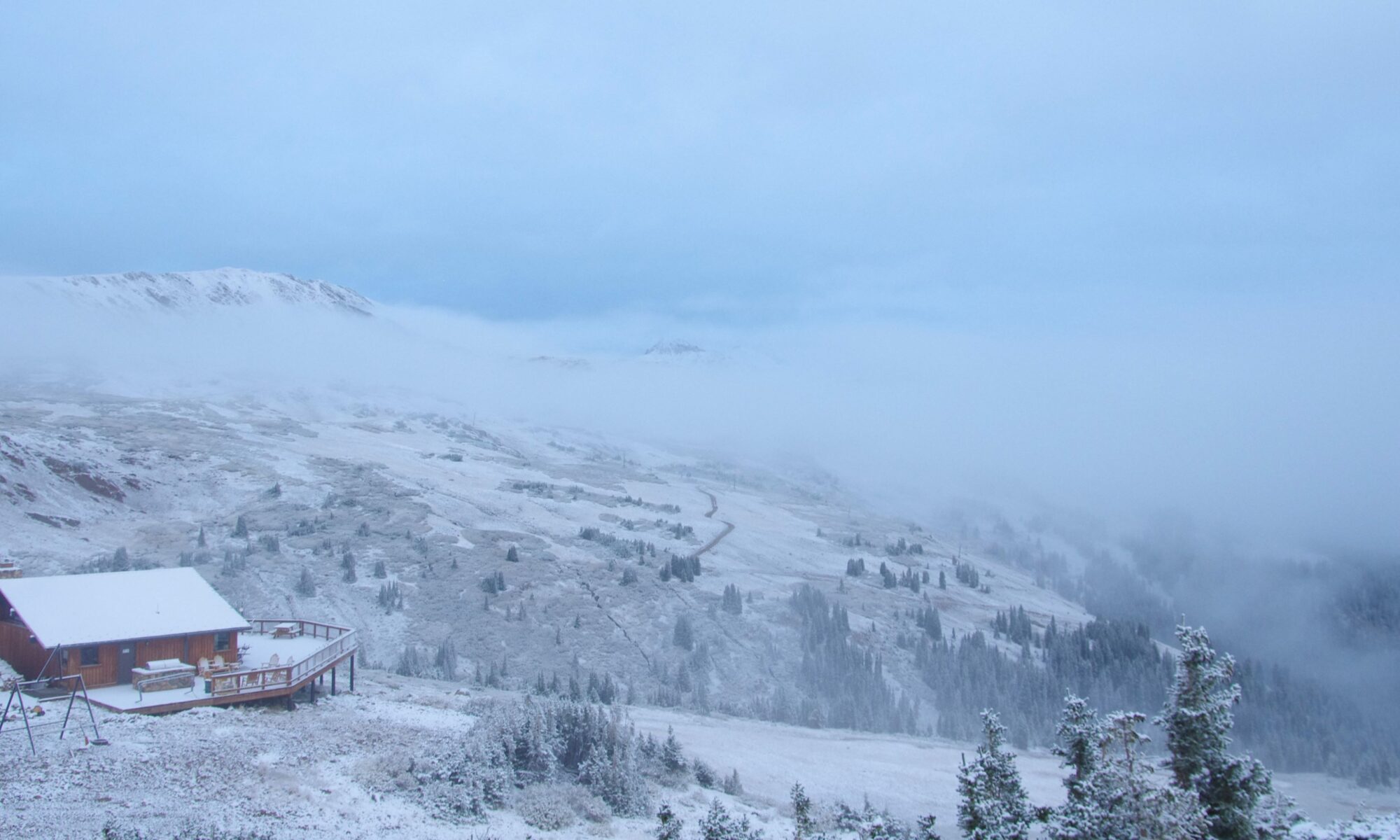
Loveland resort. Photo: Dustin Schaefer. Colorado Ski Country USA.

Colorado ski visits fell sharply during the 2025–26 winter, in one of the clearest signs yet that snow reliability is becoming a business issue for major ski destinations.

According to Colorado Ski Country USA figures reported by local media, Colorado recorded an estimated 10.5 million skier visits during the 2025–26 season. That was down by about 3.3 million visits from the previous winter and marked the state’s lowest skier turnout since the 1991–92 season. 

The fall is striking because Colorado is not a marginal ski market. It is one of the strongest ski brands in the world, with high-altitude resorts, powerful destination appeal and a large base of season pass holders.

That is why the 2025–26 decline matters.

This is not a story about skiing suddenly losing its appeal. It is a story about how a difficult winter can quickly affect visitation, operations and the wider mountain economy.

Continue reading “Colorado Ski Visits Fall to Their Lowest Level Since 1991–92”

Swiss Hotels Warn of Growing Dependence on Booking Platforms

Denis Emery - photo-genic.ch- Courtesy Crans Montana Tourism Office.

Swiss hotels are raising concerns about pricing control and the growing influence of online travel agencies (OTAs), highlighting a challenge that extends well beyond Switzerland and increasingly affects mountain destinations across Europe.

A recent survey by HotellerieSuisse found that around half of Swiss hotels have experienced some form of price undercutting on online booking platforms. Hotels report that rooms are sometimes offered online at lower rates than expected, often through complex distribution chains involving wholesalers, bed banks, affiliates and third-party resellers.

Continue reading “Swiss Hotels Warn of Growing Dependence on Booking Platforms”

Are Investors Losing Faith in the Mega-Resort Ski Model?

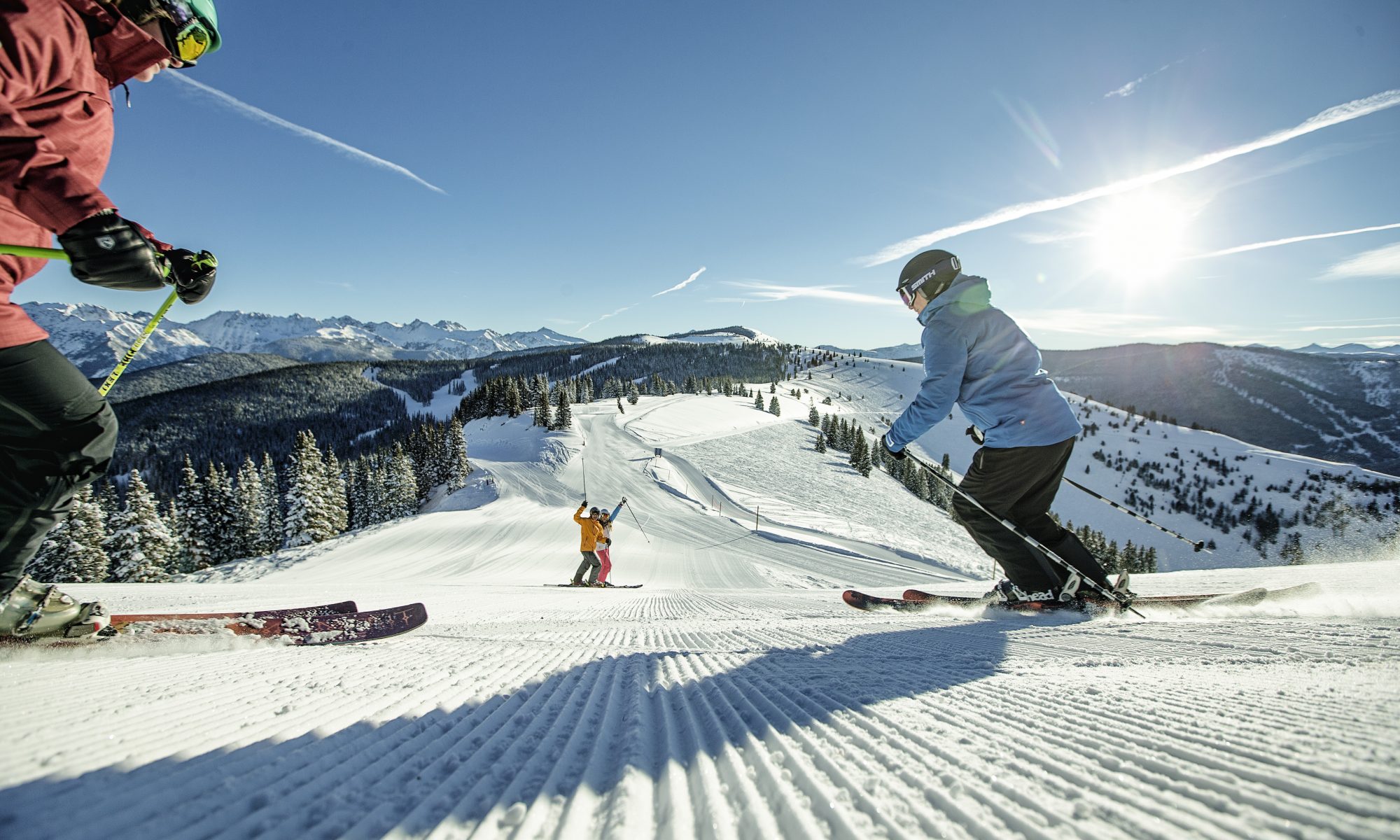
Friends Skiing Groomed Terrain in Vail, CO.. Photo: Daniel Milchev. Vail Resorts.

A recent filing showing that investment firm MSA Advisors sold its entire position in Vail Resorts may not be major news on its own. Institutional investors buy and sell shares every day. But in the context of the current ski industry landscape, the move raises broader questions about whether Wall Street is becoming more cautious about the future of the large destination ski resort model.

Over the past decade, Vail Resorts became one of the defining success stories of the modern ski industry. Through the growth of the Epic Pass, aggressive acquisitions, and expansion into Europe, the company transformed skiing into a subscription-style global business. Investors rewarded that strategy for years, helping turn Vail into one of the most valuable ski companies in the world.

But the environment facing ski resort operators in 2026 looks very different from the one that fuelled that expansion.

Continue reading “Are Investors Losing Faith in the Mega-Resort Ski Model?”

Vail Resorts Faces New Park City Ski Patrol Arbitration and Epic Pass Tax Pressure

Park City signage. Photo: Andrew Braden. Park City Ski Resort. Vail Resorts.

Vail Resorts is facing another round of scrutiny in the United States, this time from two different directions: ski patrol workers in Park City and state officials in New Hampshire.

The new developments come after a difficult period for the company, which has already faced criticism over the 2024–25 Park City ski patrol strike, customer disruption during peak holiday weeks, broader legal scrutiny over ski pass pricing, and questions about how large corporate ski resort operators balance profitability, staffing and guest experience.

Now, the Park City Professional Ski Patrol Association has accused Vail Resorts of violating its collective bargaining agreement by offering a benefit to non-union ski patrollers that unionized patrols have not received. At the same time, New Hampshire officials have been challenging Vail Resorts over a controversial “blended sales tax” added to some Epic Pass products, despite New Hampshire being a state with no sales tax.

Together, the stories point to a wider issue for Vail Resorts: the company’s operating model is increasingly being challenged not only by workers, but also by customers, state officials and local communities.

Continue reading “Vail Resorts Faces New Park City Ski Patrol Arbitration and Epic Pass Tax Pressure”

Are Fragmented Alpine Ski Resorts Becoming Unsustainable?

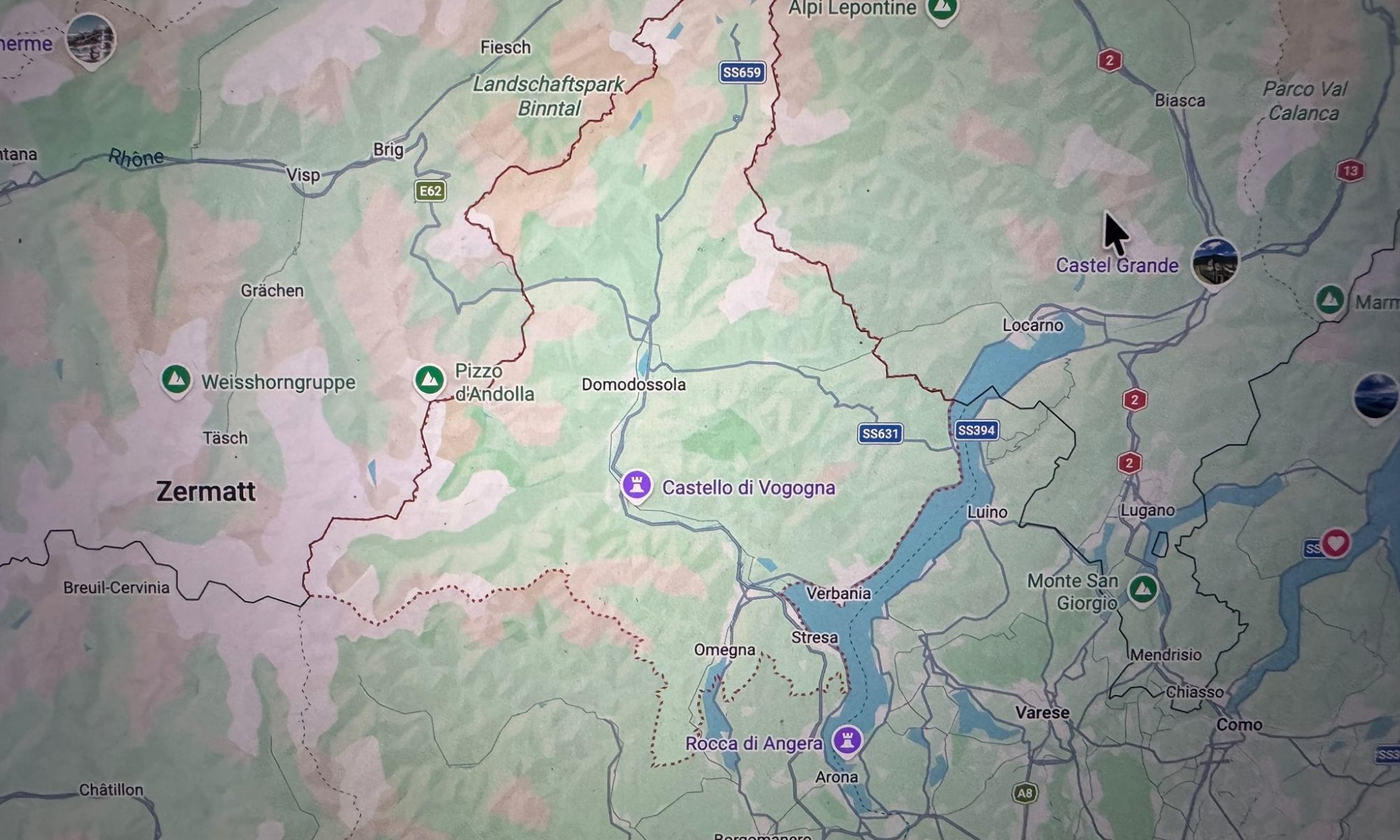
Verbano-Cusio-Ossola. Google Maps.

Across the Alps, a growing number of ski destinations are facing the same difficult question: can smaller mountain municipalities still afford to develop and modernise ski infrastructure on their own?

Two recent stories from northern Italy suggest the Alpine ski industry may be entering a new phase — one defined less by endless expansion and more by consolidation, selective investment and regional cooperation.

In Lombardy, the municipality of Valfurva recently abandoned plans for a new lift connection linking the valley more directly to Bormio’s ski area. The proposed project, intended to connect the S. Antonio/S. Nicolò area with the Bormio slopes, had already secured part of its public funding but ultimately failed to move forward because the remaining financing and permitting timelines proved too difficult to complete. Local officials described the decision as “painful, but inevitable.”

Continue reading “Are Fragmented Alpine Ski Resorts Becoming Unsustainable?”

Housing the Workforce: The Growing Constraint on Mountain Tourism from Aspen to the Alps

Homes built by Habitat for Humanity Vail Valley. Stratton Flats Neighborhood in Gypsum Photo: Ben Roof/Special to the Summit Daily

The conversation around ski destinations has long focused on snow, infrastructure, and demand. Yet across North America and Europe, a different constraint is becoming increasingly visible: whether the people who operate these destinations can still afford to live within reach of them.

What appears at first as a local issue in individual resorts is, in reality, a structural challenge affecting mountain tourism globally. From Aspen to Zermatt, from Whistler to Cortina d’Ampezzo, the same question is emerging in different forms: who can still afford to live where tourism takes place, and how far can they be pushed away before the system begins to strain.

In North America, the issue is often framed directly as workforce housing. In Aspen, one of the most developed housing systems in ski tourism has been in place for decades, yet demand continues to exceed supply. Access to subsidised housing remains competitive, with strict qualification systems and long waiting lists. The conclusion is difficult to avoid: even a mature, highly structured model does not fully resolve the imbalance between housing supply and workforce demand.

Continue reading “Housing the Workforce: The Growing Constraint on Mountain Tourism from Aspen to the Alps”

U.S. Skier Visits Drop 14% in 2025–26 — A Weak Winter With Structural Signals

Some pistes in Vail Mountain. Photo: David Maunsell. Unsplash.

New data from the National Ski Areas Association (NSAA) confirms what operators across North America have been experiencing throughout the winter: skier visits in the United States fell by around 14% during the 2025–26 season.

The figures mark one of the most significant declines in recent years and a clear break after four consecutive seasons exceeding 60 million visits.

A Season Defined by the West

The decline is closely tied to what has been one of the weakest winters on record across large parts of the western United States.

Continue reading “U.S. Skier Visits Drop 14% in 2025–26 — A Weak Winter With Structural Signals”

The Future of Ski Resorts: What the 2026 Mountain Planet’s Innovation Book Reveals

The Future of Ski Resorts: What the 2026 Mountain Planet's Innovation Book Reveals

The latest edition of the Innovation Book, released alongside the Mountain Planet trade show, offers a detailed snapshot of how the ski industry is attempting to adapt to a rapidly changing environment. Rather than simply showcasing new products, it provides insight into the direction of travel for ski resorts facing increasing pressure from climate variability, operational costs and shifting visitor expectations.

What emerges is not a single breakthrough, but a pattern. Across snowmaking, infrastructure, digital systems and mobility, the focus is on optimisation, efficiency and resilience rather than expansion.

Snowmaking Becomes Precision Infrastructure

One of the clearest themes running through the Innovation Book is the continued evolution of snowmaking. The emphasis is no longer on producing more snow, but on producing it more efficiently, using less water and energy while adapting to narrower temperature windows.

This reflects a structural shift already visible across the Alps. Resorts are increasingly dependent on artificial snow not as a supplement, but as a core layer of their operating model. The innovations presented focus on automation, real-time monitoring and improved targeting of snow production, allowing operators to respond quickly to changing conditions.

👉 You can read more about the broader context in Snow Conditions in a Warming Alpine Climate 

Digitalisation Moves to the Core of Operations

Another dominant trend is the integration of digital tools into daily resort management. From predictive maintenance of lift systems to data-driven crowd management and real-time operational dashboards, resorts are becoming increasingly reliant on data.

Continue reading “The Future of Ski Resorts: What the 2026 Mountain Planet’s Innovation Book Reveals”

📰 Vail and Alterra Lawsuit: Ski Pass Pricing Under Antitrust Scrutiny

Vail and Alterra Lawsuit: Ski Pass Pricing Under Antitrust Scrutiny

A proposed class action lawsuit filed on March 23, 2026, in a US federal court in Colorado is targeting the two dominant players in the ski industry — Vail Resorts and Alterra Mountain Company — over the pricing of their multi-resort passes.

The case directly challenges the model behind the Epic Pass and Ikon Pass, part of how multi-resort ski passes like Epic and Ikon operate.

Over the past decade, these pass systems have fundamentally reshaped how skiing is sold, shifting the industry from pay-per-day access to advance, bundled pricing models.

For an industry already dealing with snow conditions in a warming Alpine climate, rising costs, and changing skier behaviour this is more than just a legal dispute. It is a direct challenge to how modern skiing is sold.


The core of the complaint

At the centre of the lawsuit is a simple question: are skiers really choosing passes freely, or are they being pushed into them?

The plaintiffs — skiers from Colorado and Massachusetts — argue that Vail Resorts and Alterra effectively control access to a large share of major destination resorts in North America. According to the filing, this dominance allows both companies to keep single-day lift ticket prices high, while making multi-resort passes appear comparatively good value.

Continue reading “📰 Vail and Alterra Lawsuit: Ski Pass Pricing Under Antitrust Scrutiny”