Record-Breaking El Niño Is Here — What Could It Mean for Europe’s 2026/27 Ski Winter?

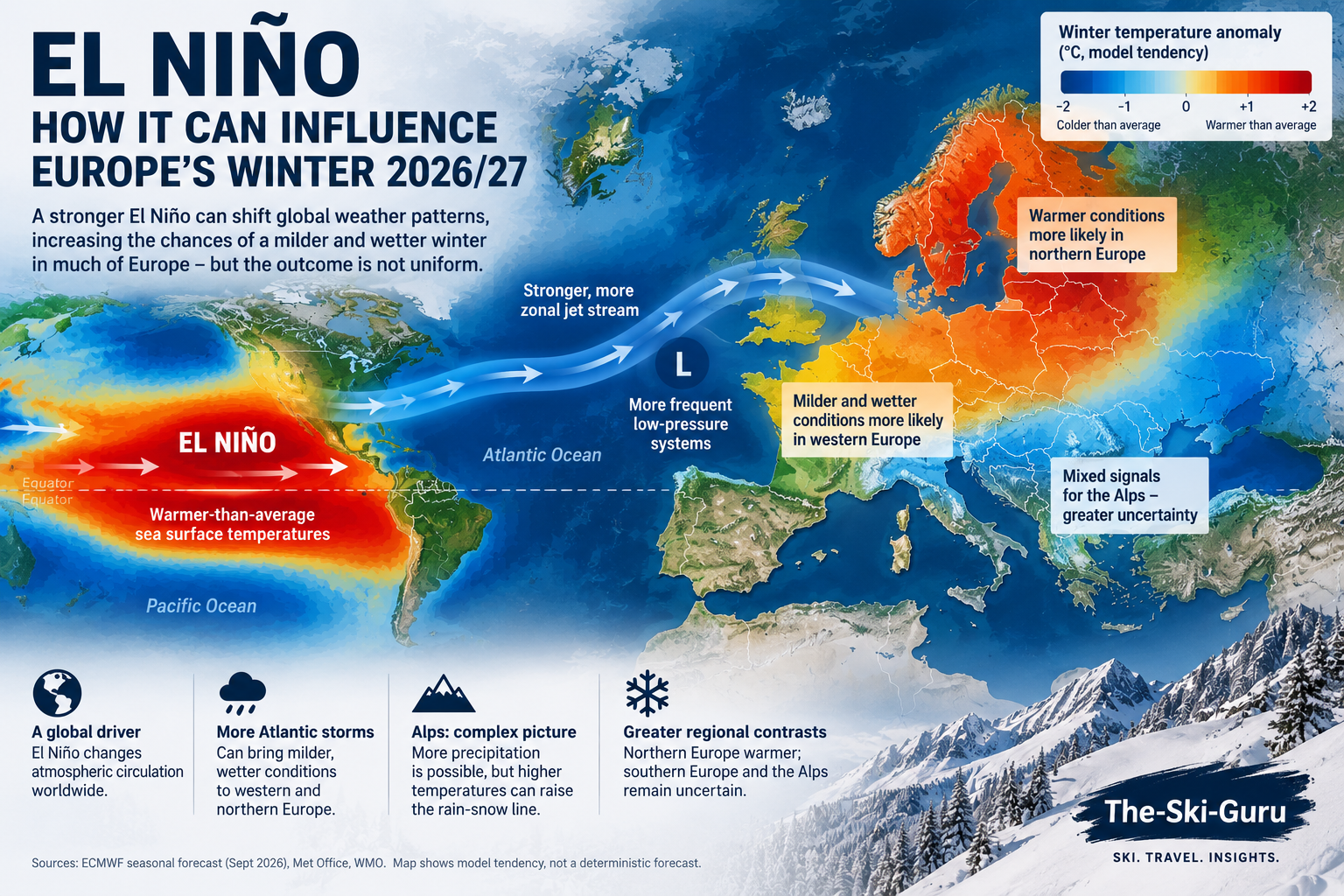
Illustration of how El Niño can influence European winter weather patterns. The impact on the Alps remains complex, with temperature, precipitation and storm tracks determining whether moisture falls as rain or snow. AI-generated illustration created for The-Ski-Guru. Not an official meteorological forecast map.

El Niño could influence Europe’s winter 2026/27. A record-breaking El Niño is building towards its winter peak, but despite dramatic headlines, it does not automatically mean a snowy — or snowless — winter for the Alps. Here is what the official forecasts actually tell us.

El Niño has officially entered record territory. When we first looked at what El Niño could mean for the 2026/27 ski season in August, the event was still developing. Since then, the signal has strengthened considerably.

On 22 September, the UK Met Office confirmed that sea-surface temperatures in the central equatorial Pacific have now surpassed those recorded during previous El Niño events, making the developing 2026 event the strongest in the observational record.

It is an extraordinary climate signal — and one arriving just as the Northern Hemisphere ski industry prepares for winter 2026/27.

But does a record El Niño mean a record ski season?

Not necessarily.

For Europe in particular, the relationship between El Niño and Alpine snowfall is considerably more complicated than some of the increasingly dramatic seasonal forecasts circulating online might suggest. Continue reading “Record-Breaking El Niño Is Here — What Could It Mean for Europe’s 2026/27 Ski Winter?”


Battle for Vail Resorts Escalates as Oasis Nominates Four Directors

Photo: Colorado Sun. Who Keeps Ski Resorts Running? Labour, Housing, and Staffing Challenges in U.S. Mountain Towns.

Activist investor Oasis Management has nominated four candidates — including Olympic champion Picabo Street and former Disney CEO Robert Chapek — to Vail Resorts’ nine-member board, turning months of speculation over the company’s future into a potential battle over its direction.

The pressure surrounding Vail Resorts has moved into a new phase.

Vail Resorts confirmed on September 11 that shareholder Oasis Management had submitted four candidates for election to the company’s Board of Directors: former Disney CEO Robert A. Chapek, financier M. Ashton Hudson, Utah venture capitalist Bryce Roberts and Olympic ski champion Picabo Street.

The nominations were submitted on September 9 and 10, immediately before the company’s nomination window closed.

A fifth candidate, Gregory Syvert Meyer, separately nominated himself.

The move is significant because Oasis is not a minor shareholder. According to KPCW, citing its latest regulatory filings, the investment firm owns approximately 6.5% of Vail Resorts.

More importantly, Oasis has a reputation as an activist investor — and reports that it was considering a proxy battle at Vail Resorts had already emerged earlier this summer.

Four candidates for a nine-member board

Vail Resorts currently has a nine-member board, making the nomination of four directors potentially significant.

In its statement, however, Vail Resorts did not characterize the nominations as a proxy fight.

The company said it “prioritizes consistent engagement with shareholders” and reiterated that it was already conducting a search for new independent directors as part of an ongoing board refreshment process.

Oasis has also not yet formally declared an activist campaign through a Schedule 13D filing.

Continue reading “Battle for Vail Resorts Escalates as Oasis Nominates Four Directors”

The Mega-Pass Wars Enter a New Phase: Ikon Expands, Epic Consolidates and Indy Goes Global

Ikon Pass sales platform. Credit: Alterramtnco.com

Ikon is pushing deeper into Asia, Indy Pass has grown beyond 300 resorts and a new Snow Pass has entered the market. Meanwhile, Epic is shifting its focus from expansion to guest experience. But across the Atlantic, Europe’s own multi-resort passes show that there is more than one way to build a ski empire.


The ski pass wars are no longer simply a battle between Epic and Ikon.

Ikon Pass has expanded its Asian footprint again for winter 2026/27, adding Madarao Mountain Resort in Japan and Beidahu and Lake Songhua in China.

On its own, that might look like another incremental expansion of an already enormous ski pass.

Look at what is happening across the wider market, however, and something more significant is emerging.

Ikon continues to build a worldwide collection of destination resorts. Epic, after years of acquisitions and international partnerships, is openly talking about improving what it already has. Indy Pass has assembled more than 300 mostly independent ski areas. Snow Pass has arrived as another lower-cost alternative.

And in Europe, regional passes such as Magic Pass, Ski amadé, Dolomiti Superski, the Valle d’Aosta regional pass and Mont Blanc Unlimited demonstrate yet another model: destinations cooperating across resorts, regions and even national borders without necessarily being owned by the same company.

The mega-pass may have won.

The next battle is over what kind of mega-pass skiers actually want.

Continue reading “The Mega-Pass Wars Enter a New Phase: Ikon Expands, Epic Consolidates and Indy Goes Global”

Muslim Ski Club Shows How Ski Tourism Can Reach a Market It Has Long Overlooked

Members of the Muslim Ski Club on the slopes, helping create a more accessible and welcoming pathway into skiing for Muslim travellers. Photo: Muslim Ski Club

Ski tourism has spent decades looking for new source markets, younger skiers and ways to broaden participation. But sometimes growth may be less about discovering another destination or building another lift, and more about asking a simpler question: who was the traditional ski holiday designed for?

The UK-based Muslim Ski Club is beginning to provide one answer.

Founded by Burhan Ali in 2024, the organization was created to make skiing more accessible and relevant to Muslim travelers — from complete beginners who have never considered a ski vacation to experienced skiers looking for a community with which to travel.

The concept has now gained recognition beyond snowsports. The Muslim Ski Club recently won Gold in the Hospitality, Leisure and Tourism Business of the Year category at the 2026 Bedfordshire Chamber of Commerce SME Business Awards.

It is an interesting achievement for a relatively young organization — but perhaps even more interesting for the wider ski industry.

Learning the mountain together: Muslim Ski Club members navigate the slopes as part of the community-led ski experience. Photo: Muslim Ski Club

Continue reading “Muslim Ski Club Shows How Ski Tourism Can Reach a Market It Has Long Overlooked”

Alpine Glacier Retreat Raises Questions Over the Future of the Ski Economy

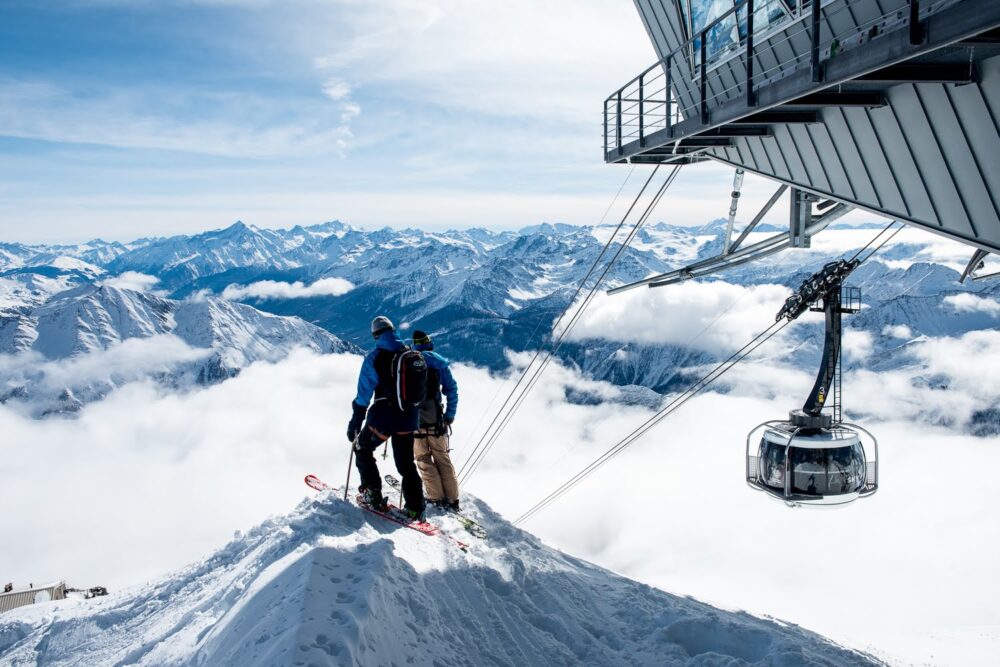
Photo credit: Skyway Monte Bianco.

After a summer marked by glacier retreat, rockfalls, unstable permafrost and repeated disruption across the Alps, an increasingly difficult question is emerging: how should mountain tourism adapt to a rapidly changing environment?

The debate has been brought into sharper focus by Legambiente, one of Italy’s largest environmental organisations, which argues that Alpine communities can no longer plan their future on the assumption that glaciers, water resources and snow conditions will remain as they have been in the past.

Speaking to Corriere della Sera during the 2026 Carovana dei Ghiacciai, Vanda Bonardo, the campaign’s coordinator and national head of Legambiente’s Alps division, said mountain regions need to move from planning based on stability towards managing continuous change.

Her comments come during an extraordinary summer across the Alps, with developments around Mont Blanc providing some of the clearest examples.

Continue reading “Alpine Glacier Retreat Raises Questions Over the Future of the Ski Economy”

Colorado’s Historic Low-Snow Winter: A Wake-Up Call, Not the End of Skiing

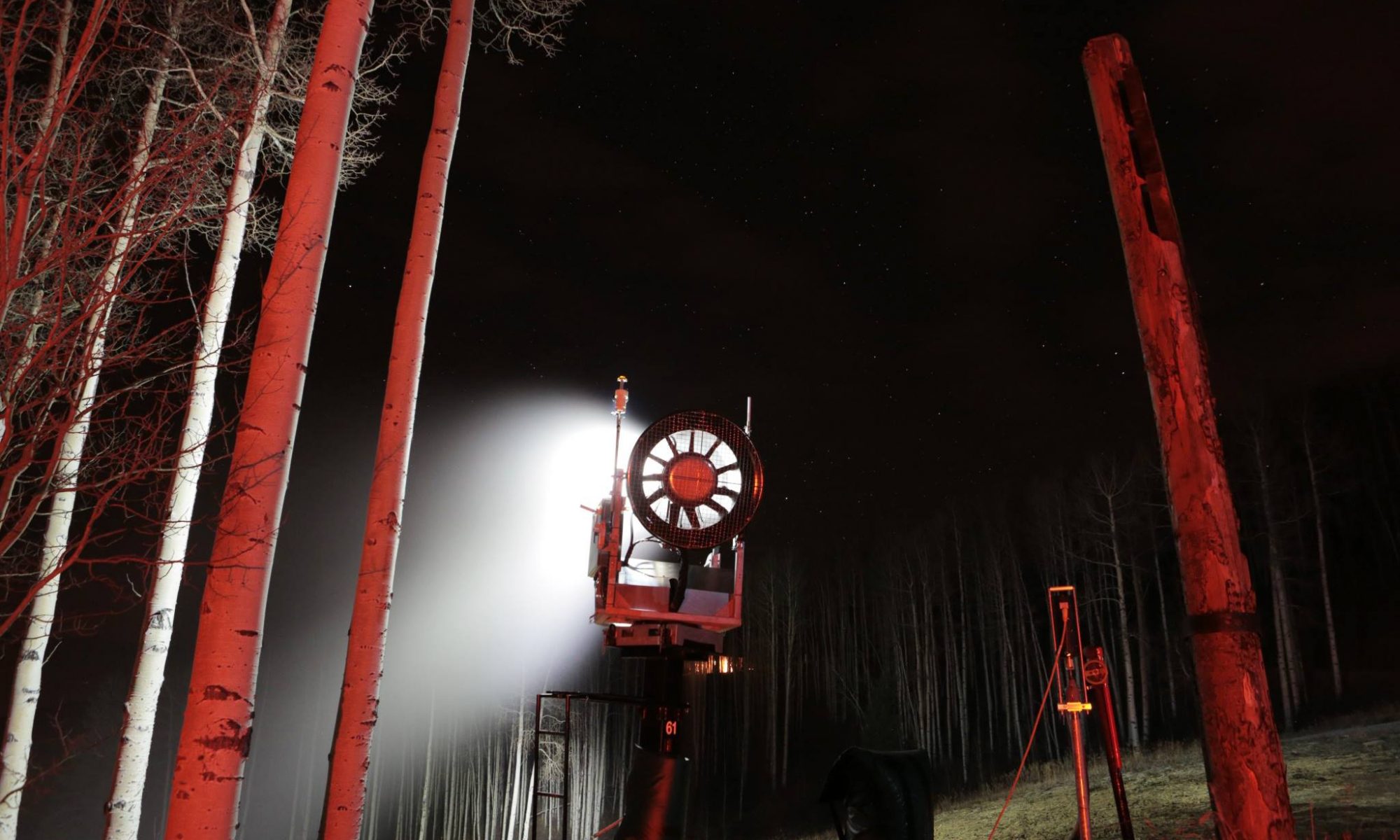
Beaver Creek Gold Dust Trail Snowmaking- Photo: Vail Resorts.

Colorado’s 2025/26 ski season will undoubtedly be remembered as one of the most challenging in recent history. Low snowfall, unusually warm temperatures and an early snowmelt created difficult conditions across much of the state, prompting renewed debate about the future of skiing in a warming climate.

A recent investigation by The Denver Post examines how climate change contributed to one of Colorado’s poorest snow seasons on record and explores what this could mean for the ski industry going forward.

The findings are certainly thought-provoking, but they should also be viewed in context.

Continue reading “Colorado’s Historic Low-Snow Winter: A Wake-Up Call, Not the End of Skiing”

Vialattea and Bardonecchia Deepen Their Partnership Ahead of Winter 2026/27

Photo credit: Via Lattea, Sestrieres sPa

When Vialattea and Bardonecchia first announced they would work more closely together, many skiers wondered whether it was simply a marketing exercise. A year later, the picture is becoming much clearer.

The launch of the 2026/27 season pass campaign shows that the partnership is evolving into a genuine long-term strategy, offering more shared benefits while allowing each ski area to retain its own identity.

Season passes officially went on sale on 4 July, with the winter season scheduled to run from 5 December 2026 to 11 April 2027. However, the bigger story is not the dates themselves, but the continued development of the Vialattea // Bardo concept.

Continue reading “Vialattea and Bardonecchia Deepen Their Partnership Ahead of Winter 2026/27”

How Bariloche Is Reinventing Itself As South America’s Leading Four-Season Mountain Destination

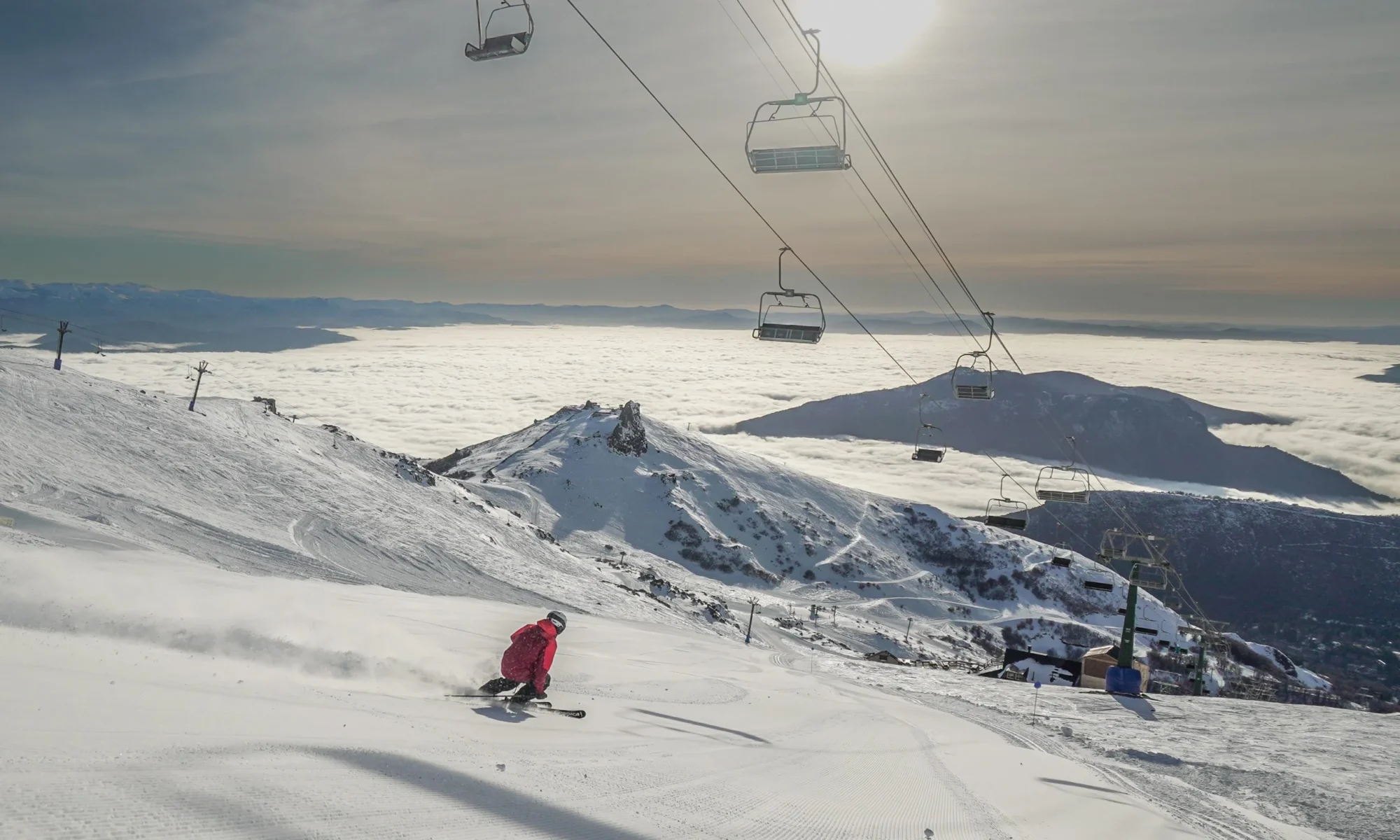
Catedral Alta Patagonia, skiing over the clouds that are hugging the Nahuel Huapi Lake. Bariloche Year-Round Destination: Skiing, UTMB & Cerro Catedral.

Bariloche is rapidly evolving into a year-round destination while remaining South America’s leading ski resort. Set on the shores of Lake Nahuel Huapi and surrounded by the Patagonian Andes, the city is home to Cerro Catedral, Argentina’s largest ski resort and one of the biggest in the Southern Hemisphere.

Every winter, thousands of Argentine, Brazilian, Chilean and international visitors head to Bariloche for its combination of skiing, spectacular scenery and alpine atmosphere.

Yet today, the city is pursuing a broader vision.

Rather than depending solely on winter, Bariloche is steadily evolving into a year-round mountain destination, combining skiing with hiking, trail running, mountain biking, lake activities, gastronomy, business events and international sporting competitions.

It is a strategy increasingly seen across mountain destinations worldwide. Resorts from the Alps to North America are investing in experiences that attract visitors throughout the year while strengthening winter operations through improved infrastructure and snowmaking.

Bariloche is following the same path.

Continue reading “How Bariloche Is Reinventing Itself As South America’s Leading Four-Season Mountain Destination”

Who Owns The Mountains? Why Some Ski Communities Are Pushing Back Against Consolidation

Flims Laax Falera photo: Irvin Aloise/Unsplash.

For more than a decade, one of the defining trends in the ski industry has been consolidation.

Large operators have expanded across North America and increasingly into Europe. Vail Resorts, Alterra Mountain Company, Compagnie des Alpes, Mountain Capital Partners and other groups have acquired resorts, developed pass alliances and built networks that span multiple destinations.

For many ski areas, access to capital has become essential. New lifts, snowmaking systems, mountain restaurants, summer attractions and employee housing projects often require investments that smaller operators struggle to fund.

This article is not arguing that local ownership is replacing consolidation. Rather, it examines a handful of recent examples where communities and local stakeholders have sought greater influence over the future of their ski resorts.

While consolidation remains the dominant trend, a small number of destinations are asking a different question:

Who should own the mountains?

Continue reading “Who Owns The Mountains? Why Some Ski Communities Are Pushing Back Against Consolidation”

Vail Resorts’ Epic Pass Sales Fall After One of the West’s Worst Ski Seasons

Vail Village. Photo credit: Zach Mahone. Vail Resorts.

Vail Resorts has reported lower third-quarter results and weaker early pass sales for the 2026/27 North American ski season, after what the company described as one of the most challenging winters in history across the western United States.

The figures are important not only for Vail Resorts, but for the wider ski industry. The Epic Pass model has helped reshape ski travel over the past two decades, encouraging skiers and snowboarders to commit before the season starts. That gives resort operators valuable early revenue and helps reduce the financial impact of poor snow conditions once winter is underway.

But after a very difficult 2025/26 season in the western US, the latest numbers suggest that even the advance-purchase pass model can be tested when snow conditions disappoint.

Continue reading “Vail Resorts’ Epic Pass Sales Fall After One of the West’s Worst Ski Seasons”