Are Investors Losing Faith in the Mega-Resort Ski Model?

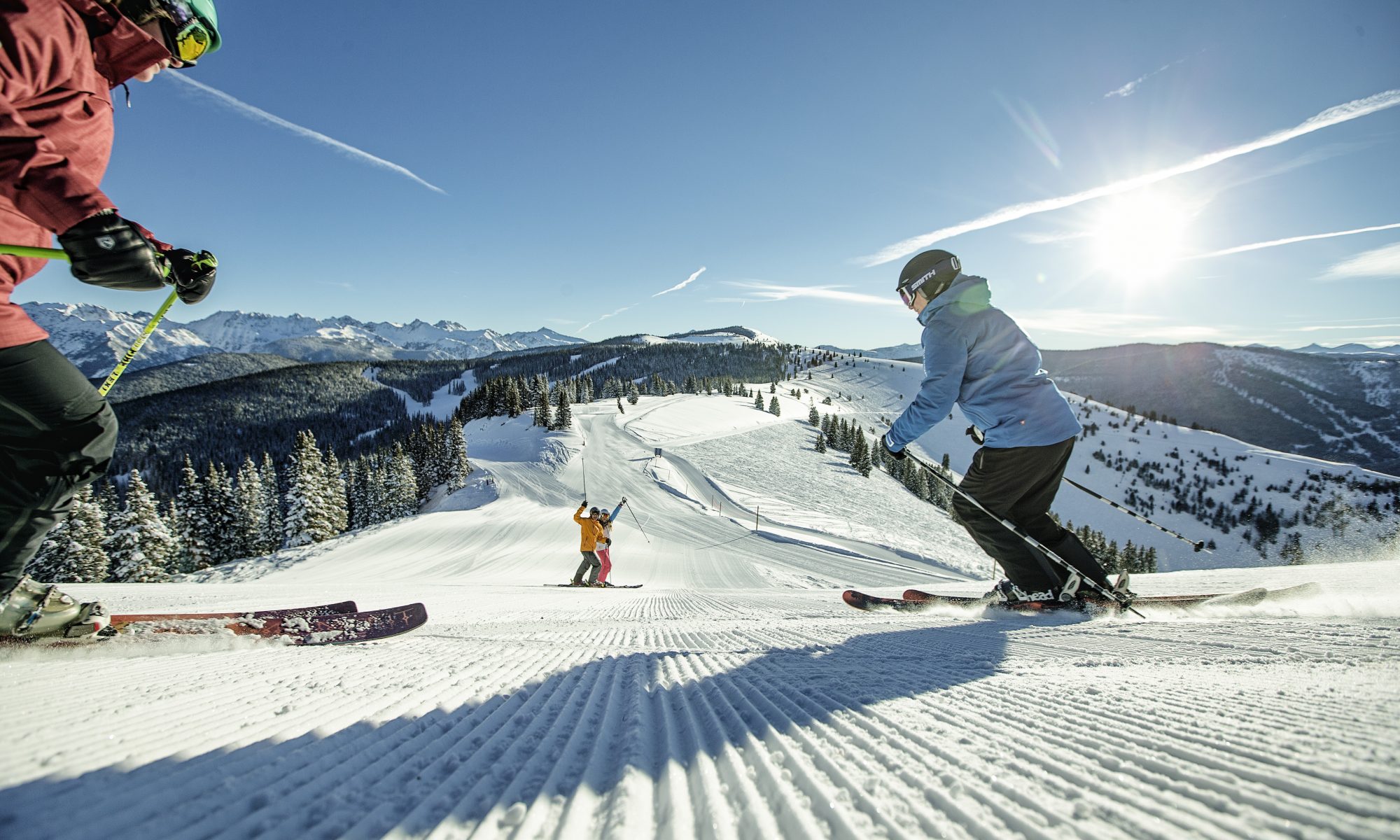
Friends Skiing Groomed Terrain in Vail, CO.. Photo: Daniel Milchev. Vail Resorts.

A recent filing showing that investment firm MSA Advisors sold its entire position in Vail Resorts may not be major news on its own. Institutional investors buy and sell shares every day. But in the context of the current ski industry landscape, the move raises broader questions about whether Wall Street is becoming more cautious about the future of the large destination ski resort model.

Over the past decade, Vail Resorts became one of the defining success stories of the modern ski industry. Through the growth of the Epic Pass, aggressive acquisitions, and expansion into Europe, the company transformed skiing into a subscription-style global business. Investors rewarded that strategy for years, helping turn Vail into one of the most valuable ski companies in the world.

But the environment facing ski resort operators in 2026 looks very different from the one that fuelled that expansion.

Continue reading “Are Investors Losing Faith in the Mega-Resort Ski Model?”

Future Mobility in Andorra: Why Grandvalira’s Next Big Challenge May Be Transport, Not Lifts

The prospective Tramvalira trail. Google Maps: DigitalAndorra.com

Andorra’s ski economy has long been built around access by road. Visitors arrive by car, coach or private transfer. Workers commute along narrow valley corridors. Skiers move between hotels, villages and lift bases by bus, taxi, shuttle or rental car. For years, that model has more or less worked because Andorra’s geography left few alternatives.

But the pressure is becoming harder to ignore.

After looking at why employee housing has become a global challenge for ski resorts, Andorra offers the next part of the same story: what happens when ski resorts, workers and visitors increasingly depend on mobility systems that were not designed for today’s scale of tourism?

The most visible sign of that shift is Tramvalira, the proposed tram-train connection between La Seu d’Urgell and Andorra. In February 2026, the Andorran and Catalan governments held the first pilot meeting for the project, which would study a public transport link between La Seu d’Urgell and Sant Julià de Lòria, connecting with Andorra’s planned internal tram system. The project has received €329,841.56 in European POCTEFA funding, covering around 45% of its current study phase. 

Continue reading “Future Mobility in Andorra: Why Grandvalira’s Next Big Challenge May Be Transport, Not Lifts”

Chamonix Invests in Snowmaking at La Flégère — But for How Long?

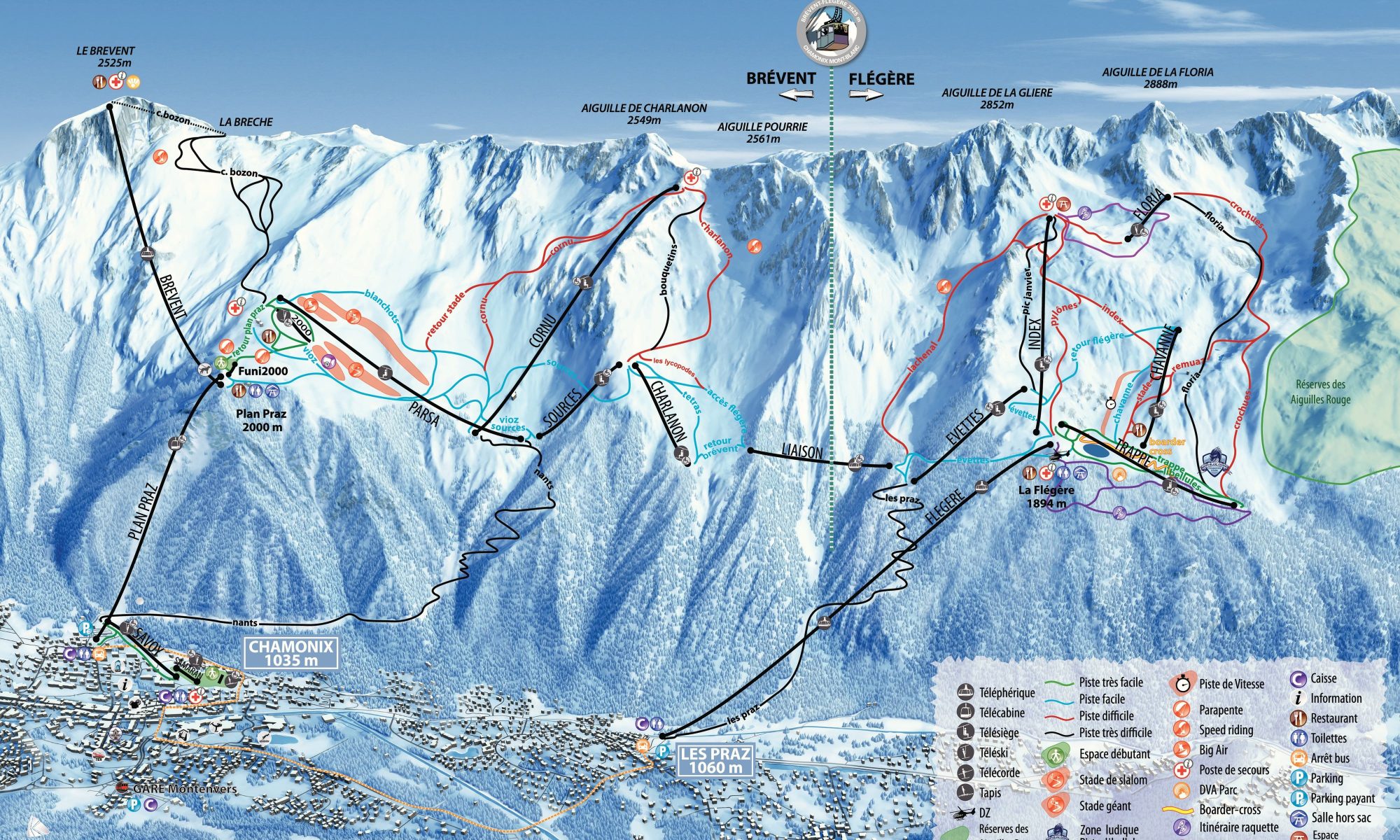
Skimap- Le Brévent. Flégère. Chamonix. Compagnie du Mont Blanc.

The future of Alpine snow is increasingly being measured not just in snowfall, but in water.

A recent report highlighted by MeteoWeb suggests that Italy could lose up to 60% of its mountain water reserves by 2070, as warming temperatures reduce the snowpack that traditionally acts as a natural storage system. Across the Alps, this shift is already visible, with earlier melt cycles, reduced accumulation, and growing variability between regions. These trends are already being observed on the ground, as explored in our analysis of snow conditions in a warming Alpine climate.

Against that backdrop, investment decisions being made today by ski resorts take on a different meaning. They are no longer simply about improving infrastructure. They are about how long the current model can realistically be sustained.

Continue reading “Chamonix Invests in Snowmaking at La Flégère — But for How Long?”

Mountain Planet 2026: Innovation, Infrastructure, and the Future of Mountain Tourism

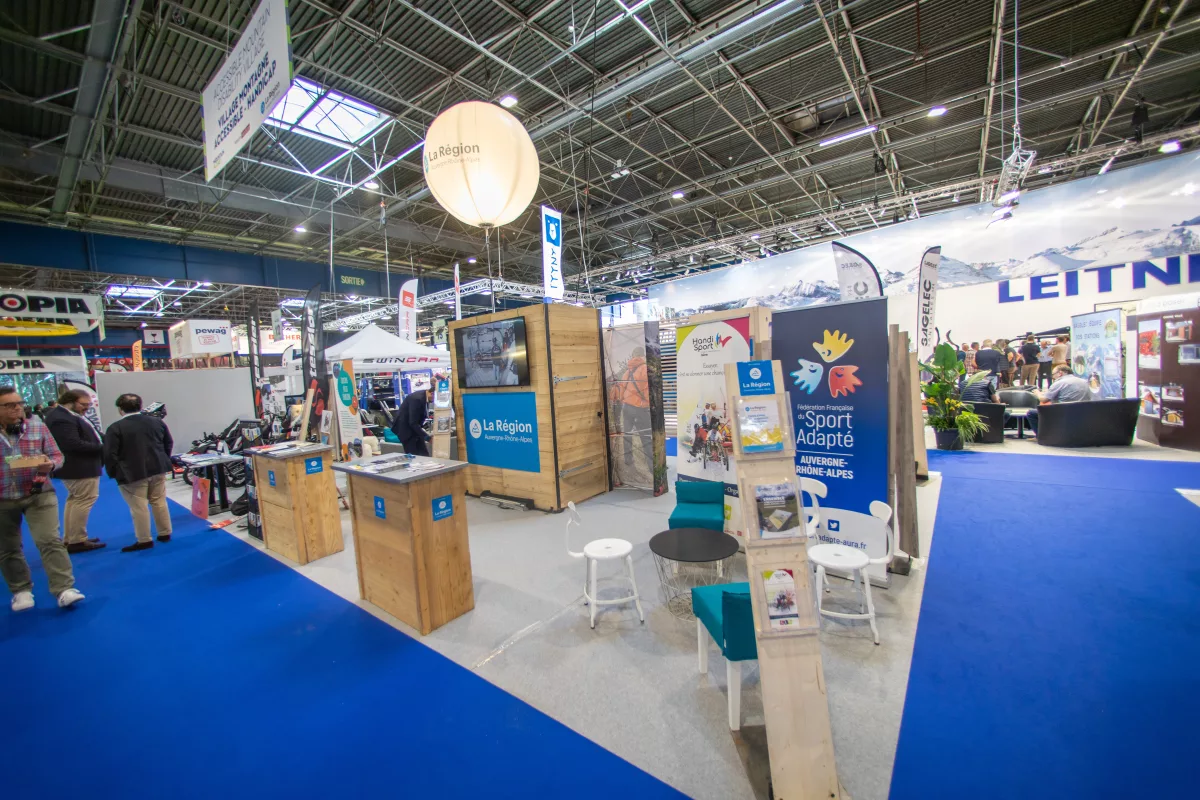
Mountain Planet 2026 show photo.

The 2026 edition of Mountain Planet 2026 has confirmed its position as one of the key global gatherings for the mountain industry, bringing together operators, manufacturers, policymakers and technology providers at a time when the sector is undergoing significant change.

Held in Grenoble, the event highlighted a clear shift in priorities across the industry. While innovation remains central, the focus is increasingly on resilience, energy transition, and the diversification of mountain tourism models.

This year’s edition recorded a 4.5% increase in visitors, underlining continued engagement from across the sector despite a winter season marked by uneven snow conditions in many regions.

Continue reading “Mountain Planet 2026: Innovation, Infrastructure, and the Future of Mountain Tourism”

Vail Resorts Visits Drop 14.9% — What It Reveals About Snow, Demand, and the Ski Industry Model

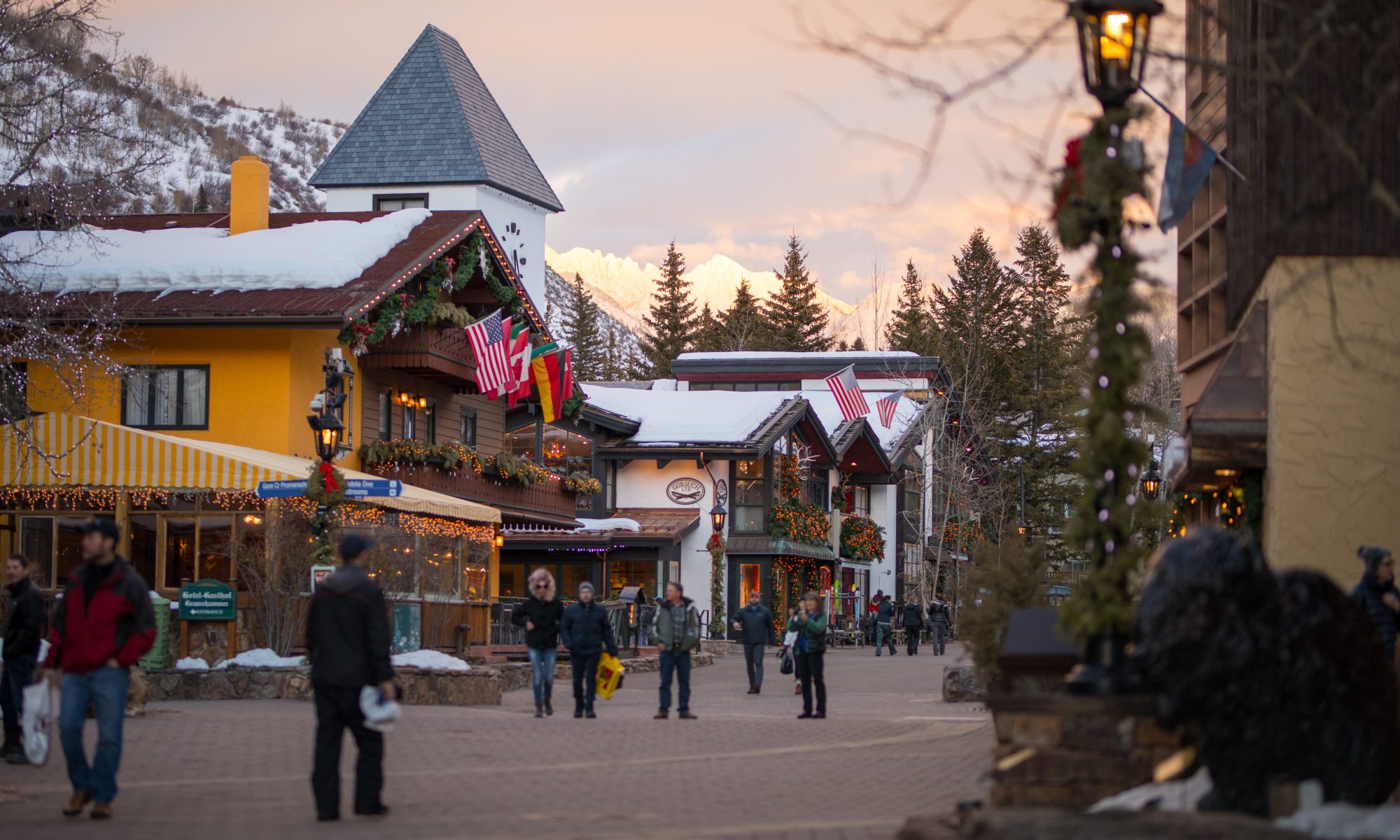
Vail's iconic village with the Gore Range Mountains capturing the sunset in Vail, CO. Photo: Craig Orsini. Vail Resorts. The Must-Read Guide to Vail.

Skier visits across Vail Resorts properties are down sharply this season, with new data confirming a Vail Resorts visits drop of 14.9% year-to-date. The figures, released as part of the company’s latest season metrics, point to one of the most challenging winters in recent years — but the implications go beyond a single bad season.

At a time when global skier visits have just reached record levels, the contrast is striking. While demand for skiing remains resilient overall, the underlying conditions that support it are becoming increasingly unstable.

Continue reading “Vail Resorts Visits Drop 14.9% — What It Reveals About Snow, Demand, and the Ski Industry Model”

The Future of Ski Resorts: What the 2026 Mountain Planet’s Innovation Book Reveals

The Future of Ski Resorts: What the 2026 Mountain Planet's Innovation Book Reveals

The latest edition of the Innovation Book, released alongside the Mountain Planet trade show, offers a detailed snapshot of how the ski industry is attempting to adapt to a rapidly changing environment. Rather than simply showcasing new products, it provides insight into the direction of travel for ski resorts facing increasing pressure from climate variability, operational costs and shifting visitor expectations.

What emerges is not a single breakthrough, but a pattern. Across snowmaking, infrastructure, digital systems and mobility, the focus is on optimisation, efficiency and resilience rather than expansion.

Snowmaking Becomes Precision Infrastructure

One of the clearest themes running through the Innovation Book is the continued evolution of snowmaking. The emphasis is no longer on producing more snow, but on producing it more efficiently, using less water and energy while adapting to narrower temperature windows.

This reflects a structural shift already visible across the Alps. Resorts are increasingly dependent on artificial snow not as a supplement, but as a core layer of their operating model. The innovations presented focus on automation, real-time monitoring and improved targeting of snow production, allowing operators to respond quickly to changing conditions.

👉 You can read more about the broader context in Snow Conditions in a Warming Alpine Climate 

Digitalisation Moves to the Core of Operations

Another dominant trend is the integration of digital tools into daily resort management. From predictive maintenance of lift systems to data-driven crowd management and real-time operational dashboards, resorts are becoming increasingly reliant on data.

Continue reading “The Future of Ski Resorts: What the 2026 Mountain Planet’s Innovation Book Reveals”

Marmot Basin Road Closure Forces Access Detour in Jasper National Park

Photo: Ski Marmot Basin.

Introduction

A Marmot Basin road closure has forced a change in access routes after authorities shut part of Wabasso Road (93A) in Jasper National Park due to debris and mud on the roadway.

Access to Marmot Basin remains open, but from Sunday April 5 visitors and staff have been directed to approach via Athabasca Falls and Highway 93A using a signed detour.

Similar spring disruptions linked to unstable ground and snowmelt have also been observed in Alpine regions in recent seasons, underlining how sensitive mountain access infrastructure can be at this time of year.


What Has Been Closed

According to a public notice issued by Parks Canada, the Marmot Basin road closure affects the north end of Wabasso Road (93A) between Highway 93 and Marmot Basin Road.

Continue reading “Marmot Basin Road Closure Forces Access Detour in Jasper National Park”

Private Ski Facility Approved in Nevada — But It’s Not a New Resort

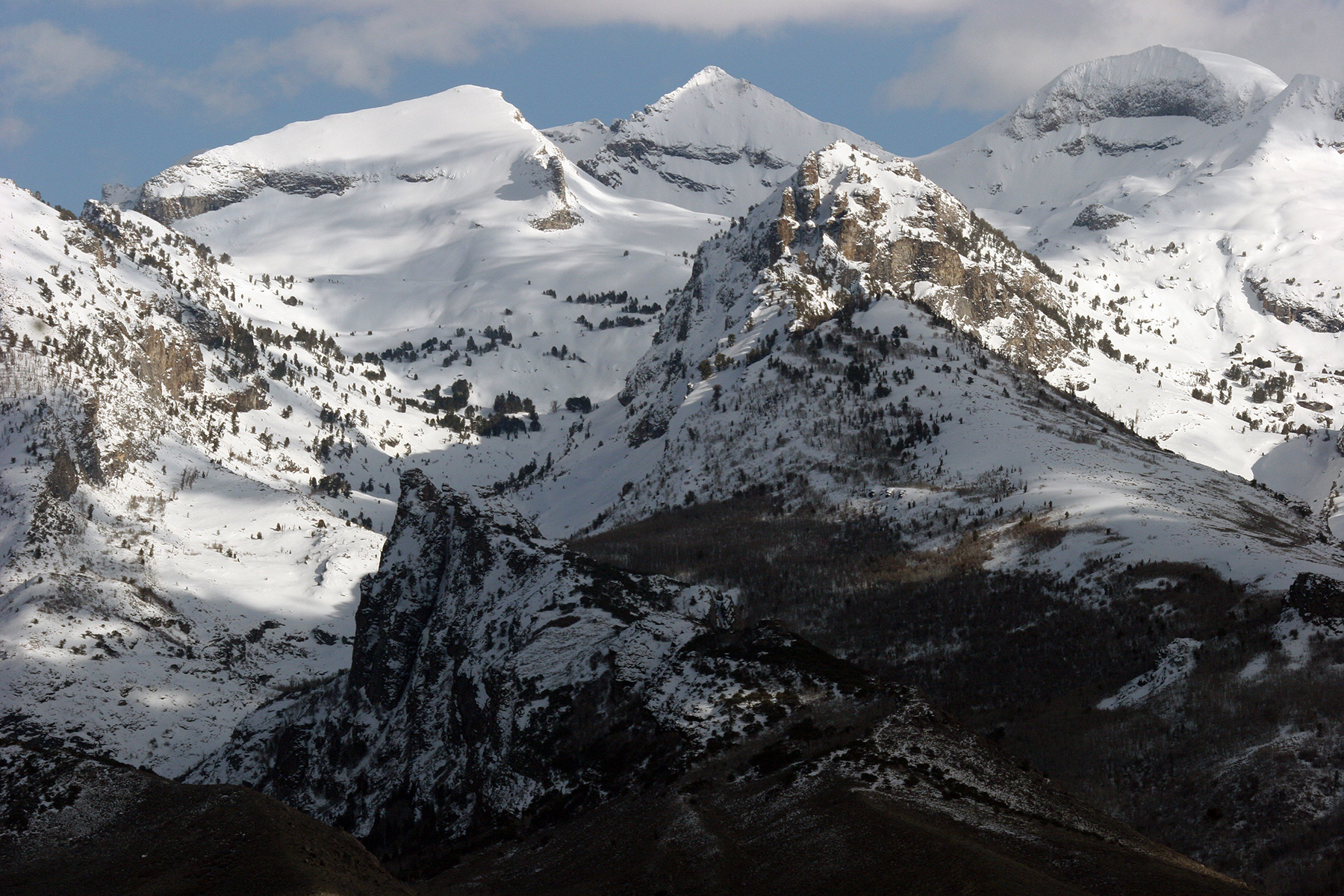
Ruby Mountains with Ruby Dome. Photo: Gary L Clark. Wikipedia.org. Ruby Mountains Ski Project: Private Facility Approved, Not a Resort.

A Private Ski Facility — Not a Public Resort

A ski development in Nevada’s Ruby Mountains is once again in focus following a recent planning decision — offering an interesting contrast with the Alps, where building entirely new ski areas has become increasingly difficult.

According to The Nevada Independent, local authorities have approved a conditional use permit for a small, private ski facility on privately owned land. While that may sound like a green light for a new resort, the reality is more nuanced.

This is not a public ski area and not a destination resort. Instead, it represents a scaled-back, private project, very different from earlier proposals. The decision also remains subject to appeal, meaning the project is not yet fully secured.

Continue reading “Private Ski Facility Approved in Nevada — But It’s Not a New Resort”

Investment as “Multi-Risk Insurance”: How Ski Resorts Are Reinventing Infrastructure Across the Alps and North America

A chairlift in Grandvalira full of snow. Photo Grandvalira. Grandvalira, Pal Arinsal and Ordino Arcalis have opened thanks to the latest snowstorm.

The global ski industry is entering a new phase of infrastructure investment. Across the Alps and North America, ski resort investment is accelerating as operators modernise lifts, expand snowmaking systems and adopt new digital technologies.

While modernisation has always been part of the ski resort business model, the nature of investment is changing. Resorts are no longer investing solely to improve comfort or capacity. Increasingly, infrastructure spending is designed to manage a combination of risks: climate variability, visitor flow management, regulatory pressure and rising operating costs.

In France, where investment data is closely monitored through an industry barometer conducted by Montagne Leaders in partnership with Atout France and Domaines Skiables de France (DSF), ski areas invested €555 million in 2025, roughly 32% of pre-tax turnover. This level of reinvestment is significantly above the long-term average and illustrates the structural importance of infrastructure investment in mountain economies.

Across the Alpine region and North America, similar patterns are emerging.

Continue reading “Investment as “Multi-Risk Insurance”: How Ski Resorts Are Reinventing Infrastructure Across the Alps and North America”

Milano–Cortina 2026 Paralympics: The Alpine Infrastructure Test Behind the Competition

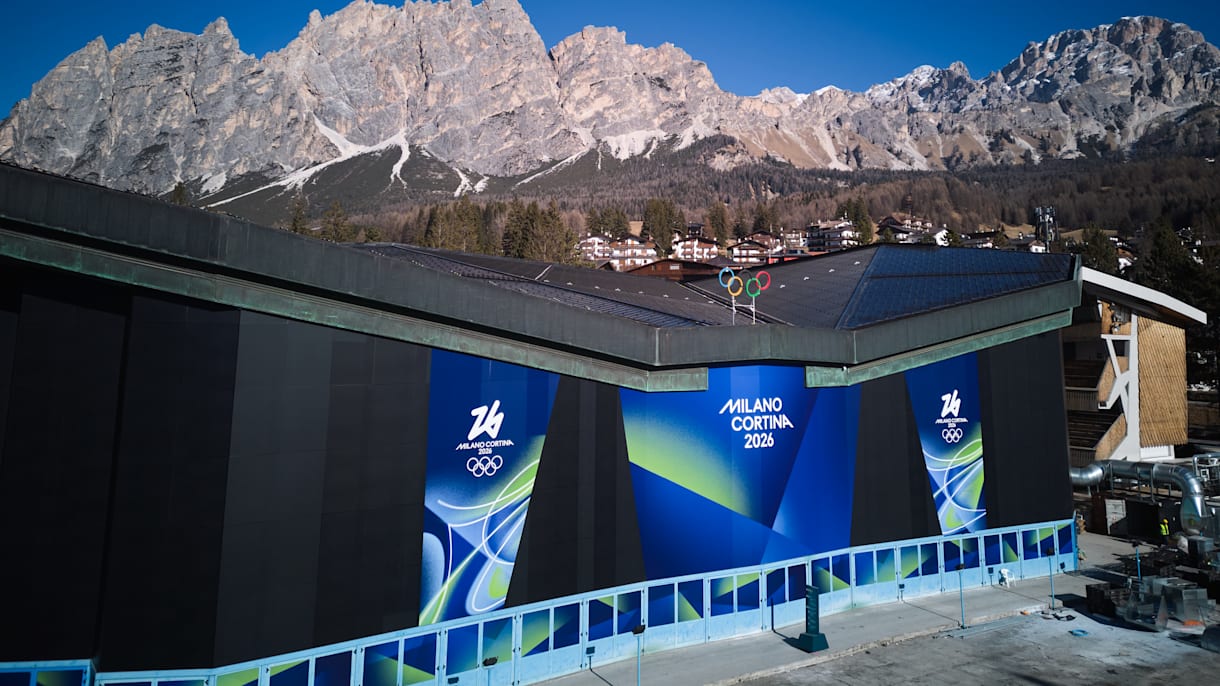
Milano Cortina Paralympics photo.

By The-Ski-Guru | March 2026

When the Paralympic Winter Games arrive in Italy, coverage will rightly focus on athletes and competition.

Yet in alpine terrain, another test unfolds quietly in parallel.

Hosting the Milano Cortina 2026 Winter Paralympics is not simply about staging races. It is a large-scale assessment of whether mountain infrastructure in the Alps — developed over decades around traditional ski tourism — can operate effectively, safely and inclusively under different mobility realities.

Unlike indoor arenas or urban venues, alpine resorts function within environmental constraints. Snow conditions evolve daily. Wind affects lift systems. Roads narrow under winter pressure. Vertical circulation is inherent, not optional.

Accessibility here is not a design layer added at the end. It interacts with terrain itself.

Continue reading “Milano–Cortina 2026 Paralympics: The Alpine Infrastructure Test Behind the Competition”