Cortina 2021 FIS Alpine World Ski Championships to go ahead.
Cortina 2021 FIS Alpine World Ski Championships are set to go ahead. Dates will be 7th to 21st February 2021 as planned.
The FIS have decided to go ahead after seeing CONI and FISI gave the ISF their assessment. This assessment showed the financial impact of Covid-19 to the local area. The area risks not being able to enjoy the event to the full but will host it in the best way possible.
This article may contain affiliate/compensated links. For full information, please see our disclaimer here.
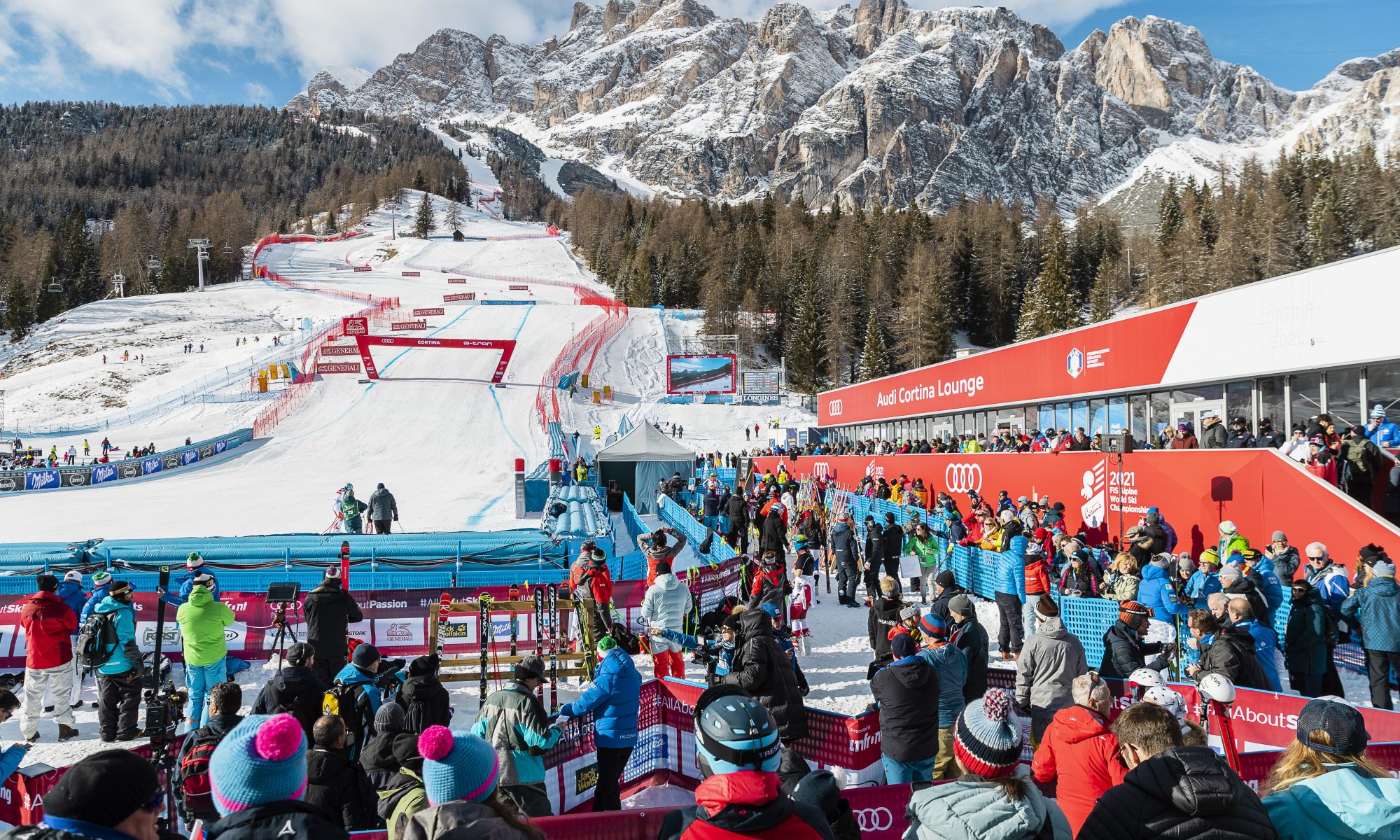
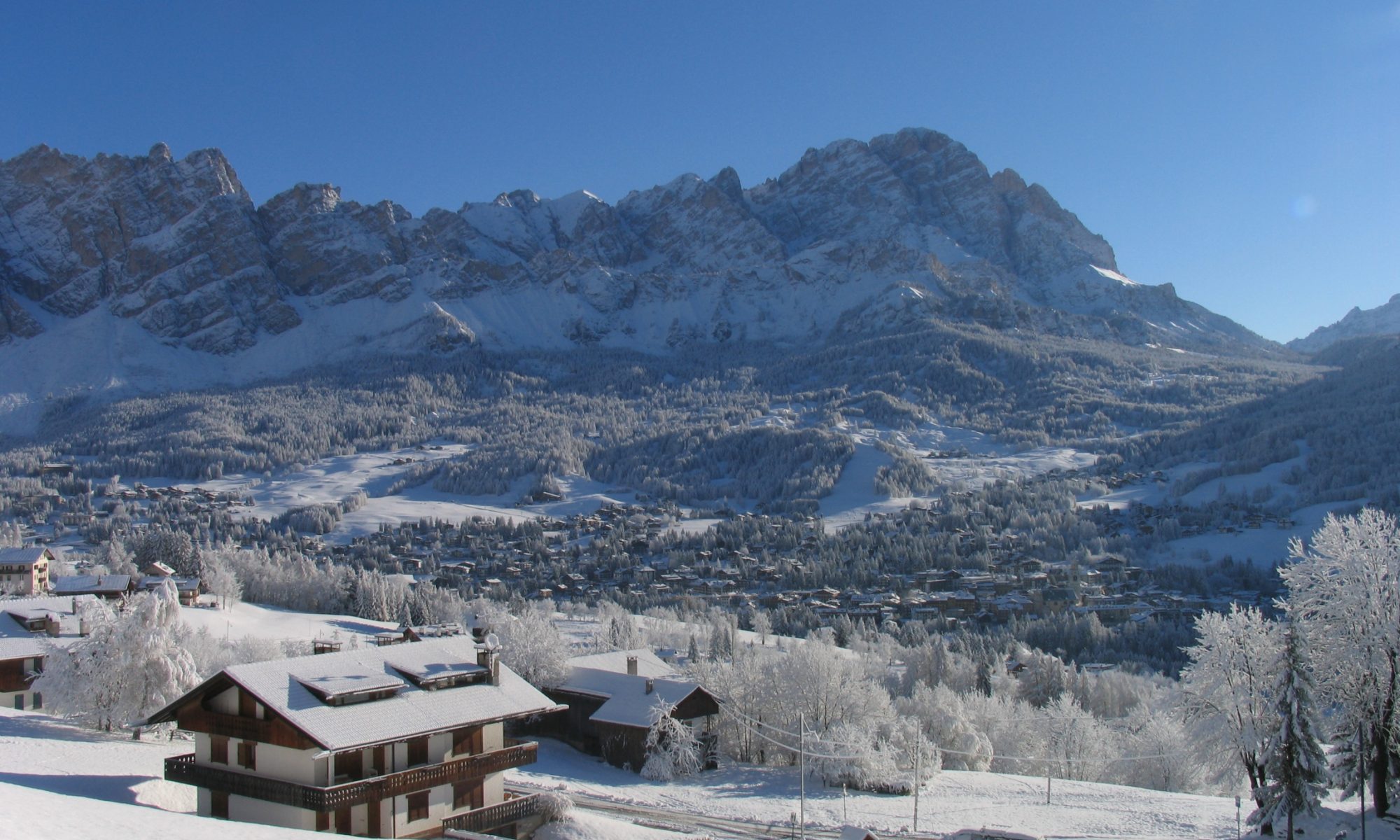
Ski Tofana. Credits: Ute Dandrea. Cortina d’Ampezzo. Cortina 2021 FIS Alpine World Ski Championships to go ahead.
The Infrastructure for Cortina 2021 FIS Alpine World Ski Championships.
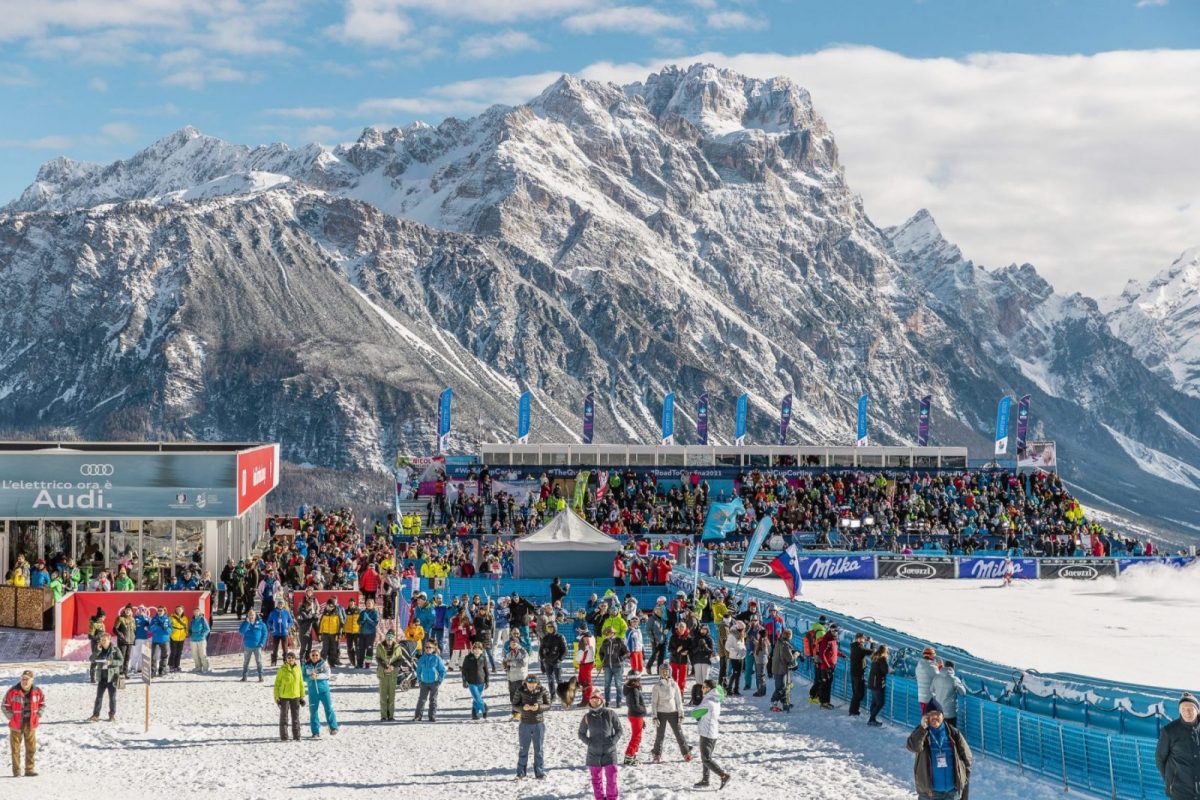
The majority of the infrastructures projects for Cortina 2021 are at the Tofana ski area. This is where the competitions will take place.
The area has completed slopes on the pistes Olympia, Vertigine and Druscié A.
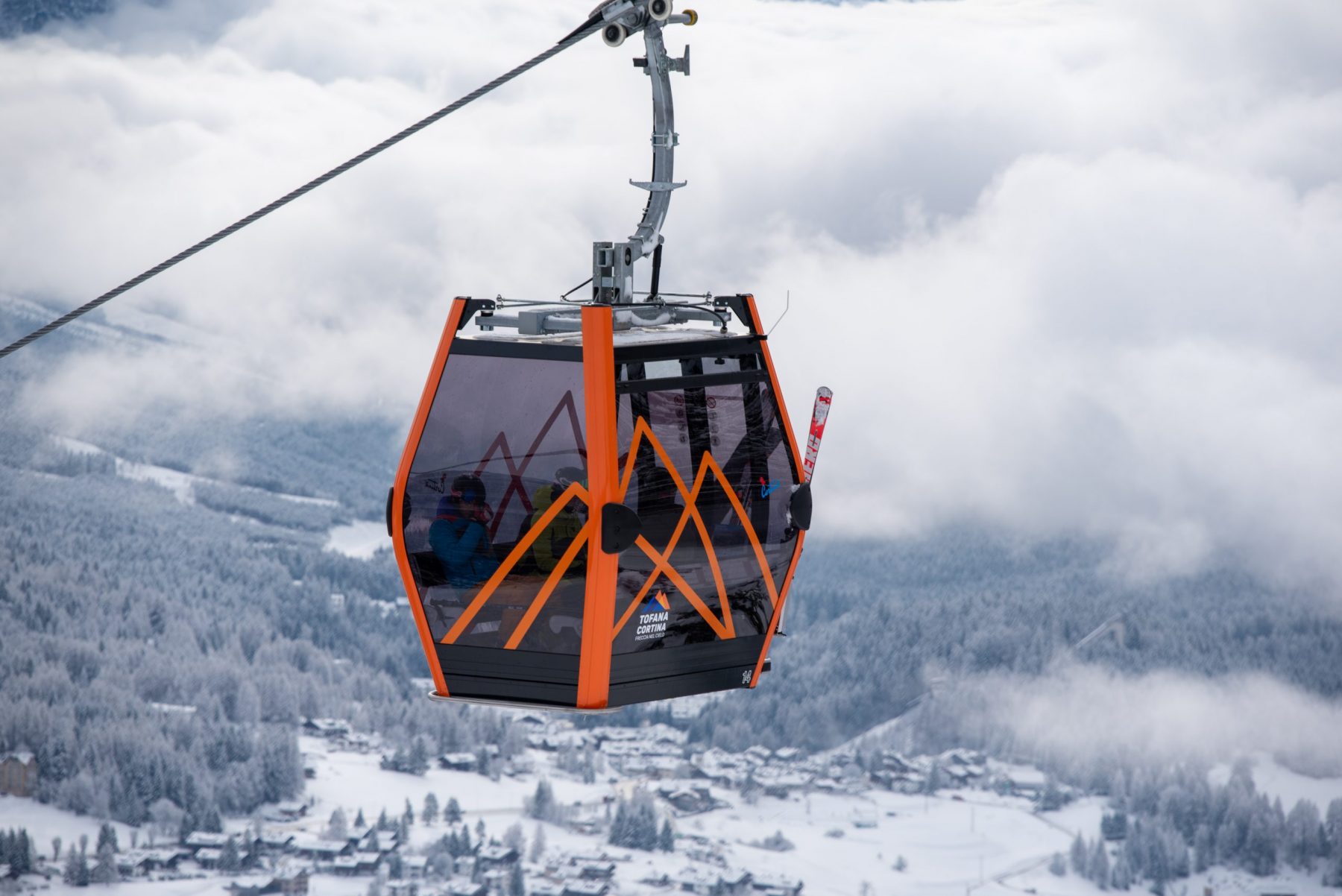
Lino Lacedelli is a new slope built in the Cinque Torri area. This is the first Italian slope dedicated to training sessions and competitions. The slope has all safety features for doing so. The building of the new cable car has finished – Cortina – Col Drusciè “Freccia nel cielo”. This project counted with public and private investment.
Tofana. ISTA. www.bandion.it. Cortina Marketing. Cortina 2021 FIS Alpine World Ski Championships to go ahead.
Planning your summer in the mountains of Alta Badia
Alta Badia is in the province of Sudtirol . It is composed of five villages: Badia, La Villa, San Casiano, Corvara and Colfosco. Alta Badia is a great starting point if you want to go around the Sella Ronda. The Sella Ronda is a circuit that goes around the Sella massif. Now is the time to start planning your summer in the mountains of Alta Badia.
This article may contain affiliate/compensated links. For full information, please see our disclaimer here.
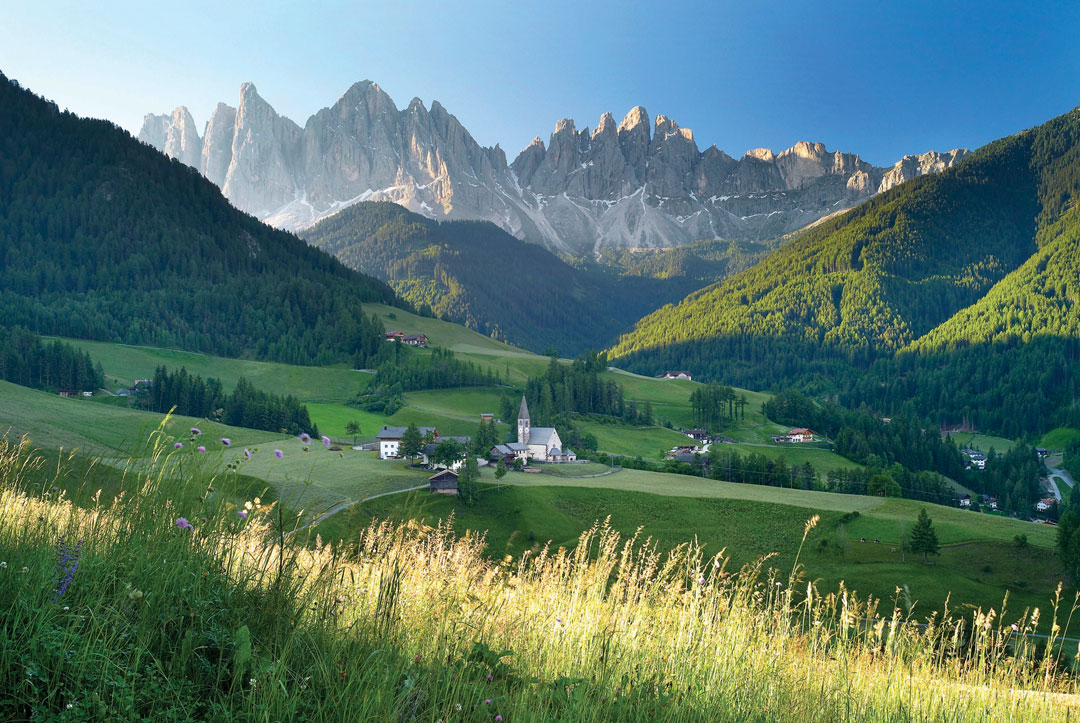
The Sassongher. Photo by Paola Finali. Alta Badia Tourism Board. Planning your summer in the mountains of Alta Badia.
How to get to Alta Badia- Planning your summer in the mountains of Alta Badia.
By Plane
Arrive in Innsbruck, Verona, Venice, Bergamo, or if not Milano Linate or Malpensa. Then drive to the route del Brennero north and get off. From Innsbruck drive south to the Brenner Pass. Soon after passing it, you’ll find directions to Alta Badia on the east of the route del Brennero.
By Car
From Austria: Drive south to the Brenner Pass. When you pass it, follow the route del Brennero, and you’ll find the exit to Alta Badia which will lie to your left.
From Verona, drive north to the Route del Brennero. Before arriving into the crossing with Austria, you’ll be able to turn right to Alta Badia.
4 Peaks by Alex Moling. Alta Badia Tourism Board. Alta Badia offers you lots of hiking trails amidst pastures at altitude. Planning your summer in the mountains of Alta Badia.
Summer season in Alta Badia. Planning your summer in the mountains of Alta Badia.
Alta Badia will open lifts on the 27th June and close on 27th September. The Gardenaccia lift will close one week later, on 4th October.
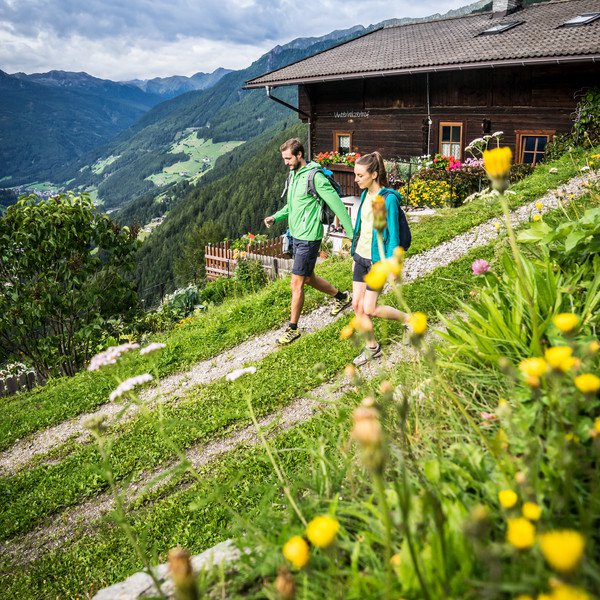
Hiking in Alta Badia. Photo by Alex Moling. Alta Badia Tourism Board. Planning your summer in the mountains of Alta Badia.
The Alta Badia Summer Card. Planning your summer in the mountains of Alta Badia.
The Alta Badia Summer Card includes use of all the lifts in the region. The price starts at EUR 54 per adult and EUR 28 per child (8-18 years old). Under 8ts go free. A three out of four days start at EUR 68 per adult and EUR 48 per child for a five out of seven days.
E-Biking excursions at 2,000 metres. Planning your summer in the mountains of Alta Badia.
If using a push bike is not your thing, you can ride the lifts up and enjoy lots of adrenaline coming down. More on this later. But also, you can hire an e-bike on the Piz Sorega, Piz La Ila or Col Alto plateau, and enjoy an easier ride. Or rent any bike in town and take them up on the lifts! Those not wanting to do much exercise, might enjoy this option. They will be able to ride with amazing views of the Dolomites.
If you like trekking in the mountains, you would love to do this ultra-trekking. The Cortina Dolomiti Ultra Trekking. What does it entail?
All in all, 132 km and more than 6,700 vertical drop. The Cortina Dolomiti Ultra Trekking is a trek of 7 days/6 nights. You stay in mountain lodges and traditional malga mountain huts. This is a great way to see the Dolomites and taste their amazing local produce.
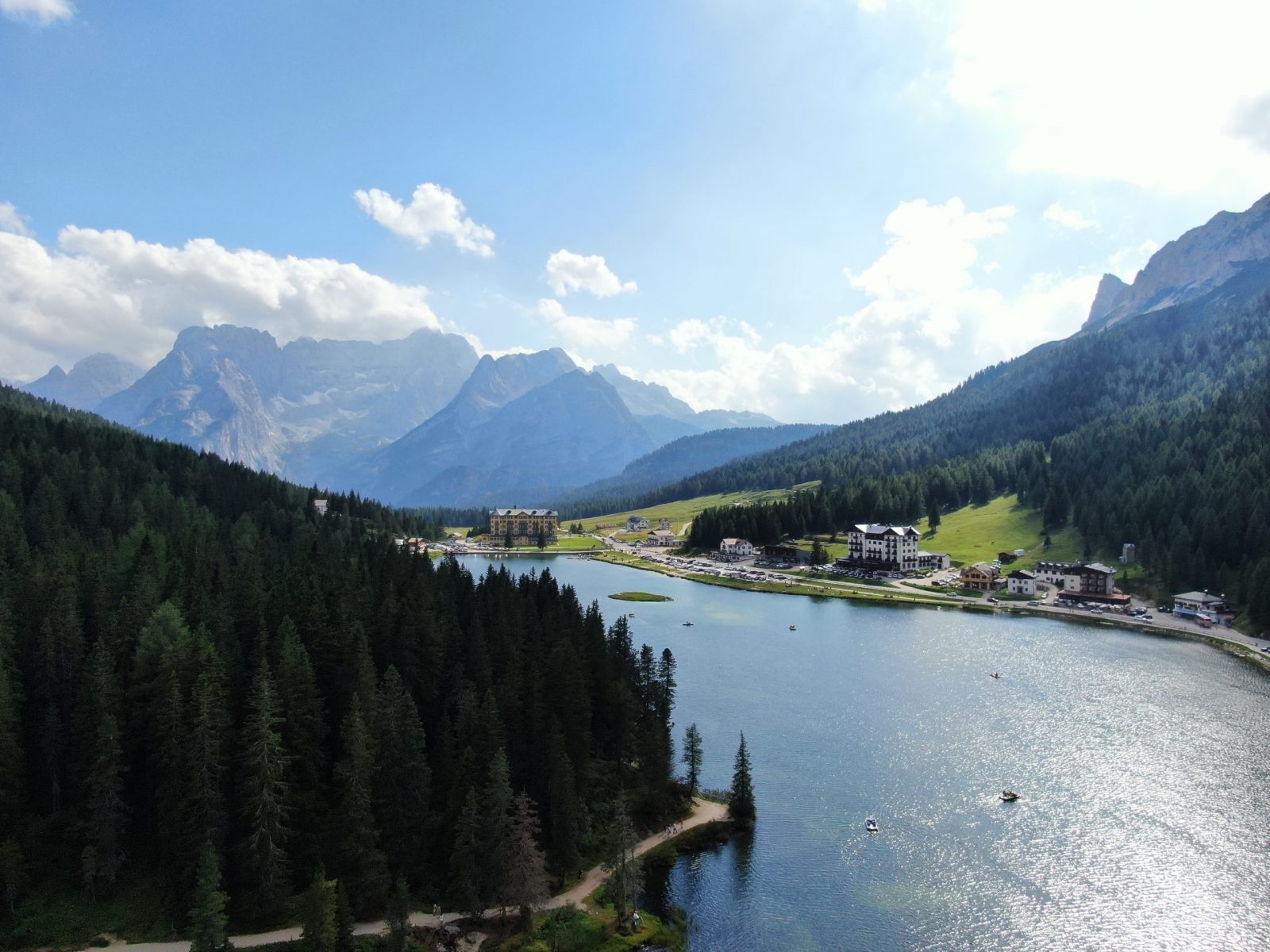
Lago Misurina. Credits: Pietro Albarelli. Cortina Dolomiti Ultra Trekking.
This article may contain affiliate/compensated links. For full information, please see our disclaimer here.
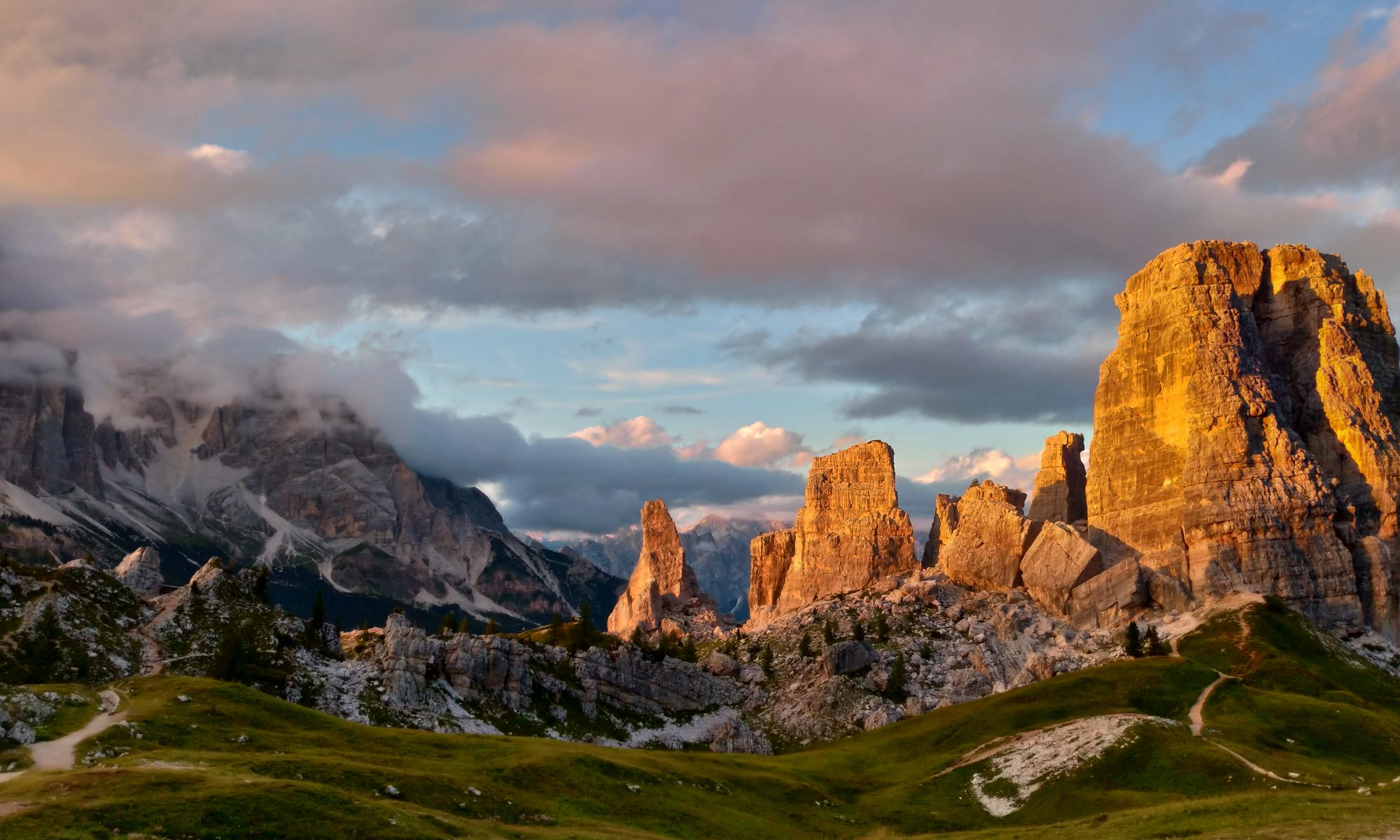
The idea of this trek is to find some hidden locations around Cortina. You will experience the Dolomites, going from hut to hut, amongst forests, rivers and lakes. You will be able to see malga mountain huts, and traditional Ladin villages. And the peaks! Peaks here are amazing! The Enrosadira is an effect that make you see the mountains with pink hues in the alpenglow. This is due to the large quantities of calcium and magnesium carbonates in the Dolomites.
Rifugio Città di Carpi. Credits: Pietro Albarelli. Cortina Dolomiti Ultra Trekking.
Stage 1 – From Cortina d’Ampezzo to Rifugio Son Forca
Starting point: Piazza Angelo Dibona, at the foot of the Cortina bell tower. Follow Via del Castello (which starts at the end of the pedestrian road). Go on till you reach the intersection with the road leading to the hamlet Cadin on the left of the state road. After crossing the state road, go uphill towards Cadin. Pass the Village’s church and reach the end of the village of Cadin di Sopra. There take the CAI track number 410, which leads to Lago Ghedina.
You need to have refreshments/water with you, as there will be nowhere to get anything for about 3 or 4 hours.
Lago Ghedina. Credits: PIetro Albarelli. Cortina Marketing. Cortina Dolomiti Ultra Trekking.
Take track number 409 till you reach Posporcora Pass. Then go downhill on track number 408. Keep on until you reach the intersection with track number 417 to Pian da Ra Spines. You have to go on until San’t Uberto car park. From there you take the path leading to the cycle path that brings you to Rifugio Ospitale. This was a welcoming venue that once hosted the pilgrims on the way to Santiago di Compostela.
Then continue for about 7 km, with a total ascent of 700 m, on track n° 203, along the Padeon valley. Spend the night at the mountain lodge Rifugio Son Forca, on mount Cristallo.
Stage 2 – From Rifugio Son Forca to Rifugio Città di Carpi
The second day starts at the mountain lodge Rifugio Son Forca: follow track 203 to the Tre Croci Pass. Cross the state road on the pass and follow track 215. Keep on going until you reach the beautiful Lake Sorapis and the Rifugio Vandelli. Here there is an exposed road on places, so be careful. Once there you can either spend the night at Rifugio Vandelli or carry on. You can go towards Federavecchia on track 217, through the enchanting Somadida forest. Once in Federavechia, cross the road and take track 120. This will bring you to the Rifugio Città di Capri, where you can stay overnight.
Cortina d’Ampezzo is ready for a new summer season
Cortina d’Ampezzo is ready to open this summer season. Tourist lodgings, eateries and attractions are working on a safe and relaxing summer. The Dolomites is a great destination to enjoy and relax on spectacular settings.
This article may contain affiliate/compensated links. For full information, please see our disclaimer here.
The Lagazuoi cable car. Photo: Nicolò Rinaldi- @nclrnld. Cortina Marketing. Cortina d’Ampezzo is ready for a new summer season.
Italian borders have opened on June 3rd and Cortina is waiting new guests with open arms. The Lagazuoi cable car has opened on 30th May. Hikers and sightseers can access the top of Mount Lagazuoi to enjoy the vistas. In June the lifts of 5 Torri, Tofane and Cristallo will follow, and in July the Faloria will reopen. (See all dates here).
Some mountain lodges, hotels, restaurants and shops are already opened. Many others will do so in June. There are guidelines and regulations laid for safety in all types of situations.
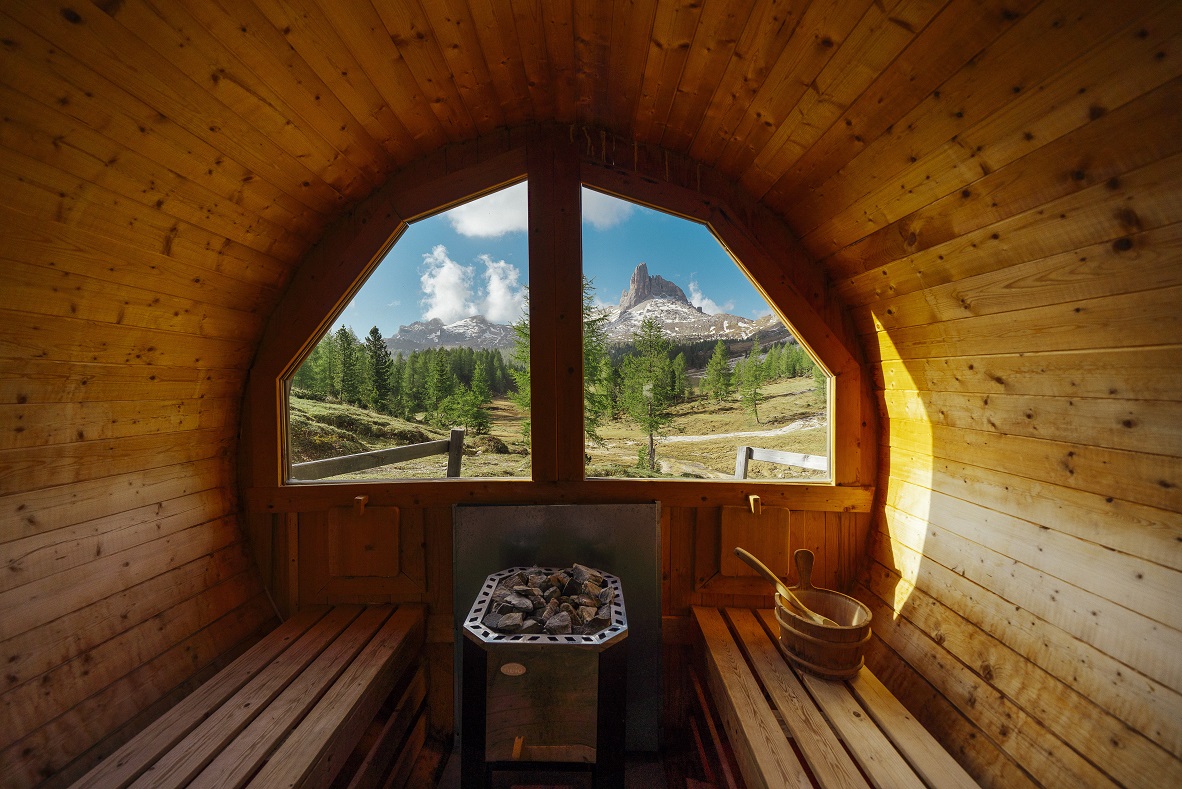
Imagine being yourself here…. I can dream of it… Sauna Croda da Lago. Photo: www.bandion.it. Cortina Marketing. Cortina d’Ampezzo is ready for a new summer season.
A Must-Read Guide to Summer in South Tyrol – Sudtirol.
South Tyrol (or Sudtirol) is open for visitors this summer. On June 3rd, borders will start opening for regional tourism within the EU and Schengen countries (all depending on Covid-19 cases keep on being down), so, I’ve thought I could put together a Must-Read Guide to Summer in South Tyrol.
This article may contain affiliate/compensated links. For full information, please see our disclaimer here.
South Tyrol is the northernmost province in Italy, bordering the Tirol and Östirol regions in Austria. Actually, it used to be part of the Austrian-Hungarian empire as part of the Tirol region (it was actually called Mittletirol). It changed hands to Italy after the defeat of the central powers on WWI in 1918.
How to get to South Tyrol
Fly to Innsbruck in Austria or Verona in Italy. If not, you have the options of Bozen/Bolzano airport, that is a smaller regional airport, or Bergamo, Venezia, Milano Linate, Milano Malpensa or Munich.
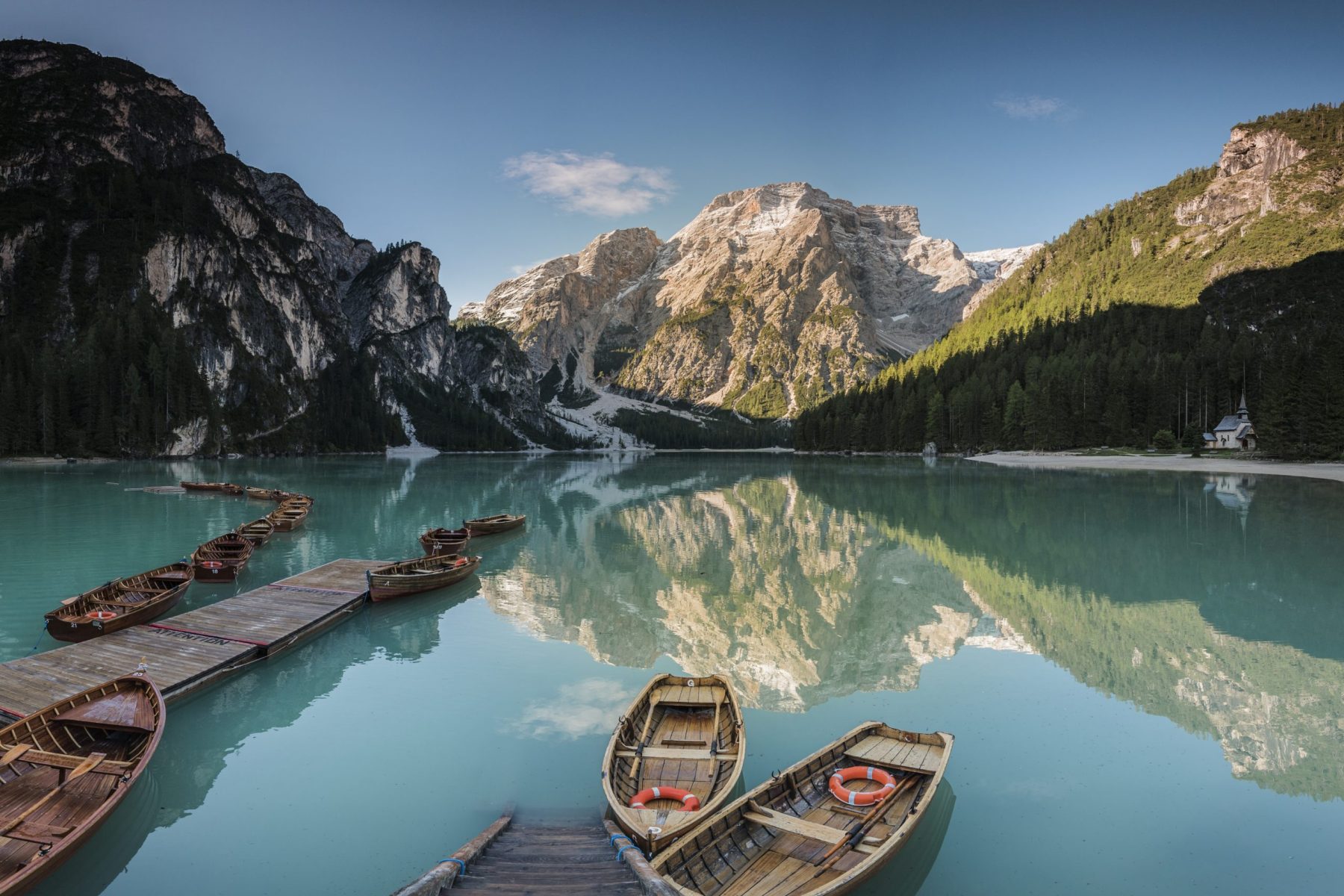
.Copyright: IDM South Tyrol / Harald Wisthaler. Rowing boats at the Lago di Braies Nature Park, one of the most beautiful lakes I’ve seen in my life, worth a visit and a walk around the lake, which is easy for anybody! A Must-Read Guide to Summer in South Tyrol.
Driving to South Tyrol
Coming from Austria, just pass Innsbruck and take the Brenner Pass, and you’ll be there. From Verona, go up the Brenner Motorway (A22 Autostrada del Brennero) and drive north. South Tyrol is part of the Trentino Alto Adige province, located in the northern side (the Alto Adige side).
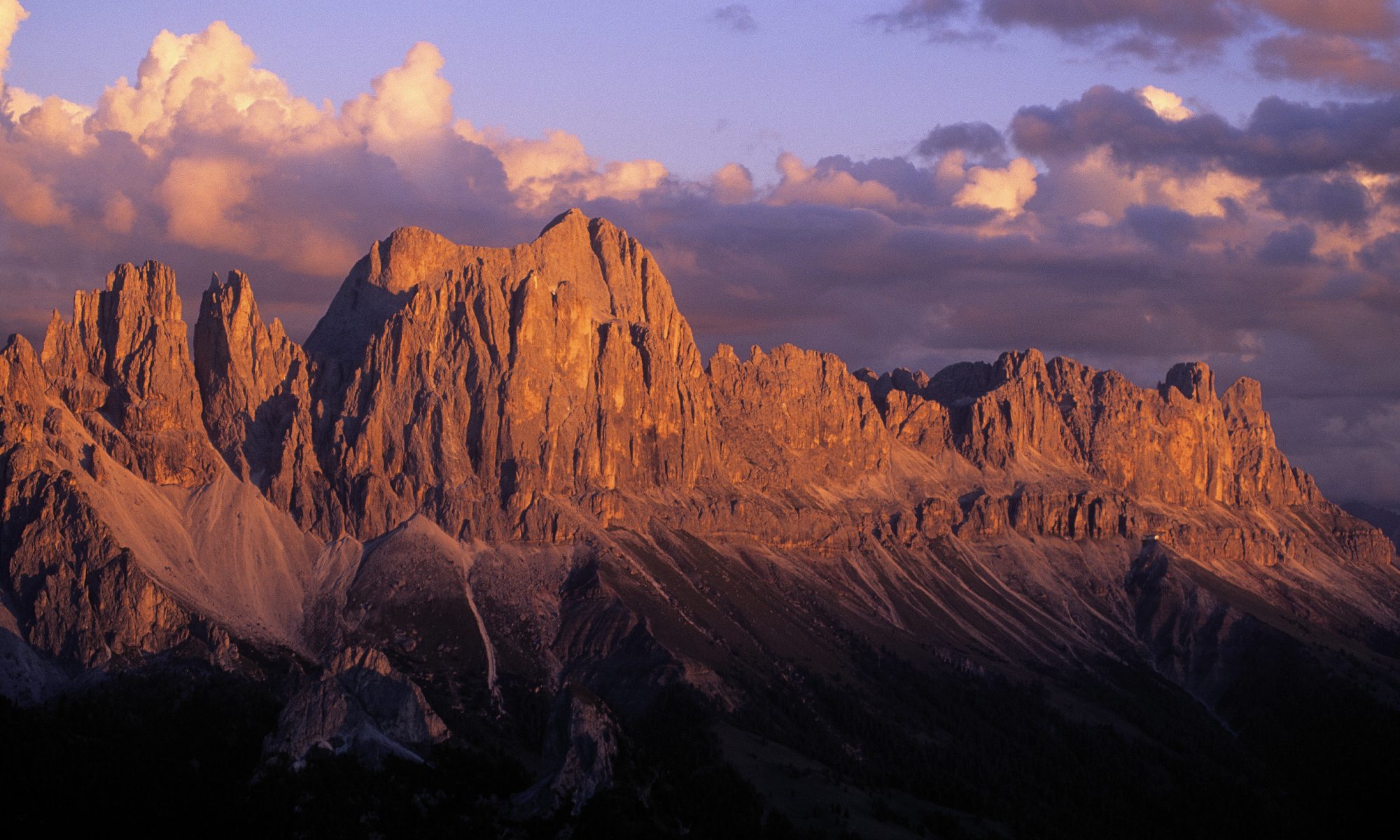
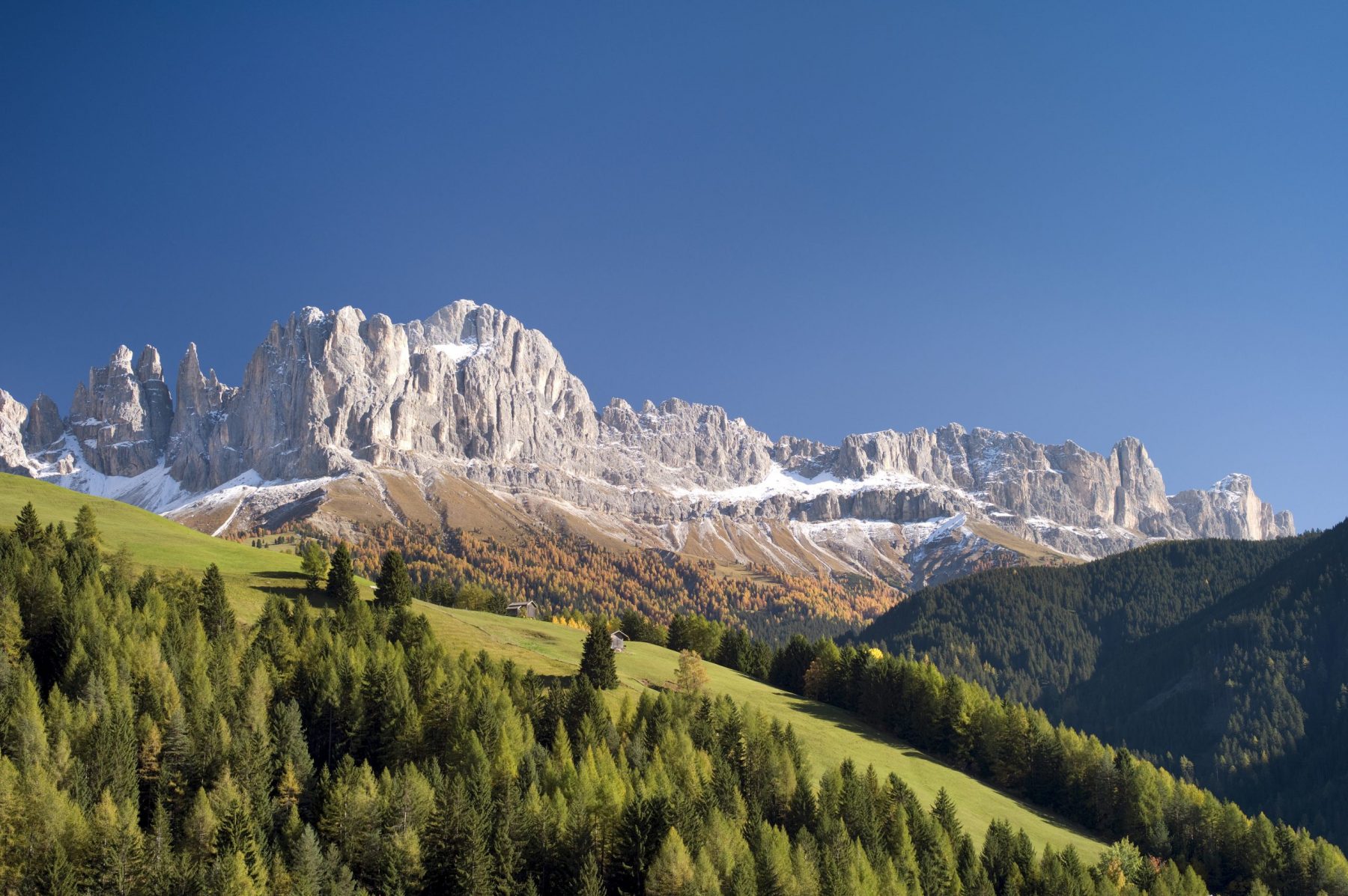
Copyright: IDM South Tyrol / Clemens Zahn. From St. Zyprian in Eggental there is an impressive view of the rose garden, here against a clear blue sky. A Must-Read Guide to Summer in South Tyrol.
Languages in South Tyrol
70% German, 25% Italian and 5% Ladin. The Ladin is a mountain language, what is considered a Romansh language spoken in the Dolomite valleys of Val Gardena and Alta Badia.
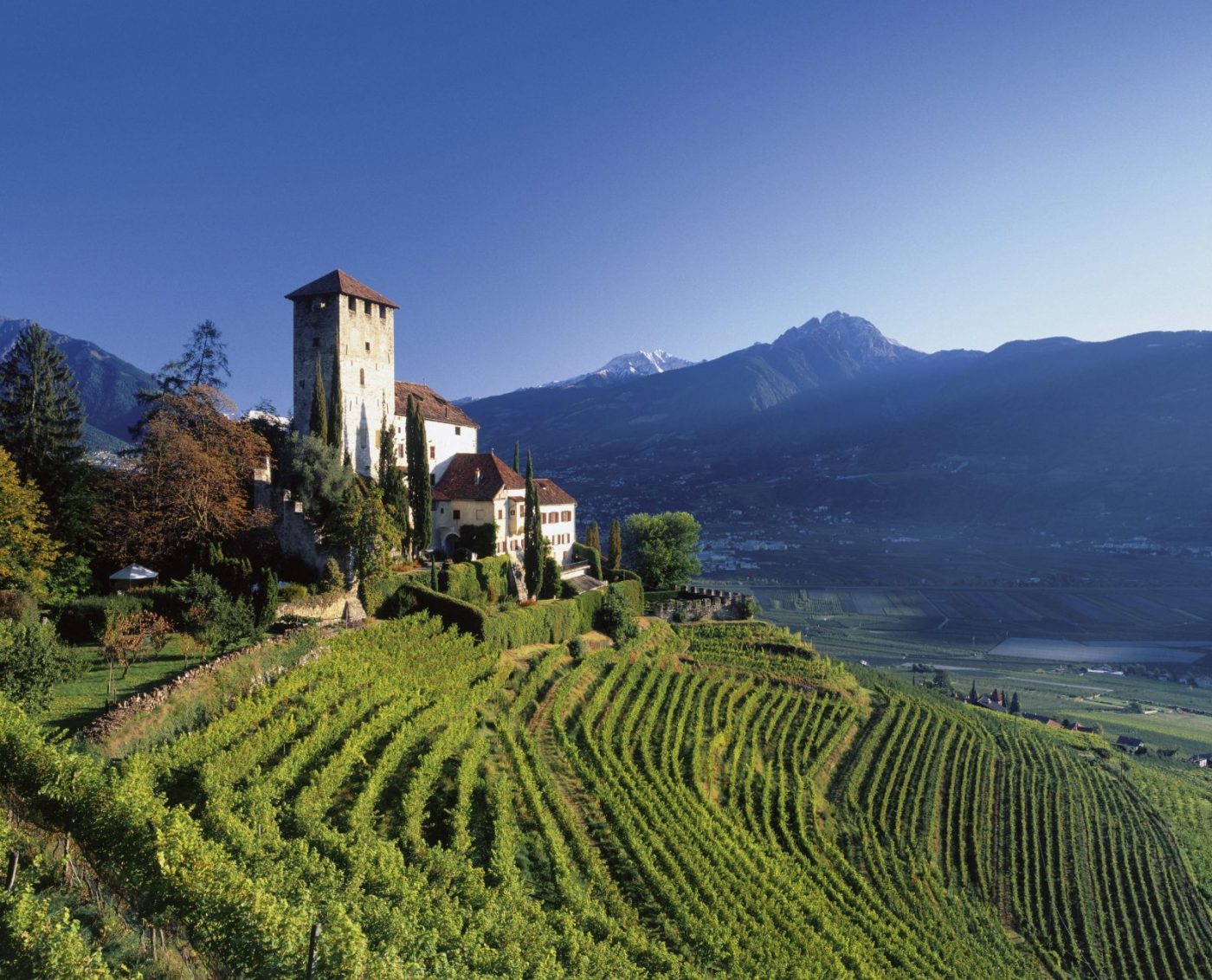
Photo: IDM South Tyrol / Clemens Zahn. Autumn is colorful in the Meraner Land, like here at Lebenberg Castle above Tscherms, where thanksgiving is celebrated. A Must-Read Guide to Summer in South Tyrol.
What to do in South Tyrol in the Summer.
Go to the area of Kronplatz and Brunico.
Kronplatz is a mountain in the border of what is Dolomites and Alps. The mountain itself has a shape of a Panettone with a punch in the middle. It is a very interesting mountain, which is connected with four villages around and lifts to each one on each sides.
Kronplatz in the summer. Photo: Kronplatz. A Must-Read Guide to Summer in South Tyrol.
Kronplatz is not only interesting for skiing in winter or hiking and mountain biking in the summerr. There is a good reason to go to the top of the mountain all year round, even if you don’t ski, ride, hike or bike! It is the only mountain, that I know of, with two really grand museums on its peak! These museums are Lumen Museum and MMM Corones.
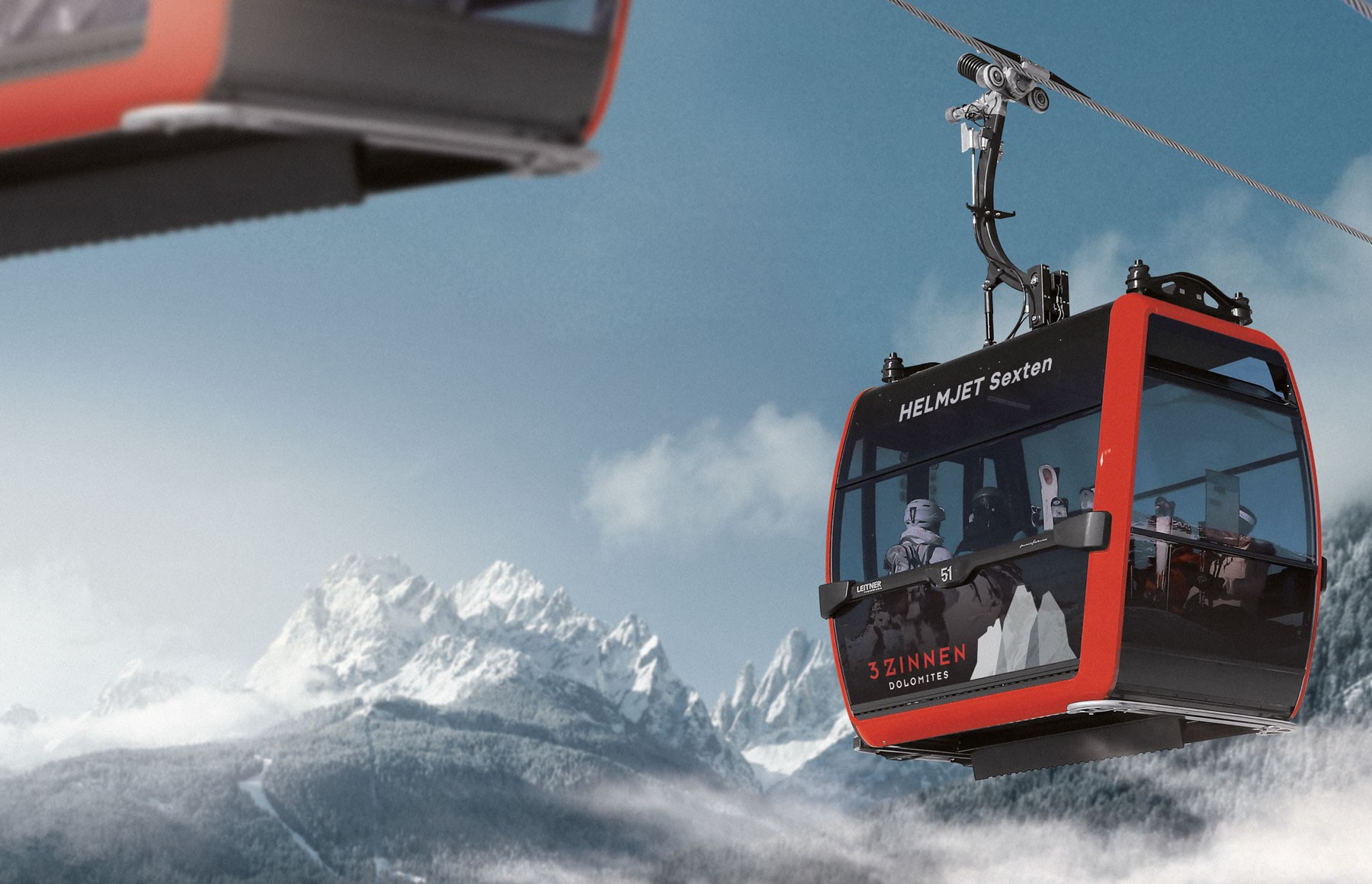
3 Zinnen will continue with its plan to install the Helmjet Sexten 10-seater cable car.
3 Zinnen Helmjet Sexten – 3 Zinnen Hotels, where to stay in 3 Zinnen, 3 Zinnen Restaurants, on-mountain restaurants in 3 Zinnen and where to eat in Sesto and the villages.
This article may contain affiliate/compensated links. For full information, please see our disclaimer here.
3 Zinnen (Tre Cime) ski resort is going ahead with the plan of replacing its old 40-year-old gondola which connected the village of Sesto/Sexten with the ski mountain of Monte Elmo/Helm, with the new premium 10-seater gondola called Helmjet Sexten.
The new gondola will be a premium upgrade for the 3 Zinnen ski resort in the Dolomites, especially because longer waiting lines in the peak season can now be avoided, due to its capacity to bring around 3.000 people at the top per hour.
3 Zinnen seen from the Drei Zinnen ski area – photo PXHere.com. Drei Zinnen will continue with its plan to install the Helmjet Sexten 10-seater cable car.
Mark Winkler, CEO of 3 Zinnen Ski Resort Dolomites said:
“Every new lift we build is special to me. But the “HELMJET SEXTEN” is a passion project: we have all been waiting for it for many years. In a way, it is the jewel in the crown of the 3 Zinnen Dolomites sports and mountain destination—the last piece in the jigsaw puzzle of investments we made over the course of the past years. We are giving our main entrance in Sesto a massive upgrade: the state-of-the-art facilities will offer our guests much greater comfort while reducing the rush and waiting times of the old system. Personally, I cannot wait to sit in the new ‘Symphony’ premium gondola for the first time and take in the views of the Sesto Sundial.”
Completing the puzzle of the resort with Helmjet Sexten.
The Monte Elmo Sesto cable car was first built in February 1981. At the time, it was extremely modern. For nearly forty years, it carried skiers, hikers and families to the top of Monte Elmo daily, until this changed in 2020. This year the dated cable car is replaced by the new detachable premium 10-seater Helmjet Sexten cablecar lift.
Six years ago, the 3 Zinnen Dolomites ski resort (called at the time “Sesto Dolomites”) – consisted only of only 50 km of slopes on two mountains. Today, just over half a decade, the 3 Zinnen AG has turned the area into a little gem of five interconnected mountains and 115 km of slopes, with 31 modern cable cars and chairlifts serving them. On the mountain you find family-run restaurants, ski and bike rental services and the Punka Service Centre, the most advance service facilities in the Alps.
Cortina, an example of resilience in the tourism sector
This article may contain affiliate/compensated links. For full information, please see our disclaimer here.
Cortina’s history as a tourism destination is at least 160 years long. In the 1860s, climbers and explorers like Viennese Paul Grohmann started making the Dolomites, and in particular Cortina d’Ampezzo, famous throughout Europe. The British, Austrian and German nobility and high bourgeoisie began flocking to Cortina for their summer holidays, attracted by the beauty of the landscape, the numerous adventure options and the positive effects of fresh air and a pristine environment on their health.
This first golden age of tourism was not to last forever: when the First World War broke out, Cortina d’Ampezzo found itself on the frontline, and when the peace was signed it was passed from Austria to Italy. Europe was not the same as before, the Belle Époque had gone for good and the tough war years had reshaped the interests and values of a poorer population. Nevertheless, the taste for beauty and adventure did not fade. Tourists gradually returned to Cortina, the Italian high society replacing fallen royal families. The 1930s saw the boom of winter tourism, Cortina’s success was unrivalled, with 52 hotels hosting over 600,000 overnight stays in 1937, and the town was appointed to host the Winter Olympic Games in 1944.
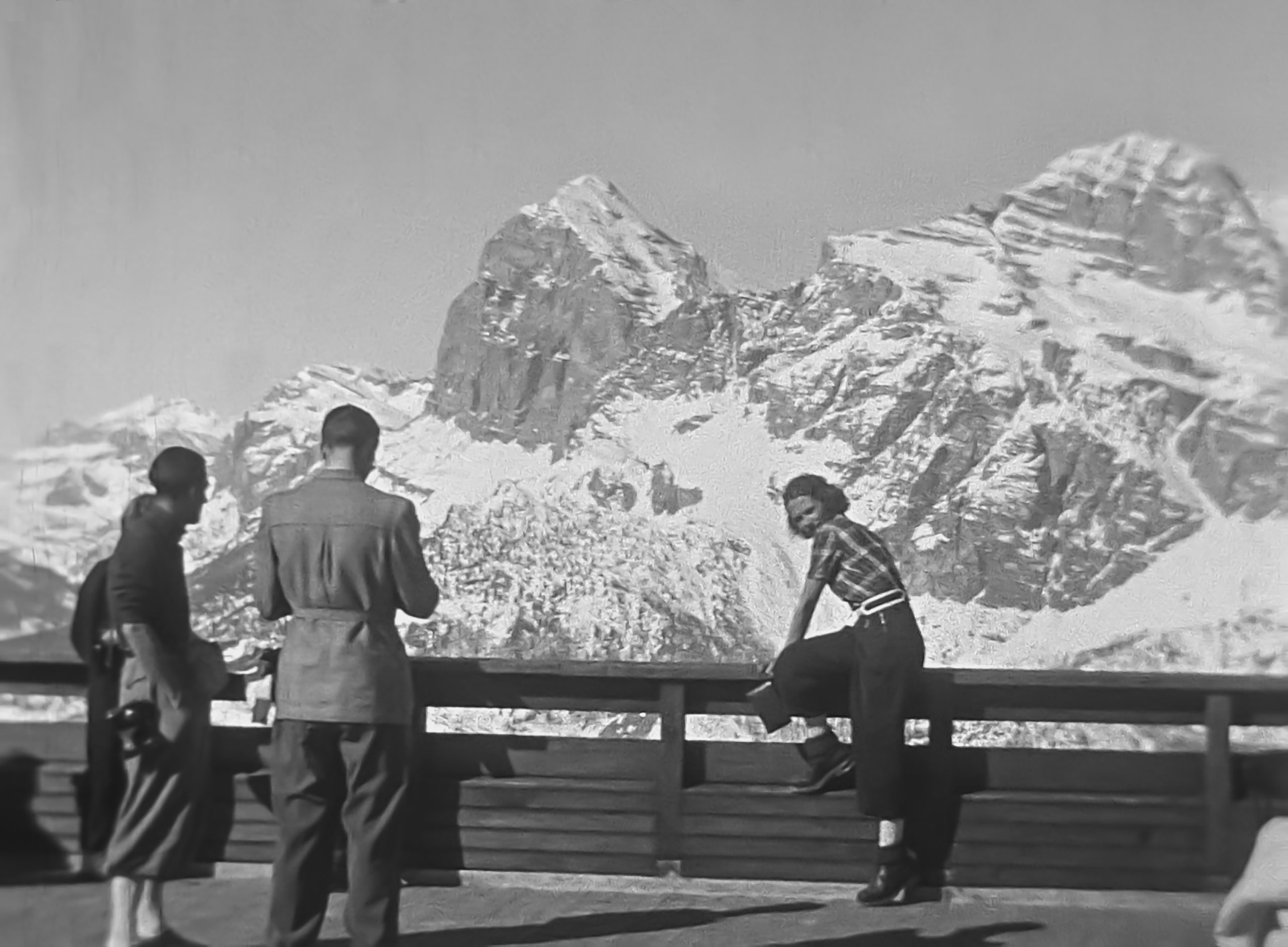
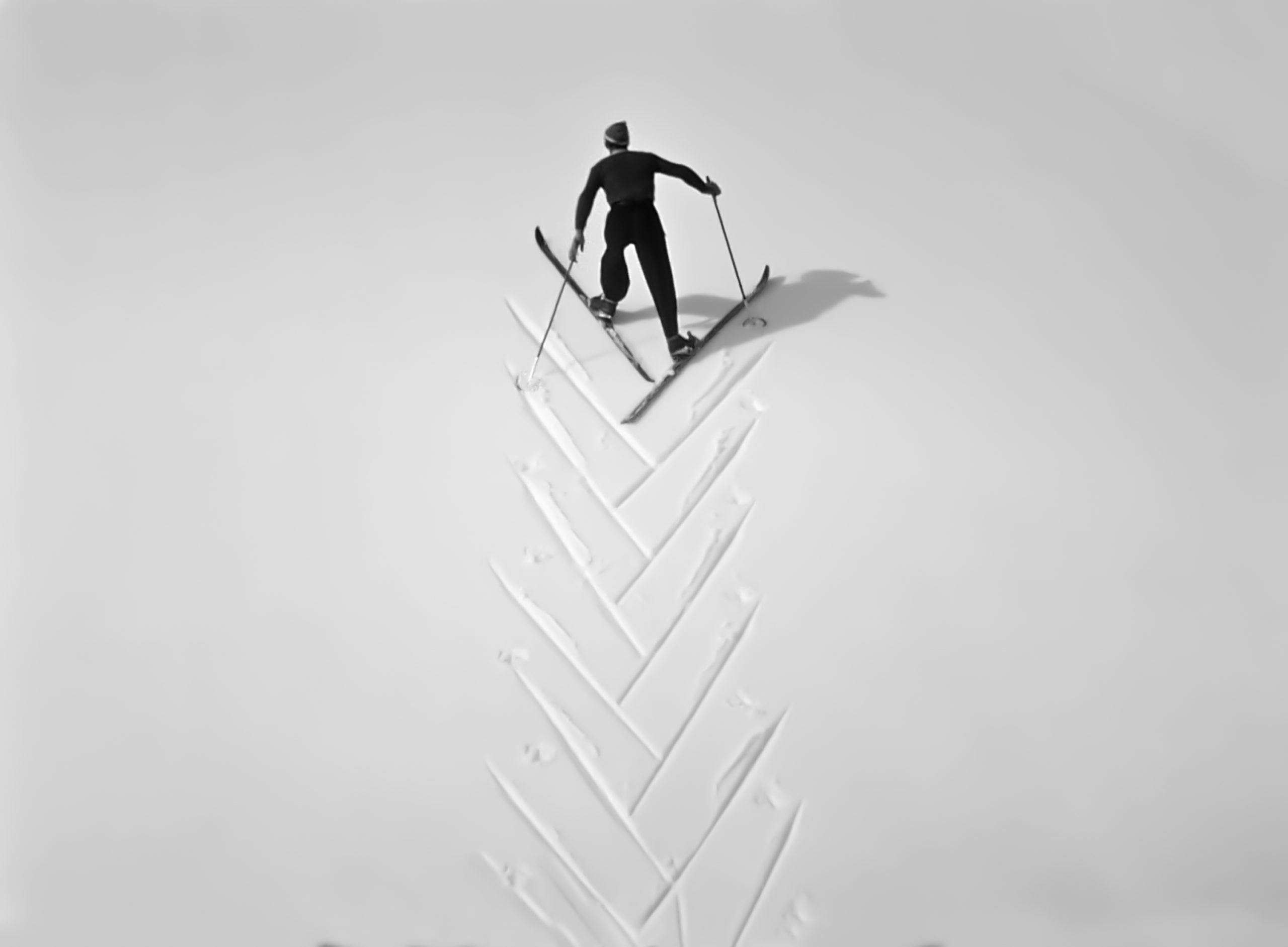
Foto Storiche Video Archivio Storico Giuseppe Ghedina 1898-1986_Manaz Productions. Cortina, an example of resilience in the tourism sector.
A few years later, the flourishing tourism economy of Cortina was once again disrupted by war. The town was still able to host the World Ski Championships in 1941, but the 1944 Olympics were cancelled. When the war stopped, the social and economic situation in Europe was catastrophic, and yet tourism in Cortina slowly recovered. In the 1950s, the Italian economic miracle marked the growth of a wealthy middle class, and tourism stopped being an activity only for the ultra-rich. Cortina was fast in reacting, as only two years after the war the destination bid for the 1956 Winter Olympic. This enhanced the phase of renaissance already taking place and gave residents the necessary motivation to keep working and renovating the town. The Games marked Cortina’s definite comeback on the international scene and gave it a special place in the hearts and minds of Italians as a dream mountain destination.
Foto Storiche Video Archivio Storico Giuseppe Ghedina 1898-1986_Manaz Productions. Cortina, an example of resilience in the tourism sector.
Ever since, Cortina’s image and tourism sector have reshaped a number of times: from the party town of the 1980s to the place of Italy’s jet-set in the early 2000, to a shift back to sports, nature and wellbeing after the crisis of 2009.
What’s new in Cortina for the 2019-2020 Winter Season
This article may contain affiliate/compensated links. For full information, please see our disclaimer here.
Cortina is one of the most renown and grand ski resorts in the world and certainly one of the tops in Italy. Cortina has always been the place where the elite got together to ski and practice winter sports, with amazing landscapes of the Dolomite mountains wherever you look at. As it has recently won the co-joint title to host the 2026 Winter Olympics with Milan, and is also hosting on 2021 the FIS World Ski Championships, Cortina is bustling with activity getting ready.
Last year there was already some enlargement and modification in some of their pistes, where the FIS Ladies’ World Cup are held each year- these were the runs of the Tofana and Col Druscié areas. Snowmaking facilities were improved as well, and a new black piste was created in the Faloria ski area, called Scoiattolo (squirrel in Italian).
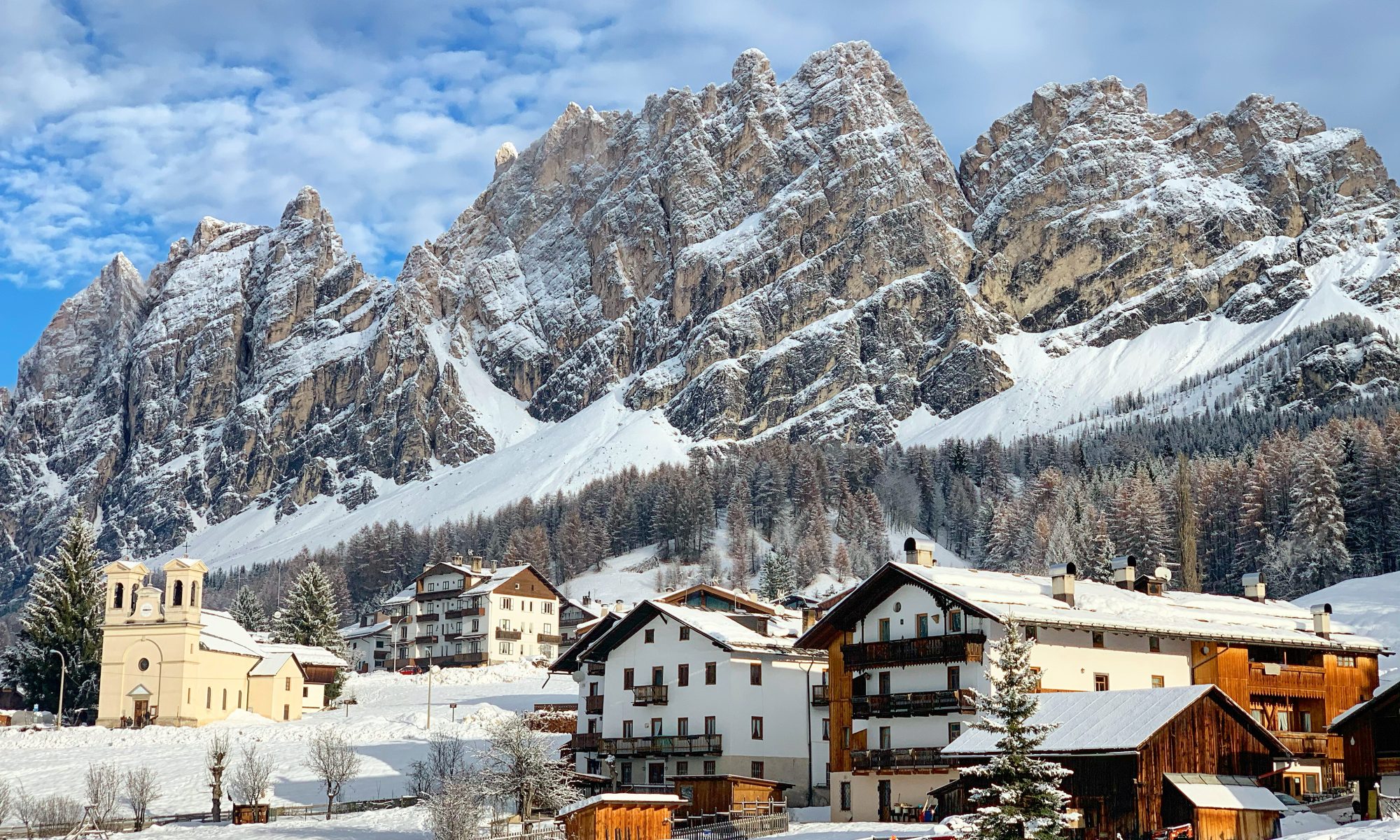
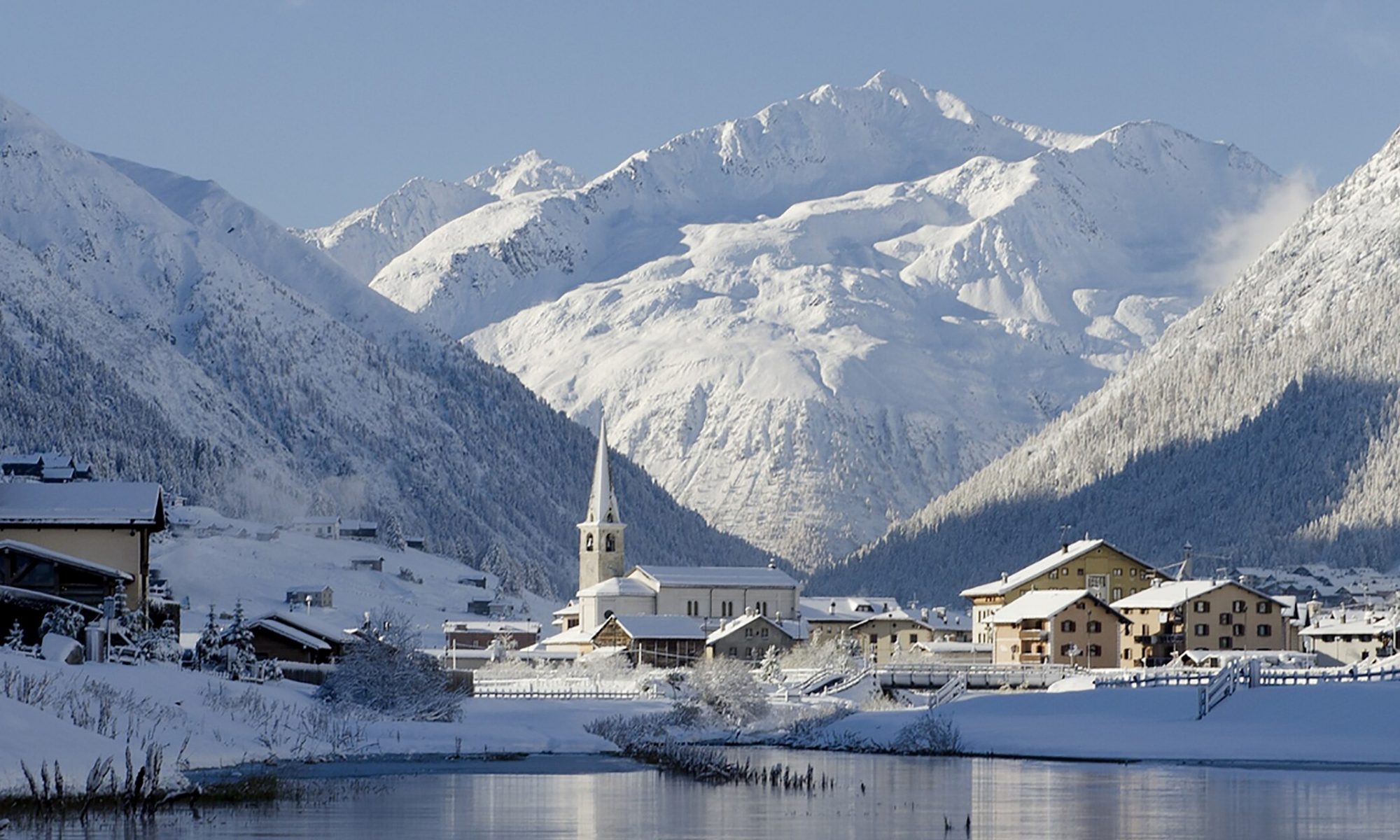
Cortina d’Ampezzo, beautiful from all angles. Photo: Cortina 2021.com- What’s new in Cortina for the 2019-2020 Winter Season.
For the 2019-20 ski season there will be a new gondola from Cortina to Col Druscié. The current cable car will be replaced with a smaller- 10-seat gondola. The base station will be replaced. The new Freccia del Cielo will have a middle stop, to substitute the Colfiere-Col Druscié chairlift that is taken away. As the gondola will transport three times as many skiers and boarders from its renewed base station close to the Olympic Ice Stadium, waiting times are going to be reduced substantially. The slopes and roads of the Col Druscié will also be modified due to hosting some of the competitions of 2021.
A new slope will be opening on the 19-20 ski season in the Cinque Torri area, dedicated to Cortina’s most famous climber, Lindo Lacedelli, taking his name. It will be a piste dedicated to race training, where athletes competing in the 2021 World Ski Championships will train.
A Dolomites train project could be ready for the 2026 Olympics
The project that will link the provinces of Trentino, Alto Adige (Sudtirol) and Veneto has a high degree of feasibility according to former councillor Mauro Gilmozzi. The cost is of one billion two hundred million Euros to be absorbed by the State and the provinces.
The Dolomites train could become a reality by 2026, in time for the Winter Olympics. Connecting Trento to Bassano, then to Feltre, Belluno, Calalzo, Cortina, Dobbiaco, Bressanone, Bolzano and returning to Trento.
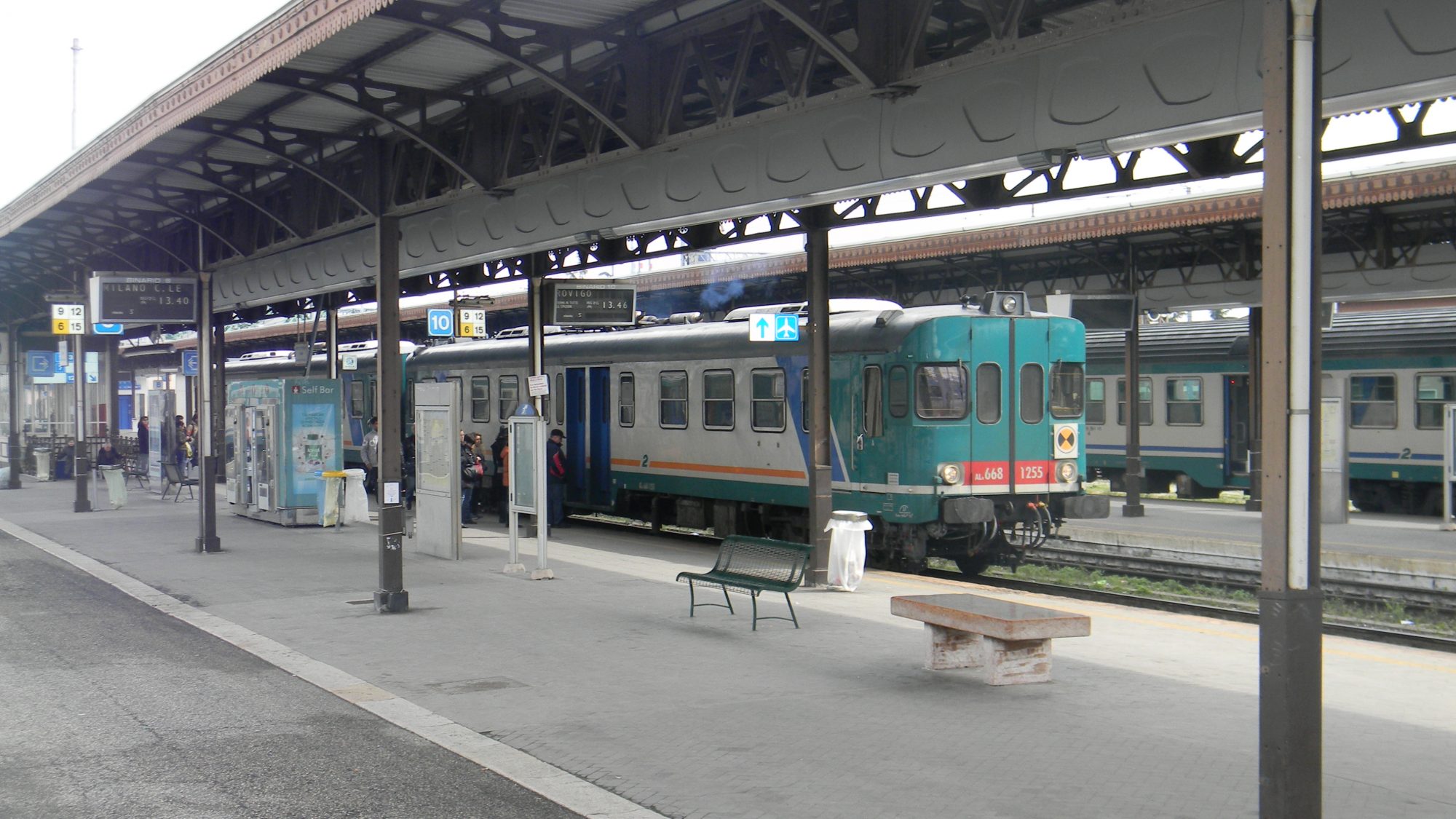
An Italian traain in Verona Porta Nova Train Station. A Dolomites train project could be ready for the 2026 Olympics.
A challenge that has a very specific name: Ring Dolomiti. The feasibility is “high” according to Mauro Gilmozzi, former councillor for infrastructures and the environment of the junta Dellai. “We keep in mind that for the most part this ring is already there.”
Total cost: from one billion two hundred million upwards. What seems an onerous amount, “… would be a cost to be divided between various agencies, the Provinces, the State.”
134th IOC Session
Results
Host of the Winter Olympic Games 2026
Voting cards distributed
82
Valid votes
81
Abstentions (including blank votes)
1
Majority
41
Stockholm – Åre
34
Milan – Cortina
47
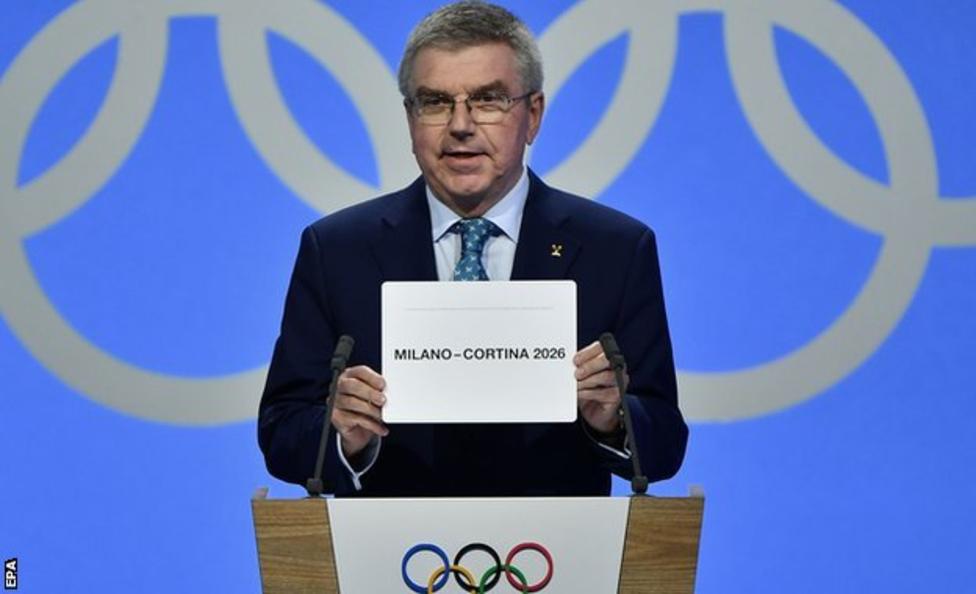
IOC President Thomas Bach said: “Congratulations to Milan-Cortina. We can look forward to outstanding and sustainable Olympic Winter Games in a traditional winter sports country. The passion and knowledge of Italian fans, together with experienced venue operators, will create the perfect atmosphere for the best athletes in the world. The Olympic Winter Games Milan-Cortina 2026 will feature iconic venues and beautiful settings, combining the attractions of a modern European metropolis with a classic Alpine environment.”
IOC President Thomas Bach opens envelope with the winner being Milano-Cortina for 2026. Milan-Cortina Awarded the Olympic Winter Games 2026.
He added: “The new Candidature Process has demonstrated the success of Olympic Agenda 2020. We have lowered the cost and complexity of developing Games projects, which now serve the long-term development goals of the host communities and have sustainability and legacy at their hearts. This has led to a significantly reduced organisation budget and the use of 93 per cent existing or temporary competition venues. I also want to thank Stockholm-Åre for presenting an excellent candidature and being part of the Candidature Process for the Olympic Winter Games 2026.”
Italy is a sport-loving nation, and winter sports are part of the tradition, culture and identity of Northern Italy. The region has world-class winter sports venues, ranging from the ice arenas of Milan to the well-established and iconic World Cup and World Championship destinations of Cortina, Bormio, Antholz and Val di Fiemme.
Enjoyed this post? Get my latest ski guides, weather insights, resort updates and travel tips directly in your inbox. Subscribe to The-Ski-Guru here.
Manage Cookie Consent
To provide the best experiences, we use technologies like cookies to store and/or access device information. Consenting to these technologies will allow us to process data such as browsing behavior or unique IDs on this site. Not consenting or withdrawing consent, may adversely affect certain features and functions.
Functional
Always active
The technical storage or access is strictly necessary for the legitimate purpose of enabling the use of a specific service explicitly requested by the subscriber or user, or for the sole purpose of carrying out the transmission of a communication over an electronic communications network.
Preferences
The technical storage or access is necessary for the legitimate purpose of storing preferences that are not requested by the subscriber or user.
Statistics
The technical storage or access that is used exclusively for statistical purposes.The technical storage or access that is used exclusively for anonymous statistical purposes. Without a subpoena, voluntary compliance on the part of your Internet Service Provider, or additional records from a third party, information stored or retrieved for this purpose alone cannot usually be used to identify you.
Marketing
The technical storage or access is required to create user profiles to send advertising, or to track the user on a website or across several websites for similar marketing purposes.




 Subscribe to The-Ski-Guru here.
You must be logged in to post a comment.