Stelvio Glacier Reopens After Heat Closure – But Summer Skiing’s August Shutdown Still Matters

Summer skiing on the Stelvio Glacier in Italy

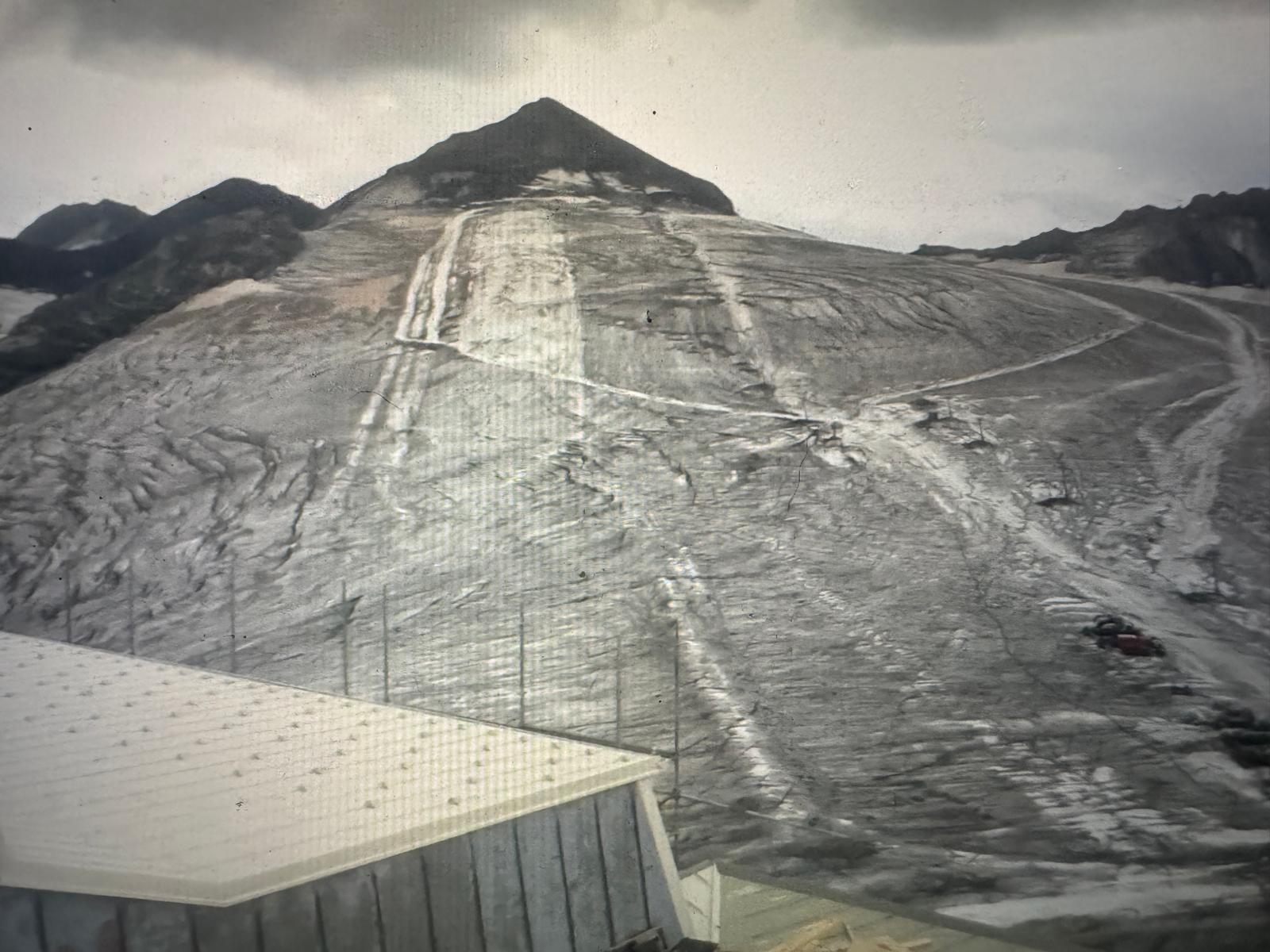
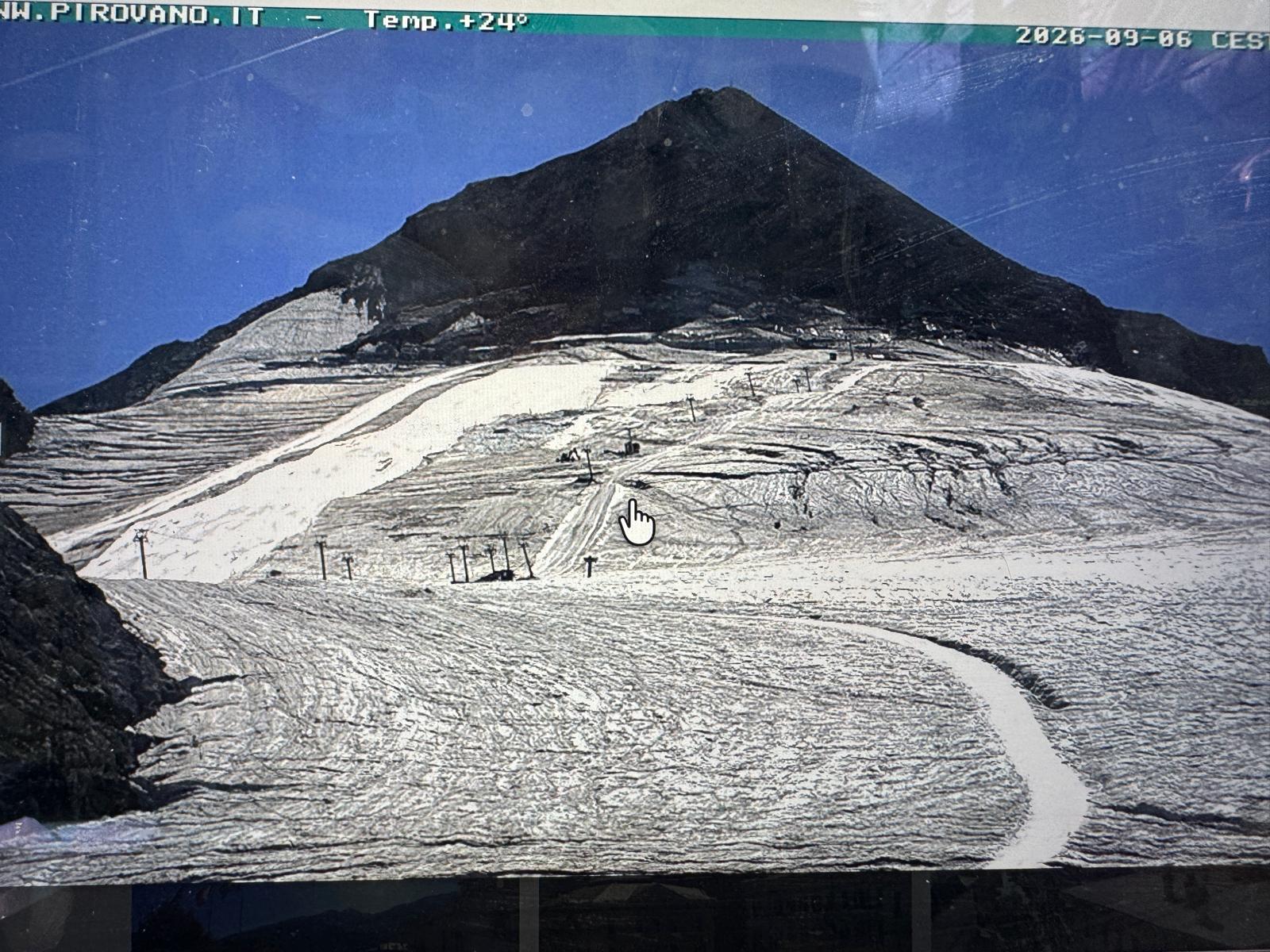
Italy’s Stelvio Glacier has reopened for summer skiing after a three-week heat-related closure. The return of skiing is welcome news, but it follows an extraordinary August in which high temperatures and poor overnight freezing temporarily brought lift-served summer skiing across the Alps to a halt.

Summer skiing returned to Italy’s Stelvio Glacier on Friday, September 4, after cooler conditions allowed operators to reopen lifts and pistes following a shutdown that began on August 15.

The official Bormio lift-status service confirmed the reopening, with all six Stelvio lift installations operating: the Cristallo, Pajer, Geister 1 and Geister 2 ski lifts, together with the Passo Stelvio–Trincerone and Trincerone–Livrio cable cars.

Not everything has returned to normal, however. Several pistes remain closed, and the Pajer and Cristallo ski lifts are operating only from 6:30 am until midday. The two cable cars operate until 4 pm.

The Stelvio summer season is officially scheduled to run from May 30 until November 1, 2026.

Why Stelvio closed

The August closure was significant because Stelvio had remained open after other Alpine summer ski areas suspended skiing during the summer heat.

SIFAS, the company operating the Stelvio facilities, announced the suspension of skiing from August 15, citing three factors: persistent heat waves reaching high altitude, the absence of sufficient overnight cooling and refreezing of the snowpack, and frequent thunderstorms that had further affected glacier conditions.
Continue reading “Stelvio Glacier Reopens After Heat Closure – But Summer Skiing’s August Shutdown Still Matters”

Switzerland Won’t Run Out of Water When Its Glaciers Disappear — But Summer Is Another Story

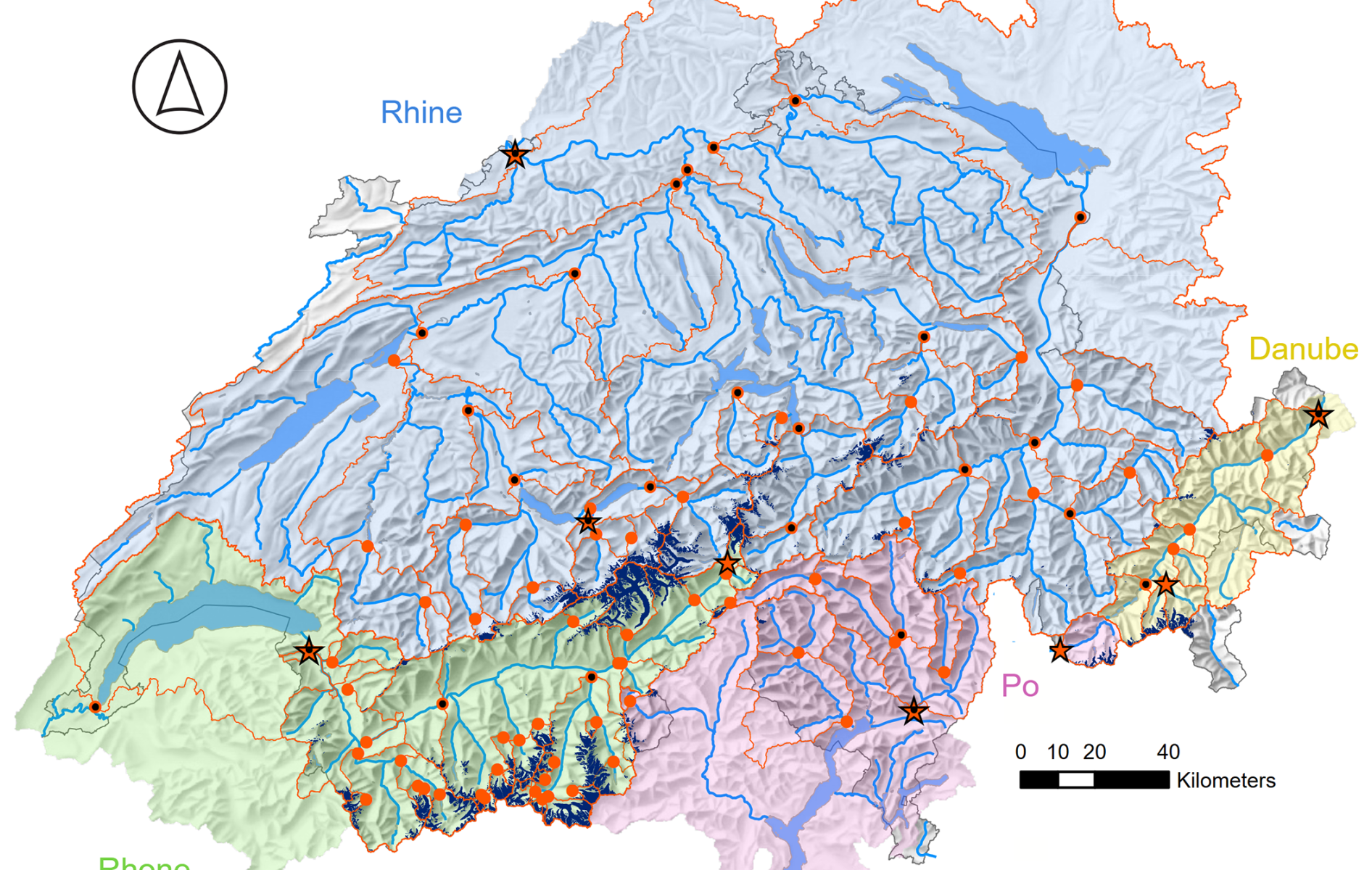
Map of hydrological Switzerland. Credit: Hess Copernicus.

Switzerland’s glaciers are shrinking rapidly, but their disappearance does not mean the country will simply run out of water. The bigger problem is when that water will be available — particularly during increasingly hot and dry Alpine summers.

Switzerland is often described as the “water tower of Europe”, while its rapidly retreating glaciers have become one of the most visible symbols of climate change in the Alps.

It is therefore easy to make a seemingly obvious connection: if the glaciers disappear, Switzerland will lose a major source of its water.

The reality is more complicated.

Swiss hydrologist Bettina Schaefli, professor at the University of Bern, recently challenged that assumption in an opinion piece published by Le Temps, arguing that Switzerland does not owe its abundant water resources primarily to its glaciers.

She is right — at least when looking at the country’s overall annual water balance.

Switzerland’s real hydrological advantage is the Alps themselves. The mountain barrier forces moist air upwards, producing substantial precipitation as rain and snow.

But that does not mean disappearing glaciers are irrelevant to Switzerland’s water supply.

Far from it.

What Switzerland is gradually losing is something particularly valuable: a natural water reserve capable of releasing water precisely when rainfall and snowmelt are no longer providing enough of it.

And during a drought, that distinction becomes crucial.

Continue reading “Switzerland Won’t Run Out of Water When Its Glaciers Disappear — But Summer Is Another Story”

Monviso Rockfall Raises Questions Over Stability of the Italian Alps Landmark

Canalone del Monviso. Photo credit: Arpa.Piemonte.it

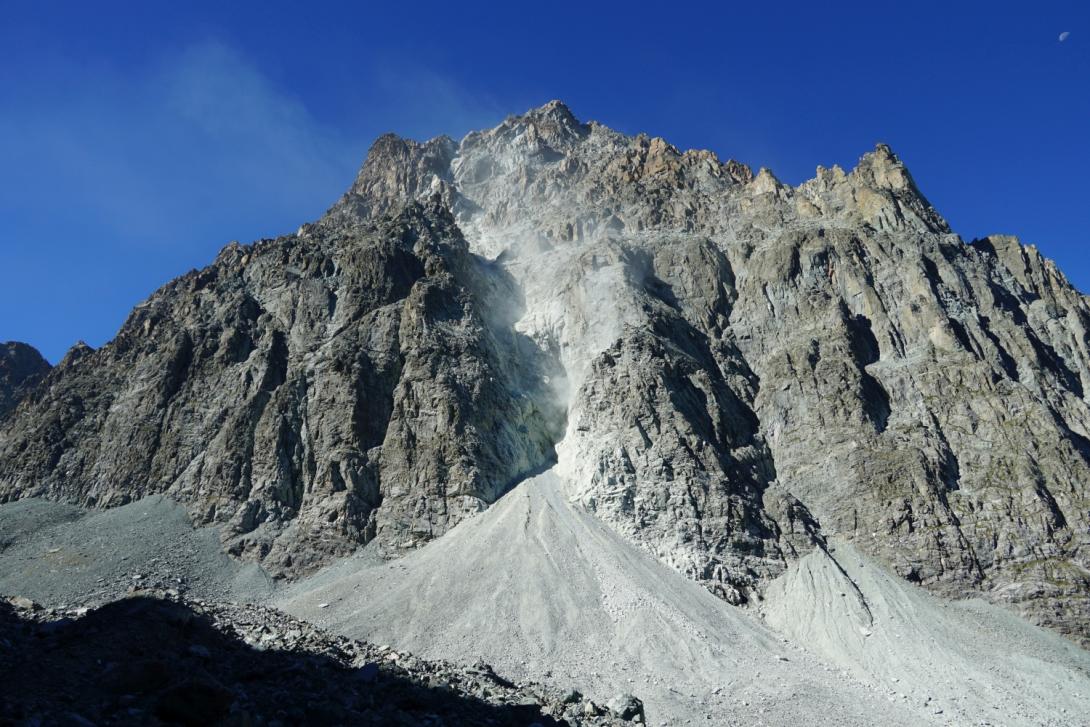
A rockfall on Monviso’s northeast face sent thousands of cubic metres of debris down the mountain on 1 September. No one was injured and the nearby Quintino Sella refuge and its access trail were not hit by the main collapse, but repeated failures on the same face have prompted authorities to examine how the mountain is evolving.


UPDATE — 18 September 2026: New Rockfall and Regional Action

A second significant rockfall on Monviso and new temperature data have prompted the Regione Piemonte to begin a wider assessment of the mountain, including its trails, refuge access and long-term monitoring.

At the first official Tavolo Monviso, held on 16 September, ARPA Piemonte revealed that between 10 June and 10 September temperatures at its monitoring station above 3,300 metres on Monviso did not fall below 0°C.

ARPA identifies thermal stress as a probable factor in the recent rockfalls and degradation of permafrost as a possible contributing factor within a rock mass that is already heavily fractured. However, the agency continues to stress that individual rockfalls need to be assessed on their specific geological and environmental conditions.

The meeting followed another rockfall during the night of 13–14 September, this time from the Torrioni Sari on Monviso’s southern side. Regional authorities say preliminary observations suggest that this event may have been larger than the 1 September collapse on the northeast face, although further surveys are needed to determine its scale.

The two events on different sides of the mountain have led authorities to broaden their assessment from individual rockfall sites to the Monviso massif as a whole.

Access to the mountain is also under review

The Regione Piemonte is now considering additional surveys, including drone inspections, an assessment of the most exposed trails and possible alternative routes to mountain refuges.

One proposal being examined is an alternative access route to the Rifugio Quintino Sella. Improved trail signage and temporary restrictions in particularly exposed areas are also being considered.

This does not currently amount to a general closure or restriction on access to Monviso.

Continue reading “Monviso Rockfall Raises Questions Over Stability of the Italian Alps Landmark”

Nepal’s Glacier Disaster Is a Warning for Mountain Regions Everywhere — Including the Alps

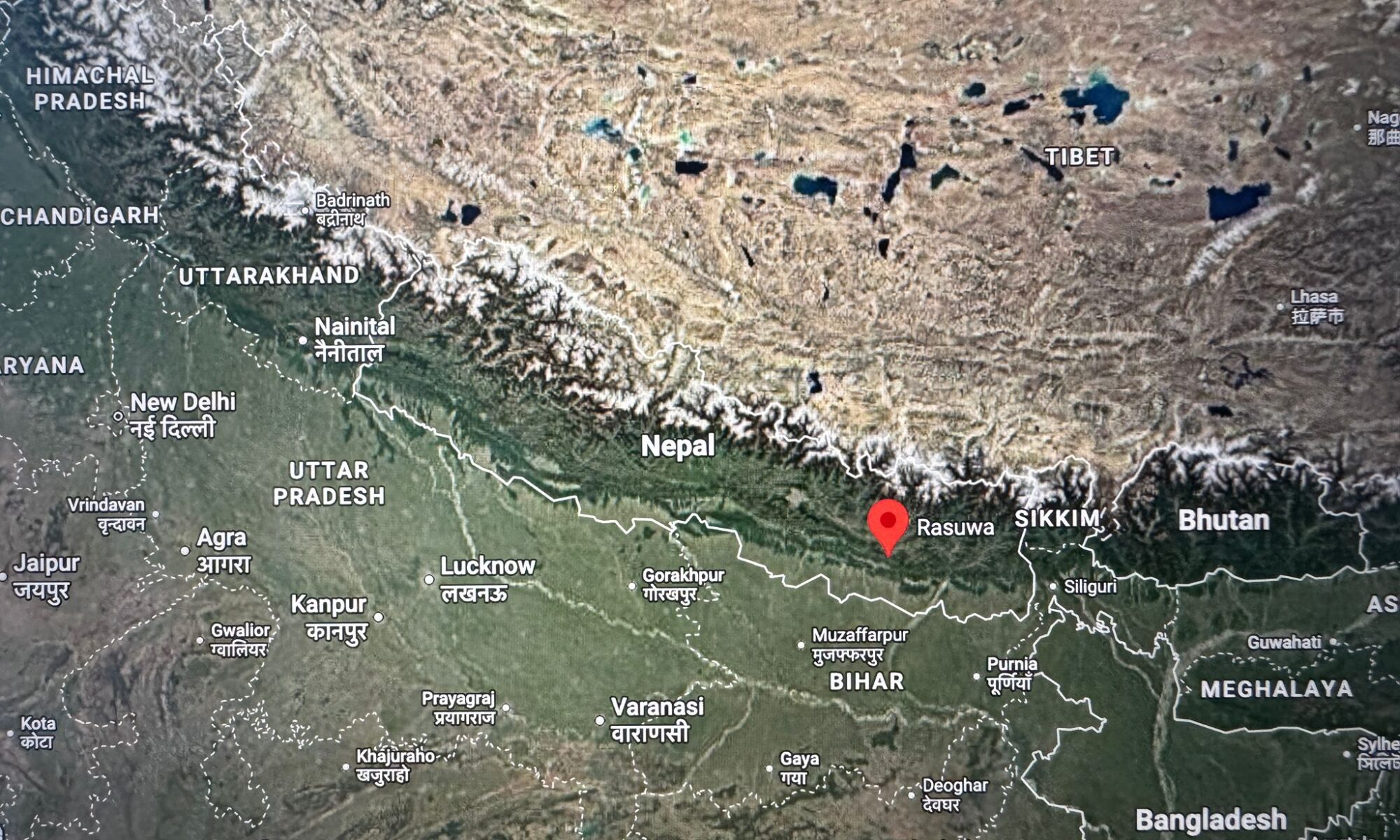
Map of Rasuwa in Nepal, where the floodings occurred. Photo: Google Maps.

A catastrophic glacier-related collapse in the Himalayas has killed hundreds of people across Nepal and Tibet and left many more missing.

But beyond the shocking images and the rapidly evolving casualty figures lies a much bigger question for mountain regions around the world:

Could something similar happen in the Alps?

The answer is uncomfortable.

The precise sequence that produced the Nepal disaster is still being investigated. But glacier collapses, rock avalanches, sudden releases of glacial water, debris flows and naturally dammed lakes are not unique to the Himalayas. They are hazards that also exist in the Alps — and Alpine history provides some dramatic examples.

What can be very different is the ability to identify certain dangers in advance, monitor them and evacuate people before the mountain moves.

And even in the best-monitored Alpine countries, that warning cannot always be guaranteed.

Continue reading “Nepal’s Glacier Disaster Is a Warning for Mountain Regions Everywhere — Including the Alps”

Alpine Glacier Retreat Raises Questions Over the Future of the Ski Economy

Photo credit: Skyway Monte Bianco.

After a summer marked by glacier retreat, rockfalls, unstable permafrost and repeated disruption across the Alps, an increasingly difficult question is emerging: how should mountain tourism adapt to a rapidly changing environment?

The debate has been brought into sharper focus by Legambiente, one of Italy’s largest environmental organisations, which argues that Alpine communities can no longer plan their future on the assumption that glaciers, water resources and snow conditions will remain as they have been in the past.

Speaking to Corriere della Sera during the 2026 Carovana dei Ghiacciai, Vanda Bonardo, the campaign’s coordinator and national head of Legambiente’s Alps division, said mountain regions need to move from planning based on stability towards managing continuous change.

Her comments come during an extraordinary summer across the Alps, with developments around Mont Blanc providing some of the clearest examples.

Continue reading “Alpine Glacier Retreat Raises Questions Over the Future of the Ski Economy”

Planpincieux Glacier: Seven Years After the Alarm, the Mont Blanc Glacier Is Retreating Fast

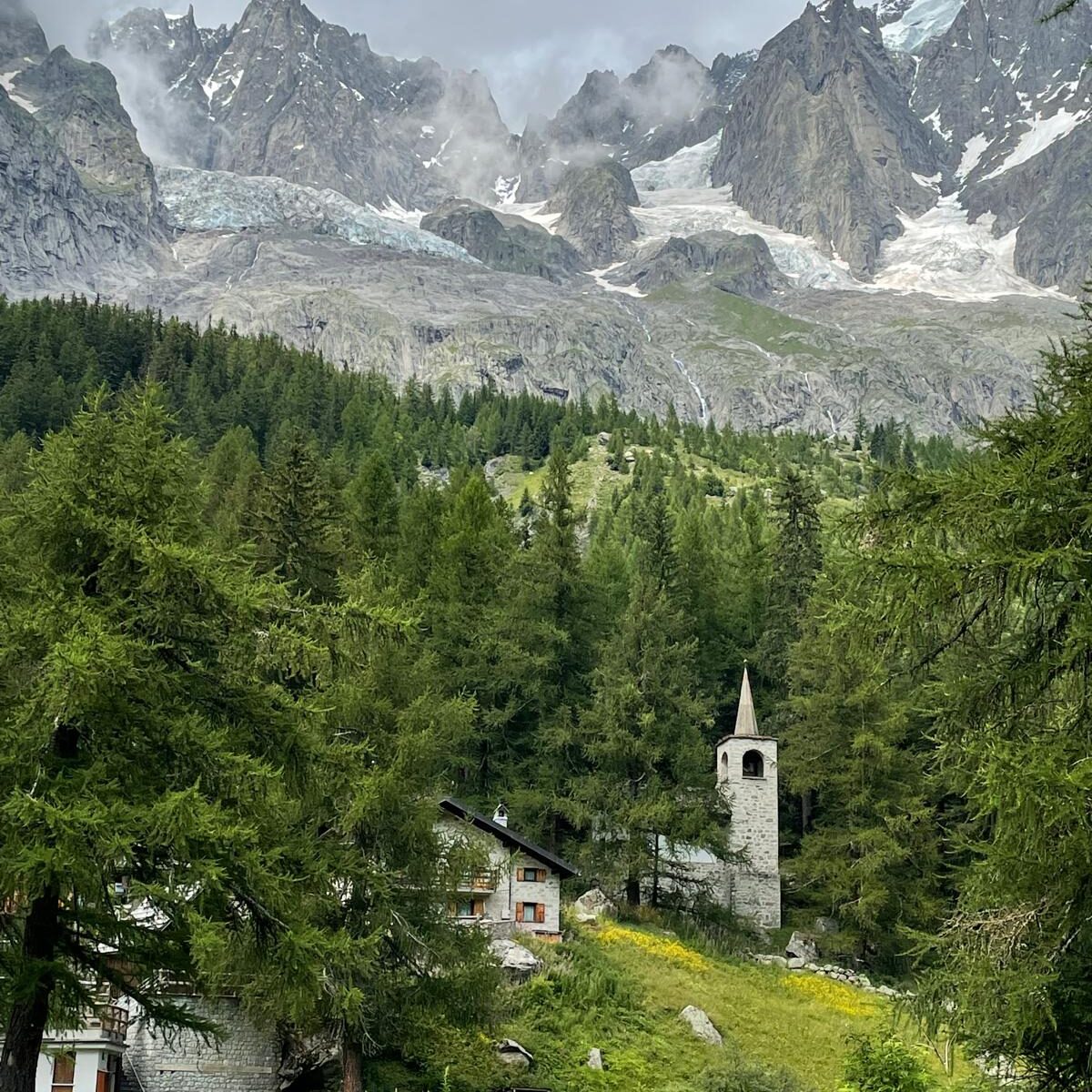
Planpincieux glacier and the church in the bottom. Photo: The-Ski-Guru.

The Planpincieux Glacier retreat is accelerating on the Italian side of Mont Blanc, seven years after the hanging glacier above Courmayeur first made international headlines over fears of a major collapse.

The hanging glacier, located above Val Ferret on the Italian side of the Mont Blanc massif, accelerated again during July 2026, reaching movement of around 80 centimetres per day. The figure was confirmed by the Valle d’Aosta regional authorities, which placed the glacier under continuous monitoring during the period of heightened activity.

The situation has since improved. Jean-Pierre Fosson of Fondazione Montagna Sicura said during the Valle d’Aosta stage of Legambiente’s Carovana dei Ghiacciai that Planpincieux has now fallen below the critical thresholds and that current conditions are considered favourable.

But the longer-term picture is far less reassuring.

Planpincieux Glacier retreat reaches 50 metres in three years

According to a report from Corriere della Sera, the front of Planpincieux has retreated by around 50 metres in just three years.

The glacier hangs at around 2,600 metres beneath the Grandes Jorasses, high above Val Ferret. Ice and debris continue periodically to break away from its front and descend towards the valley.

The glacier is particularly closely monitored because of its position above an inhabited and heavily visited valley.

During July’s acceleration, Courmayeur introduced Civil Protection restrictions in the areas potentially exposed to a collapse. Access restrictions were subsequently eased as conditions stabilised.


Read more: Nepal Glacier Disaster: Could It Happen in the Alps? — Following the catastrophic glacier-related disaster in Nepal, we look at whether similar high-mountain hazards could occur in the Alps, and how monitoring at Planpincieux, Blatten and elsewhere can provide crucial warning time.


Continue reading “Planpincieux Glacier: Seven Years After the Alarm, the Mont Blanc Glacier Is Retreating Fast”

Mer de Glace Ice Cave Turns 80 — But May Have Only a Few Years Left

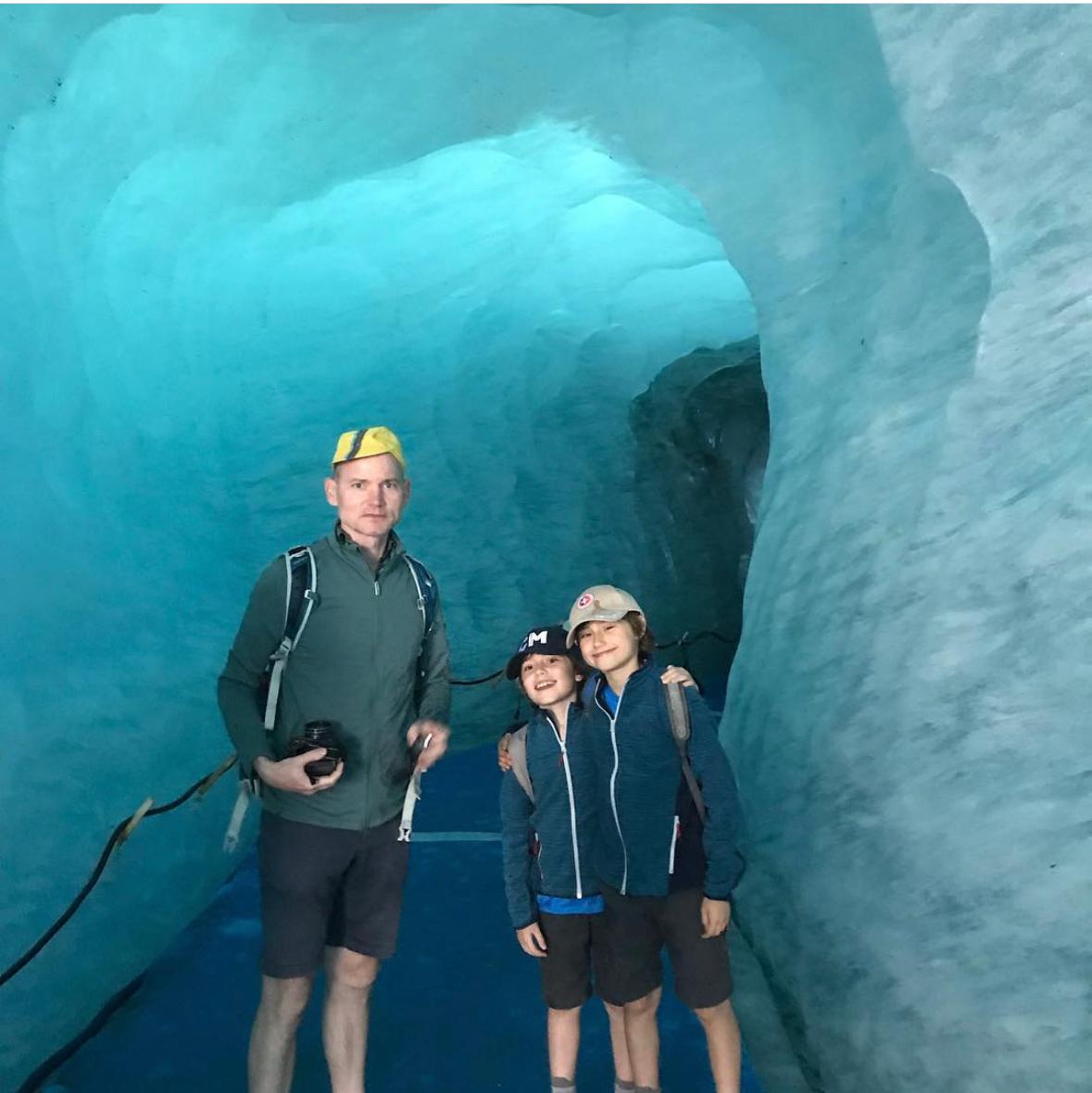
My husband and sons inside the Montenvers cave in 2018. Photo: The-Ski-Guru

The famous ice cave carved into the Mer de Glace above Chamonix is celebrating its 80th anniversary in 2026. But as the glacier continues to shrink, the family that has been carving it since 1946 knows the attraction may not survive to celebrate its centenary.

For eight decades, workers have returned to the Mer de Glace above Chamonix to carve a new passage into the moving glacier.

The famous Grotte de Glace, or Ice Cave, was first created in 1946 by Georges Claret. Three generations later, his grandson Benjamin Claret continues a family tradition that has become one of Chamonix’s best-known tourist attractions.

But its 80th anniversary comes with an increasingly uncertain future.

Continue reading “Mer de Glace Ice Cave Turns 80 — But May Have Only a Few Years Left”

Mont Blanc Faces Record Rockfall Year After Extreme Alpine Summer

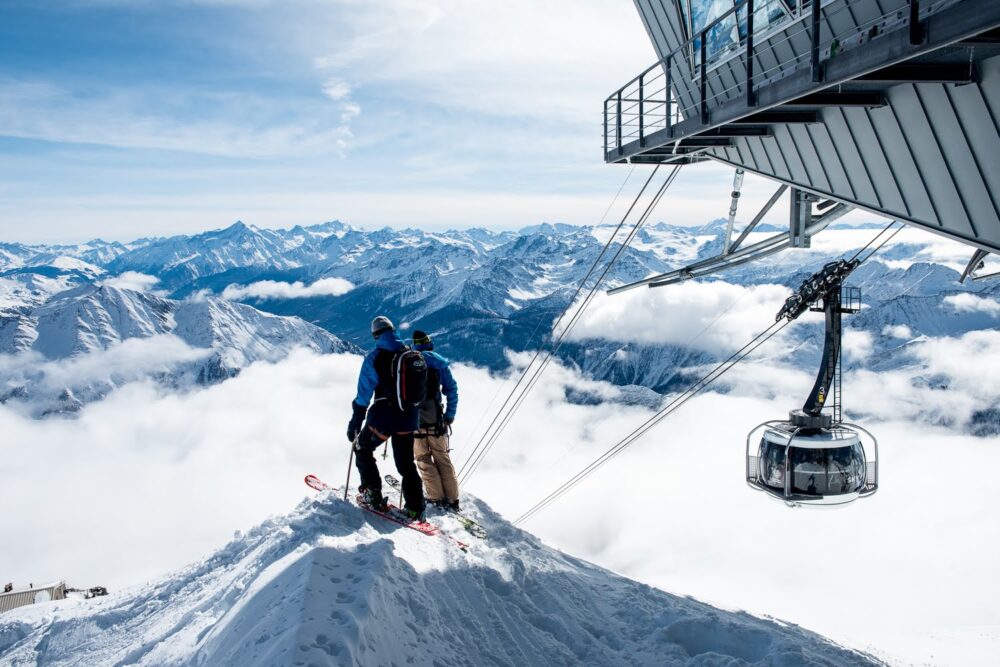
The view from the top of the Skyway Monte Bianco - Punta Hellbronner- Amazing rotating gondola that takes you up to the highest point in Italy to see the Mont Blanc and all the surrounding mountains. Photo: The-Ski-Guru.

The Mont Blanc massif is facing a record rockfall year after an exceptionally hot Alpine summer destabilised high-altitude terrain — and scientists warn that some of the largest collapses may still be to come.

Around 450 significant rockfalls could be recorded in the Mont Blanc massif during 2026, according to geomorphologist Ludovic Ravanel, research director at France’s National Centre for Scientific Research (CNRS).

The figure would comfortably surpass the previous record of around 300 events in 2022, another year marked by intense heatwaves.

Just 10 or 20 years ago, only a few dozen such events would typically have been recorded.

Continue reading “Mont Blanc Faces Record Rockfall Year After Extreme Alpine Summer”

Landslides Hit South Tyrol as Thawing Permafrost Destabilises Alpine Slopes

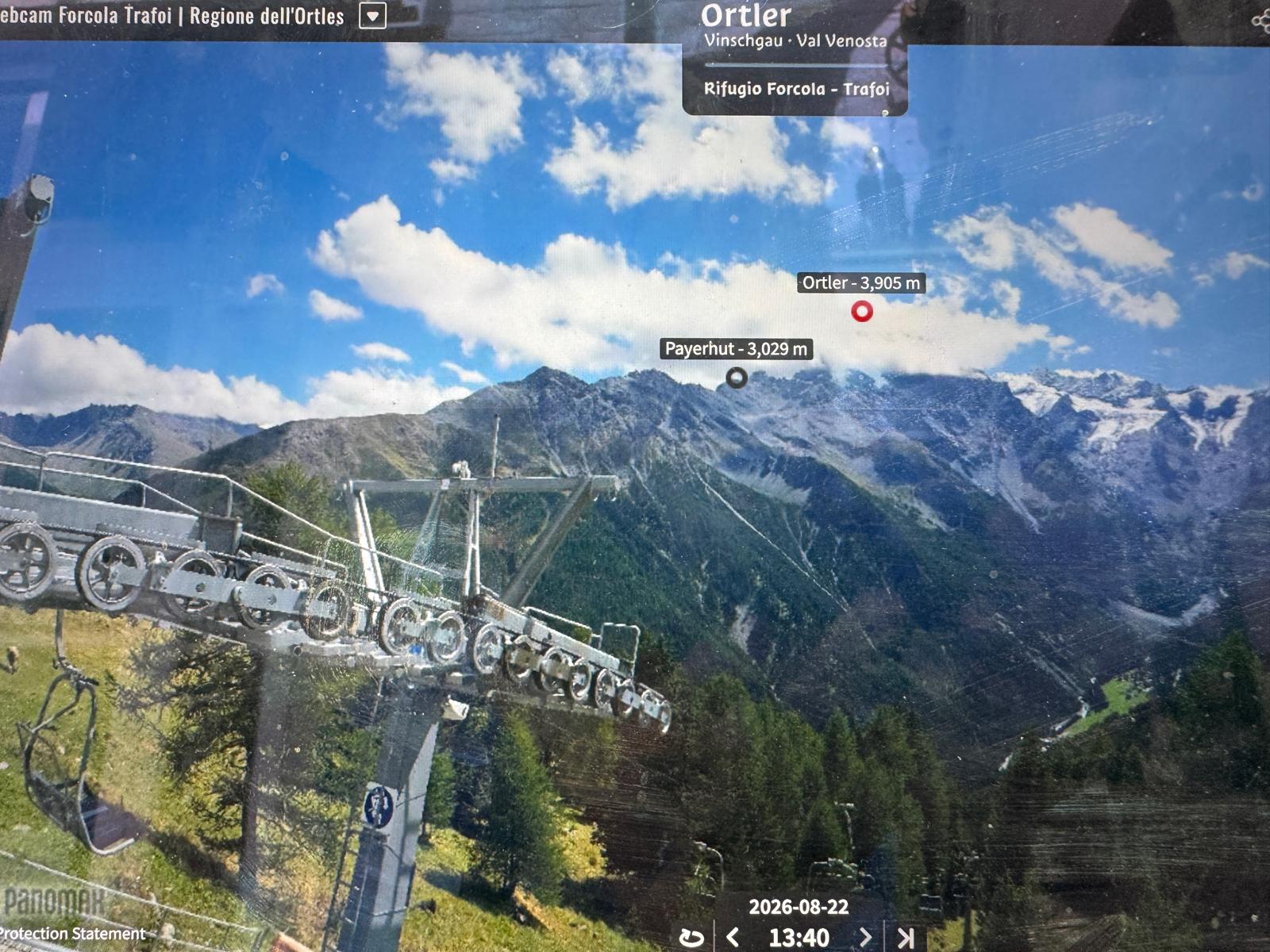
Webcam Forcola Trafoi Region with the Ortles in the background. https://webcam.myortler.it/trafoi

A series of landslides and debris flows has hit South Tyrol following heavy rainfall, with up to 30,000 cubic metres of debris moving near Trafoi below the Ortler and another major mudslide cutting access to Capanna Alpina in Alta Badia.

The incidents add to a growing number of slope failures reported across the Alps this summer, as scientists and mountain authorities increasingly warn about the destabilising effect of warming temperatures and thawing permafrost on high-altitude terrain.

Up to 30,000 cubic metres of debris at Trafoi

Shortly after 5pm on 20 August, a major debris flow occurred in the Rio di Plaies at Trafoi, in the municipality of Stelvio/Stilfs.

According to South Tyrol’s provincial authorities, an estimated 20,000 to 30,000 cubic metres of material moved down the mountain.

The debris obstructed the Rio Vedretta del Circo and travelled as far as the pedestrian bridge leading towards the Santuario delle Tre Fontane Sacre, the historic Three Holy Fountains sanctuary near Trafoi.

The bridge narrowly escaped being overwhelmed during the initial event, but by the following day the stream channel beneath it was almost completely blocked.

South Tyrol’s mountain basin authorities deployed two excavators to begin clearing the channel, although the material initially remained too wet for the operation to be completed.

Continue reading “Landslides Hit South Tyrol as Thawing Permafrost Destabilises Alpine Slopes”

Summer Skiing Disappears Across the Alps as Extreme Heat Forces Final Glacier Closure

Passo dello Stelvio today 16th August. Webcam Passo dello Stelvio.

Summer glacier skiing has effectively disappeared from the Alps in mid-August after persistent extreme heat forced Passo Stelvio, the last Alpine glacier still offering lift-served summer skiing, to suspend operations.

Skiing on Italy’s Stelvio Glacier was suspended from 15 August until further notice, following weeks of unusually warm conditions at high altitude.

The closure completes a remarkable sequence across the Alps. Zermatt-Cervinia suspended public summer skiing at the beginning of August, while Saas-Fee followed on 10 August. In France, the summer skiing period at Les 2 Alpes had already ended in early July.

For an activity that was once a familiar part of the Alpine summer, the situation in August 2026 is striking: there is currently nowhere left in the Alps offering conventional lift-served summer glacier skiing.


Continue reading “Summer Skiing Disappears Across the Alps as Extreme Heat Forces Final Glacier Closure”