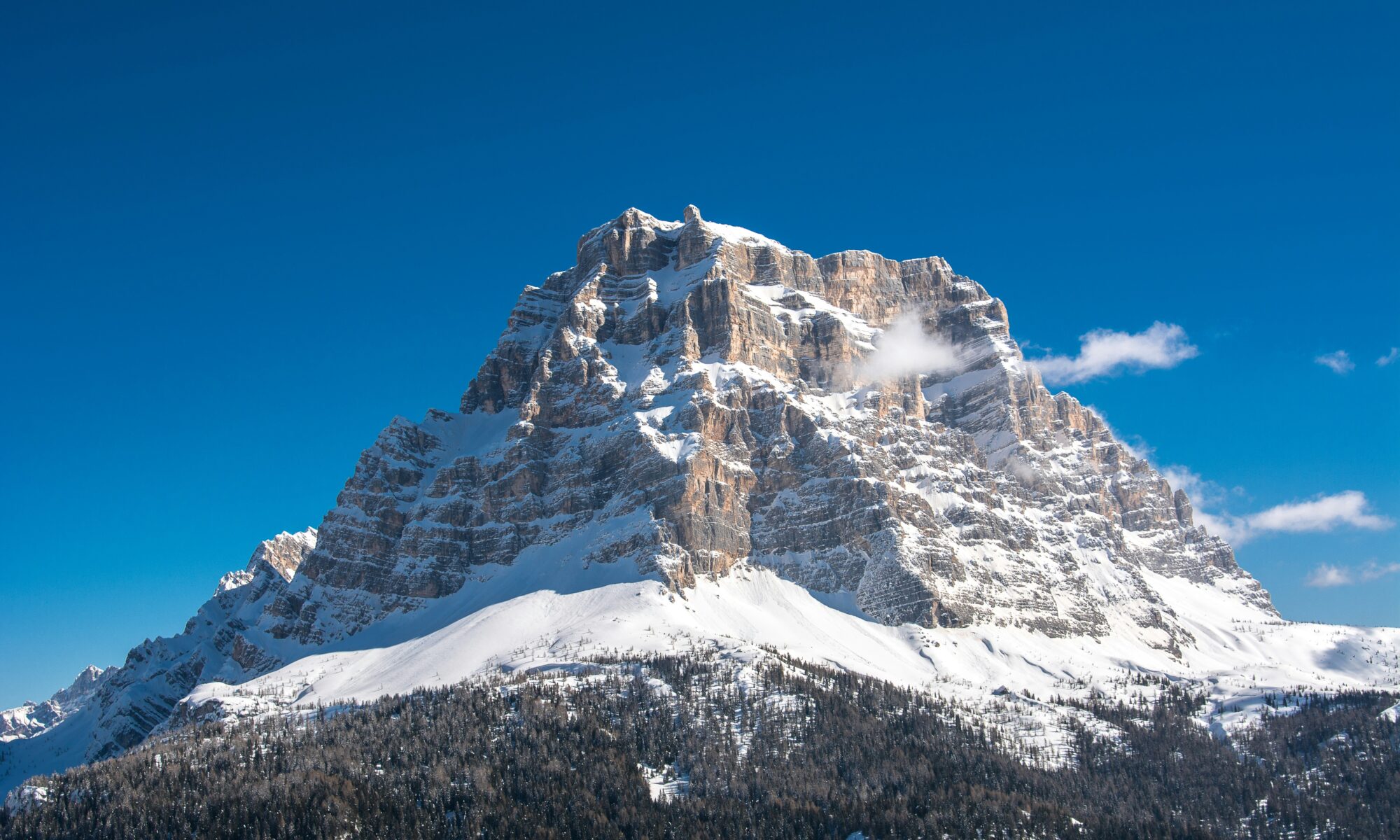
A series of rockfalls on Monte Pelmo in the Italian Dolomites is raising concern after seven significant collapses were recorded in just three weeks, including five in five days, as exceptionally high temperatures continue to affect the Alps.
The latest warning comes from Aldino Bondesan, professor of Physical Geography and Geomorphology at the University of Padua, who says further collapses should be expected and has urged visitors to respect restrictions around affected mountain areas.
The 3,168-metre Monte Pelmo, one of the most recognisable peaks in the Dolomites, had already been affected by repeated rockfalls during the current Alpine heatwave. The situation was included in our wider report on the impact of extreme temperatures across the Alps.
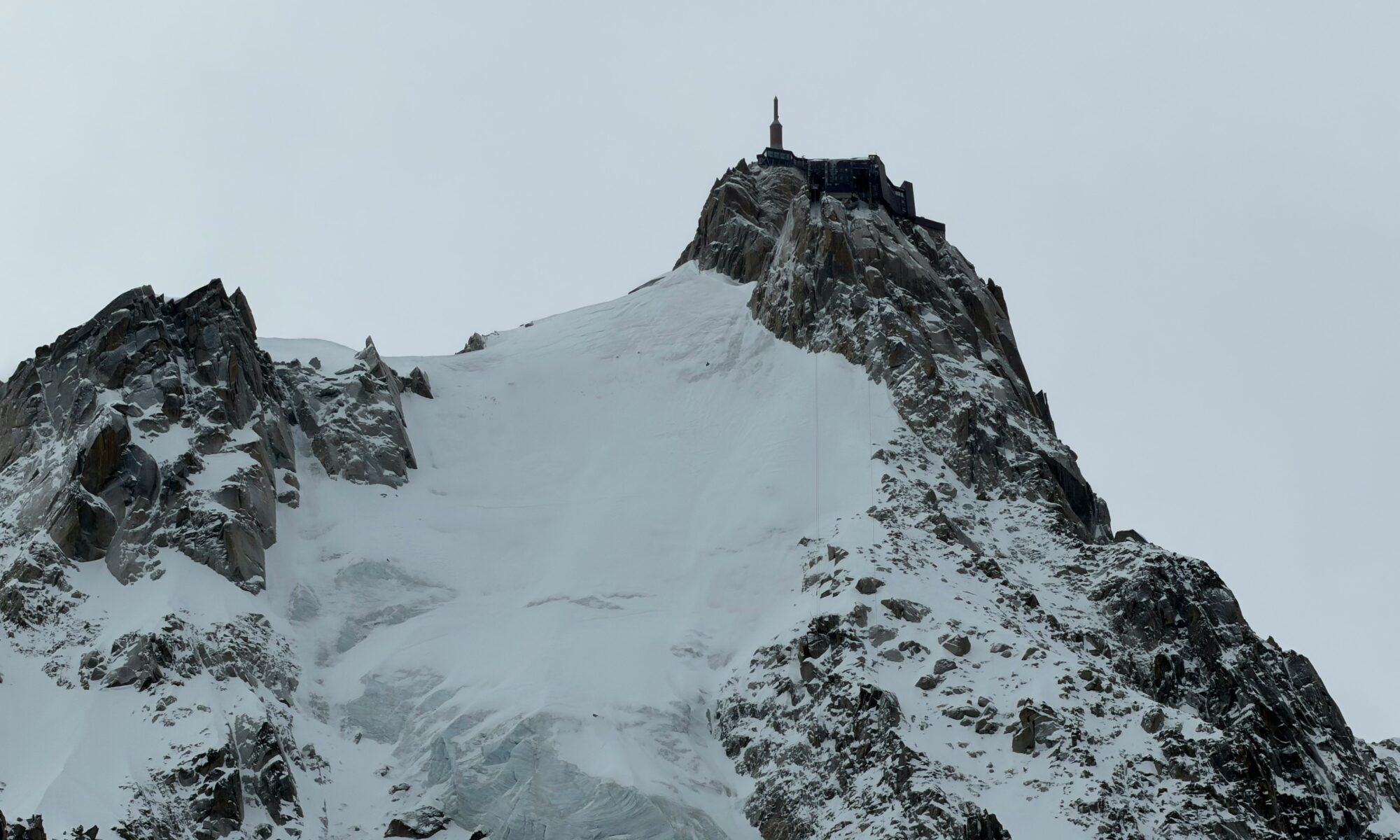
A major rockfall estimated at around 15,000 cubic metres has occurred on the north face of the Aiguille du Midi above Chamonix, adding to growing evidence of instability across the Mont Blanc massif during this summer’s extreme heat.
The collapse happened around midday on Wednesday, 12 August, at more than 3,600 metres altitude, according to French regional newspaper Le Dauphiné Libéré.
The event comes during an exceptionally difficult period in the high Alps, where sustained heat is accelerating glacier melt, warming permafrost and increasing the instability of some high-altitude rock faces.
Around 15,000 Cubic Metres of Rock Fell
Ludovic Ravanel, a geomorphologist at the CNRS and member of the Compagnie des Guides de Chamonix, estimated the volume of the collapse at approximately 15,000 cubic metres.
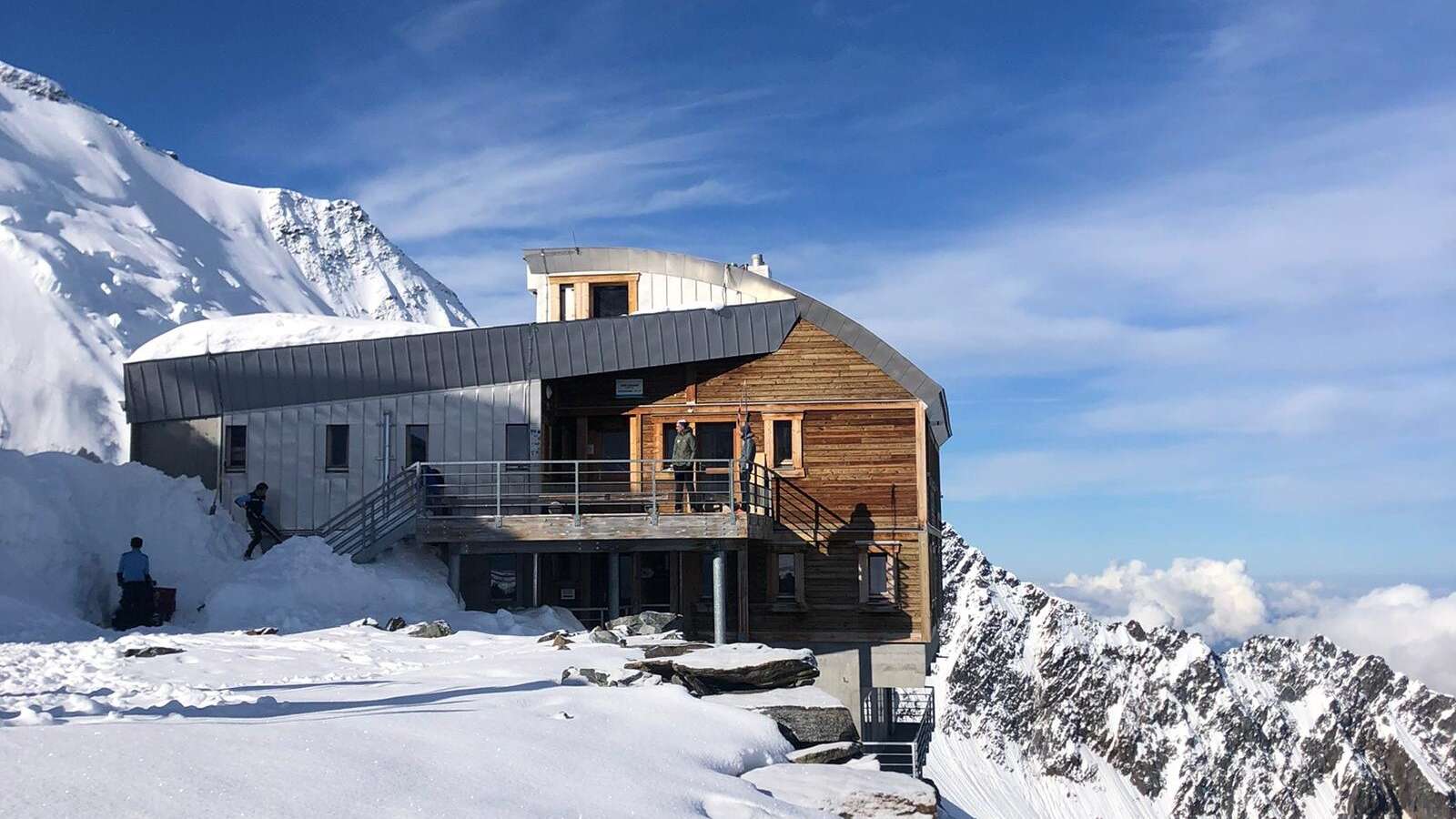
Thirty-two climbers at the Refuge du Goûter on Mont Blanc asked to be evacuated by helicopter this week after deteriorating conditions and repeated rockfalls made the mountain’s normal route increasingly dangerous.
The incident came as authorities closed the Goûter and Tête Rousse refuges, effectively bringing normal operations on the most popular French route to the summit of Mont Blanc to a halt during the height of the summer mountaineering season.
But when the climbers requested a helicopter evacuation on Wednesday morning, August 12, the French mountain rescue service determined that they were not facing an emergency requiring a public rescue operation.
Those who chose to leave by helicopter were therefore evacuated by a private operator — at their own expense.
Others descended from the refuge on foot without incident.
32 Climbers Remained at the Goûter Refuge
The group had spent the night of August 11 to 12 at the Refuge du Goûter, located at approximately 3,835 metres on the normal French route to Mont Blanc.
Conditions on the route had deteriorated significantly in the preceding days, particularly around the notorious Grand Couloir du Goûter.
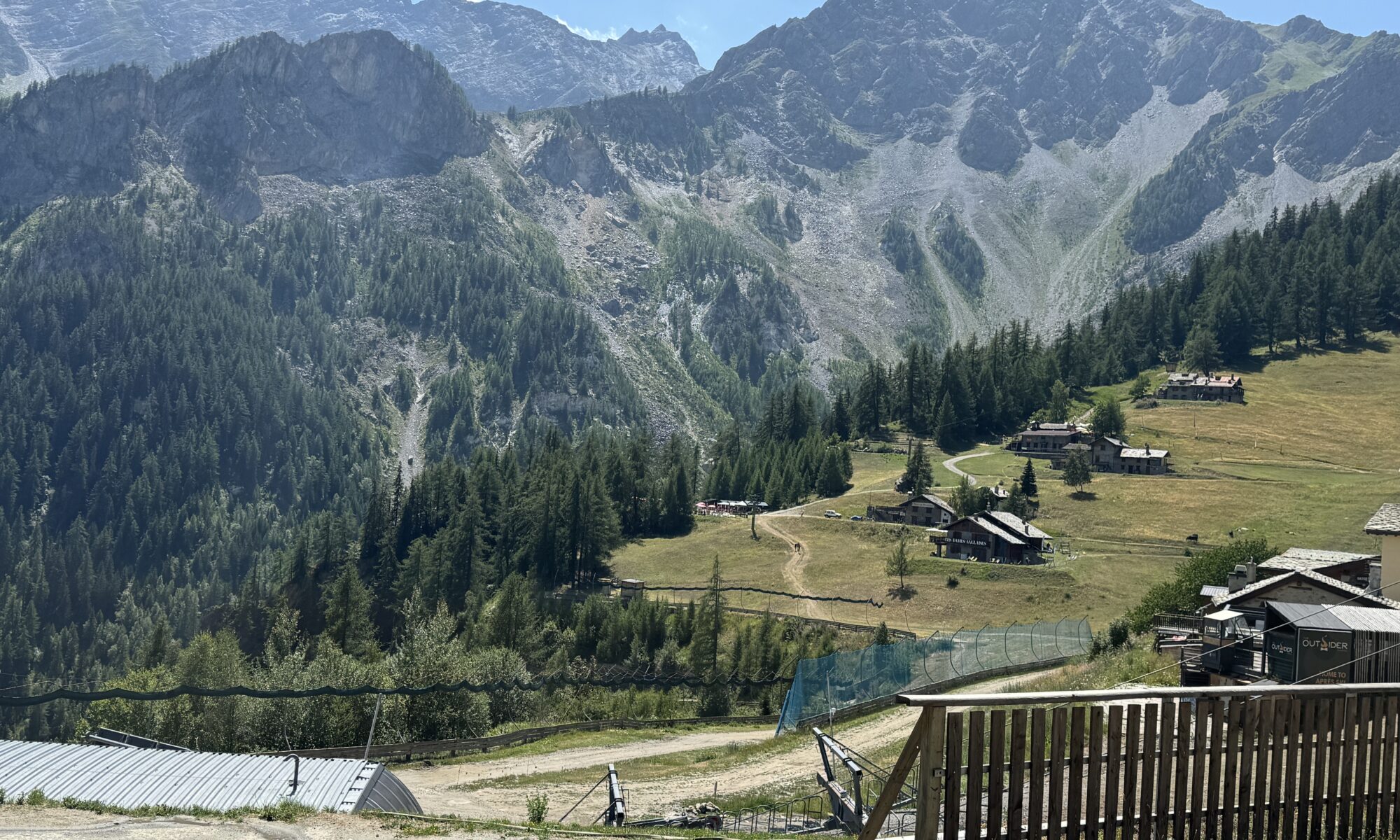
The Aosta Valley is beginning to recover after a week marked by intense storms, flooding and rockfalls, but scientists warn that the longer-term picture remains deeply concerning. While tourist facilities are reopening and emergency conditions are easing, 2026 has already become the worst year on record for glacier loss in Italy’s smallest Alpine region, underlining the accelerating impact of climate change.
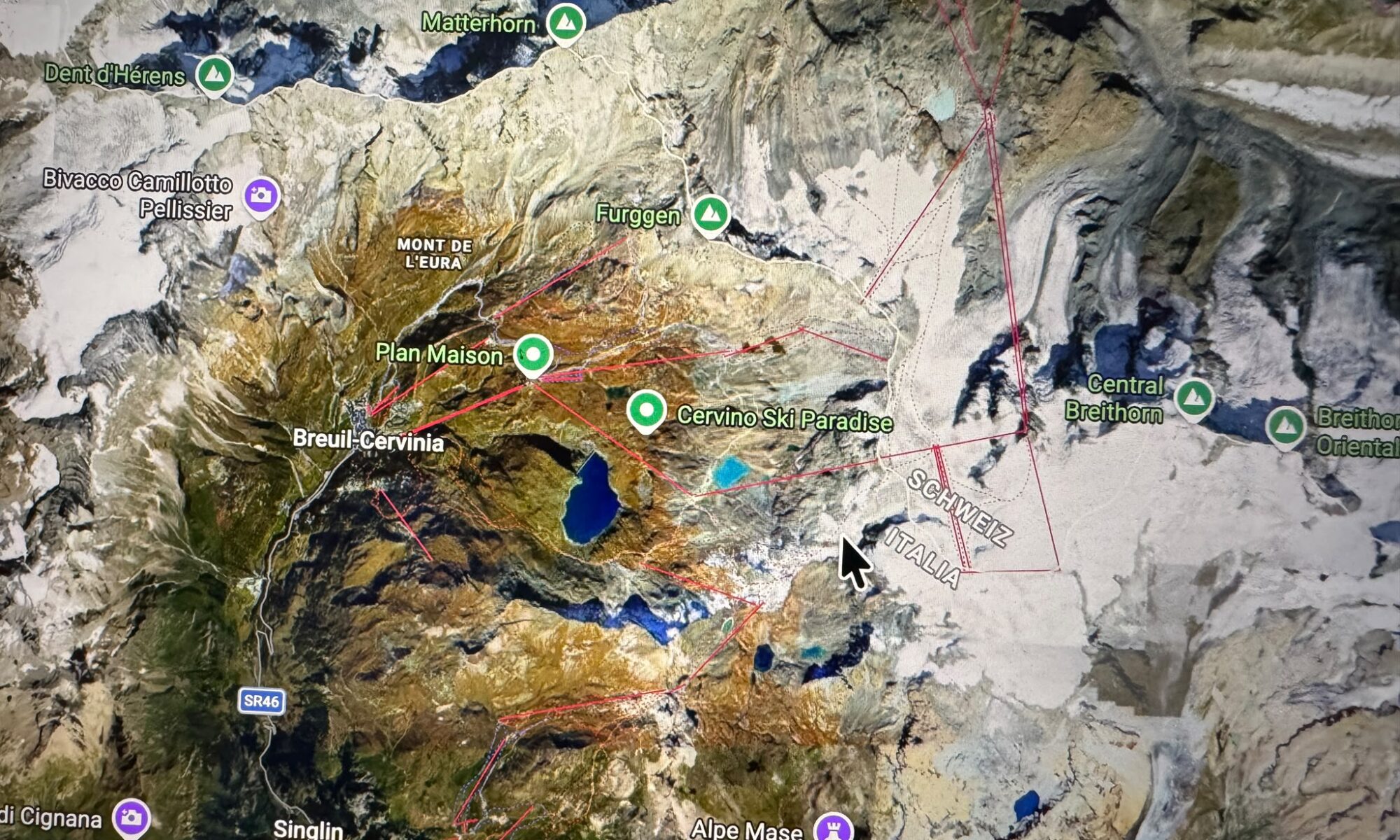
One of the clearest signs of recovery has come from Breuil-Cervinia, where the local golf course has partially reopened following the severe thunderstorms that hit the resort earlier this week. Although only a temporary nine-hole course is currently available while repairs continue, the reopening is an important step for the resort’s summer tourism industry after heavy rain and mudflows disrupted the area.
Just one day after a large rockfall on the Matterhorn shocked the Alpine community, authorities and scientists across the Alps are warning that the exceptional heat gripping southern Europe is accelerating glacier melt and increasing instability in high mountain areas.
Italy remains under widespread red heat alerts, with meteorologists expecting the heatwave to continue through at least Ferragosto. While cities are enduring record temperatures, the impact is proving just as dramatic in the mountains, where glaciers are retreating at unprecedented rates and frozen rock is beginning to thaw.
One of the clearest indicators of the current conditions is the zero-degree isotherm. Normally found between 3,500 and 4,000 metres during summer, it remained between 5,500 and 5,800 metres for several days in July—around 1,400 metres higher than normal. This meant that even the highest Alpine peaks were experiencing temperatures above freezing, dramatically accelerating glacier melt while weakening the permafrost that helps hold mountain rock together.
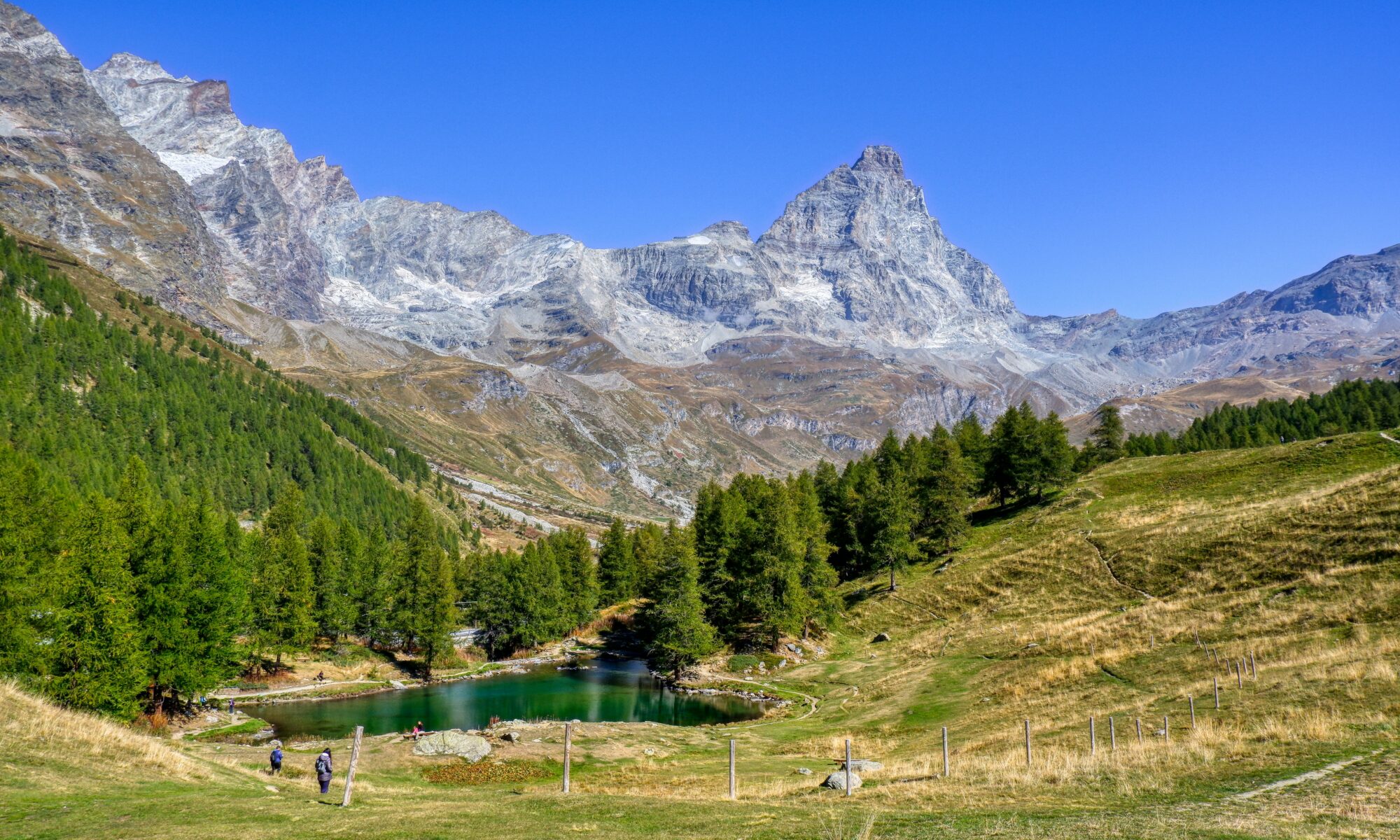
A large rockfall occurred on the Italian side of the Matterhorn, known locally as the Cervino, sending an imposing cloud of dust down the mountain. No people were involved in the incident.
The collapse took place on the mountain’s south face and was captured in footage that has since circulated widely online. The images show the dust cloud expanding rapidly below the rock face, making the event clearly visible from the surrounding area.
According to local reports, the rockfall did not affect the Cresta del Leone, or Lion Ridge, which forms the normal Italian climbing route to the 4,478-metre summit. There have also been no reports of damage to inhabited areas or tourism infrastructure.
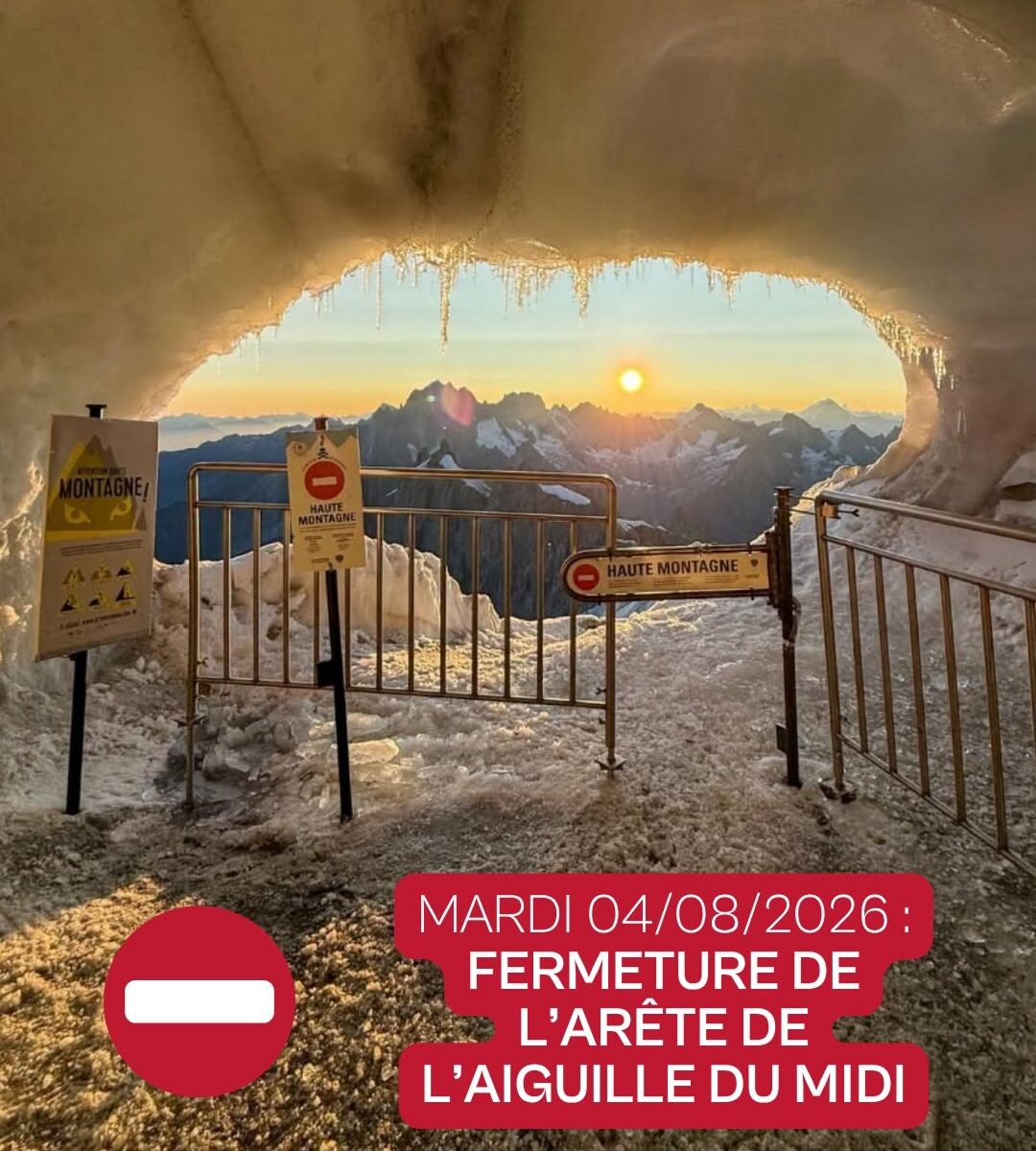
Extreme summer temperatures have forced the closure of the Aiguille du Midi ice tunnel in Chamonix after accelerating melting raised concerns over the stability of its ice roof.
The closure took effect on 4 August 2026 and affects the tunnel used by mountaineers to reach the famous Aiguille du Midi ridge, a major starting point for climbing routes across the Mont Blanc massif.
It does not concern the tourist ice cave at Montenvers–Mer de Glace, which remains open according to its published summer schedule.
As another summer of record-breaking temperatures grips much of southern Europe, the Alps are emerging as one of the season’s biggest winners. Across Italy’s mountain regions, hotels, mountain huts and hiking destinations are welcoming a surge of visitors looking to escape the heat, highlighting how climate change is reshaping travel patterns well beyond the winter ski season.
According to Italy’s JFC Summer Mountain Observatory, mountain destinations are expected to welcome around 7.8 million visitors this summer, an increase of 14.4% compared with 2025. Overnight stays are forecast to surpass 79 million, while the sector is expected to generate approximately €6.6 billion in tourism revenue. Those figures reflect a clear shift in holiday choices as more travellers seek cooler temperatures at higher elevations.
As climate change reshapes the Alps, ski resorts are beginning to discover that one of their most valuable investments may have a second life beyond winter.
In Switzerland, researchers are exploring whether snowmaking systems—traditionally used to guarantee ski conditions during increasingly unpredictable winters—could also help combat one of the mountains’ fastest-growing threats: forest fires.
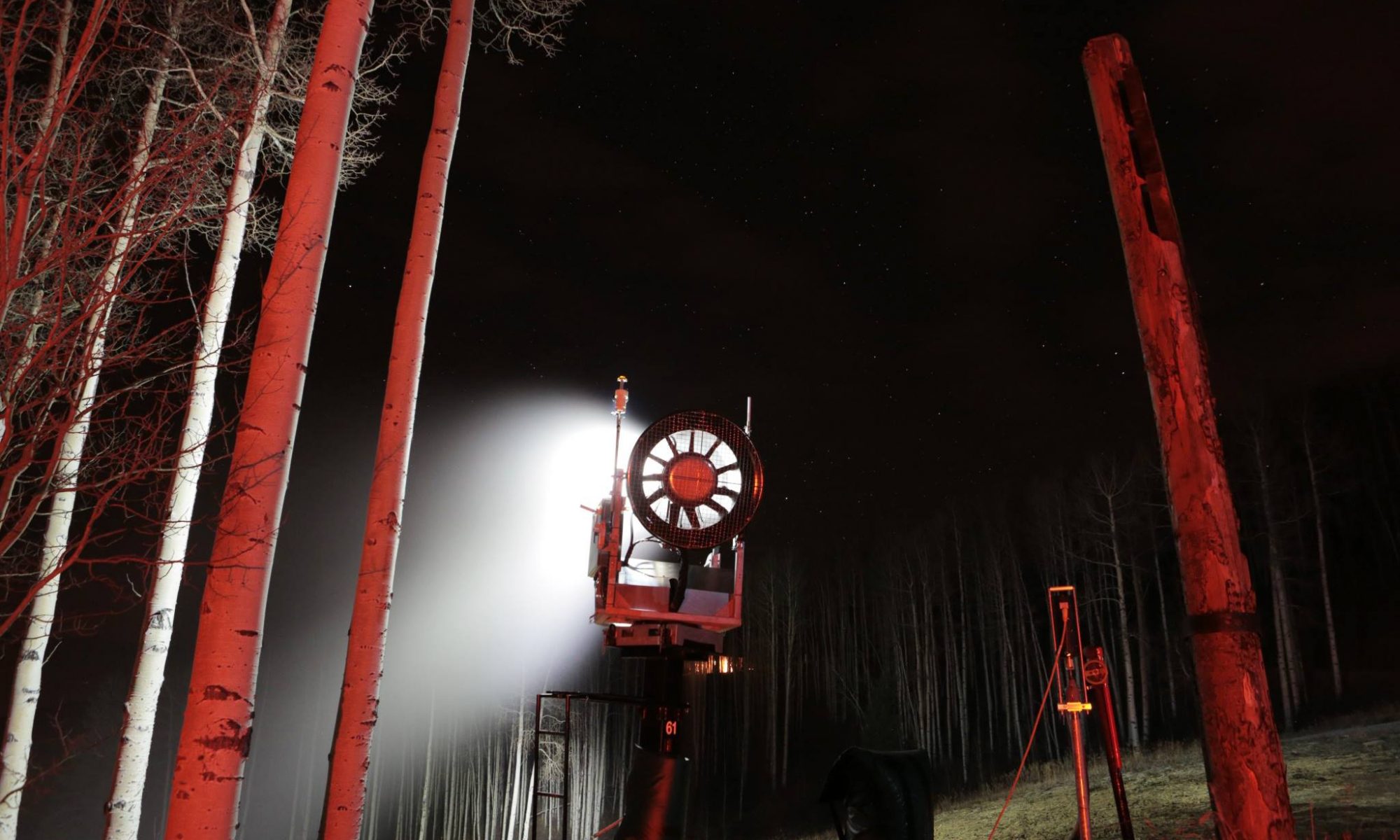
The concept is surprisingly simple. The same network of reservoirs, pumping stations and high-pressure snow cannons that cover ski slopes with artificial snow during winter could potentially be used in summer to spray water onto vulnerable forest areas, helping firefighters slow or contain wildfires before they spread.
A New Role for Snowmaking Infrastructure
Swiss mountain resorts already possess extensive water management systems designed to support snowmaking operations. These include water reservoirs, underground pipelines, powerful pumps and strategically positioned snow cannons across the mountainside.
Rather than building entirely new firefighting infrastructure, researchers believe these existing systems could be adapted to provide rapid water distribution during wildfire emergencies.
The proposal is not intended to replace traditional firefighting methods or aerial water bombing. Instead, it could provide valuable support by creating wet buffer zones, protecting critical infrastructure, slowing the advance of flames and buying precious time until emergency services arrive.
Climate Change Is Changing the Alps
The idea reflects a broader reality facing mountain destinations.
Today, the conversation has expanded dramatically.
Longer periods of drought, rising temperatures and increasingly frequent heatwaves are creating conditions that make wildfires more likely even in regions traditionally associated with snow-covered landscapes.
Several Alpine countries have already experienced more frequent forest fires during recent summers, highlighting that mountain communities now face climate challenges throughout the entire year—not just during winter.
Year-Round Resorts Face Year-Round Risks
Modern ski resorts are no longer purely winter destinations.
Many now depend heavily on summer tourism, attracting hikers, mountain bikers, trail runners and nature lovers. Protecting forests, trails, lift infrastructure, hotels and surrounding communities has become essential for maintaining year-round operations.
Using existing snowmaking infrastructure for wildfire prevention could therefore offer an additional layer of resilience while maximising investments that were originally designed solely for winter operations.
A Smarter Use of Existing Resources
One of the most attractive aspects of the proposal is that it makes use of infrastructure already in place.
Many ski resorts have invested millions in sophisticated snowmaking systems over recent decades to adapt to changing winter conditions. Repurposing those networks during summer could provide added value without requiring entirely new water distribution systems.
Researchers still need to determine how effective snow cannons would be under real wildfire conditions, including factors such as wind, terrain, water pressure and accessibility. However, the concept represents an innovative example of climate adaptation using existing mountain infrastructure.
This Is Part of a Bigger Trend
Switzerland’s proposal is not an isolated idea. Around the world, mountain destinations are exploring new ways to use technology and existing infrastructure to reduce wildfire risk.
Earlier this year, The-Ski-Guru reported on how mountain communities in Colorado are testing AI-powered drones capable of detecting and attacking wildfires within minutes of ignition. While Colorado is looking to the skies with autonomous aircraft, Switzerland is focusing on the ground by repurposing snowmaking systems already installed across its ski resorts.
Together, these initiatives point to a new era in mountain management, where ski infrastructure is evolving beyond winter tourism to help protect forests, communities and alpine ecosystems throughout the year.
The Future of Mountain Tourism
As climate change continues to reshape alpine environments, ski resorts are increasingly being asked to perform multiple roles.
Beyond winter recreation, they are becoming year-round tourism destinations, environmental managers and, potentially, valuable partners in protecting mountain communities from natural hazards.
The Swiss proposal illustrates how infrastructure originally designed for skiing may become an important tool in adapting to a changing climate—demonstrating that the future of mountain tourism may depend as much on resilience as on recreation.
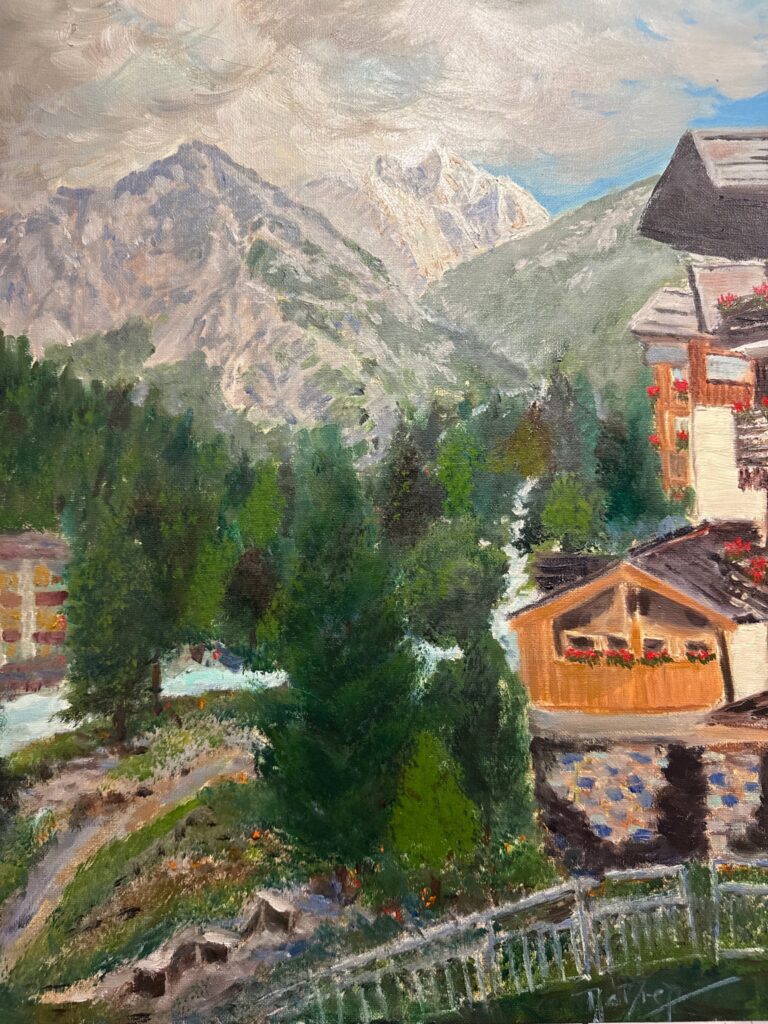
Madonna di Campiglio – after the storm. See the painting in my shop here.Changing seasons in Courmayeur. Oil on board. In my shop here.
Planning your next trip to the Italian Alps?
If you’re heading to the Aosta Valley, take a look at Il Cuore della Valdigne, our family-owned apartment in Morgex, available for rent when we’re not using it ourselves.
You can go to my shop and see what have been inspiring me lately, lots mountain landscapes in soft pastels, and now in oils too. Go here to check my latest works!
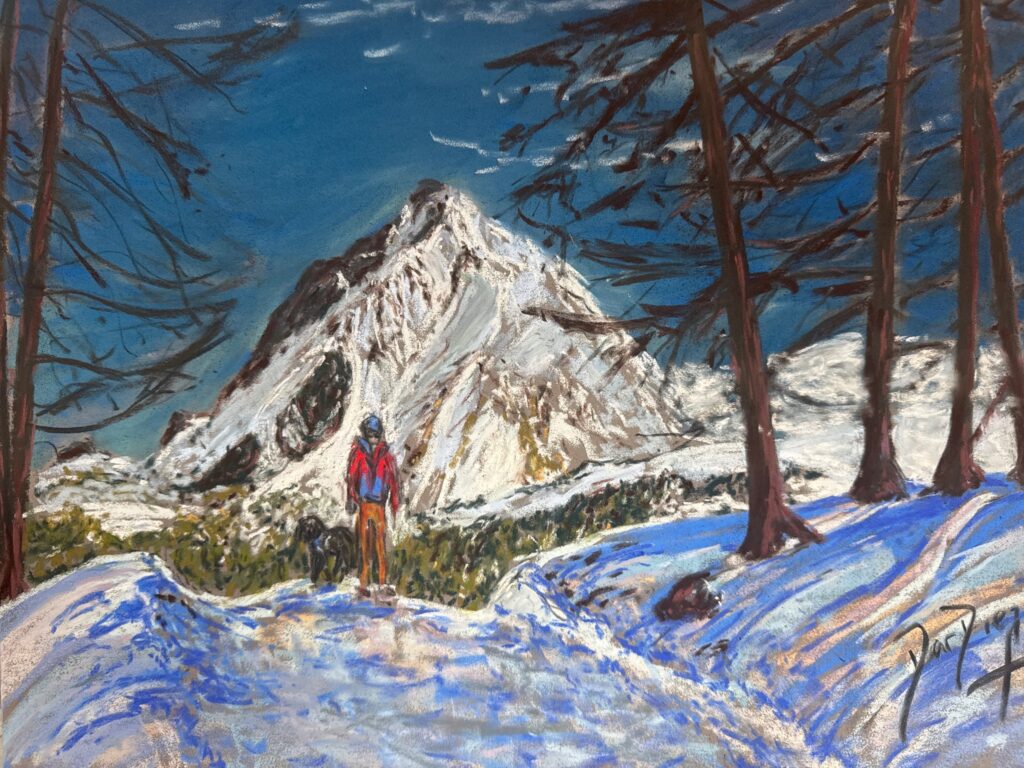
Becca di Nona in Pila, walking with the dog. Soft pastels in pastel paper. In my shop here.
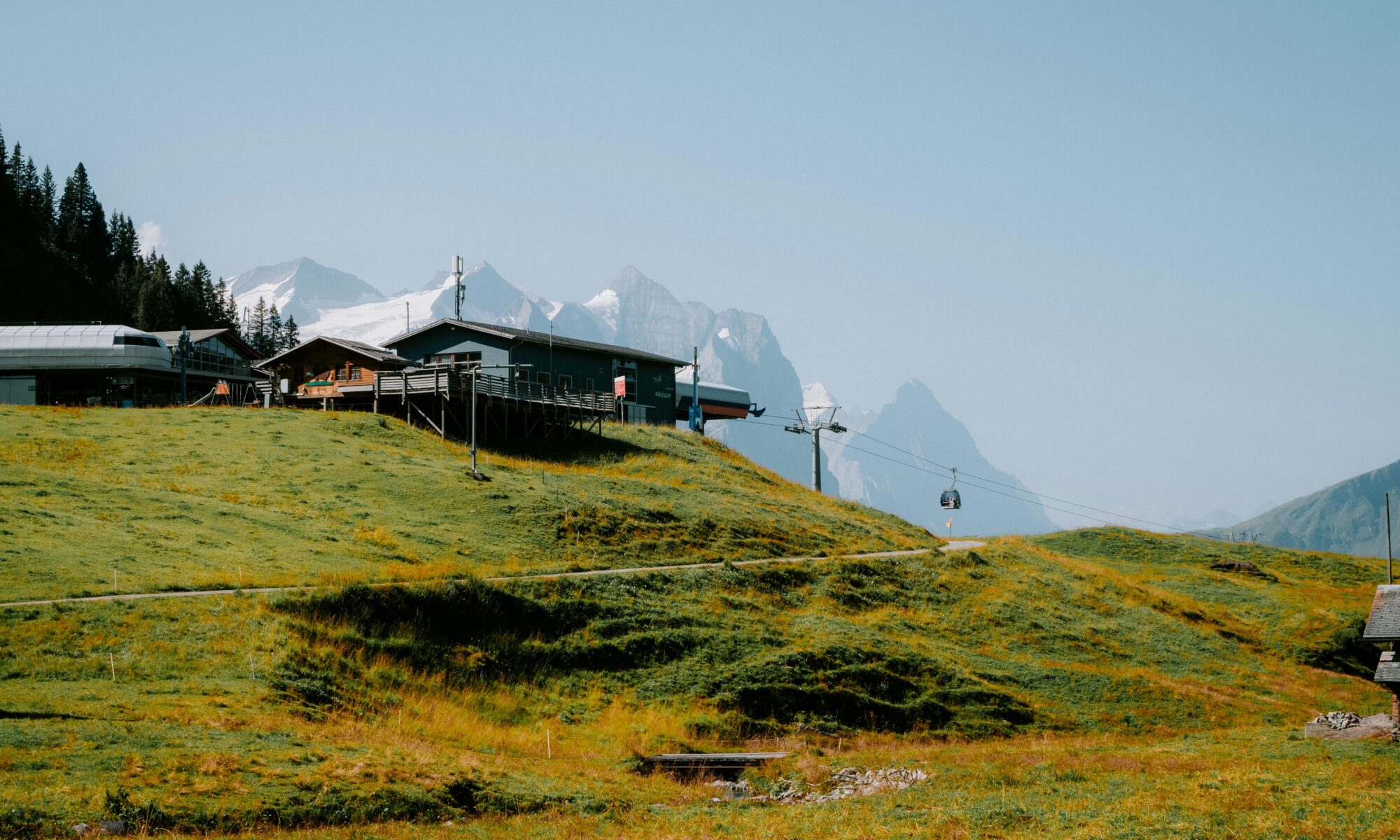
Featured Image: Hasliberg- Photo: Ben Grayland. Unsplash.
Colorado’s 2025/26 ski season will undoubtedly be remembered as one of the most challenging in recent history. Low snowfall, unusually warm temperatures and an early snowmelt created difficult conditions across much of the state, prompting renewed debate about the future of skiing in a warming climate.
A recent investigation by The Denver Post examines how climate change contributed to one of Colorado’s poorest snow seasons on record and explores what this could mean for the ski industry going forward.
The findings are certainly thought-provoking, but they should also be viewed in context.
Enjoyed this post? Get my latest ski guides, weather insights, resort updates and travel tips directly in your inbox. Subscribe to The-Ski-Guru here.
Manage Cookie Consent
To provide the best experiences, we use technologies like cookies to store and/or access device information. Consenting to these technologies will allow us to process data such as browsing behavior or unique IDs on this site. Not consenting or withdrawing consent, may adversely affect certain features and functions.
Functional
Always active
The technical storage or access is strictly necessary for the legitimate purpose of enabling the use of a specific service explicitly requested by the subscriber or user, or for the sole purpose of carrying out the transmission of a communication over an electronic communications network.
Preferences
The technical storage or access is necessary for the legitimate purpose of storing preferences that are not requested by the subscriber or user.
Statistics
The technical storage or access that is used exclusively for statistical purposes.The technical storage or access that is used exclusively for anonymous statistical purposes. Without a subpoena, voluntary compliance on the part of your Internet Service Provider, or additional records from a third party, information stored or retrieved for this purpose alone cannot usually be used to identify you.
Marketing
The technical storage or access is required to create user profiles to send advertising, or to track the user on a website or across several websites for similar marketing purposes.


 Subscribe to The-Ski-Guru here.