Low Water Reserves Raise Fresh Summer Drought Concerns Across Europe’s Mountain Regions

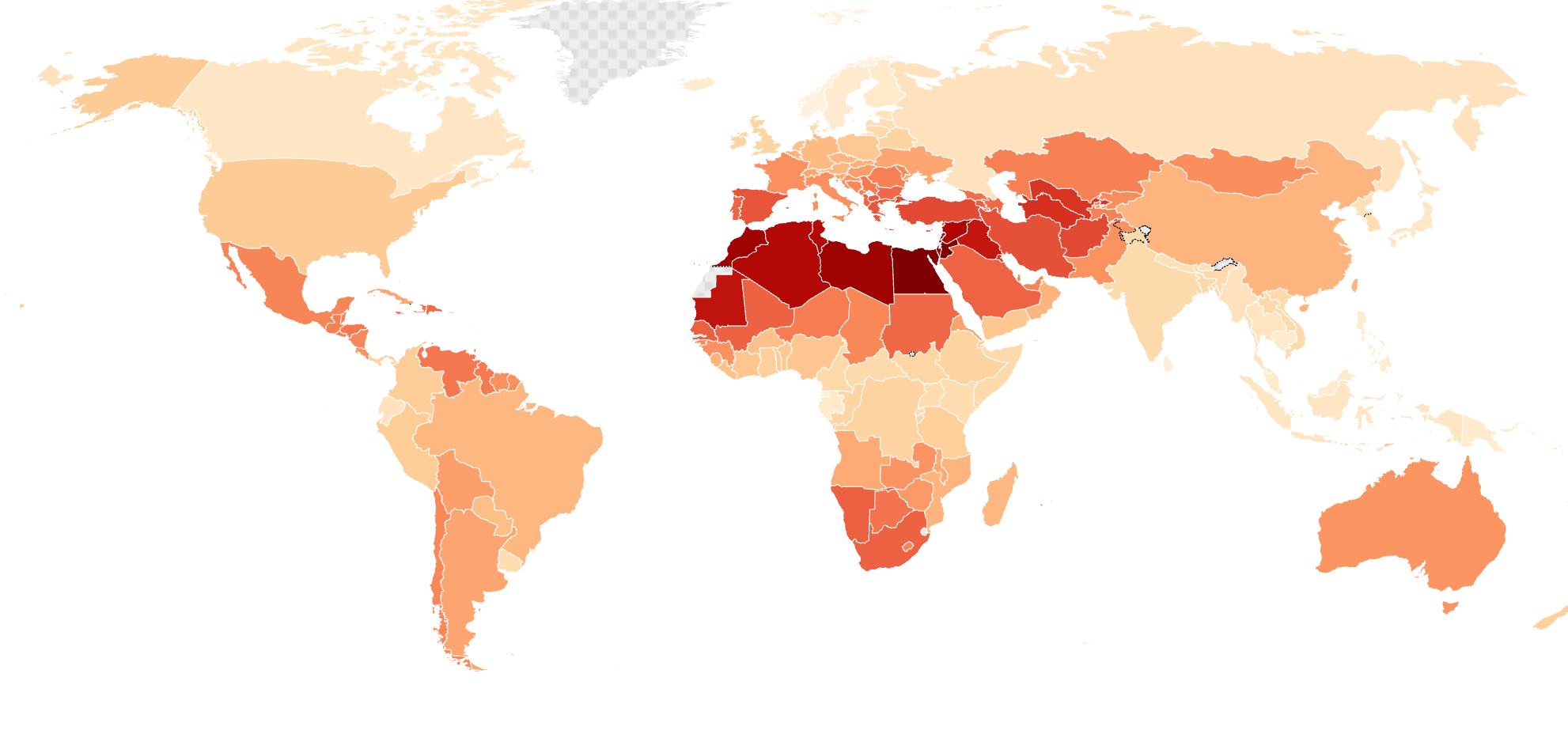
Increase of drought in the world. Infographic: Openpolis.it

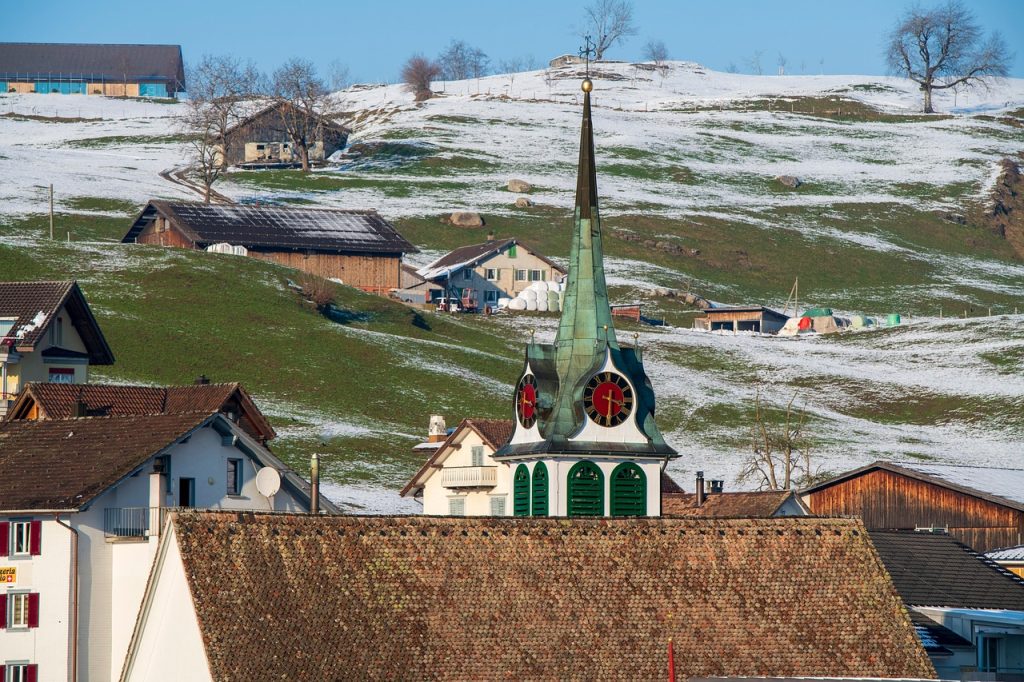
Low Water Reserves Raise Summer Drought Concerns Across the Alps

Switzerland is entering summer 2026 with unusually low water reserves following one of the driest springs in recent years, prompting questions about whether parts of the Alps could face drought conditions later this summer.

According to SwissInfo and MeteoSwiss, rainfall during spring was significantly below average in many areas, while reservoir levels and river flows are lower than normally expected at the start of June.

The concern extends beyond Switzerland. Several Alpine regions experienced a winter marked by long dry periods, reduced snow accumulation and an early start to the spring melt season. While conditions vary between regions, mountain authorities and meteorologists are closely monitoring water availability heading into the peak summer months.
Continue reading “Low Water Reserves Raise Fresh Summer Drought Concerns Across Europe’s Mountain Regions”

Courchevel’s Sinking Reservoir Highlights Growing Alpine Infrastructure Risks

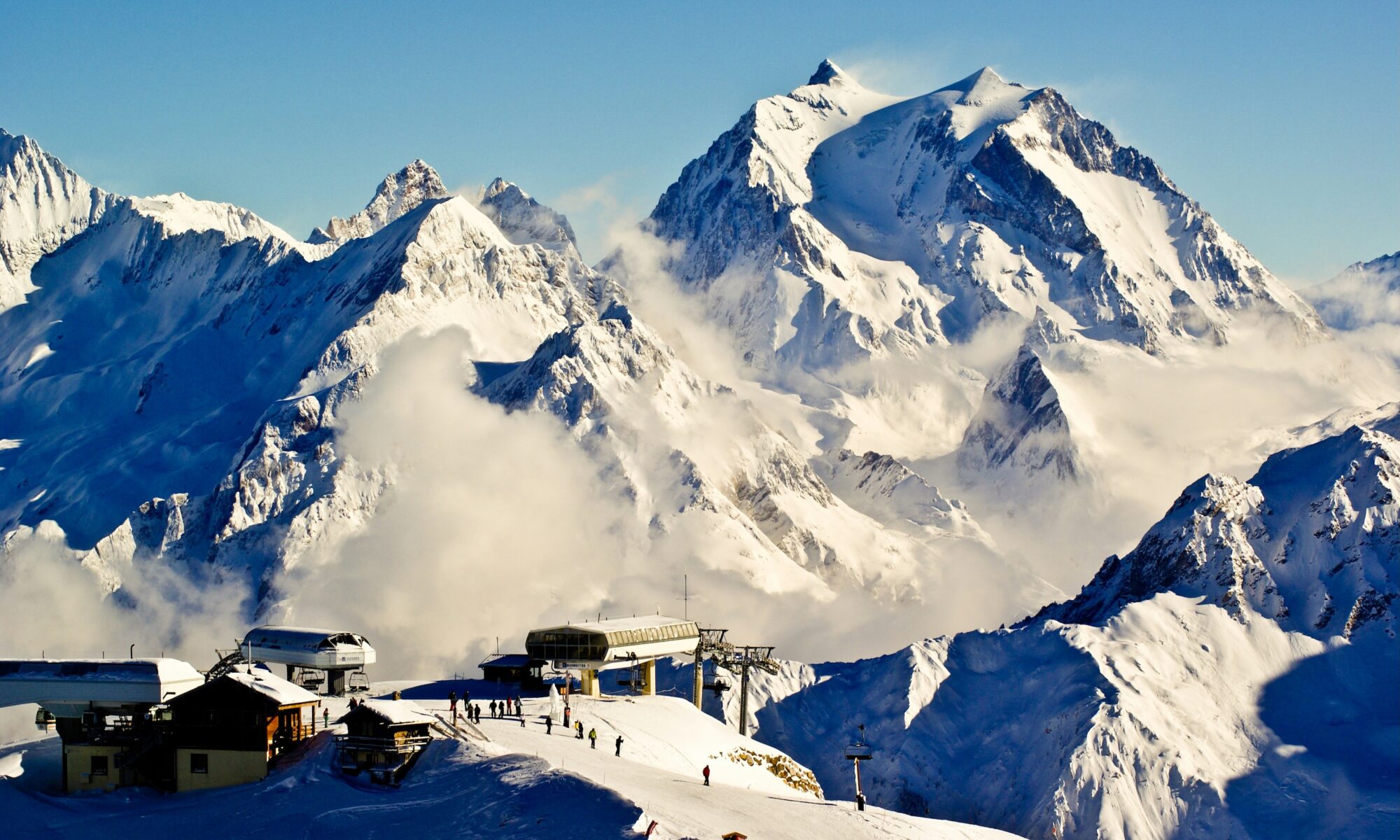
Courchevel. Photo: Piotr Figlarz. Unsplash.

High above the famous French ski resort of Courchevel, a giant artificial water reservoir built to support snowmaking operations is now raising serious concerns about Alpine infrastructure stability in a warming climate.

The reservoir, located above the village of La Tania at around 2,270 metres altitude, was constructed to supply artificial snow for the new Éclipse piste, developed for the 2023 Alpine World Ski Championships and linked to preparations for future international winter sports events. But according to recent investigations by Le Monde, the structure is now subsiding at an alarming rate.

Continue reading “Courchevel’s Sinking Reservoir Highlights Growing Alpine Infrastructure Risks”

Are Investors Losing Faith in the Mega-Resort Ski Model?

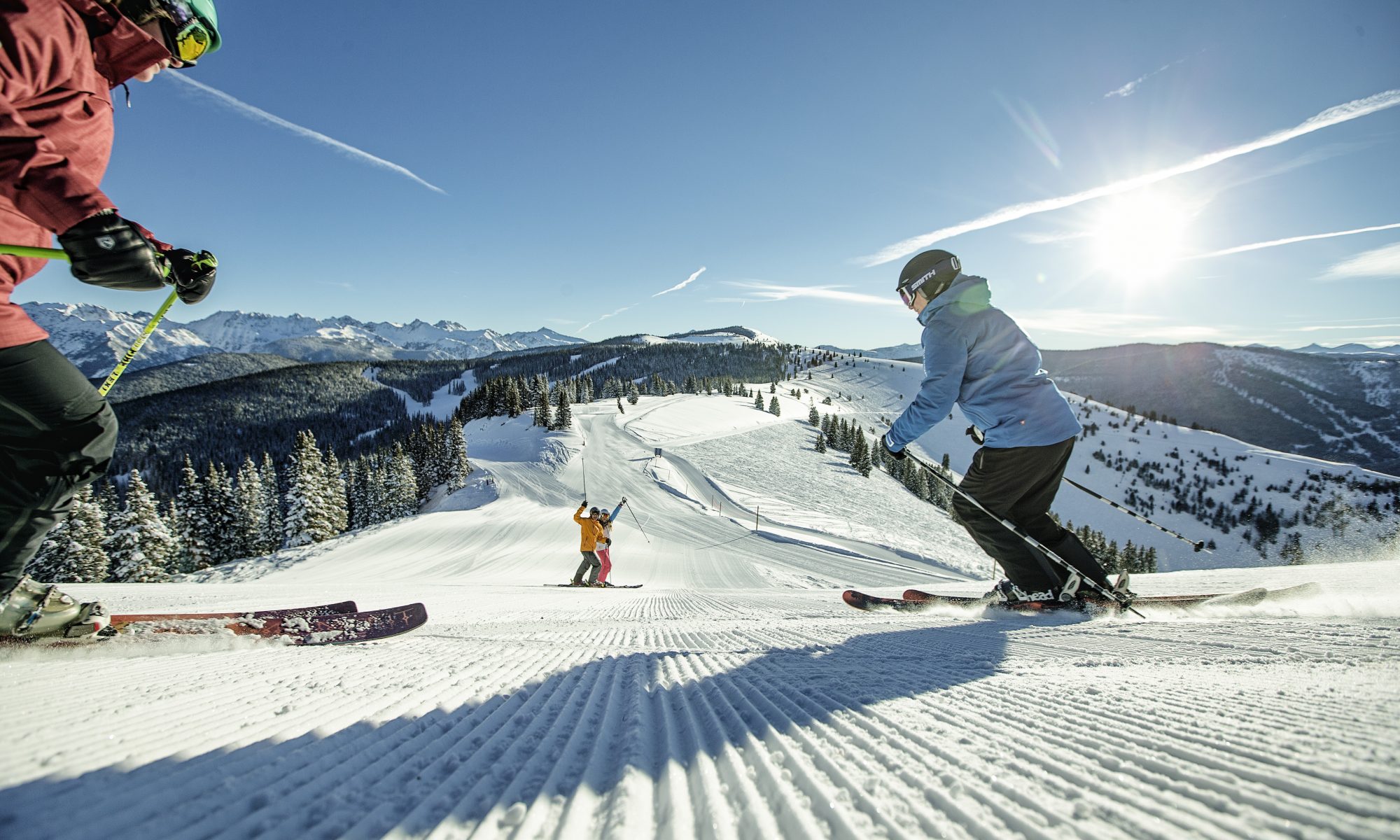
Friends Skiing Groomed Terrain in Vail, CO.. Photo: Daniel Milchev. Vail Resorts.

A recent filing showing that investment firm MSA Advisors sold its entire position in Vail Resorts may not be major news on its own. Institutional investors buy and sell shares every day. But in the context of the current ski industry landscape, the move raises broader questions about whether Wall Street is becoming more cautious about the future of the large destination ski resort model.

Over the past decade, Vail Resorts became one of the defining success stories of the modern ski industry. Through the growth of the Epic Pass, aggressive acquisitions, and expansion into Europe, the company transformed skiing into a subscription-style global business. Investors rewarded that strategy for years, helping turn Vail into one of the most valuable ski companies in the world.

But the environment facing ski resort operators in 2026 looks very different from the one that fuelled that expansion.

Continue reading “Are Investors Losing Faith in the Mega-Resort Ski Model?”

Early Melt Forces Ski Resort Closures Across Colorado & Utah

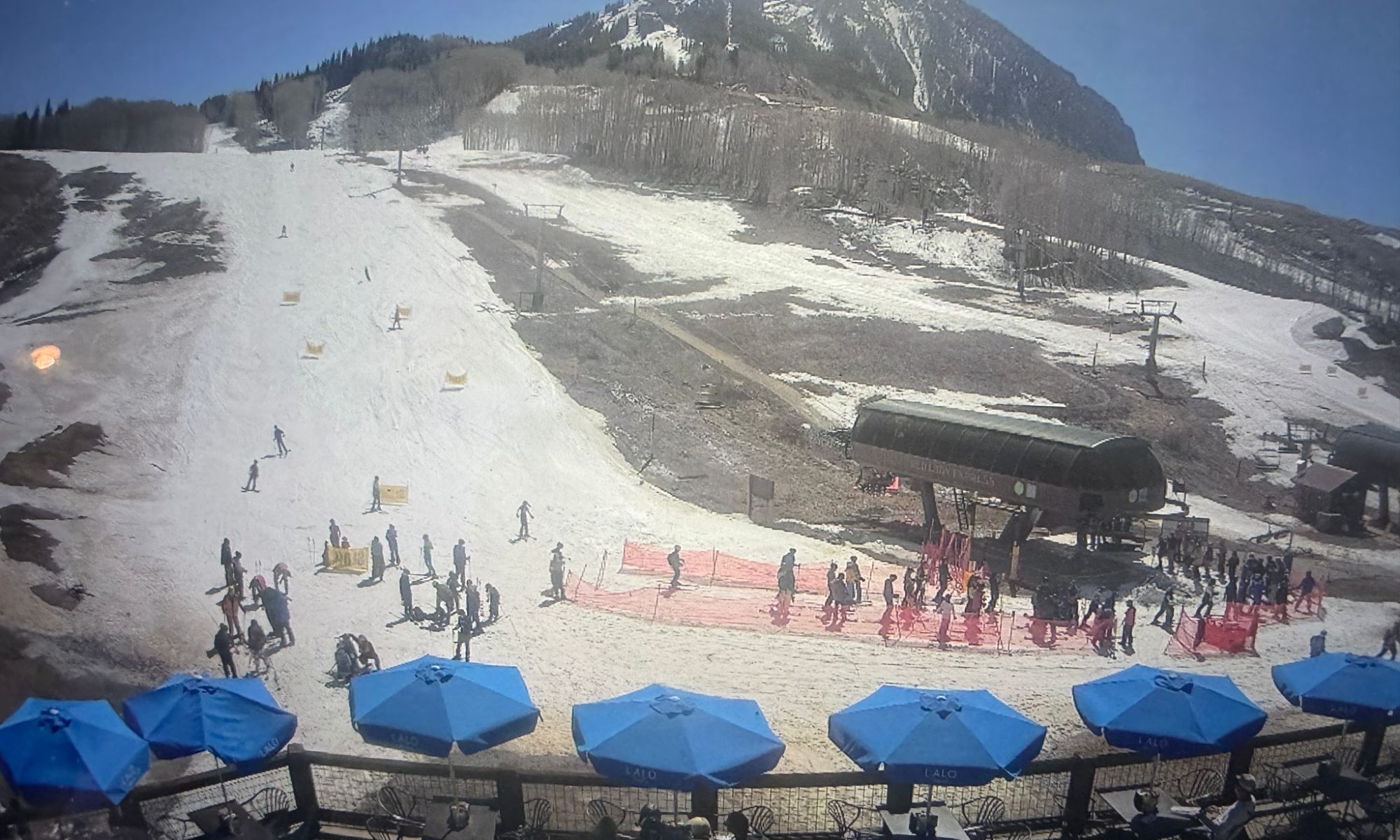
Base of Mt Crested Butte on 27th March, 2026 webcam. Crested Butte is one of the resorts that is having shrinking terrain to offer due to an extremely hot spring.

An unusually warm March across the western United States is forcing early ski resort closures in Colorado and Utah, as rapidly melting snowpack and thinning coverage reduce terrain and raise safety concerns — a dynamic increasingly familiar across Alpine regions, where mid-season warm spells are also reshaping snow conditions.

Several resorts have already shut, while others are now expected to close earlier than planned. What would normally be a gradual late-season transition has instead become a rapid shift from winter to spring.

👉 Snow Conditions in a Warming Alpine Climate


Colorado Ski Resorts Facing Early Closure After March Heatwave

Across Colorado, the 2025–2026 ski season is ending earlier than expected following a sustained period of above-average temperatures combined with a relatively weak snowpack.

Continue reading “Early Melt Forces Ski Resort Closures Across Colorado & Utah”

Mountain Wildfires: Rising Risk in Colorado & the Alps

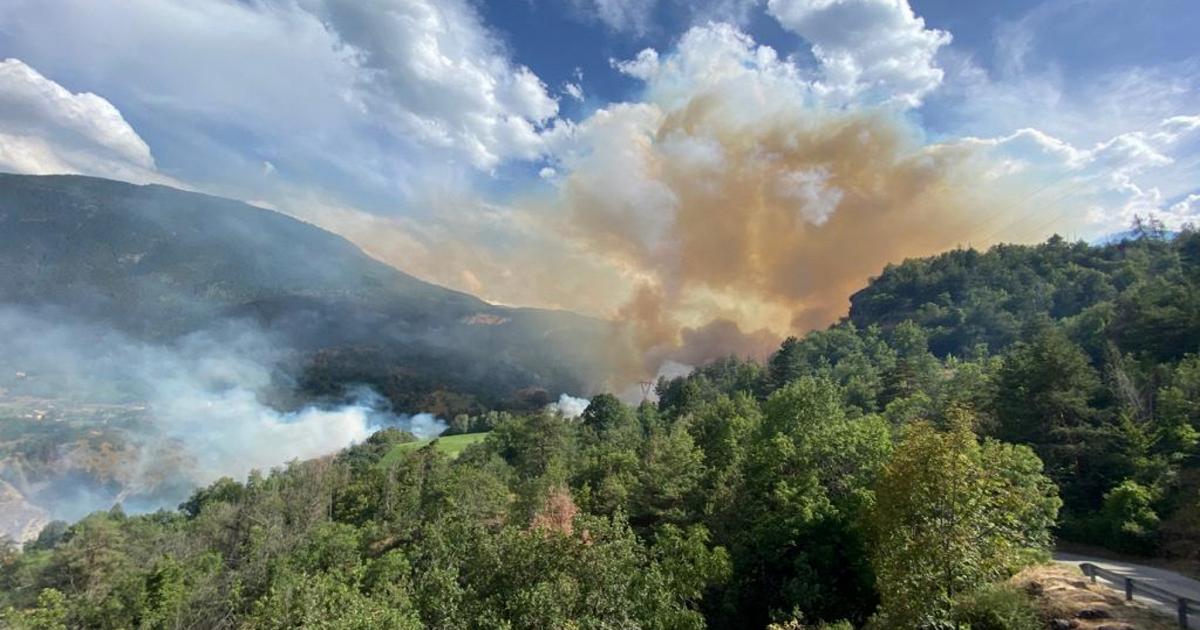
Fire in Aymavilles in the Aosta Valley in the summer of 2025. Photo: Rai News.

While much of this winter has focused on avalanche instability across the Alps, mountain regions elsewhere are facing a different but equally significant hazard: wildfire risk linked to changing climate patterns.

In the U.S. state of Colorado — particularly around high-elevation communities such as Aspen — authorities are increasingly concerned about longer fire seasons, drought stress and more extreme weather variability.

📈 A Growing Trend in Mountain Environments

Over the past two decades, Colorado has experienced:

  • Larger and more frequent wildfires
  • Fire seasons extending beyond traditional summer months
  • Increased drought and reduced snowpack
  • Stronger wind events contributing to rapid fire spread

Several of the largest wildfires in Colorado’s recorded history have occurred since 2000 — a shift widely linked to warmer temperatures and drier forest conditions.

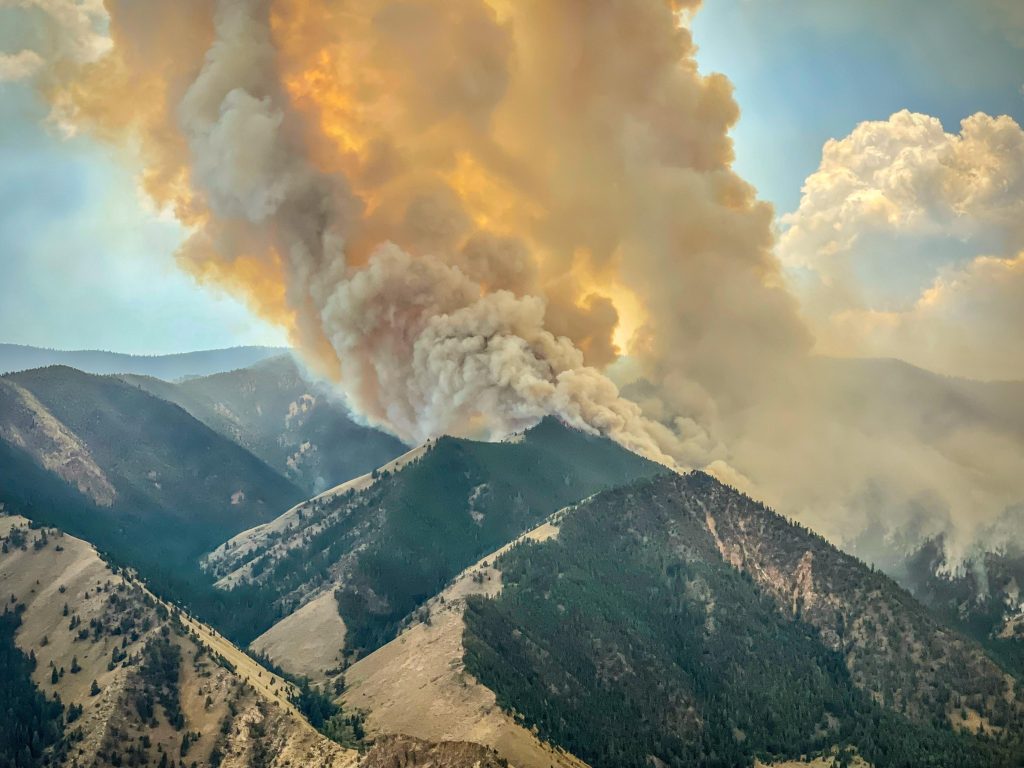
Moose Fire Idaho. July 2022. Sheena Waters/Aspen Public Radio photo. Wildfire risk in mountain regions.

🧠 Technology as Adaptation

In response, some mountain towns are now trialling AI-assisted camera and drone systems designed to detect wildfire smoke at a very early stage.

Continue reading “Mountain Wildfires: Rising Risk in Colorado & the Alps”

Tourists Arrive, but the Snow Doesn’t: A Worrying Winter Across the Italian Alps

Tourists Arrive, but Snow Is Missing Across the Italian Alps

Introduction

The 2025 winter season in the Italian Alps is once again highlighting a difficult and increasingly familiar reality: tourists are arriving on schedule, but snow conditions are not.

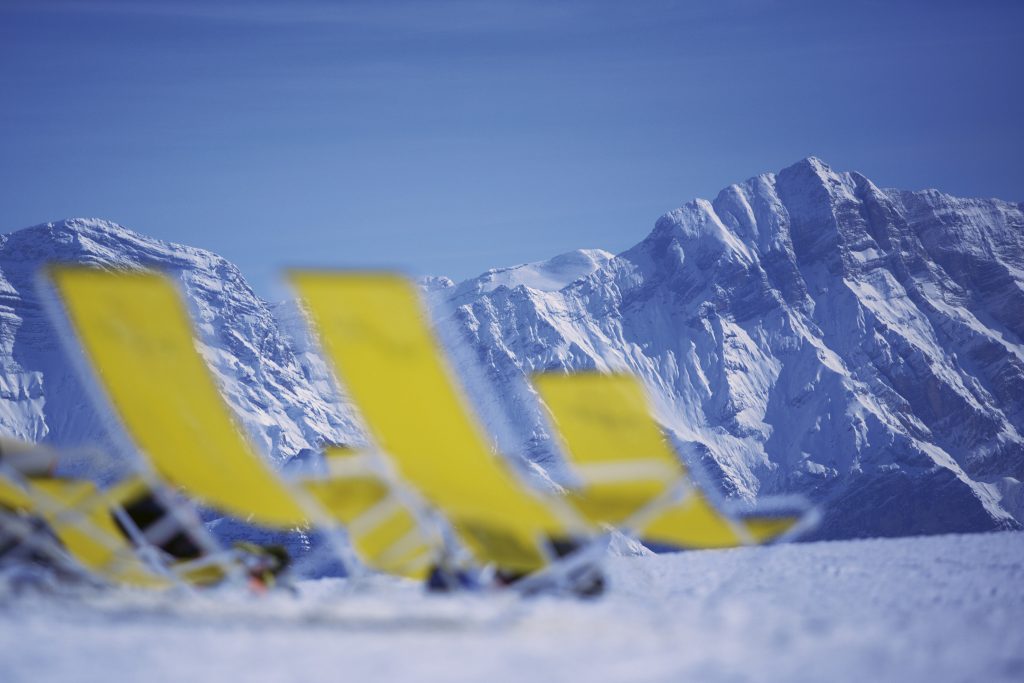
Skiers may also enjoy sunbathing on a terrace in the wintery landscape of Plan de Corones/Kronplatz, one of the most popular ski resorts of South Tyrol/Südtirol. Season Opening’s at the different ski resorts of Sudtirol and Christmas Markets.
Skiers may also enjoy sunbathing on a terrace in the wintery landscape of Plan de Corones/Kronplatz, one of the most popular ski resorts of South Tyrol/Südtirol.
Tourists Arrive, but the Snow Doesn’t: A Worrying Winter Across the Italian Alps.

From South Tyrol to Trentino and across the Dolomites, ski resorts are facing closed pistes, rain at altitude, reduced snowpack, and mounting climate-related risks — all with immediate consequences for tourism and long-term implications for mountain regions.

Continue reading “Tourists Arrive, but the Snow Doesn’t: A Worrying Winter Across the Italian Alps”

Why Ski Resorts Are Turning to Four-Season Tourism

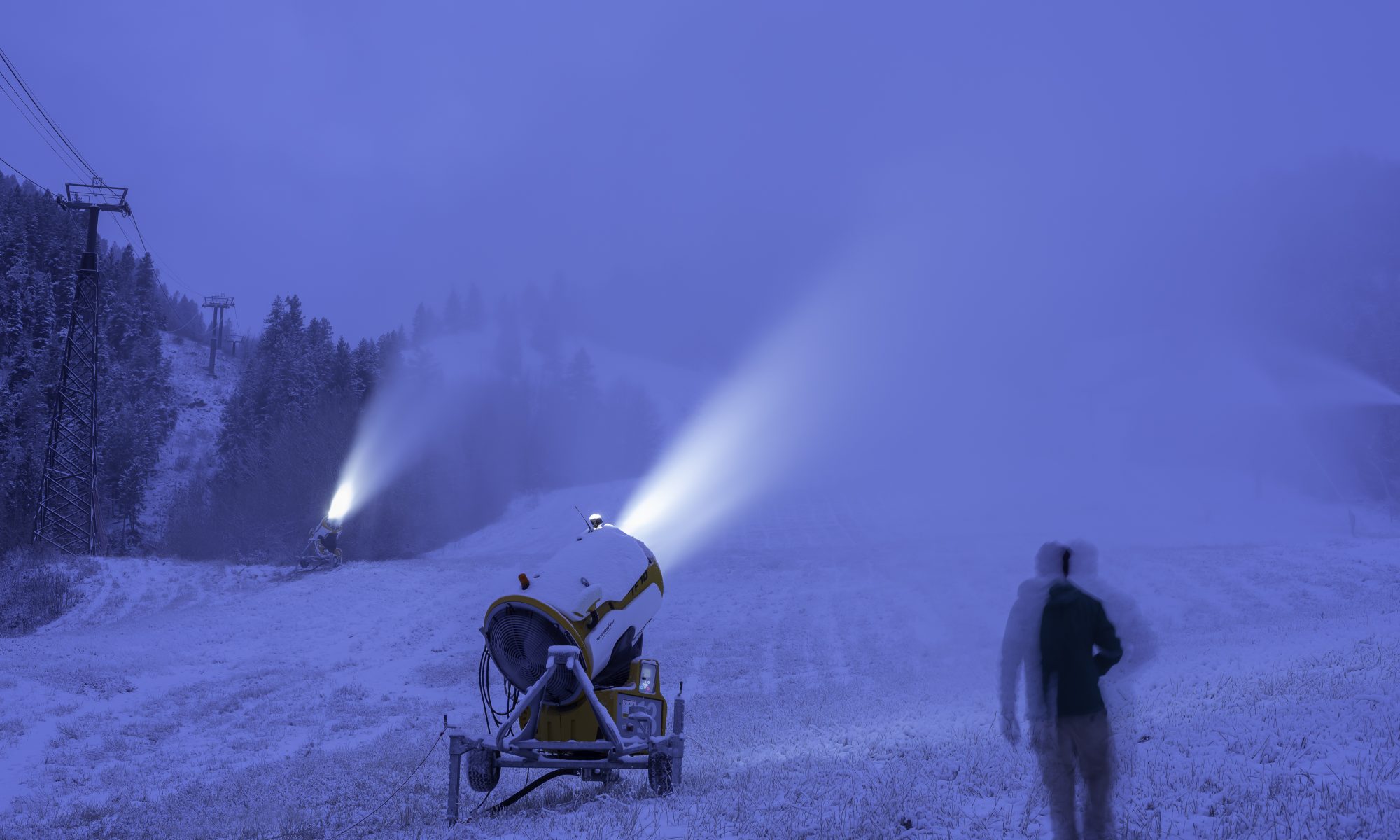
Snowmaking in Ajax. Photo: Dan Bayer. Aspen Skiing Company. Snowmaking Operations Underway at Aspen Snowmass for the 2018-19 Season

Why Ski Resorts Are Turning to Four-Season Tourism

For decades, mountain resorts lived by the rhythm of winter — snow, skiing, après-ski, repeat. That rhythm is changing. Climate variability, shifting travel habits, and a growing love for outdoor experiences are pushing ski areas to think beyond the slopes. Across the Alps and the Rockies, destinations are embracing a four-season model, turning themselves into year-round playgrounds for adventure, wellness, and culture.


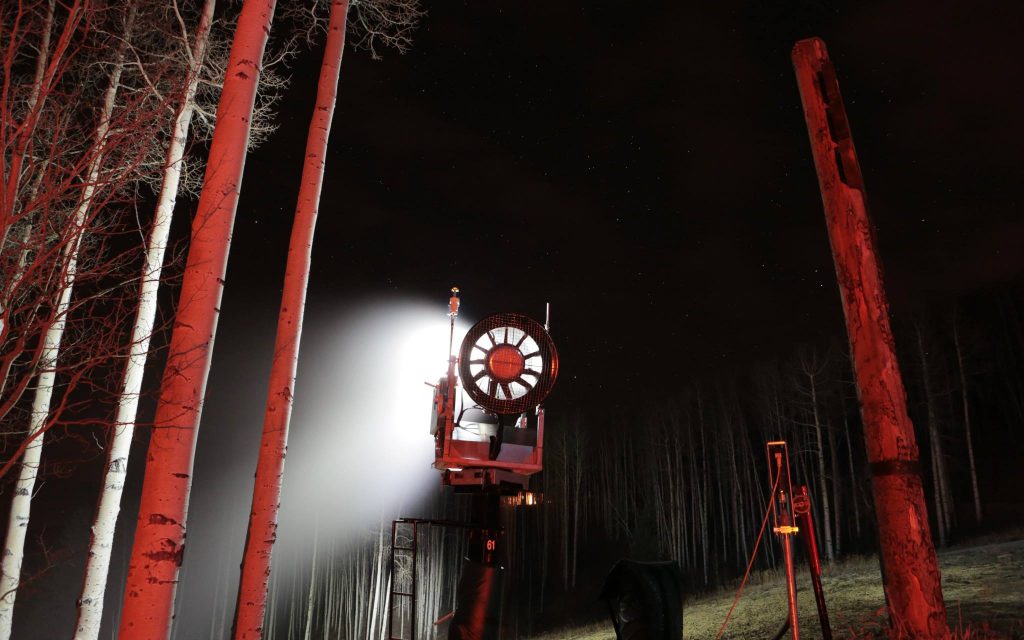
Beaver Creek Gold Dust Trail Snowmaking- Photo: Vail Resorts. Vail Resorts Announces Long-Term Wind Energy Contract And Plan To Eliminate Conventional Single-Use Dining Plastics In Its ‘Commitment To Zero’.
Beaver Creek Gold Dust Trail Snowmaking- Photo: Vail Resorts.

❄️ The Challenge: Unpredictable Winters

Winters aren’t what they used to be. National climate scenarios for Alpine countries (as the report I’ve just written about that was for Switzerland) show a steady rise in temperatures, more frequent warm spells, heavier rainfalls, and a snowline that keeps creeping uphill. Lower resorts can no longer rely on consistent snowfall. Even higher ones are investing heavily in snowmaking — which adds pressure on energy, water, and budgets if not managed smartly.

Continue reading “Why Ski Resorts Are Turning to Four-Season Tourism”

Switzerland’s Alps Face a Hotter, Wilder Future

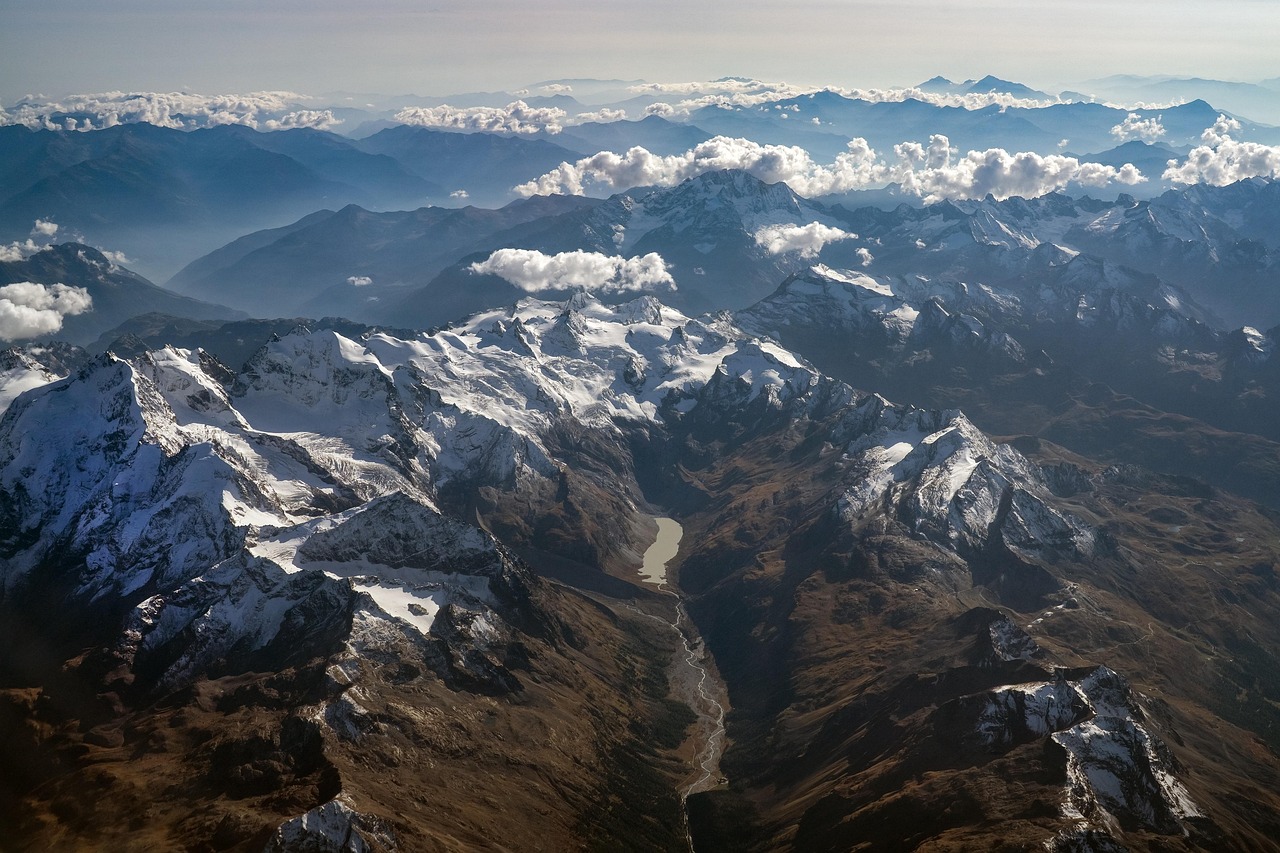
Switzerland’s Alps Face a Hotter, Wilder Future. Photo: Pixabay Markus Kammermann.

Switzerland Braces for a Hotter, Wilder Future — What It Means for the Alps

Switzerland’s Alps are heating up nearly twice as fast as the global average. The new CH2025 Climate Report by MeteoSwiss and ETH Zurich reveals what this means for our mountains — and for those who love them.


🇨🇭 A Country Warming Twice as Fast

Switzerland — famous for its snow-covered peaks and pristine valleys — has already warmed by 2.9°C since pre-industrial times, compared with around 1.3°C globally. According to the CH2025 Climate Report, the country faces a future of hotter summers, heavier storms, and rising snowlines that could reshape mountain life and tourism.

☀️ More Heatwaves — Even in the Mountains

Extreme heat events have become far more common in the past 25 years, and this trend is accelerating. The report warns that a day as hot as those that used to occur once every 50 years could now happen every three years or more. Cities like Zurich, Geneva, Basel and Lugano are expected to see far more “tropical nights,” when temperatures never drop below 20°C. Even Alpine valleys will experience unprecedented heat stress.

Lower elevations in Switzerland are destined to not have more snowy winters. Photo: Josef Farago. Pixabay. Switzerland’s Alps Face a Hotter, Wilder Future

🌾 Drier Summers Ahead

Summers are projected to become significantly drier due to increased evaporation and reduced rainfall. A drought that once happened once a decade could strike three times as often and with 44% greater intensity. Forest fire risk is rising sharply, particularly in Valais, Ticino, and parts of Graubünden.

Continue reading “Switzerland’s Alps Face a Hotter, Wilder Future”

Was the past one a great ski season? Enjoy it for now!

Norbert, Nico and Eva playing at Squaw Valley. Alterra Resorts. Was the past one a great ski season? Enjoy it for now!

Was the past one a great ski season? Enjoy it for now!

From Bloomberg Business

This past winter’s weird weather patterns delivered record snowfalls. There are now five North American ski resorts still open and even Mammoth is planning to use its chairlifts in August.

Peak 6 in Breckenridge, CO. Photo Andrew Maguire. Vail Resorts. Was the past one a great ski season? Enjoy it for now!

The ski industry – a business of $8.4 million in North America has gone from being really bad, to have a good year even when there is a fallout of climate change.

It was a record year for skier days in the US – as the National Ski Areas Association published there was an 11% increase in skier days from the prior year reaching 59 million skier days in the US.

Both Alterra and Vail Resorts have taken advantage of this. From November through April, Vail received 13.7 million skier days – a 20% year on year. Total revenue increased 14.5 percent to $1.8 billion.

Continue reading “Was the past one a great ski season? Enjoy it for now!”

What does Climate Change will mean to a Mountain Nation such as Switzerland by 2060.

ADELBODEN - Three friends taking their sledges up the slope. Copyright by Adelboden Tourismus By-line: swiss-image.ch/Anja Zurbruegg Adelboden Lenk Kandersteg: What does Climate Change will mean to a Mountain Nation such as Switzerland by 2060.

What does Climate Change will mean to a Mountain Nation such as Switzerland by 2060. From Swissinfo.ch – Climate Change in forty years in Switzerland will mean over 40C in the cities, long droughts and not too much snow in winter, Switzerland will be looking as a Mediterranean country. This will have consequences in this land-lock country.

Verbier - Valais - What does Climate Change will mean to a Mountain Nation such as Switzerland by 2060.
Verbier – Valais – What does Climate Change will mean to a Mountain Nation such as Switzerland by 2060.

By 2060 the typical weather forecast on a summer day can describe 45C in the cities and twenty days of sustained heat. MeteoSwiss (the federal department of meteorology and climatology) has devised different climate scenarios for Switzerland, in conjunction with the Federal Institute of Technology in Zurich (ETHZ) and publish edit in a report in mid-November. Peter Binder, the head of MeteoSwiss summarised that “Switzerland will be a hotter and drier place”.

Continue reading “What does Climate Change will mean to a Mountain Nation such as Switzerland by 2060.”